
The View Askewniverse and Why It Still Matters
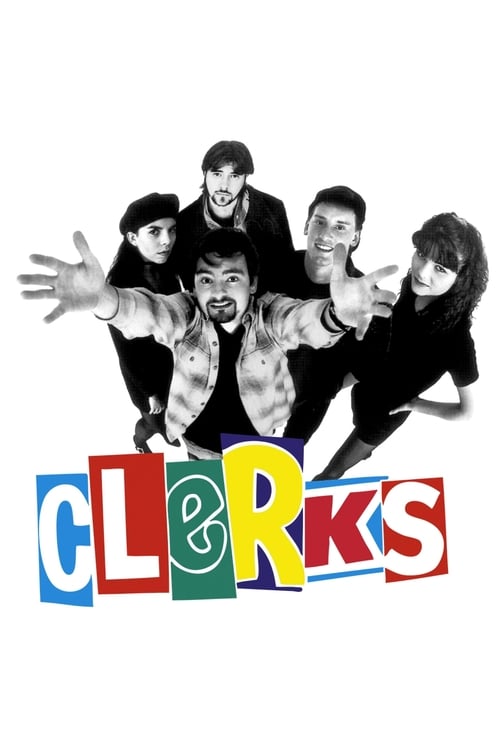
Kevin Smith made his first film, Clerks, in 1994 for roughly $27,000, shooting nights in the convenience store where he worked days. He cast his friends, used cheap black-and-white film stock, and let his characters talk. They talked about Return of the Jedi contractors, the ethics of dating someone with a sexual history, the difference between a job and a calling. That film got into Sundance, won awards at Cannes, and launched one of the most recognizable indie film voices of the decade.
What Smith built over the next thirty years is not exactly a career in the conventional Hollywood sense. It is a conversation, conducted across cheap movies and expensive movies, comic books and podcasts, the occasional TV show, a strange detour into body horror with Tusk, and a proper theological provocation with Dogma. The through-line is not genre or budget or critical reception. It is voice: the specific pleasure of watching people who care deeply about things that do not matter argue passionately as if they do. His films are full of friendships, failed ambitions, Star Wars, Catholic guilt, New Jersey, and the conviction that loving pop culture hard enough is a form of philosophy.
Fans of Kevin Smith are fans of a sensibility. They want films that feel handmade. They want dialogue that runs long and gets weird. They want the sense that the people behind the camera are also the audience.
Essential Kevin Smith
The View Askewniverse and beyond, ranked for the newcomer and the devotee alike


Slacker Cinema at Its Sharpest
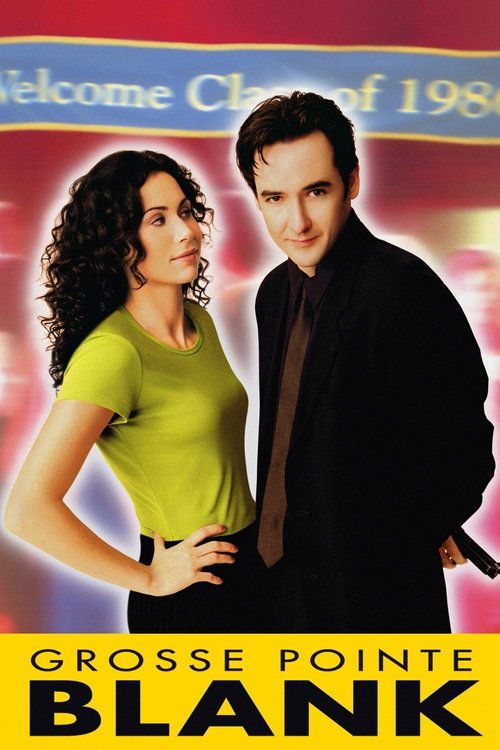
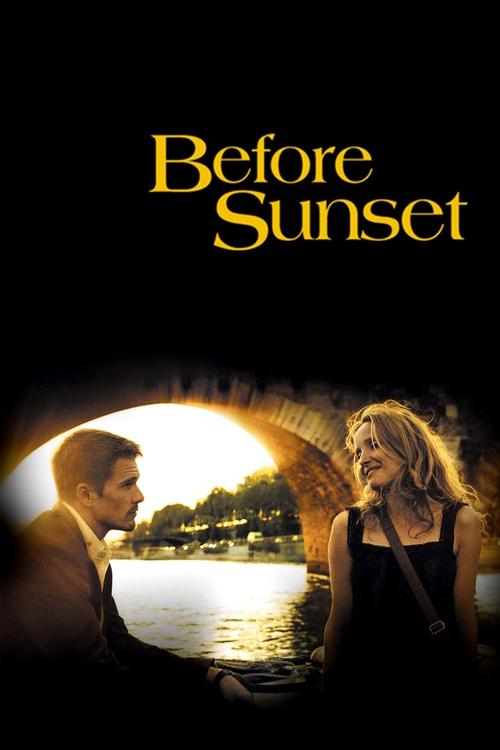
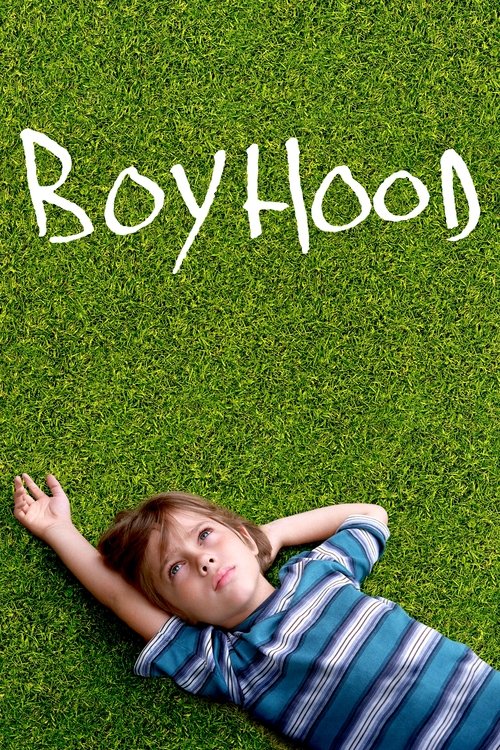
Films that treat ordinary people having big conversations as sufficient subject matter
Comedy That Runs on Dialogue and Friendship
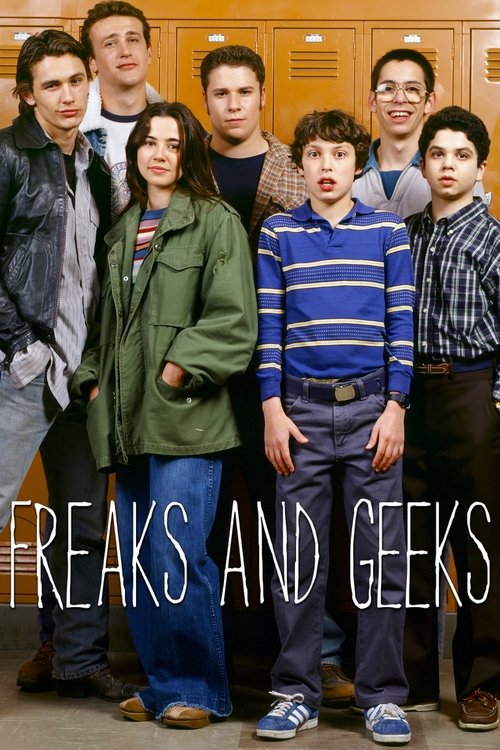
TV that gets the rhythm of two people who have known each other too long

Books for the Pop-Culture Obsessed
Novels that treat fandom, arrested development, and outsider obsession as serious literary material




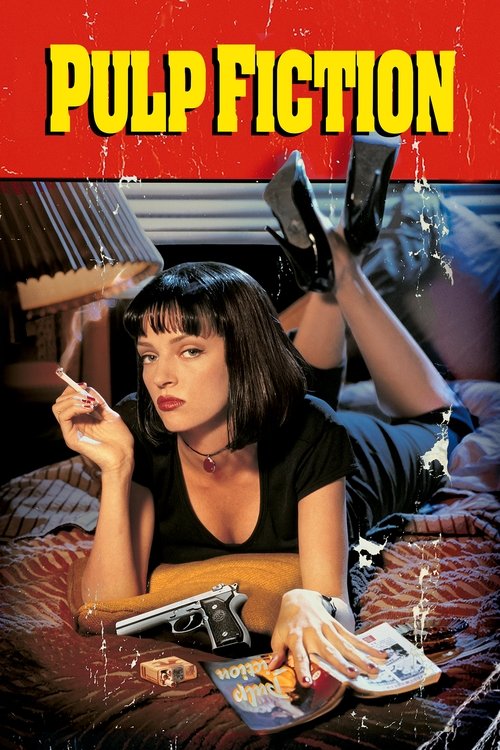
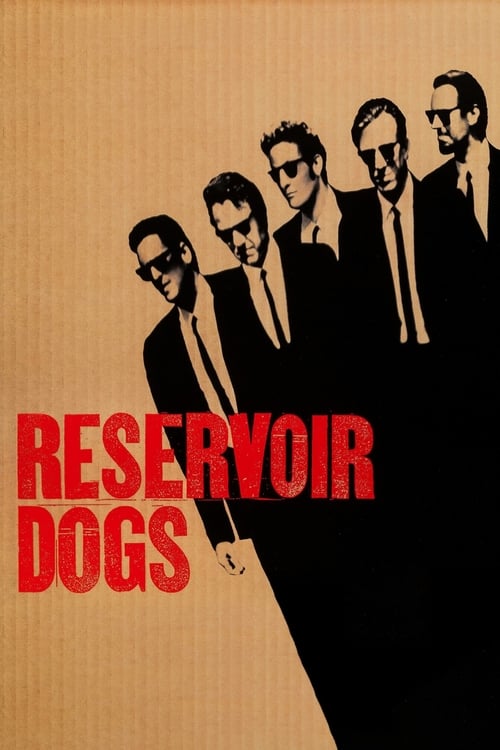
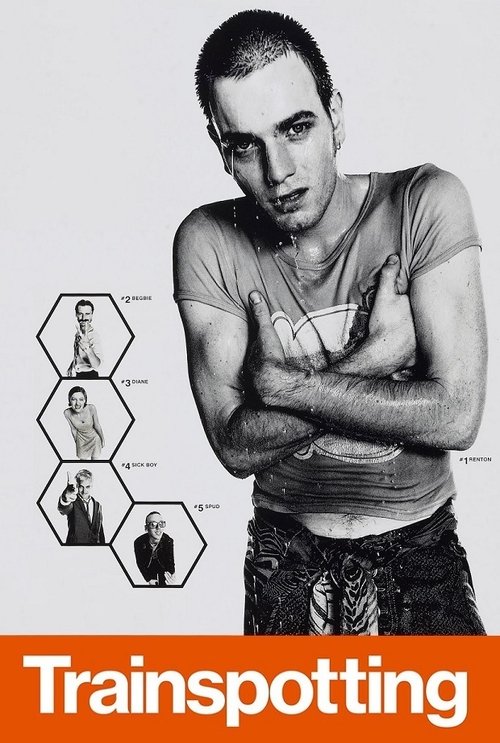
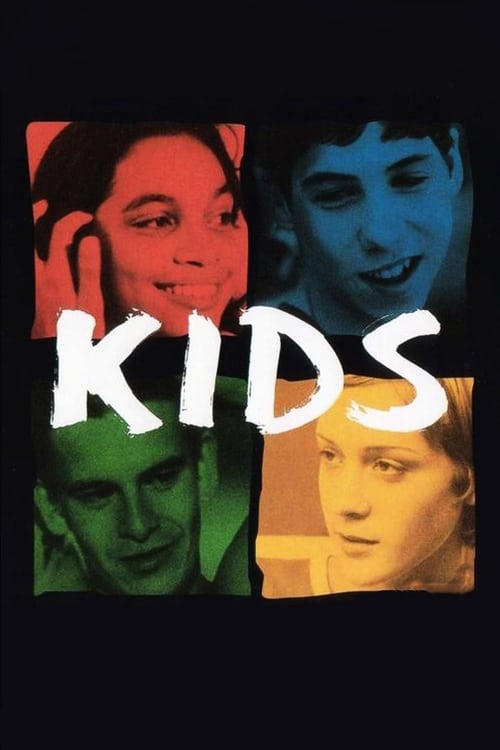
Indie Cinema from the Same Late-Night Energy
Low budgets, big mouths, outsider perspectives, and the mid-90s downtown sensibility Smith arrived with

Start with Chasing Amy, not Clerks
Clerks is the origin story and everyone tells you to start there. The case for Chasing Amy is that it is the film where Smith stopped hiding behind irony and let his characters feel things. Ben Affleck plays a man who falls in love and then becomes his own worst enemy about it. The dialogue still runs long and gets weird. But there is a real wound underneath it, and the movie does not flinch from showing how badly people can behave when they feel threatened. It is the one Smith film that hurts. Start here, then go back to the beginning.
Dogma is still the bravest film he made
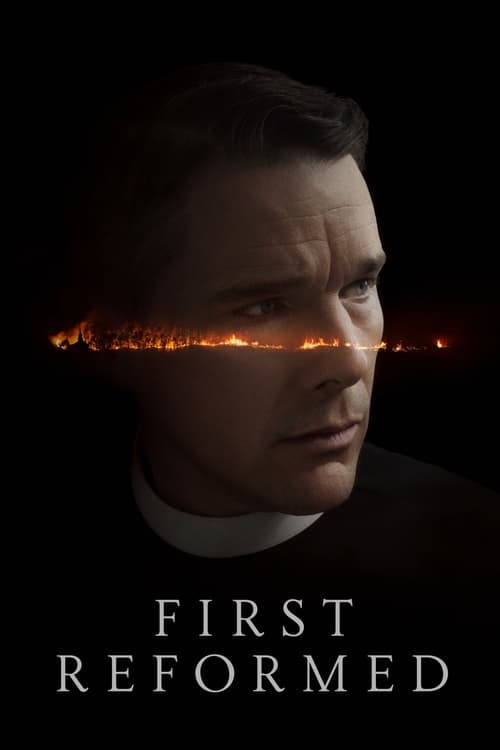
A Catholic schoolboy's theological crisis played as a road comedy starring two fallen angels trying to exploit a loophole in God's own rules. Smith grew up Catholic and is plainly working through something. The film caused genuine protest, got its distributor dropped by Miramax, and does not resolve neatly. It also has Alan Rickman as the Metatron, Linda Fiorentino as the last scion of Christ, and a villain made of human waste. Nobody in Hollywood would greenlight this today. First Reformed comes from a completely different place aesthetically, but it is the film that comes closest to matching Dogma's nerve: a man of faith arriving at the edge of his own belief and not flinching from what he finds there.
Tusk showed a director nobody expected
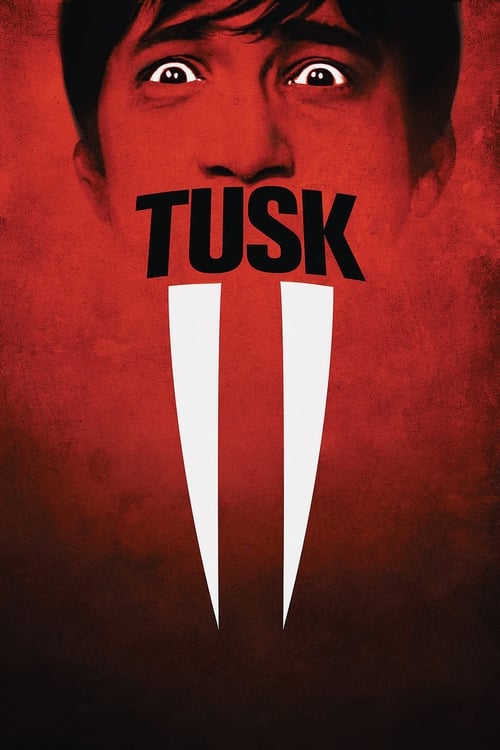
Smith spent the first half of his career building one of the most warmly recognizable indie voices in American film. Then he made Tusk: a body-horror film about a man who travels to Canada to interview an eccentric recluse and ends up surgically transformed into a walrus. The premise sounds like a joke. The film is not. Michael Parks gives a monologue as the recluse that is among the better pieces of screen acting from that decade, and the horror, when it arrives, is genuinely upsetting. Fans who have only seen the Askewniverse owe it to themselves. It is the film that proves Smith was never only the guy from Clerks.
The spiritual successor is Kevin Smith himself, on a podcast
Smith was an early adopter of podcasting and turned it into a second career that suits him better than the film industry ever did. The SModcast network he built with Scott Mosier, and the live shows that followed, are where the voice he developed across the films lives most freely. No budget pressures, no notes from distributors. Just two people who have known each other for decades talking about whatever they want. The Askewniverse was always a podcast waiting to happen: two guys in a parking lot, refusing to leave.
The View Askewniverse: A Rough Map
- 1994Clerks: the $27k debut shot in the store where Smith worked days Clerks
- 1997Chasing Amy: the emotional turning point Chasing Amy
- 1999Dogma: the controversial peak Dogma
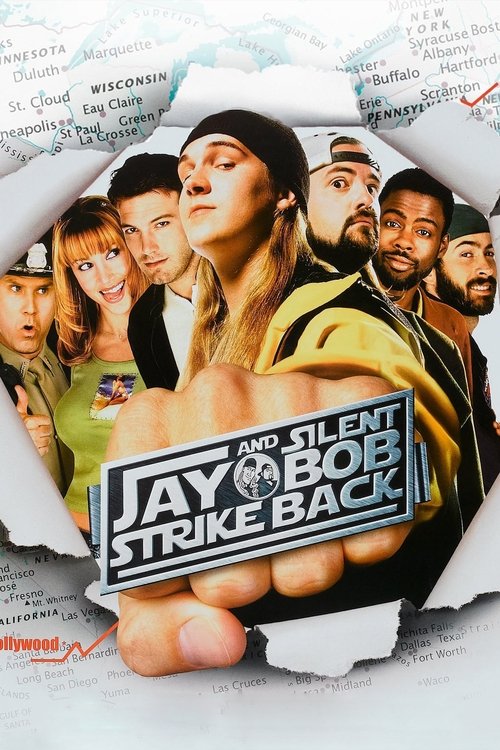
- 2001Jay and Silent Bob Strike Back: the universe celebrates itself Jay and Silent Bob Strike Back
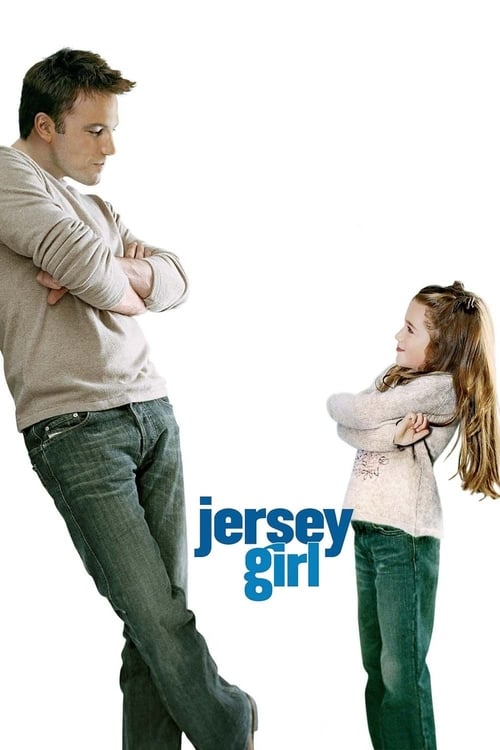
- 2004Jersey Girl: the studio film, the detour, the box-office lesson Jersey Girl
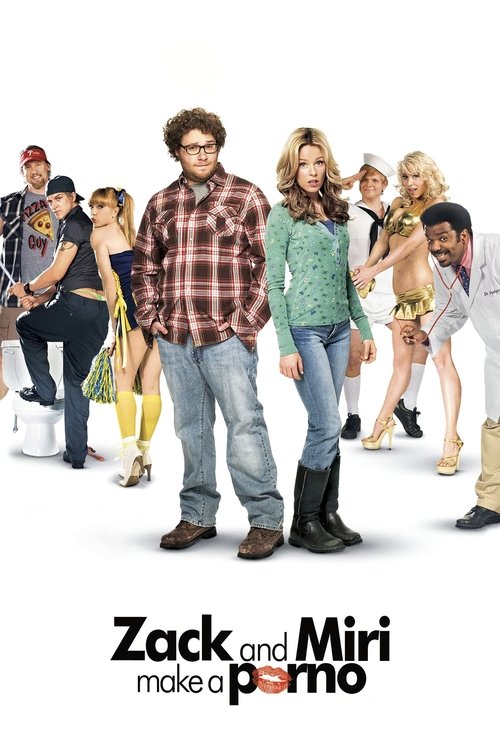
- 2008Zack and Miri: the raunchiest film, the most conventional structure Zack and Miri Make a Porno
- 2014Tusk: the detour nobody saw coming Tusk
Slacker philosophers and pop-culture wisdom
The Best Films of the 1990s
Explore the The Best Films of the 1990s guide →Clerks proved you could make a movie about nothing happening to people nobody had heard of, and the nothing could be enough, if the people doing the talking were honest.CrossBinge editorial