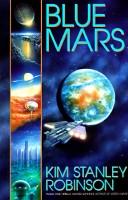

Kim Stanley Robinson writes science fiction as if the future is a problem worth solving rather than a spectacle worth watching. His novels are long, dense, and relentlessly serious about systems: climate, economics, geology, policy, and the biology of bodies living through geological time. The through-line fans love is optimism that has done the math. Where most dystopian fiction luxuriates in collapse, Robinson insists on the harder project: showing exactly how, step by painful step, things could be made less terrible. The Mars Trilogy (Red Mars, Green Mars, Blue Mars) is the monumental achievement, a multi-generational saga of terraforming as moral argument. The Ministry for the Future extrapolates climate politics into the near future with the granularity of a policy white paper. The Years of Rice and Salt rewrites seven centuries of history. If you love him, you love the feeling of being genuinely educated while reading fiction, and the rare conviction that ideas have consequences.
Essential Kim Stanley Robinson
The books that define what he does


If You Love the Mars Trilogy: Terraforming and Colony Fiction
Novels that take planetary engineering and long settlement arcs seriously


If You Love the Climate Fiction: Solarpunk and Near-Future Novels
Books that engage seriously with ecological and economic futures


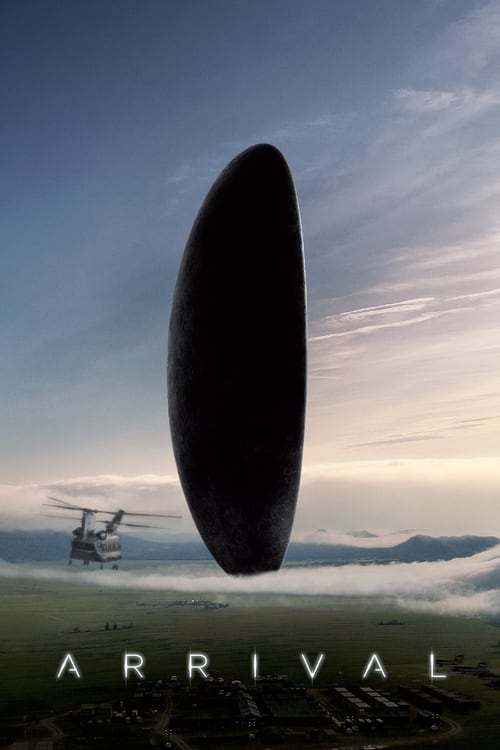
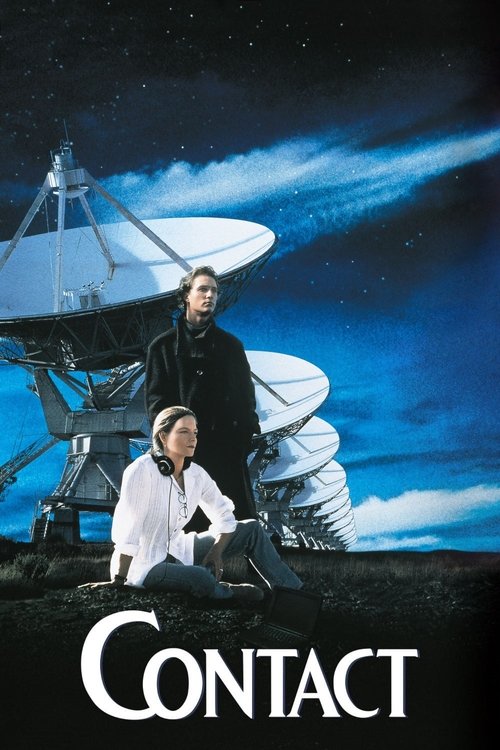
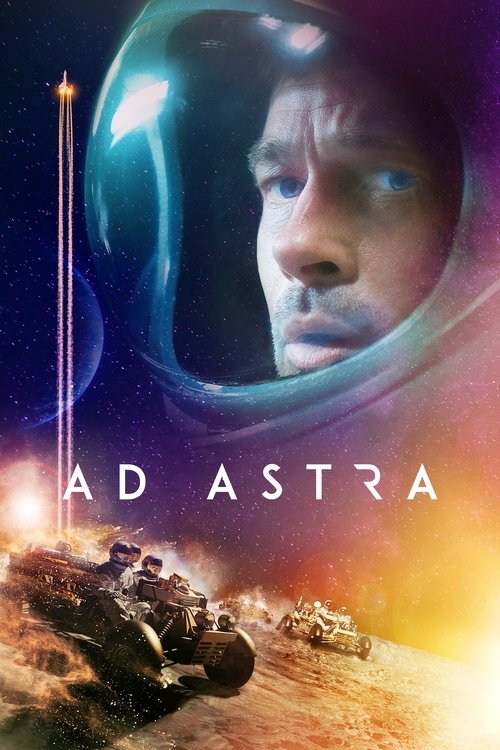
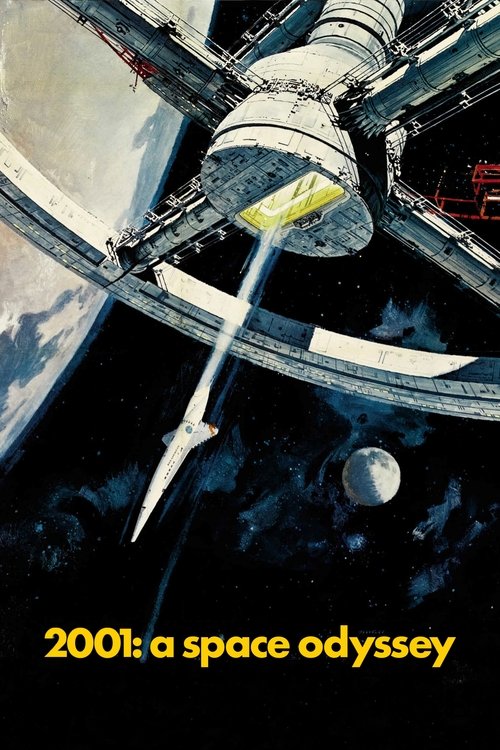
Mars and Terraforming on Screen
Films and series that share Robinson's obsession with making Mars real

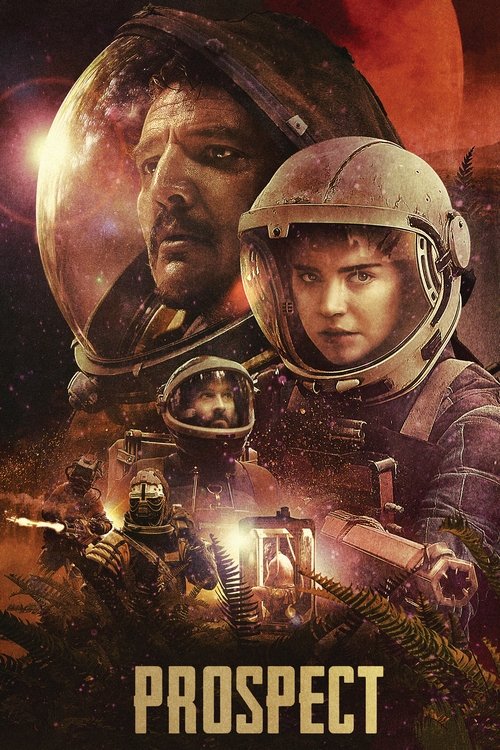

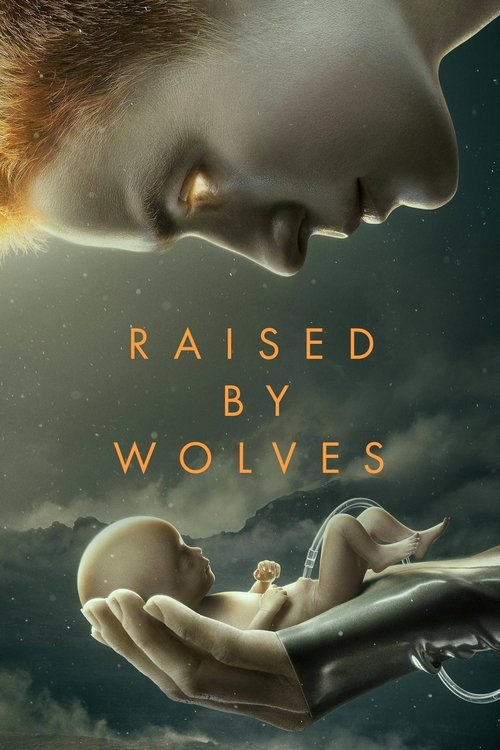
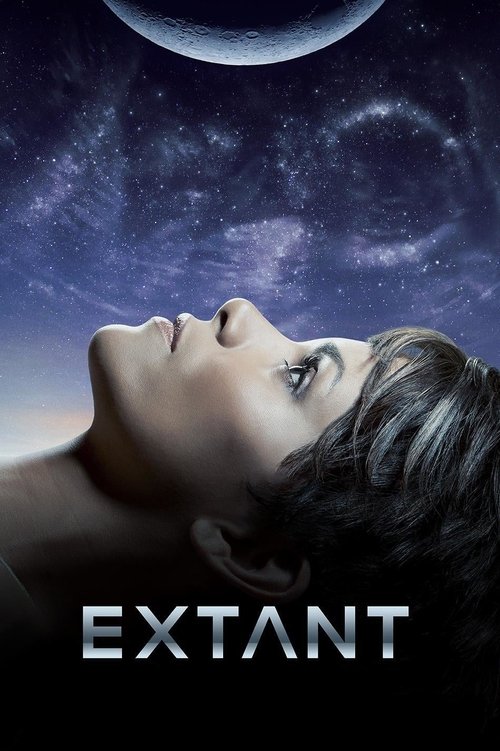
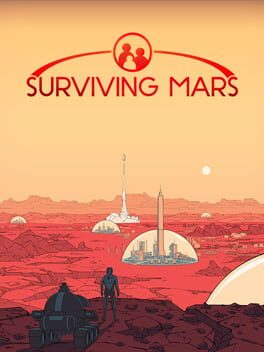
Colony Building and Terraforming Games
Games where you plan, fail, and plan again across geological time
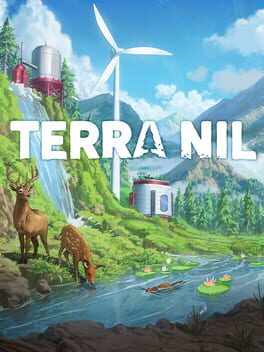
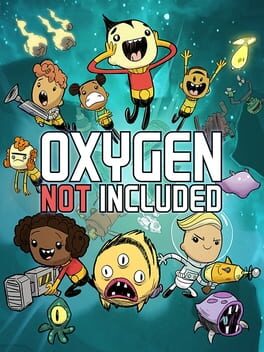
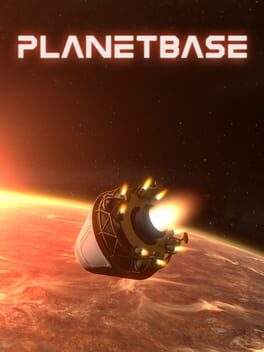
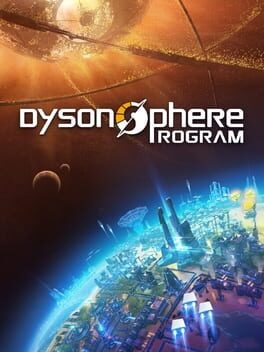

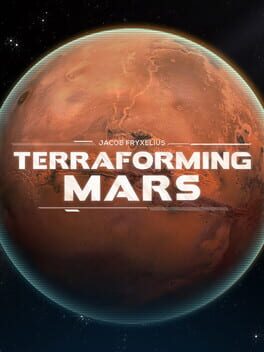
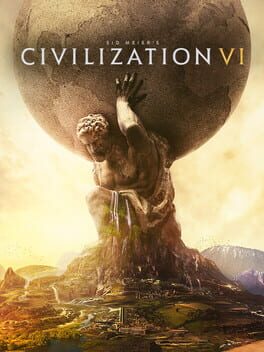
The Mars Trilogy Is the Great American Novel of the 21st Century
Red Mars, Green Mars, Blue Mars is not usually spoken of alongside Gravity's Rainbow or Infinite Jest, but it should be. The trilogy runs to roughly 1,800 pages and every one of them earns its place. It is the most serious fictional reckoning with what it would actually mean to transform a planet, the politics of who decides, the ethics of changing something irreversible, and the generations who live through it all. Robinson made terraforming a moral argument, not just a plot engine, and no writer since has done it better.
The Ministry for the Future Is the Only Climate Novel That Feels True
Robinson refuses to let climate fiction be either disaster porn or utopian fantasy. The Ministry for the Future sits in the narrow uncomfortable middle: things get very bad, and then, through mechanisms described with policy-wonk precision, they get very slightly better. The carbon quantitative easing proposal, the carbon coin, the glacier protection teams -- these read like leaked position papers from a parallel world where adults are in charge. It is not a comfortable read, but it is the one that feels most like the truth.
Aurora Is the Hardest No to Interstellar Travel You Will Ever Love
Aurora makes a sustained, scientifically rigorous argument that interstellar colonization is effectively impossible on human timescales, and it does so while being a great novel about a ship, a community, and a journey. It is the anti-Interstellar: where that film wants you to feel the romance of the infinite, Robinson wants you to understand the cost. Fans either find this devastating or bracing. Most find it both.
The Years of Rice and Salt Proves He Can Do Anything
Before Robinson became synonymous with Mars and climate, he was already writing one of the strangest and most ambitious alternate histories ever attempted. The Years of Rice and Salt imagines a world where the Black Death killed ninety percent of Europe's population, and then tracks the resulting 700 years through a recurring cast of reincarnated souls. It is long, patient, and requires more of the reader than most science fiction. It is also extraordinary, and it explains why Robinson fans tend to follow him anywhere.

Kim Stanley Robinson: Key Works in Order
- 1984Debut novel The Wild Shore
- 1988Three Californias middle Gold Coast
- 1990Utopian California
- 1993The terraforming saga begins
- 1994Hugo Award winner
- 1996The trilogy concludes Blue Mars
- 2002Epic alternate history
- 2009Galileo and quantum time travel
- 2012Solar system in 2312 2312
- 2015The case against interstellar travel Aurora Boreal
- 2017Flooded Manhattan as polemic
- 2020Climate policy as fiction
- 2022Climate grief in the Sierra Nevada High Sierra
Hard SF, deep time, the long now
For Fans of Hard Science Fiction
Explore the For Fans of Hard Science Fiction guide →He is the rare science fiction writer who makes you feel that the future is not something that happens to us, but something we are making right now, in the choices we avoid having.On Kim Stanley Robinson