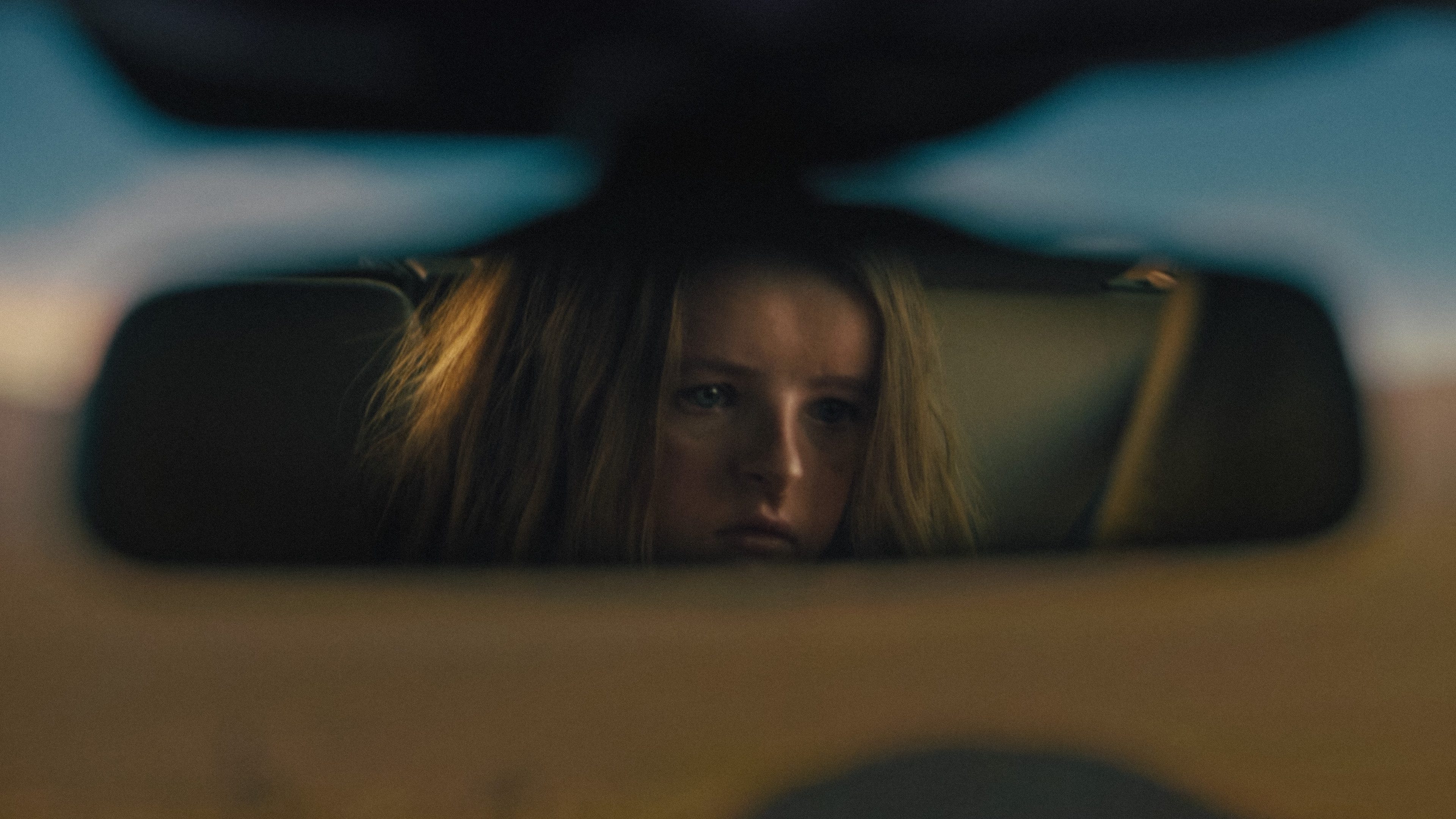

The director who taught dread to breathe
Kiyoshi Kurosawa does not make horror films the way most directors make horror films. His monsters rarely announce themselves. His ghosts do not jump. What he specialises in is a slower, stranger unease: the sense that modern life has already come apart at the seams, and the creatures appearing on the edges of the frame are simply the proof.
Working in Japan from the late 1980s onward, Kurosawa built a body of work at the intersection of J-horror, police procedural, and European arthouse cinema. His most celebrated films, Cure (1997) and Pulse (2001), are both ostensibly genre pictures (a detective thriller, a techno-horror) but neither behaves like one. Scenes go on past the point where conventional editing would cut. Ordinary interiors feel subtly wrong. Characters act in ways that are almost logical but not quite. The threat in a Kurosawa film is never localised; it spreads, like a signal, like a contagion, like forgetting.
Later films opened the aperture further. Tokyo Sonata (2008) turned a family drama into something close to a ghost story without a single supernatural event. Wife of a Spy (2020) used wartime melodrama to pursue the same obsessions: loyalty, complicity, the unbearable weight of what we know about the people we love. Running through all of it is a preoccupation with isolation, with the fraying of social bonds, with the specific terror of a world that looks normal until it very suddenly does not.
If you love that feeling, the long corridor and the flickering light and the held breath, here is where else to find it.
Start with Cure, not Pulse
Cure is the more controlled film and the better entry point. It has the form of a serial-killer procedural, which gives new viewers something to hold onto while the film methodically dismantles every expectation they brought to it. The detective story never resolves in the way detective stories are supposed to. That refusal is the film's whole argument. Once you understand what Kurosawa is doing in Cure, Pulse opens up entirely.

The long slow dread: arthouse horror that earns its fear
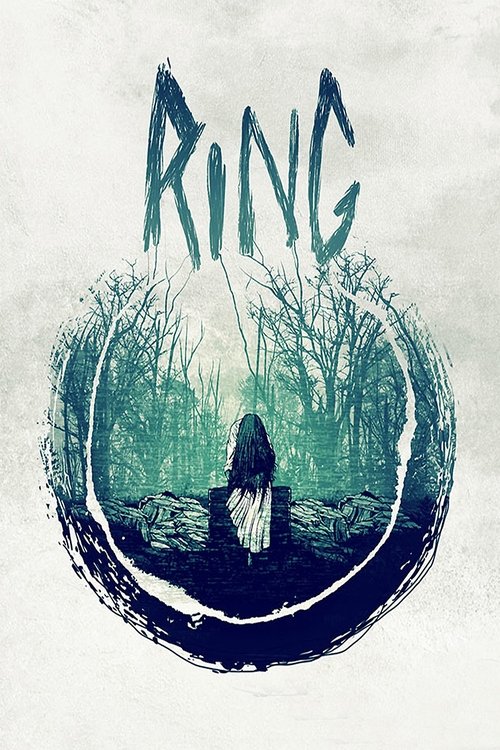
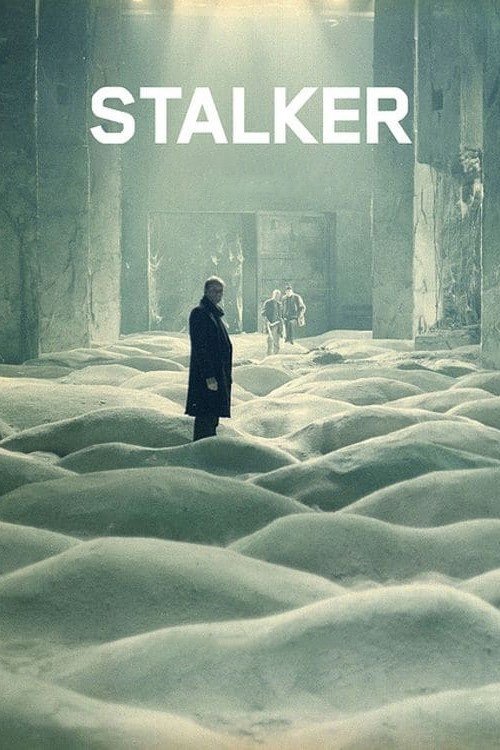
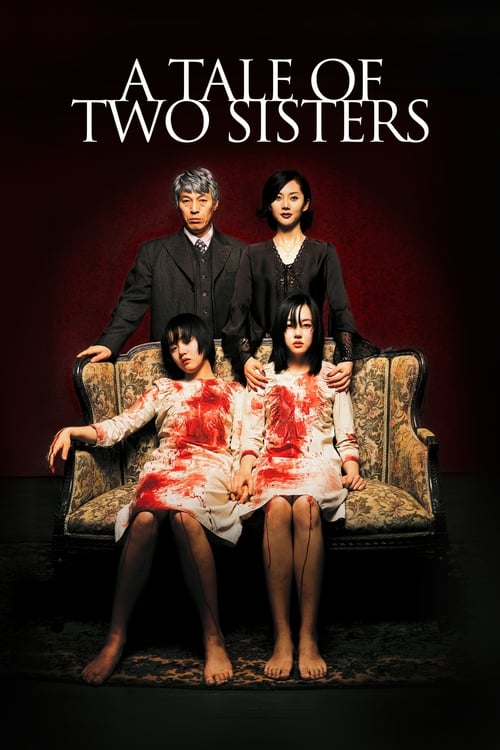
Films that share Kurosawa's patience and his willingness to leave things unexplained


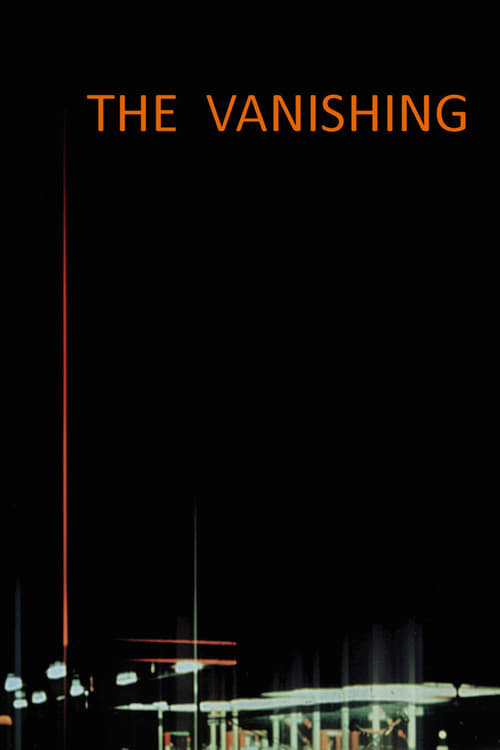
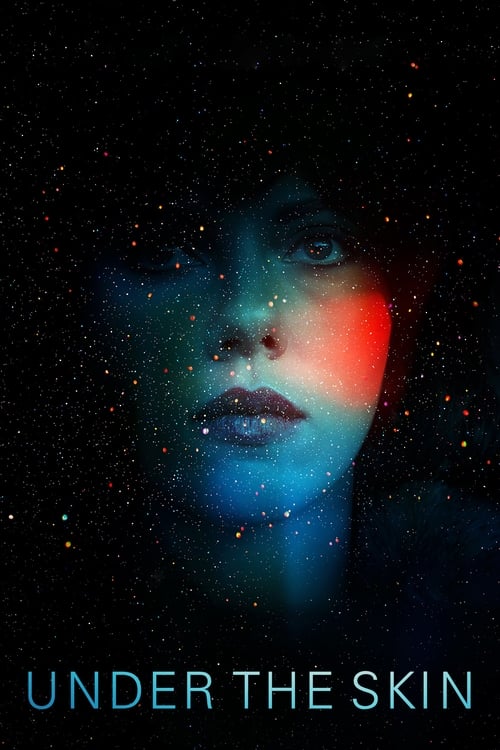
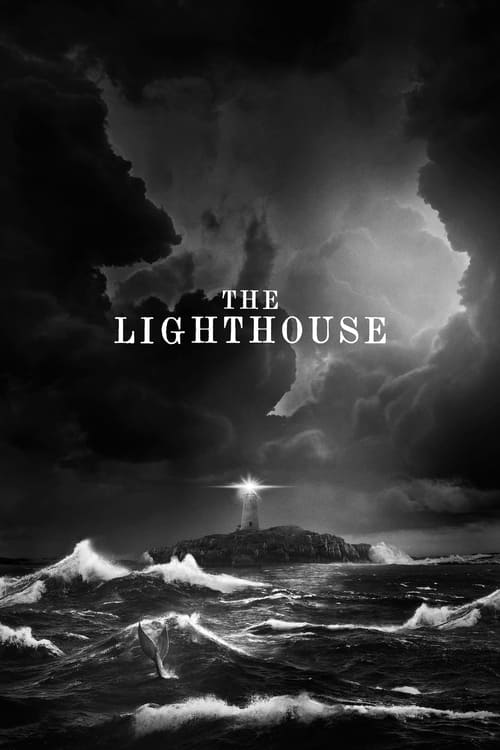
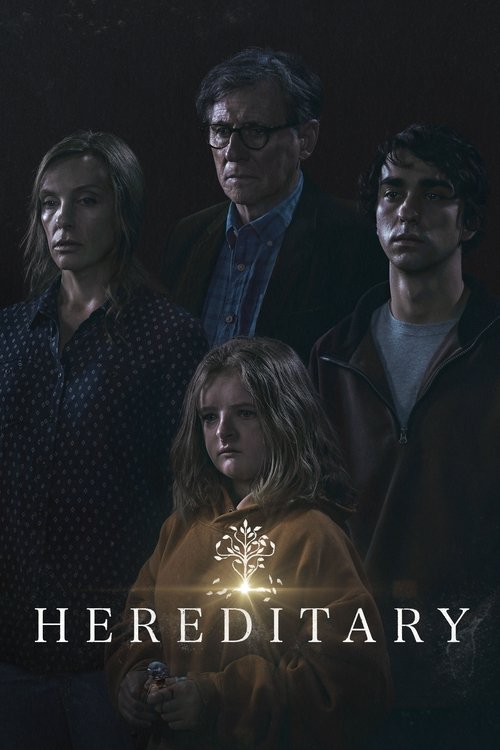
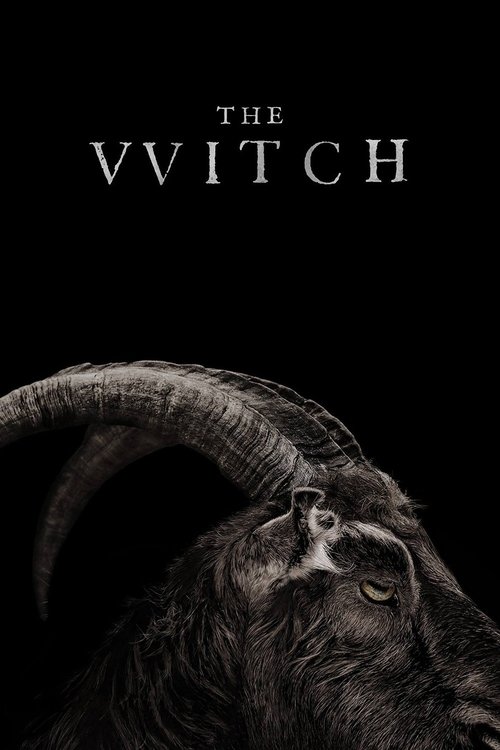

Society coming undone: paranoia and systems gone wrong
Where the horror is not a monster but a structure
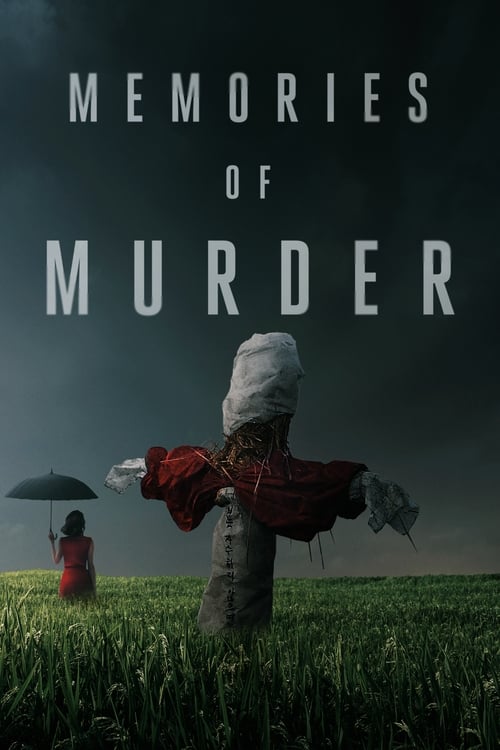
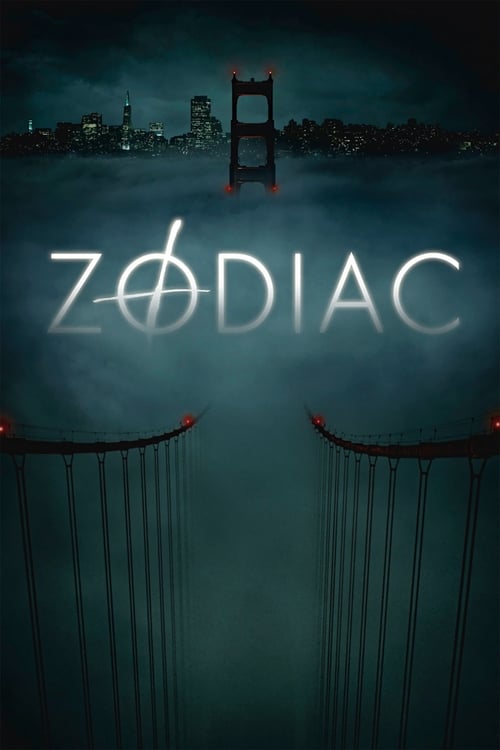
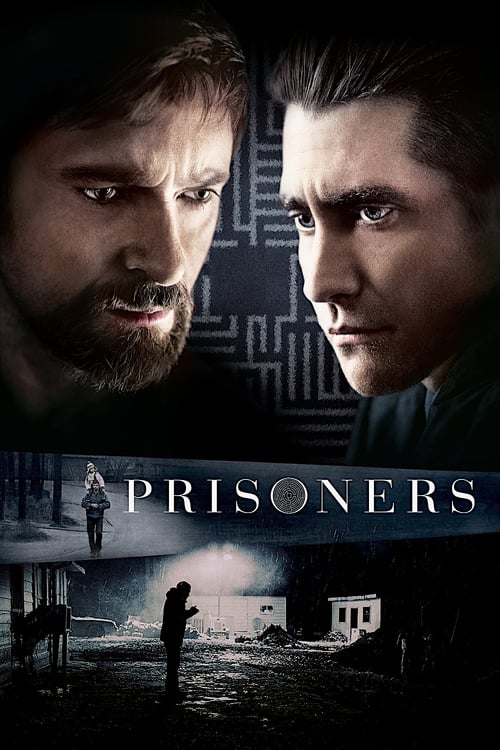
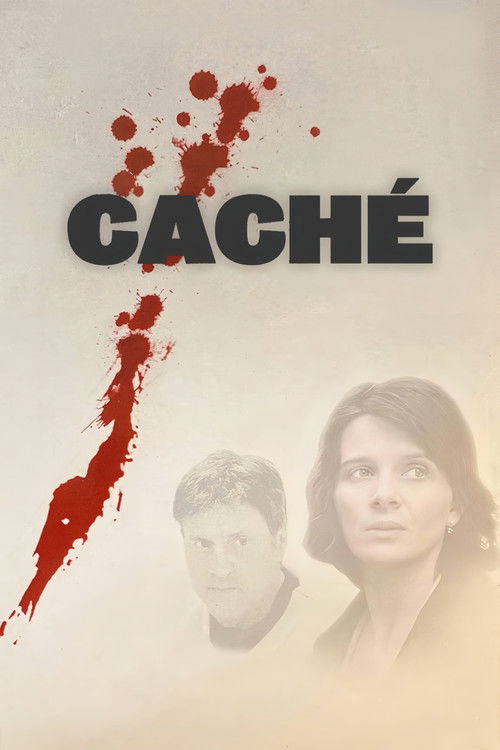
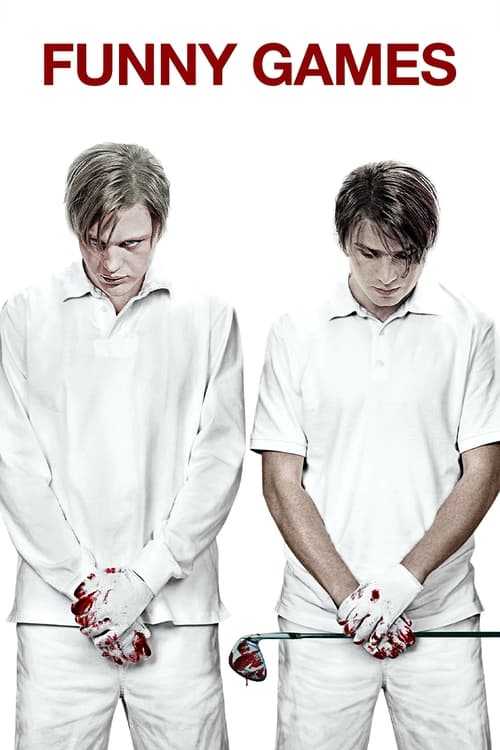
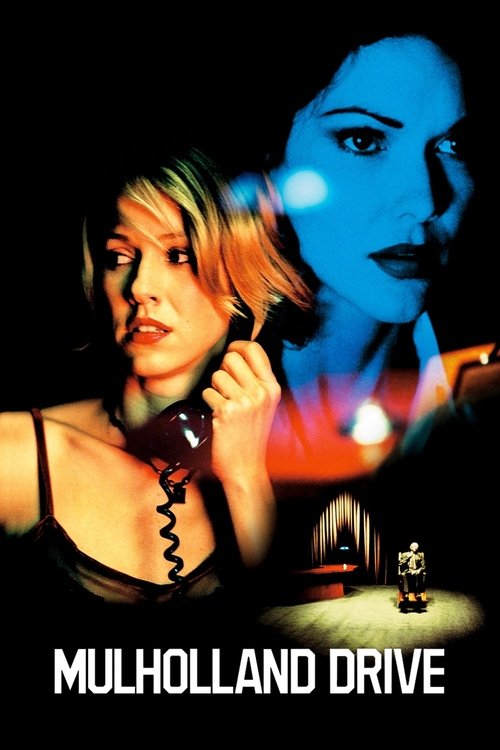

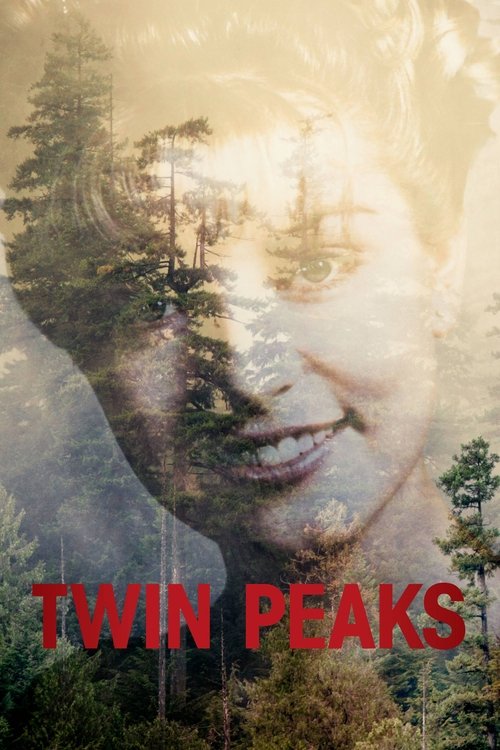
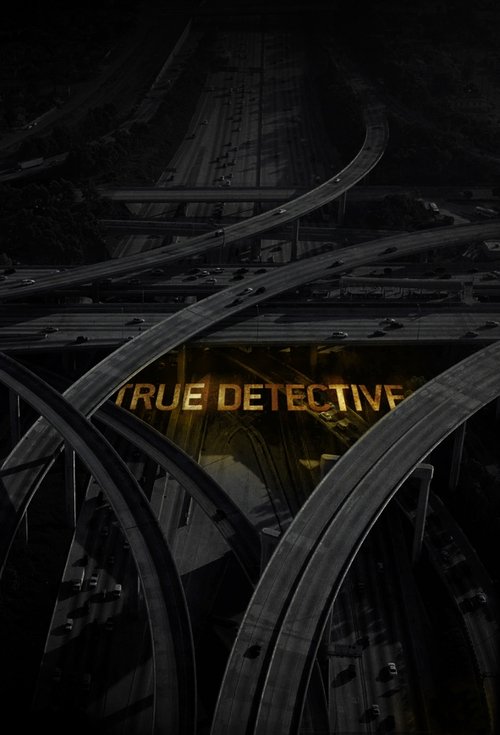

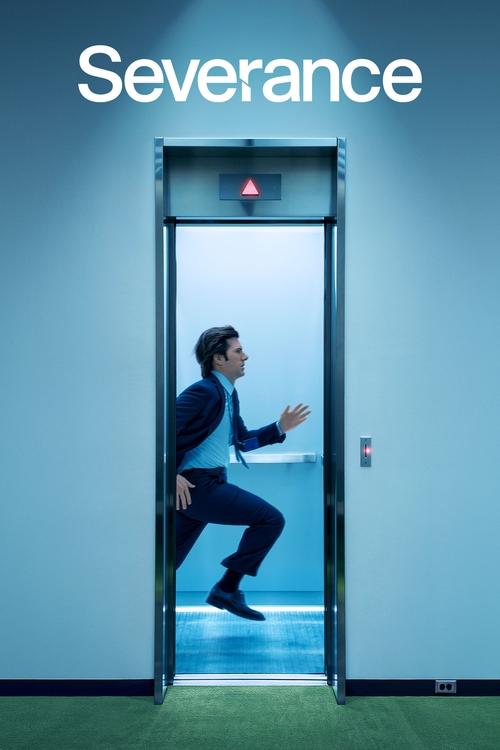
Severance is the closest television has come to a Kurosawa workplace
Kurosawa's films frequently use the office and the workplace as a site of uncanny horror: ordinary routines continue while the ground shifts underneath them. Severance literalises this to an almost unfair degree. The horror of not knowing what version of yourself has done what, the compliance of colleagues in obviously wrong systems, the cheerful management of the inexplicable: it maps directly onto the logic of Cure and Pulse. The aesthetic is different, the wit is darker, but the dread is the same.
Isolation as horror: games that make dread structural
Games where the atmosphere does most of the work, and what you don't see is worse than what you do






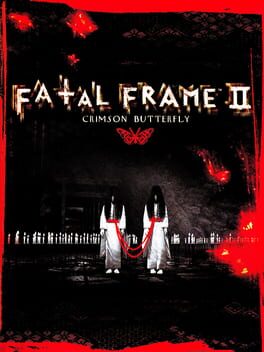
Signalis is the game Pulse deserves
Pulse is fundamentally about a signal that spreads despair: the terror of connectivity and loneliness arriving simultaneously. Signalis (2022), a survival horror game that draws from Stanislaw Lem, Tarkovsky, and J-horror in roughly equal measure, runs the same anxieties through a brutalist science fiction setting. It is deliberately difficult to parse, deliberately repetitive, and deeply upsetting in exactly the way Kurosawa is upsetting: not through violence, but through the accumulation of wrongness.

The same chill in print: books that share the uncanny stillness
Fiction where the horror is the fraying of the normal, not the monster at the door


The real companion to Pulse is not a horror film
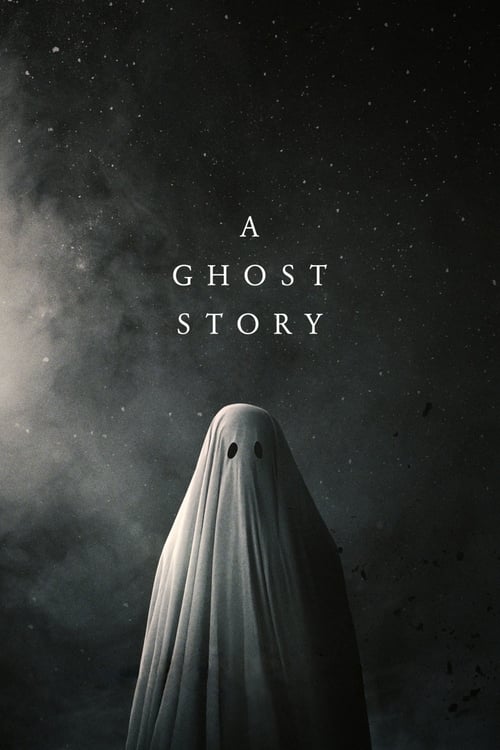
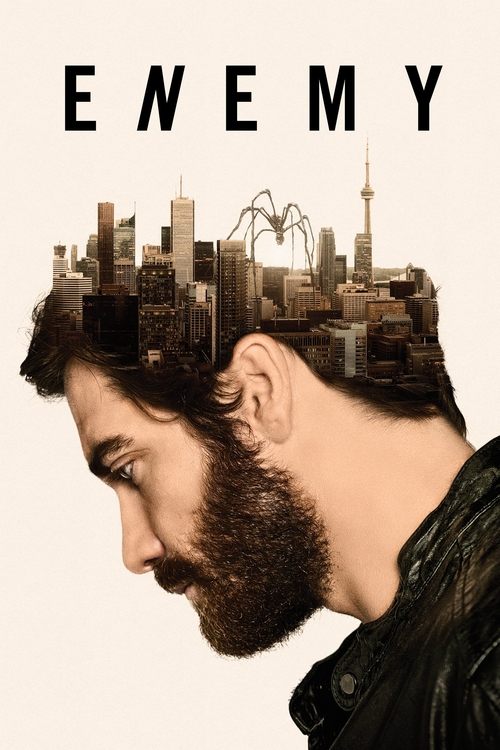
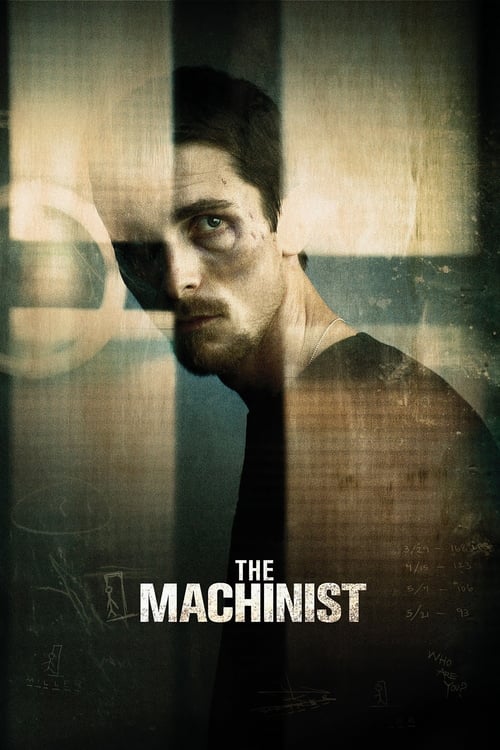
The films that best illuminate what Pulse is actually about are not horror films. The Machinist, Enemy, and A Ghost Story each circle the same territory: bodies persisting in spaces the self has already vacated, the way modern life produces a specific type of haunting that is not supernatural but structural. Kurosawa is not disguising social commentary as genre. He is doing something stranger: treating the collapse of social bonds as a physical phenomenon, something that can spread through a phone line or a website, something that leaves a visible residue in empty rooms.
Quiet dread and psychological horror
Psychological Horror
Explore the Psychological Horror guide →The horror in a Kurosawa film is not what appears at the end of the corridor. It is the corridor itself: the fact that you have been walking down it for so long, in a world that stopped making sense several scenes ago, and nobody noticed.CrossBinge