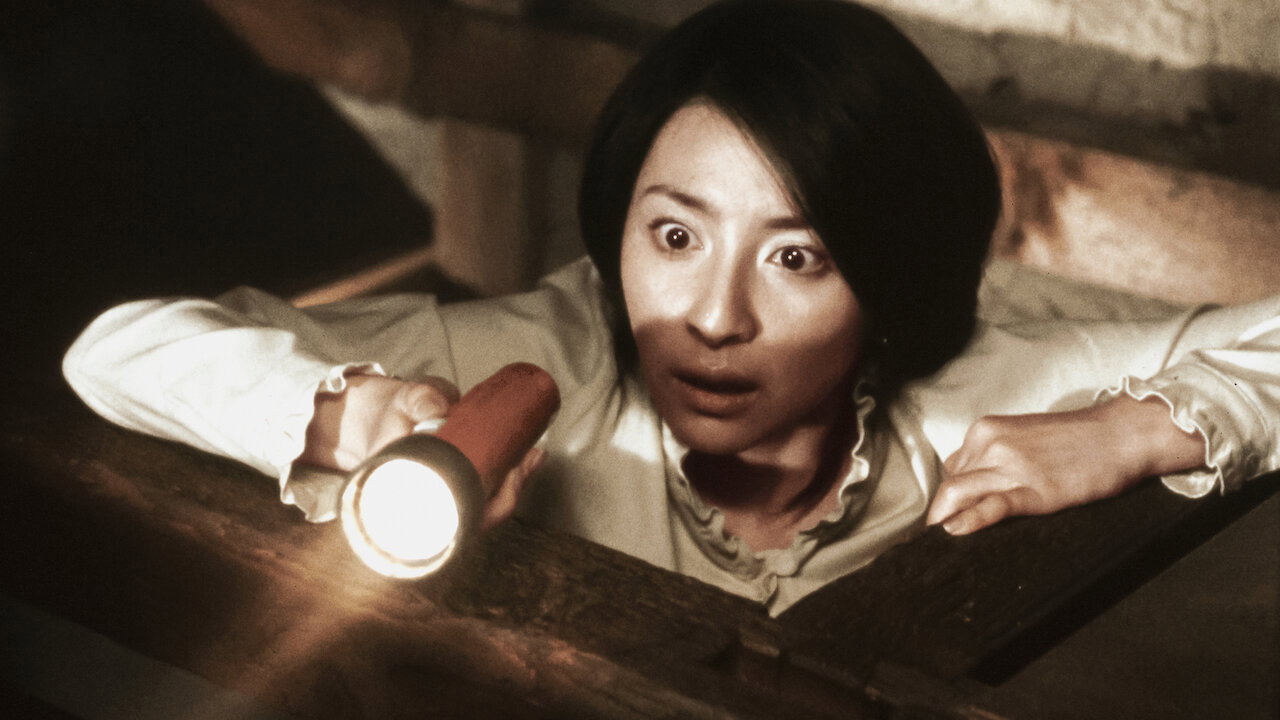

The Director Who Made a House the Monster
Takashi Shimizu arrived at horror through a single, obsessive idea: what if the violence done inside a place never fully left it? The Ju-On films (beginning as low-budget V-cinema shorts in 2000, then expanding into theatrical features and the American remake The Grudge in 2004) are built on that premise with almost architectural commitment. There is no solving the curse. There is no survivor who escapes clean. The horror spreads from person to person like a cold passed in a corridor, and Shimizu structures his films as a series of fractured vignettes that loop back on themselves, so you understand the tragedy only once it is too late for anyone inside it.
What Shimizu fans actually respond to is texture, not gore. The croaking rattle of Kayako. The way Toshio turns up in places that should be safe. The domestic ordinariness of the settings, wooden floors and narrow hallways, that make the wrong detail land with physical weight. He works in negative space and withholding, letting the audience's imagination do the heavier lifting while the camera holds just a little too long on the wrong corner of a room. The genre he refined, J-horror at its peak, is really a literature of unresolved grief, and his best work stays with you because it taps something older than jump scares: the suspicion that certain spaces hold memory in their walls, and that memory is not always peaceful.
Essential Takashi Shimizu
His own films, from the originals to the American crossover
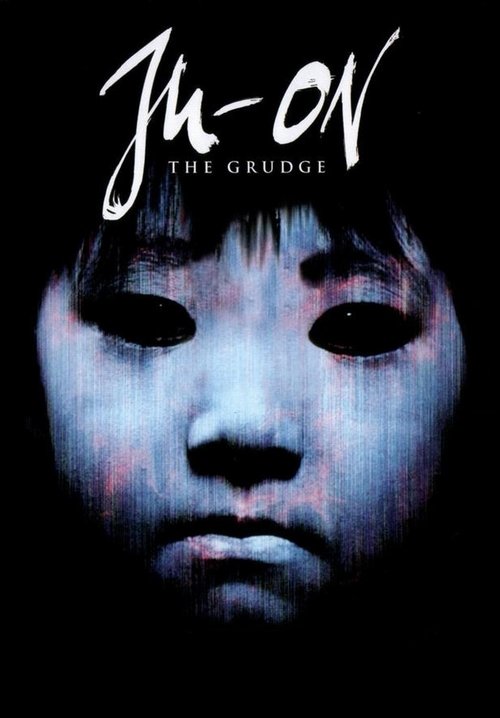
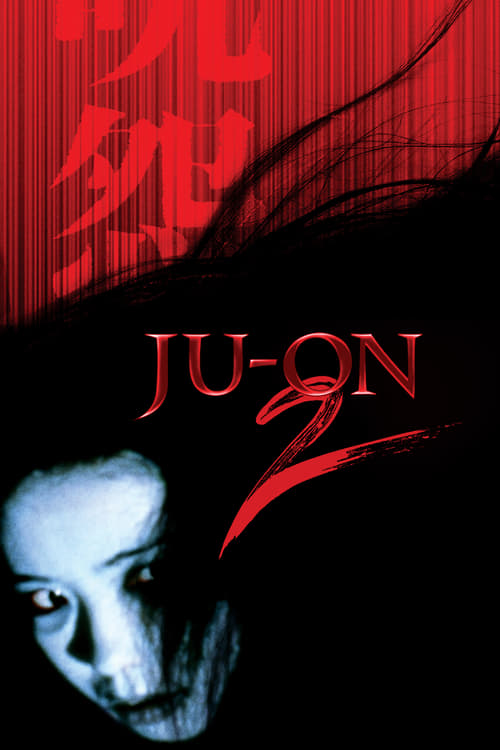
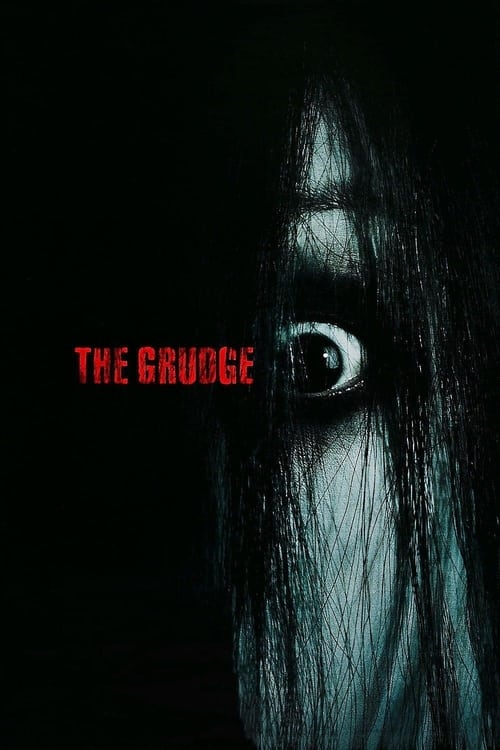
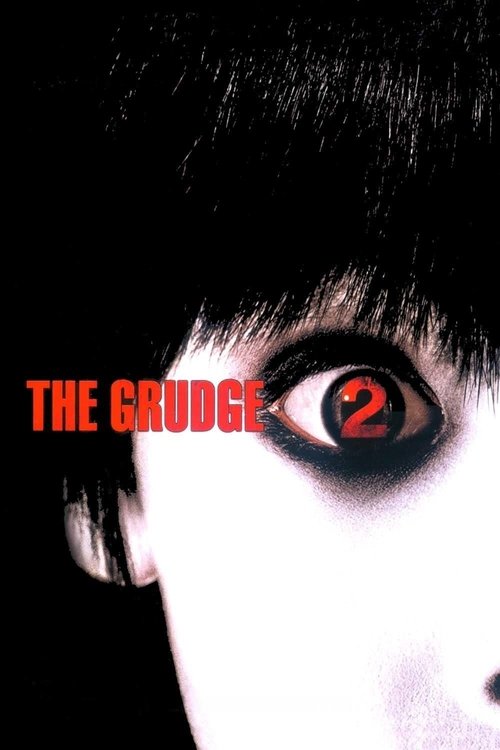
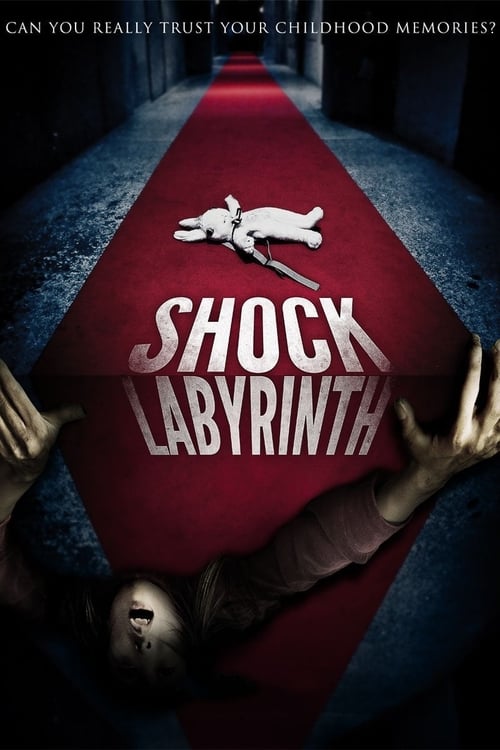
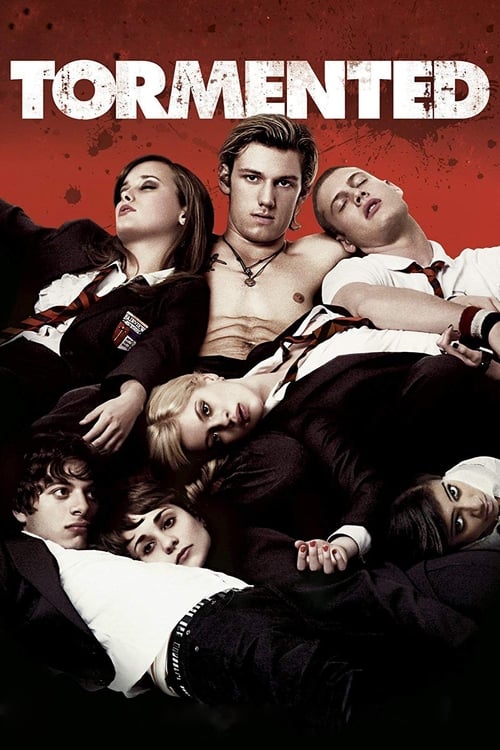
Start with the V-Cinema originals, not the American remake
Ju-on: The Grudge (2002) is the essential entry point, not the 2004 American version. Shot on video with almost no budget, it has a rawness that makes the fragmented structure feel genuinely disorienting rather than stylish. The DV texture reinforces the idea that you are watching something that should not exist as a recording. The American remake is competent and has its own atmosphere, but the lo-fi original is where Shimizu's instinct for domestic horror is purest.
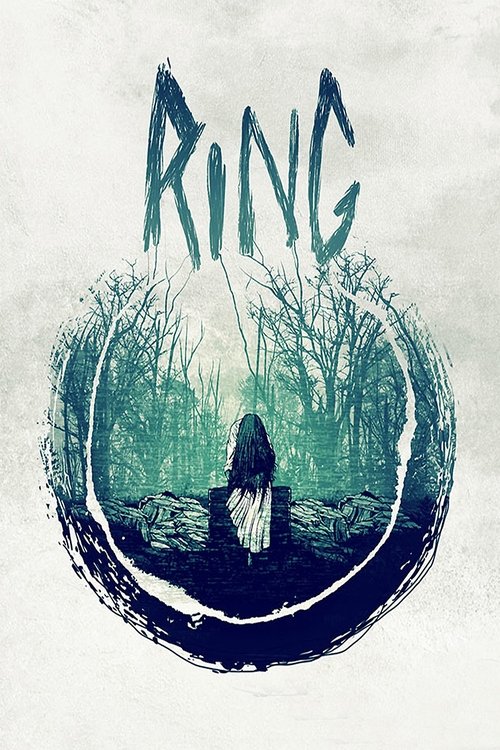
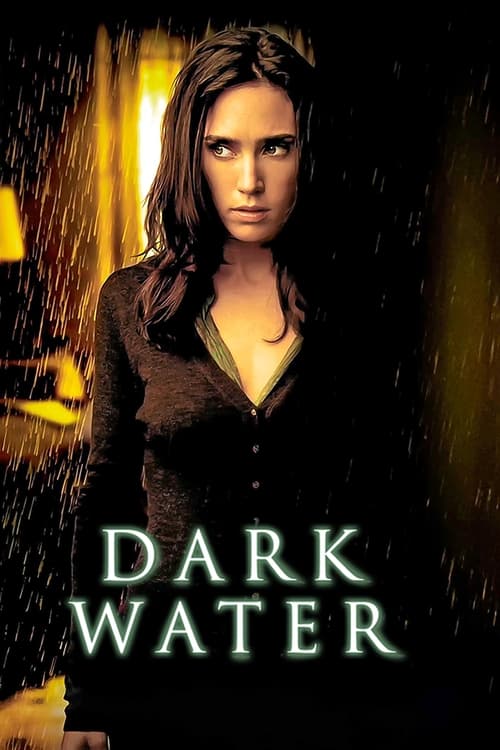
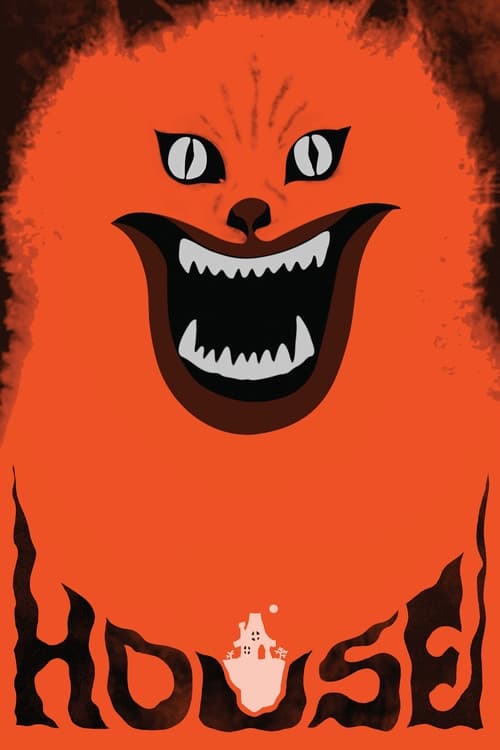
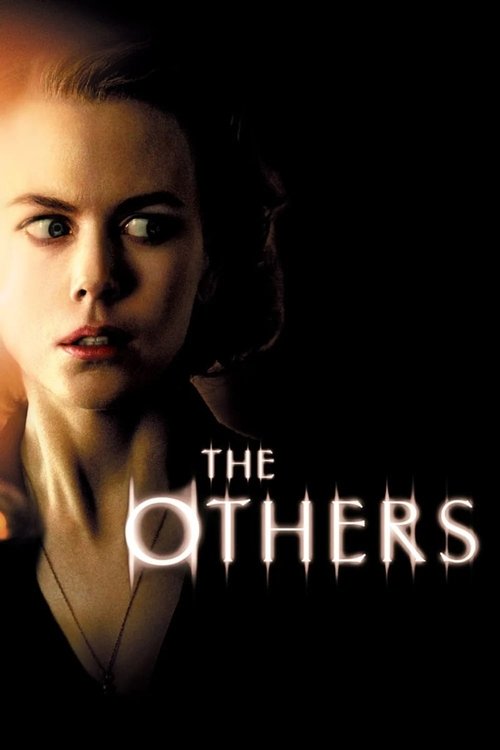
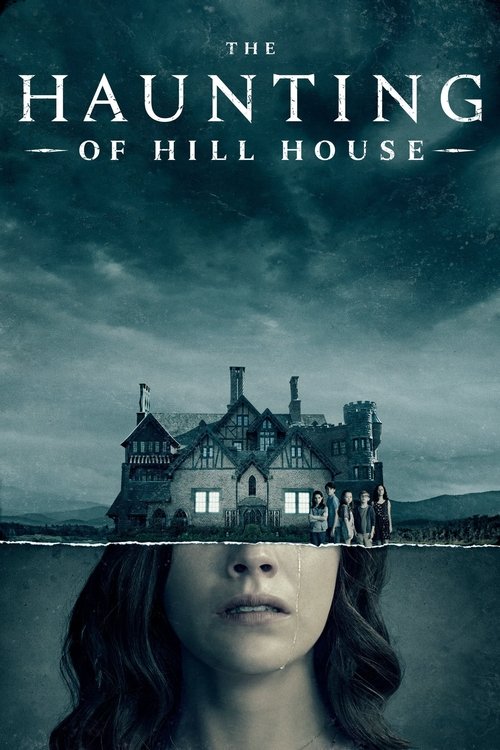
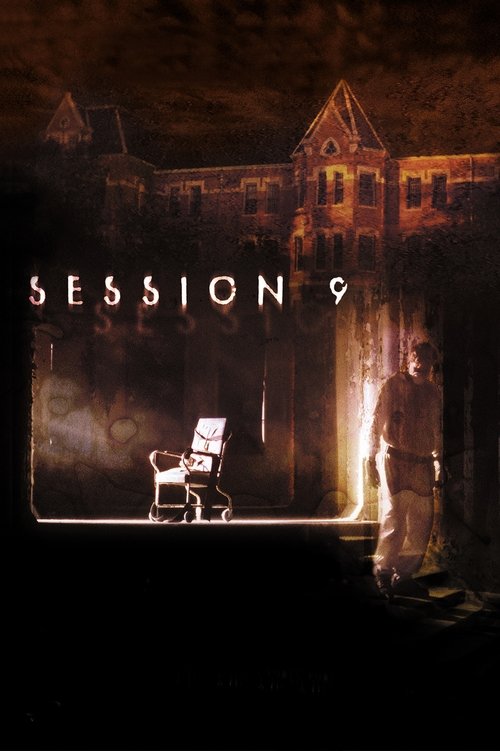
The Cursed House: Horror That Lives in a Space
Films where the location is the antagonist and no one gets out clean

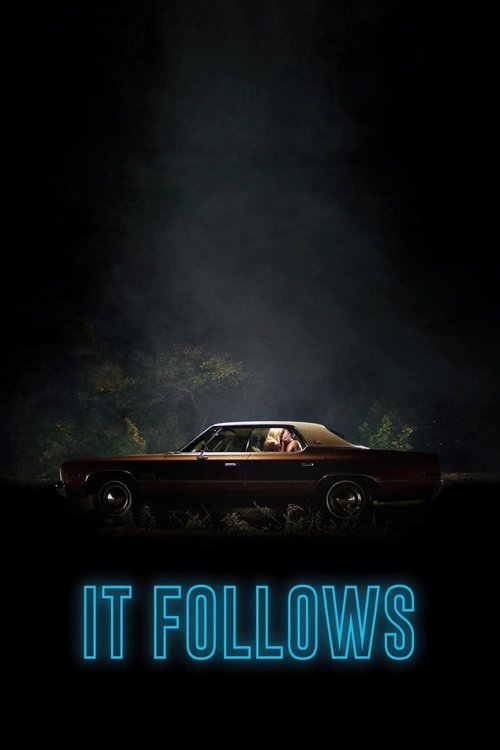
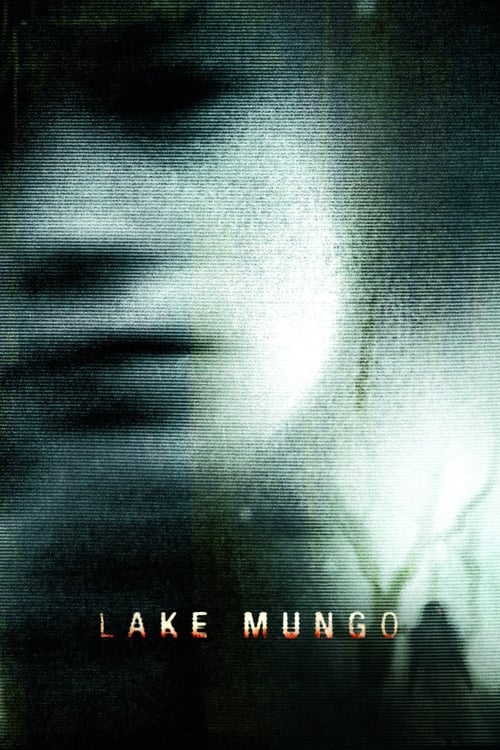
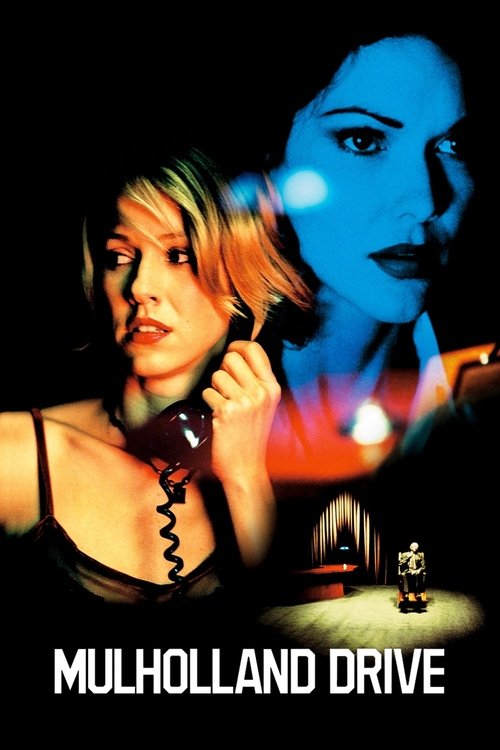
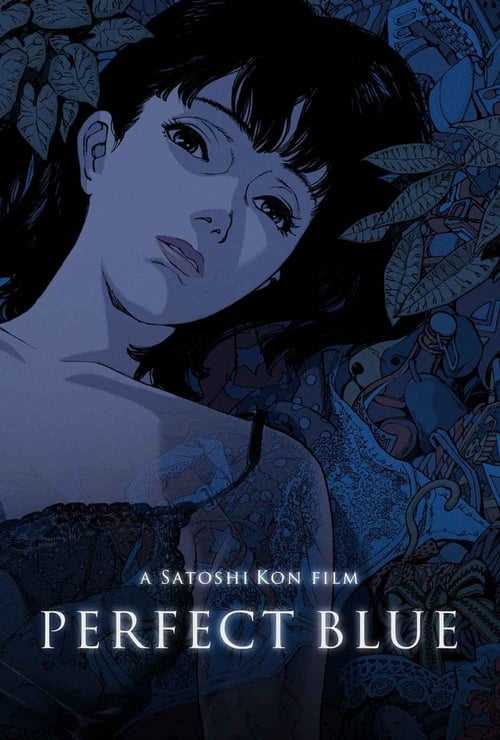
Non-Linear Dread: Horror That Breaks Chronology
Stories told in fragments that only cohere once you feel the full weight of what happened

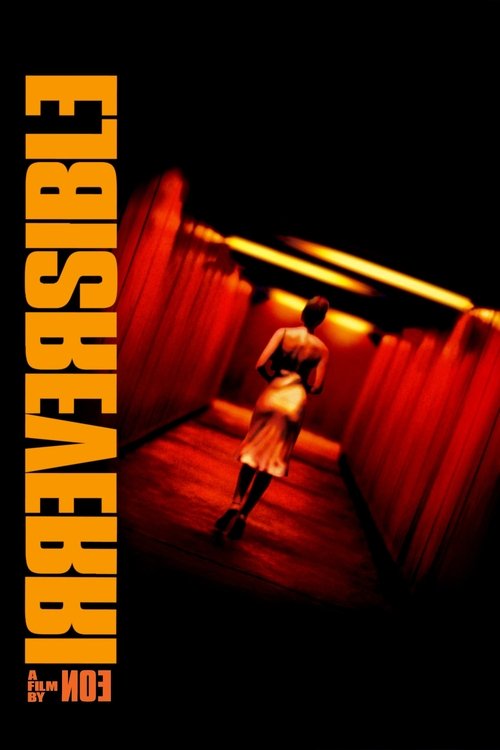

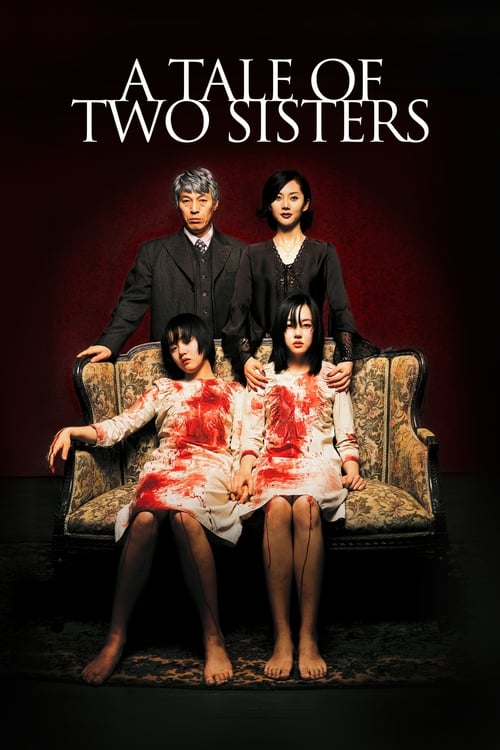



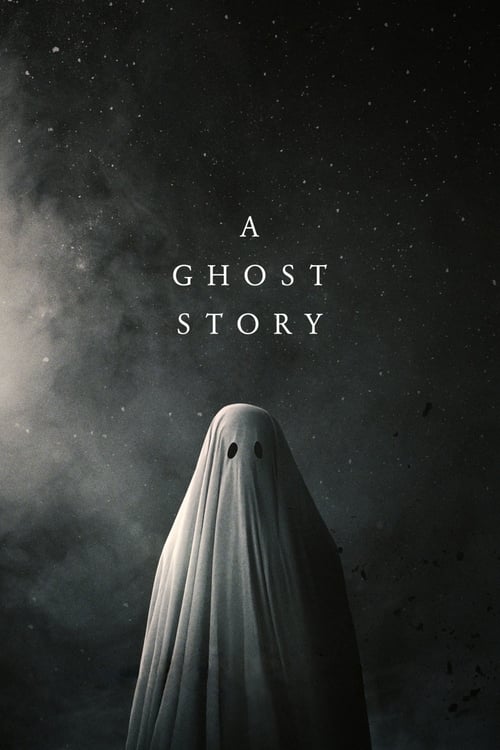
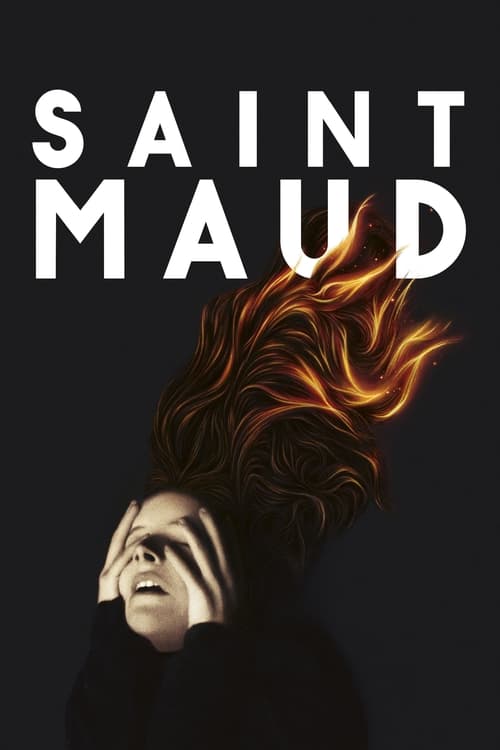
Grief That Becomes a Ghost: The Emotional Core of J-Horror
Books and films where mourning is the actual horror


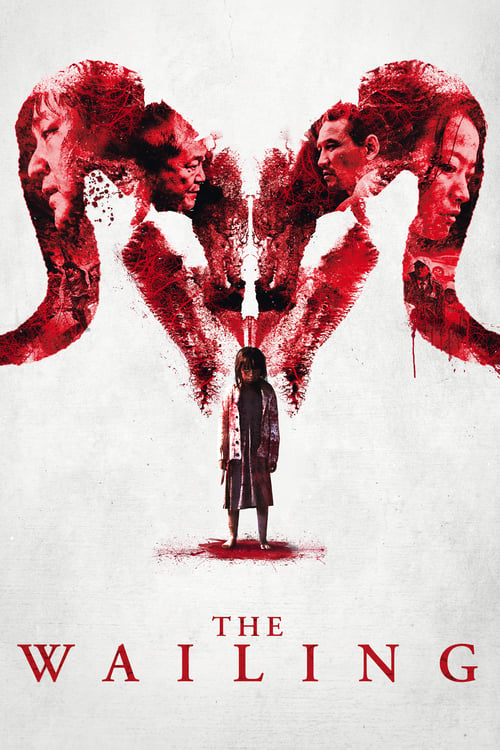


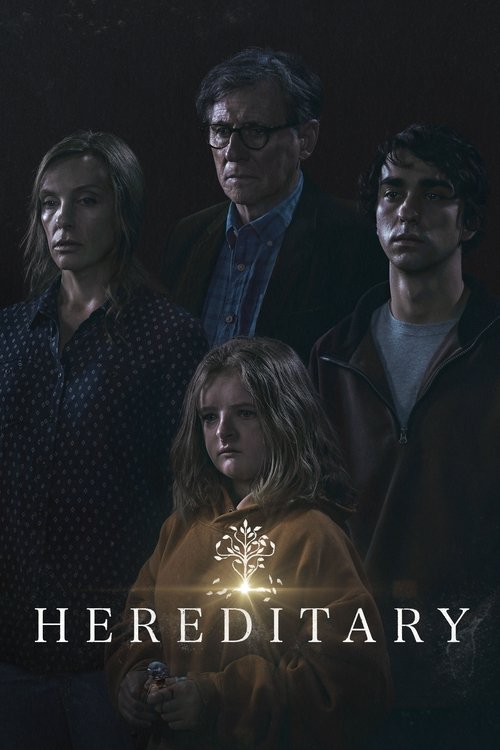
Hereditary is the closest Western horror has come to the Shimizu frequency
Ari Aster's debut shares Shimizu's key instinct: the horror accumulates in the negative space between scenes rather than in any individual shock. The domestic setting, the way grief warps family relationships before anything supernatural enters, and the final act's logic of inescapable inherited fate all rhyme strongly with the Ju-On films. Where Shimizu works through cold withholding, Aster works through emotional exposure, but both films leave you with the sense that the worst outcomes were determined before the story started.
Atmospheric Horror Games That Use the Same Silence
Games that build dread through empty spaces and wrongness, not action
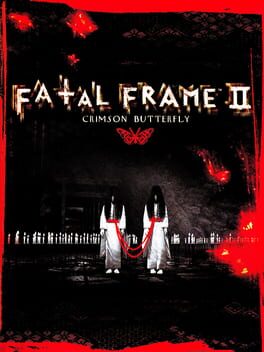
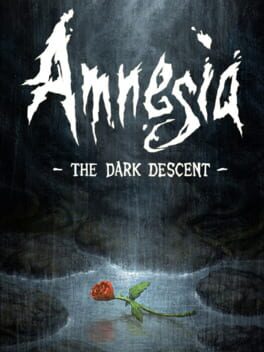
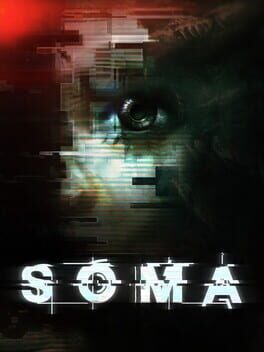
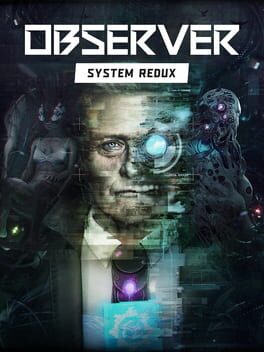
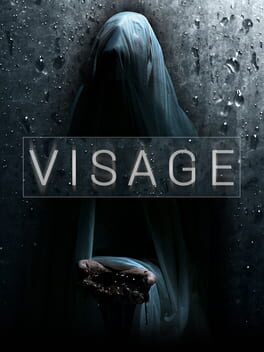
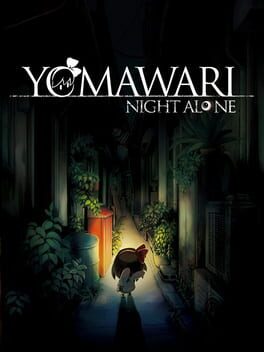
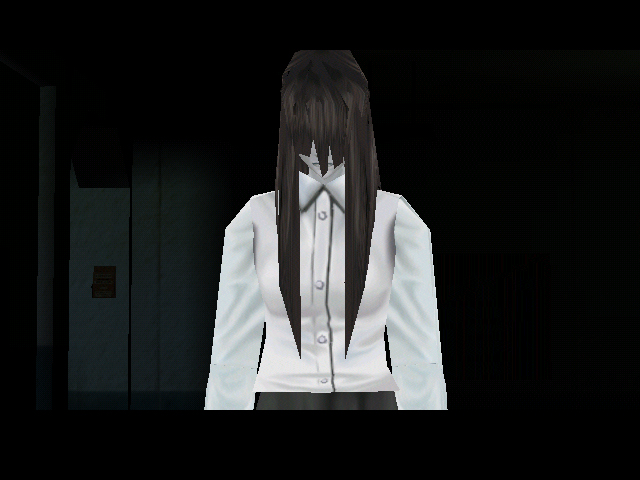
Fatal Frame II is the closest a game has ever come to a Shimizu film
The Fatal Frame series was designed in explicit dialogue with J-horror cinema, and the second entry is the high point. Its logic, that you survive by looking directly at what frightens you through a specific lens, is a perfect inversion of the Shimizu formula where looking is always a trap. The village setting, the twin mythology, and the way the game's ghosts appear mid-routine in peripheral vision make it feel less like a horror game and more like a haunted house you inhabit for twelve hours.
House of Leaves is the literary equivalent of the Ju-On structure
House of Leaves does on the page what Shimizu does on screen: it makes a domestic space the source of a horror that has no bottom. Mark Z. Danielewski's novel is narrated by unreliable voices in contradictory layers, and the house at its center simply does not follow the rules of matter. The textual fragmentation, the appendices that contradict the main text, the footnotes that go nowhere, all of it mirrors Shimizu's splintered vignette structure. Both works share the conviction that the most disturbing thing is not the monster itself but the fact that the geometry no longer makes sense.
The Ju-On Universe: A Rough Map
- 1998Shimizu directs two student short films that introduce Kayako and Toshio
- 2000Ju-On: The Curse (V-cinema)
- 2000Ju-On: The Curse 2 (V-cinema)
- 2002Ju-on: The Grudge receives theatrical release in Japan Ju-on: The Grudge
- 2003Ju-on: The Grudge 2 theatrical Ju-on: The Grudge 2
- 2004Shimizu directs the American remake The Grudge The Grudge
- 2006The Grudge 2 (American sequel, Shimizu directing again) The Grudge 2
- 2009Shimizu returns to Japan with Shock Labyrinth
- 2020Ju-On: Origins TV series (produced, not directed by Shimizu)
Inescapable curses and J-horror dread
For Fans of Hideo Nakata
Explore the For Fans of Hideo Nakata guide →Shimizu builds his films the way a house accumulates damage: slowly, through things you almost noticed but didn't, until the structure itself is the threat.CrossBinge editorial