
The Man Who Made Spandex Fly
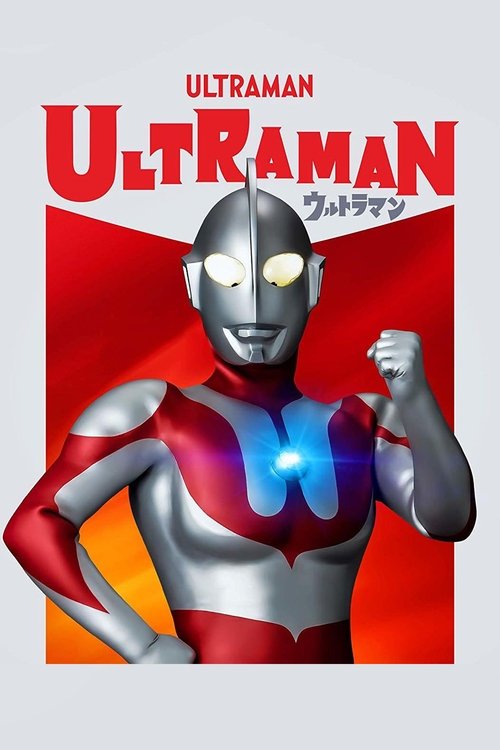
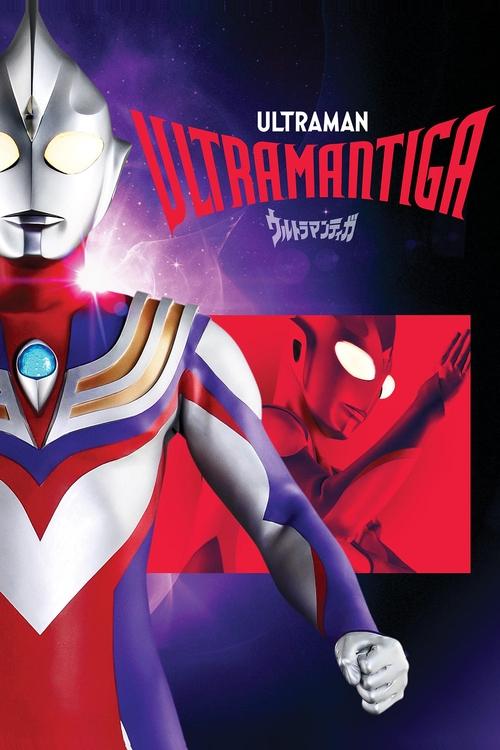
Koichi Sakamoto built his career on a simple but demanding premise: every fight should feel like a performance, and every performer should be genuinely airborne. A Japanese-American stunt coordinator and director who cut his teeth on the Super Sentai franchise before becoming the go-to action architect for the American Power Rangers series throughout the late 1990s and 2000s, Sakamoto brought gymnastic intensity to tokusatsu that set him apart from every contemporary.
His signature is kinetic generosity. Where other action directors give you one impressive moment per sequence, Sakamoto layers them, building combos of wire-assisted leaps, spinning heel kicks, and improvised environmental throws that accumulate into something close to visual poetry. The style is rooted in Hong Kong martial-arts cinema, filtered through the physical vocabularies of professional stunt performers who double as athletes. Watching a Sakamoto-choreographed fight is watching people who genuinely love what their bodies can do.
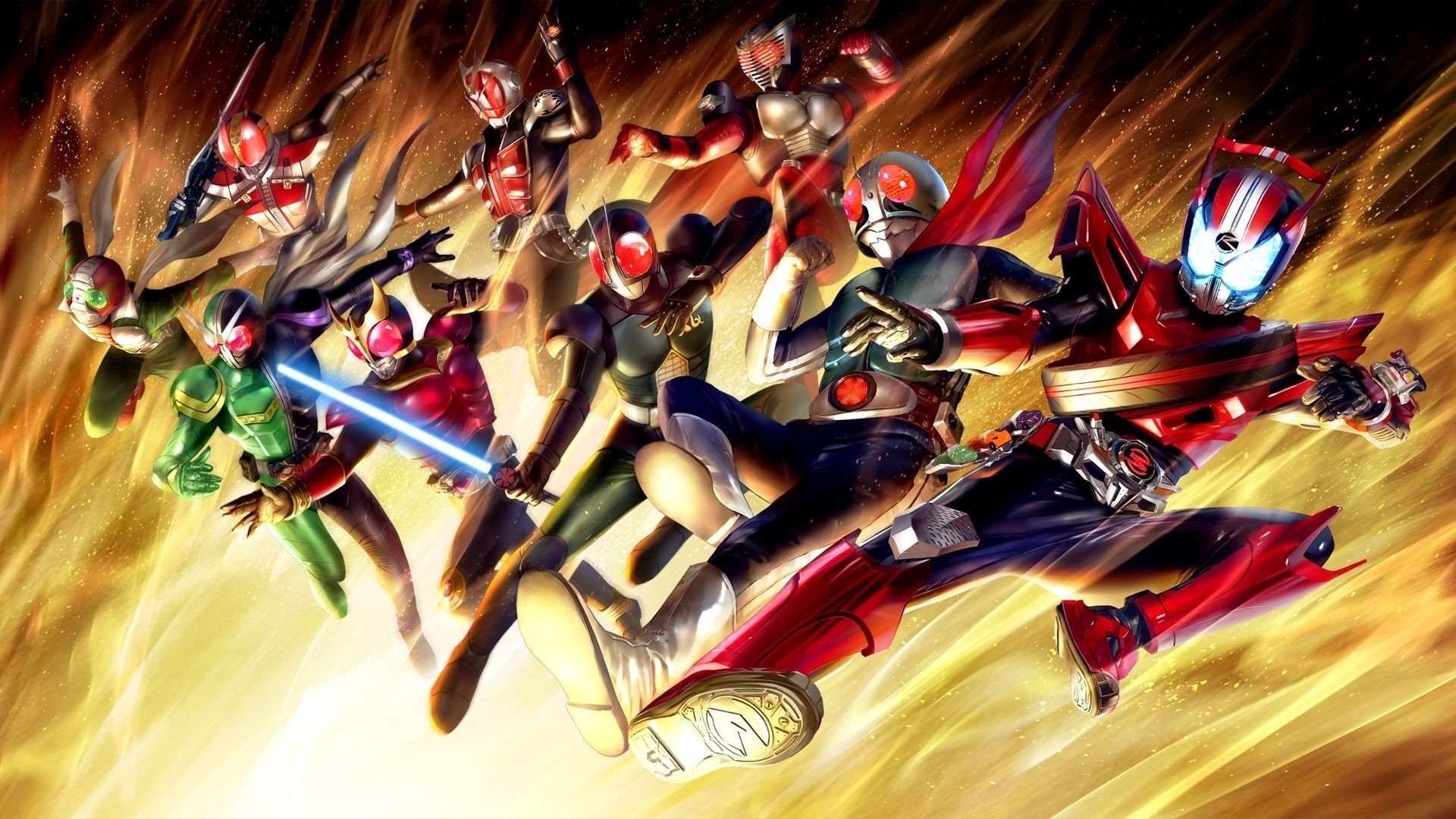
Beyond Power Rangers, he directed episodes of Kamen Rider Dragon Knight, the American adaptation of the long-running tokusatsu franchise, and helmed multiple seasons of the franchise as director. His work sits at the intersection of children's superhero television and serious action craft, a combination that sounds contradictory until you actually watch it. Fans of Sakamoto are fans of physical storytelling: the idea that a well-placed kick can carry emotional weight, that a chase through a warehouse can be as expressive as any dramatic monologue.
The Tokusatsu World
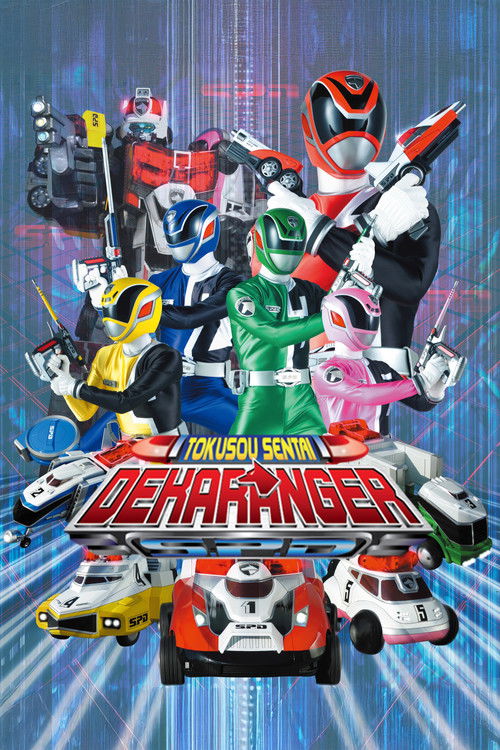
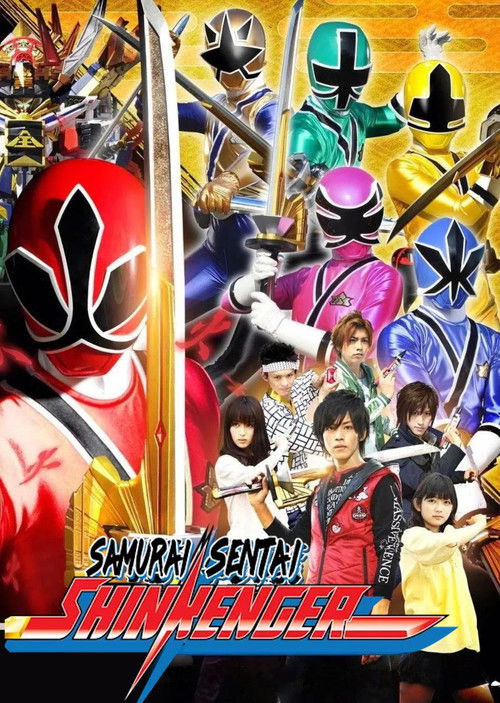
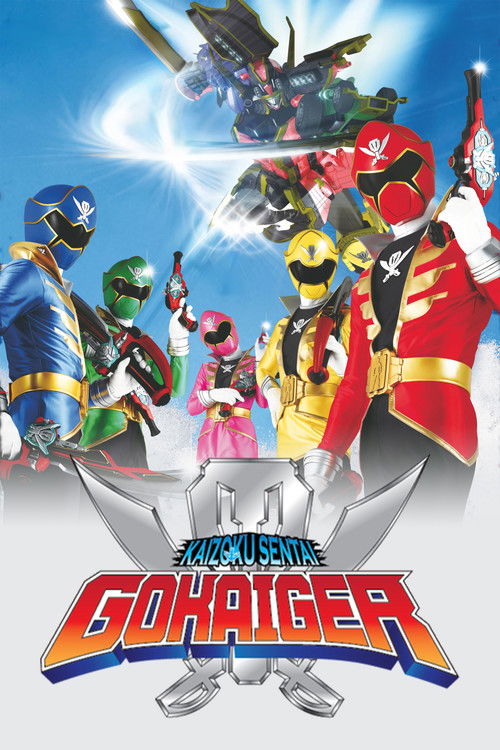
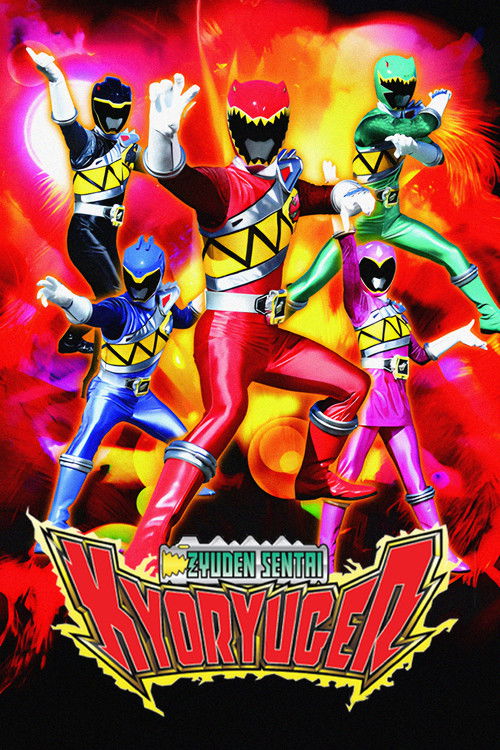
The franchises and seasons that shaped Sakamoto's craft

The Hong Kong Pipeline
The action cinema that fed Sakamoto's visual grammar
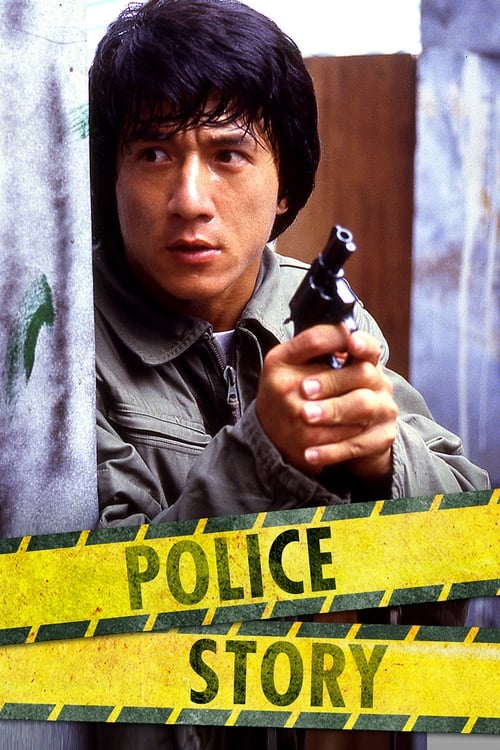

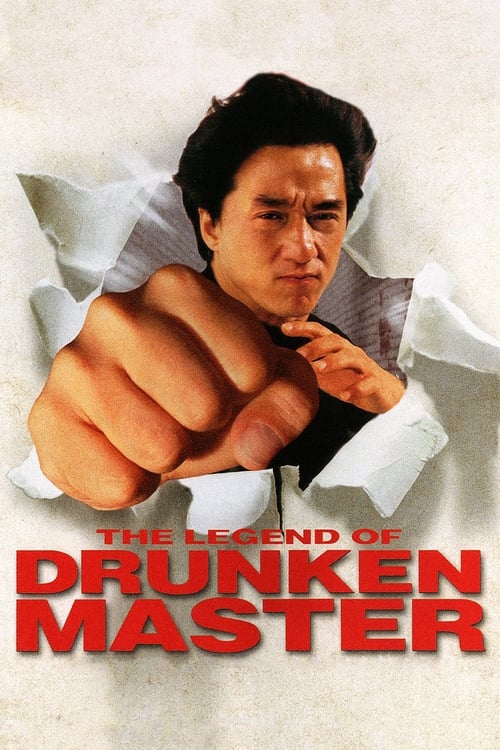
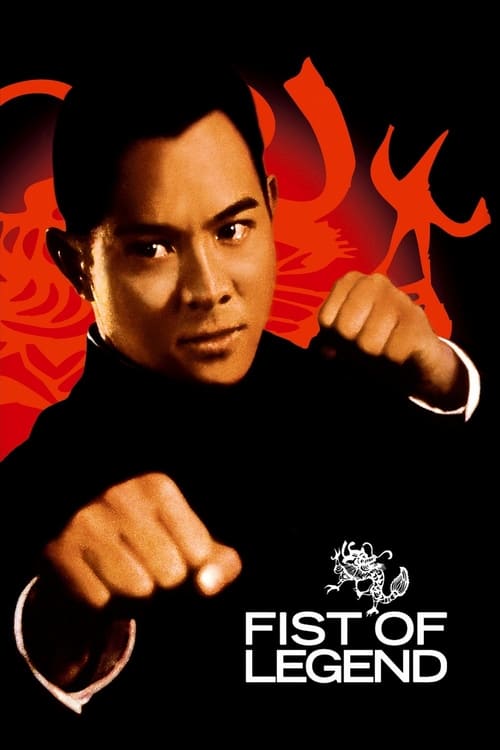
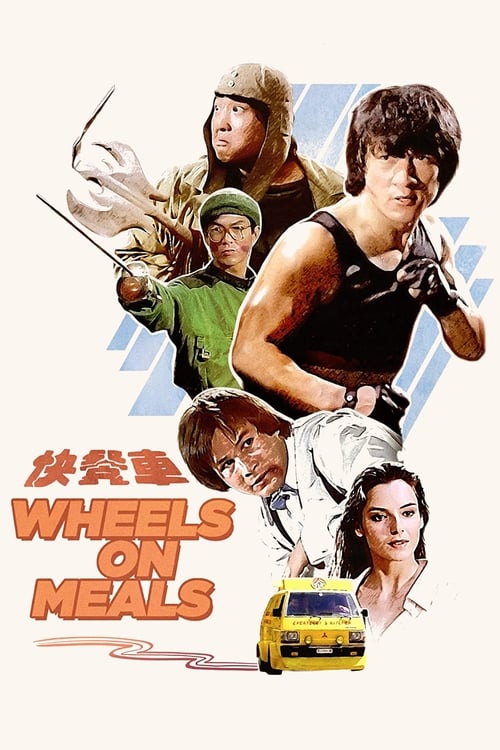
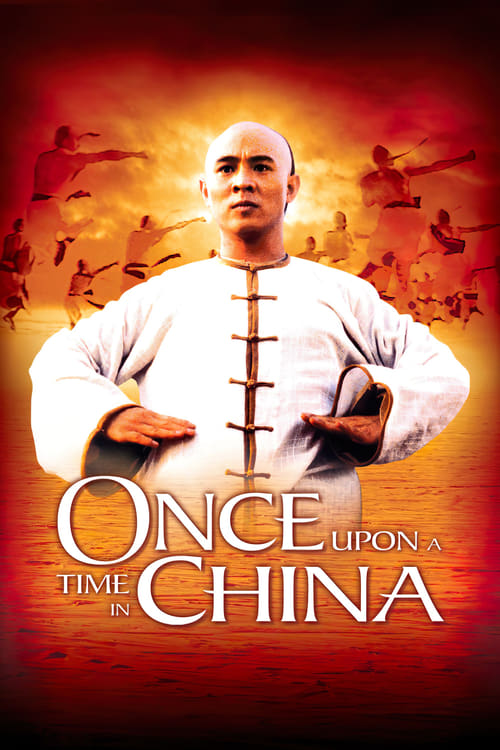
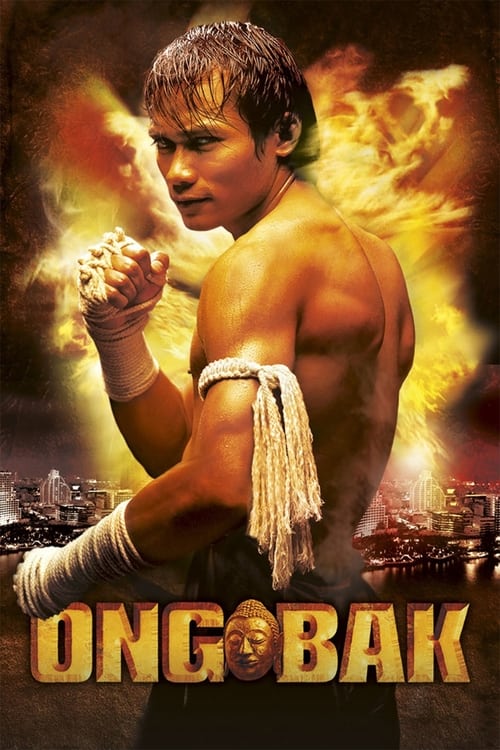
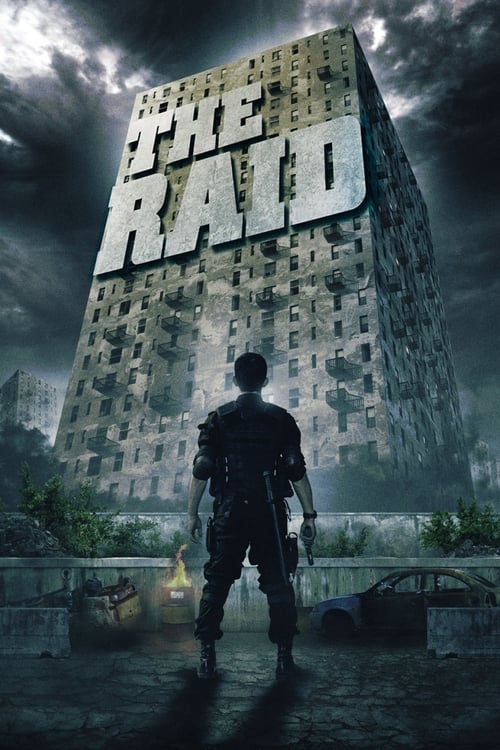
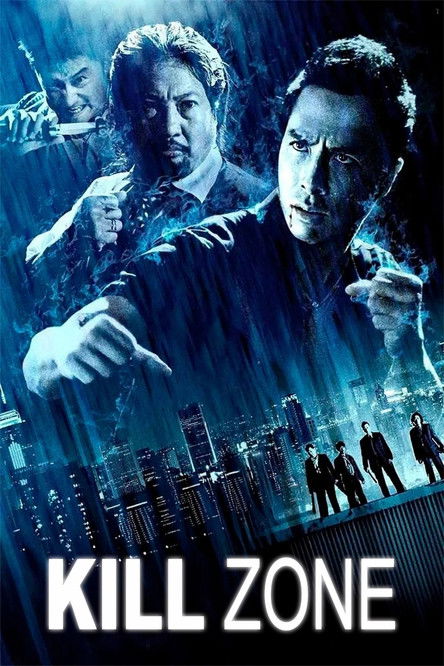
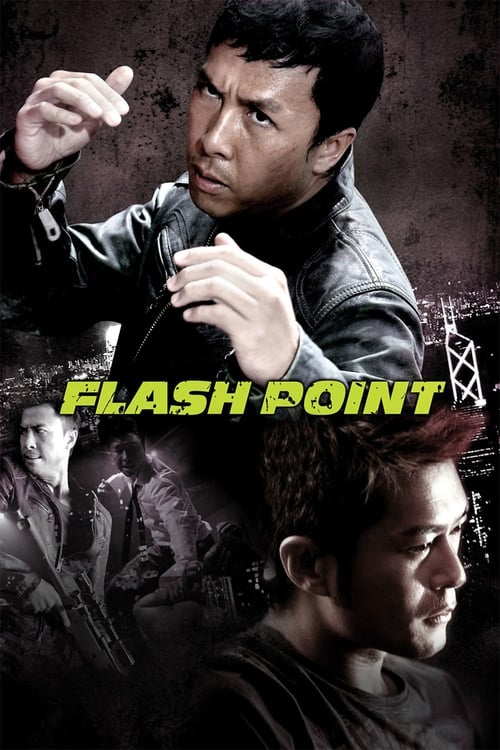
When the Body Is the Spectacle
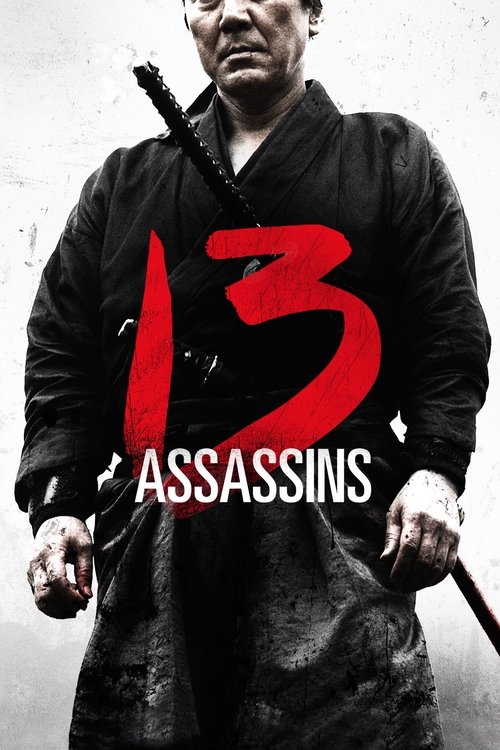
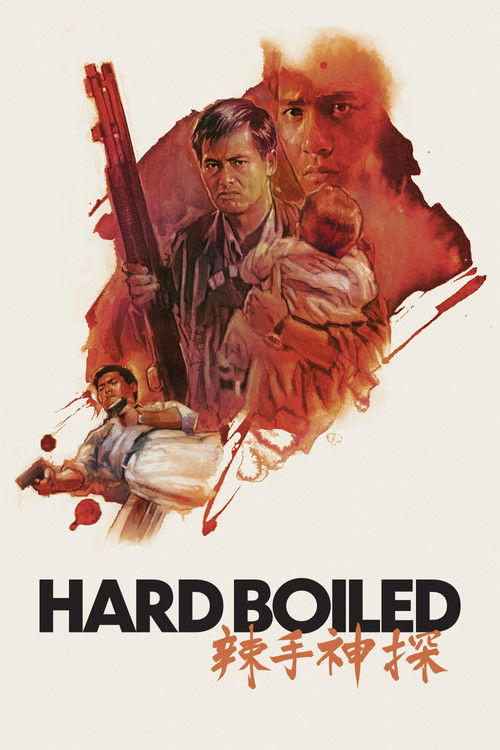
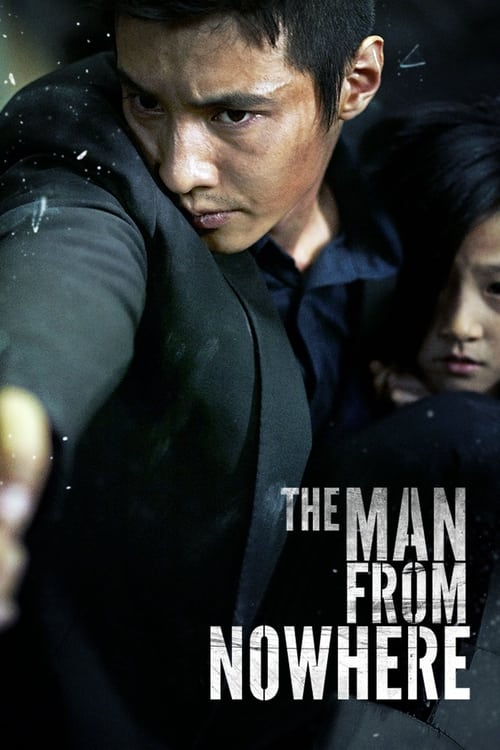
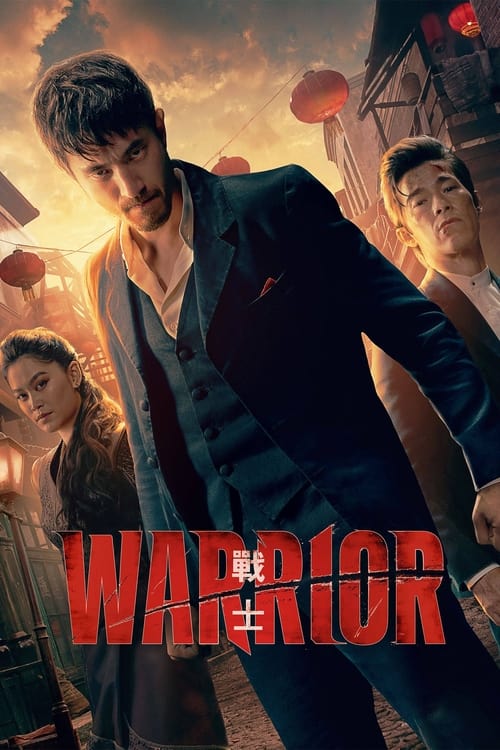
Films and shows where physical performance is the whole argument
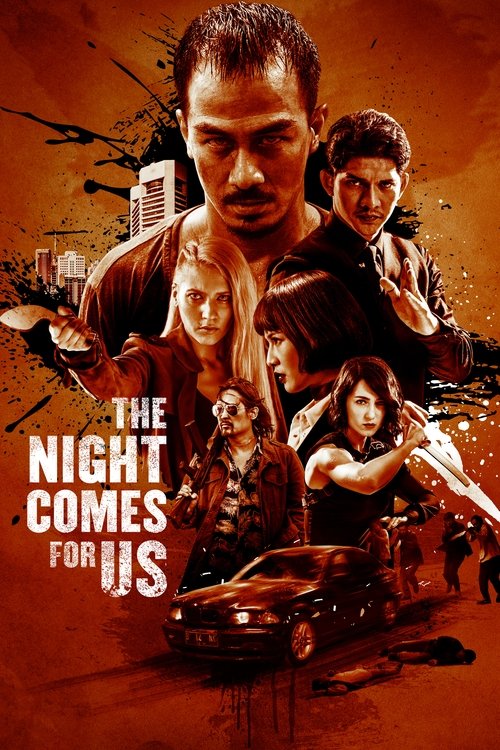
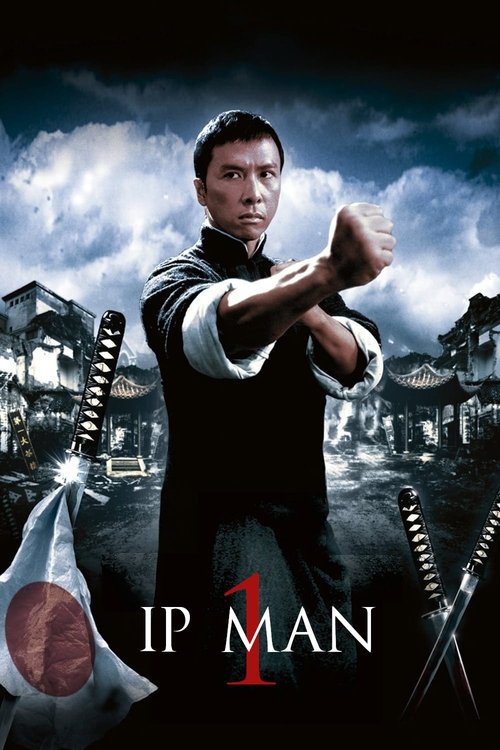

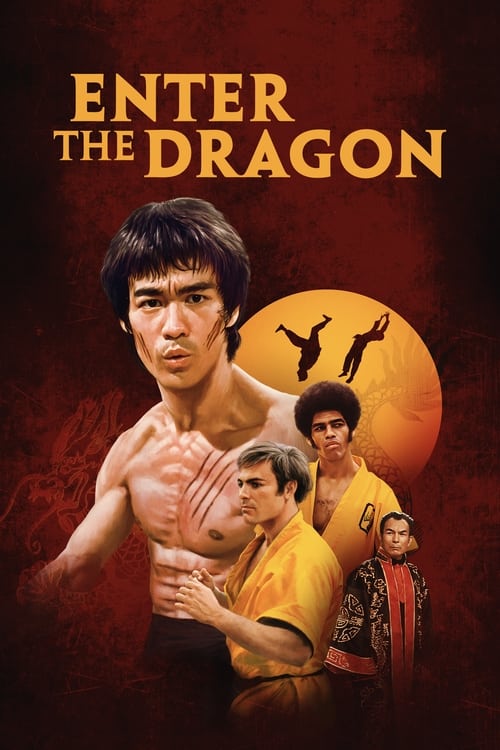

Play the Hits
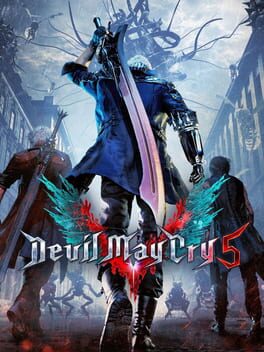
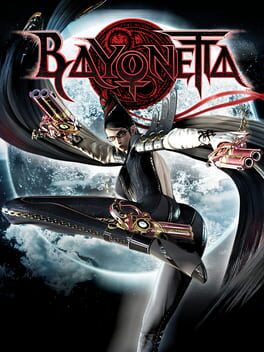
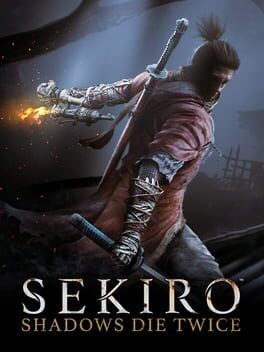
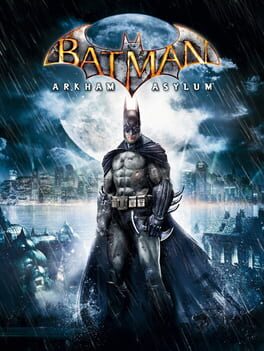
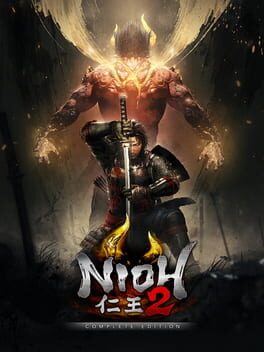
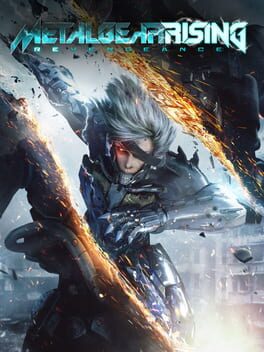
Games built around the same combo-driven, acrobatic combat logic

Start with Power Rangers in Space
If you want to understand what Sakamoto does differently, Power Rangers in Space is the entry point. The season marked his arrival as the dominant creative force in the franchise's action design, and the improvement over preceding seasons is immediate and startling. The fights have rhythm, the stunt work has genuine ambition, and even within the constraints of children's TV you can feel a choreographer taking the work seriously. The whole franchise is catalogued here under Power Rangers (the 1993 umbrella entry) if you want to trace the arc from the beginning.
Kamen Rider Dragon Knight is the underrated one
Kamen Rider Dragon Knight is the American tokusatsu project Sakamoto directed most fully as his own creative statement. It aired in 2009, won a Daytime Emmy for Outstanding Stunt Coordination, and was promptly cancelled before the final episodes aired. It deserved better. The action is among the sharpest he has ever staged for Western television, and the suit-based combat has a weight and coherence that most superhero shows spend ten times the budget chasing. For the same suit-versus-suit satisfaction in the catalog, Kamen Rider (1971) is the DNA source.
The Raid is his spiritual twin
Gareth Evans and Sakamoto have never collaborated, but The Raid is the closest any film has come to putting Sakamoto's values on a big-screen budget. Both artists believe in unbroken physical sequences, in letting the stunt performer's actual skill do the storytelling. Where Sakamoto has always worked around television's constraints, Evans had the luxury of full cinematic space, and the result shows what Sakamoto's approach looks like with the ceiling removed.
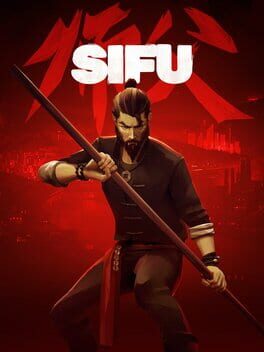
Sifu is the game for this crowd
Sifu is built on the same premise that animates Sakamoto's best work: mastery is earned through repetition, and every fight is a physical argument you have to win on the other person's terms. The game's aging mechanic and its insistence on clean technique over button-mashing reward the same patient attention that Sakamoto's choreography rewards in viewers. It is the most honest translation of Hong Kong martial arts values into an interactive form.
Koichi Sakamoto: A Career in Motion
- 1995Joins Power Rangers as stunt coordinator, beginning with the Zeo era
- 1997Power Rangers Turbo pushes the acrobatic ambition further
- 1998Power Rangers in Space cements his choreographic signature Power Rangers
- 1999Lost Galaxy raises the stakes on wire work and environmental combat Power Rangers
- 2001Time Force, widely regarded as the creative peak of the era Power Rangers
- 2009Kamen Rider Dragon Knight wins Daytime Emmy for stunt coordination Kamen Rider
- 2014Continues directing Super Megaforce and later Dino Charge seasons
- 2020sRemains active in tokusatsu action direction and coordination
Wire-and-fist action choreographers
For Fans of Yuen Woo-ping
Explore the For Fans of Yuen Woo-ping guide →Every fight he choreographs is a conversation between bodies, and both sides have something to say.CrossBinge editors