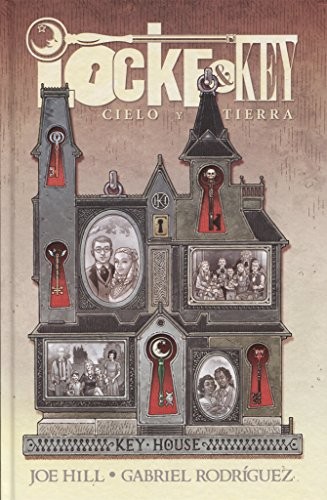

Joe Hill and Gabriel Rodriguez's Locke and Key (IDW Publishing, 2008-2013) is one of the great American horror comics: a family grief story wrapped inside a supernatural mystery, set in a New England mansion riddled with magical keys that unlock impossible things. The Locke siblings arrive at Keyhouse after their father's murder and begin discovering keys that open doors to other dimensions, keys that change your gender, keys that pull memories out of your head. Each one is a metaphor doing double duty as a genuine threat. What Hill and Rodriguez built across six arcs is a complete, emotionally devastating story with a proper ending. The Netflix adaptation (2020-2022) softened some edges but preserved the core warmth. If that world hooked you, what you're chasing is horror that trusts character over shock, supernatural rules that carry real stakes, and stories that use genre machinery to talk honestly about loss.
Joe Hill's Other Worlds
The rest of Hill's novels and comics for readers ready to go deeper


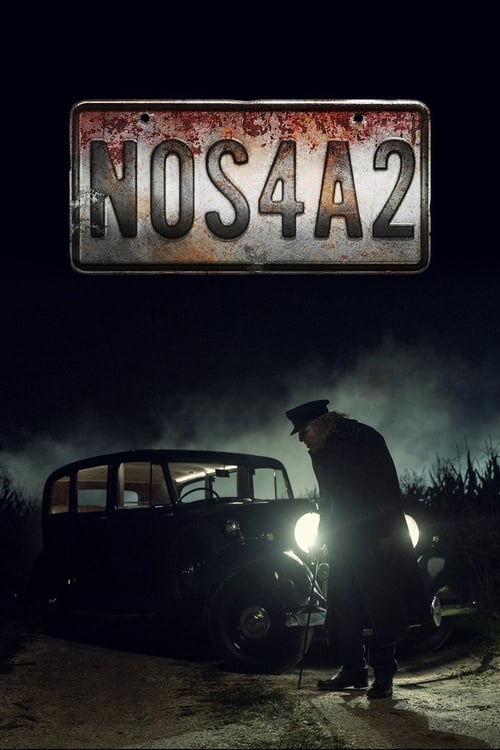

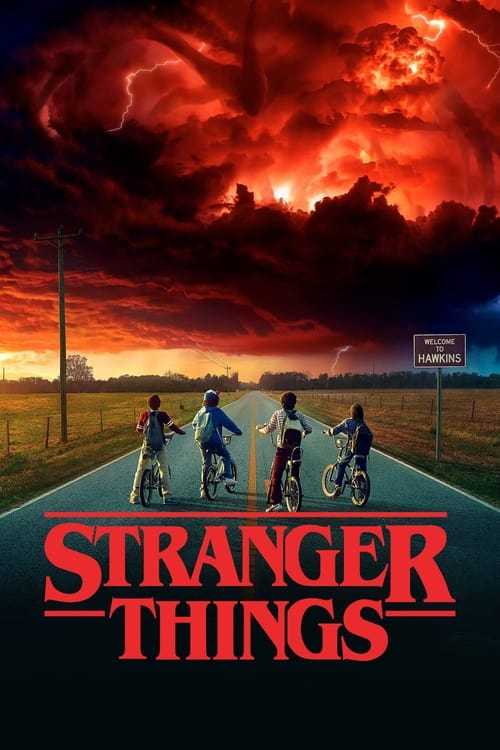
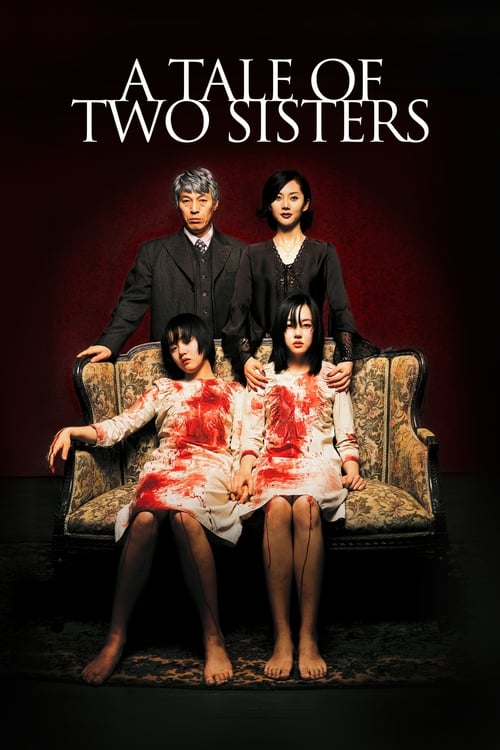
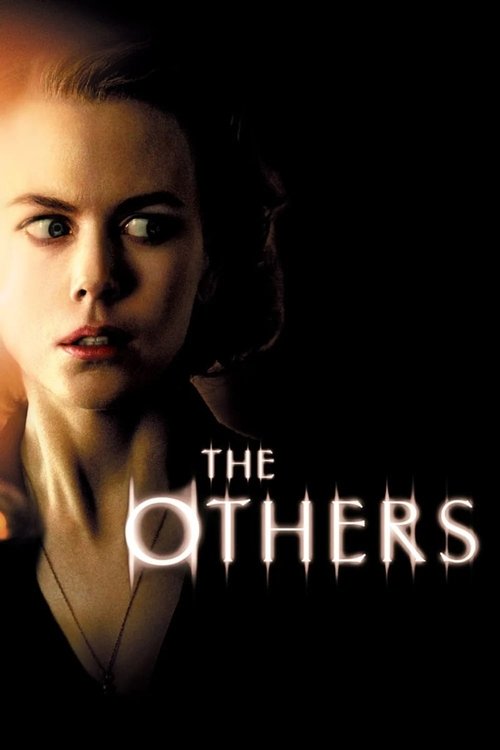
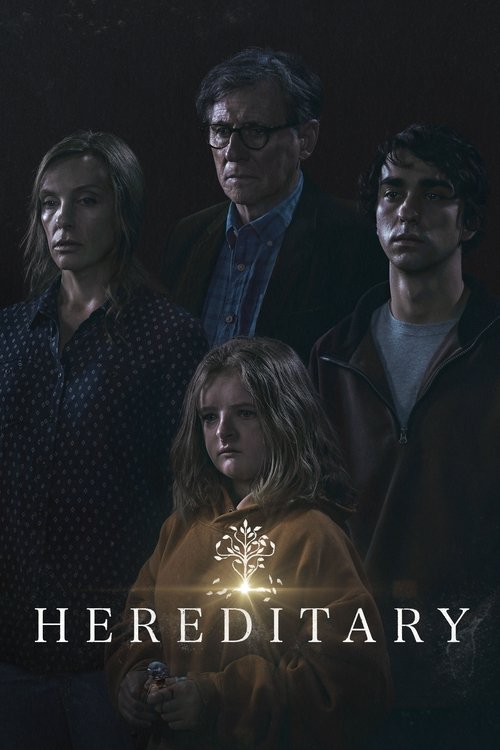
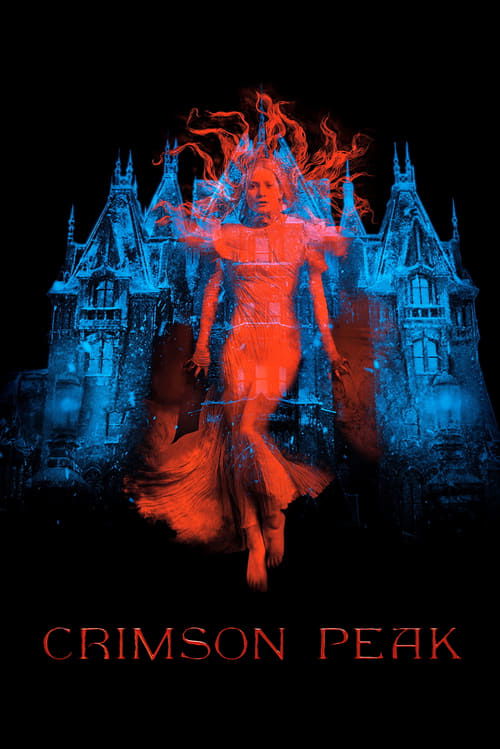
Supernatural Horror on Screen
Series and films that share Locke and Key's blend of family grief and genre dread
Comics and Novels with the Same Dark Magic
Horror and dark fantasy that trust their characters as much as their scares


Games Built on Horror and Discovery
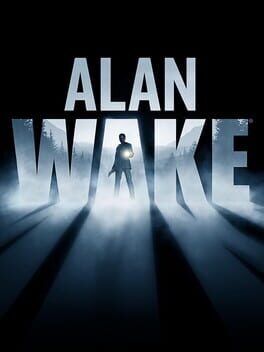
Games that share Locke and Key's sense of a haunted place holding secrets, peeled back room by room
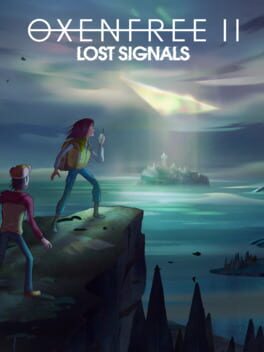
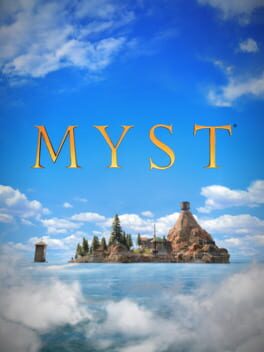
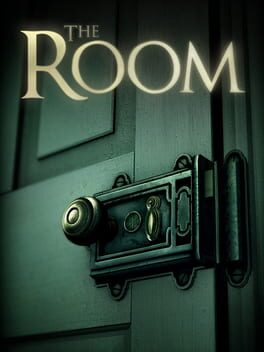
The keys are metaphors, and that is the whole point
Every key in Locke and Key unlocks something psychological as much as physical. The Head Key literally opens minds, but what Hill is really doing is writing about how memory works after trauma: what you choose to look at, what you seal away, what happens when someone else gets access. The Anywhere Key is freedom, and freedom is terrifying when you have nowhere safe to go. This is the craft move that separates the series from most supernatural horror: the fantastical elements are not decoration on a thriller plot. They are the argument.
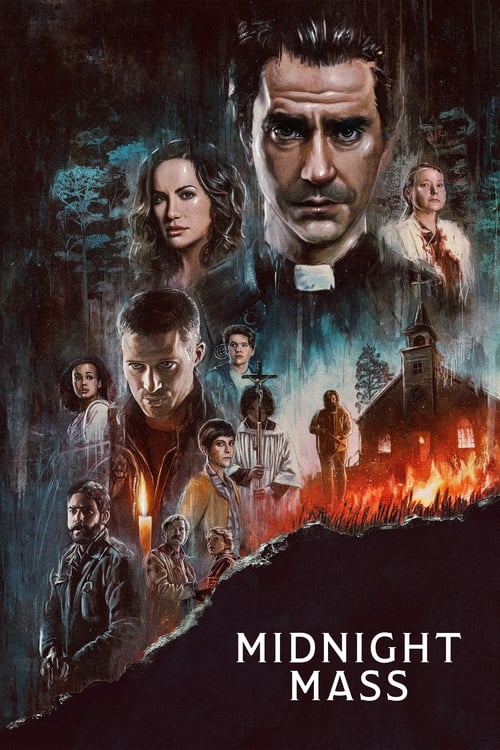
Mike Flanagan is the closest thing on screen
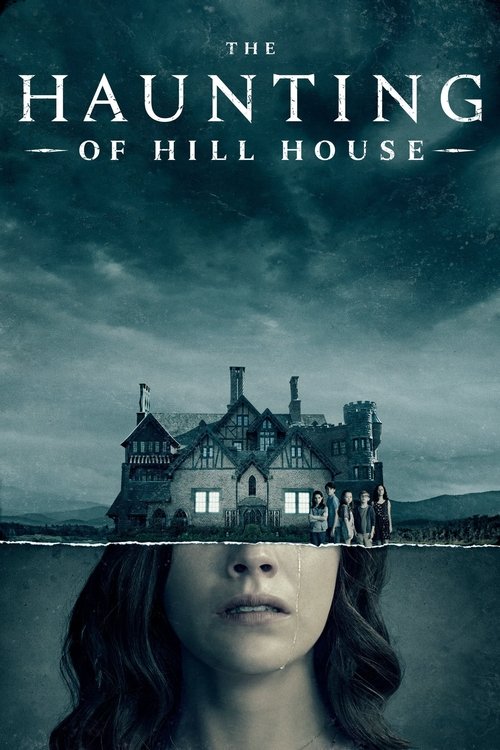
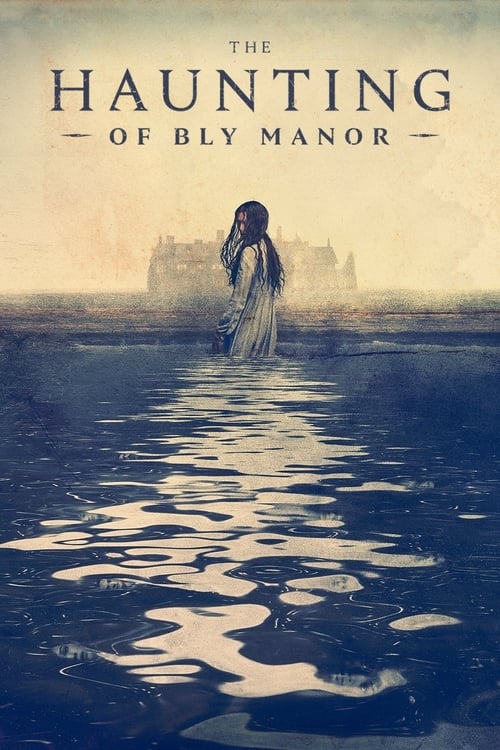
If you want the emotional register of Locke and Key on a screen, the clearest path is Mike Flanagan's work: The Haunting of Hill House, Midnight Mass, Bly Manor. He does the same thing Hill does: uses haunted-house mechanics to excavate grief and addiction and guilt. The scares land precisely because the characters are people you believe in before the horror starts. Hill House in particular shares Locke and Key's central concern, a family broken by violent loss that a supernatural location forces to confront what it has been avoiding.
Neil Gaiman is the literary cousin
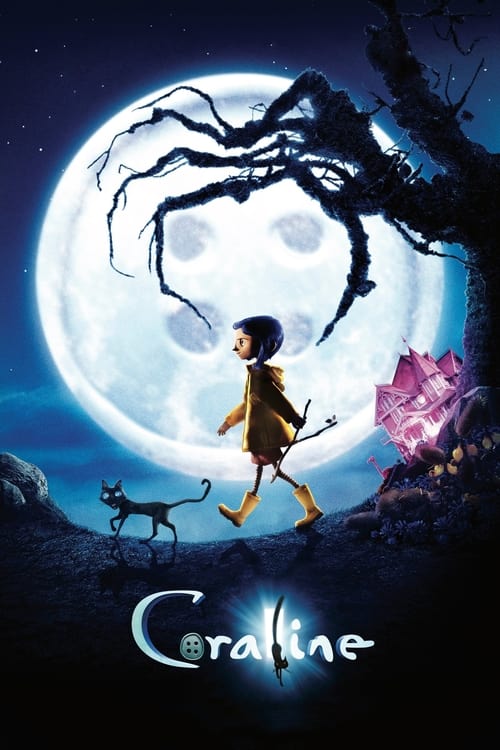
The books that sit closest to the Locke and Key comics are Gaiman's: The Graveyard Book, Coraline, American Gods. Gaiman and Hill both write dark fantasy where the darkness is earned by the emotional reality underneath it. The Graveyard Book has the same combination of genuine peril, real warmth, and a child protagonist who navigates a world adults cannot see. Gaiman is also, like Hill, deeply at home in comics form: Sandman is the obvious bridge for any Locke and Key reader who wants to stay in the graphic novel world and go darker.
Control and Alan Wake 2 are the game equivalents
Remedy Entertainment's connected universe, Control and Alan Wake 2, does in games what Locke and Key does in comics: it builds an internal mythology with coherent rules around impossible things, then uses those rules to do something emotionally real. Control gives you a brutalist building full of objects with inexplicable power and a protagonist excavating her own buried past. Alan Wake 2 layers metafiction on top of survival horror in ways that reward readers who think about genre. Both reward slow, attentive engagement. Both treat the player as an adult.
Locke and Key: A Chronology
- 2008Welcome to Lovecraft published by IDW, introducing Keyhouse and the Locke family
- 2009Head Games arc begins, expanding the mythology of the keys
- 2010Crown of Shadows and Keys to the Kingdom arcs deepen the supernatural threat
- 2011Clockworks reveals the origin of Keyhouse and the keys
- 2013Alpha and Omega concludes the main series
- 2020Netflix series premieres, reaching a global audience Locke & Key
- 2022Netflix series concludes with its third season
Horror, Heart, and Impossible Doors
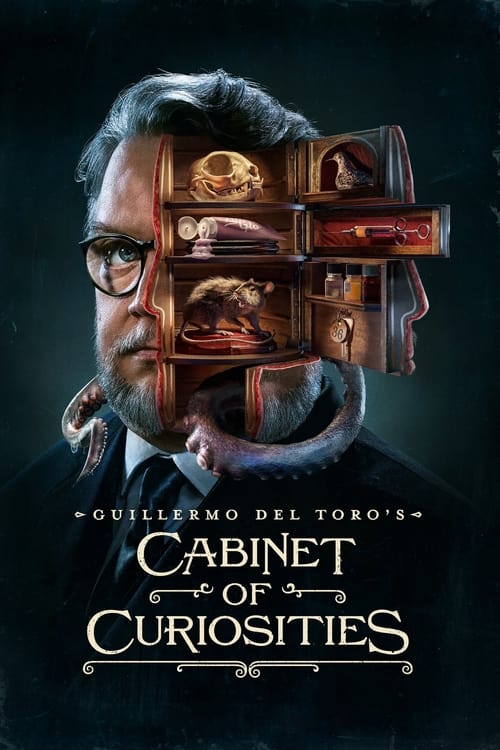
For Fans of Guillermo del Toro
Explore the For Fans of Guillermo del Toro guide →The keys are not magic tricks. They are the story's way of asking: what would you unlock, if you could? And what would you wish you had left closed.On Locke and Key