
Lone Wolf and Cub ran in Manga Action from 1970 to 1976, producing 28 volumes and 8,700 pages of the most disciplined, cinematic storytelling the medium has ever seen. Kazuo Koike's scripts stripped samurai drama to its bones: duty, betrayal, the cost of a life spent killing, and the strange tenderness between a father and the child who witnesses everything. Goseki Kojima's brushwork matched the scripts page for page, alternating passages of near-silent action choreography with dense, inky panels of landscape and shadow. The result is a manga that reads like a film and moves like a poem. Every reader who reaches the end is marked by it.
Essential Lone Wolf and Cub
The manga itself, its screen adaptations, and Koike's other landmark works


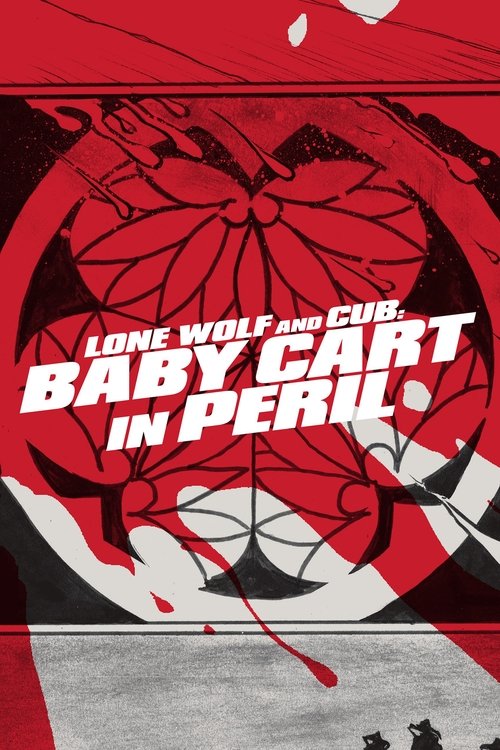
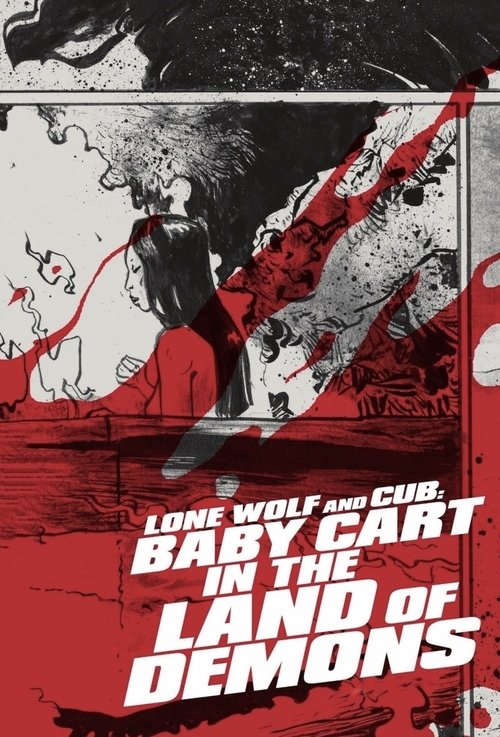
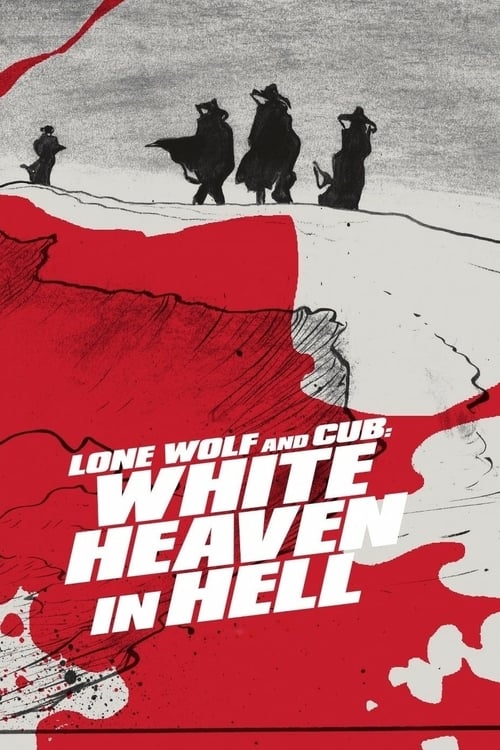

If You Love the Brutal Poetry: Other Essential Samurai Manga
Books by the masters who defined the genre


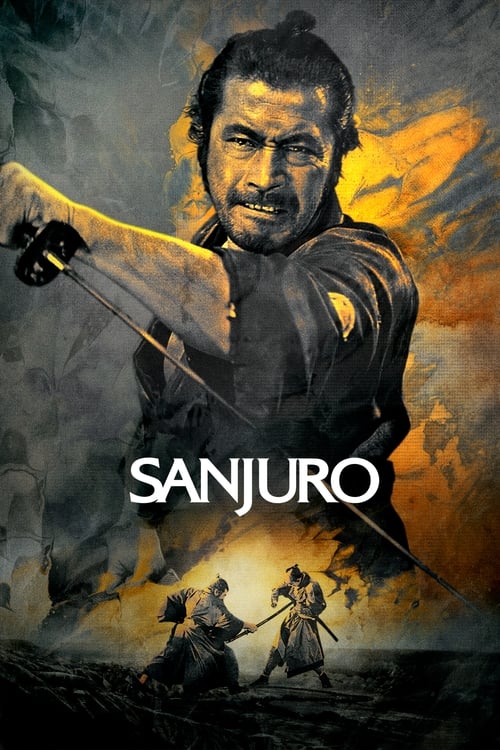
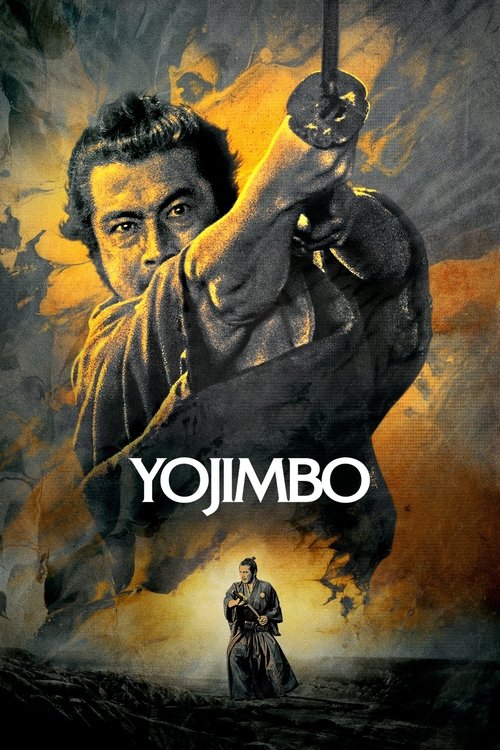
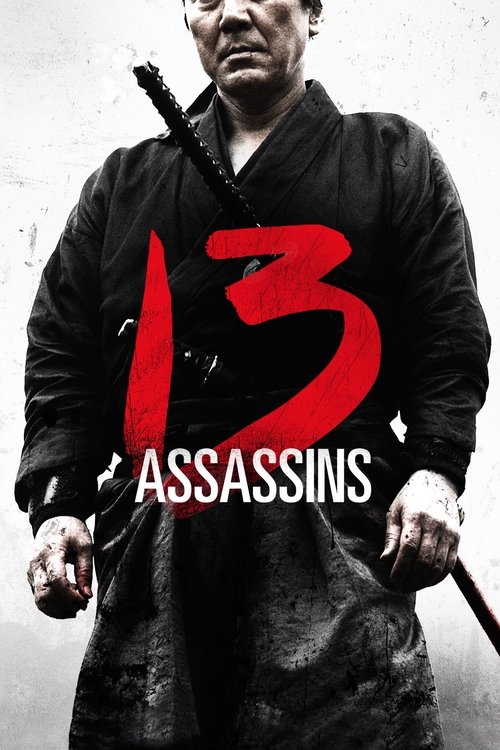
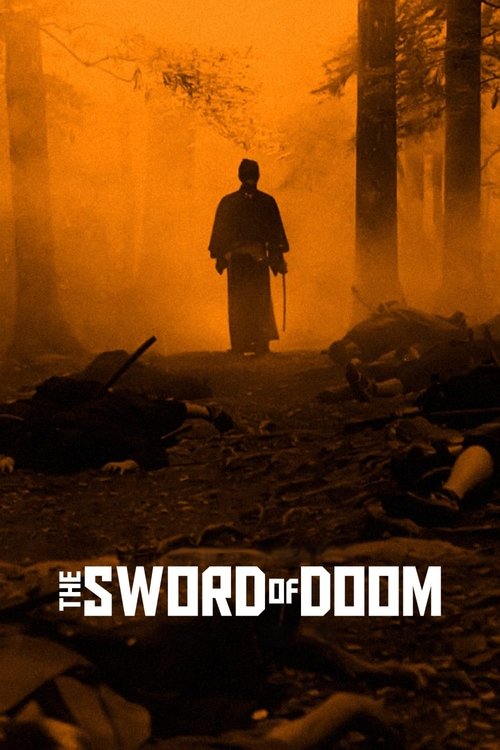
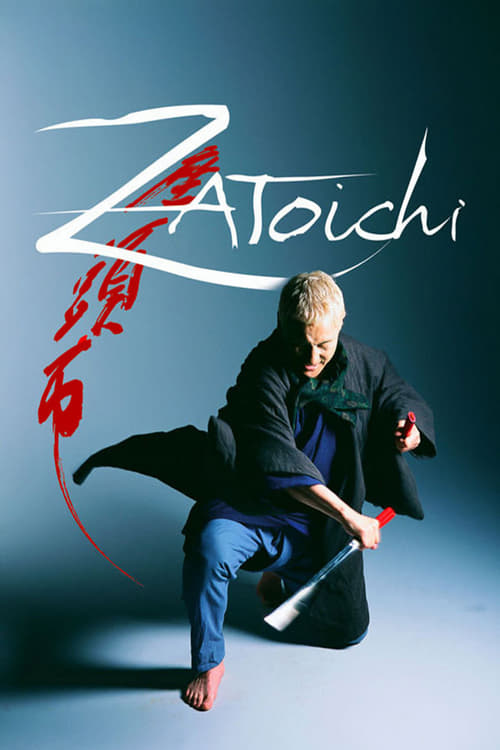
The Screen Samurai: Films and Series in the Same Vein
Cinema and television with the same moral seriousness and choreographic precision

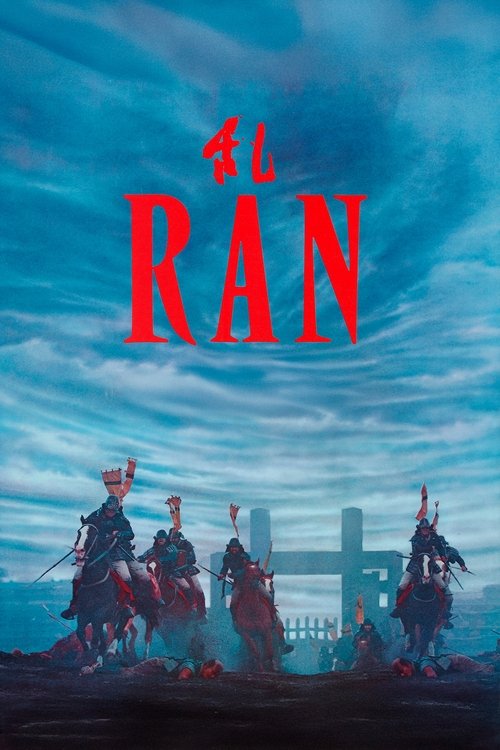
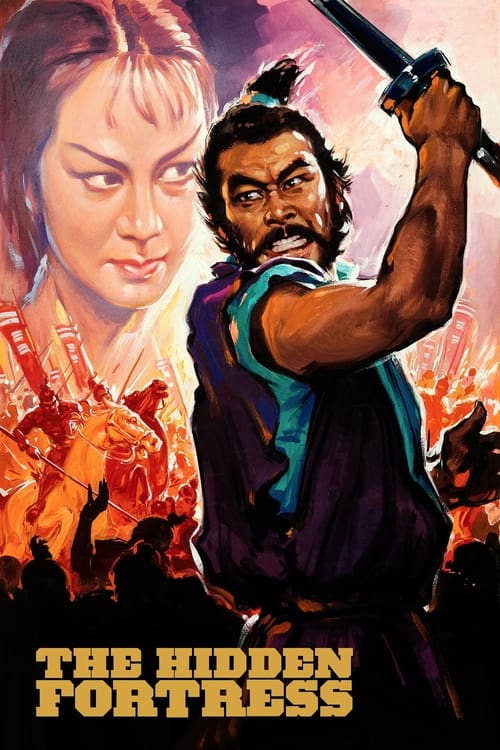
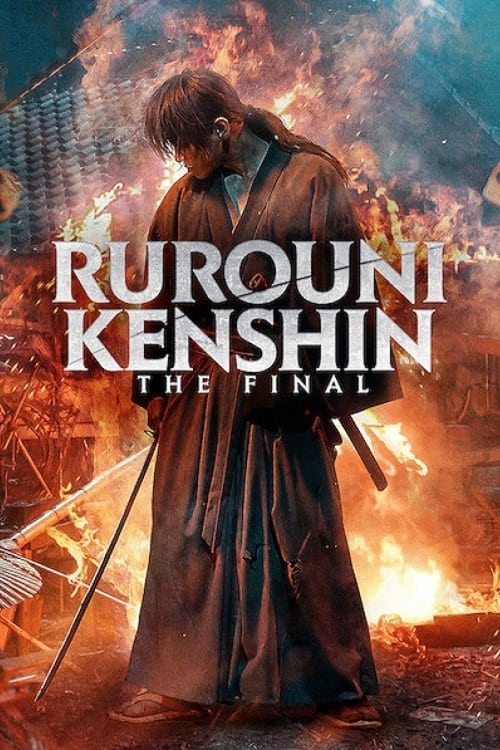

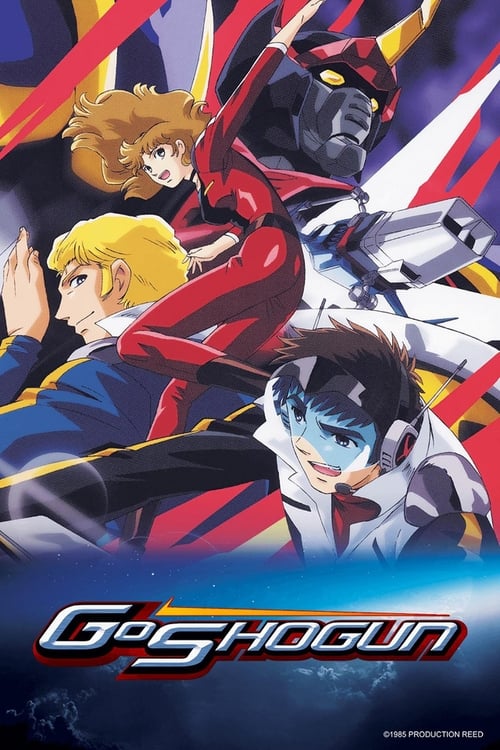
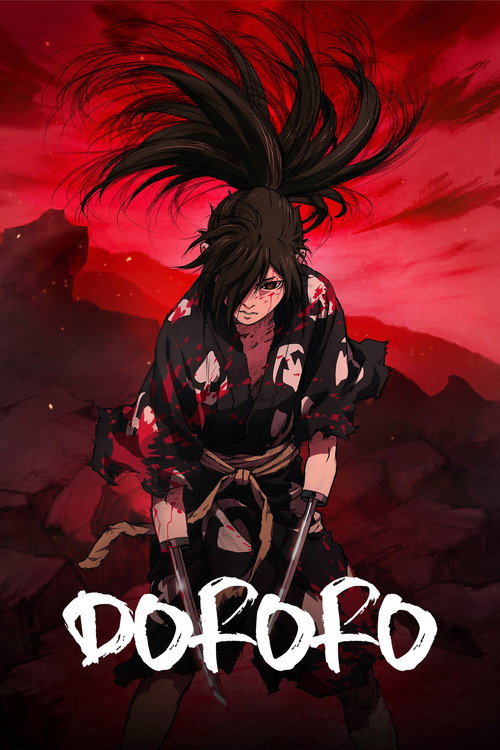
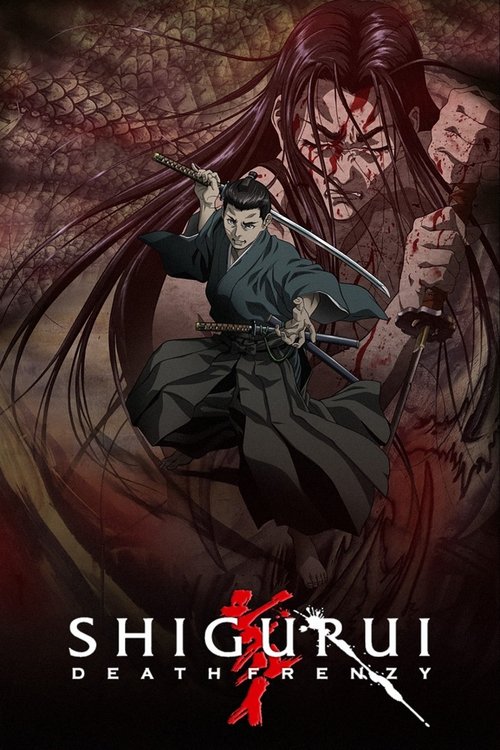
Steel and Silence: Games That Share the DNA
Games built on deliberate combat, feudal atmosphere, and the weight of each kill
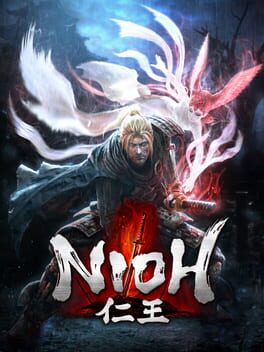
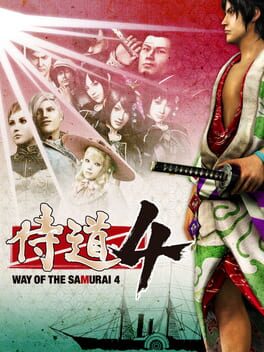
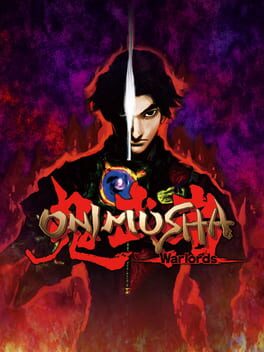
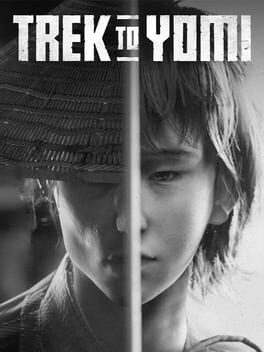
The Long Road: Novels on Duty, Exile, and the Sword
Books that deal in the same themes of honor, betrayal, and a father's impossible choices


Koike Invented the Modern Antihero
Long before prestige television made the morally compromised protagonist a cliche, Kazuo Koike put Itto Ogami in an impossible position: a man whose profession is death, whose cause is revenge, and whose companion is a toddler who understands everything and says almost nothing. Koike refused to redeem Ogami or condemn him. The manga simply follows him down the road to hell with perfect fidelity, and lets readers decide what they think of the view.
Kojima's Brushwork Is the Argument
Goseki Kojima had been drawing manga for two decades before Lone Wolf and Cub. What he brought to Koike's scripts was an economy of line that cinema directors still study: the held pause before violence, the extreme close-up that replaces dialogue, the double-page spread that gives a kill its full gravity. Manga is often consumed quickly. Kojima's pages demand you stop.
Shogun Assassin Is a Perfect Artifact
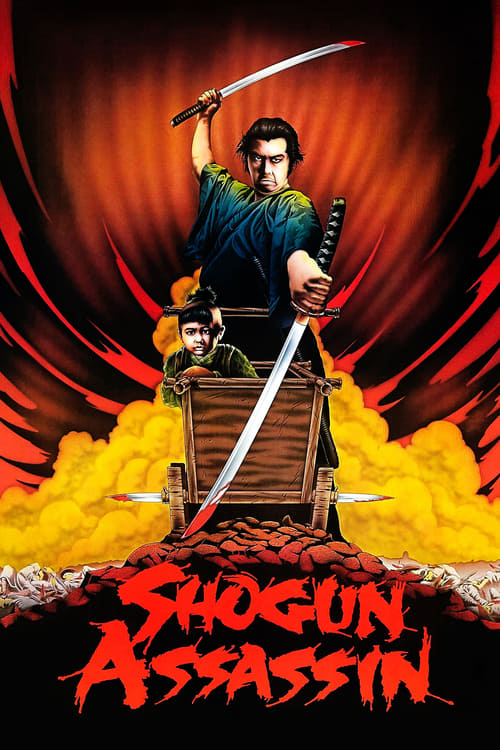
Robert Houston's 1980 edit of the first two Lone Wolf and Cub films into a single Western release is a different object from the originals: faster, cruder, scored with funk and synth, narrated by the child. It should not work. It does. Frank Miller saw it in a Times Square theater and cited it as a direct influence on Daredevil and later Sin City. Quentin Tarantino put it in the Kill Bill universe. Shogun Assassin is the entry point for a reason.
The Road Story as the Ultimate Samurai Form
What separates Lone Wolf and Cub from other samurai stories is the episodic road structure. Each volume is a series of encounters: a contract, a rival, a client with complicated motives. The destination (revenge against the Yagyu clan) is always somewhere ahead. This format lets Koike range across every class and corner of Edo-period Japan, and lets readers enter the story at almost any point. It is the structure that Ghost of Tsushima, Sekiro, and dozens of other works have borrowed without crediting.
A Timeline of Lone Wolf and Cub
- 1970Manga begins serialization in Manga Action magazine Lone Wolf
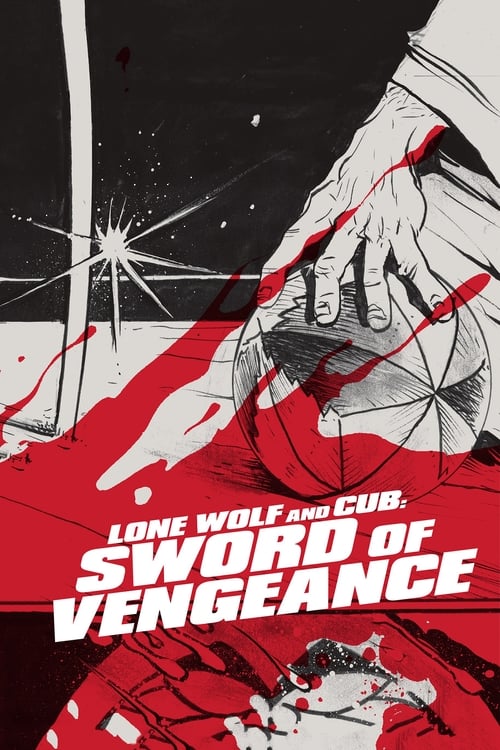
- 1972First live-action film adaptation released in Japan Lone Wolf and Cub: Sword of Vengeance
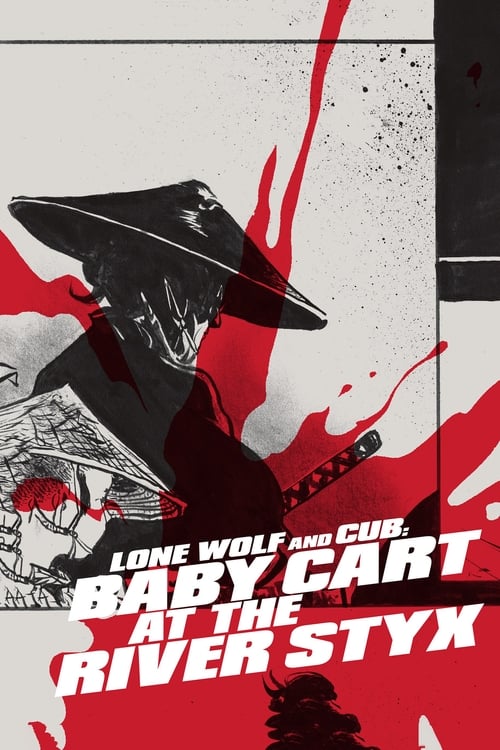
- 1972Five more films follow over the next four years
- 1976Manga concludes after 28 volumes and 8,700 pages
- 1980Western re-edit introduces the series to global audiences Shogun Assassin
- 1984Frank Miller cites the series while writing Daredevil: Born Again
- 1987First Crying Freeman volume published, Koike continuing the antihero formula
- 2000Dark Horse Comics begins definitive English translation of the manga
- 2003Kill Bill Vol. 1 released; Tarantino explicitly homages Lone Wolf and Cub Kill Bill: Vol. 1
- 2019Ghost of Tsushima enters development, citing Lone Wolf and Cub as primary reference Ghost of Tsushima: Iki Island
Wandering swords through feudal Japan
Samurai & Feudal Japan
Explore the Samurai & Feudal Japan guide →A sword by itself is just steel. What gives it meaning is the path the man who holds it chooses to walk.Kazuo Koike, Lone Wolf and Cub