

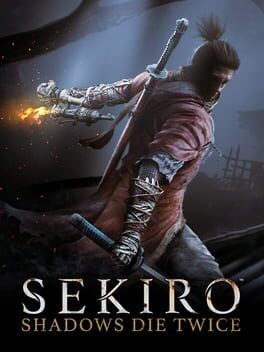
The samurai mood is not really about swords. It is about a person who has chosen a code over comfort, who moves through chaos with terrible calm, and who understands that how you do a thing matters as much as whether you win. It is a feeling you find in Akira Kurosawa's dusty epics and in the charged silence of a Lone Wolf and Cub chapter. You find it in the spare guitar of Ennio Morricone scoring a ronin wandering a western town, and in the focused brutality of Sekiro's combat. The through-line is discipline as a spiritual act: the warrior who is dangerous precisely because he is not reckless. This guide collects the films, series, games, books, and music that chase that same feeling across every medium.
Essential Samurai Cinema
The films that defined the genre and still hold the standard


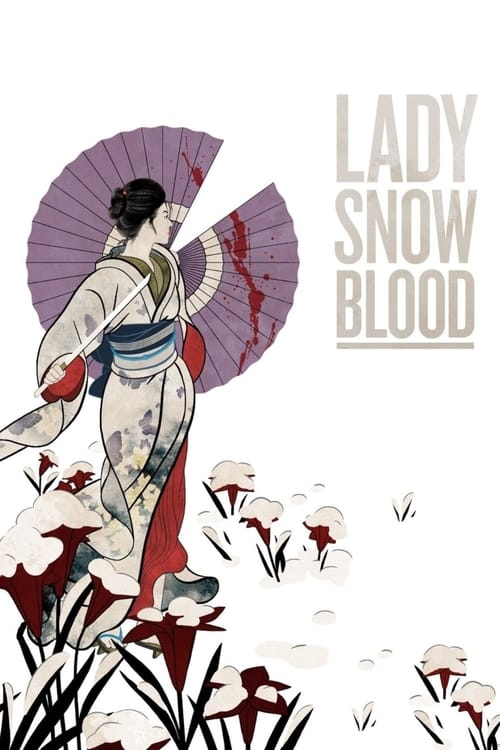
If You Love Samurai: Series Worth Your Time
Television that carries the ronin spirit across continents and centuries

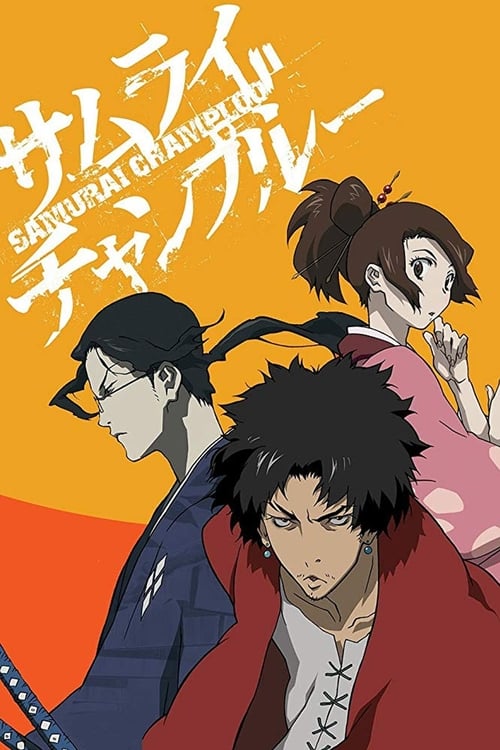
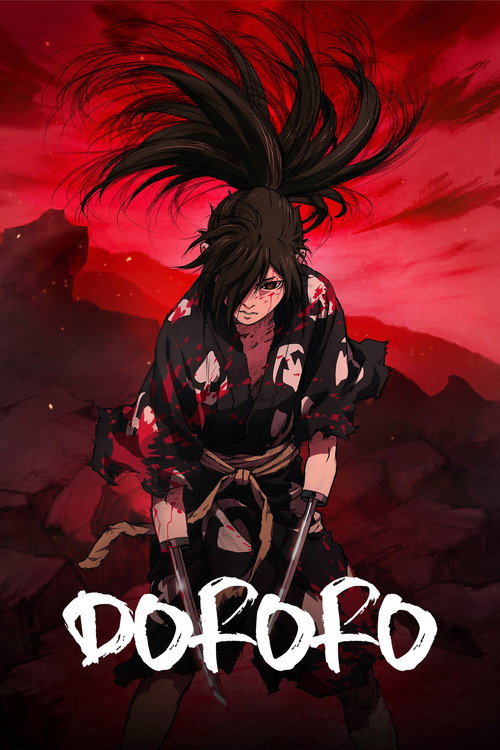
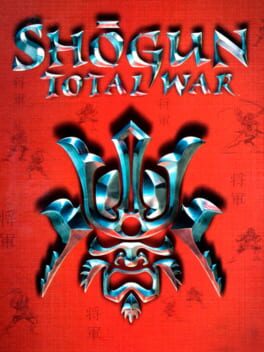
If You Love Samurai: Games That Nail the Blade
Combat, philosophy, and feudal world-building you can inhabit
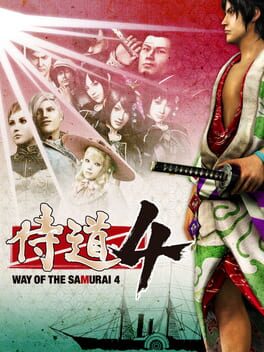
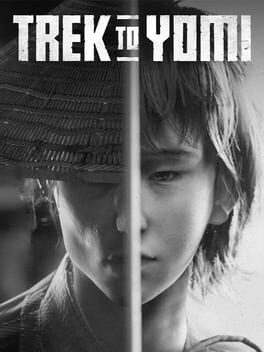
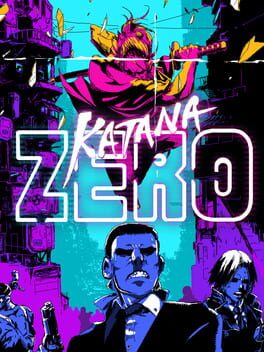
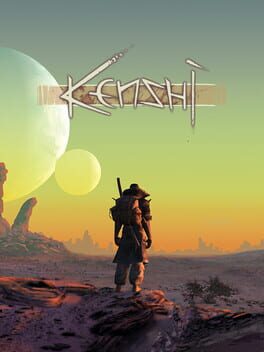
If You Love Samurai: The Books Behind the Blade
Novels and texts that illuminate the samurai mind and world


Kurosawa Set the Coordinates and Everyone Else Followed
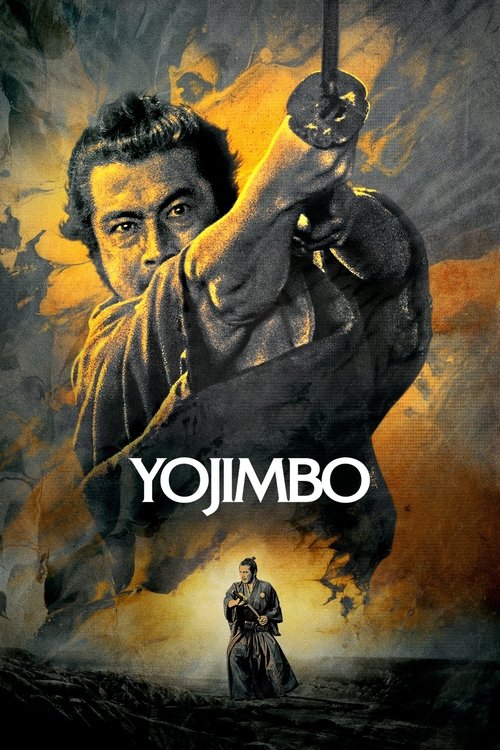
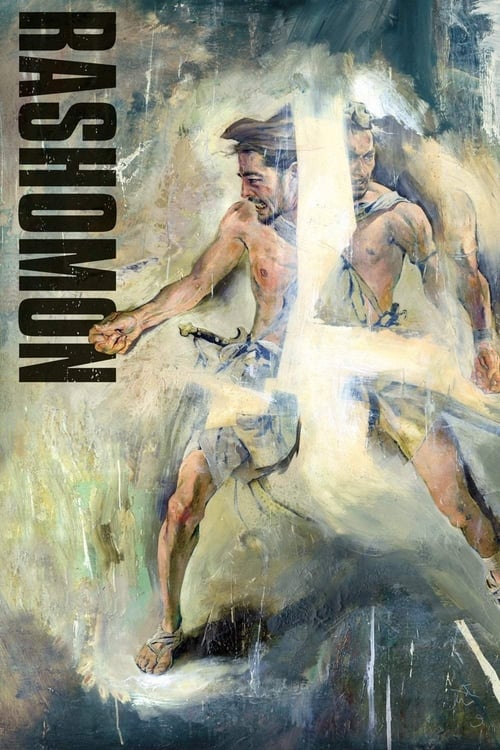
You cannot talk about samurai stories without acknowledging that Akira Kurosawa essentially invented the grammar. Seven Samurai gave the world the mismatched warrior band protecting the vulnerable. Yojimbo gave it the cynical hired sword playing factions against each other. Rashomon gave it the unreliable witness. Every samurai film since, from Leone's spaghetti westerns (a direct Yojimbo lift) to The Mandalorian, is downstream of those three structural gifts. What made Kurosawa's films last is not the swordfights. It is that his samurai are always in some kind of philosophical trouble: loyalty to a dead lord, a code that has outlived the era that needed it, honor as a burden nobody asked for.
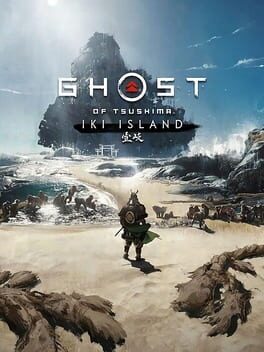
Ghost of Tsushima Is the Most Complete Samurai Experience in Any Medium
Ghost of Tsushima does something almost no other game manages: it makes you feel the weight of the samurai code as a real constraint, not just a costume. The central question of the game is whether Jin can abandon the rituals of honorable combat to save his people, and the answer costs him something real. The photography mode alone tells you how seriously the team treated the visual language of the genre. The combat is precise without being a reflex test. And Ilan Eshkeri and Shigeru Umebayashi's score is one of the few soundtracks in any medium that genuinely sounds like a Kurosawa film elevated into something new.
Eiji Yoshikawa's Musashi Is the Novel the Genre Needed
Musashi, Eiji Yoshikawa's massive fictional biography of Miyamoto Musashi, is the prose equivalent of Seven Samurai. Published in serial form in the 1930s and 1940s, it takes the historical swordsman from a wild, murderous young man to a disciplined artist, and the journey is the whole point. Yoshikawa understands that the samurai genre is really a genre about self-cultivation under pressure. The fights are exciting but the real tension is always internal: can this person become who they need to be? The Book of Five Rings, Musashi's actual philosophical treatise on strategy, reads differently after the novel because you understand the cost behind every aphorism.
Harakiri Is the Genre's Sharpest Critique of Itself
Masaki Kobayashi's Harakiri (1962) arrives 8 years after Seven Samurai and uses every tool Kurosawa refined to say something devastating about the samurai code. An aging ronin arrives at a lord's gate requesting a place to perform ritual suicide. What follows is a methodical dismantling of the idea that the samurai system was ever actually about honor. Kobayashi is not anti-samurai in a cartoonish sense: he takes the code completely seriously, which is precisely what makes his critique land. If you love the genre, this is the film that will complicate it for you in the best possible way.
The Samurai Story Across the Decades
- 1950Rashomon opens in Japan, introducing the samurai milieu to international art cinema Rashomon
- 1954Seven Samurai premieres and sets the structural template for every team-of-warriors story that follows Seven Samurai
- 1961Yojimbo reinvents the ronin as a trickster; Leone immediately adapts it into A Fistful of Dollars Yojimbo
- 1962Harakiri reframes the genre as systemic critique Harakiri
- 1975Yoshikawa's Musashi arrives in English translation, giving Western readers the genre's definitive novel Musashi
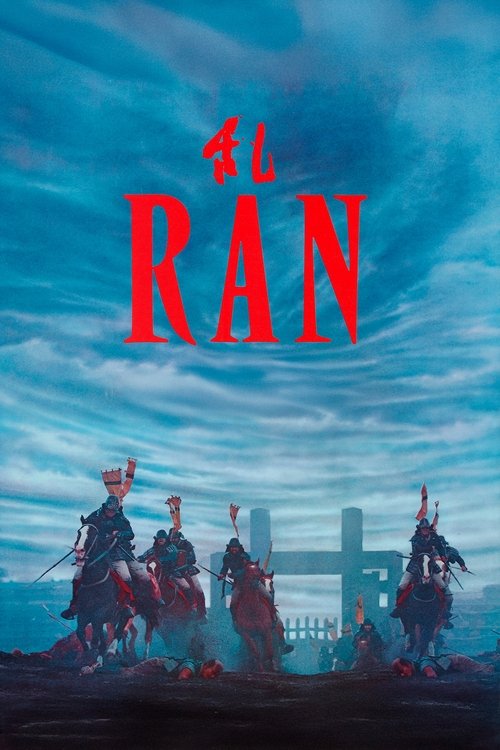
- 1986Ran adapts King Lear into the most visually overwhelming samurai epic ever made Ran
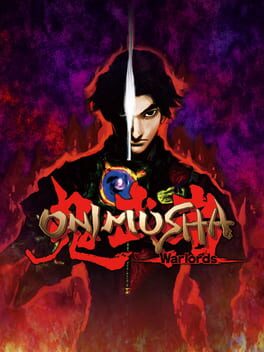
- 2001Onimusha: Warlords establishes feudal Japan as a viable AAA game setting Onimusha: Warlords
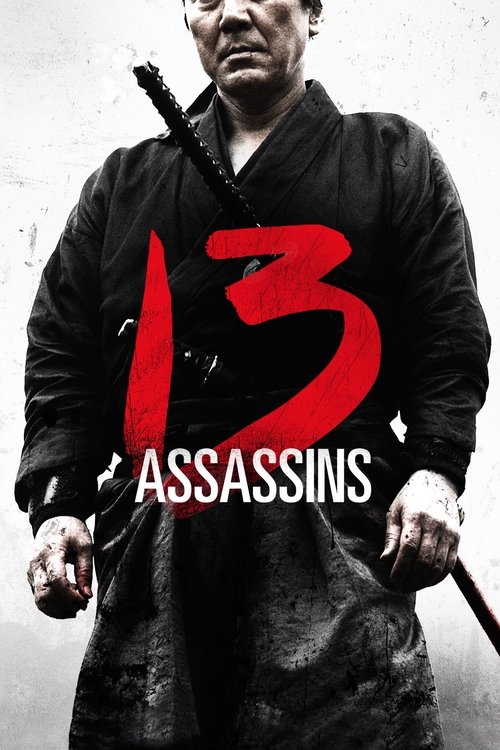
- 201013 Assassins proves that contemporary directors can still make definitive entries in the classical form 13 Assassins
- 2019Sekiro: Shadows Die Twice makes the parry mechanic a philosophical statement about timing and discipline Sekiro: Shadows Die Twice
- 2020Ghost of Tsushima becomes the most played samurai game of all time and wins Game of the Year awards Ghost of Tsushima: Iki Island
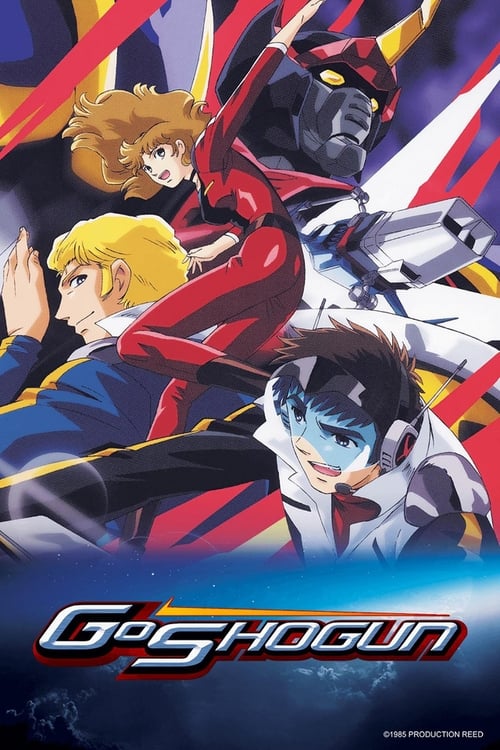
- 2024The Shogun remake wins the Emmy for best drama, introducing the genre to a new generation of viewers GoShogun
Honor, Steel, and Feudal Japan
Samurai & Feudal Japan
Explore the Samurai & Feudal Japan guide →The way of the samurai is found in death. Meditation on inevitable death should be performed daily. Every day when one's body and mind are at peace, one should meditate upon being ripped apart by arrows, rifles, spears, and swords, being carried away by surging waves, being thrown into the midst of a great fire.Yamamoto Tsunetomo, Hagakure