

Salman Rushdie writes novels where history refuses to stay still. His prose mixes fable and politics, colonial memory and surreal comedy, the sacred and the irreverent. The through-line a Rushdie reader chases is a very specific pleasure: sentences that feel like they are thinking aloud, narratives that spiral outward to encompass whole continents and centuries, and a refusal to separate the personal from the geopolitical. Midnight's Children gave the partition of the Indian subcontinent a voice through a boy whose telepathy tunes into the entire nation. The Satanic Verses made the immigrant experience into myth. Rushdie's fiction asks what stories a culture tells about itself, and what happens when those stories are contested. Readers who love that combination of formal ambition, historical sweep, and political nerve will find it across film, TV, games, and fiction by writers who share his preoccupations.
Essential Salman Rushdie
The novels that define his arc, from the magic-realist epic to the late fables


Magic Realism on Screen
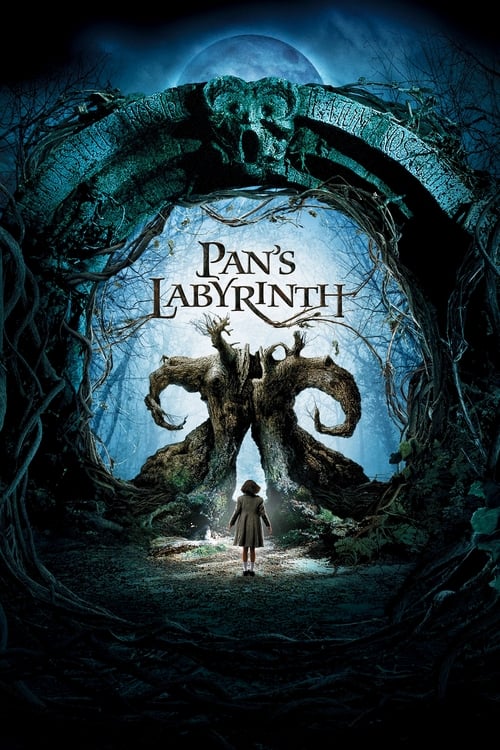
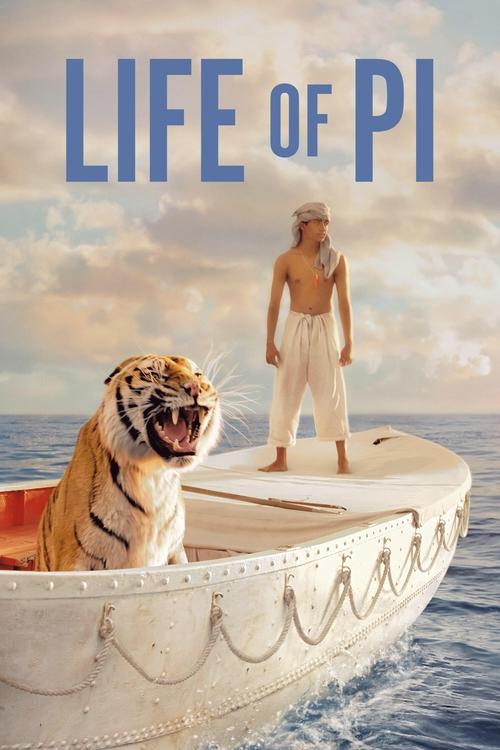
Rushdie's technique of grounding the supernatural inside the domestic and the historical has direct cinematic cousins. These films use the same grammar: history as felt experience, the surreal as a natural extension of grief or memory. Guillermo del Toro's Spanish Civil War fable and Yann Martel's allegory of survival (both on screen) do exactly what Rushdie does on the page: they insist that myth is not an escape from reality but a way of surviving it.

Novels That Share His Ambition
Writers who work in the same register: epic scope, postcolonial history, stylistic bravura


Postcolonial History as Drama
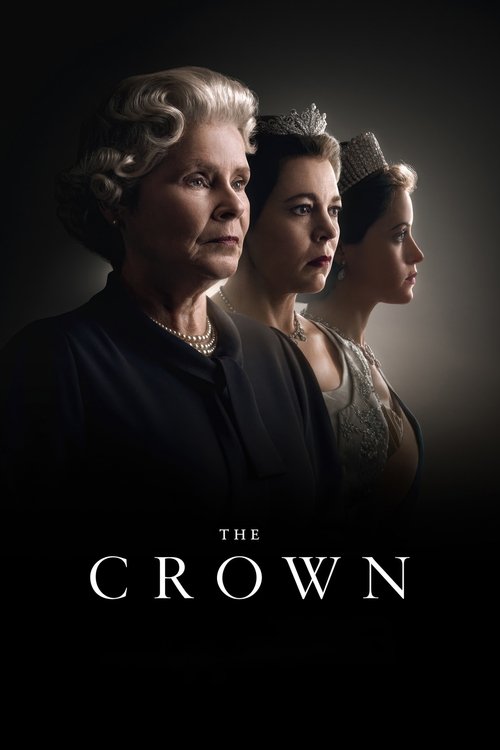
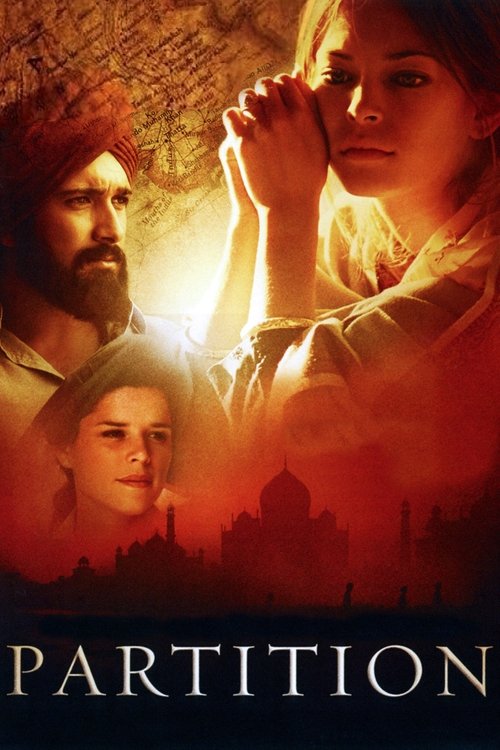
Rushdie's preoccupation with how nations are born, divided, and imagined is not unique to literary fiction. Several landmark TV series have tackled partition, empire, and identity with the same seriousness. They offer the historical sweep his novels provide, rendered in image and performance rather than prose. The Crown and Indian Summers both stage the British Empire's unraveling; 1984's adaptation on screen turns surveillance-state paranoia into something visceral.

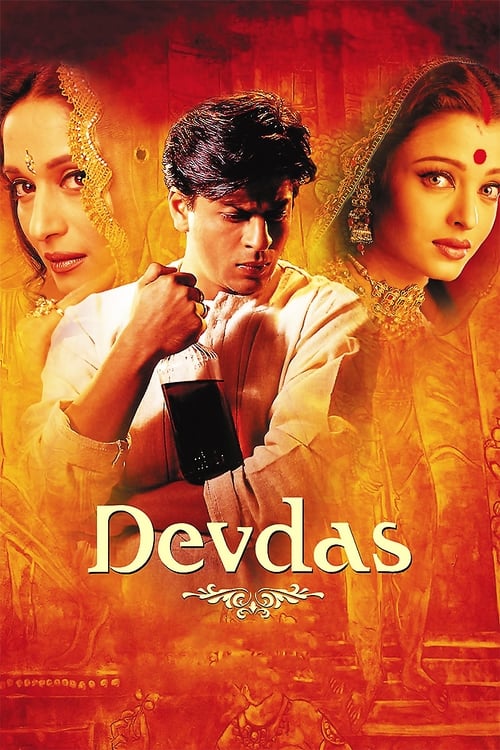
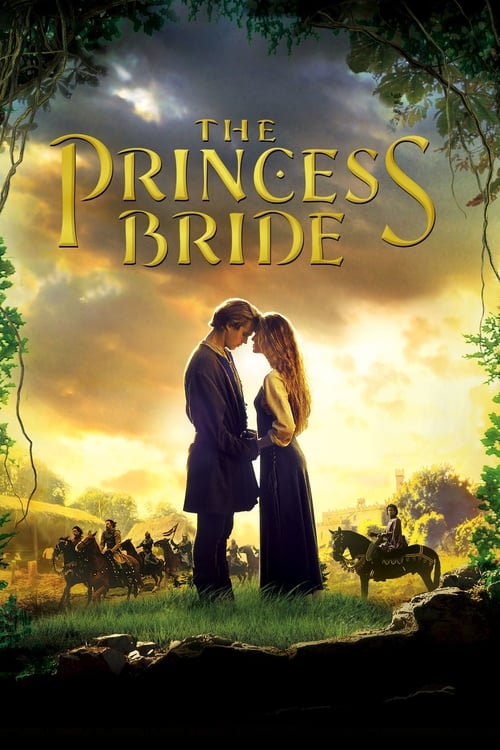
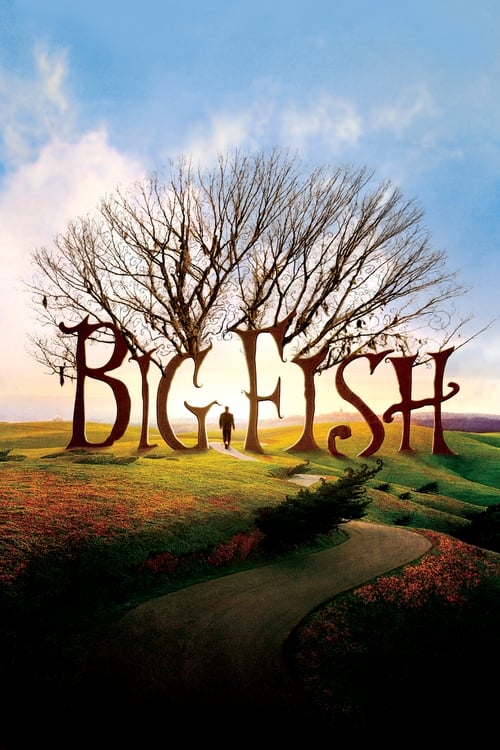
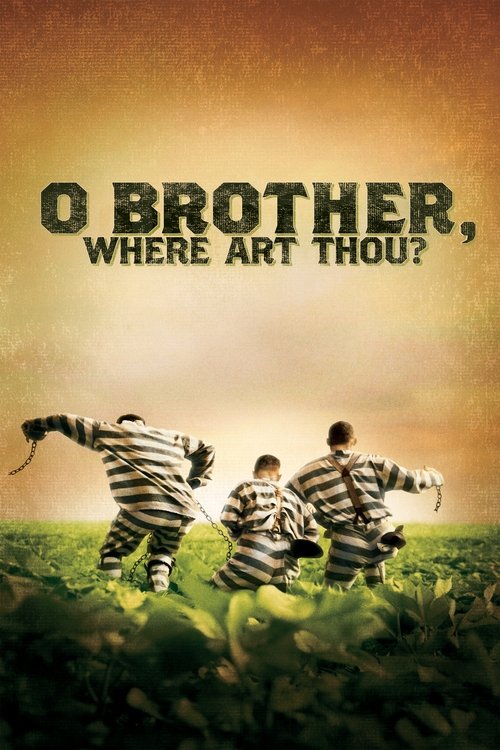
Mythic and Folkloric Cinema
Films that build their own mythology the way Rushdie rebuilds history


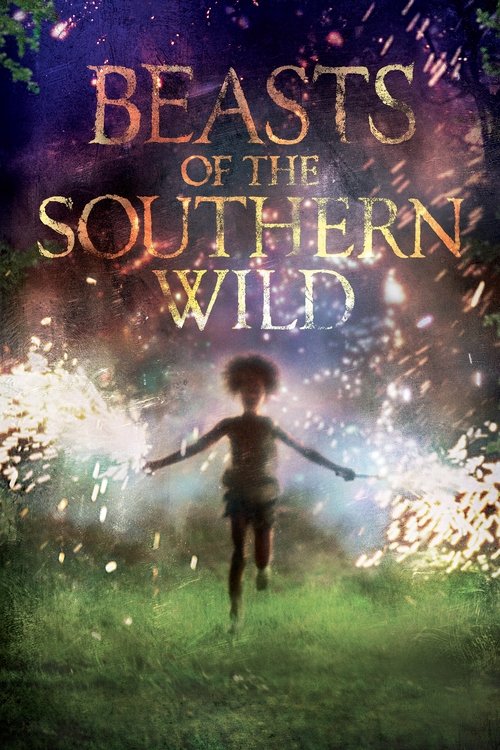
Games That Treat Myth as Real
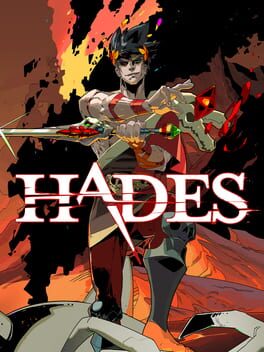
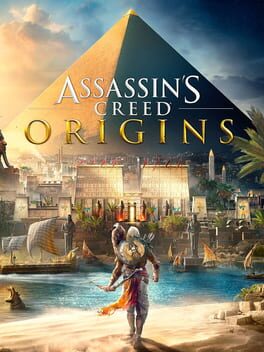
Rushdie's novels insist on the coexistence of the factual and the fabulous, drawing on Hindu cosmology, Islamic legend, and Western literary tradition simultaneously. A handful of games operate with the same density of mythic reference. Assassin's Creed's historical sandbox and Hades's retelling of Greek mythology both treat ancient stories as active, political material rather than decoration. For a Rushdie reader, these games offer the same pleasure of encountering the canonical made strange.
TV Series for the Long Novel Reader
Series with Rushdie-scale ambition: many voices, long history, moral complexity
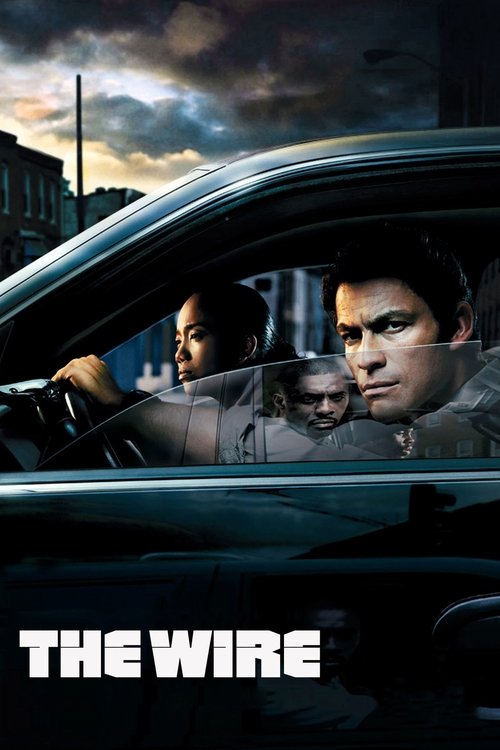



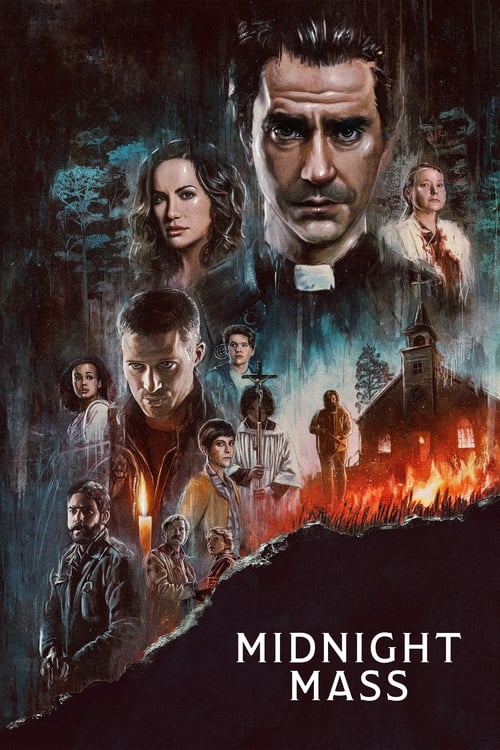

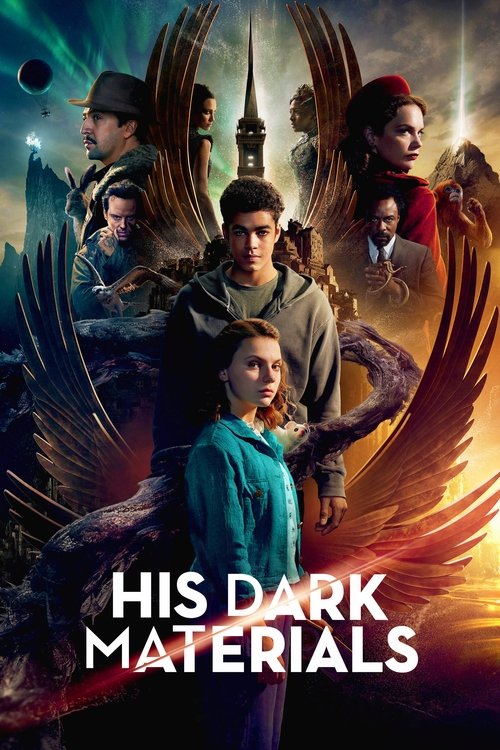
A poet's work is to name the unnameable, to point at frauds, to take sides, start arguments, shape the world and stop it from going to sleep.Salman Rushdie, The Satanic Verses
Rushdie's Career in Context
- 1975Debut novel Grimus published to mixed reception.
- 1981Midnight's Children wins the Booker Prize, establishing Rushdie as a major voice in postcolonial fiction. Midnight's Children
- 1983Shame published, turning his satirical lens on Pakistan's political elite. Shame
- 1988The Satanic Verses published; banned in several countries and triggers a global controversy. The Satanic Verses
- 1990Haroun and the Sea of Stories: a children's fable that is also a defence of storytelling itself. Haroun and the Sea of Stories
- 1995The Moor's Last Sigh weaves the fall of Moorish Spain into a Bombay family saga. The Moor's Last Sigh
- 1999The Ground Beneath Her Feet reimagines the Orpheus myth through the global rock music industry. The Ground Beneath Her Feet
- 2012Screen adaptation of Midnight's Children, screenplay written by Rushdie himself.
- 2019Quichotte, a postmodern road novel riffing on Don Quixote, shortlisted for the Booker Prize. Quichotte
- 2023Victory City published: a mythic novel set in a 14th-century South Indian empire. Victory