
Martha Wells has been quietly redefining what genre fiction can do with character voice since the early 1990s. She is best known for the Murderbot Diaries, a series of novellas and novels narrated by a part-human, part-machine security construct who has hacked its own governance module, wants nothing more than to watch serialized drama in peace, and keeps getting pulled into situations that require saving people it refuses to admit it cares about. That tension, between competence and vulnerability, between cynicism and loyalty, is the through-line across all her work. Her Raksura books build an alien society from the inside out, asking what home and belonging mean when your biology puts you at the margins. Her earlier fantasies (the Ile-Rien trilogy, the Fall of Ile-Rien duology) do the same for secondary-world history and the cost of survival. If you came for the anxiety-ridden murderbot, stay for the full catalog.
Essential Martha Wells
The books that define her range, from novellas to doorstoppers


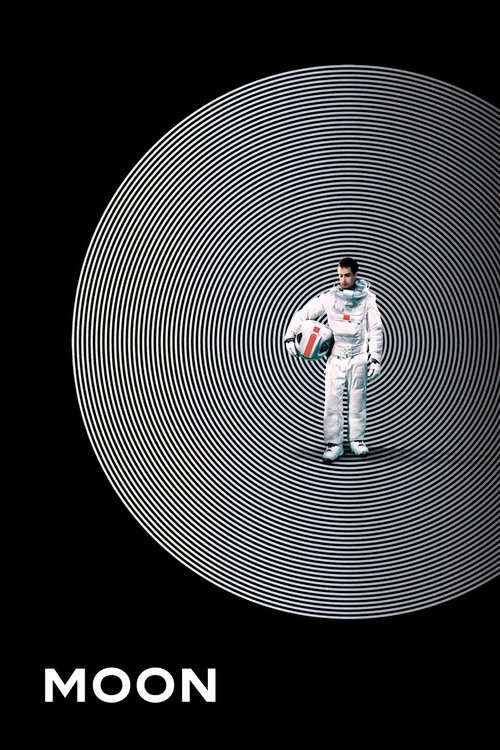
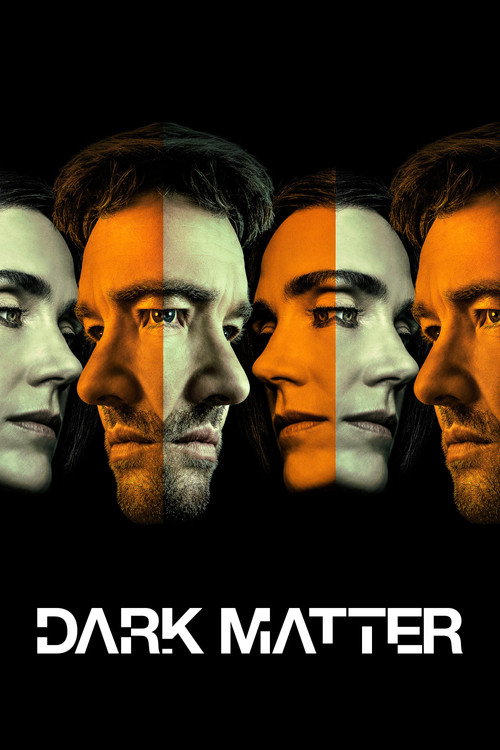
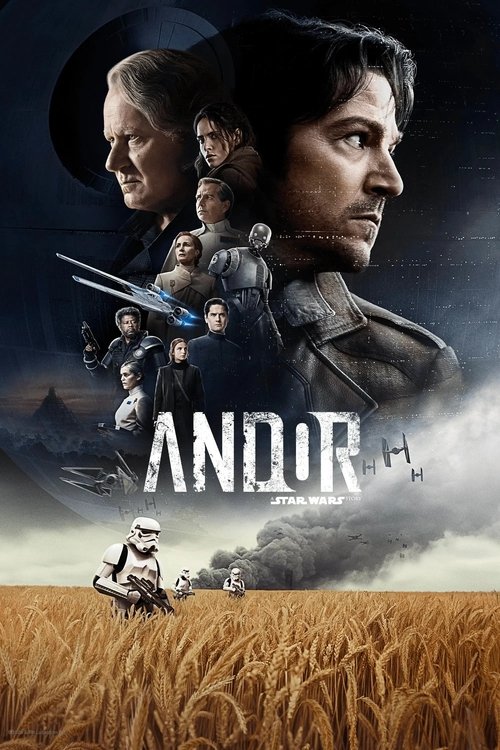
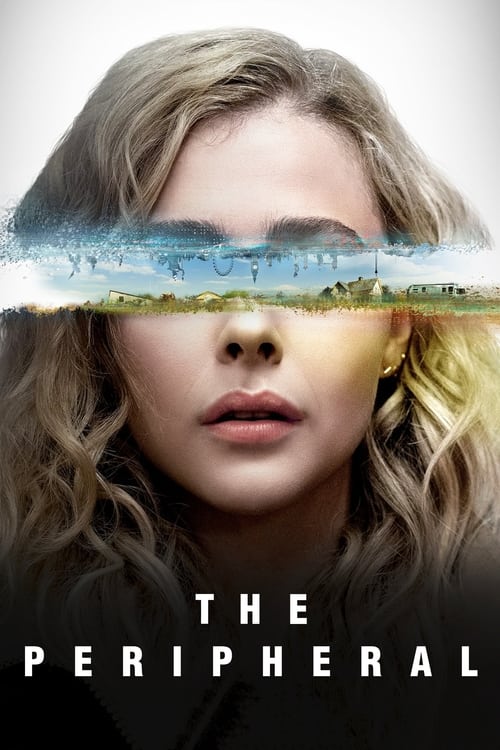
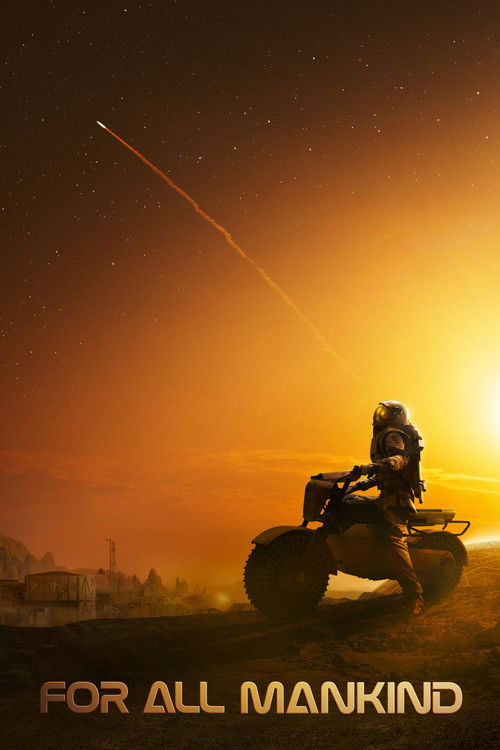
If You Love Murderbot: Reluctant Heroes on Screen
Films and series about capable loners who keep getting drawn back in




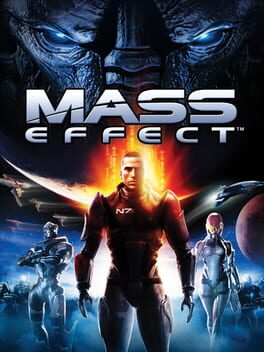
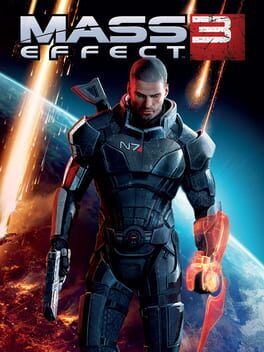
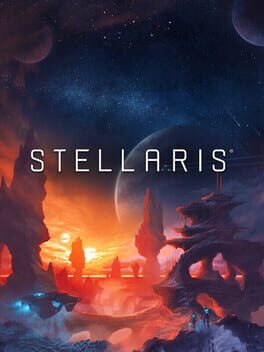
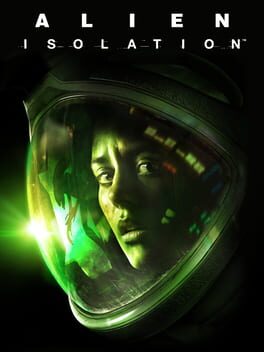
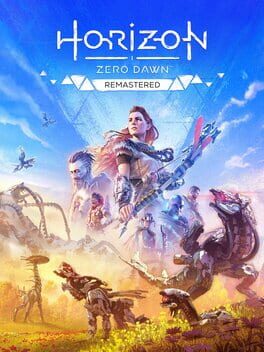
If You Love the Raksura: Complex Alien Societies in Games
Games that build alien or non-human cultures with the same interiority Wells gives her Raksura

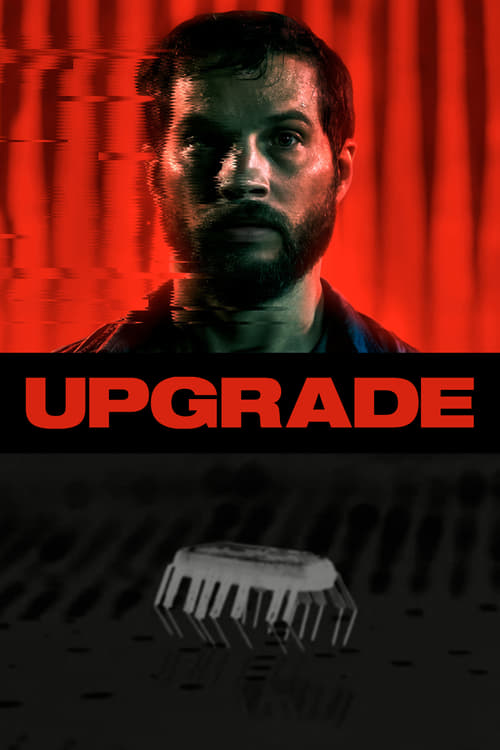
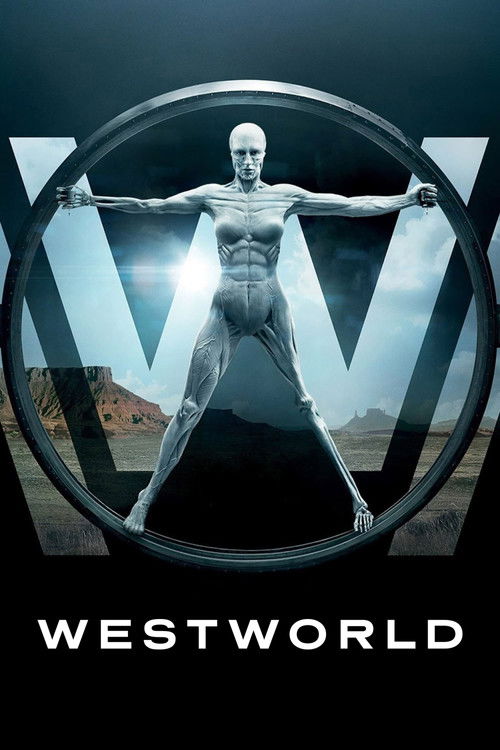
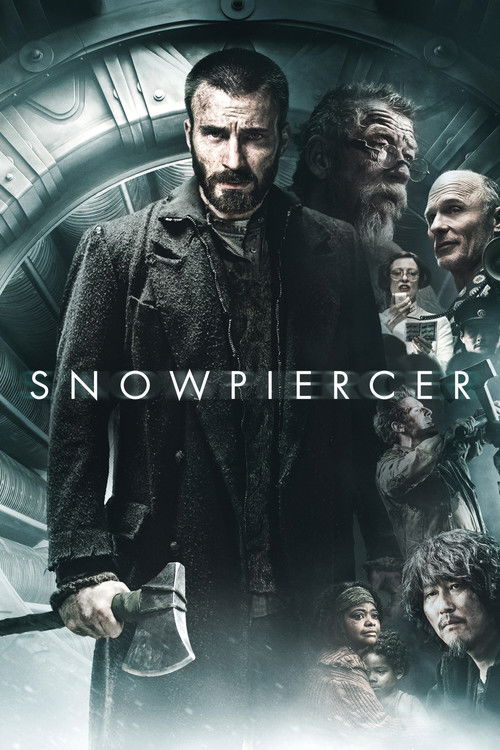
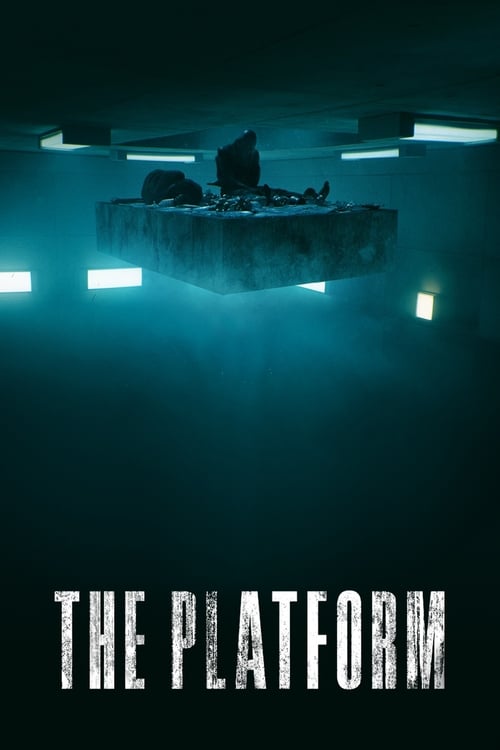
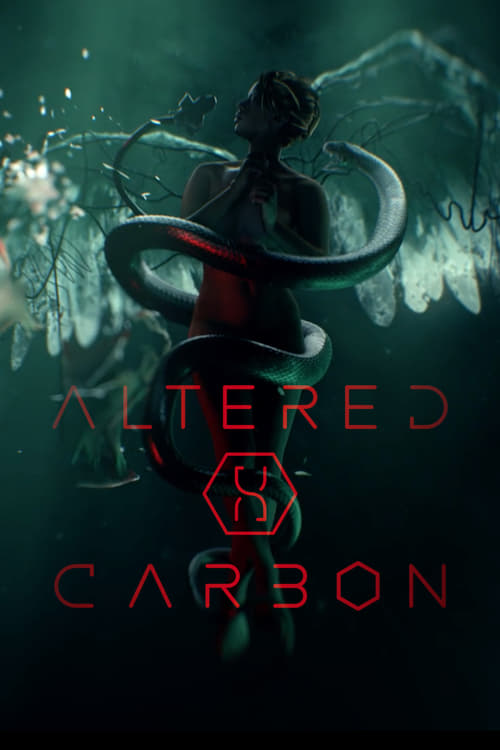
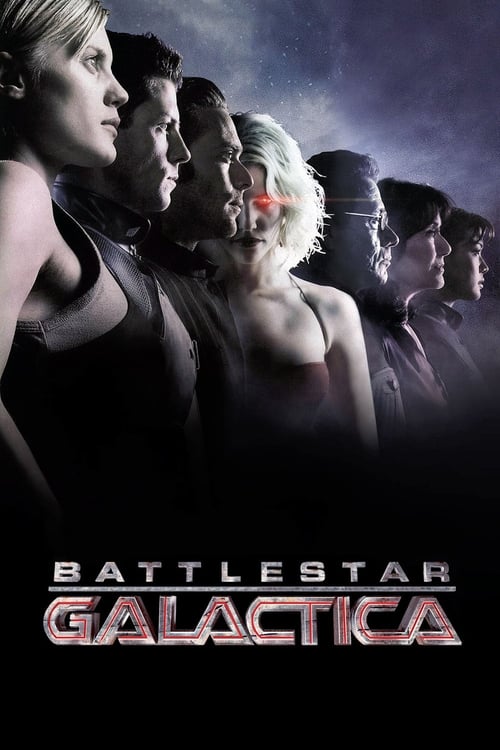
Corporate Systems Gone Wrong: Thematically Aligned Films and Series
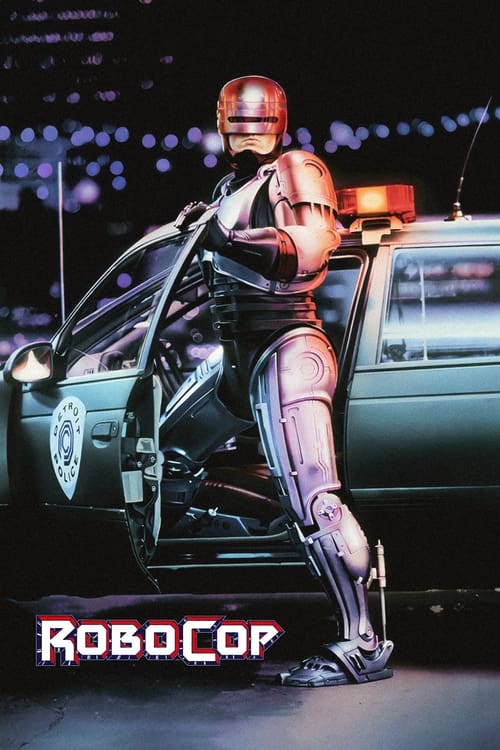
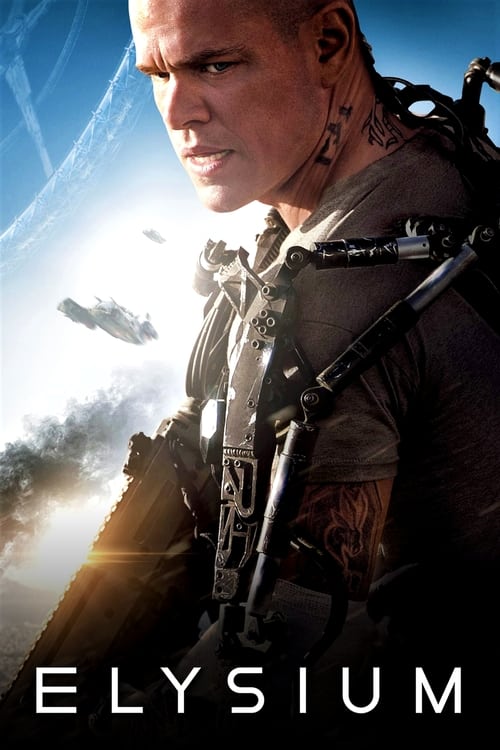
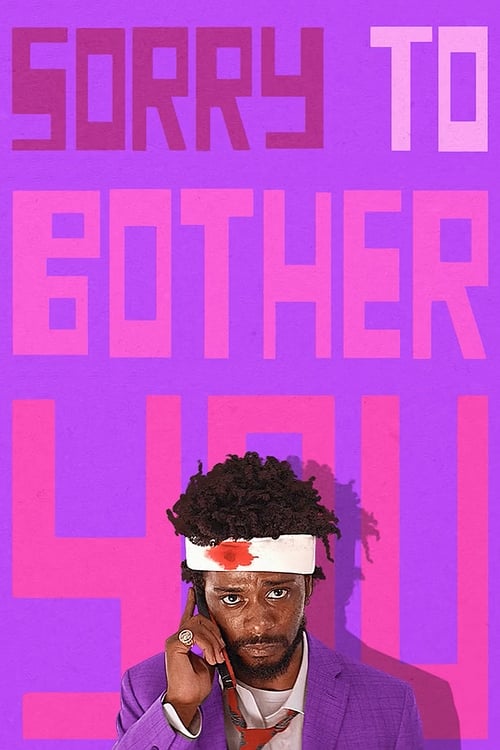
The Murderbot Diaries are partly about labor and corporate power. These cover the same ground on screen.
The Ile-Rien Books Deserve Their Own Readership
A lot of Wells readers discovered her through Murderbot and have not yet gone back to the earlier fantasy. That is a real loss. The Ile-Rien books, from The Element of Fire through the Fall of Ile-Rien duology (The Wizard Hunters, The Ships of Air, The Gate of Gods), are secondary-world fantasy built around political survival and the cost of losing a war. The world-building is dense and the characterization is precise. The Fall of Ile-Rien duology in particular has a scope and a sense of grinding historical tragedy that the novellas, for all their pleasures, do not attempt. If you only know the novellas, you are missing half the writer.
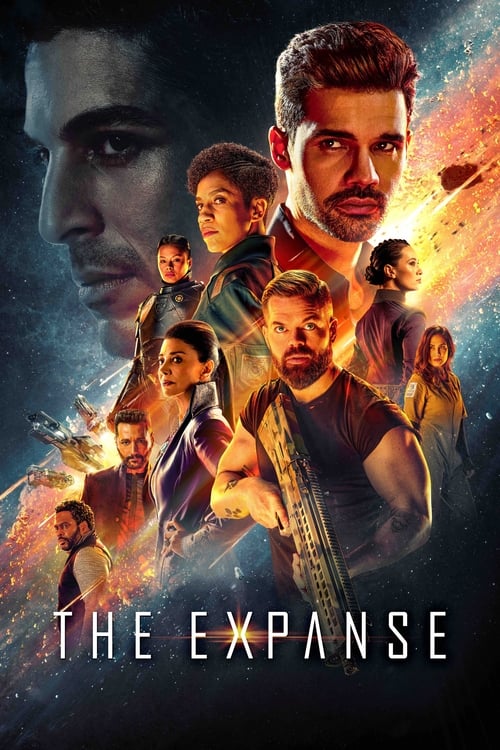
The Best Science Fiction on TV Right Now Shares Her DNA
The Expanse is the most obvious touchstone: corporate factions, working-class spacers, characters who are good at their jobs and suspicious of ideology. Andor works for similar reasons: it is interested in institutional power, in what ordinary competence looks like inside a system that wants to own you, and in the slow accumulation of commitment. Severance is the outlier, closer to horror than space opera, but the core situation (labor, identity, consent, what an employer is actually allowed to do to you) is recognizably the same territory Wells has been mapping for thirty years.
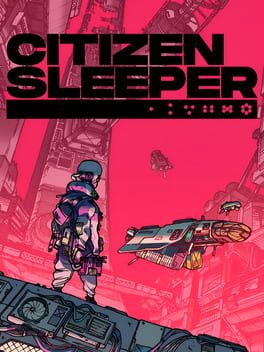
Citizen Sleeper Is the Closest a Game Has Come to Murderbot
Citizen Sleeper casts you as a digital consciousness in a leased body on an independent space station, trying to survive in a system that views you as corporate property. The game is built around resource management and relationship-building, but the thing that makes it work is the writing: your Sleeper is anxious, self-aware about their precarity, and slowly building something like a found family among the station's residents. That description could be Murderbot. The game is quieter, more melancholy, less funny, but it is operating in the same conceptual space: what does autonomy mean when your existence is legally contingent?
Martha Wells: Key Works in Order
- 1993Debut novel The element of fire
- 1997Stand-alone fantasy
- 2003Fall of Ile-Rien begins The Wizard
- 2010Raksura series begins
- 2012Raksura continues Serpent
- 2017Murderbot Diaries begin (Hugo and Nebula winner)
- 2018Murderbot continues
- 2020First Murderbot novel
- 2023Latest Murderbot novel
AI, augmentation, and far-future SF
Robots & AI
Explore the Robots & AI guide →The thing about Murderbot is that it knows exactly what it is and refuses to let that be the end of the story.CrossBinge