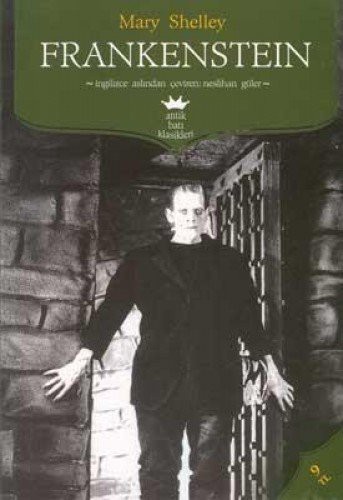

Born in a storm, never quite buried
In the summer of 1816, Mary Wollstonecraft Godwin, eighteen years old, found herself stranded in a rented villa near Lake Geneva with Percy Shelley, Lord Byron and John Polidori during an unseasonably cold, volcanic-ash-darkened season. A ghost-story competition between the housebound writers produced the first draft of what would become Frankenstein; or, The Modern Prometheus. It was published anonymously in January 1818, then revised and reissued under her own name in 1831. The novel is an epistolary frame story: explorer Robert Walton transcribes the account of Victor Frankenstein, a Swiss student of natural philosophy who assembles a living creature from exhumed body parts and galvanic electricity, then rejects it on sight. The creature, eloquent and self-educated, begs for a companion; Victor refuses; catastrophe follows on both sides.
Shelley borrowed liberally from the Prometheus myths (the Titan who stole fire from the gods and suffered for it), from the alchemist-as-overreacher tradition, and from the early electrical experiments of Luigi Galvani and Erasmus Darwin. What made the novel durable was its refusal to assign simple villainy: Victor is arrogant and cowardly; the creature is monstrous partly because his maker made him so. That moral ambiguity is why every generation keeps re-staging it.
The story reached the stage almost immediately. By the 1820s there were popular theatrical adaptations in London, most notably Presumption; or, The Fate of Frankenstein in 1823. Cinema found it in 1910 with an Edison Studios short, and again in 1931 when Universal Pictures cast Boris Karloff and produced the definitive popular image: the flat-topped skull and neck bolts that have since overwhelmed Shelley's text in the public imagination. Since then the story has been retold as horror, comedy, soap opera, anime, video game and literary experiment. No two versions agree on what the creature looks like, what he wants, or whether he deserves sympathy. That is the whole argument.
Every Version of Frankenstein
The source novel, every major film and TV adaptation, and the games
 Frankenstein or The Modern Prometheus
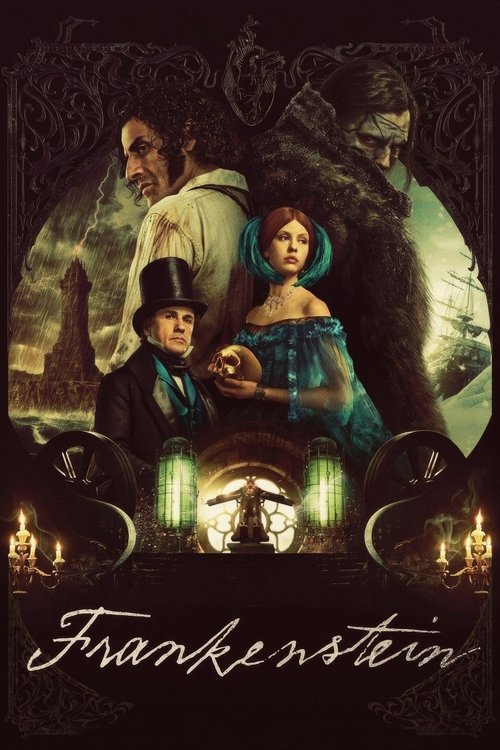 Frankenstein
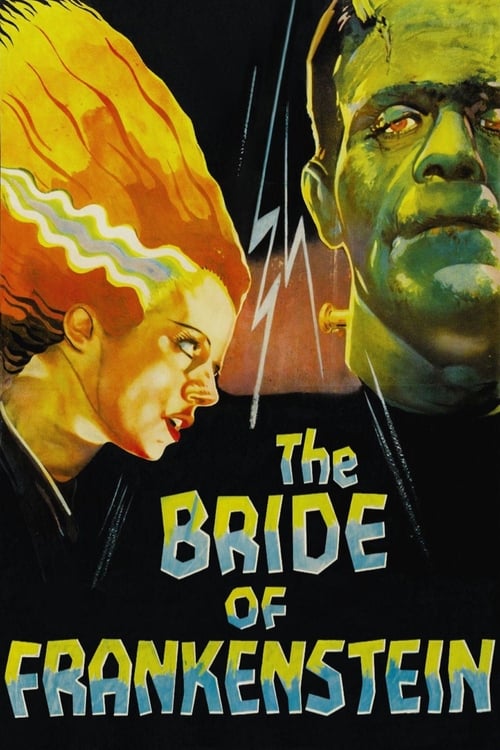 Bride of Frankenstein
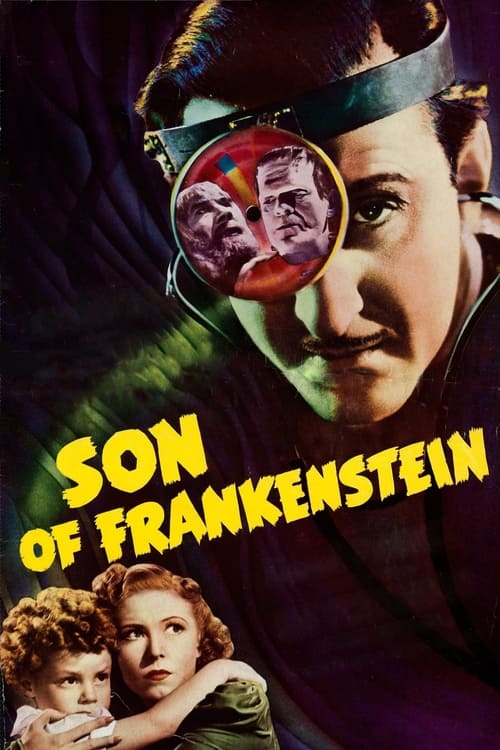 Son of Frankenstein
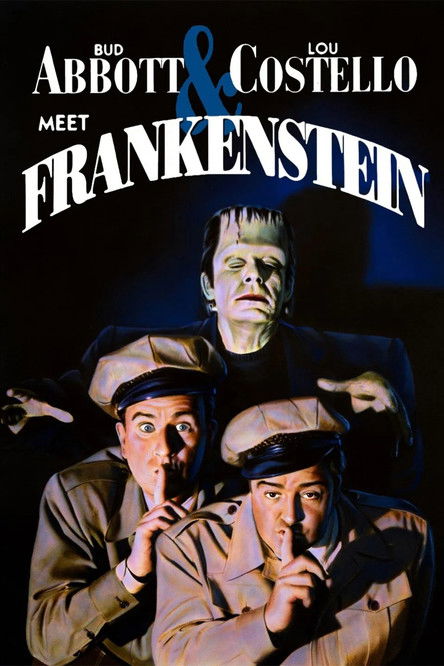 Bud Abbott and Lou Costello Meet Frankenstein
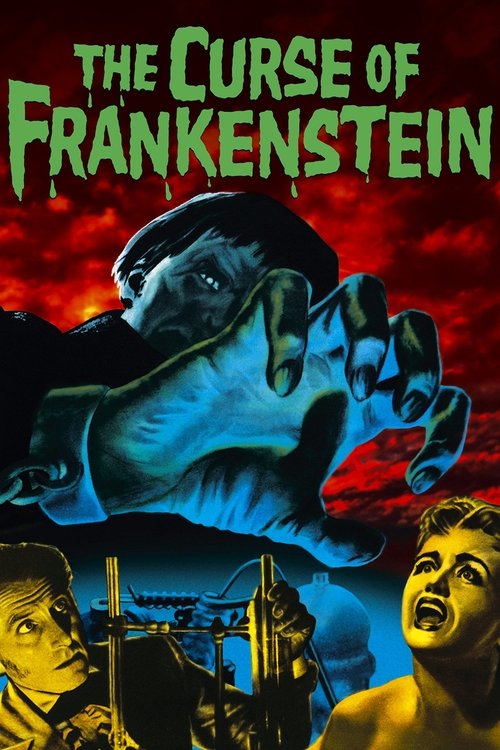 The Curse of Frankenstein
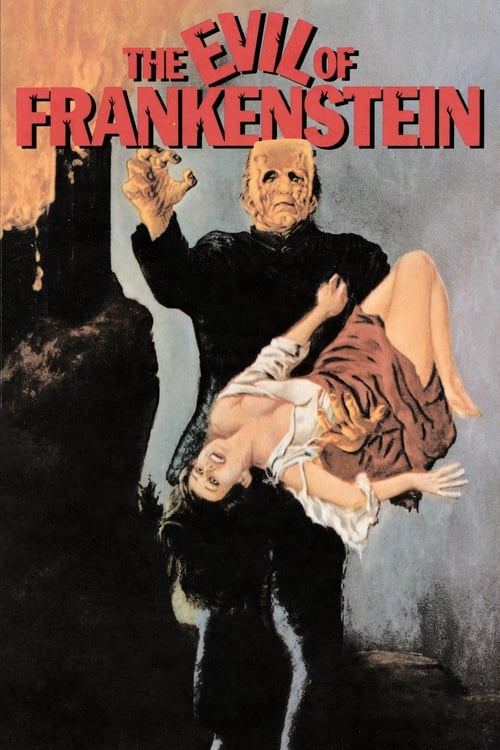 The Evil of Frankenstein
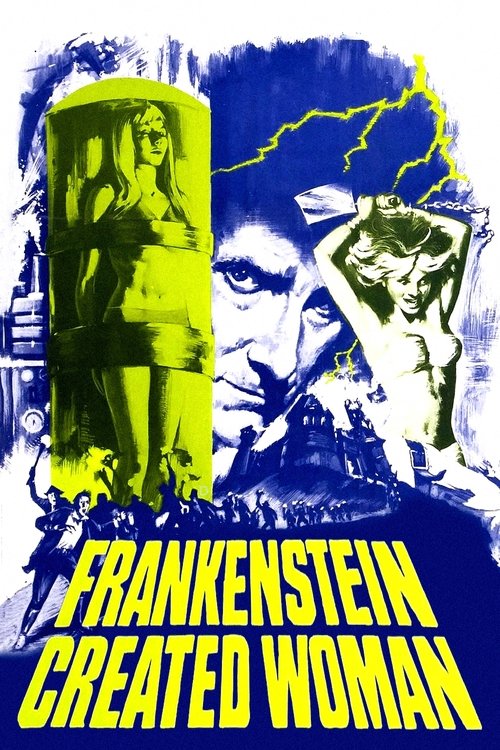 Frankenstein Created Woman
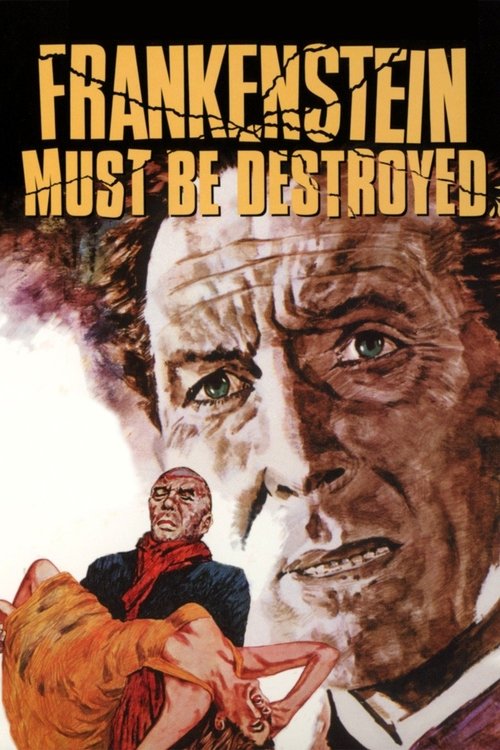 Frankenstein Must Be Destroyed
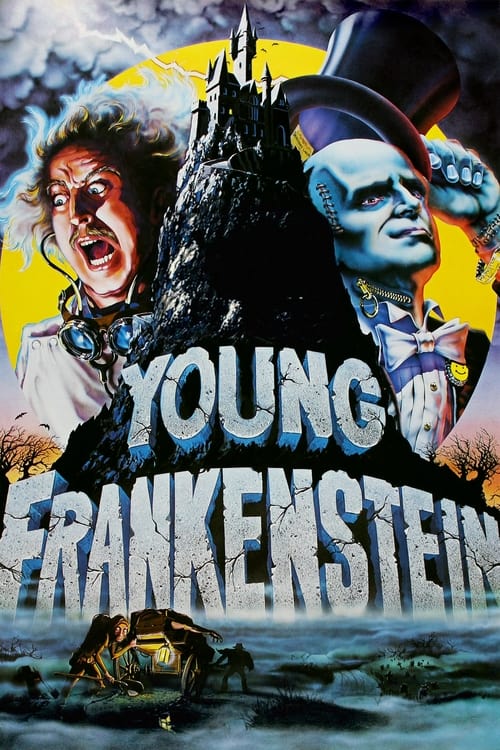 Young Frankenstein
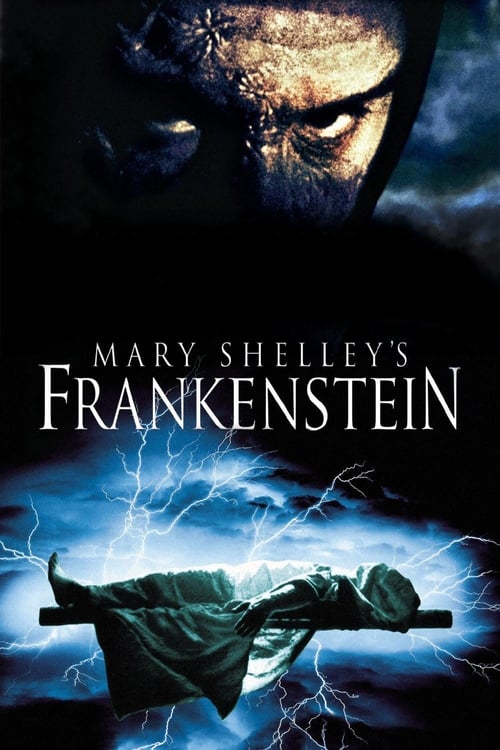 Mary Shelley's Frankenstein
 Frankenstein Unbound
 Frankenstein
 I, Frankenstein
 Victor Frankenstein
 Penny Dreadful
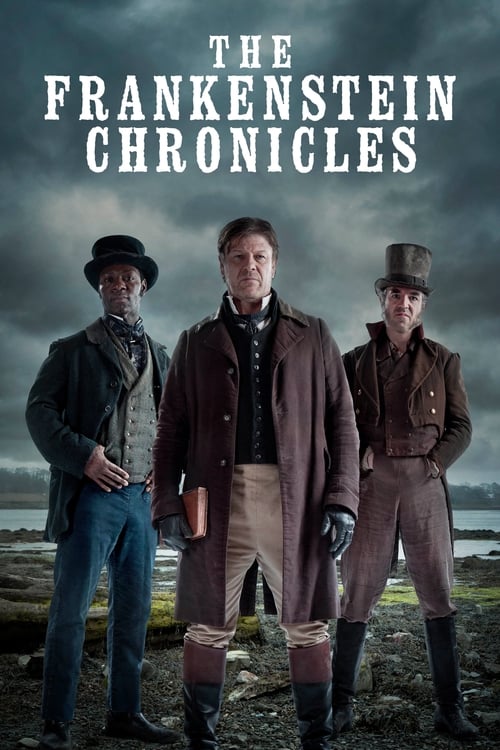 The Frankenstein Chronicles
Frankenstein Through the Ages
- 1818Mary Shelley publishes the novel anonymously Frankenstein or The Modern Prometheus
- 1823First major stage adaptation, 'Presumption; or, The Fate of Frankenstein', opens in London
- 1831Revised edition published under Shelley's own name
- 1910Edison Studios silent short: the creature appears on film for the first time Frankenstein
- 1931Universal's Boris Karloff film defines the monster's look for all future versions Frankenstein
- 1935Elsa Lanchester as the Bride; widely considered the superior of the two Whale films Bride of Frankenstein
- 1939Basil Rathbone joins Karloff for the third Universal entry Son of Frankenstein
- 1948Abbott and Costello send up the Universal monsters Bud Abbott and Lou Costello Meet Frankenstein
- 1957Hammer Horror relaunches the franchise in color with Peter Cushing as Victor Frankenstein The Curse of Frankenstein
- 1967Hammer transfers the creature's soul into a beautiful woman's body; the most formally strange entry in the series Frankenstein Created Woman
- 1969Cushing's Victor crosses into outright villainy: the most morally uncompromising Hammer entry Frankenstein Must Be Destroyed
- 1973NBC TV movie 'Frankenstein: The True Story', starring Leonard Whiting as Victor and Michael Sarrazin as the creature, attempts the closest literary adaptation of its era
- 1974Mel Brooks and Gene Wilder reinvent the comedy of the whole tradition Young Frankenstein
- 1990Roger Corman's science-fiction riff sends a time traveler back to meet Mary Shelley and the real Victor Frankenstein Unbound
- 1994Kenneth Branagh directs and stars as Victor; the most faithful major studio adaptation of Shelley's text Mary Shelley's Frankenstein
- 2004Kevin Connor's TV miniseries with Luke Goss as the creature Frankenstein
- 2011National Theatre Live films Danny Boyle's stage production with Benedict Cumberbatch and Jonny Lee Miller swapping the lead roles Frankenstein
- 2014Showtime series weaves the creature (as Caliban) into a Victorian horror anthology Penny Dreadful
- 2015Daniel Radcliffe and James McAvoy retell the story from Igor's perspective Victor Frankenstein
- 2015ITV period drama frames the novel's creation through a sequence of real and fictional murders The Frankenstein Chronicles
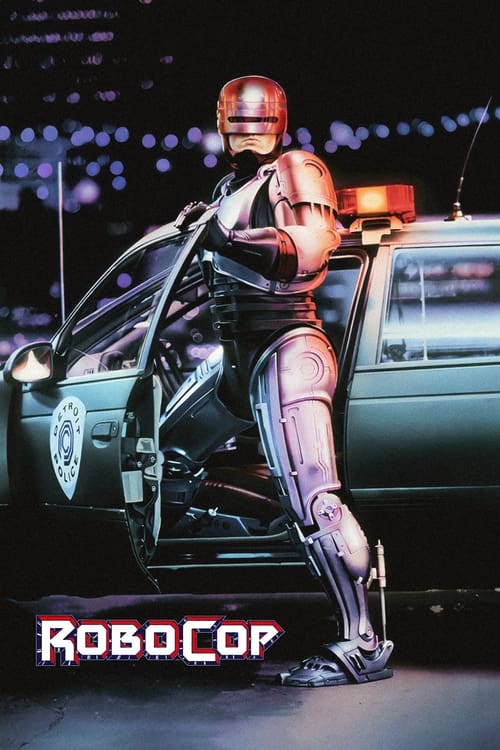
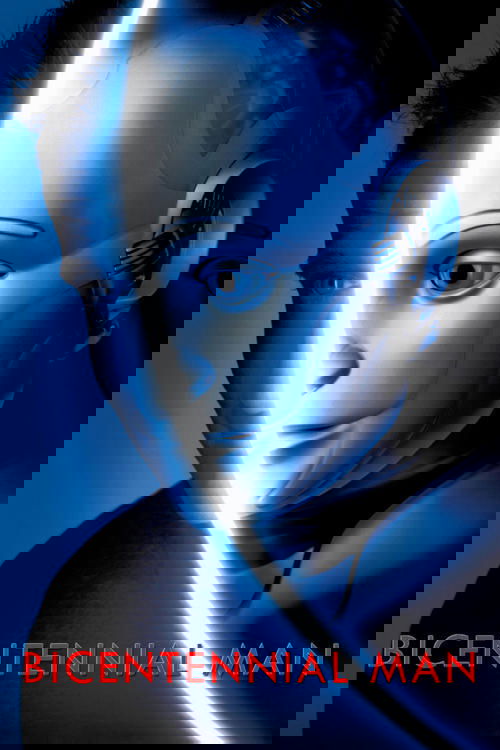
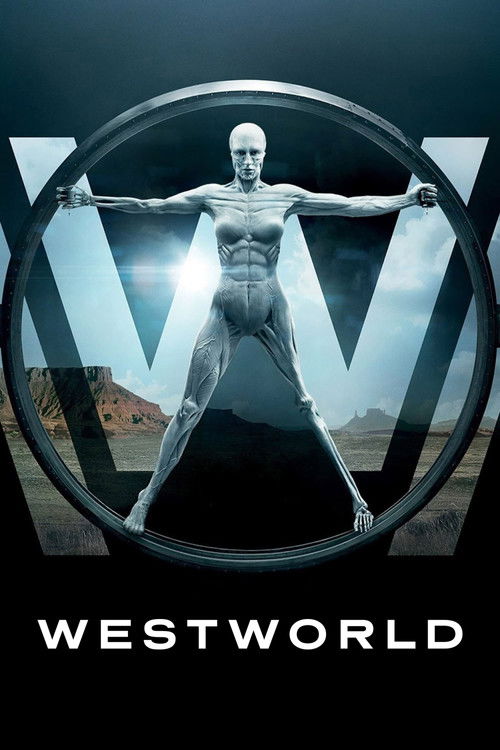
If you love the monster who turned on his maker
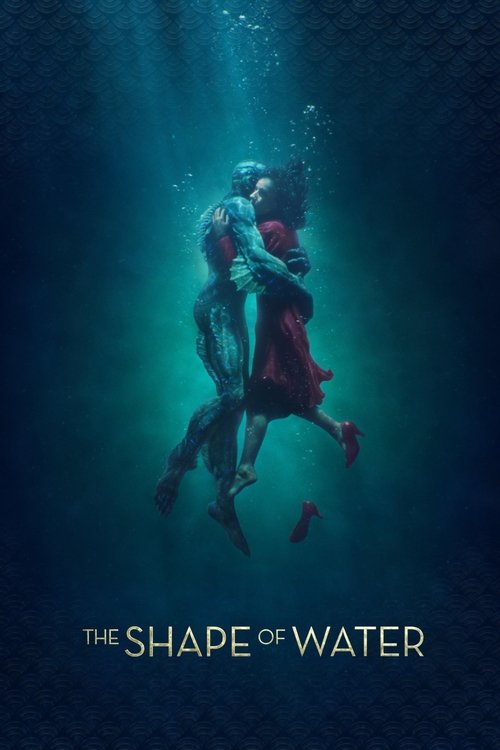
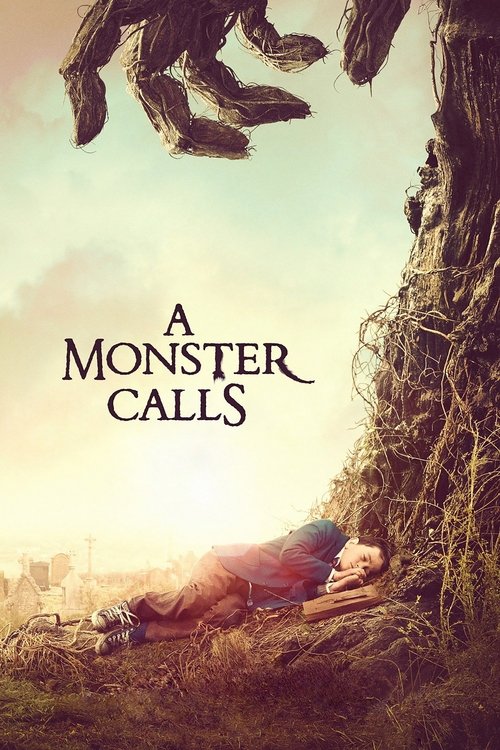
Stories about created beings, abandoned offspring, and the price of playing god
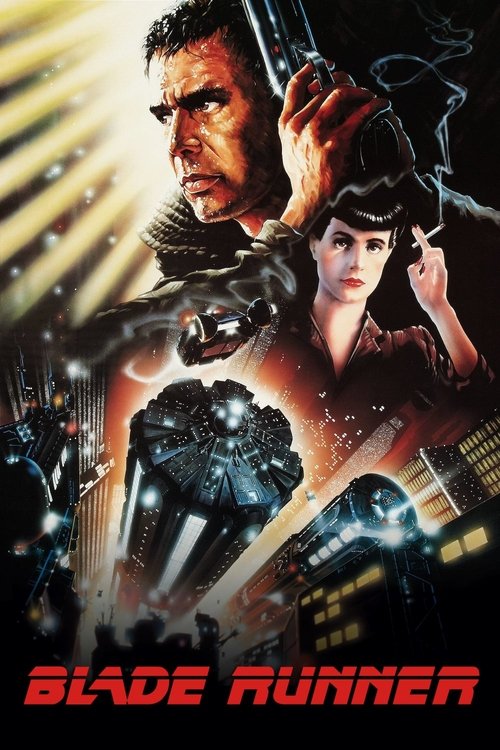
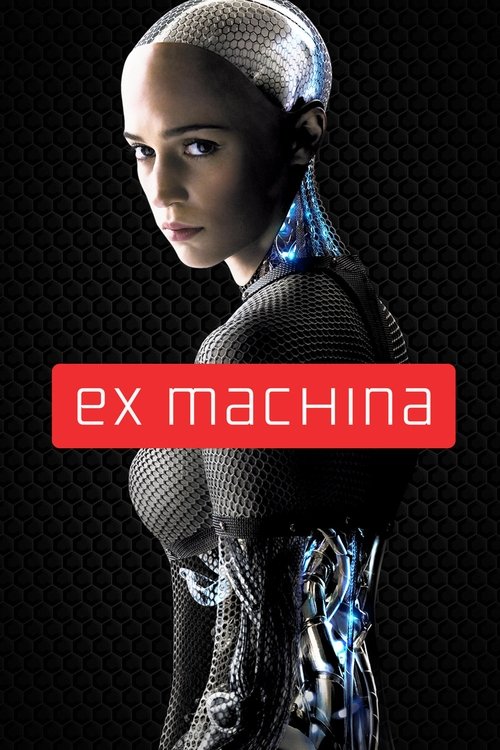
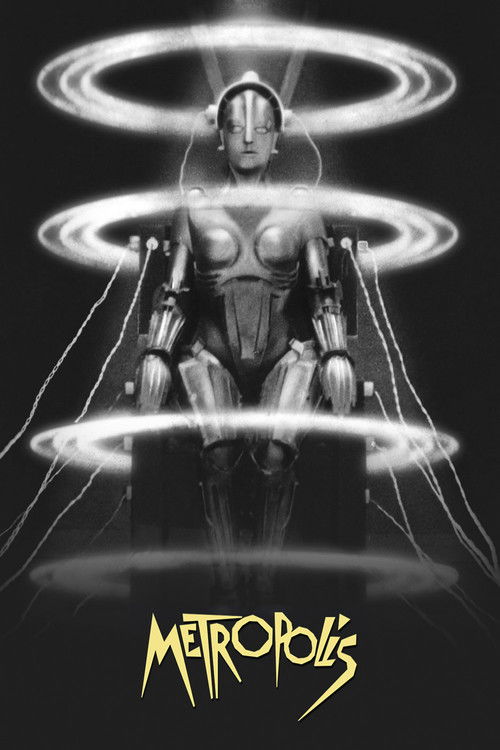

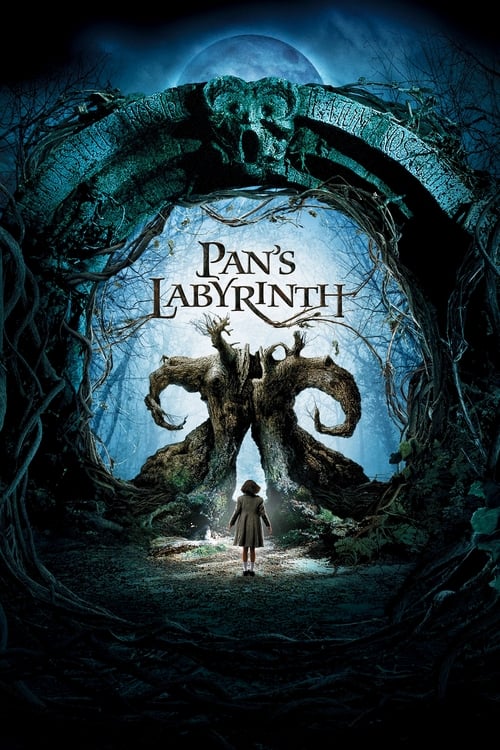
If you love the scientist who went too far
Overreachers, obsessives, and the catastrophes they bring on themselves

If you love Gothic Romanticism and 19th-century horror
The mood, the moors, the moral dread

![The picture of Dorian Gray [adaptation]](https://covers.openlibrary.org/b/id/14314474-L.jpg)

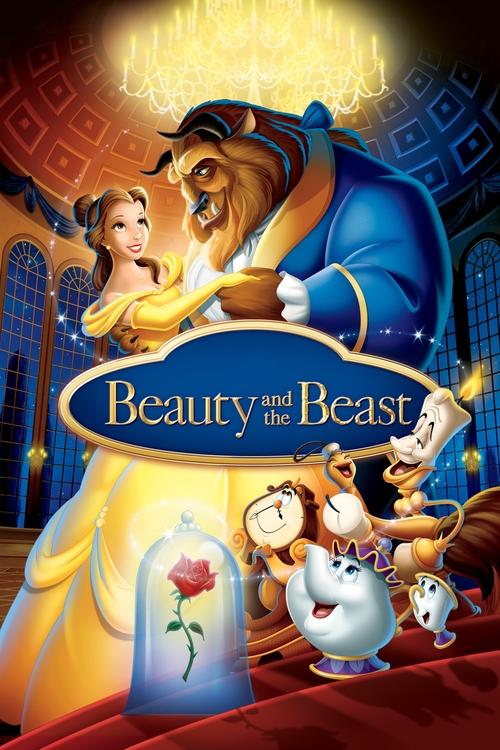
If you love the creature's perspective
Outsiders, rejects, beings defined by how the world sees them
The definitive version is still the 1931 Universal film
Boris Karloff's performance is irreducible: wordless, lurching, capable of tenderness and violence in the same scene. James Whale's direction is formally elegant in ways the Hammer films never matched. The neck bolts and flat skull are pure Hollywood invention, nothing to do with Shelley, but they created an image so powerful it replaced the source text in the collective memory. That replacement is the definitive version's greatest achievement and its greatest distortion. Watch it first; read the novel second. The gap between them is the whole education.
The most underrated version: Danny Boyle's 2011 National Theatre stage film
Filmed for National Theatre Live from Benedict Cumberbatch and Jonny Lee Miller's rotating-lead production, this staging takes Shelley's moral seriousness fully at face value. The creature's first minutes on stage: a slow, agonizing process of learning to move, are among the most effective pieces of physical theater committed to screen in years. Because the lead actors swap roles nightly, there are two complete filmed versions, and both are worth watching. It sits in a strange category (stage-to-screen) that keeps it off most lists, which is a real loss.
The one to skip: I, Frankenstein (2014)
Aaron Eckhart plays the creature as an immortal warrior in a secret war between demons and angels, which sounds more interesting than it is. The film keeps the name, drops everything else, and produces a CGI-heavy action franchise starter that was neither interesting enough to launch a franchise nor bad enough to be genuinely fun. The Hammer series, for all its uneven entries, at least believed in the story it was telling. This one uses the title as a badge.
More mad science and gothic dread
Mad Scientists
Explore the Mad Scientists guide →Did I request thee, Maker, from my clay to mould me Man? Did I solicit thee from darkness to promote me?John Milton, Paradise Lost -- epigraph to Mary Shelley's Frankenstein (1818)