
Massive Attack did not invent electronic music, sampling, or even slow beats. What they invented was the feeling: a particular kind of late-night urban dread wrapped in beauty, where soul vocal samples floated above sub-bass and breakbeats slow enough that the space between the notes became as important as the notes themselves. Robert del Naja (3D) and Grant Marshall (Daddy G), Bristol, 1988, the Wild Bunch sound system. Their first album Blue Lines landed in 1991 and was already fully formed: soulful, cinematic, paranoid, tender. Every record since has chased a different shade of that same darkness. Fans don't just listen to Massive Attack -- they enter a mood that links back through Lee 'Scratch' Perry dub, forward into Burial, sideways into Tarkovsky and Kubrick. This page maps all of it.
Essential Massive Attack
The records, in order of weight
If You Love Massive Attack: The Trip-Hop Family
Bristol, London, and the slow-burn underground
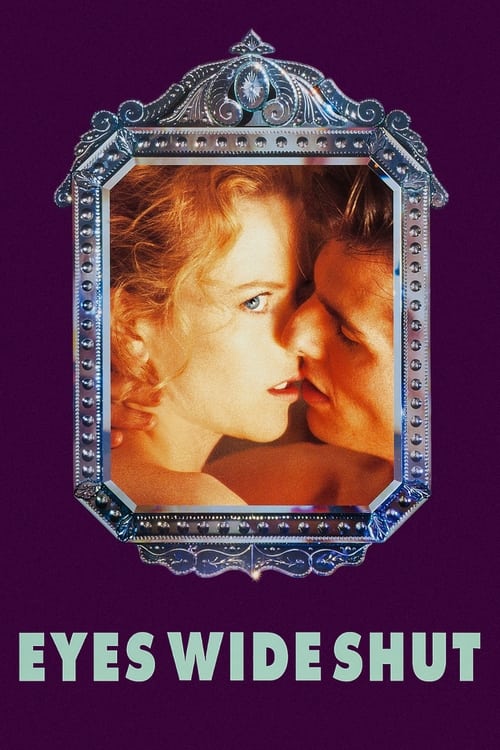
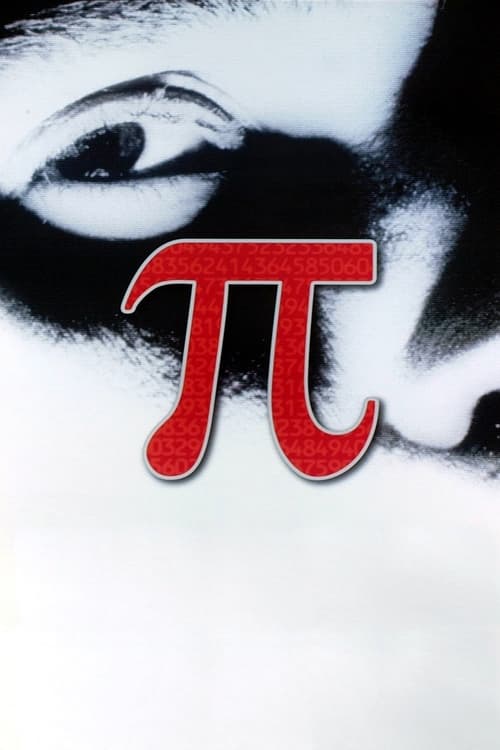
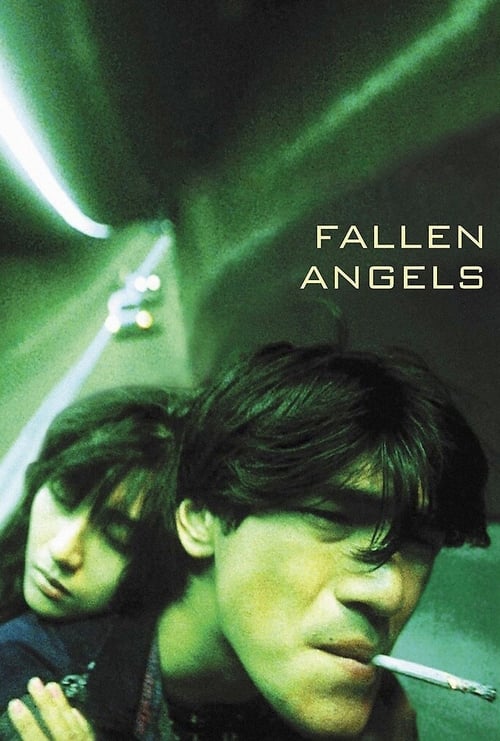
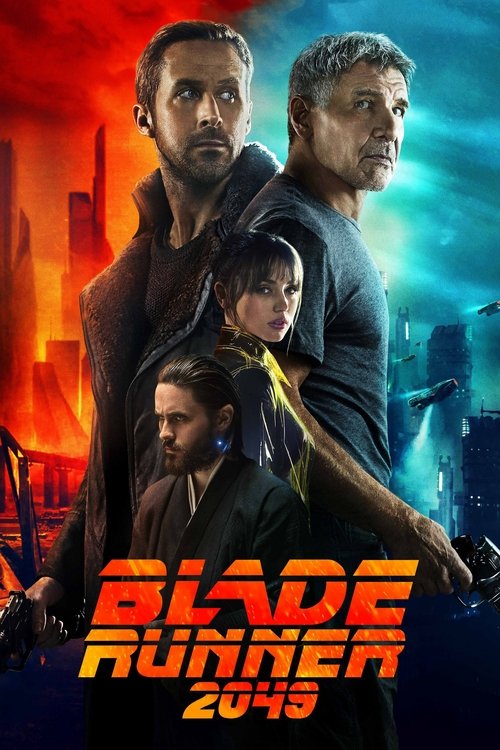
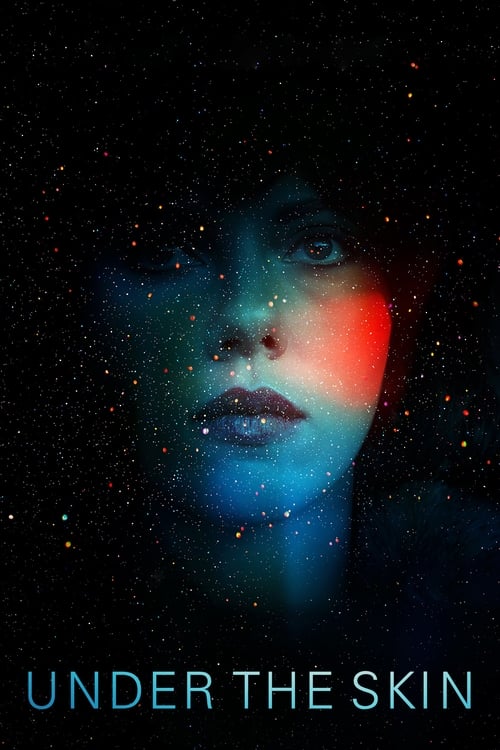
If You Love Massive Attack: Noir Cinema They Belong In
Films that share the palette -- slow, urban, beautiful and dread-soaked

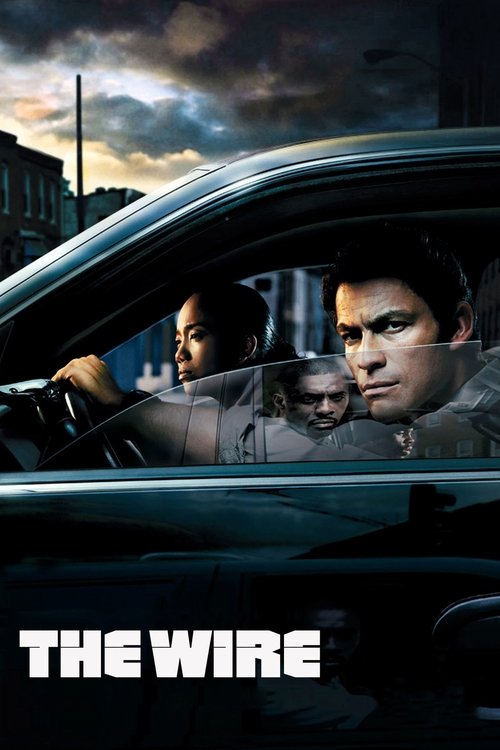
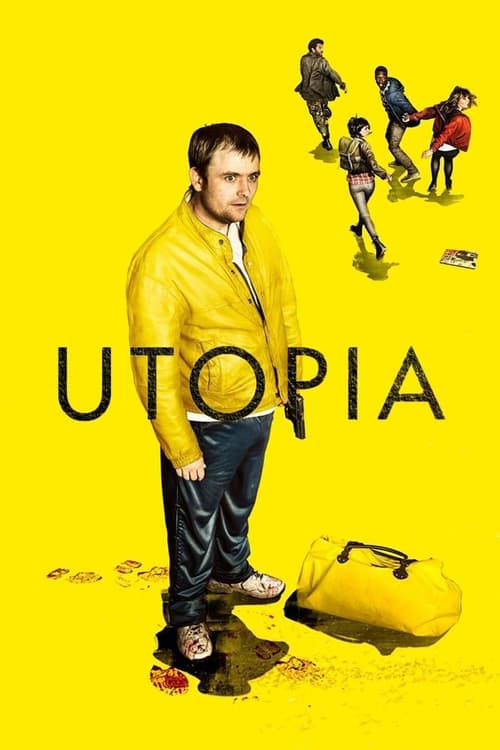
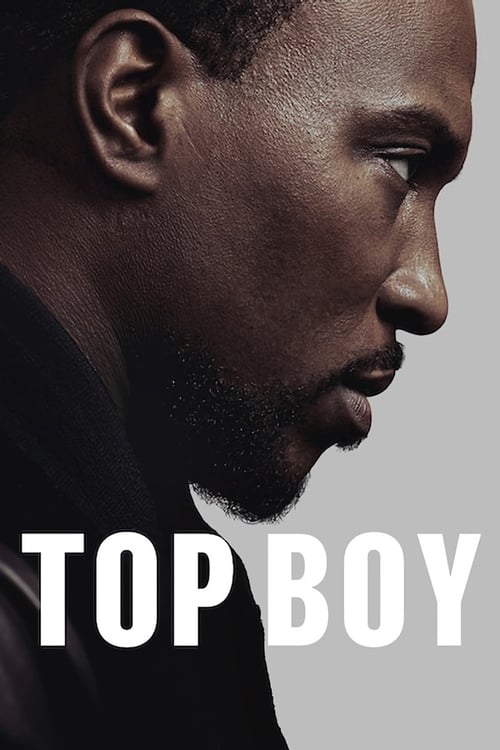
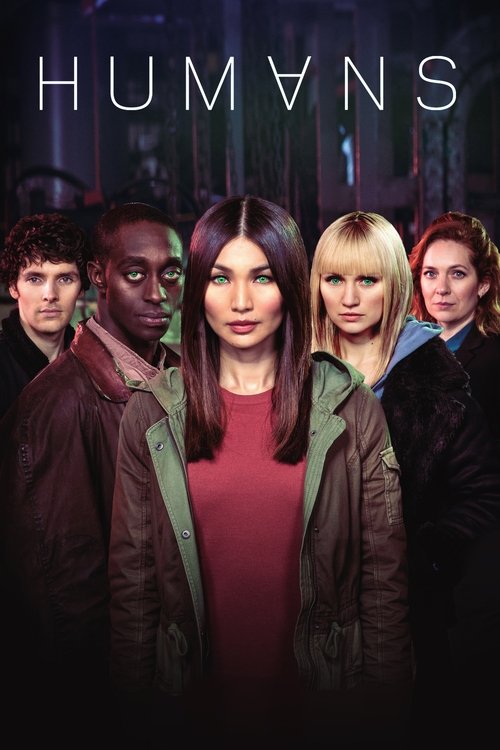
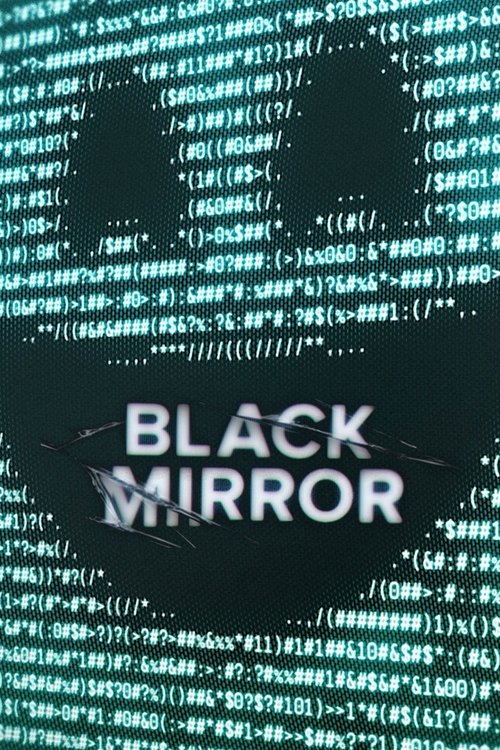
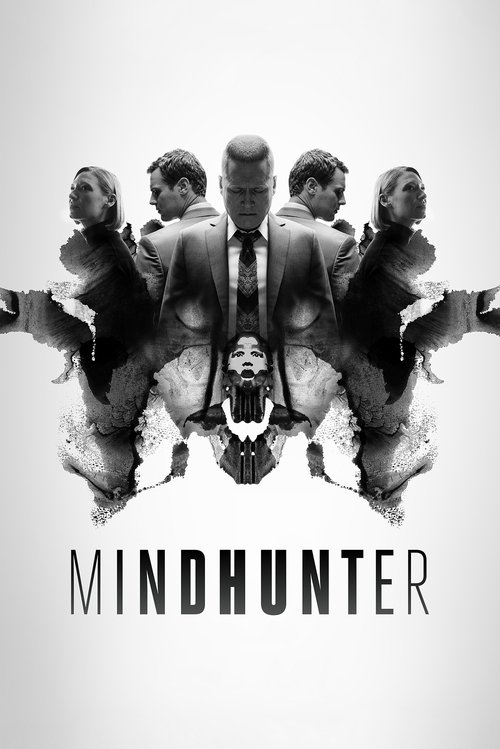
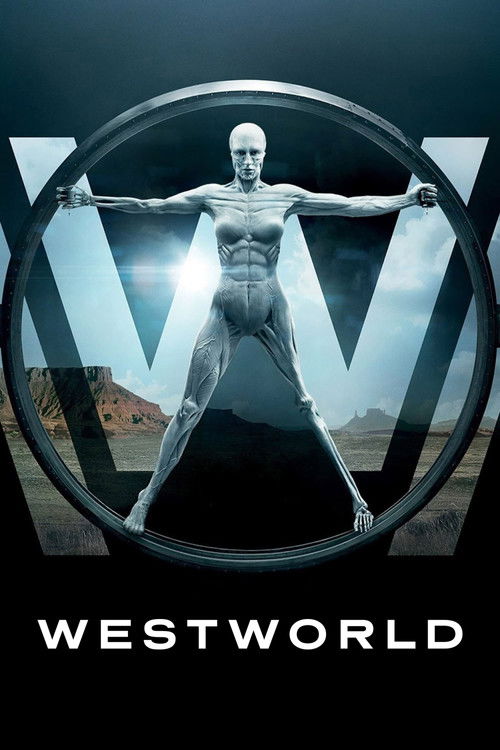
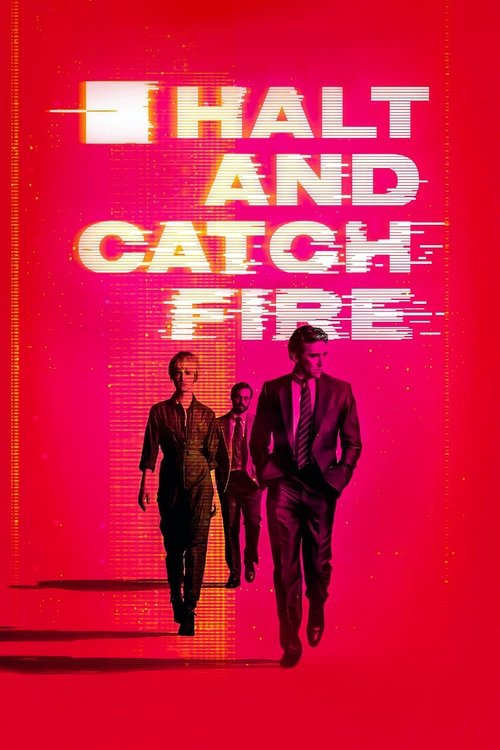
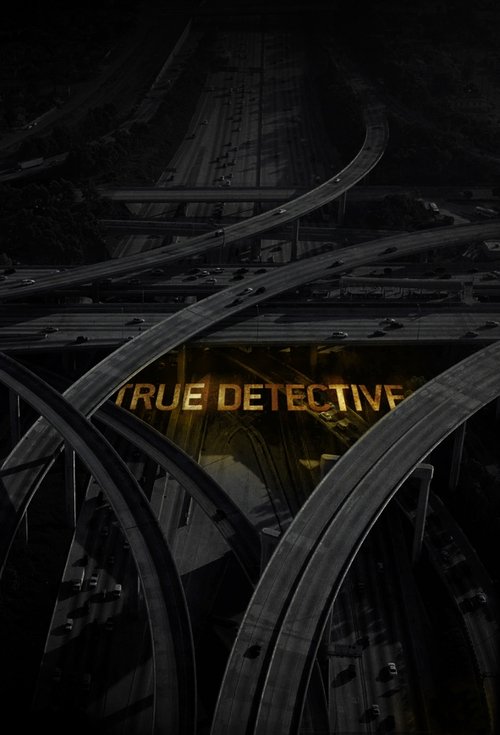
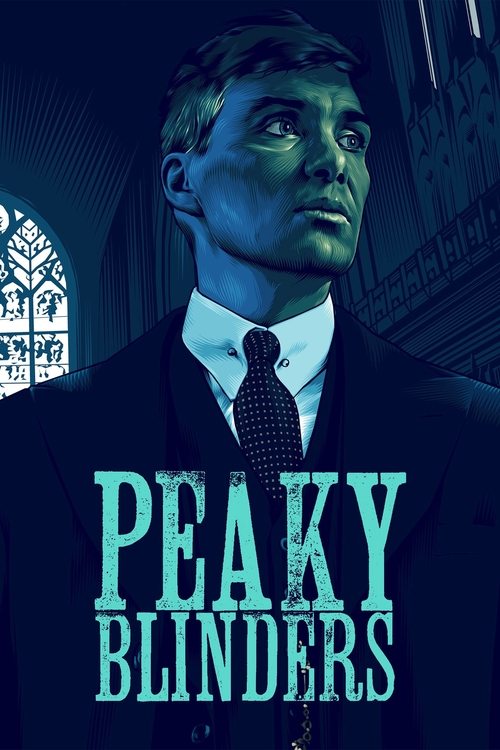
If You Love Massive Attack: TV That Holds the Dread
Series with that same slow-burn, conspiratorial unease
If You Love Massive Attack: Rhythm and Atmosphere in Games
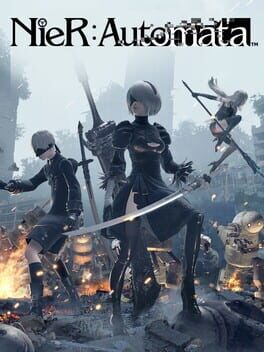
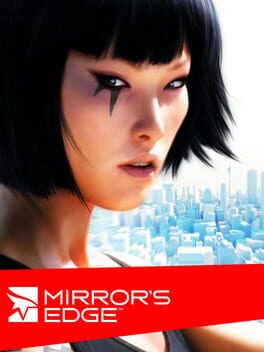
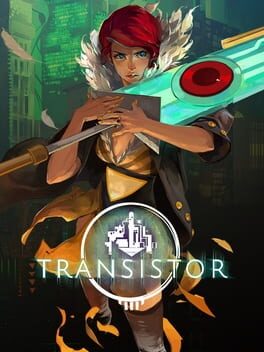
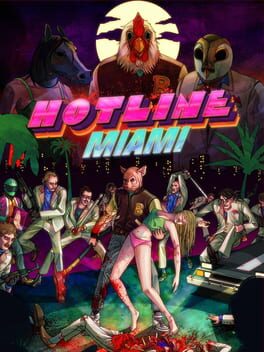
Games built on electronic texture, slow menace, and immersive mood

Mezzanine Is Not an Album. It Is a Siege.
Every Massive Attack album has a thesis. Mezzanine (1998) is theirs at maximum compression: guitars scraped until they sound like synthesizers, drum machines locked into grooves that feel genuinely threatening, Elizabeth Fraser's vocals dissolving in the mix like something remembered but not quite reachable. It is the record where the internal tensions of the group -- del Naja and Marshall barely speaking -- became a formal property of the music itself. Cold, confrontational, and one of the most influential records of the decade. Most people's entry point is 'Teardrop'; most people's obsession eventually becomes the 11-minute closer 'Exchange'.
Burial Is What Happens When a Generation Grows Up on This Sound
William Bevan's early-2000s London council-estate electronics arrived sounding fully formed and categorically unnamed -- until critics reached for the same word they'd used for Massive Attack's milieu: post-trip-hop, or just 'UK bass music with ghosts in it.' The DNA is clear: sub-bass weight, chopped vocals used as texture rather than lyric, a city that feels both populated and lonely. Untrue in particular sounds like what Mezzanine might have been if it had been made after a decade of UK garage and 2-step. They are not the same thing. They are the same conversation.
The Noir Film Playlist That Should Have Had a Massive Attack Soundtrack
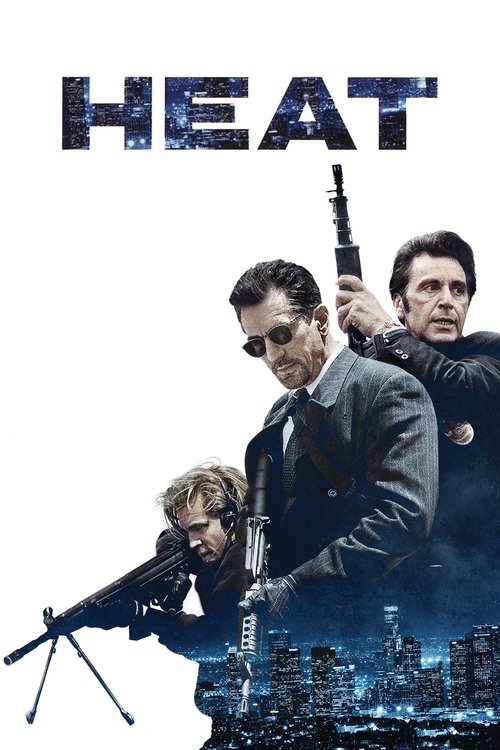
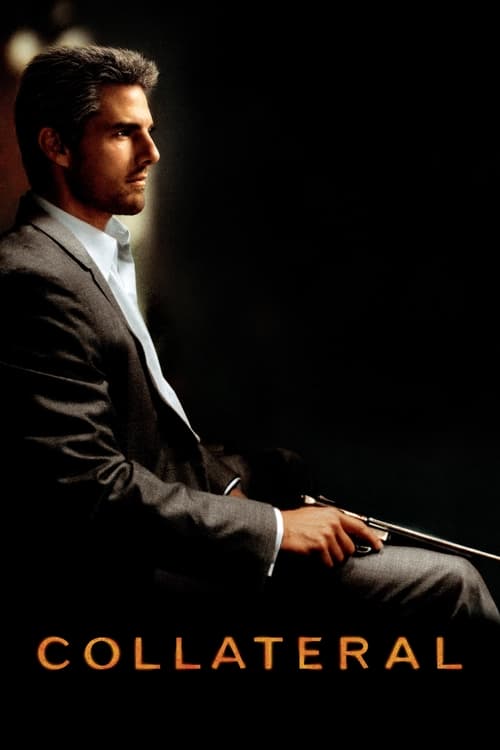
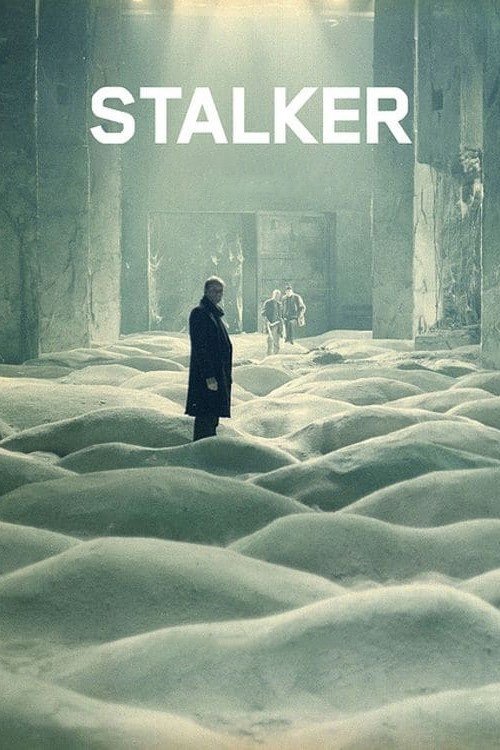
Michael Mann's Heat (1995) and Collateral (2004) occupy the same nocturnal Los Angeles that Massive Attack's music describes: beautiful, desolate, engineered, and underneath it all, violent. The electronic score choices both films make -- Elliot Goldenthal for Heat, James Newton Howard for Collateral -- occupy the same territory as trip-hop without quite arriving there. When '3' from 100th Window plays in Michael Mann's head (and you'll believe it does), the fit is seamless. For the Tarkovsky-adjacent version of this feeling, Stalker and Solaris are essential reference points -- slow, philosophical, and scored to sound like the world is about to mean something.
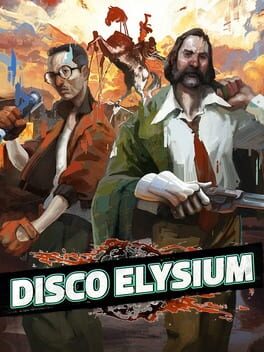
Disco Elysium Is the Game Version of a Massive Attack Record
ZA/UM's RPG (2019) is the most literary game in a decade, set in a city built from failed utopian ideology and crumbling infrastructure, scored with ambient and trip-hop-adjacent electronic music, and obsessed with failure, consciousness, and political exhaustion. That is almost a pitch for a Massive Attack concept album. The way Disco Elysium treats its protagonist -- self-destructed, rebuilding, uncertain whether the reconstruction is an improvement -- rhymes with the way '3D' del Naja has described the band's own evolution across 35 years. It is not a coincidence that both landed at the same emotional coordinates from very different directions.
Massive Attack and the Sound They Built
- 1988Wild Bunch collective formalizes as Massive Attack in Bristol
- 1991Blue Lines released -- Shara Nelson, Tricky, Horace Andy; trip-hop before the name existed Blue Lines
- 1994Protection -- more minimal, Tracey Thorn takes the lead vocal on the title track Protection
- 1995Tricky departs and releases Maxinquaye, defining a parallel Bristol sound Maxinquaye
- 1998Mezzanine -- the band fractures; the tension becomes the record Mezzanine
- 2003100th Window -- Grant Marshall absent; del Naja and Neil Davidge alone 100th Window
- 2006Burial's self-titled debut -- the next generation absorbs the influence Burial
- 2010Heligoland -- full reunion, Tunde Adebimpe and Hope Sandoval among the guests Heligoland
- 2016Ritual Spirit and The Spoils EPs -- Young Fathers, Ghostpoet, Sinead O'Connor
- 2019Mezzanine reissued encoded in DNA -- literal genetic archiving of a record
Trip Hop and the Bristol Sound
For Fans of Trip Hop
Explore the For Fans of Trip Hop guide →We're not a pop group that happens to use electronics. We're an electronics group that occasionally has pop moments.Robert del Naja (3D), Massive Attack