
Trip hop emerged from Bristol in the early 1990s, shaped by a handful of producers and vocalists who had absorbed too much soul, jazz, dub, and hip-hop to fit neatly into any of them. Massive Attack, Portishead, and Tricky defined the genre's core sound: slow, heavy breakbeats underneath lush orchestration and vocals that sound like confessions at last call. The mood is the point. This is music for late hours, for cities that feel both familiar and foreign, for the space between elation and exhaustion. It borrowed the sample-flipping techniques of hip-hop producers, the harmonic melancholy of jazz, and the low-end weight of dub reggae, then stripped everything down until only the essential sadness remained. From Bristol the sound spread outward: to Paris with Air and Cassius, to Iceland with Bjork's electronica detours, to American producers like DJ Shadow who pushed the sampler into new emotional territory. What unites all of it is atmosphere: dense, cinematic, and insistently interior.
Essential Trip Hop
The albums that built the genre and still define it
The Sound of a City After Midnight
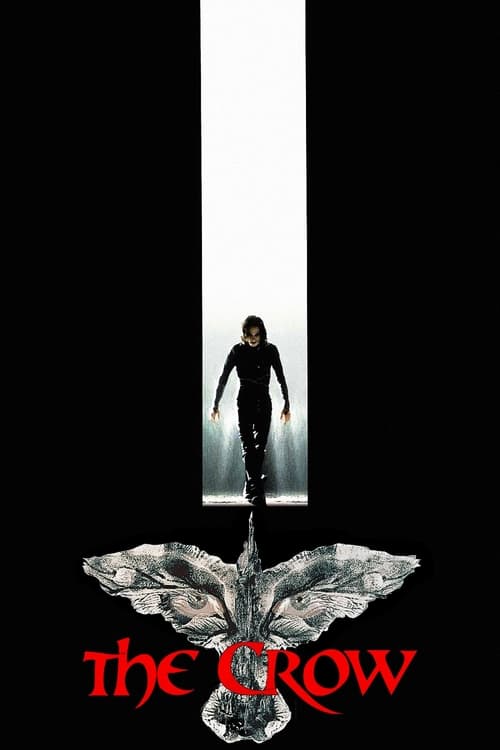
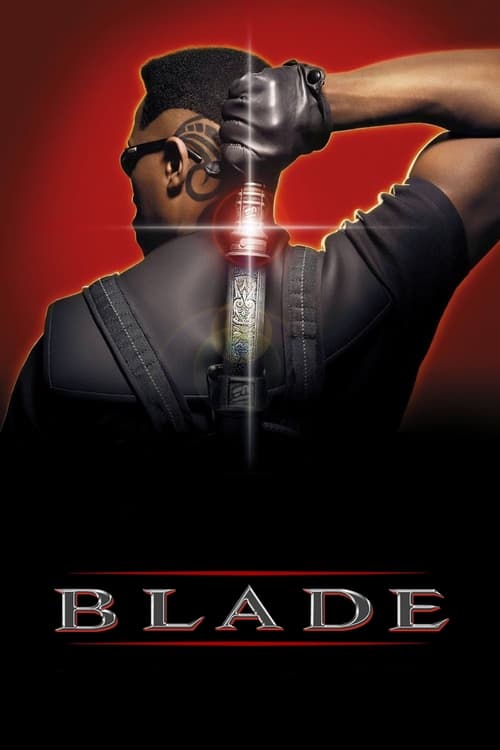
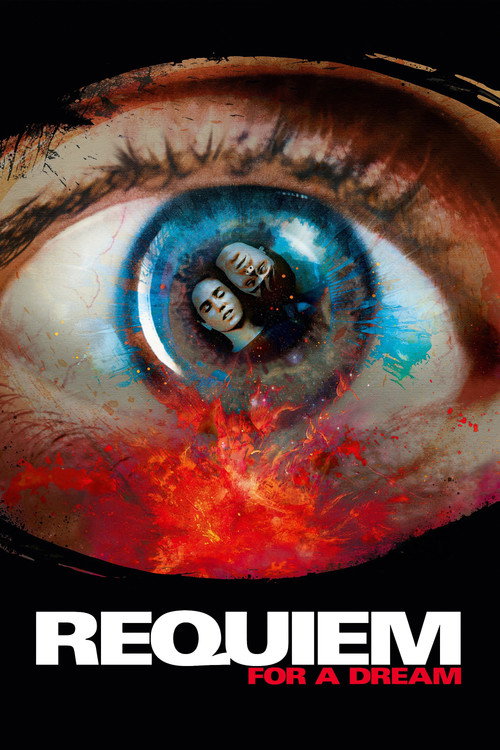
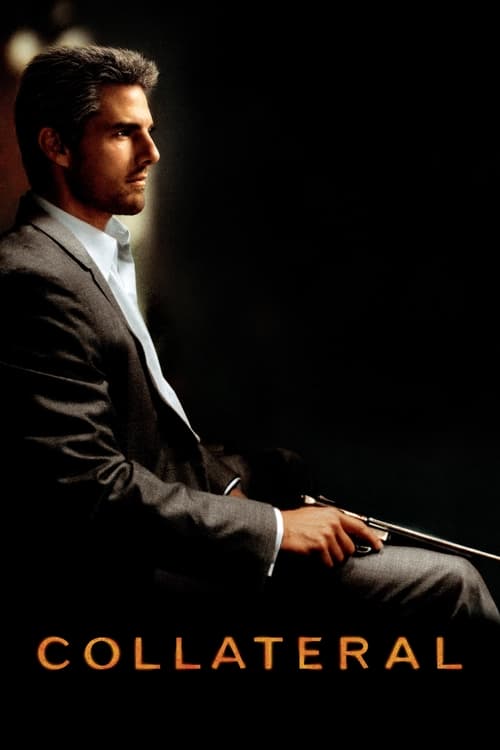
Films with the same heavy atmosphere and urban dread
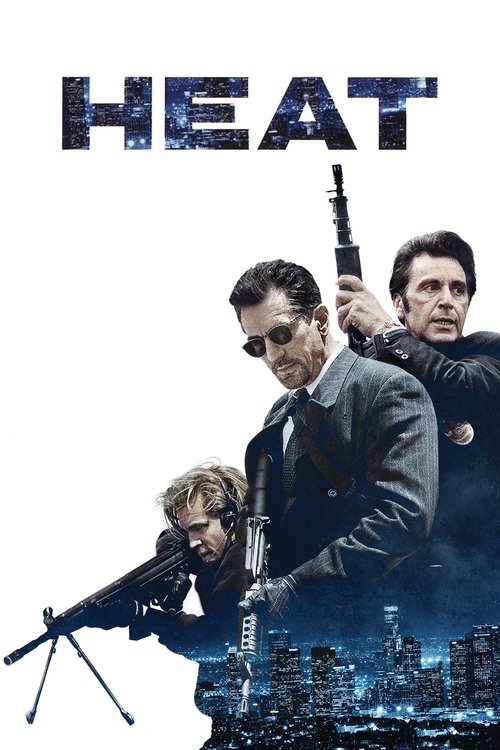
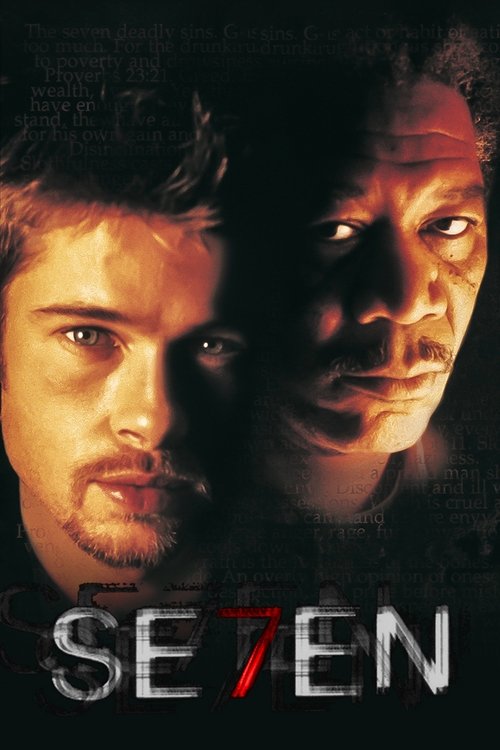
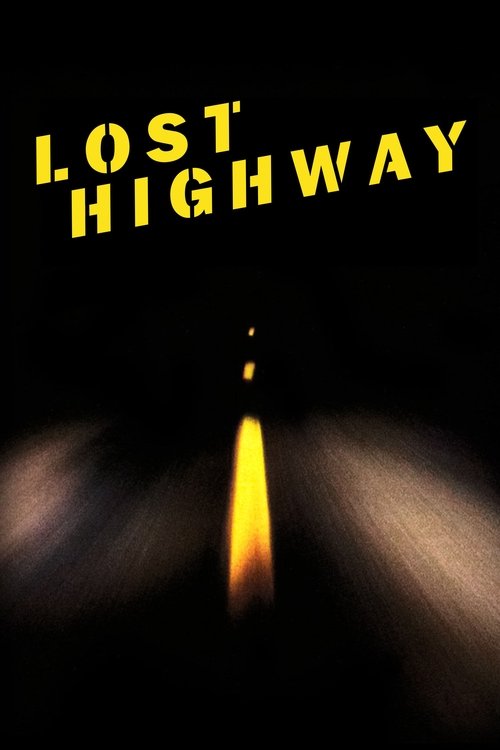
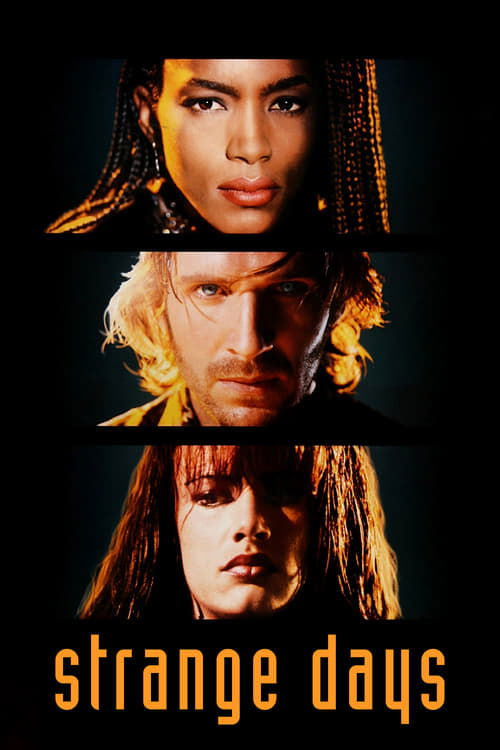

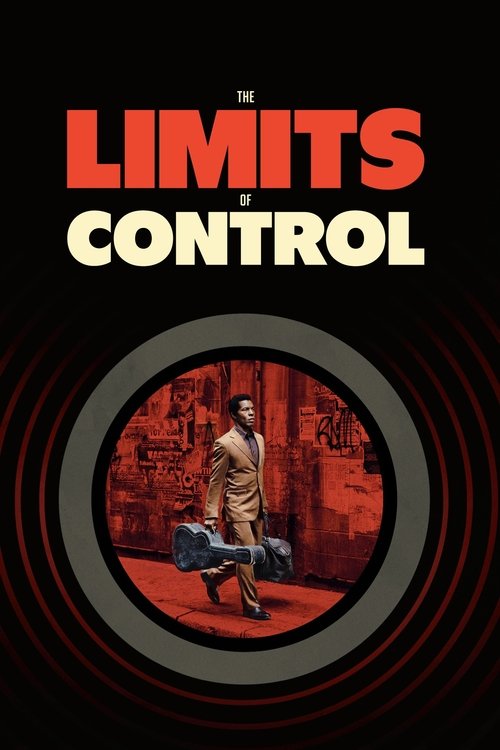
Music Made Visible
Documentaries and concert films for the record crate obsessive

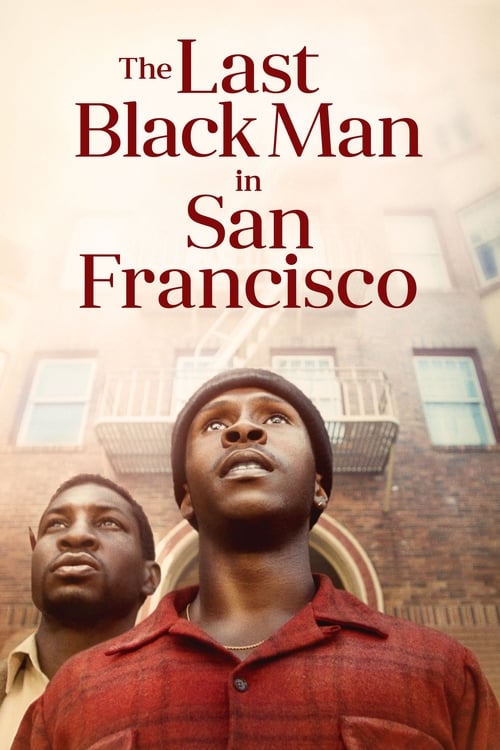
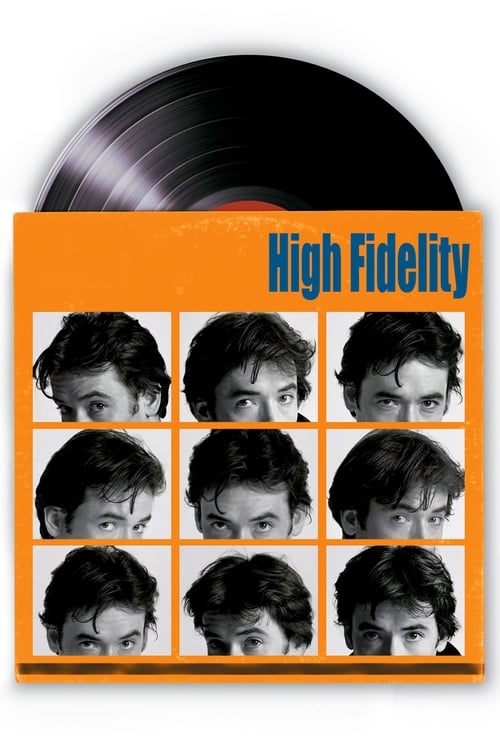
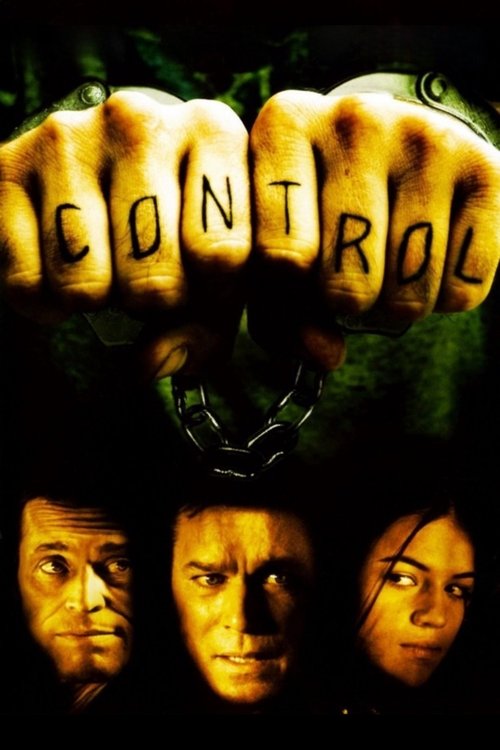
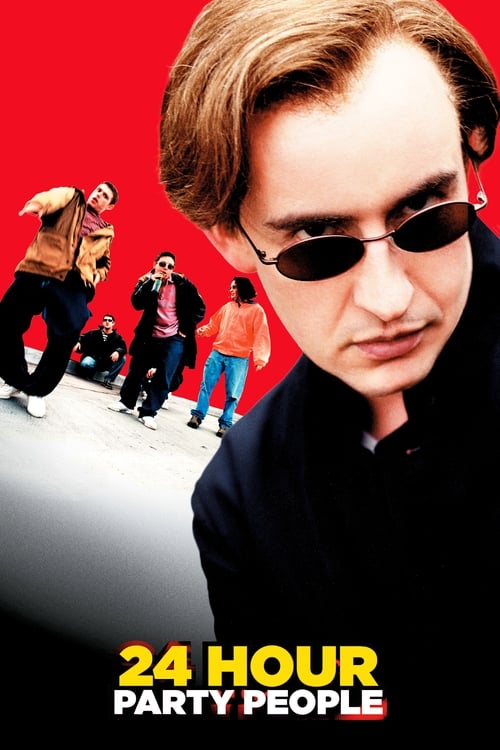
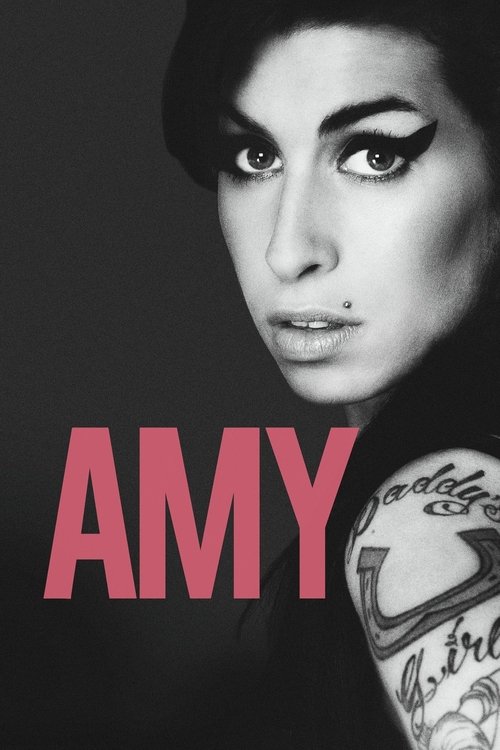
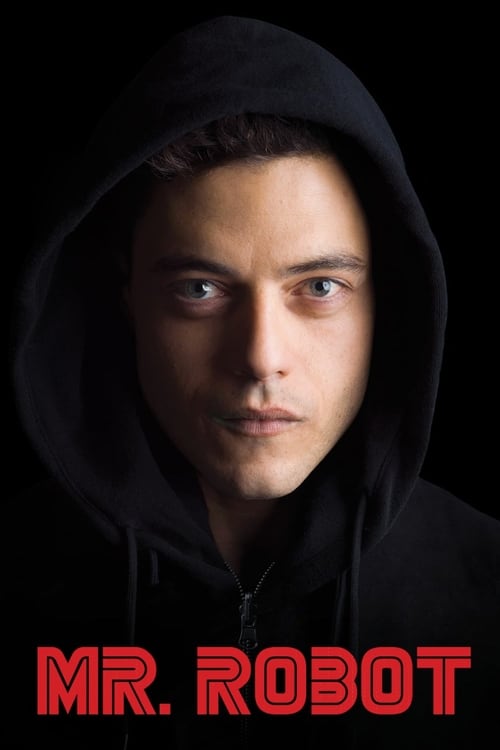
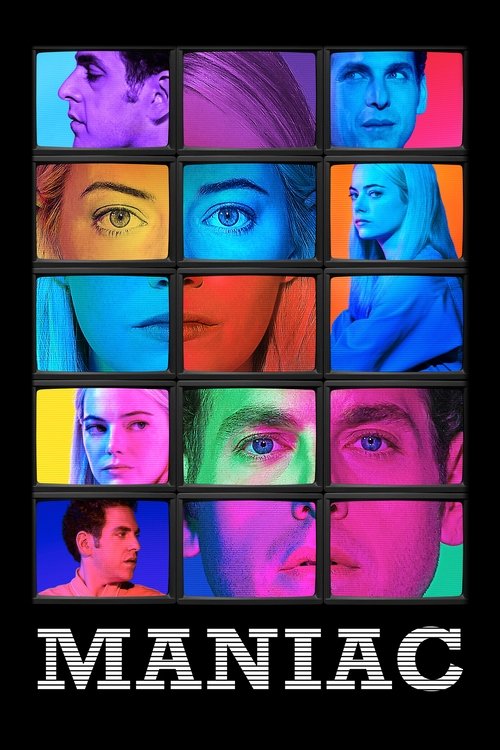
Series with the Same Slow Burn
TV that lives in the same late-night headspace
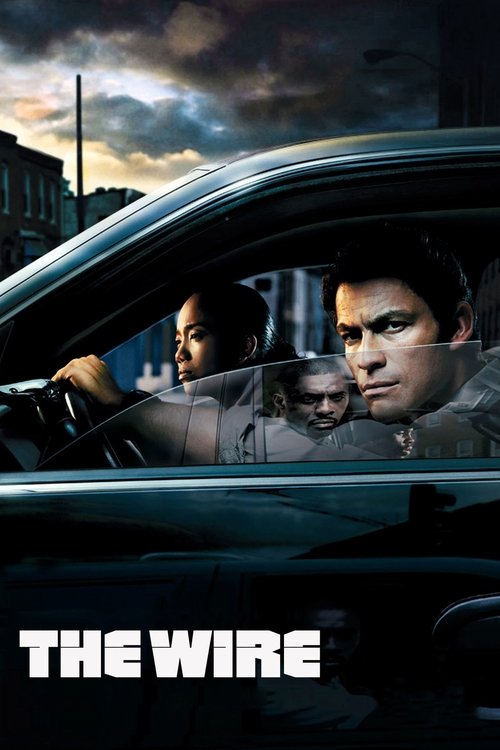
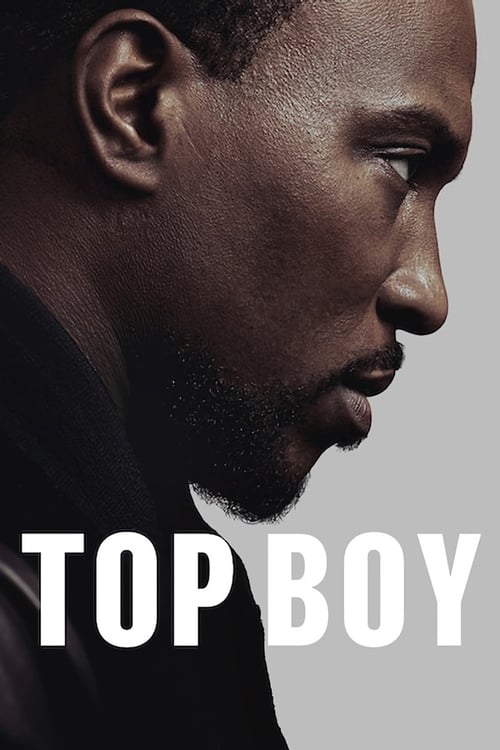

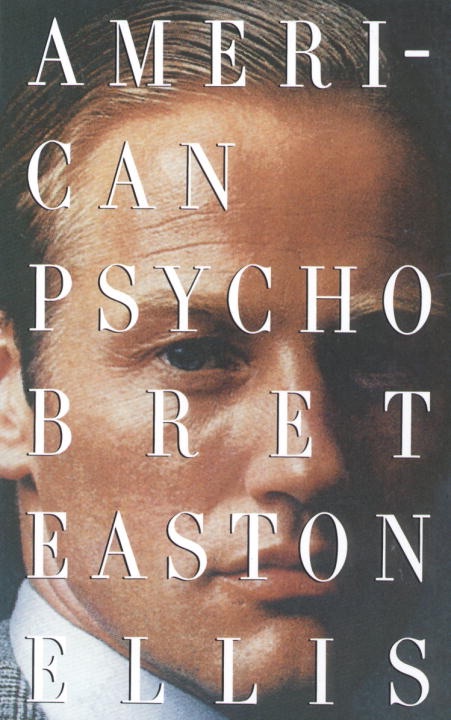
Novels That Play Like a Record
Books with the same dense mood and fractured interiority




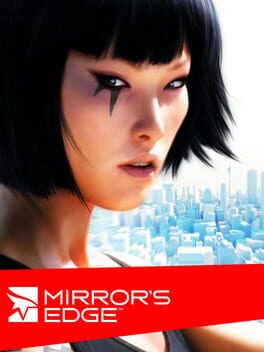
Games With Atmosphere to Spare
When the soundtrack and the world feel inseparable

Blue Lines Changed Everything
Massive Attack's 1991 debut did not sound like anything else that existed. It was hip-hop in its bones but jazz in its lungs, with soul singers, reggae MCs, and a rapper from the Wild Bunch all occupying the same unhurried space. 'Unfinished Sympathy' was the first single and it remains one of the most emotionally complete recordings of the decade: a sample flipped into something that felt newly composed, strings arranged for maximum ache, Shara Nelson's voice cutting straight through. The album opened a door that dozens of artists then walked through.
Portishead Made Melancholy a Genre
Dummy arrived in 1994 and Geoff Barrow, Beth Gibbons, and Adrian Utley had assembled something that felt simultaneously old and wholly modern. The samples were sourced from spy film soundtracks and 1960s jazz records, but the effect was not nostalgia: it was dread dressed as glamour. Beth Gibbons sang like someone who had survived something and was not sure the surviving was worth it. The Mercury Prize that year was deserved, but the prize missed the point: Dummy was not an achievement, it was a mood, and the mood has not expired.
DJ Shadow Took Sampling to Its Logical Extreme
Endtroducing..... (1996) was constructed almost entirely from samples and it sounds like nothing that has come before or since. Where trip hop producers in Bristol were building songs, DJ Shadow was building environments: rooms you could walk into, each with its own weather. The Guinness World Record for the first album made entirely from samples is a factoid, but the real achievement is that it sounds like grief and wonder in equal measure. It influenced producers for twenty years and the debt is still accruing.
Tricky Was Always the Outlier
Tricky was on Blue Lines and then left to do something stranger. Maxinquaye (1995) is a trip hop record only in the way that it uses the same tools: slow beats, samples, paranoid production. The sensibility is darker and more confrontational. Martina Topley-Bird's voice against Tricky's muttered half-raps created a conversation that sounded adversarial and intimate at once. He has made difficult, uneven records ever since and none of them sound like anyone else, which is exactly what he was aiming for.
A Genre Takes Shape
- 1988Wild Bunch collective releases early Bristol sound recordings; the Seeds of Massive Attack, Tricky, and Portishead are already visible in the city's music scene
- 1991Blue Lines released Blue Lines
- 1994Dummy released Dummy
- 1995Maxinquaye and Protection released in the same year; the genre reaches its peak critical moment Maxinquaye
- 1996Endtroducing..... released; DJ Shadow extends the template across the Atlantic Endtroducing.....
- 1997Air's debut singles in France; Moon Safari is one year away; Paris adds its own shade to the palette
- 1998Mezzanine released; Massive Attack's darkest and most guitar-driven album pushes the genre into harder territory Mezzanine
- 1998Moon Safari released Moon Safari
- 2008Third released; Portishead return after an eleven-year silence with a record that sounds nothing like Dummy and everything like the same emotional truth Third
- 2010Heligoland released; Massive Attack's last studio album to date, still expanding the sound outward Heligoland
More smoky, melancholy sound
For Fans of Massive Attack
Explore the For Fans of Massive Attack guide →Trip hop was never really a genre. It was a feeling: the feeling of being awake when you should be asleep, in a city that has its own thoughts.Geoff Barrow, Portishead