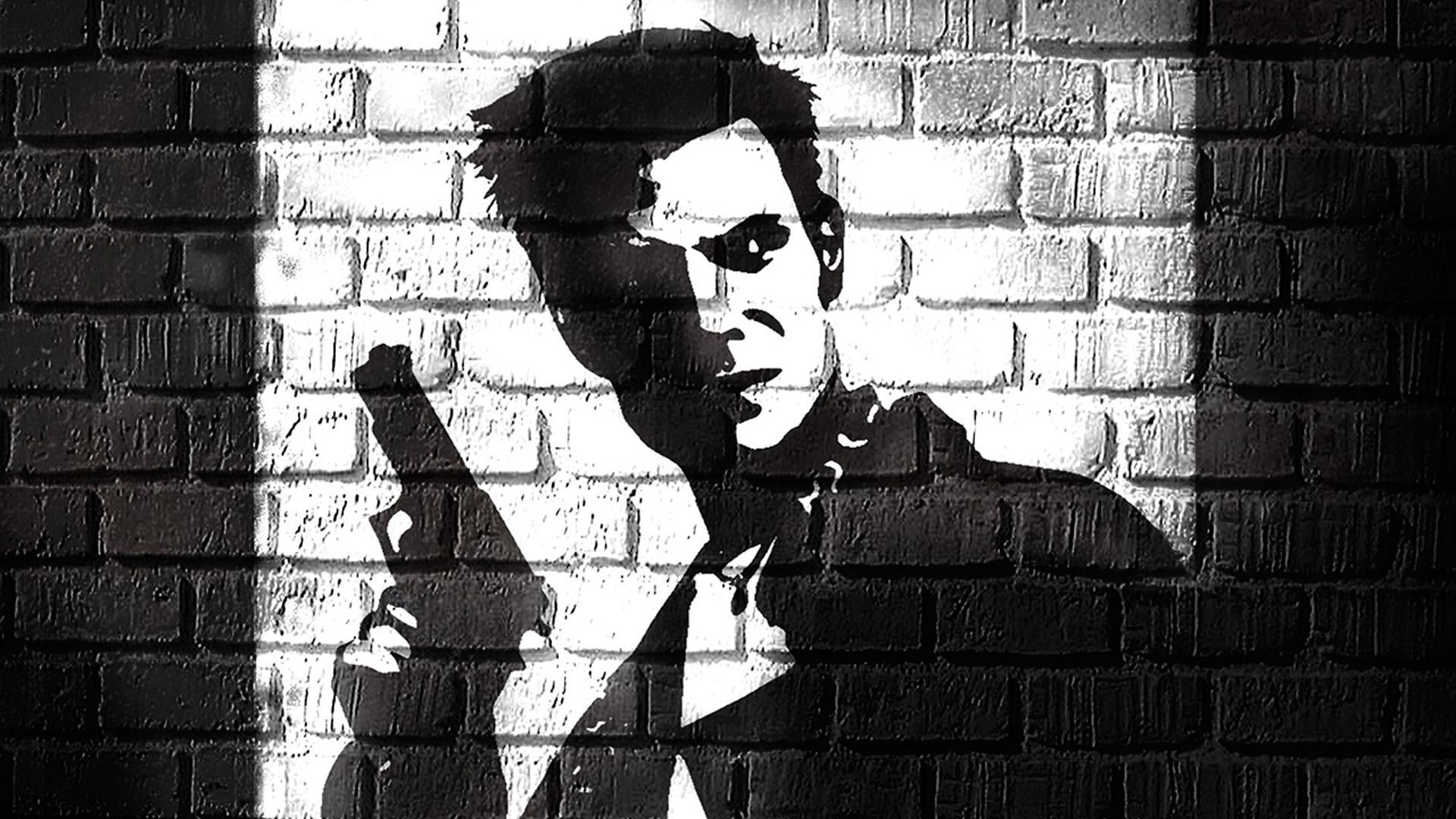

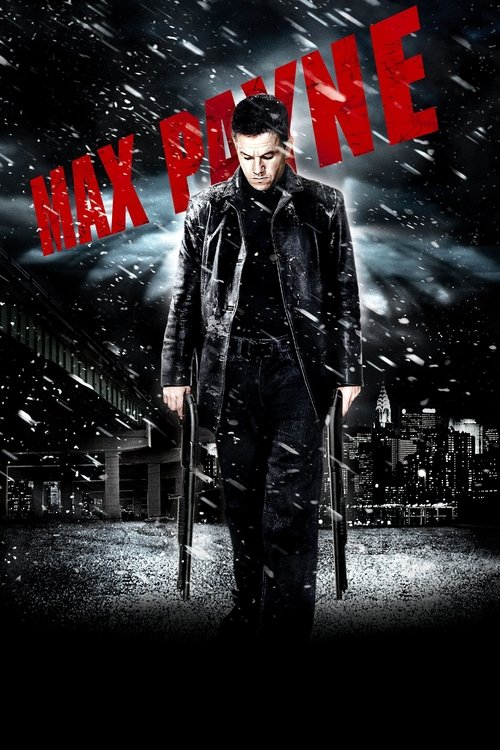
Max Payne arrived in 2001 and did something no action game had done before: it made the player feel the weight of grief. Built on a foundation of John Woo slow-motion gunplay and hardboiled noir monologue lifted straight from Raymond Chandler, Remedy Entertainment's detective thriller wasn't just a shooter -- it was a character study about a man who has lost everything and keeps pulling the trigger because stopping would mean thinking. The through-line a fan loves is the collision of kinetic, balletic violence with genuine literary melancholy: the bullet-time mechanics, the graphic novel cutscenes, the rain-drenched New York that feels like a fever dream. Whether you're drawn to Remedy's later work, the neo-noir films that share Max's DNA, the stylish action games that borrowed its swagger, or the crime novels that perfected the genre's voice, this is your map.
Essential Max Payne
The core trilogy and its creative orbit
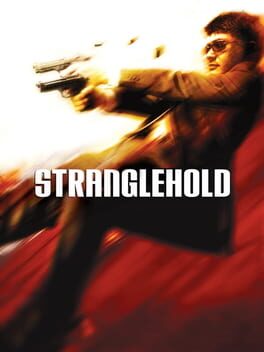
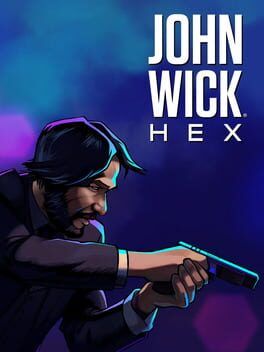
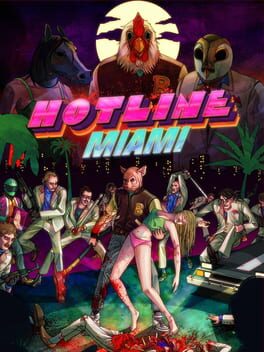
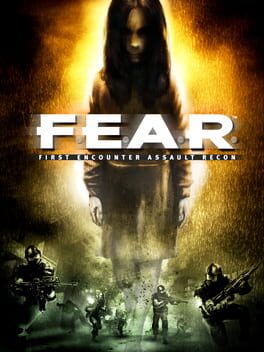
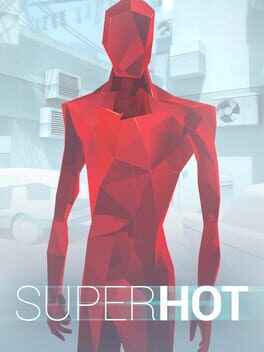
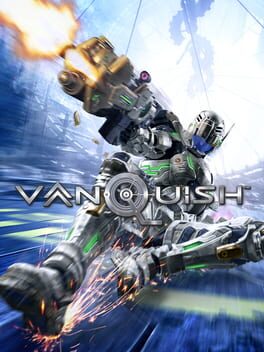
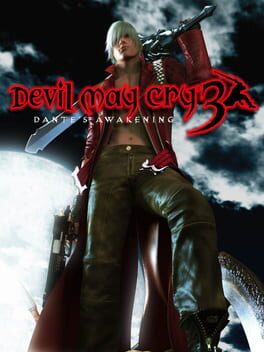
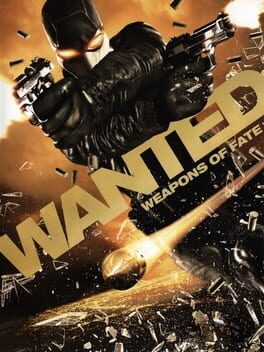
If You Love the Bullet-Time Ballet
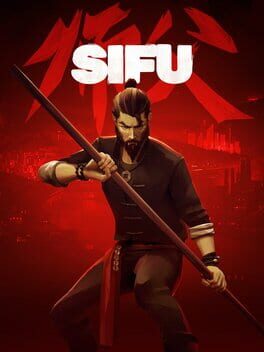
Action games built on style, slow-motion, and kinetic swagger
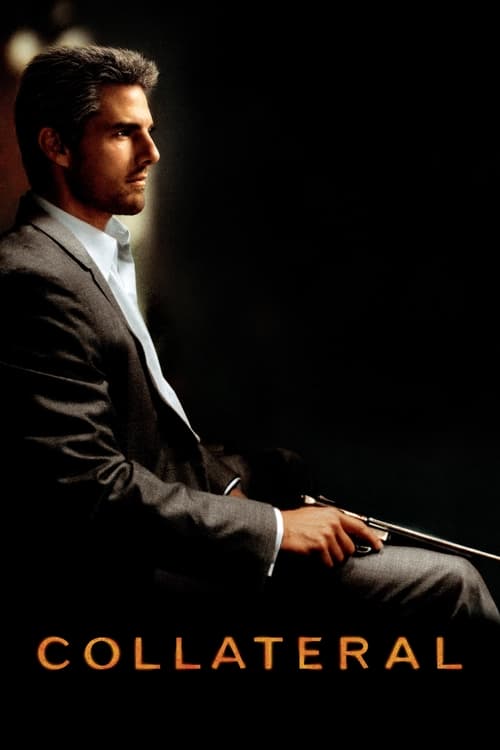
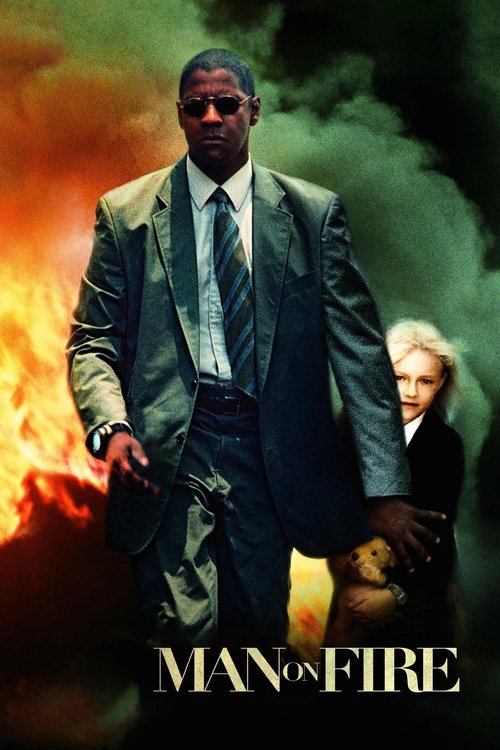
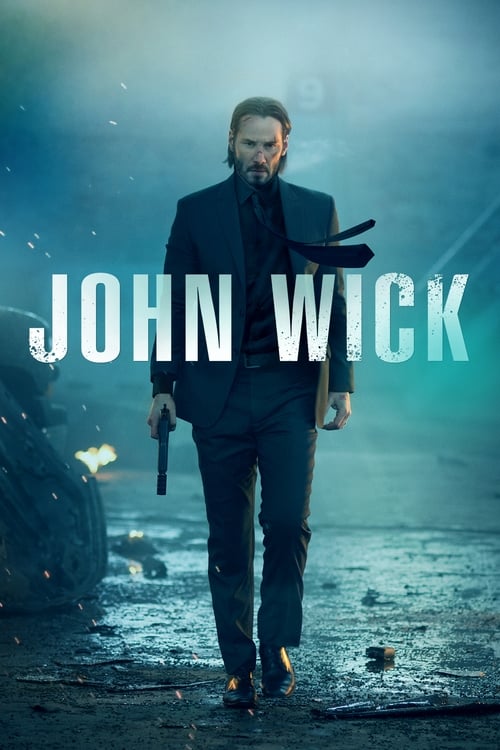
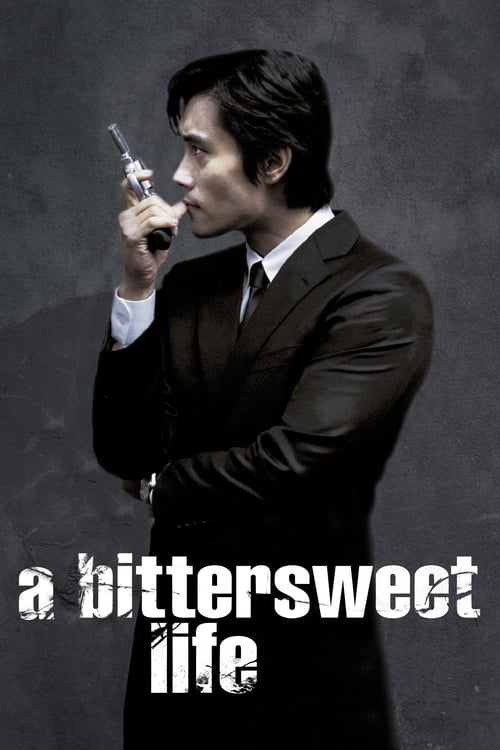
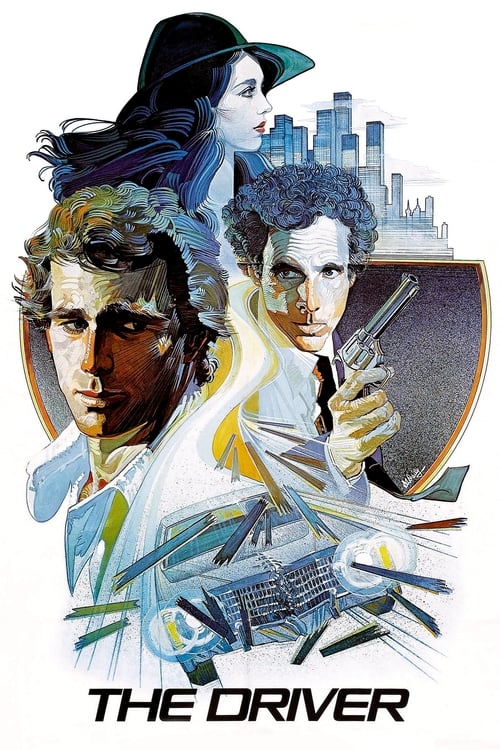
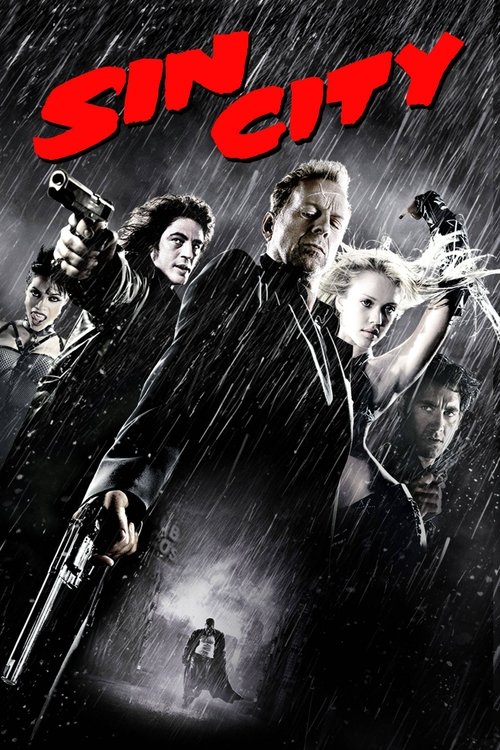
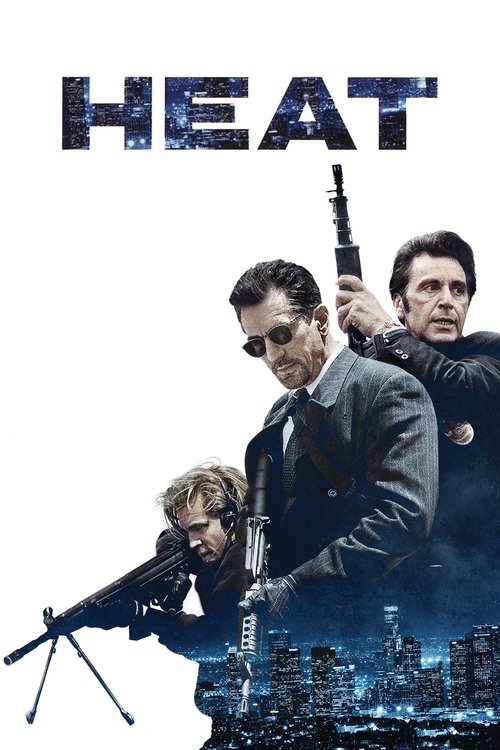
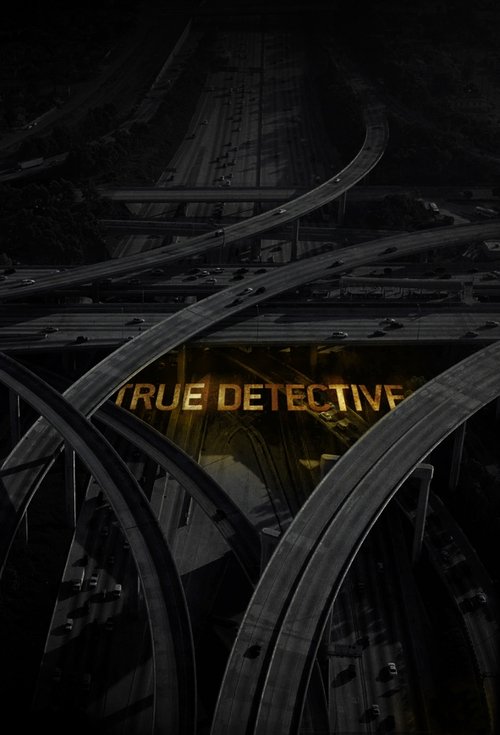
Neo-Noir Cinema and Television
Films and series soaked in the same rain, shadows, and doomed romanticism
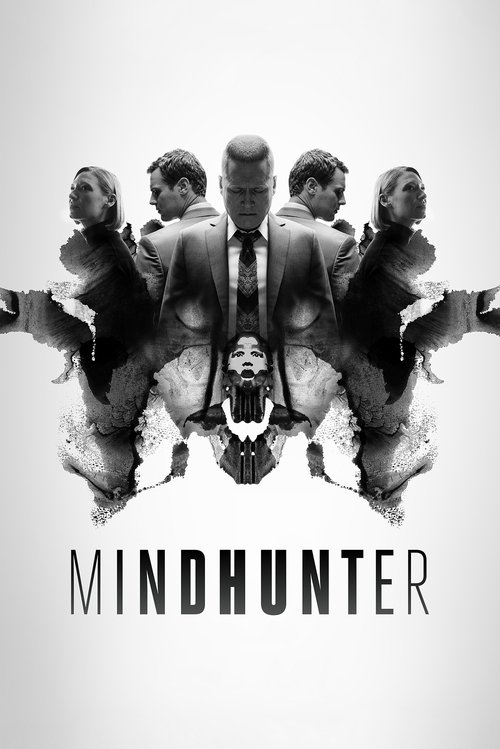
Revenge Thrillers and Crime Noir Fiction
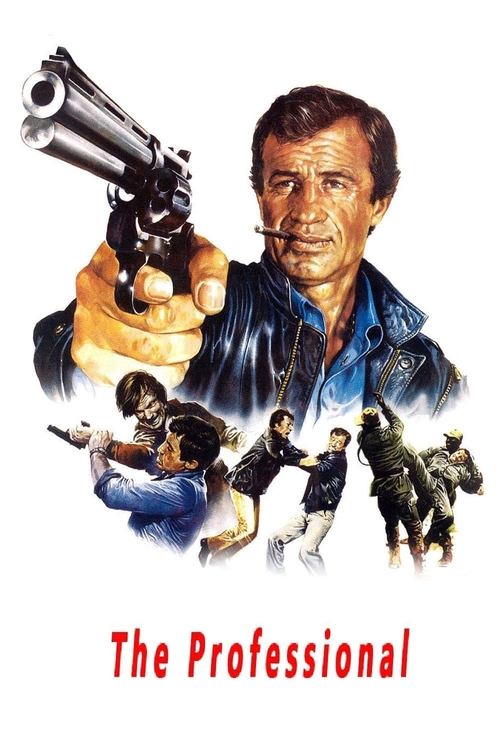
Novels that nail the same voice: damaged men, corrupt cities, elegant prose


Music for the Three A.M. Chase
Albums that match Max's nocturnal intensity: trip-hop, dark electronic, and cinematic noir
Remedy Invented the Auteur Action Game
Before prestige television normalized the idea that genre entertainment could have a serious artistic voice, Remedy Entertainment was doing it in interactive form. Max Payne's graphic-novel cutscenes, its self-aware hard-boiled narration ('The past is a gaping hole'), and its deliberate visual influences from John Woo and David Fincher signaled that a Finnish studio had invented something new: the auteur action game. Alan Wake, Control, and Alan Wake 2 prove the studio never stopped. Remedy remains one of the few developers whose new releases feel like events for people who care about narrative craft, not just mechanics.
John Woo's Hong Kong Films Are the Original Source Code
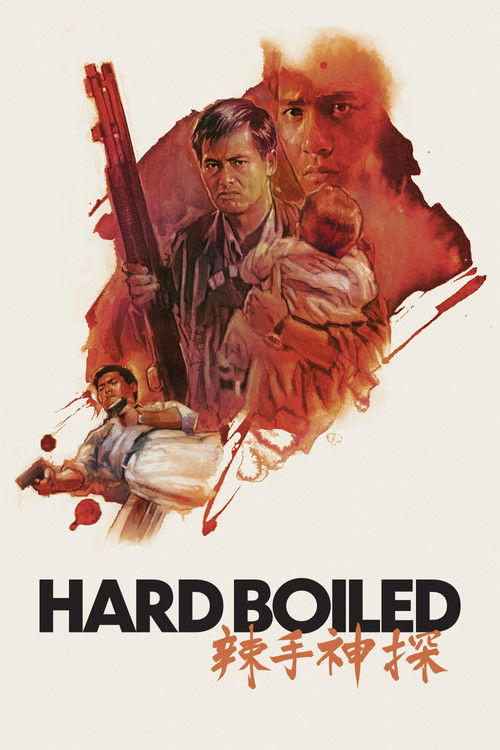
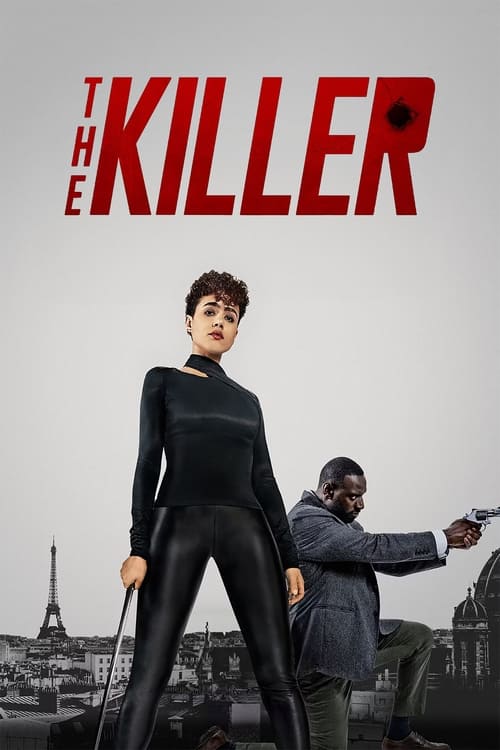
Sam Lake has never hidden the debt. Max Payne's bullet-time system is a direct translation of John Woo's choreographed gunfight language -- the dove symbolism, the dual-wielding, the frozen mid-air moment where beauty and violence become the same thing. Hard Boiled and The Killer aren't just influences on Max Payne; they're primary texts for understanding what the game was reaching for. Watching Chow Yun-fat slide across a hospital floor in Hard Boiled is the closest cinema comes to what you feel at the controls of Max Payne on its best sequences.
Chandler Built the Voice Before the Genre Had a Name
Max Payne's monologue style -- world-weary, wryly literary, obsessed with metaphor as a coping mechanism -- is Raymond Chandler's Philip Marlowe filtered through the 21st century. 'She had a face that belonged to the sea and the wind and the rain' is Chandler; Max Payne's 'There are no choices. Nothing but a straight line. The illusion comes afterwards' is the same voice with a game controller in its hand. Chandler's novels remain the perfect companion reads: The Long Goodbye especially shares Max's central preoccupation with loyalty, loss, and a world that punishes integrity.
Max Payne 3 Is the Series' Most Underrated Chapter
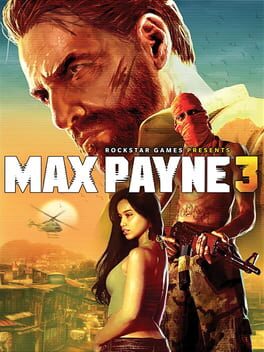
The community still argues about Max Payne 3's shift from New York noir to Sao Paulo sun. But Rockstar's chapter is the one that commits most seriously to Max as a character study rather than a power fantasy. A middle-aged alcoholic guarding billionaires in a city he doesn't understand, his self-loathing rendered in fragmented screen-tear edits and James McCaffrey's exhausted voice work -- it's a genuine portrait of a man who cannot stop being violent because violence is all he has left. The setting's foreignness is the point: Max is never more lost than when he's most exposed.
The Neo-Noir Action Timeline
- 1979Walter Hill's elemental noir establishes the lone-driver archetype The Driver
- 1989John Woo perfects balletic gunfight cinema in Hong Kong The Killer
- 1992Hard Boiled sets the gold standard for action choreography Hard Boiled
- 1995Mann's Heat defines the modern crime epic Heat
- 2001Remedy invents the noir action game with bullet-time and graphic-novel style Max Payne
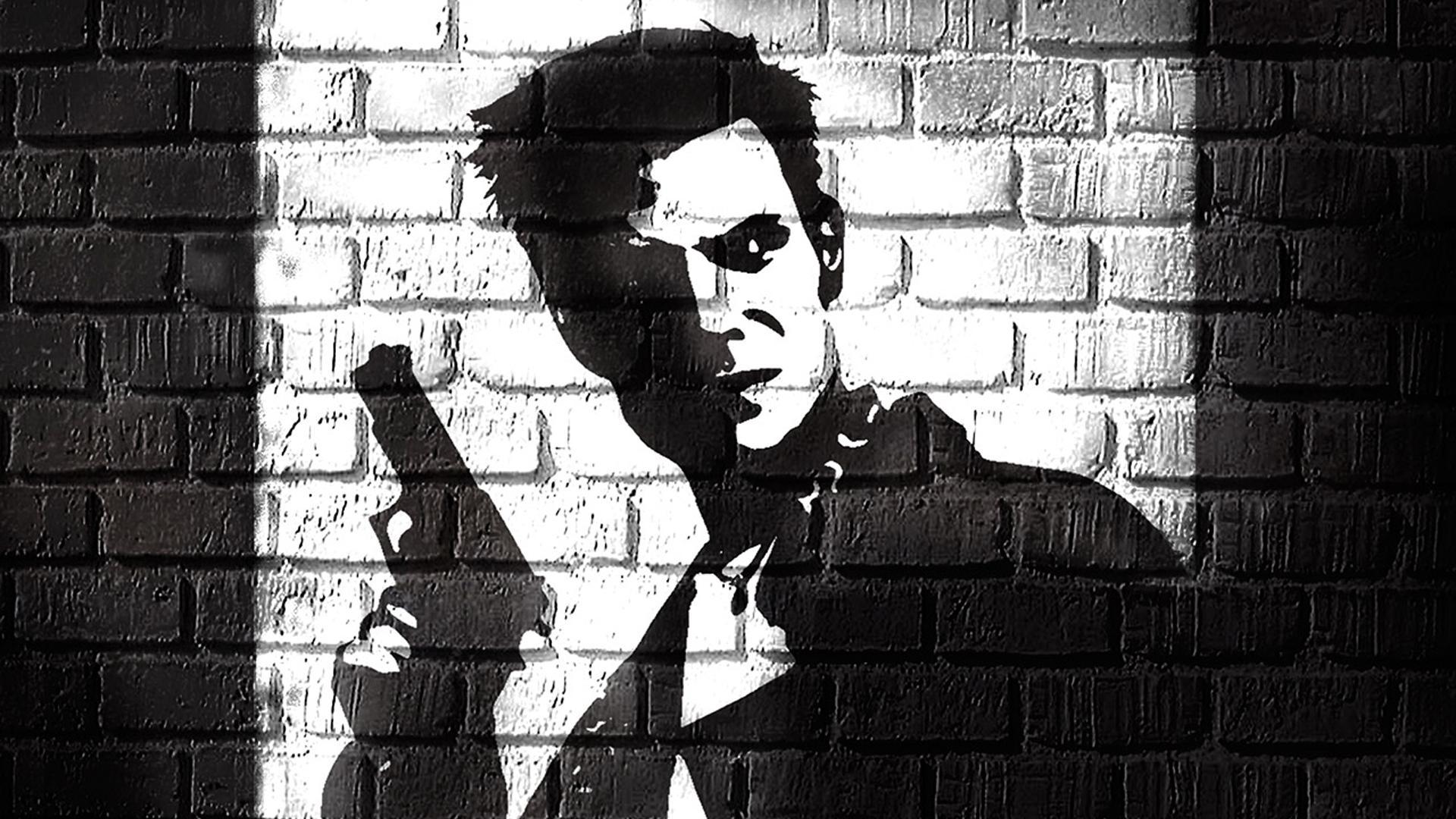
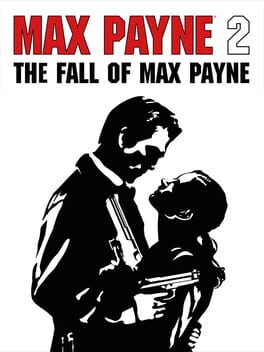
- 2003The sequel deepens the tragedy and the film-noir visual grammar Max Payne 2: The Fall of Max Payne
- 2005Tony Scott pushes the revenge-thriller into operatic overdrive Man on Fire
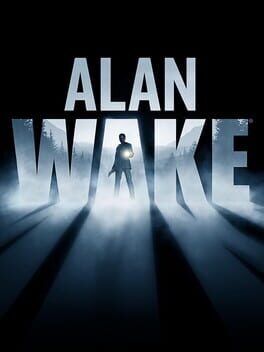
- 2010Remedy returns with a survival horror writer's nightmare in the same engine spirit Alan Wake
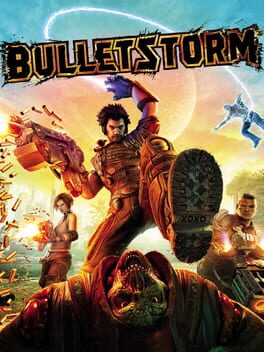
- 2012Rockstar relocates Max to Sao Paulo for the series' darkest chapter Max Payne 3
- 2014John Wick revives gun-fu for a new generation with clean neon choreography John Wick
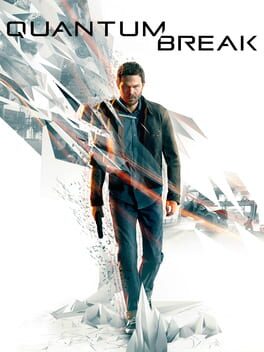
- 2019Remedy's Control brings the studio's narrative ambition to its peak
- 2023Alan Wake 2 arrives as Remedy's most ambitious, self-referential work Alan Wake
Bullet time, neon noir, and revenge
Film Noir & Neo-Noir
Explore the Film Noir & Neo-Noir guide →The past is a gaping hole. You try to run from it, but the more you run, the deeper it follows you in.Max Payne