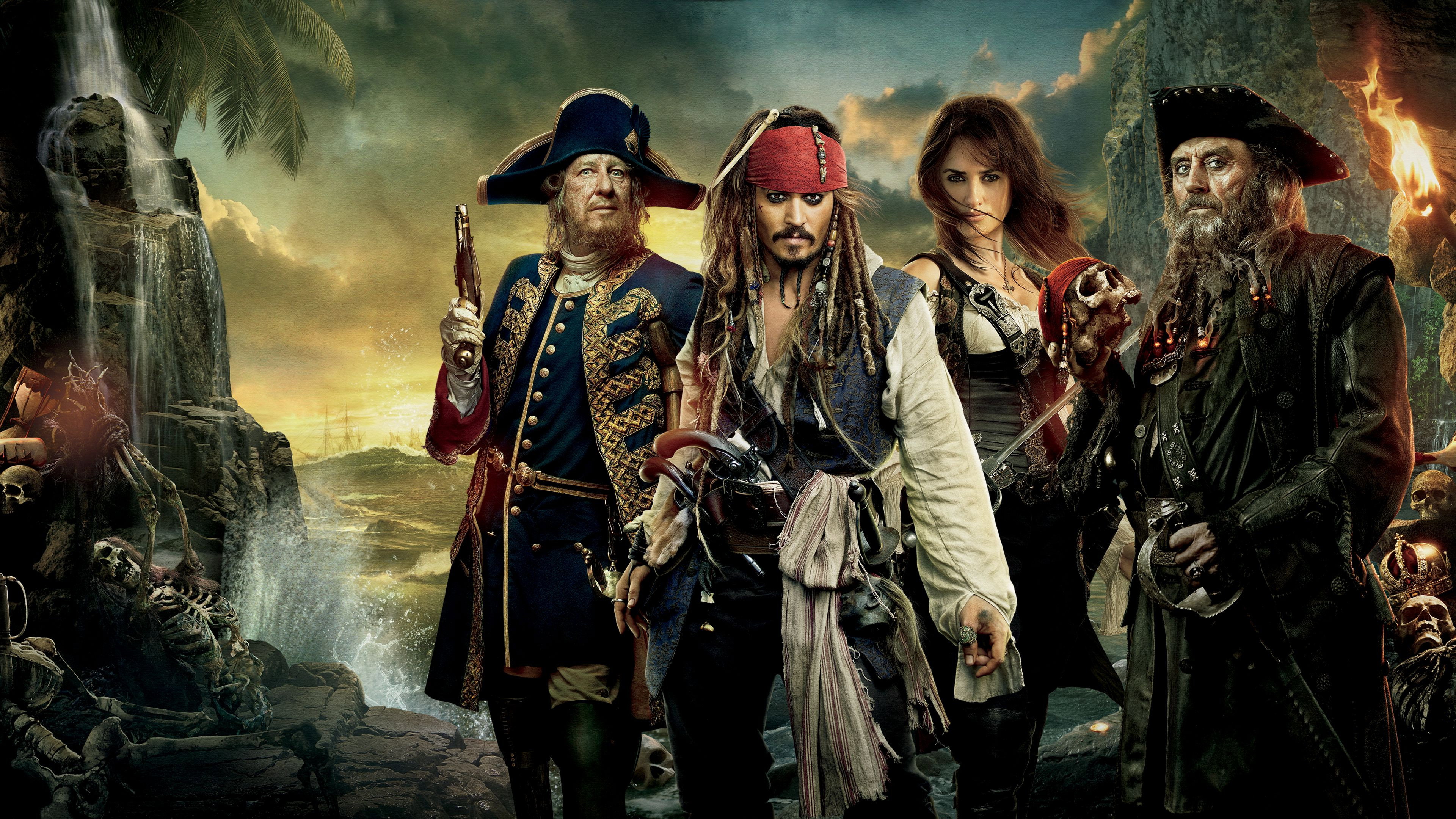

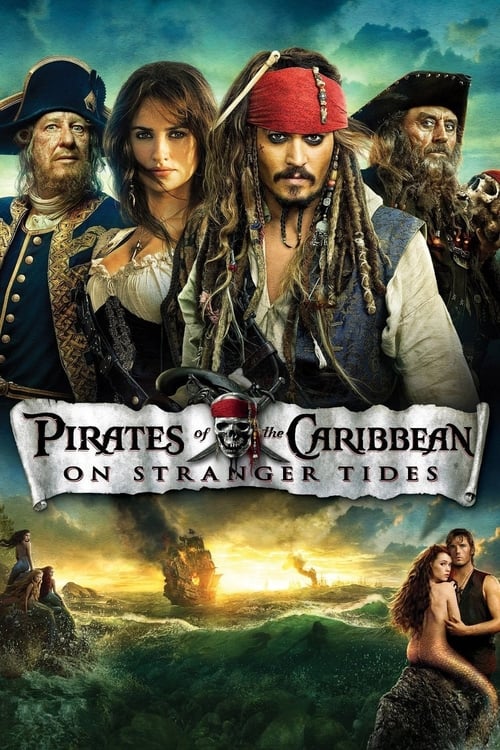
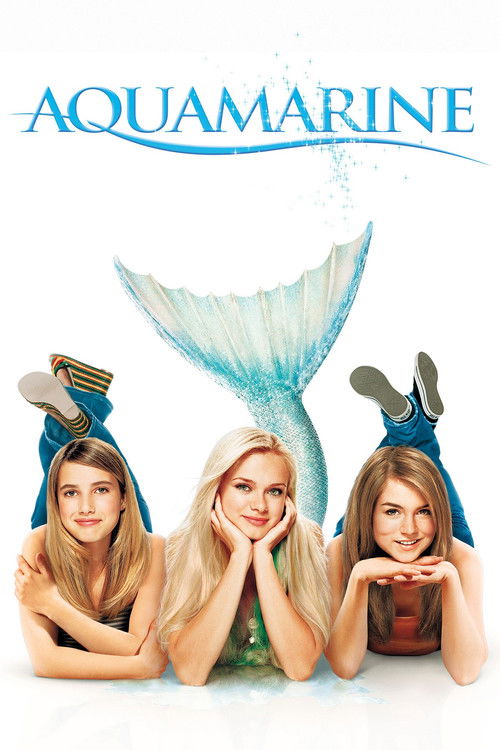
Mermaids are not simply fish-tailed fantasy figures. They carry something older: the fear of the ocean's indifference, the seduction of a world just out of reach, and the ache of being split between two natures. The feeling a mermaid story chases is liminality, existing on the boundary between worlds, neither fully one thing nor another. Whether the tone is fairy-tale romance, body-horror transformation, ecological grief, or mythological dread, the best mermaid stories ask the same question: what do you sacrifice to belong somewhere, and is it worth it? This collection spans every medium where that question burns.
Essential Mermaid Films
The movies that define what a mermaid story can be
If You Love Mermaids: TV and Series
The ocean's pull drawn out across seasons

If You Love Mermaids: Books and Novels
Where transformation, longing, and the sea meet on the page


If You Love Mermaids: Games
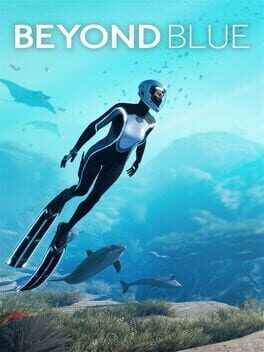
Underwater worlds, transformation, and the mystery of the deep
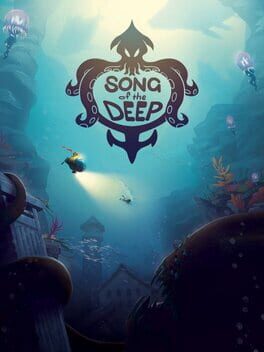
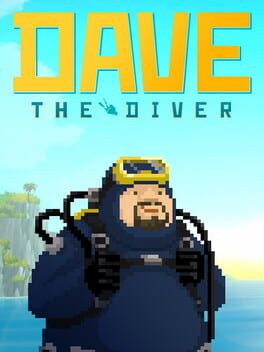
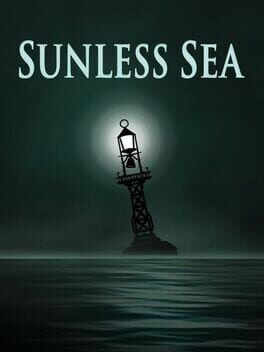
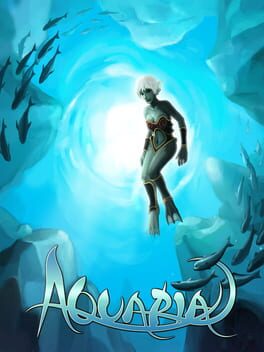
If You Love Mermaids: Music
Scores and albums that carry the oceanic feeling
The Body Horror Under the Romance
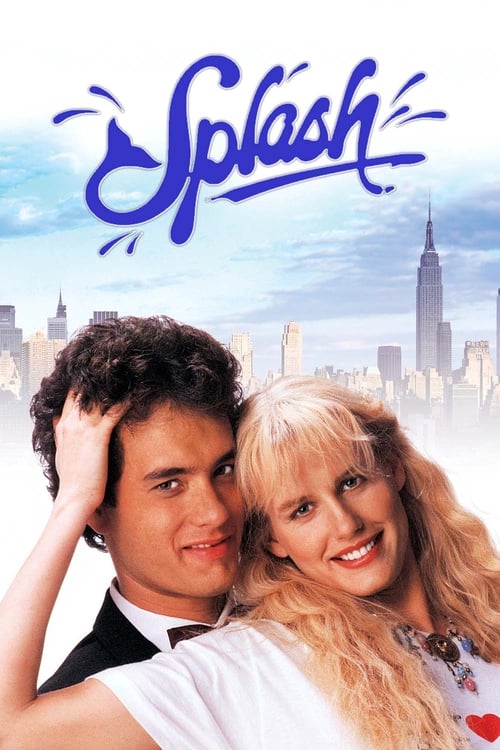
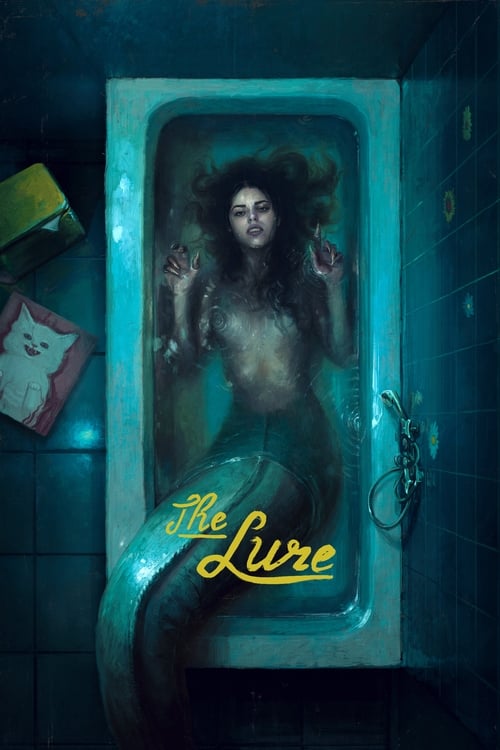
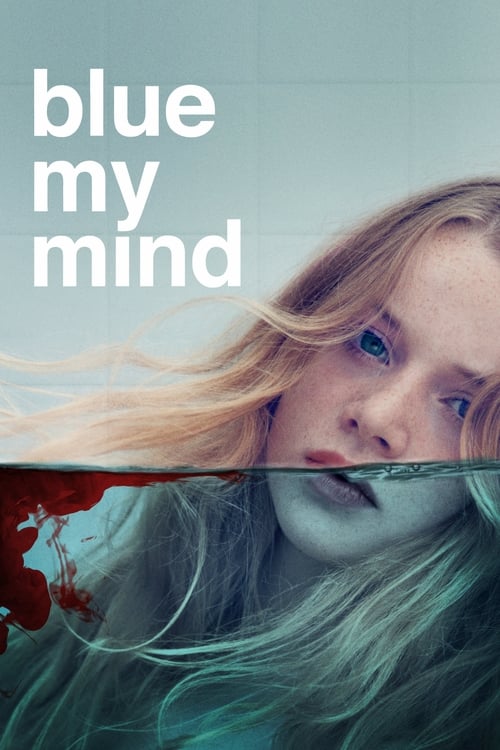
The prettiest mermaid stories still carry a threat. Transformation in these narratives is never painless: it costs voice, memory, or human connection. The Lure and Blue My Mind push that cost to its darkest end, stripping the fantasy down to something closer to body horror. Even Splash, built for mainstream comedy, frames Daryl Hannah's mermaid as perpetually endangered by the world she chose. The magic is always conditional.
Guillermo del Toro's Oceanic Empathy
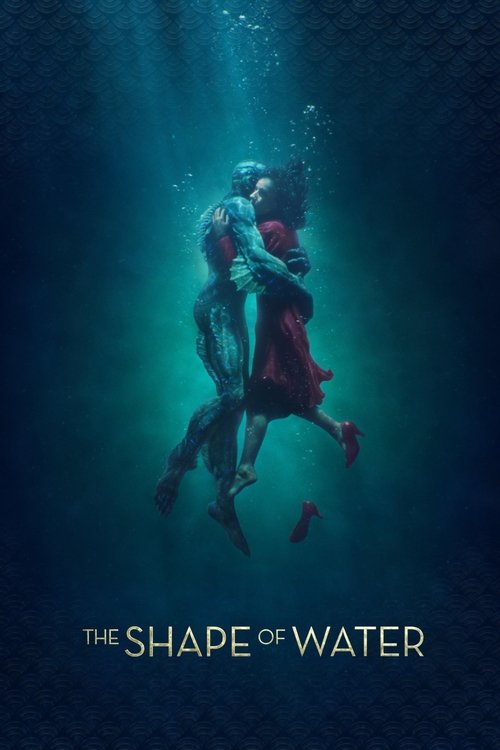
The Shape of Water is the rarest kind of mermaid story: one where the creature from the water is already there, and the human chooses to follow. Del Toro reframes the myth so that belonging to the deep is not a loss but a return. The film earns its ending because it treats the oceanic as sacred rather than threatening. It sits at the top of this genre by treating liminality not as a problem to resolve but as the condition of grace.
Subnautica and the Horror of Depth
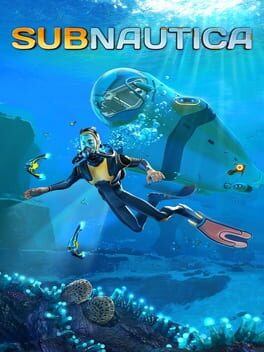
Subnautica translates the oceanic uncanny into first-person survival better than any other game. The player is always the mermaid here: swimming through a world that is beautiful and lethal in equal measure, building a home in the deep while the dark below refuses to give up its secrets. The fear is not monsters specifically but scale: the ocean does not care that you are there.
Seanan McGuire's Into the Drowning Deep
Into the Drowning Deep is what happens when a writer takes the mermaid myth seriously as an apex-predator story. McGuire's mermaids are not longing for legs: they are hunting. The novel works because it earns its horror through character investment first, then pulls the ocean over everything. It is the most useful corrective to the sanitized version of the myth.
The Mermaid Myth Across Time
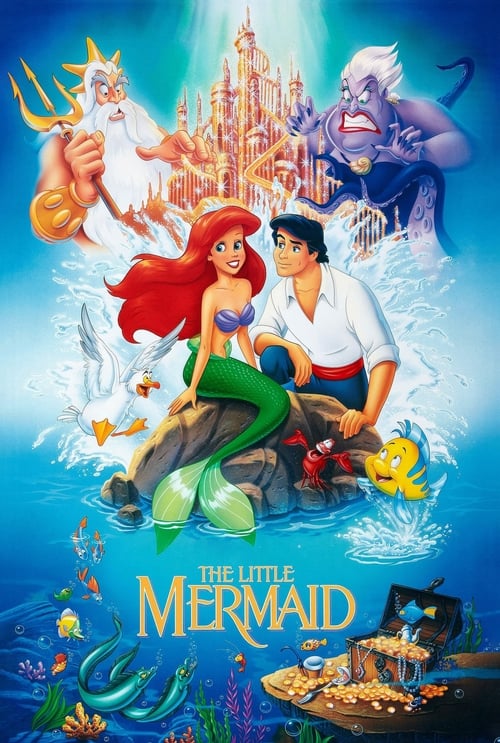
- 1836Hans Christian Andersen publishes the original fairy tale, cementing the template of sacrifice and longing Disney's The Little Mermaid
- 1984Splash brings the myth to mainstream American cinema as a romantic comedy with a quietly dark edge Splash
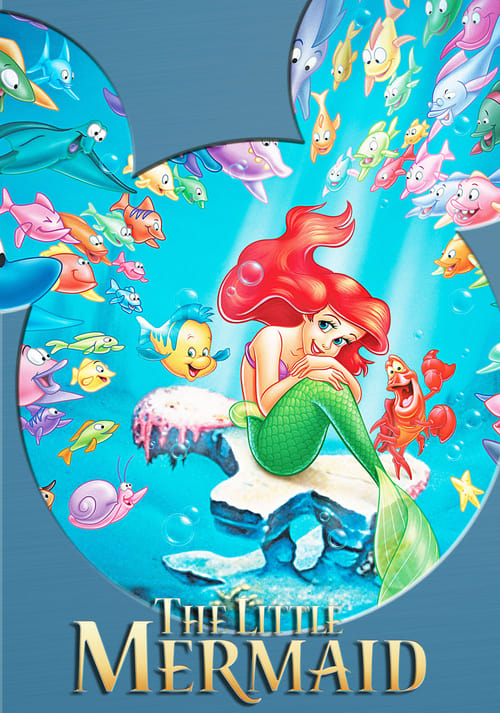
- 1989Disney's animated adaptation becomes the definitive popular version of the story for a generation The Little Mermaid
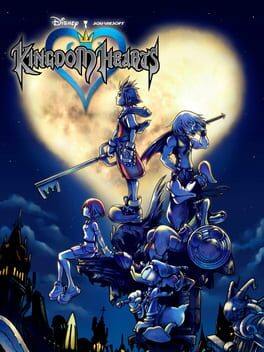
- 2001Kingdom Hearts places the Little Mermaid's world as one of its playable realms, merging the myth with action RPG Kingdom Hearts
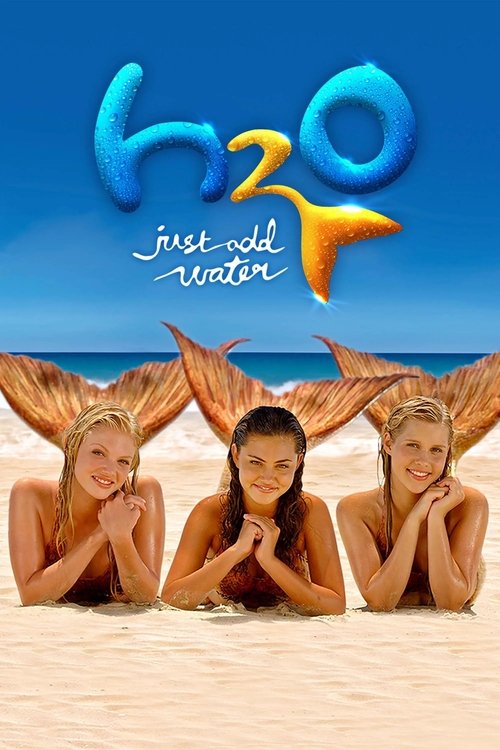
- 2006H2O: Just Add Water begins its run, bringing mermaid transformation stories to a new generation of TV viewers H2O: Just Add Water
- 2015The Lure, a Polish horror musical, recasts mermaids as apex predators and nightclub performers in 1980s Warsaw The Lure
- 2016Blue My Mind uses mermaid transformation as a metaphor for adolescent body change and alienation Blue My Mind
- 2017The Shape of Water wins the Oscar for Best Picture, making the oceanic creature the romantic lead rather than the threat The Shape of Water
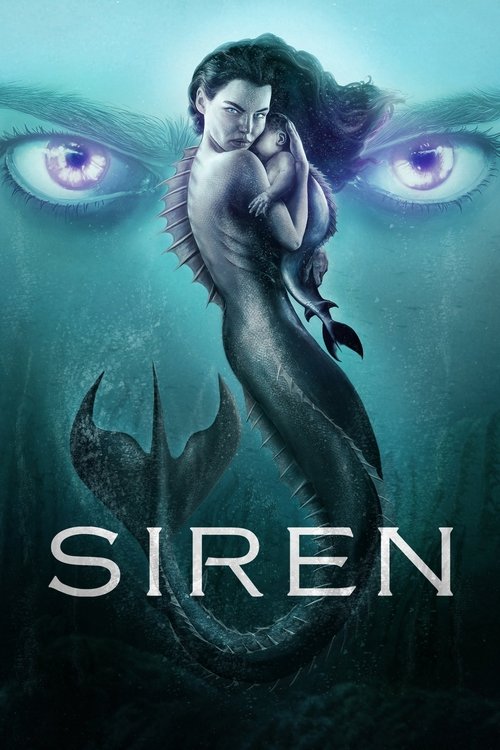
- 2018Siren (TV series) brings a darker, more predatory mermaid to US network television Siren
Sea Myth and the Deep
Mermaids & Sea Myth
Explore the Mermaids & Sea Myth guide →Every mermaid story is the same story: something beautiful lives where you cannot breathe, and you have to decide how much of yourself you will give up to reach it.The through-line of the myth