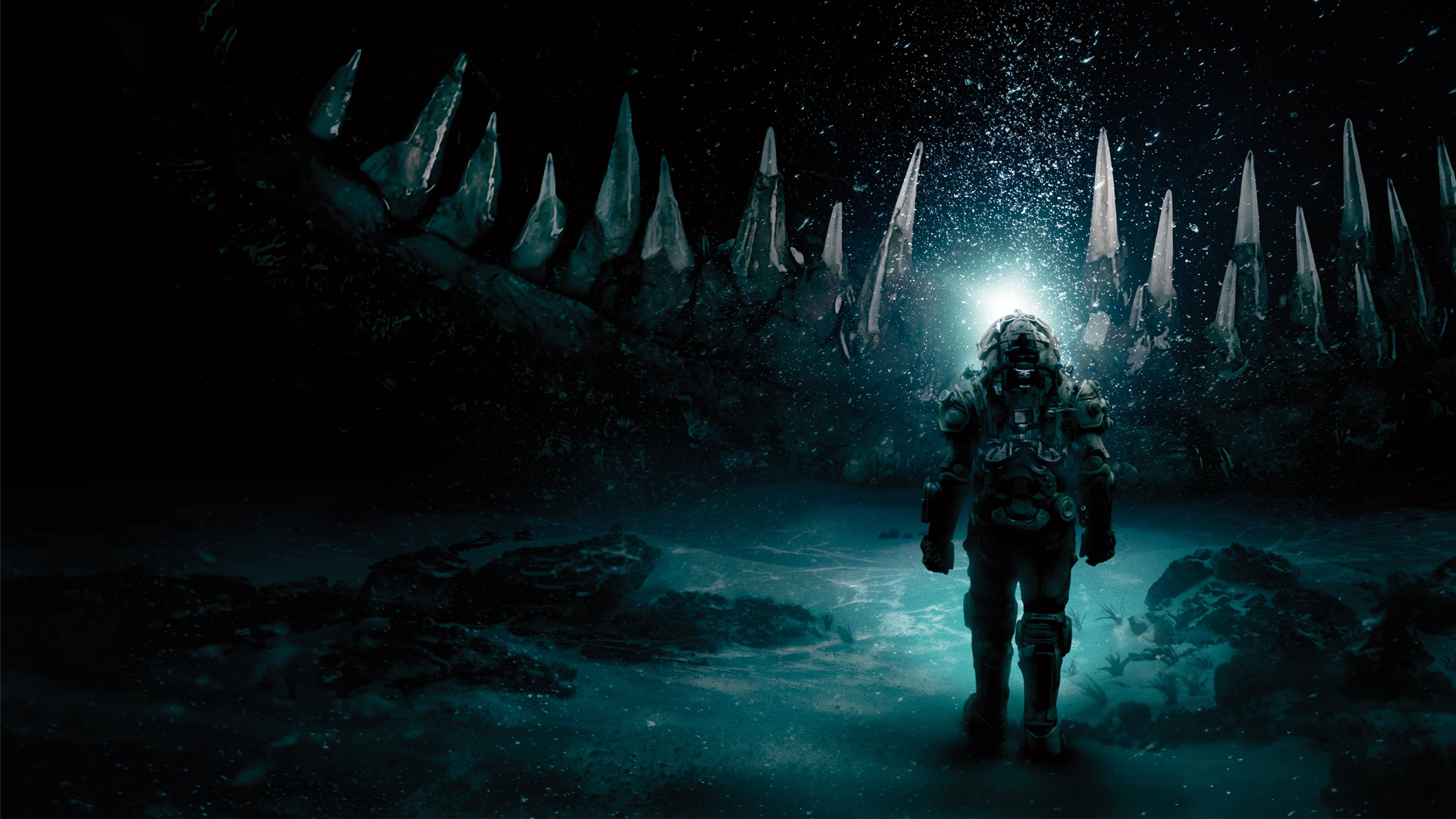

The deep sea is the largest habitat on Earth and the least explored. What draws fans across every medium is the same feeling: that sense of entering a space where the rules of the familiar world no longer apply. Pressure crushes steel. Light disappears. Creatures carry their own illumination. The deep ocean is genuinely alien, and the best films, series, novels, and games do not simply use it as a backdrop. They use it to ask what human beings do when stripped of sky, of warmth, of the comfort of a horizon. Fear is part of it. So is wonder. The works here share a through-line: the abyss looks back, and looking back changes you.
Essential Deep-Sea Cinema
Films that go all the way down
Deep-Ocean TV and Docuseries
Series that put you in the water



Novels of the Deep
Books that descend into darkness


Games in the Abyss
Interactive works that use depth as a design element


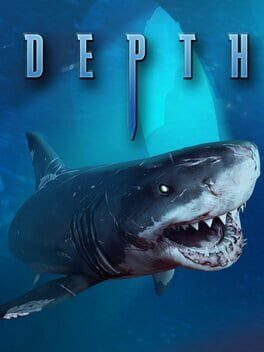
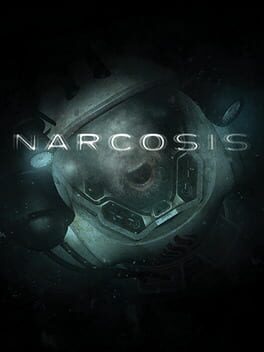
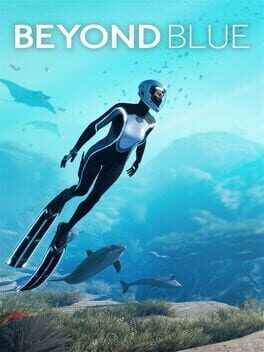
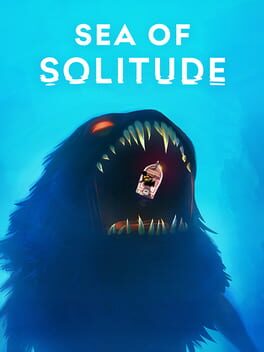

Music of the Deep
Scores and albums that carry the pressure of dark water
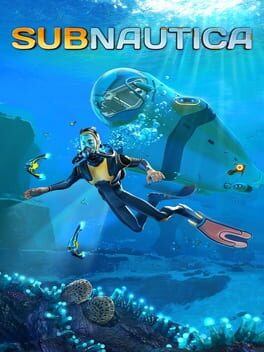
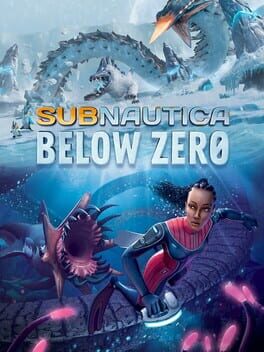
Subnautica earns its fear honestly
Most survival games use scarcity as their primary threat. Subnautica uses scale. The moment you swim over the lip of the first drop-off and the seafloor vanishes beneath you into blackness, the game has done something few works in any medium manage: it has made you feel genuinely small against a space that is both real and fictional at the same time. The horror is not jump-scare horror. It is the slow recognition that you do not belong here, and the ocean knows it.
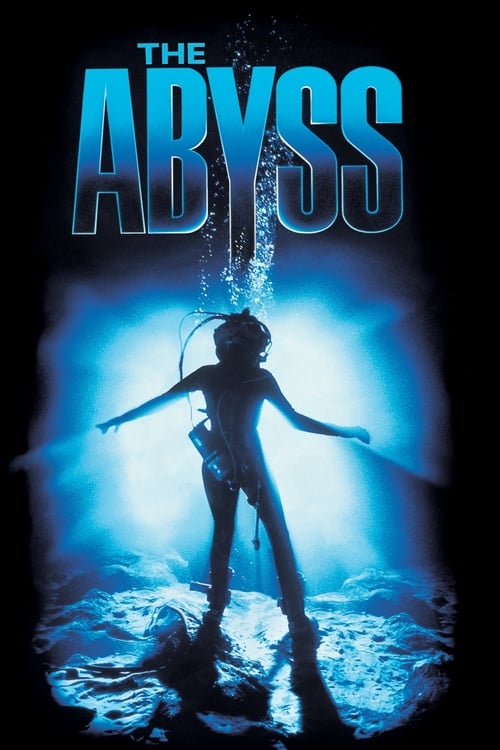
The Abyss is still the standard
James Cameron made The Abyss in 1989 under conditions that were, by the accounts of nearly everyone involved, genuinely brutal. The result holds up not because of the visual effects, which were groundbreaking, but because the film earns its wonder incrementally. It starts as a workplace thriller, builds into a submarine siege, and arrives at something close to a spiritual encounter. The water sequences feel real because, in many cases, they were filmed in actual water, at actual depth. The claustrophobia is not manufactured.
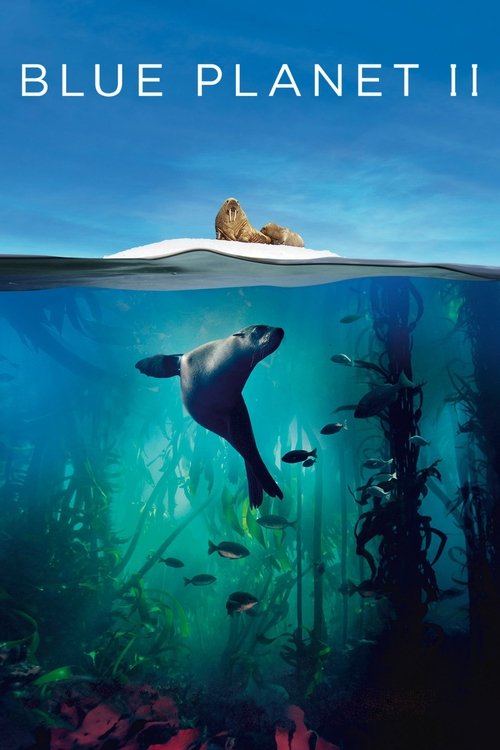
Blue Planet II is the gateway drug
For viewers who came to deep-sea content through nature documentary rather than genre fiction, Blue Planet II is the entry point that made the abyss feel urgent rather than remote. The sequences in the bathypelagic zone, lit only by bioluminescence, look exactly like the alien-contact scenes that science fiction had been imagining for decades. Hans Zimmer and Jacob Shea's score adds to the sense that you are watching something genuinely new. The BBC production represents what careful, patient cinematography can do in an environment that actively resists it.
Into the Drowning Deep commits to the bit
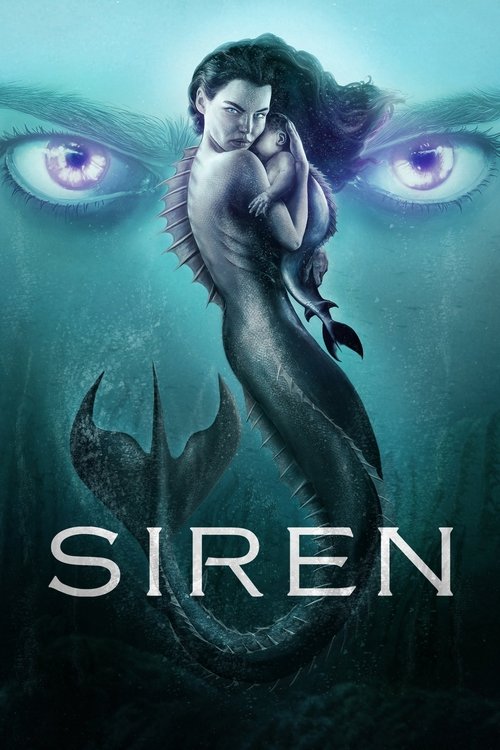
Seanan McGuire's novel takes the deep-sea creature feature premise completely seriously and does not apologize for it. When the mermaids arrive, they are not romantic. They are precisely as terrifying as anything that has evolved in a lightless environment with no reason to develop sympathy for air-breathers should be. The book earns comparison to early Michael Crichton: a scientific premise, a contained setting, characters who die because the environment is simply more capable than they are. Genre readers who want a page-turner that does not condescend will find it here.
Milestones of Deep-Sea Storytelling
- 1870Jules Verne publishes Twenty Thousand Leagues Under the Sea, the founding text of submarine fiction. Twenty thousand leagues under the sea
- 1954Disney's adaptation of 20,000 Leagues Under the Sea brings the Nautilus to the screen. 20,000 Leagues Under the Sea
- 1989James Cameron's The Abyss sets a new standard for deep-sea film production. The Abyss
- 2001The original Blue Planet BBC series takes deep-sea documentary to a mass audience. Blue Planet II
- 2007Cormac McCarthy's The Road captures a different kind of abyss: the surface world destroyed, which drives readers toward oceanic themes by contrast.
- 2017Blue Planet II airs and bioluminescent deep-sea footage becomes a cultural moment. Blue Planet II
- 2018Subnautica releases from Early Access and becomes the definitive deep-ocean survival game. Subnautica
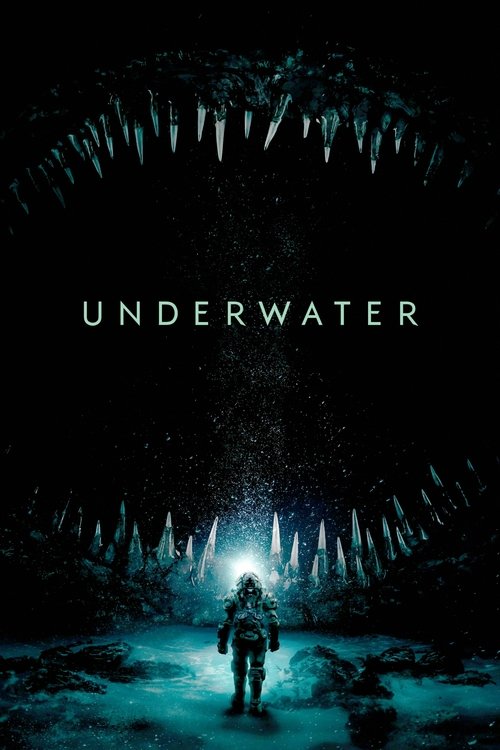
- 2019Kristen Stewart's Underwater and the novel Into the Drowning Deep both bring deep-sea horror back to the mainstream. Underwater
- 2021Iron Lung distills deep-sea claustrophobia into a 20-minute horror game that becomes a cult hit. Iron Lung
Deeper into the abyss
Deep Sea
Explore the Deep Sea guide →The ocean is a desert with its life underground and a perfect disguise above.America, 'A Horse With No Name' (1971)