
Nick Cave occupies a singular position in music and beyond: the Australian-born artist who moved to Berlin, then London, then Brighton, and pulled darkness with him everywhere. With the Bad Seeds he built a cathedral of sound rooted in American blues, gospel, murder ballads, and literary Southern Gothic, then let it collapse and rebuilt it stranger each time. His voice drops like a verdict. His lyrics read like scripture rewritten by someone who lost their faith but kept the awe. The through-line that obsessive fans recognize is a preoccupation with love, grief, violence, and the sacred, never sentimentalized, always earned. Whether he is scoring a brutal Australian outback film, writing a novel about a serial killer, or tearing through a grief-soaked orchestral record after the death of his son, Cave operates in the register of the genuinely felt. This is a guide to everything that shares that register.
Essential Nick Cave
The core Bad Seeds catalog, plus key solo and Grinderman work
If You Love Cave the Screenwriter and Composer
Films he wrote or scored, where the brutality and beauty are inseparable

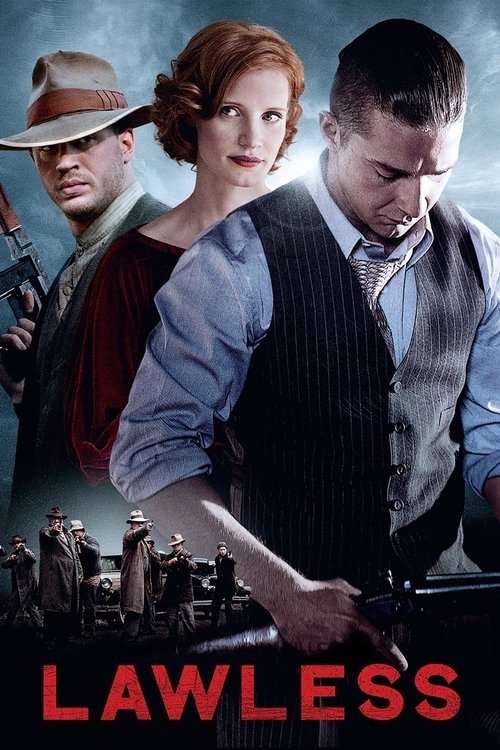
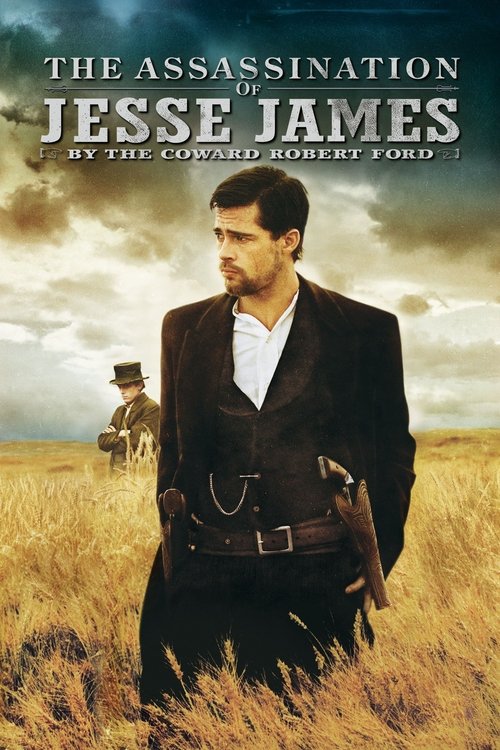
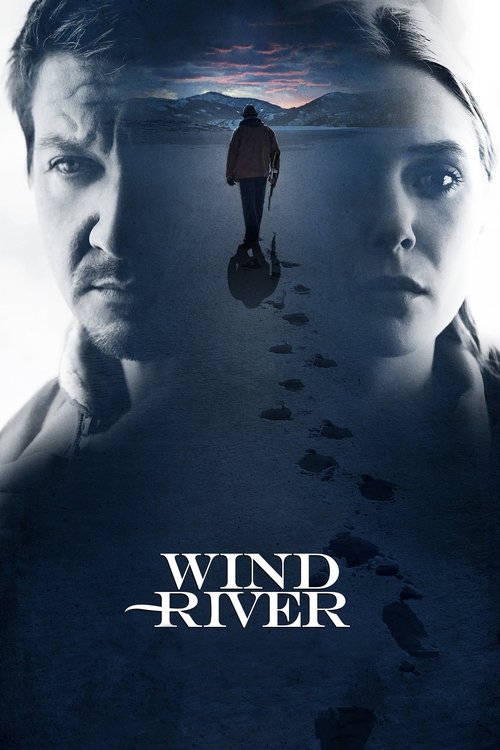
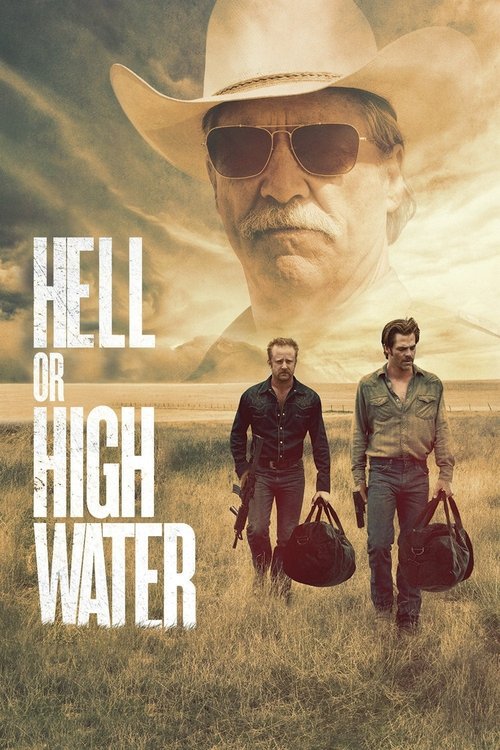
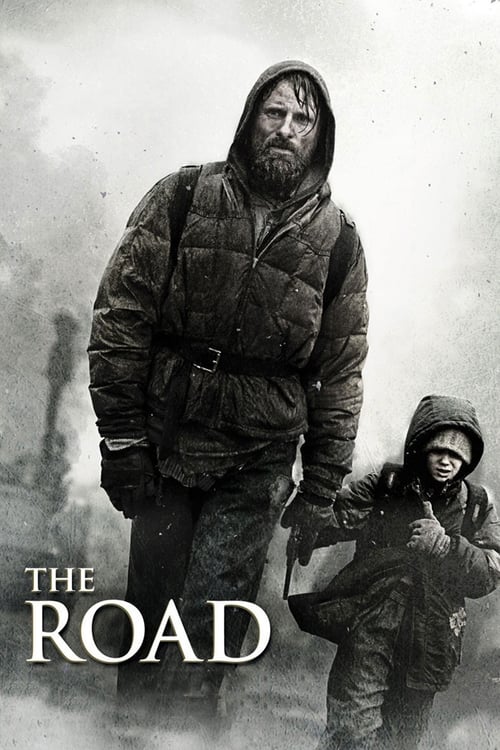
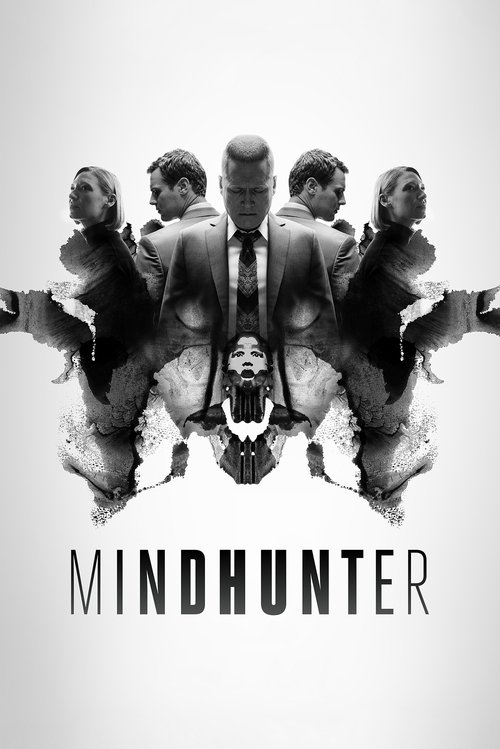
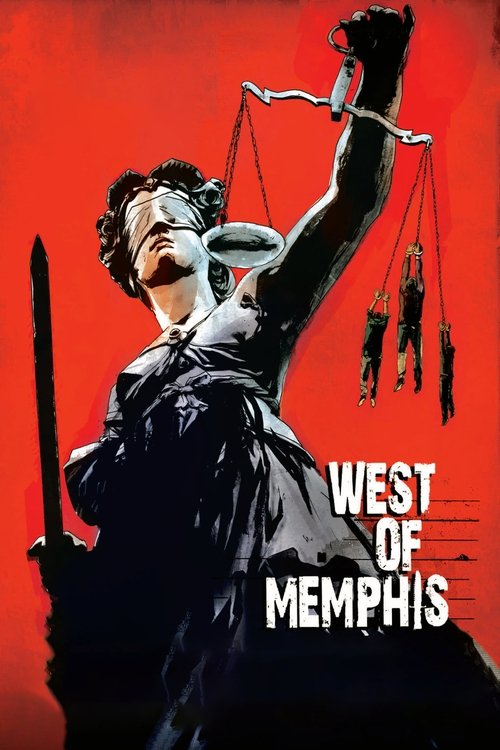
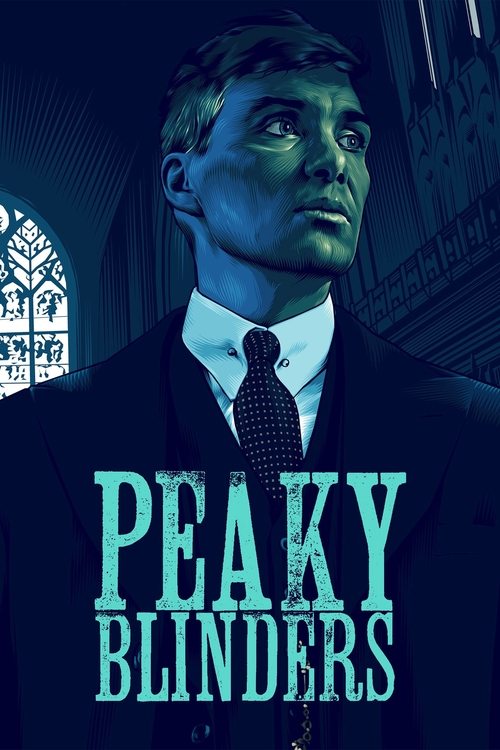
The Same Gothic Dark: Films and Series
The same dread, broken faith, and violent beauty Cave fans live for
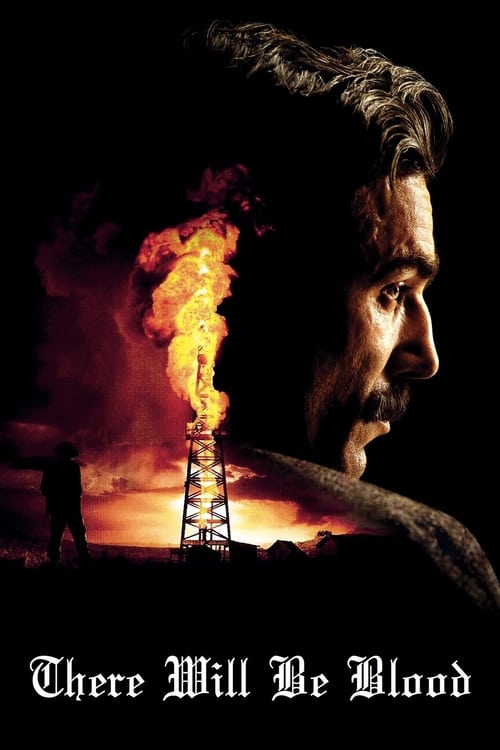
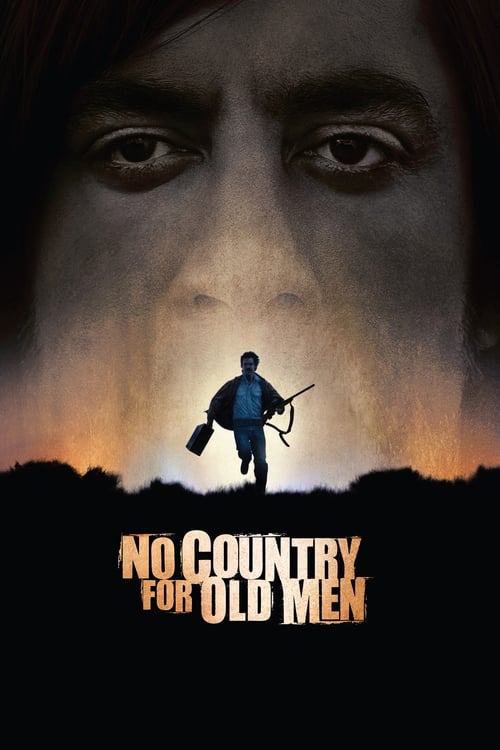
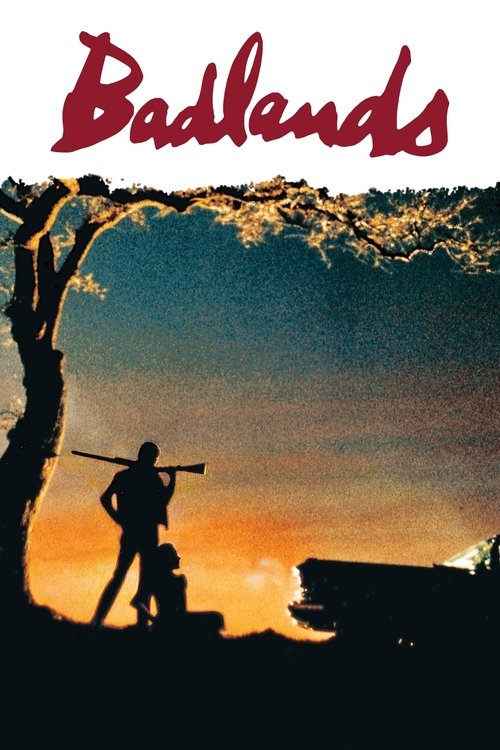
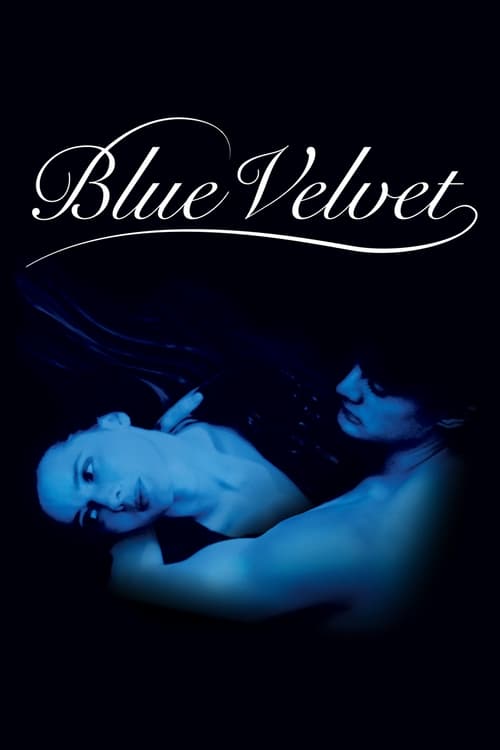
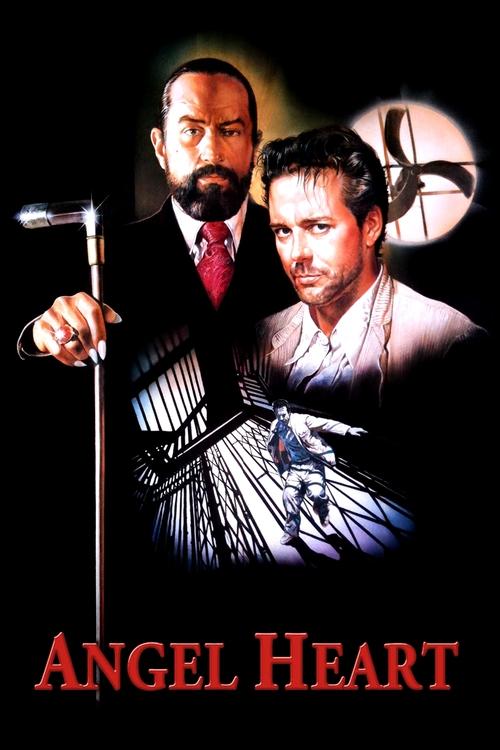
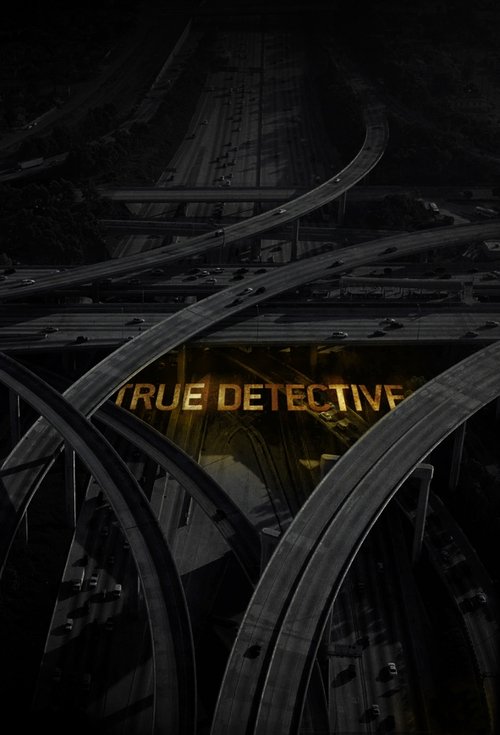
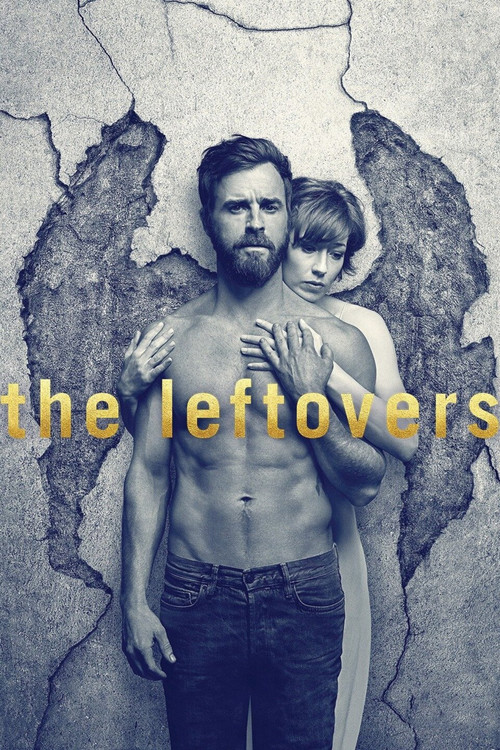

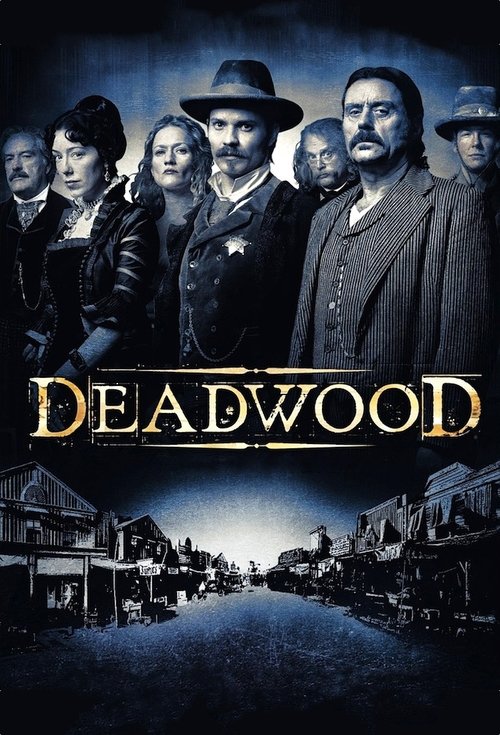
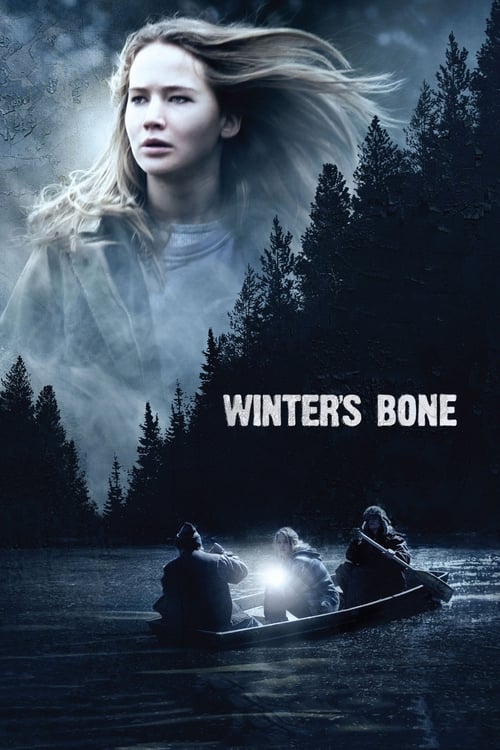
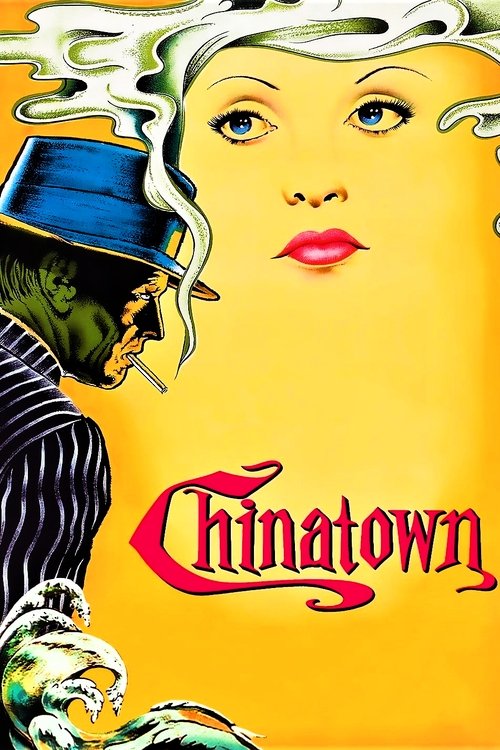
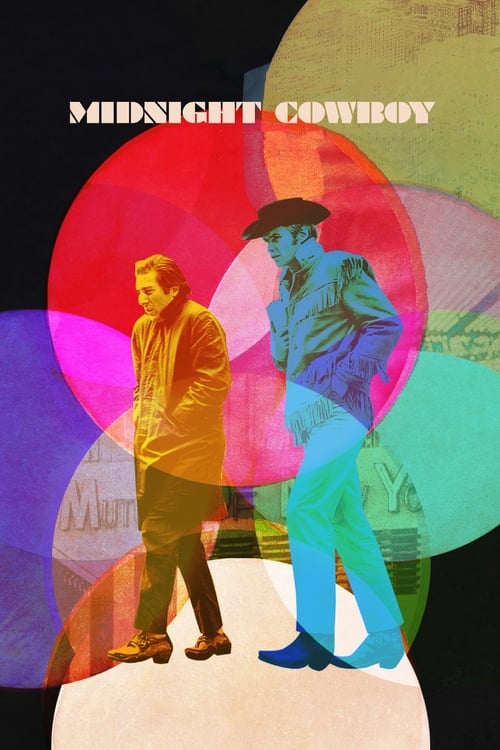
Artists Who Share Cave's World
Music that lives in the same dark cathedral

Cave the Author: His Books and Their Companions
His novels, his lyric essay, and the literary world that feeds into his work


The Boatman's Call Is Where the Pose Drops
Most Cave records carry some theatrical armour. The Boatman's Call stripped all of it away. Recorded after a string of personal losses and the end of his relationship with PJ Harvey, it is just piano, voice, and the barest band, and it landed like a confession. The religious imagery here is not gothic decoration; it is genuine struggle. This is the record that converts people who think they don't like Nick Cave.
Skeleton Tree and Ghosteen Are a Single Grief Work
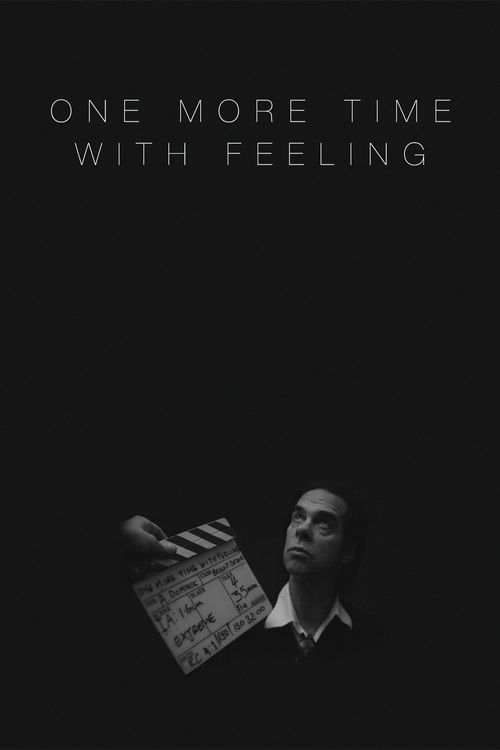
After the death of his son Arthur in 2015, Cave made two records that together form something unprecedented in rock music: a real-time document of catastrophic loss. Skeleton Tree was partially written before but recorded in the aftermath; Ghosteen was made entirely inside the grief. They do not dramatize loss, they inhabit it. One More Time with Feeling, the film made alongside Skeleton Tree, is essential viewing alongside them.
The Proposition Is the Great Australian Western
Cave wrote the screenplay in three weeks and the result is one of the most brutal and genuinely literary films to come out of Australia. Set in the 1880s outback, it uses the conventions of the Western to examine colonial violence, family loyalty, and what civilization actually costs. John Hillcoat directs. The score, by Cave and Warren Ellis, is as important as the images. It plays like a Bad Seeds record you can watch.
A Life in Dark Art
- 1979The Birthday Party forms in Melbourne, releases Prayers on Fire
- 1984Nick Cave and the Bad Seeds debut with From Her to Eternity
- 1988Tender Prey, including The Mercy Seat
- 1989And the Ass Saw the Angel, his debut novel
- 1994Let Love In expands the Bad Seeds' sound Let Love In
- 1996Murder Ballads, featuring the duet Where the Wild Roses Grow with Kylie Minogue Murder Ballads
- 1997The Boatman's Call, an intimate and stripped-back masterpiece The Boatman’s Call
- 2005The Proposition screenplay and score with Warren Ellis The Proposition
- 2008The Death of Bunny Munro novel
- 2013Push the Sky Away, the Bad Seeds' most ambient record Push the Sky Away
- 201420,000 Days on Earth documentary
- 2016Skeleton Tree made and released in the shadow of personal tragedy Skeleton Tree
- 2016One More Time with Feeling, the film companion to Skeleton Tree One More Time with Feeling
- 2019Ghosteen, a continuation of the grief begun on Skeleton Tree Ghosteen
- 2022Faith, Hope and Carnage, a long-form interview book with Sean O'Hagan
- 2024Wild God, a record of returning light
Murder ballads, deserts, and dark Americana
For Fans of Cormac McCarthy
Explore the For Fans of Cormac McCarthy guide →I feel that what we do is essentially create beauty from suffering. That seems to me to be the highest purpose of art.Nick Cave