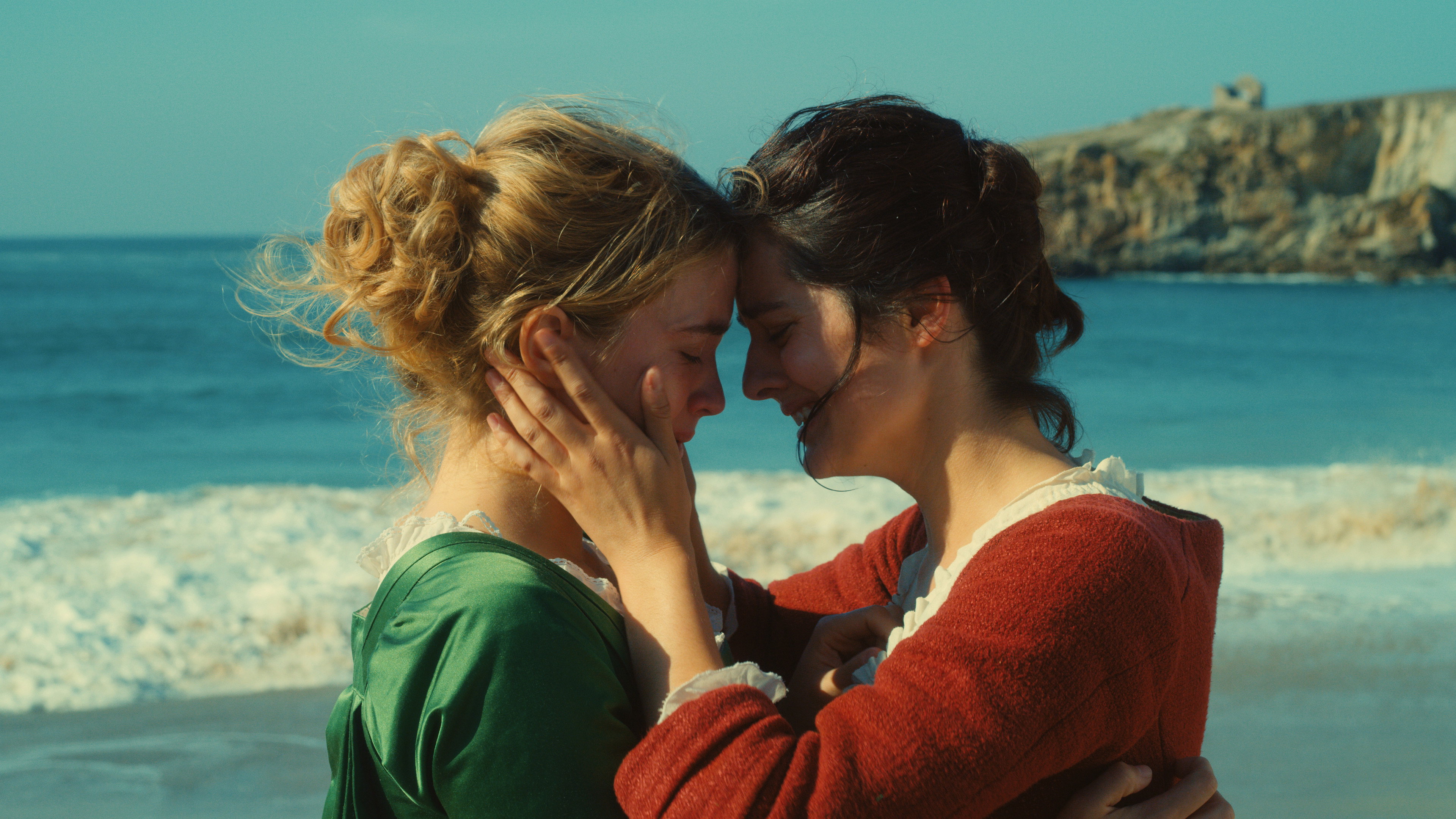

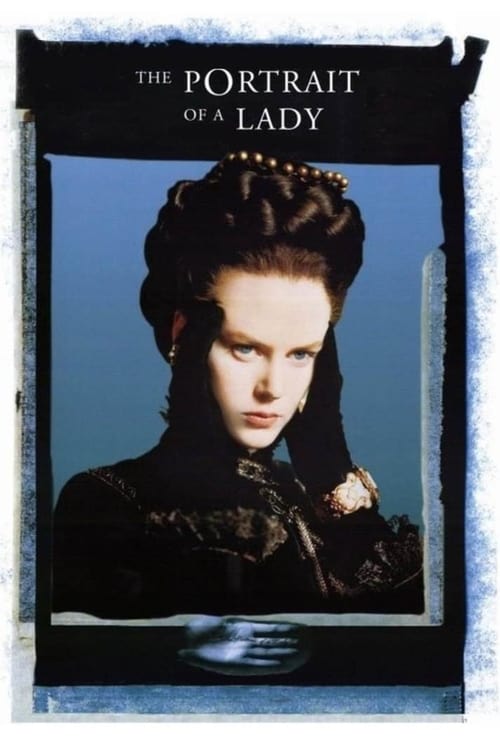
Celine Sciamma's 2019 film is one of the most quietly devastating love stories ever put on screen. Set on a remote Breton island in the late 18th century, it follows a painter hired to secretly complete a wedding portrait of a young aristocrat who refuses to sit. What follows is not just a romance but an investigation into the act of looking: who has the right to observe another person, what it means to truly be seen, and what form memory takes when love cannot be kept. Fans respond to its restraint, its refusal of melodrama, its absolute confidence that showing is more powerful than telling, and the way it ends with an image that is almost unbearable in what it withholds. If those qualities are what you loved, the works below chase the same feeling.
Essential Portrait of a Lady on Fire
The film's own world, and the director's closest companions
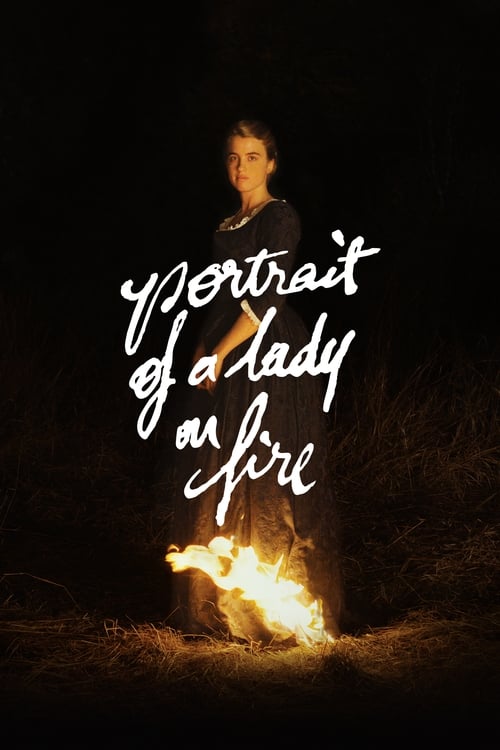
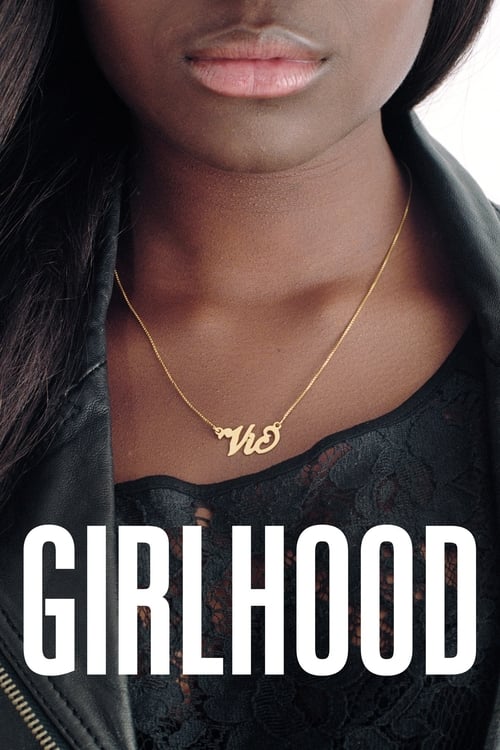
Same-vibe films: slow burn, beautiful and precise
Films that trust silence and image over explanation


Series that earn their slowness
Television that gives longing room to breathe
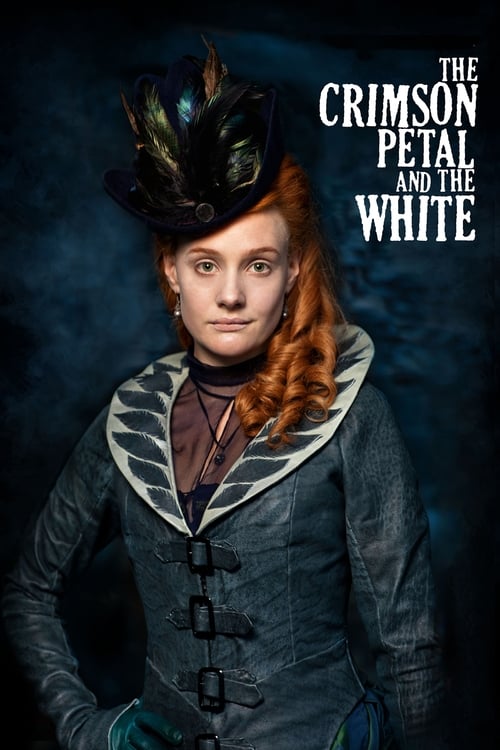
The novels that live in this register
Books about desire, constraint, and the cost of invisibility


Games that share its intimacy and dread
Slow, interior, and about the weight of a single choice


The gaze is the story
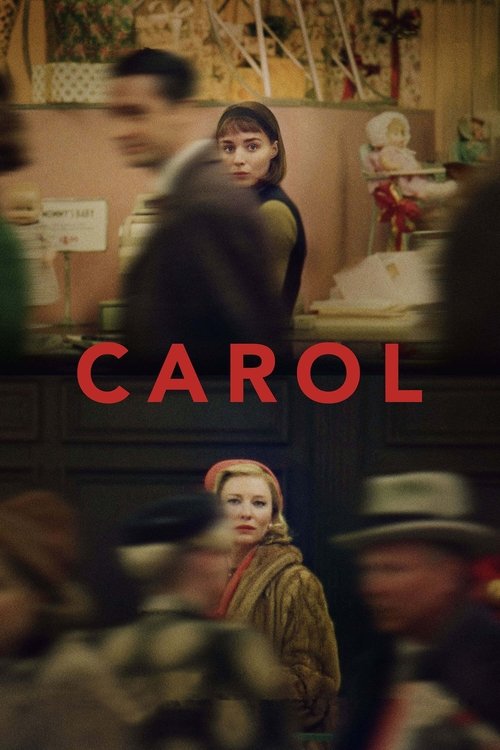
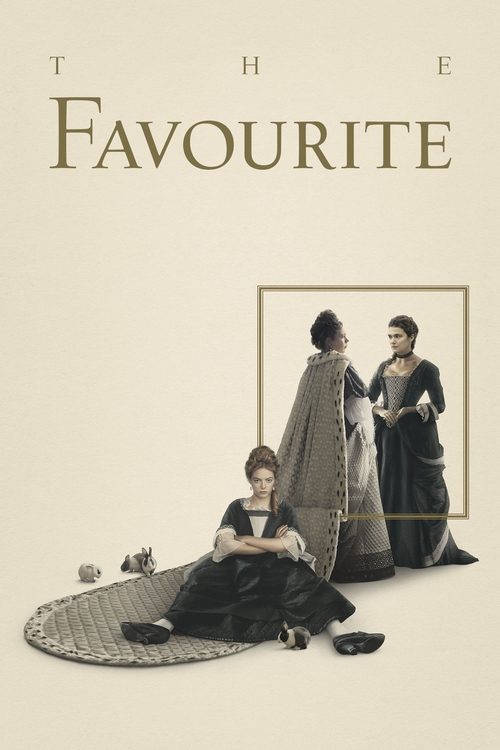
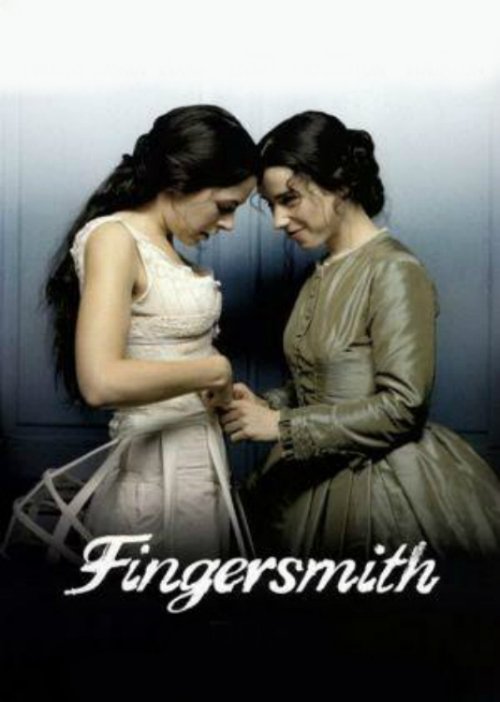
What makes Portrait of a Lady on Fire singular is that it makes looking its explicit subject. Marianne is hired to paint Heloise without Heloise knowing, so every scene becomes an act of observation charged with guilt and longing. Sciamma shows us what Marianne sees, then cuts to Heloise noticing she is being watched. The film asks: can a portrait be made with love and still be a form of possession? Other films and books that circle this question: Carol places the camera squarely in the observer's position; The Favourite turns spectatorship into power and cruelty; Fingersmith is a novel entirely structured around who is watching whom and why.
Period setting as pressure cooker
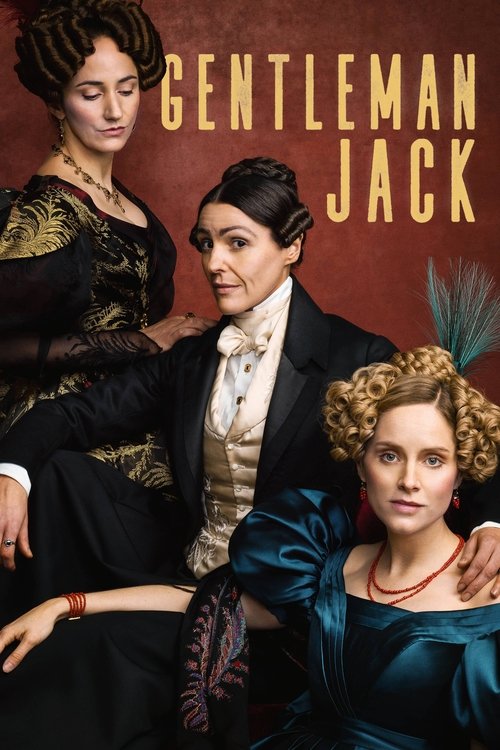
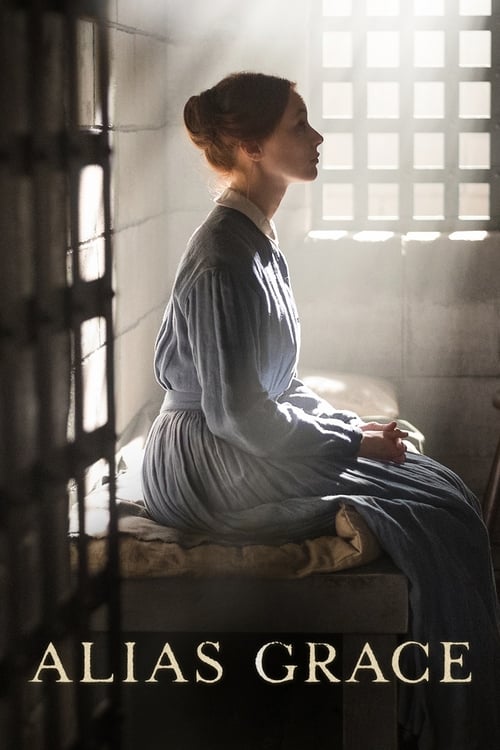
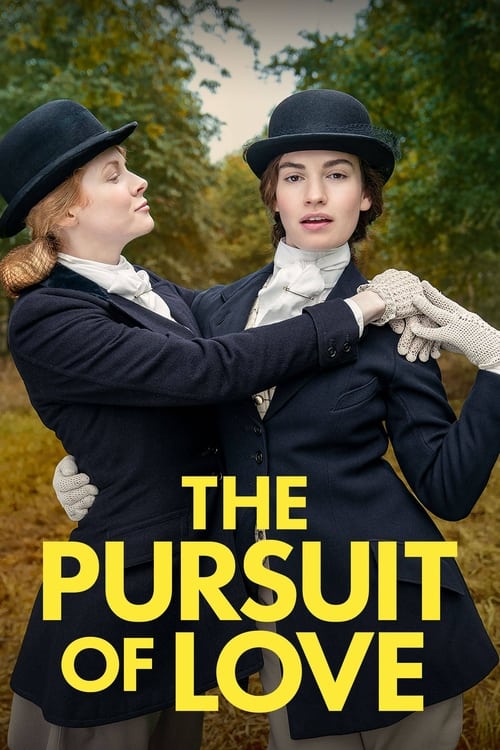
The 18th-century setting is not decoration. The formal portrait commission is the only reason two women are alone together; the island isolation creates the only world in which their relationship can exist. Sciamma uses period constraint the way the best historical fiction always has: to show how fully people lived inside very small spaces. Gentleman Jack does the same for its era, as does Alias Grace, which examines what a confined woman is allowed to say, know, and remember. The Paying Guests uses the compressed social world of 1920s lodging-house life to the same effect.
Endings that do not resolve
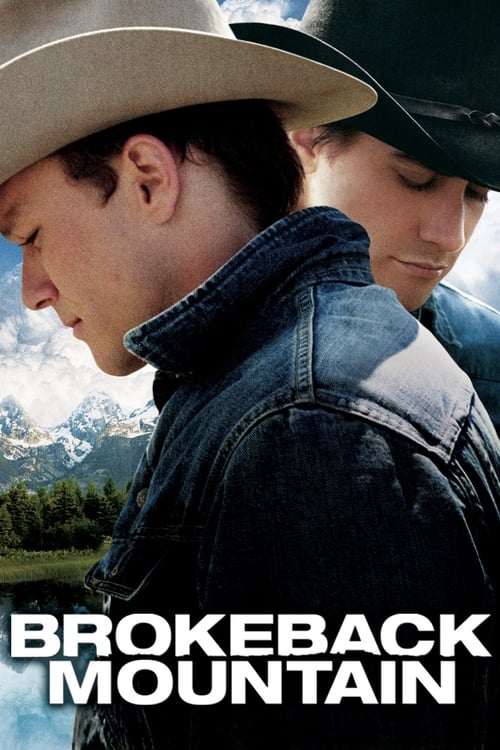
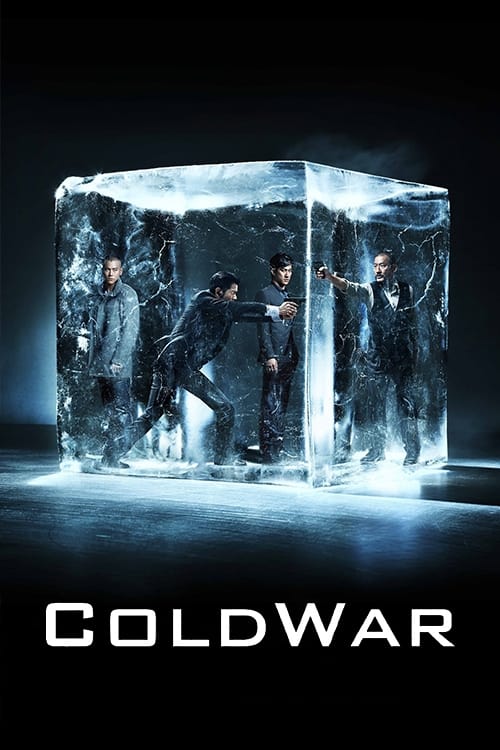
The final scene of Portrait of a Lady on Fire is famous for what it refuses to do. It does not reunite, explain, or comfort. It observes. That kind of ending asks the audience to carry the weight, and it rewards viewers who are willing to. Cold War ends the same way, choosing a single image over closure. The Hours refuses to resolve its characters into happiness. Brokeback Mountain commits fully to loss without sentimentality. These are films and books that trust their audience to feel what cannot be stated.
When the story belongs to women
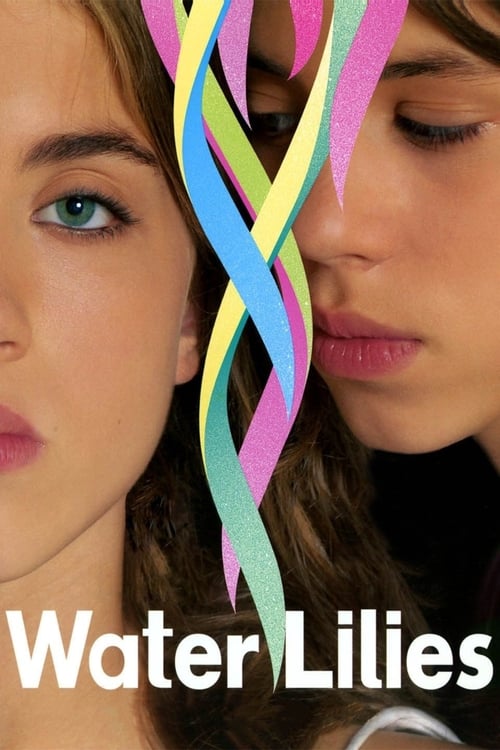
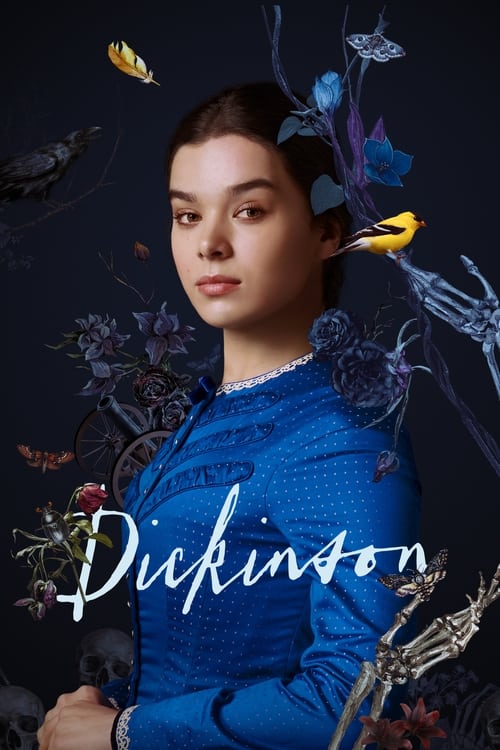
Portrait of a Lady on Fire was written, directed, and shot (by Claire Mathon) by women, and that is felt in every frame. The male gaze is structurally absent; the film's world is built entirely around what the women see, want, and decide. Girlhood and Water Lilies, Sciamma's earlier films, operate the same way. In television, Dickinson imagines Emily Dickinson's interiority with the same care. In fiction, Sarah Waters (Fingersmith, The Paying Guests, Tipping the Velvet) has built a career on historical stories where women's inner lives are the whole terrain.
A map of the feeling: key works across time
- 1928The Well of Loneliness published, one of the earliest novels centering lesbian identity Loneliness
- 1952Patricia Highsmith publishes The Price of Salt, the source for Carol The price of loyalty
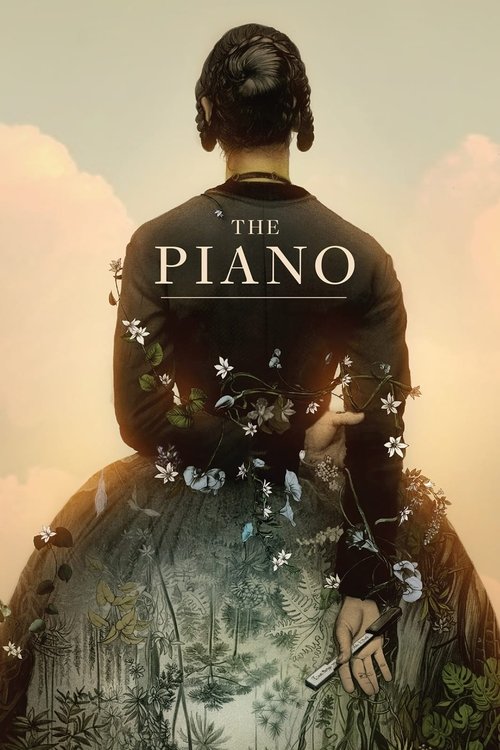
- 1993The Piano, a story of desire and constraint in a remote landscape, wins the Palme d'Or The Piano
- 1998Sarah Waters publishes Tipping the Velvet, launching her run of Victorian queer fiction
- 2005Brokeback Mountain brings the weight of an impossible love to mainstream cinema Brokeback Mountain
- 2015Carol adapts Highsmith's novel with Todd Haynes directing, Cate Blanchett starring Carol
- 2018Gentleman Jack begins, Anne Lister's coded diaries brought to BBC/HBO Gentleman Jack
- 2019Portrait of a Lady on Fire wins Best Screenplay at Cannes Portrait of a Lady on Fire
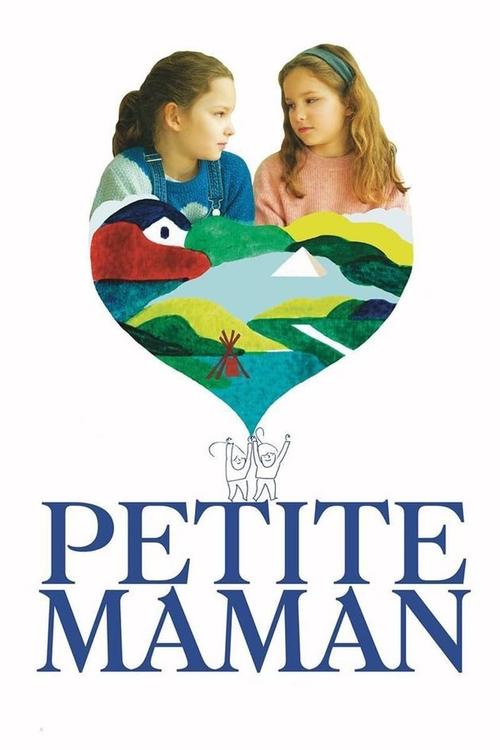
- 2021Petite Maman, Sciamma's follow-up, compresses the same emotional precision into 70 minutes Petite Maman
Forbidden love, longing, and looking
For Fans of Brokeback Mountain
Explore the For Fans of Brokeback Mountain guide →All lovers know this experience: another person becomes so vivid to you that everyone else goes slightly pale.CrossBinge editors, on what Portrait of a Lady on Fire gives its audience