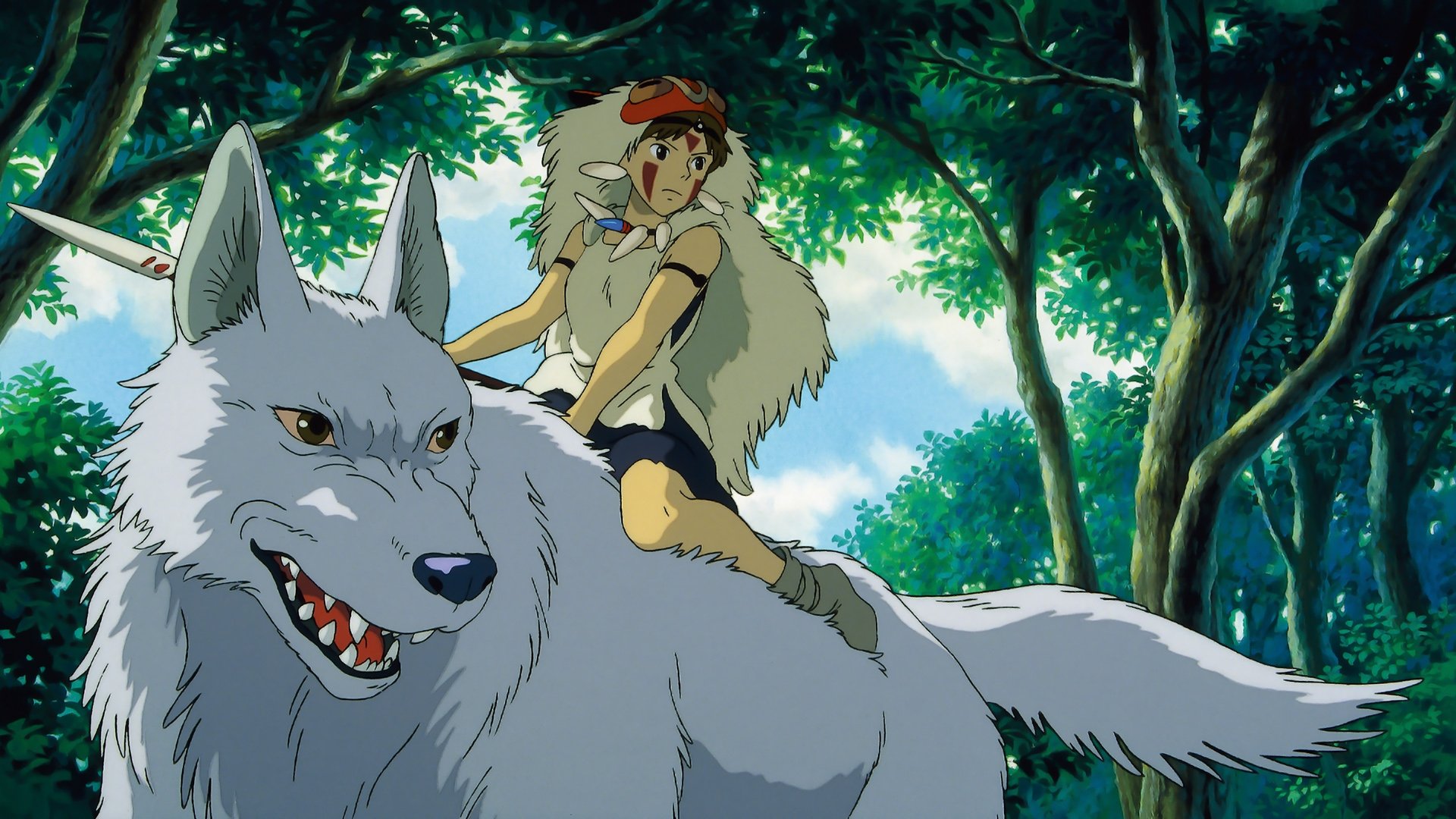

Princess Mononoke (Mononoke-hime, 1997) arrived as something rare: a blockbuster animated film that trusted its audience to sit with genuine ambiguity. Ashitaka rides into a war between the humans of Irontown, who want to tame nature for survival, and the animal gods of the forest, who will die rather than yield. Miyazaki gives both sides a real argument. San (Princess Mononoke) is feral conviction; Lady Eboshi is visionary pragmatism. Neither is the villain. The thing fans chase here is a specific quality of melancholy grandeur, where the beauty of the world is inseparable from its cost, and the hero can see all sides clearly enough to act but not enough to fix everything.
Essential Princess Mononoke
The film itself and Miyazaki's closest kin in his own canon
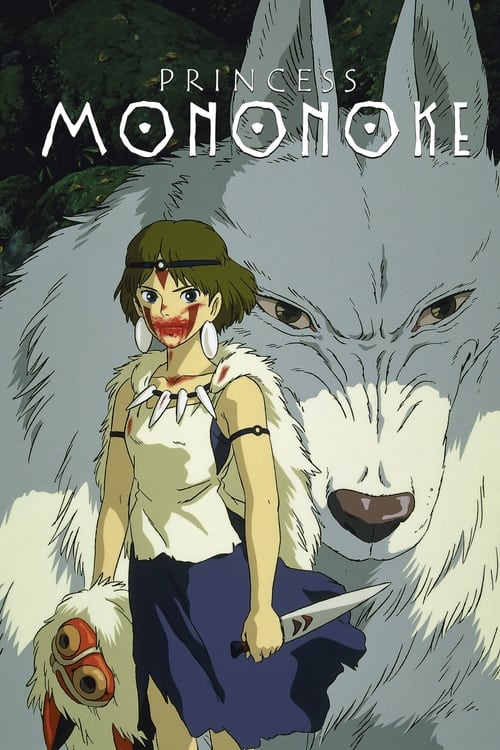
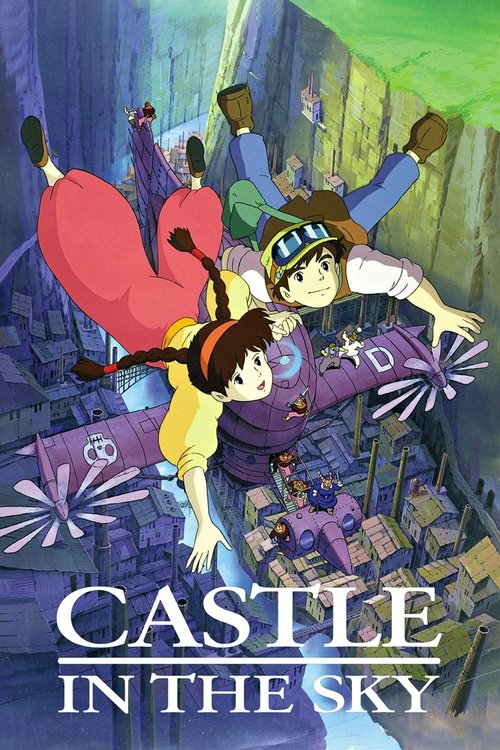
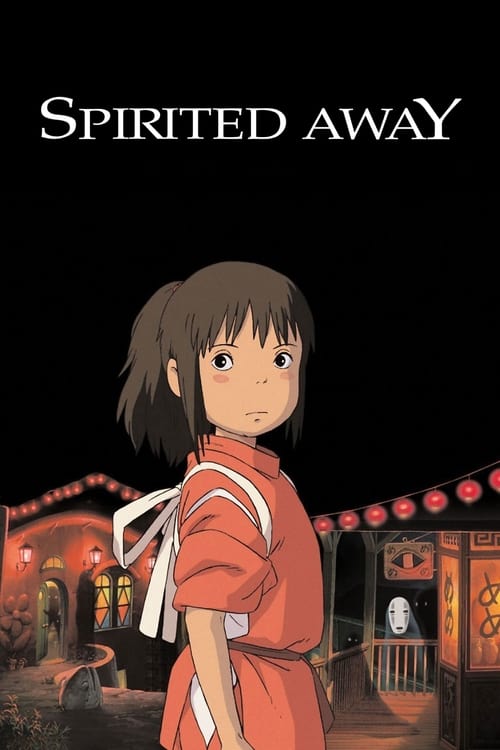
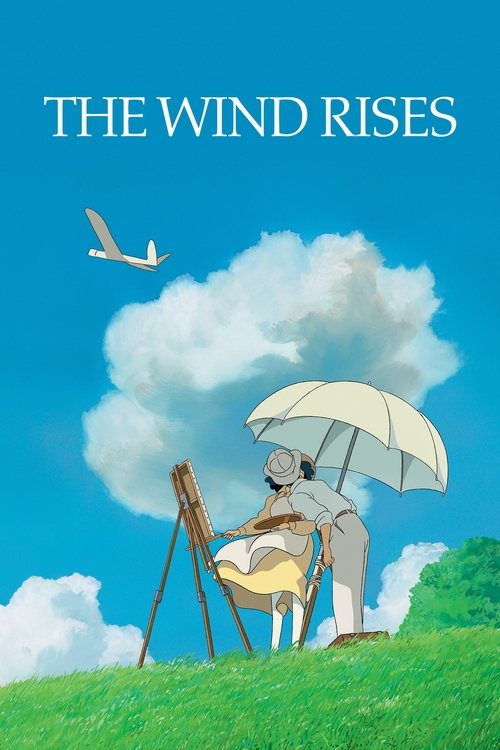
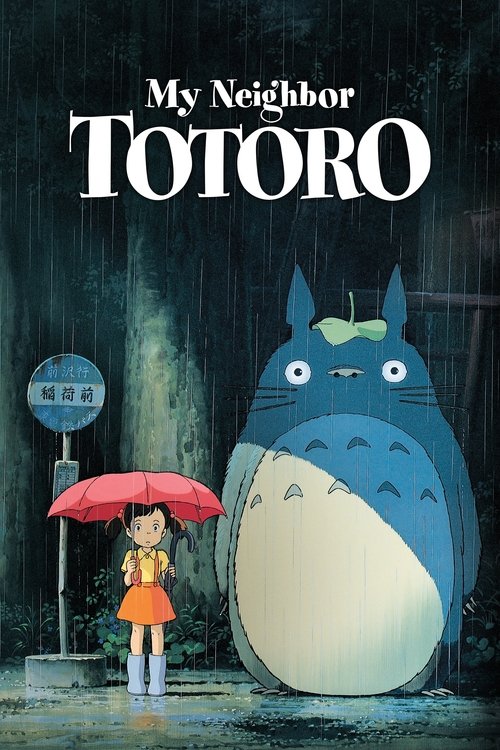
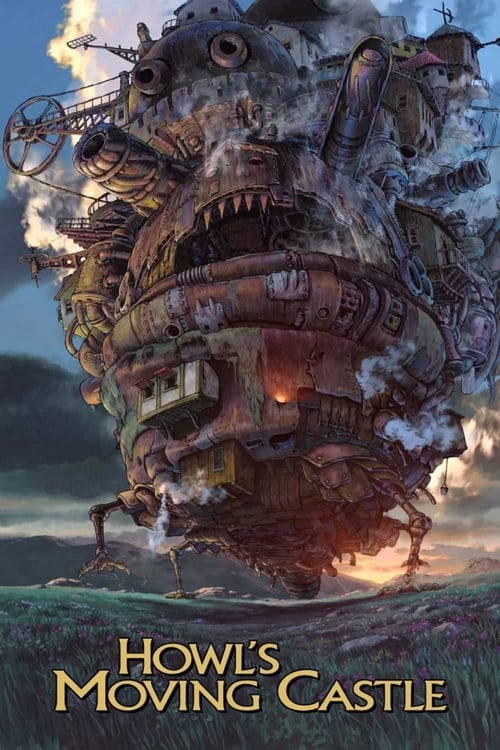

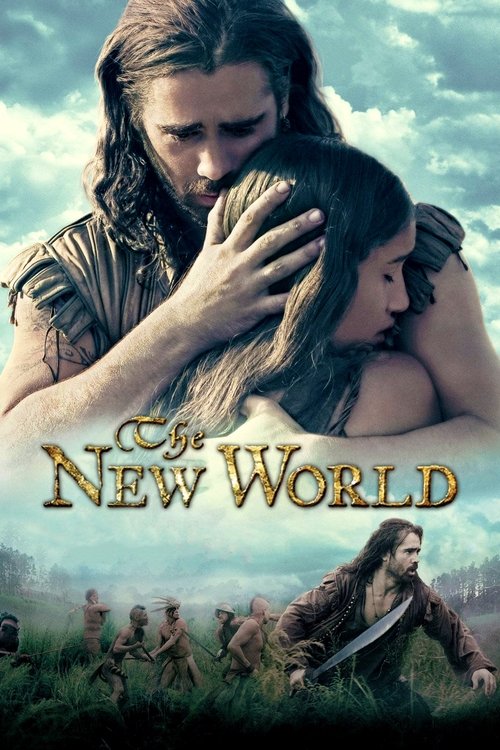
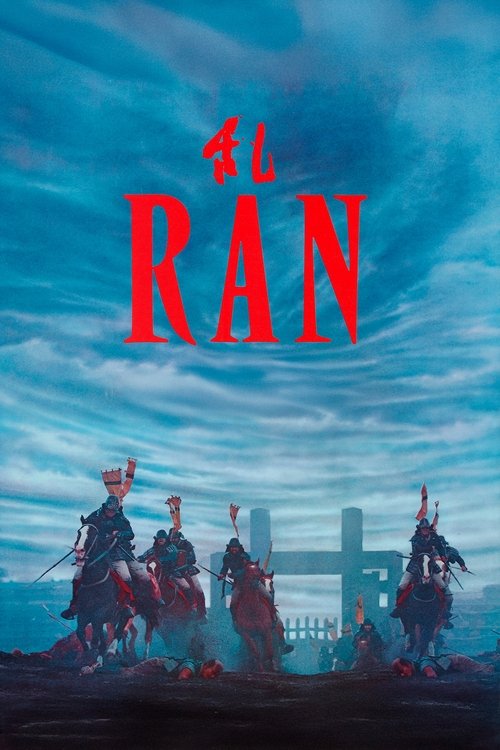
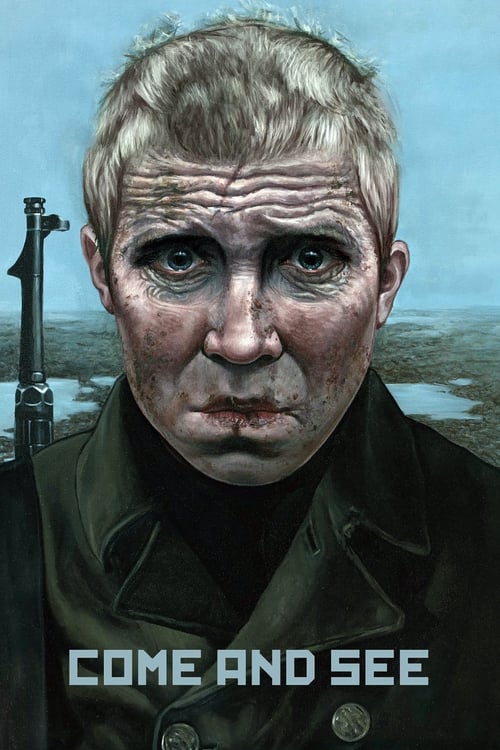
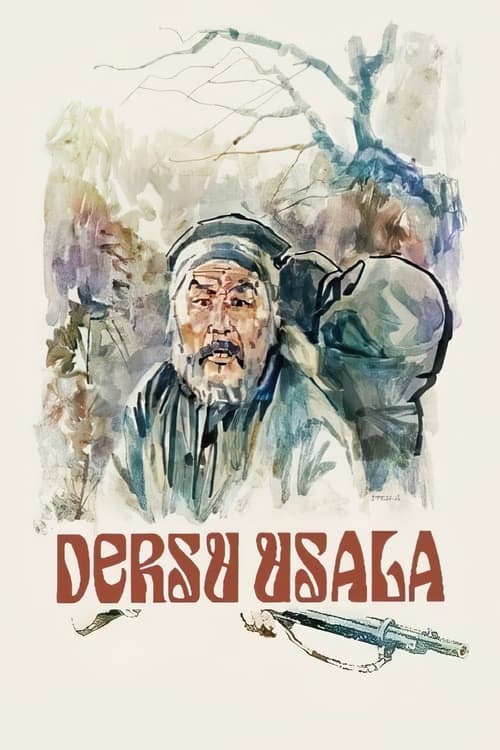
Films That Hold the Same Moral Weight
No clean villains, no easy answers, just forces of the world in collision
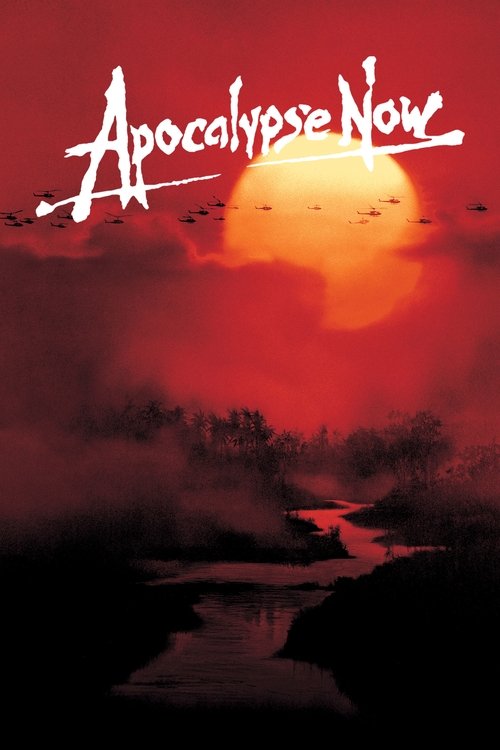

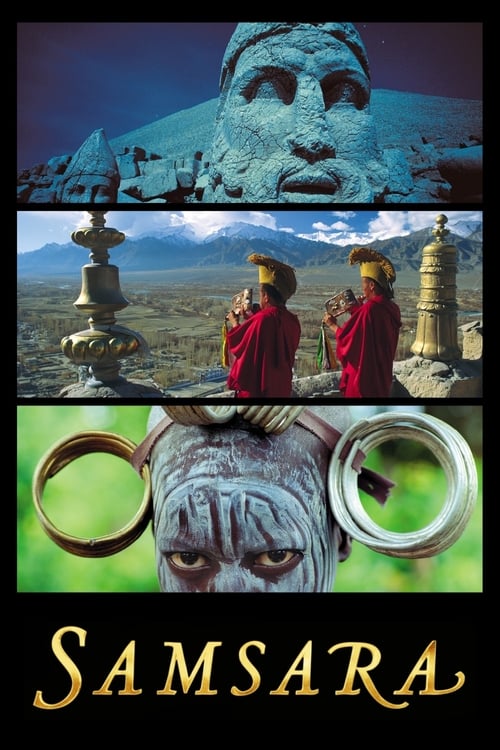
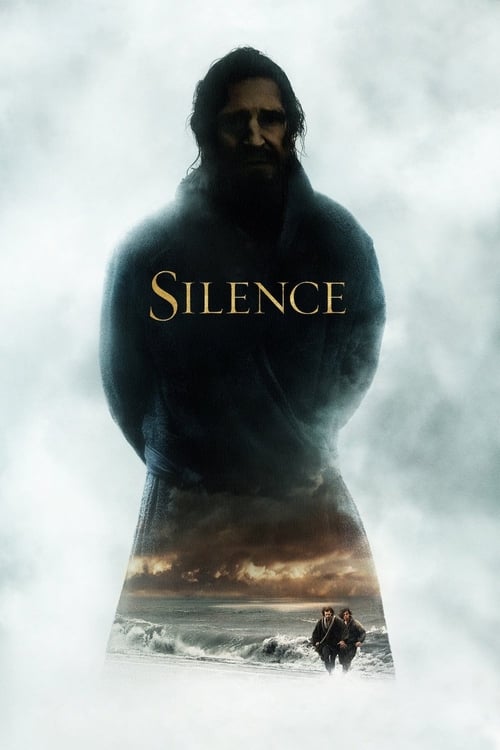
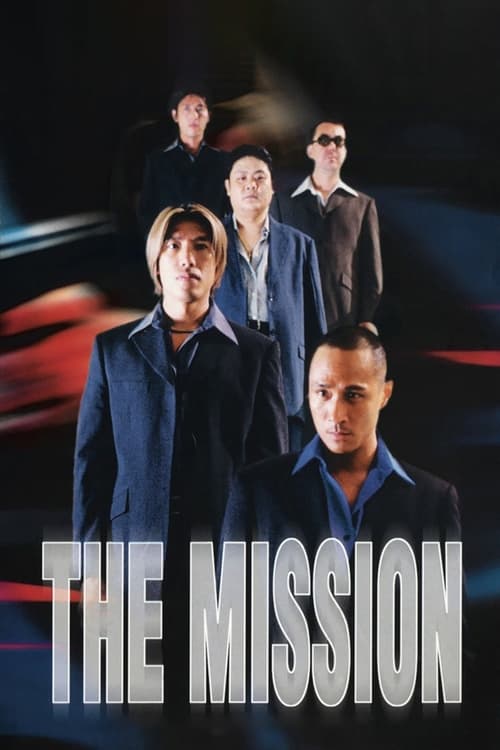
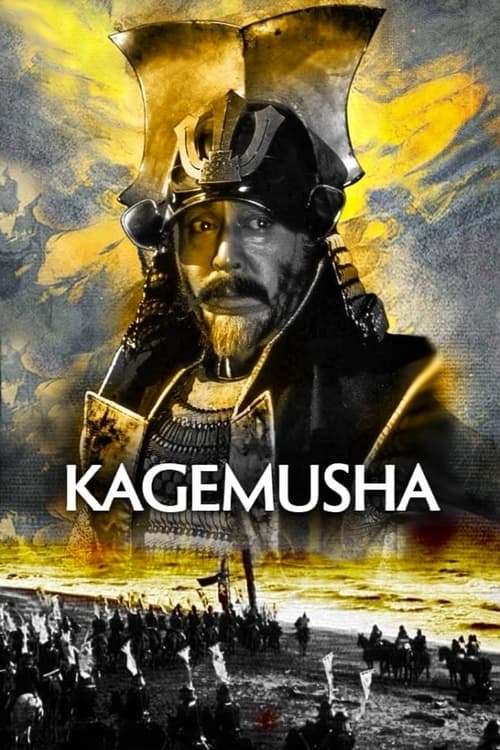
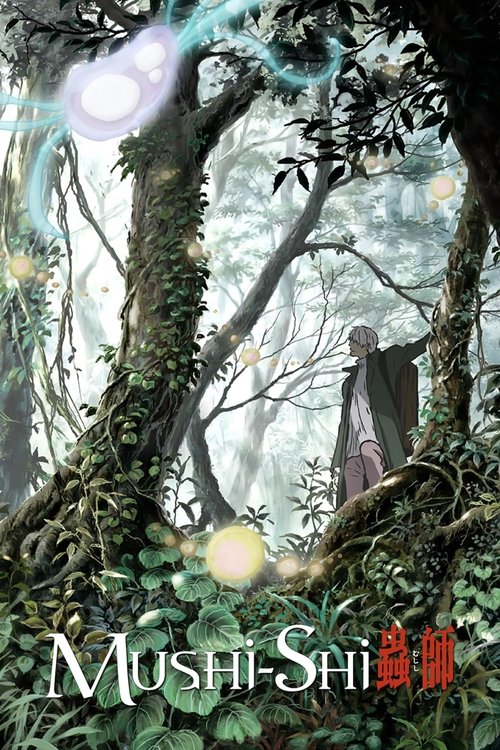
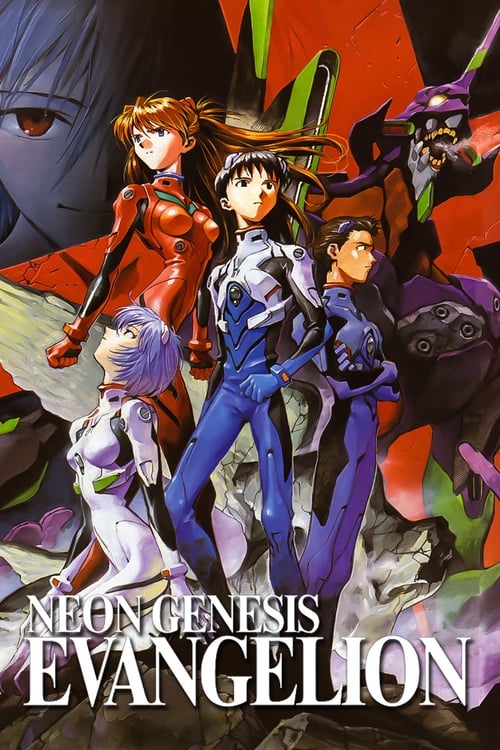
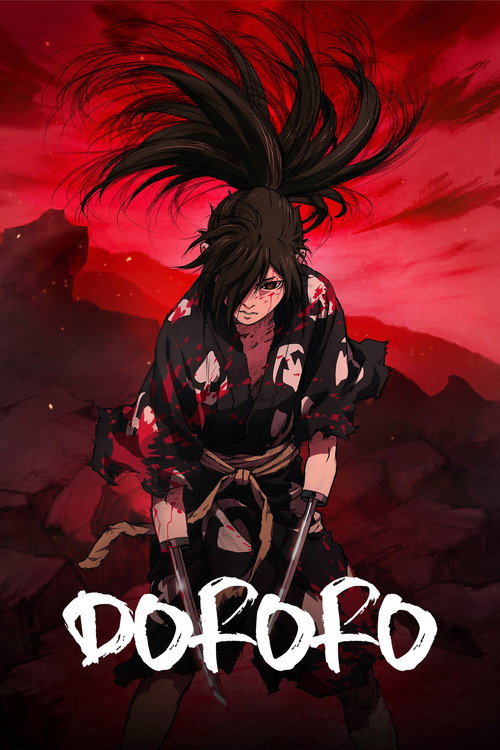
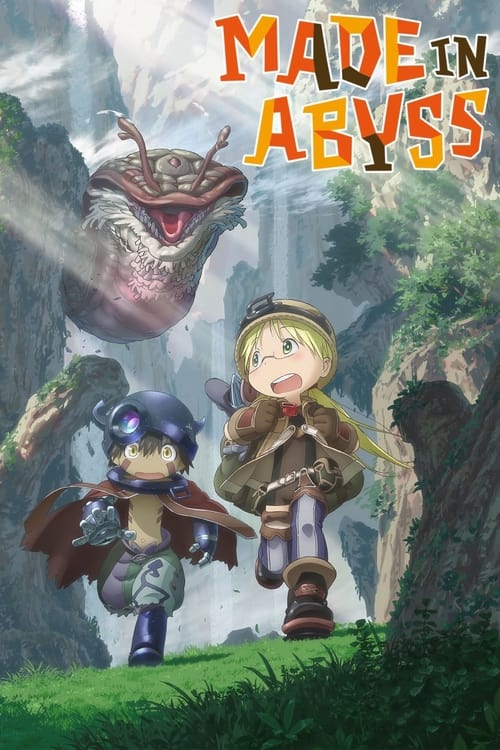
Series That Live in a World Where Nature Fights Back
Television that gives the nonhuman world the same gravity Miyazaki does

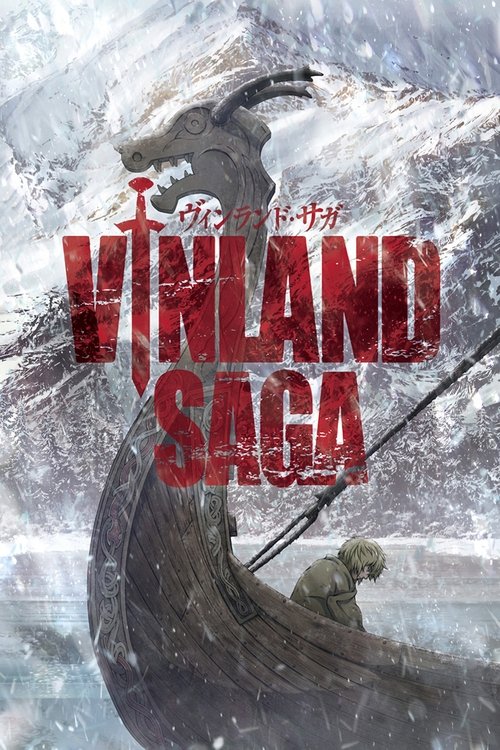
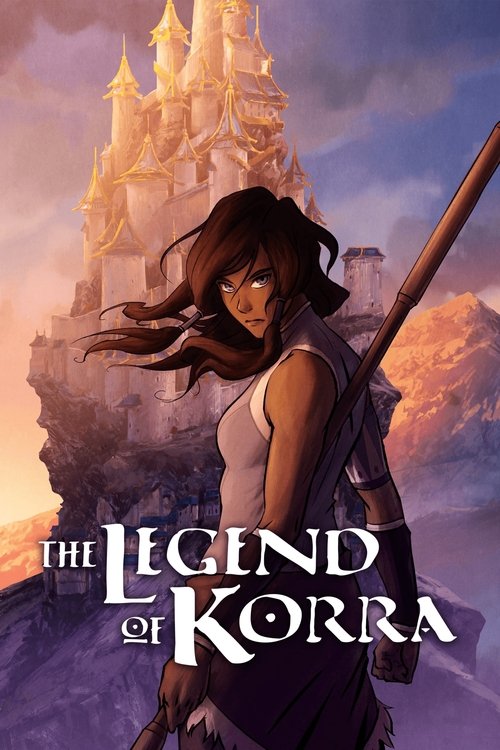
Books That Hold a Forest Full of Meaning
Fiction where the natural world is a full character with its own logic and grief


Games That Give Nature Its Own Agency
Worlds where the land resists, spirits persist, and industry has a price
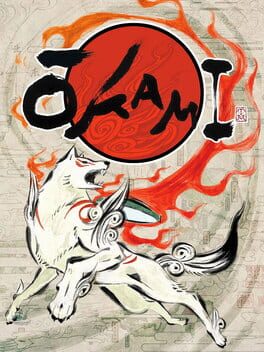
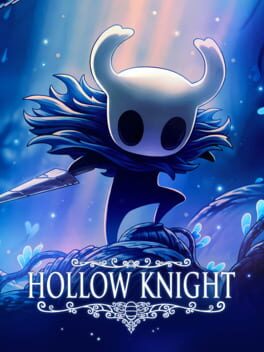
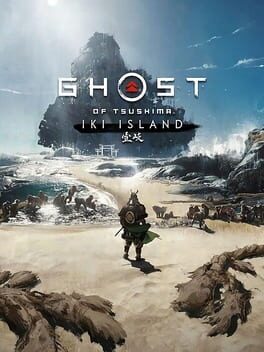
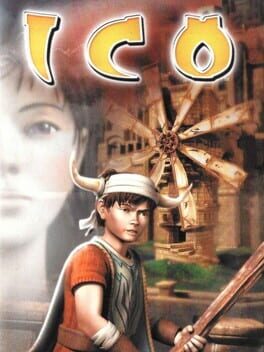
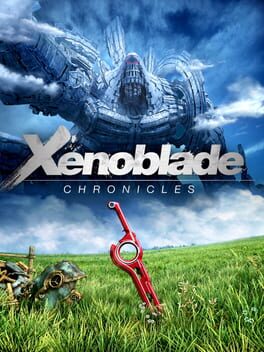
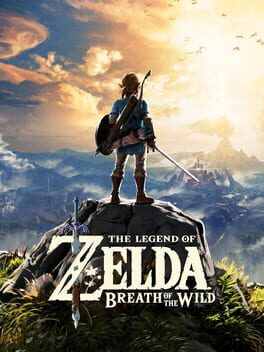
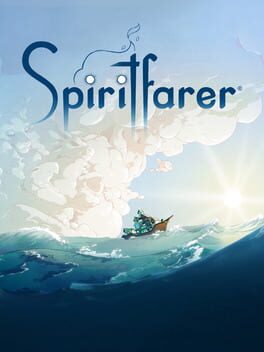
The Forest Is Not a Backdrop
Most adventure films use nature as atmosphere. Miyazaki uses it as argument. The Shishigami (the Forest Spirit) is not a metaphor and not a monster: it is a living system with its own time and logic, older than every human plan on screen. Every scene in the forest feels genuinely inhabited, not designed. That specificity is what separates the film from other eco-fables: the world is not asking for your protection, it is simply insisting on existing.
Lady Eboshi Is the Most Interesting Character in the Film
Miyazaki gave his industrialist the best argument in the movie. Lady Eboshi freed lepers, employed women fleeing brothels, and built the only community in the film where the powerless hold authority. Her plan to kill the Forest God is ruthless and, on the film's own terms, logical. That is the point: destruction can wear a human face and a genuinely good reason. Sitting with that discomfort is what the film asks of you.
Ashitaka Is Defined by What He Refuses to Do
Shonen heroes typically resolve conflict by choosing a side. Ashitaka refuses. His curse is the film's thesis: he carries the rage of a dying god in his arm, and rather than suppress or weaponize it, he holds it. He sees with eyes unclouded by hate (his words), which sounds like passivity but is actually the hardest position in the film to maintain. Other stories reward picking a team. This one rewards the willingness to carry the tension without releasing it.
Miyazaki and the Animated Epic
- 1984Nausicaa of the Valley of the Wind released, establishing the template for an epic with ecological stakes
- 1986Castle in the Sky (Laputa) arrives, Studio Ghibli's first theatrical feature after its founding Castle in the Sky
- 1988My Neighbor Totoro and Grave of the Fireflies release on a double bill, defining Ghibli's emotional range My Neighbor Totoro
- 1992Porco Rosso, Miyazaki's most personal and melancholy film to that point Porco Rosso
- 1997Princess Mononoke releases in Japan, breaks domestic box office records and establishes Ghibli as a world-class studio Princess Mononoke
- 2001Spirited Away arrives and wins the Academy Award for Best Animated Feature in 2003, the peak of global Ghibli recognition Spirited Away
- 2001Okami enters development at Clover Studio, directly inspired by the aesthetic of Mononoke and ancient Japanese mythology Ōkami
- 2013The Wind Rises, Miyazaki's penultimate film before his first retirement, returns to the moral complexity of progress The Wind Rises
- 2023The Boy and the Heron, Miyazaki's return, wins the Academy Award for Best Animated Feature in 2024 The Boy and the Heron
Miyazaki, myth, and Japanese epics
For Fans of Nausicaa
Explore the For Fans of Nausicaa guide →I feel like I want to make a film that says it's okay to live.Hayao Miyazaki