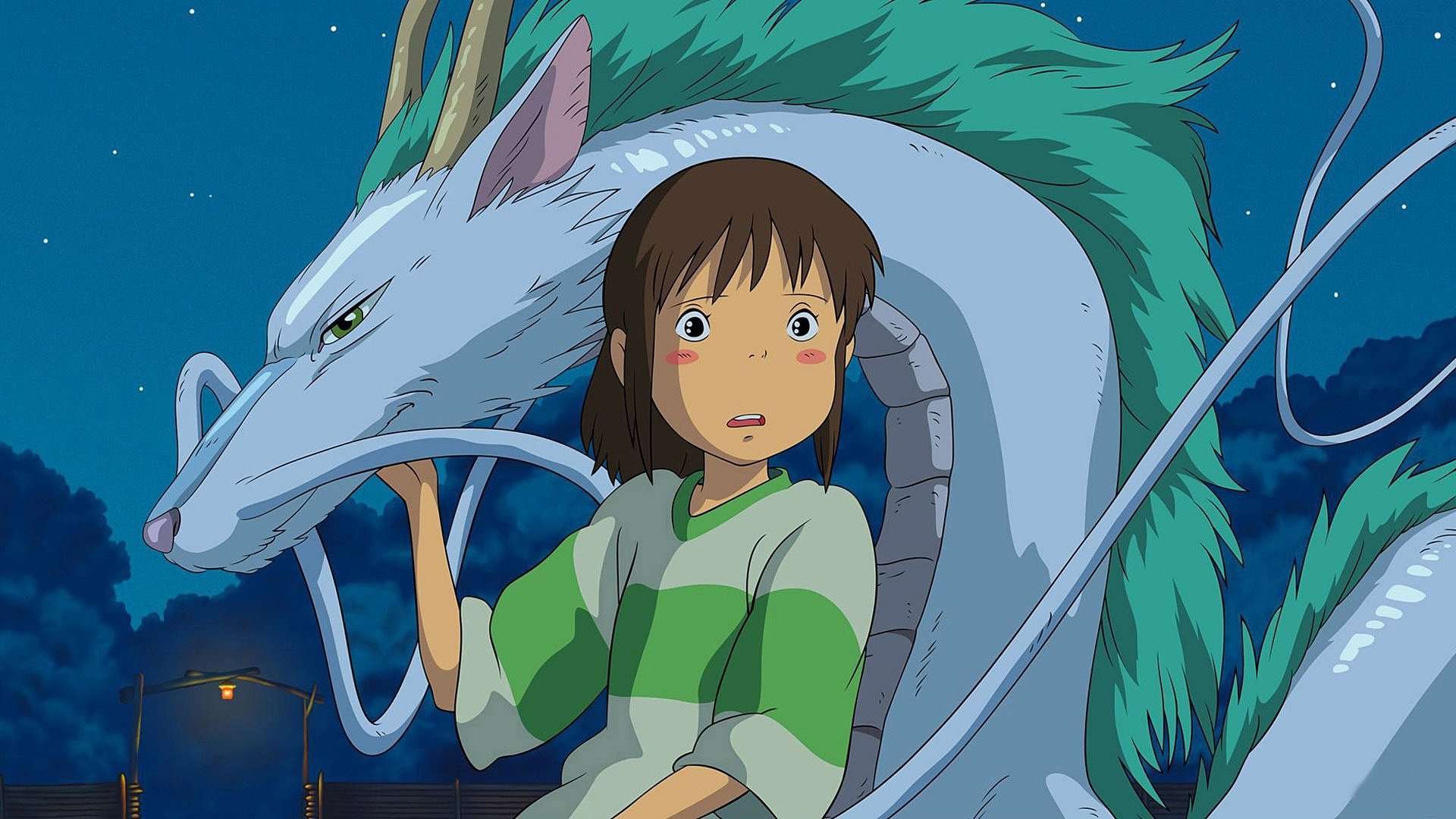

Nausicaa of the Valley of the Wind began as a manga serialized in Animage magazine from 1982 to 1994, written and drawn entirely by Hayao Miyazaki. The 1984 film adaptation preceded the manga's completion and covers only its first quarter, yet both the film and the full manga are essential: the film is a concentrated emotional blow, the manga a sprawling philosophical epic about ecology, empire, and the violence baked into salvation. The through-line a fan chases is a particular kind of protagonist: someone who understands the enemy, who grieves the world's ruin without being consumed by despair, and whose compassion is a form of courage rather than a weakness. Nausicaa does not save the world by conquering it. That distinction runs through every work on this list.
Miyazaki's Other Worlds
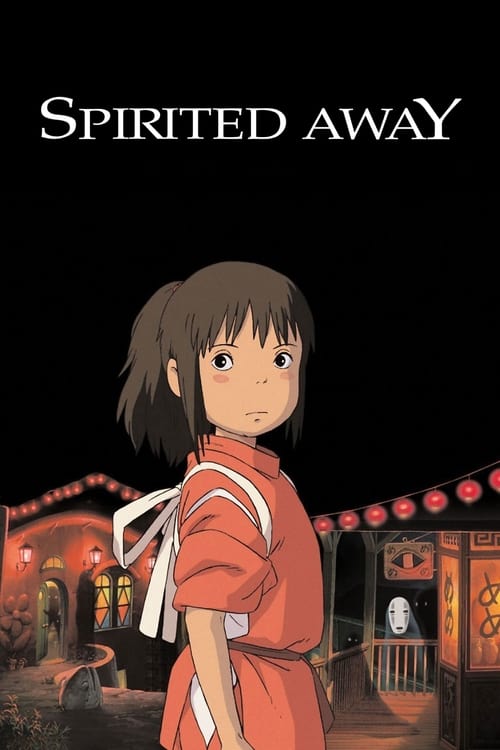
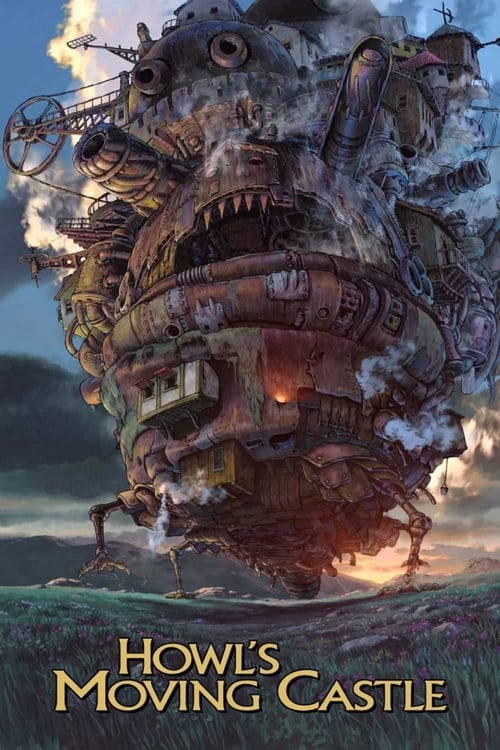
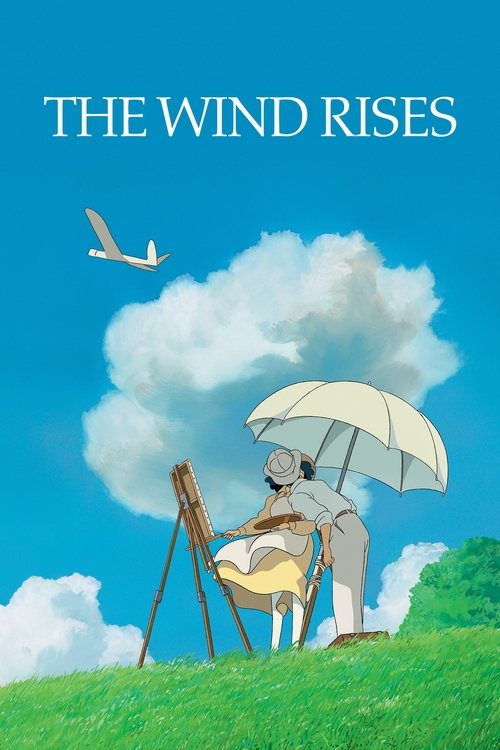
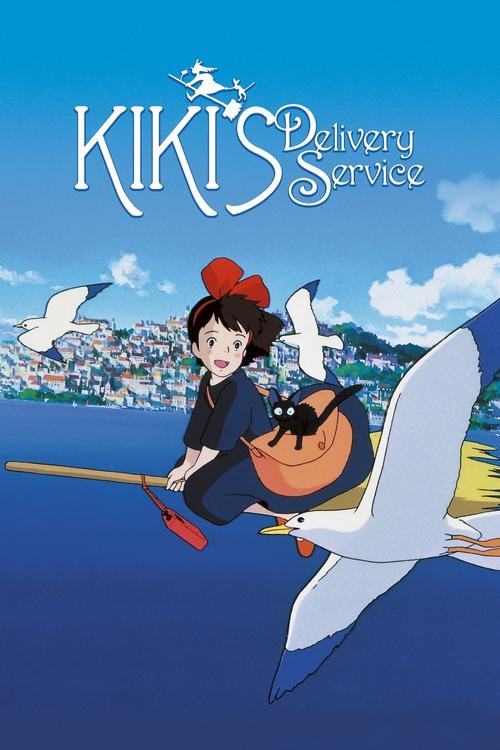
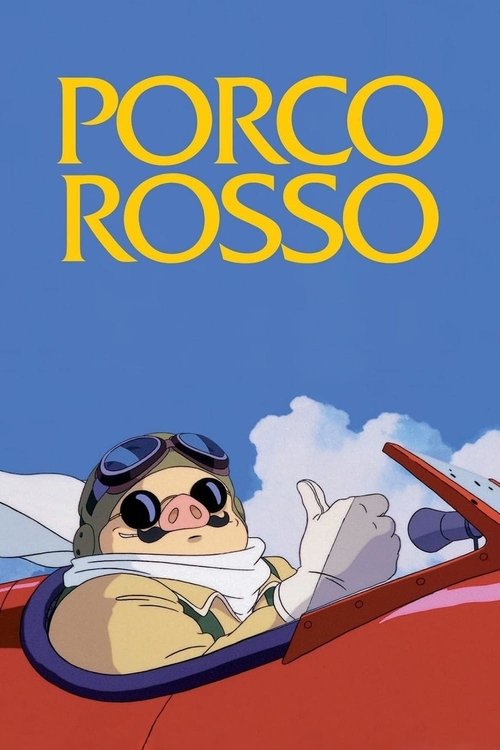
The rest of his filmography, each returning to landscape, flight, and moral complexity
Manga and Graphic Novels of Equal Scope
Books that match the manga's ambition: ecological worlds, morally complex characters, long arcs


Ecological Fiction in Prose
Novels where the land itself is a character, and the cost of survival is the central question


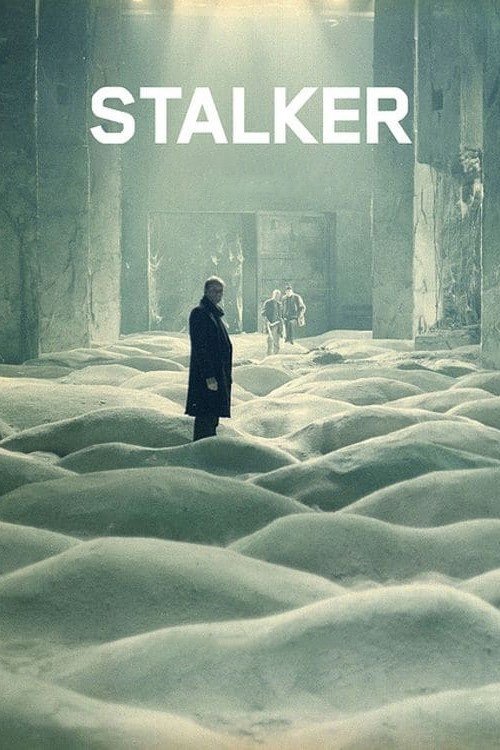
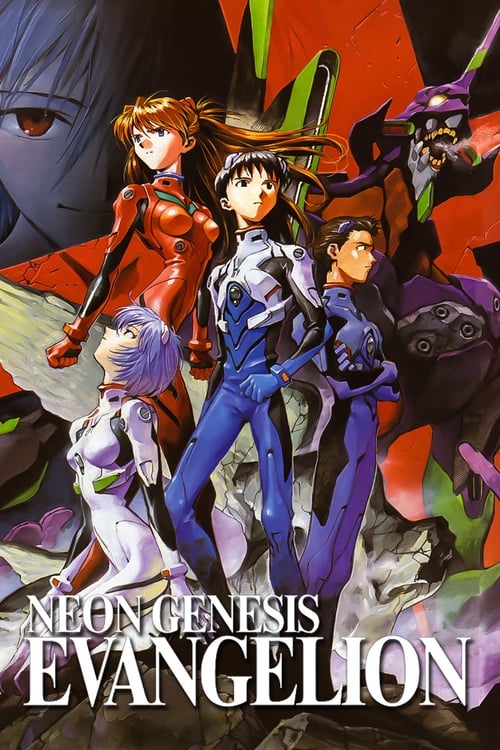
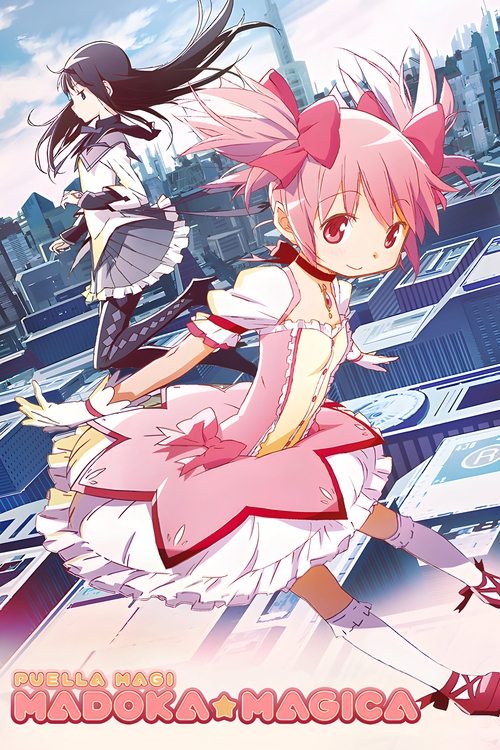
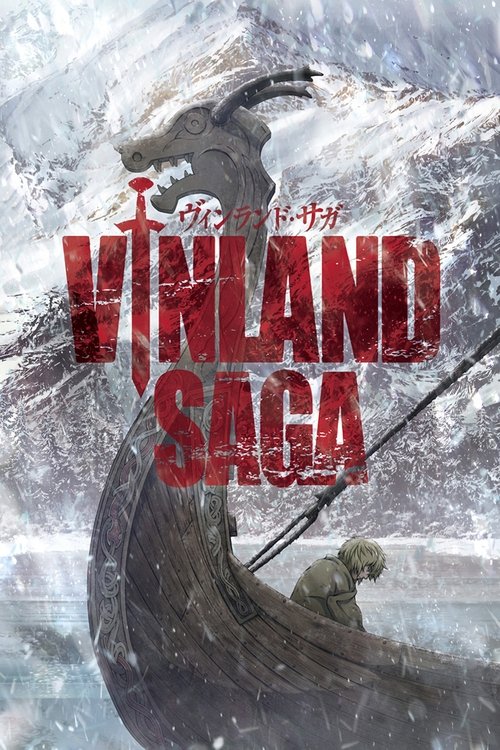
Films and Series That Share the Feeling
The same tension between wonder and catastrophe, the same refusal of easy enemies
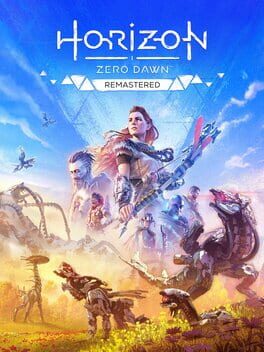
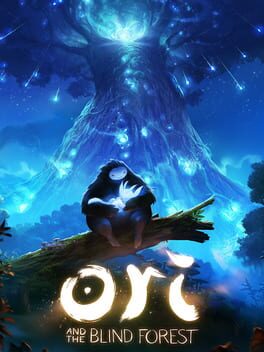
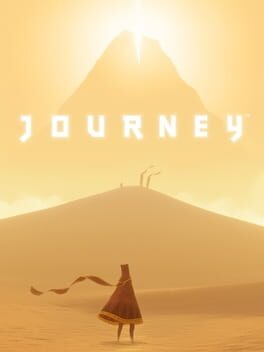
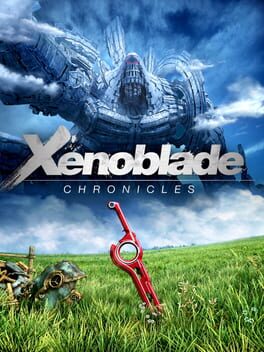
Games That Build Worlds Worth Mourning
Games where ecological collapse, ancient civilizations, or poisoned landscapes drive the story

Princess Mononoke Is the Thematic Sequel
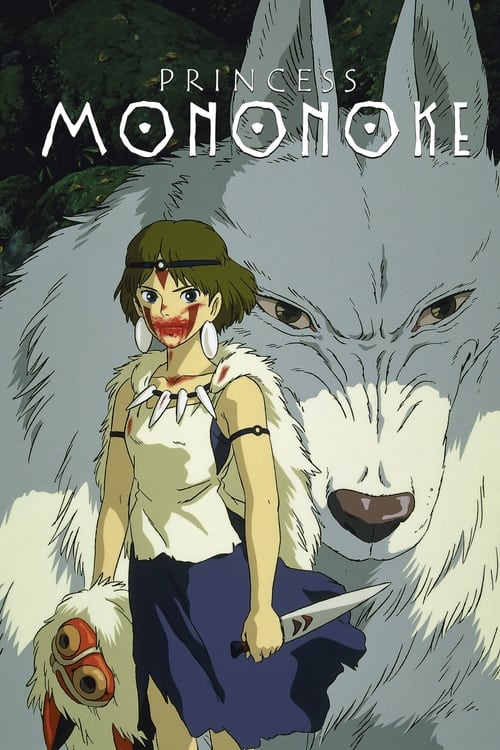
Princess Mononoke revisits every major Nausicaa tension: industry against nature, the impossibility of a clean conscience, a protagonist who refuses to pick a side even when both sides demand it. Where Nausicaa is warmer, Mononoke is colder. Ashitaka and Nausicaa are siblings in spirit. Watch them back to back and you can feel Miyazaki working through the same problem over a decade, arriving somewhere darker and more honest the second time.
Dune Is the Western Novel Most Like the Manga
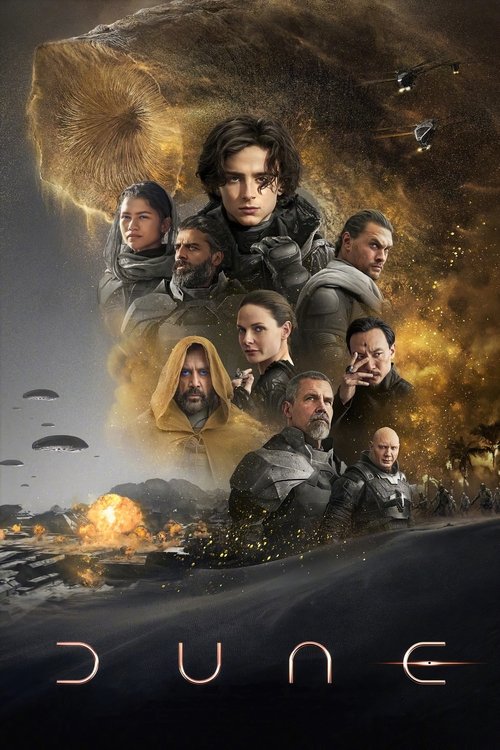
Frank Herbert's Dune shares more with Nausicaa's manga than with its own film adaptations. Both are about a young figure who understands a poisonous ecosystem better than the empires fighting over it. Both question whether a prophesied savior can avoid becoming a tyrant. Herbert's ecological detail, his Fremen culture, his insistence that spice is not simply a resource but a living system: all of it rhymes with Miyazaki's Sea of Decay. Read Dune as a companion, not a comparison.
Nausicaa in Time
- 1982Manga begins serialization in Animage magazine
- 1984Film adaptation released, produced by Isao Takahata, score by Joe Hisaishi
- 1985Studio Ghibli founded, partly on the commercial success of the film
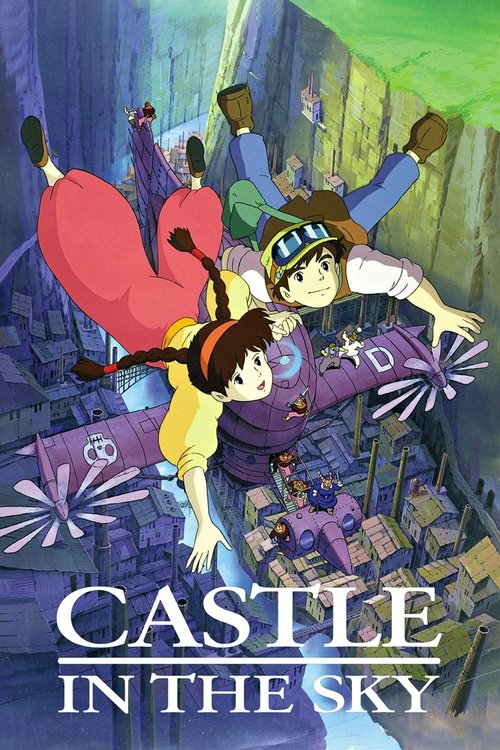
- 1986Laputa: Castle in the Sky, Miyazaki's first Ghibli film as director Castle in the Sky
- 1994Manga concludes after twelve years, seven volumes
- 1997Princess Mononoke revisits the same ecological and moral territory Princess Mononoke
Miyazaki, ecology, and ruined worlds
For Fans of Princess Mononoke
Explore the For Fans of Princess Mononoke guide →The manga does not end with hope. It ends with the acknowledgment that hope requires something harder than optimism: the willingness to be deceived, to persist anyway, and to let the world make its own choices.On Nausicaa of the Valley of the Wind, vol. 7