
Post-punk is not a sound so much as an attitude toward sound: that rock music could be more interesting, more honest, more threatening if it abandoned classic-rock spectacle and started borrowing from dub, funk, minimalism, and the avant-garde. It emerged in the late 1970s, mainly in the UK, in the immediate wake of punk's three-chord blitzkrieg, and its founding question was: now that we've burned it all down, what do we build? The answer was nervous, angular, often beautiful. Bands like Joy Division, Wire, Gang of Four, Public Image Ltd, and The Fall built a body of work that still sounds unlike anything that came before or since. The through-line fans love is the tension: disciplined but agitated, danceable but cold, emotional but too self-aware to be sentimental.
Essential Post-Punk
The records that defined and keep defining the genre
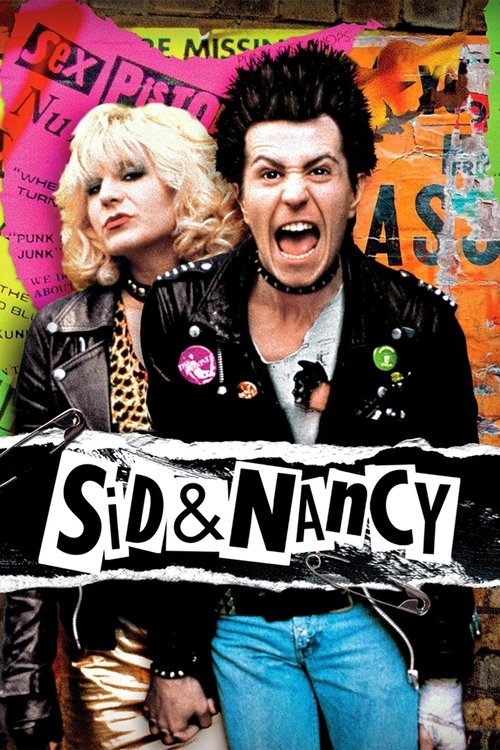
If You Love Post-Punk: The Films That Share Its Atmosphere
Cinema with the same dread, alienation, and formal nerve
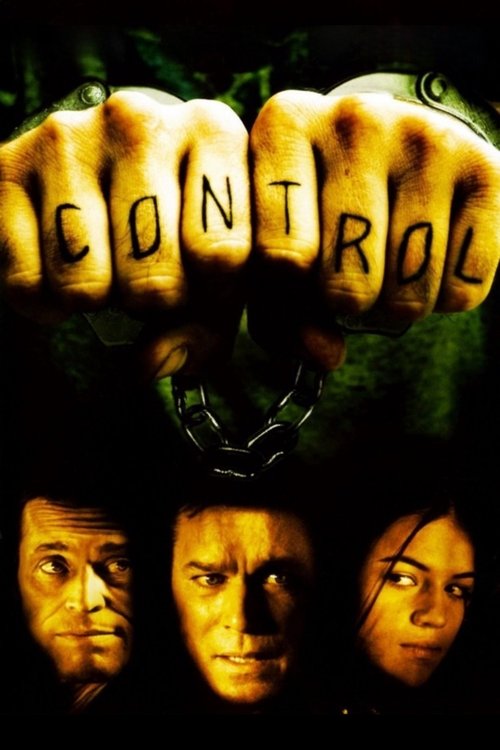


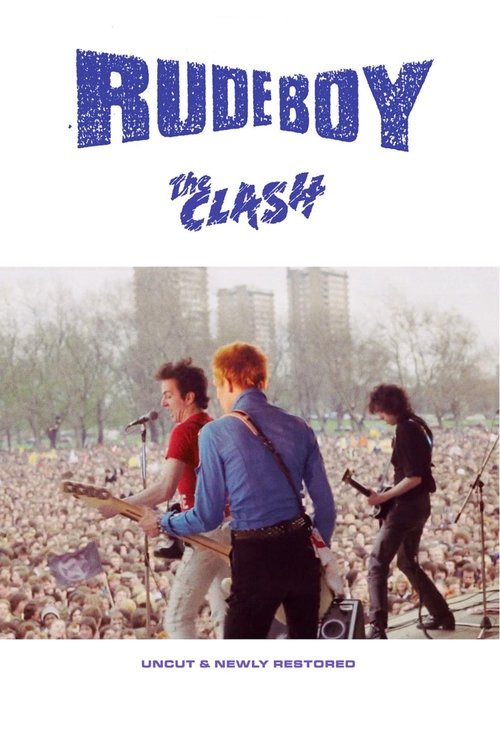
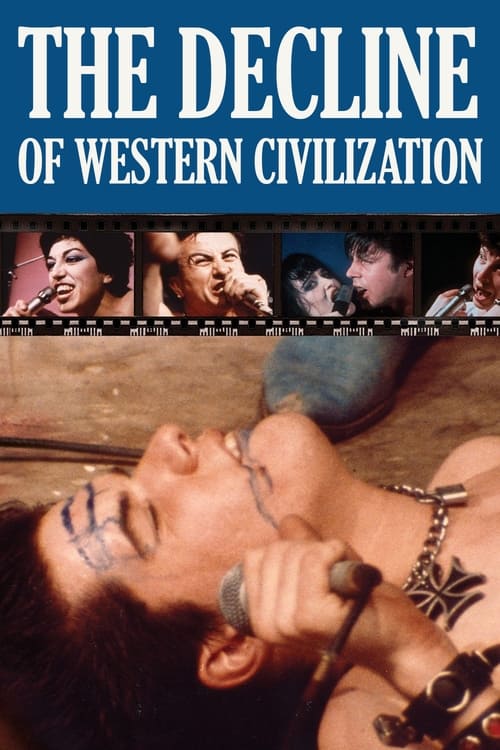
Music Documentaries and Concert Films
On record is one thing. Watching these bands perform is another.
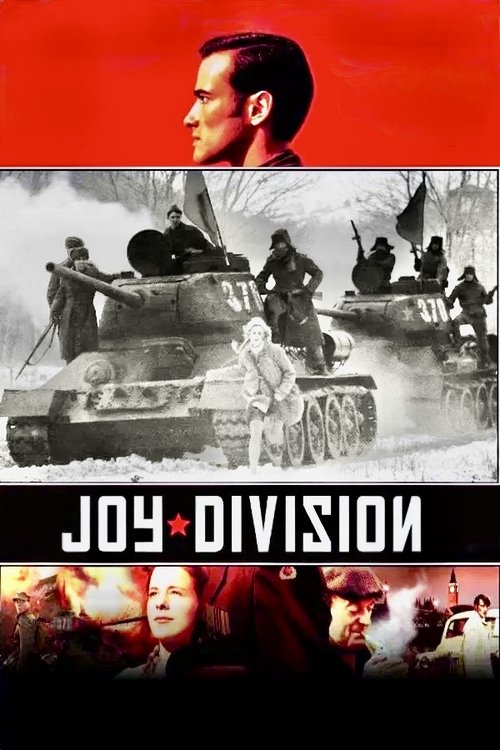


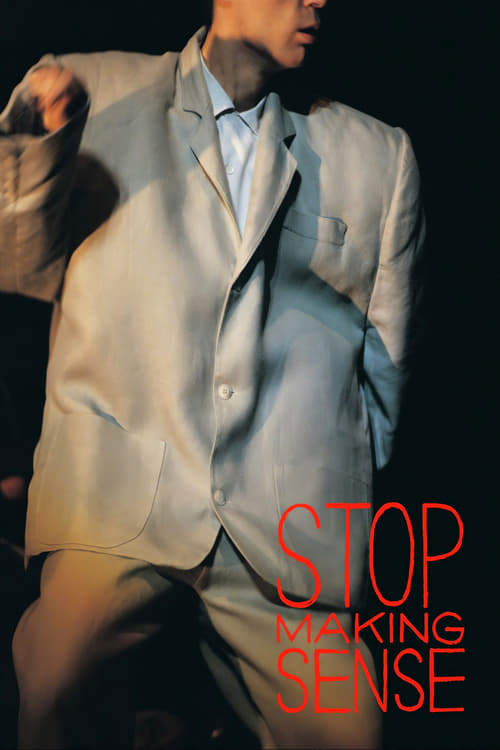
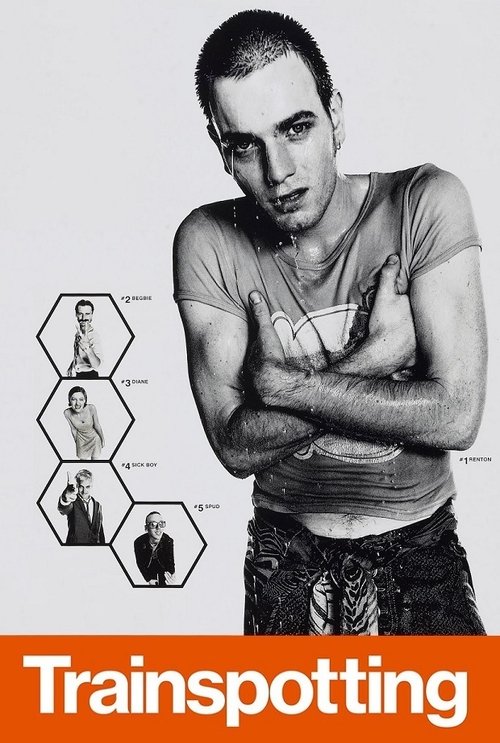
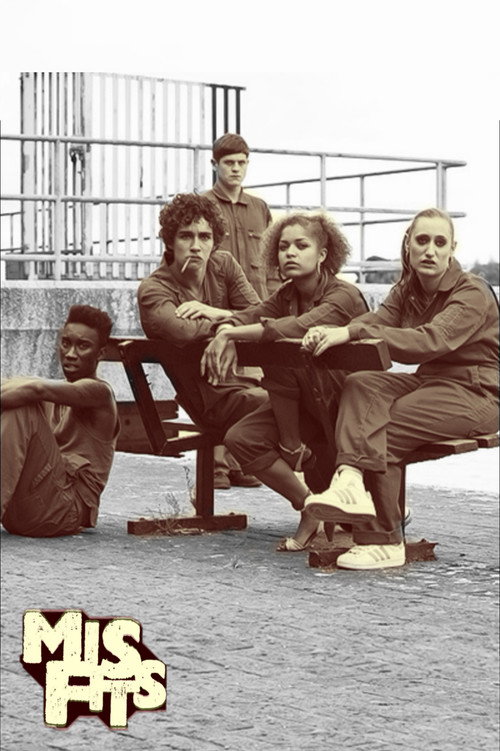
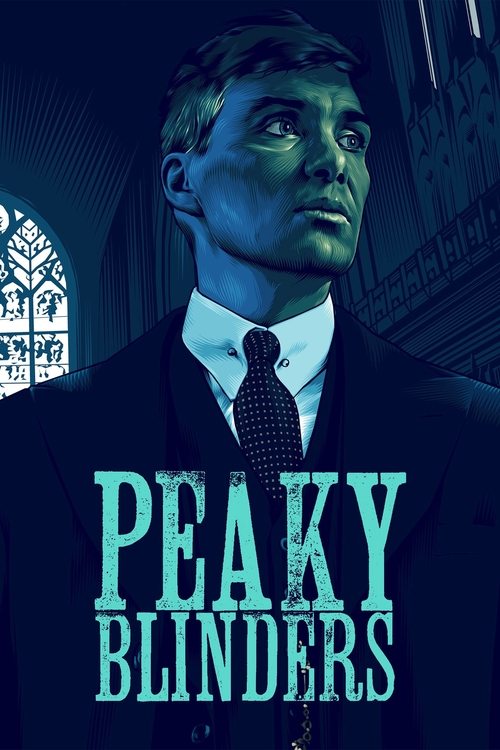
Series with the Same Cold Urban Energy
TV drama that matches post-punk's texture: social realism, institutional rot, compressed fury
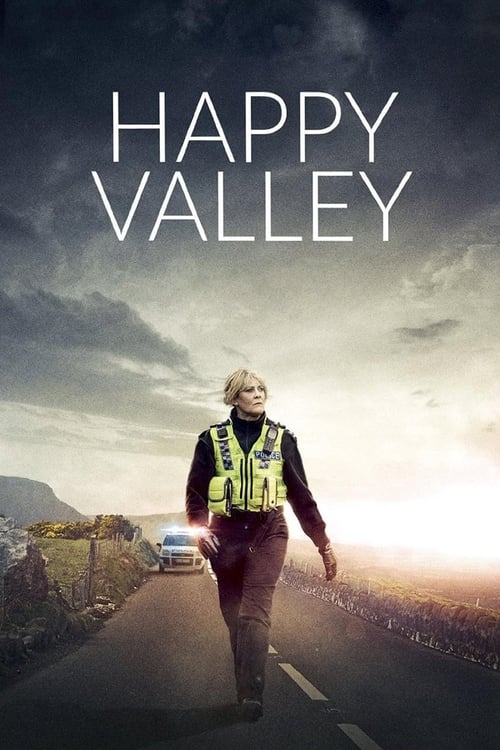
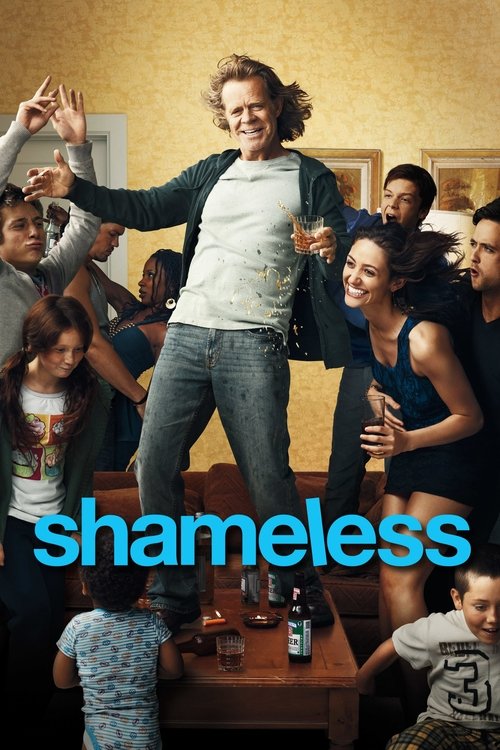
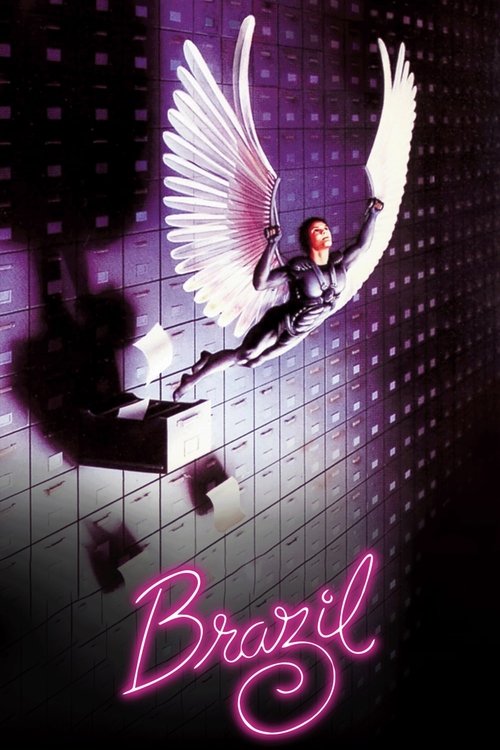
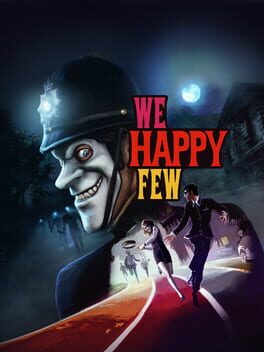
Games with Post-Punk DNA
Games that share the genre's aesthetic: oppressive systems, lo-fi grit, dark electronic atmosphere



Joy Division Changed What Sad Could Sound Like
Before Joy Division, rock melancholy was usually melodic, even pretty. Ian Curtis and his bandmates made it structural: the drums locked into a relentless lurch, Bernard Sumner's guitar slashed against the grain of the rhythm, and Peter Hook's bass carried the melodies from somewhere below the floor. 'Unknown Pleasures' and 'Closer' are not albums to cheer yourself up with. They are something rarer: accurate maps of certain kinds of inner weather. Every subsequent band that called itself dark owes a debt here.
Gang of Four Made Political Music That Actually Moved
The problem with most overtly political rock is that the politics drowns the music. Gang of Four solved this by putting the politics in the groove. 'Entertainment!' is a Marxist analysis of commodity culture that you can dance to. Andy Gill's guitar attacks rather than riffs; Dave Allen's bass is nearly funk. The lyrics are deliberately elliptical, which makes them last longer than slogans. Forty-odd years later the record sounds more urgent than most of what gets called protest music.
Wire Proved That Less Was Not Just More, It Was Everything
Wire's first three albums, 'Pink Flag', 'Chairs Missing', and '154', compressed punk into increasingly strange shapes. 'Pink Flag' had 21 songs in 36 minutes; some tracks lasted less than a minute. Rather than feeling rushed, this felt ruthless. Every note that survived had earned its place. Wire understood that editing was composition. They influenced everyone from Minor Threat to Elastica, but no one ever quite replicated the combination of economy and strangeness they arrived at by 1979.
The Fall: Forty Years of Abrasive Genius
Mark E. Smith led The Fall from 1976 until his death in 2018, releasing over 30 studio albums and maintaining a lineup turnover that made the band more like a force of nature than a group of people. The Fall are an acquired taste that, once acquired, becomes an obsession. Smith's slurred, sardonic vocals pile up literary references, regional slang, and surreal non-sequiturs over repetitive, motorik rhythms. 'Hex Enduction Hour' is the place to start: enormous, strange, and still completely alive.
A Brief History of Post-Punk
- 1976Television release 'Marquee Moon', extending the guitar into new melodic territory from New York's CBGB scene. Marquee Moon
- 1977Wire record 'Pink Flag' in four days, stripping punk to its skeleton and then reassembling it into something colder.
- 1978Public Image Ltd, formed by John Lydon after the Sex Pistols, release their debut: funk bass, dub space, metal guitar. First Issue
- 1979Joy Division release 'Unknown Pleasures', and Gang of Four release 'Entertainment!' in the same year. Post-punk peaks. Unknown Pleasures
- 1980Ian Curtis dies. Joy Division become New Order. PiL release 'Metal Box'. The Fall release 'Grotesque'. The genre proliferates.
- 1981The Birthday Party relocate from Australia to London, pushing the form into its most extreme, gothic-blues territory.
- 1982Post-punk begins to fracture into goth, new wave, and independent rock. The Smiths are forming. The lines are already blurring.
- 2005Simon Reynolds publishes 'Rip It Up and Start Again', the definitive critical history of the era, triggering a major critical reappraisal.
- 2007Anton Corbijn's 'Control' brings Ian Curtis and Joy Division to cinema audiences who missed them the first time. Control
Dystopian art rock, fractured futures
For Fans of Joy Division
Explore the For Fans of Joy Division guide →Post-punk was about the question of what comes next. Not nostalgia for punk, but an argument that music could be smarter, angrier, and weirder without losing the urgency.Simon Reynolds, Rip It Up and Start Again