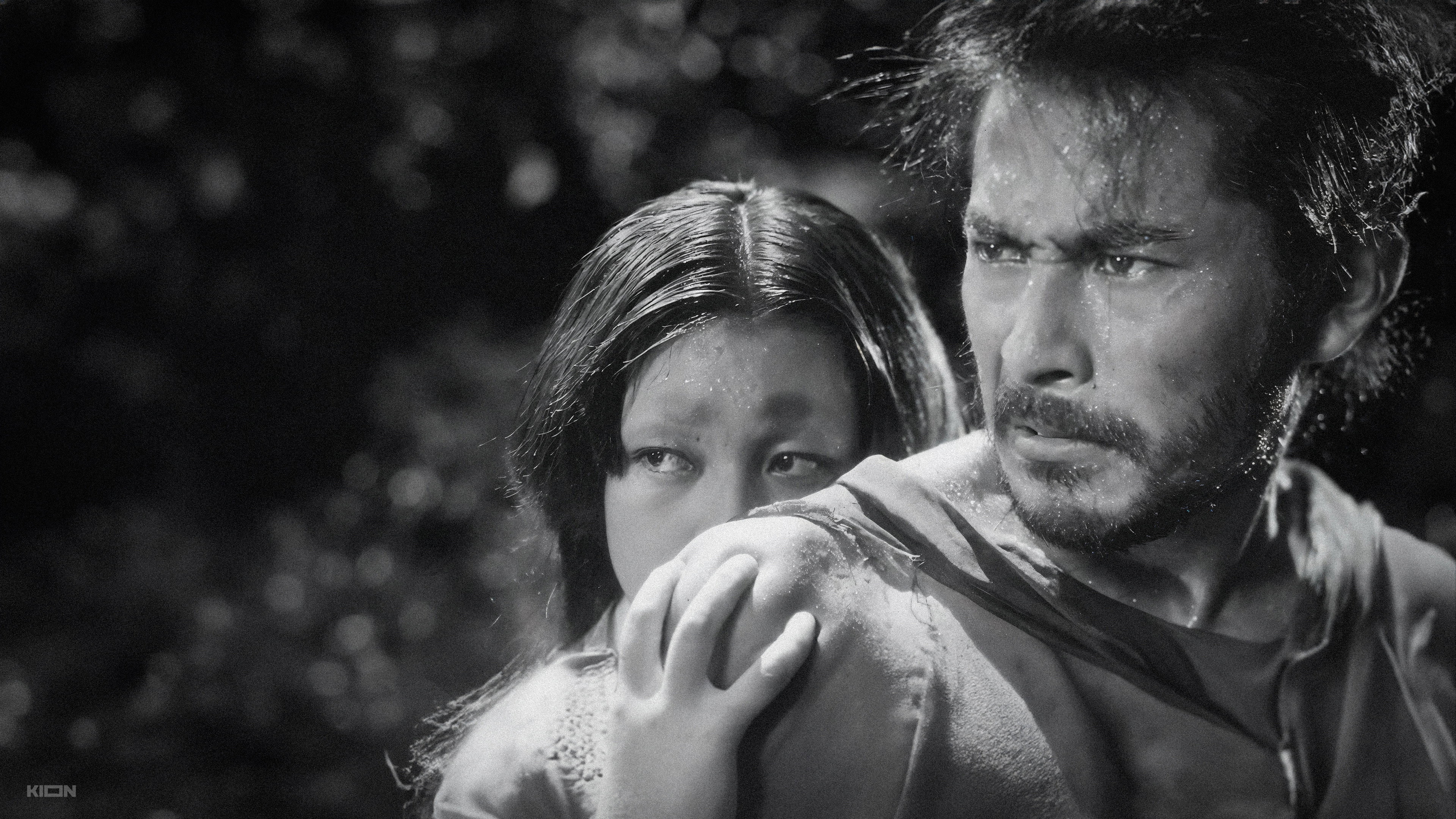

Rashomon arrived in 1950 and immediately unsettled the ground beneath narrative cinema. A murder in a forest. Four accounts. Not one of them trustworthy. What Akira Kurosawa understood, adapting two Ryunosuke Akutagawa short stories, is that memory is not a recording device: it is a sculpting tool, shaped by ego, shame, and the survival instinct. The film won the Golden Lion at Venice and introduced Japanese cinema to the world, but its real legacy is structural. It gave storytellers a grammar for doubt. If you were pulled in by that grammar, by the way a single event fractures into competing truths, by the moral weight of ambiguity, there is an enormous body of work across every medium waiting for you.
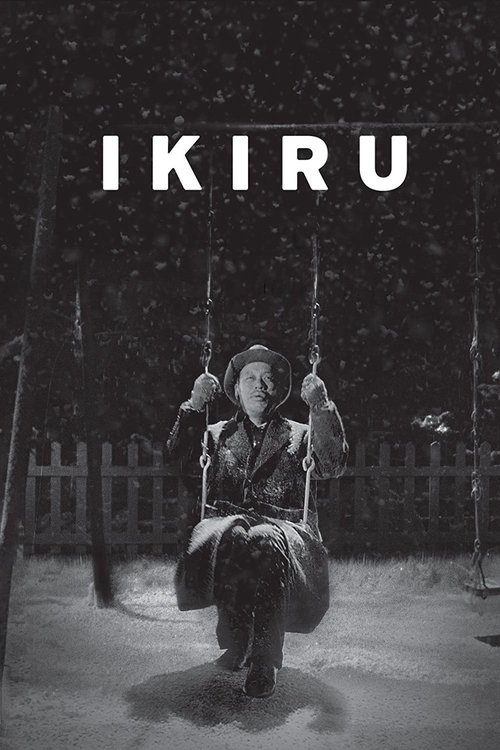
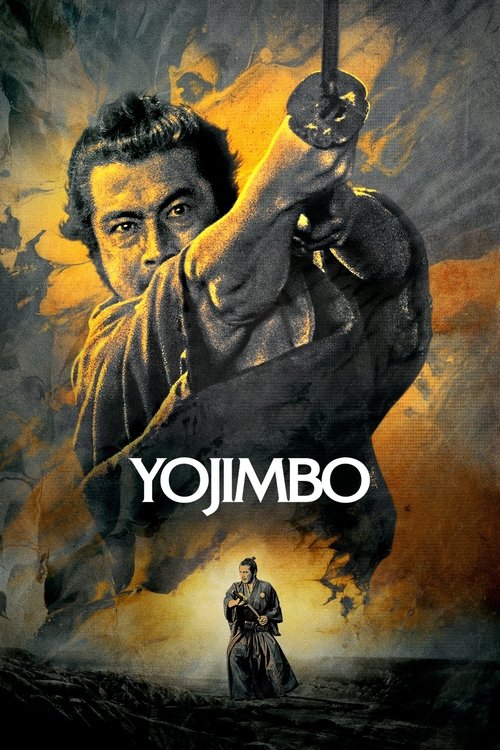
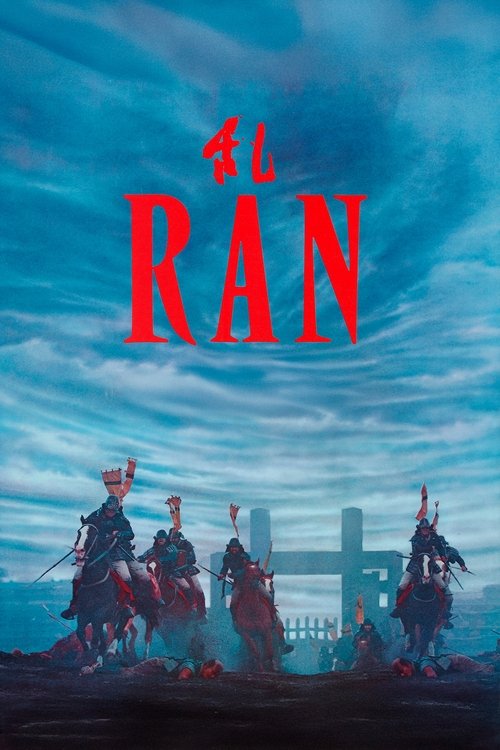
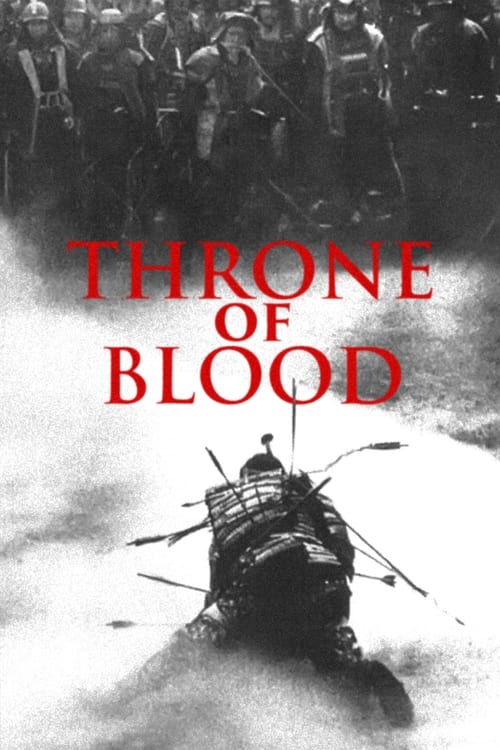
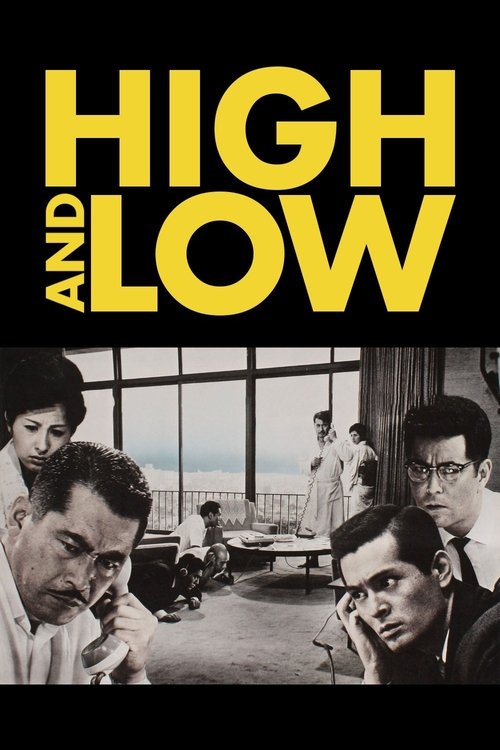
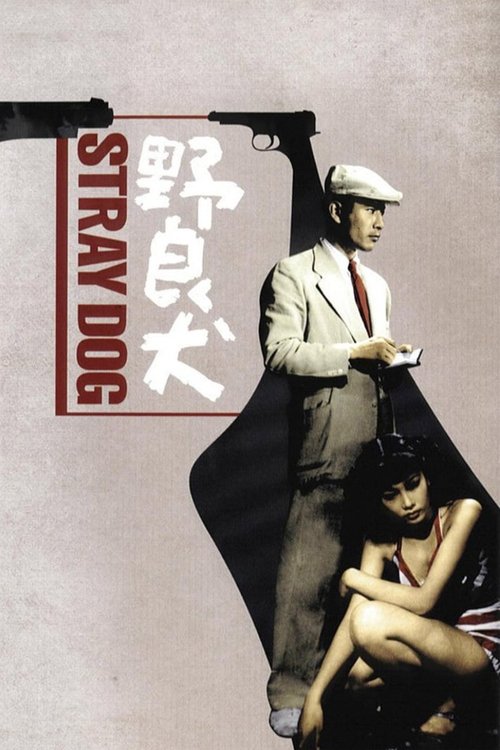
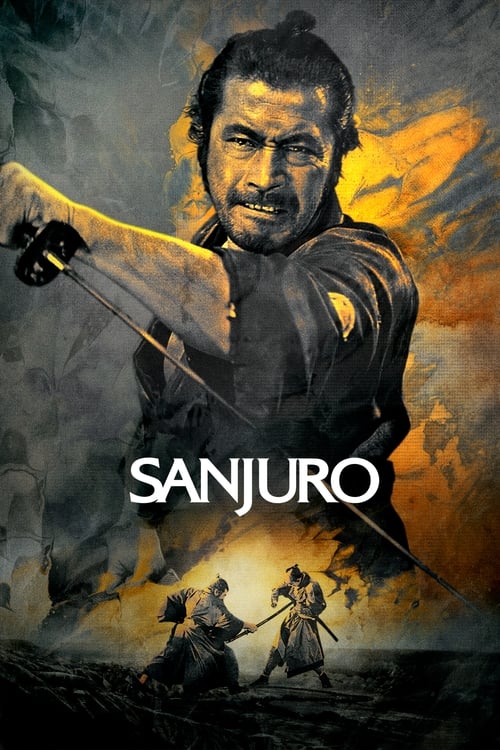
Essential Kurosawa
The director's own greatest films, each a world unto itself

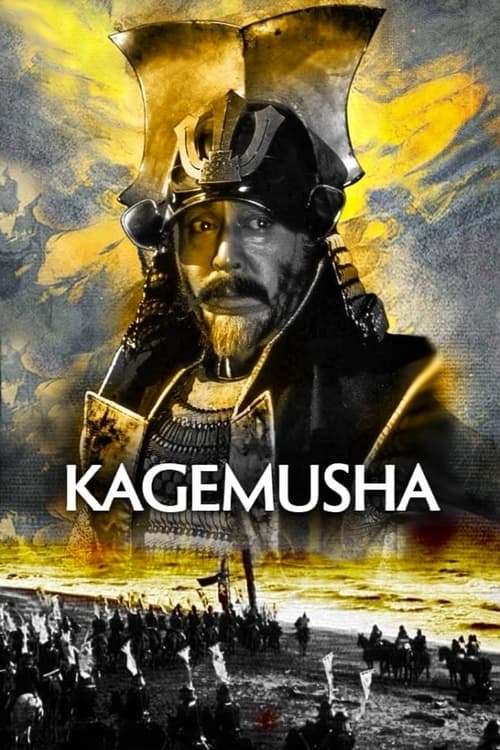
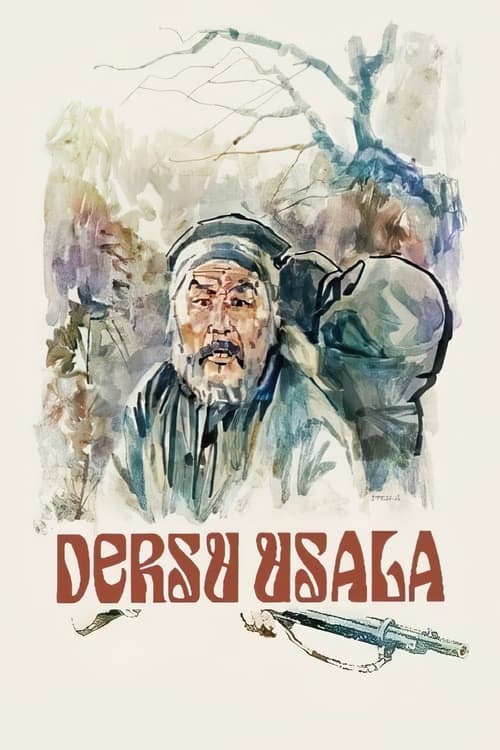
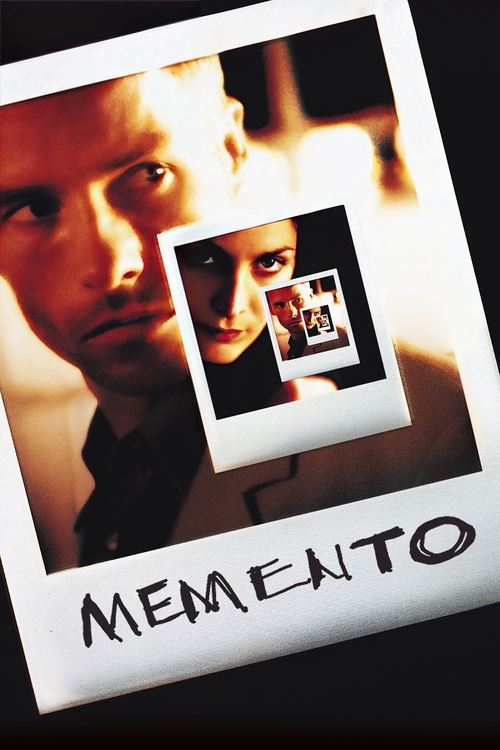
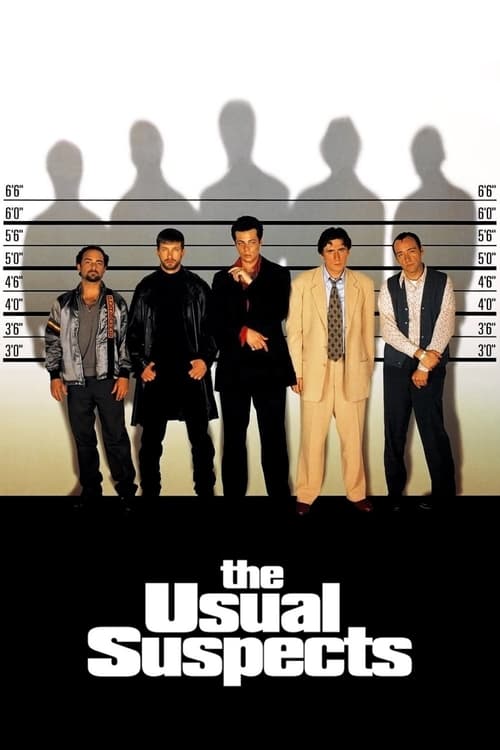
Films That Fracture the Truth
Cinema built on unreliable perspectives, competing accounts, and the impossibility of a clean version of events
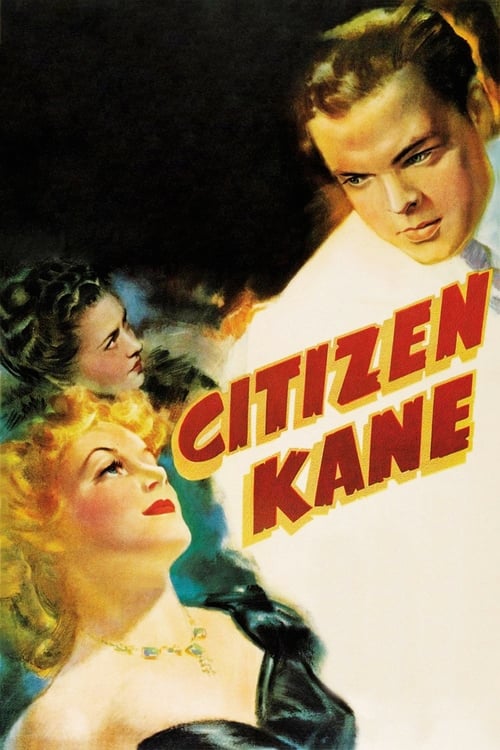
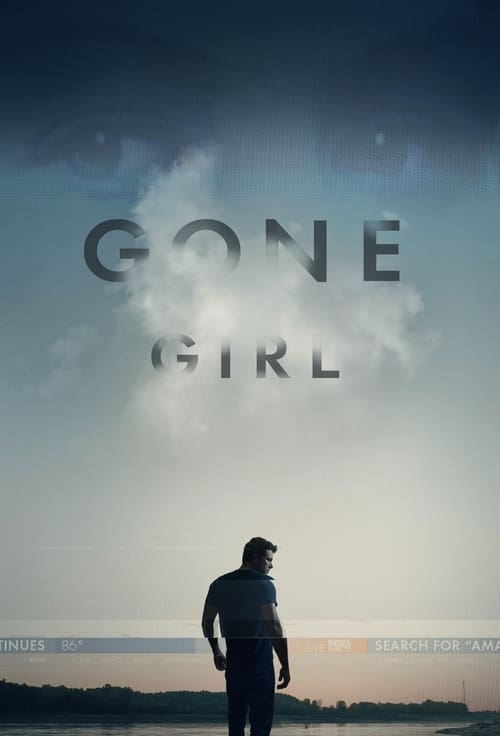
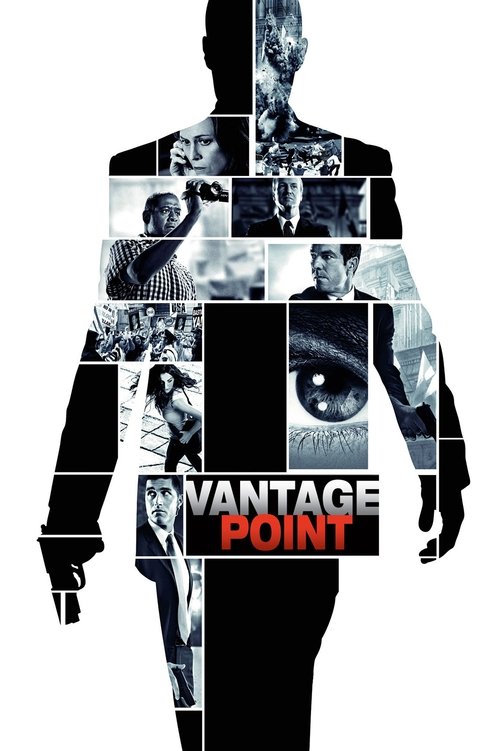
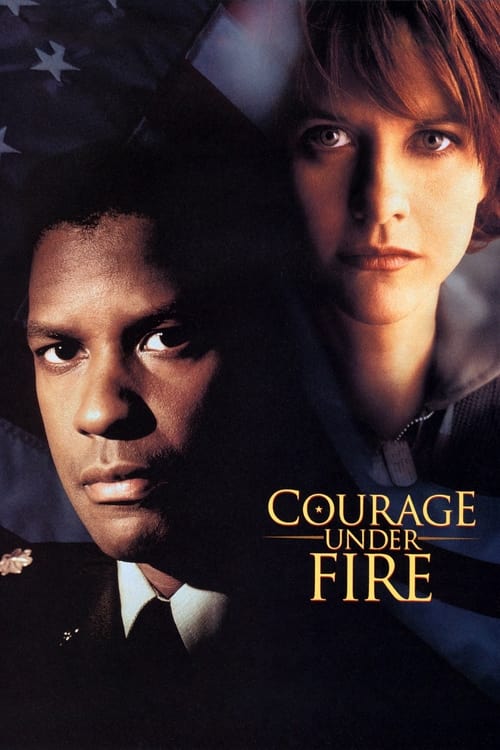
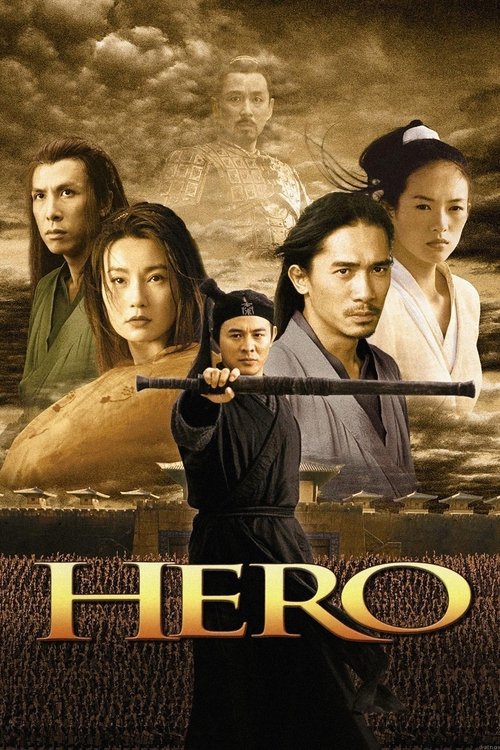

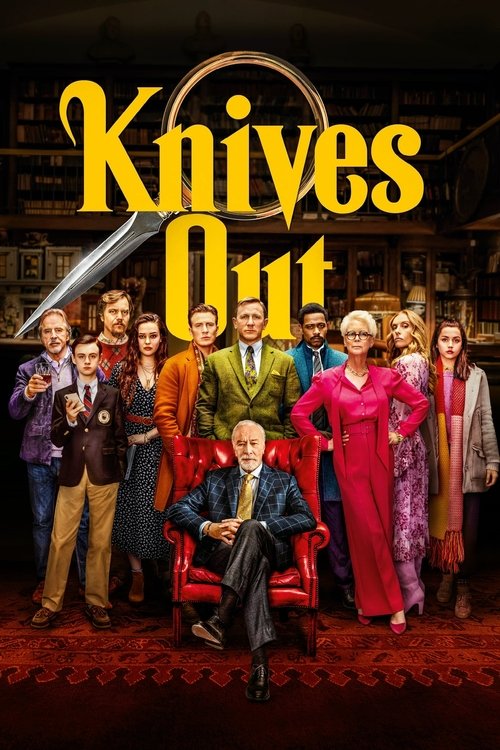
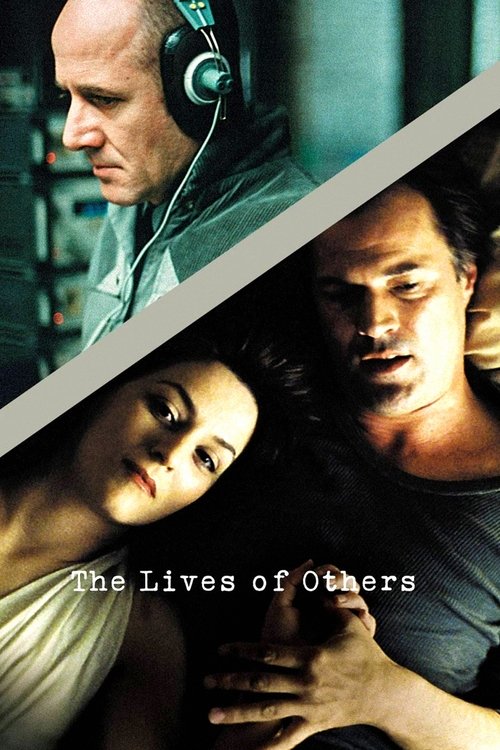

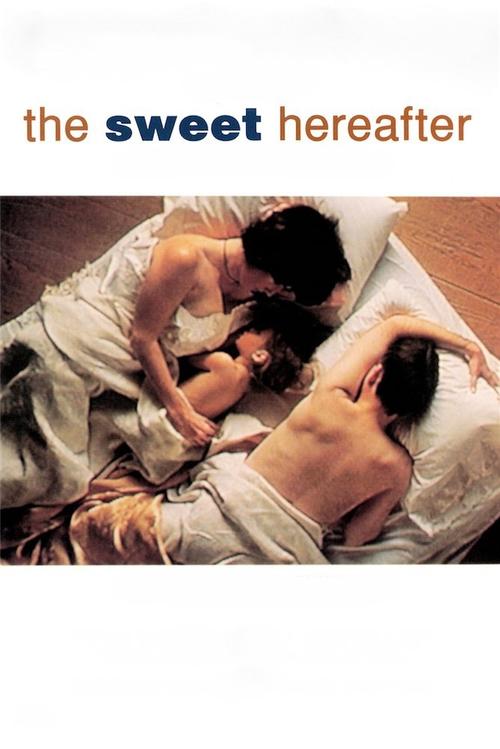
Films Built on Moral Ambiguity
Slow-burn dramas and samurai cinema where right and wrong refuse to separate cleanly

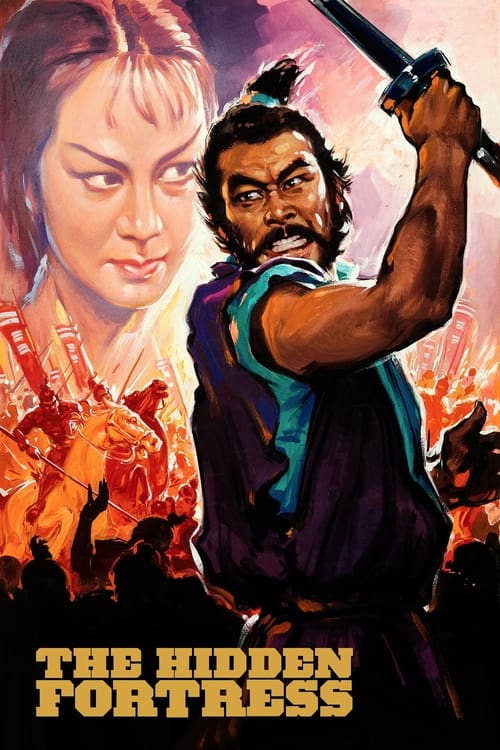
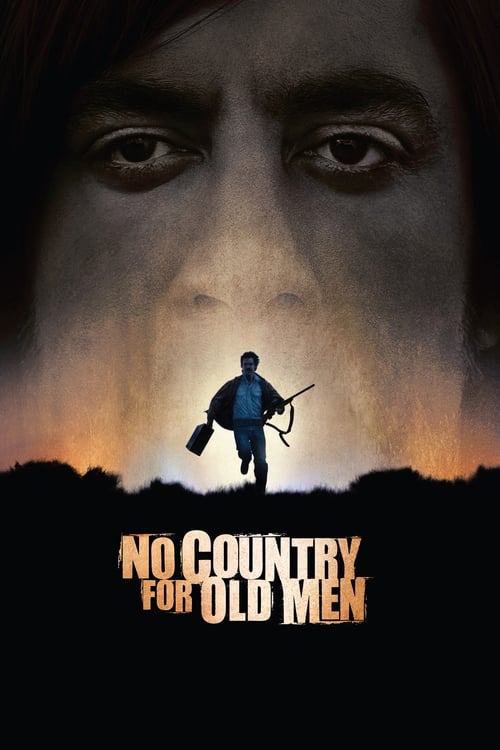

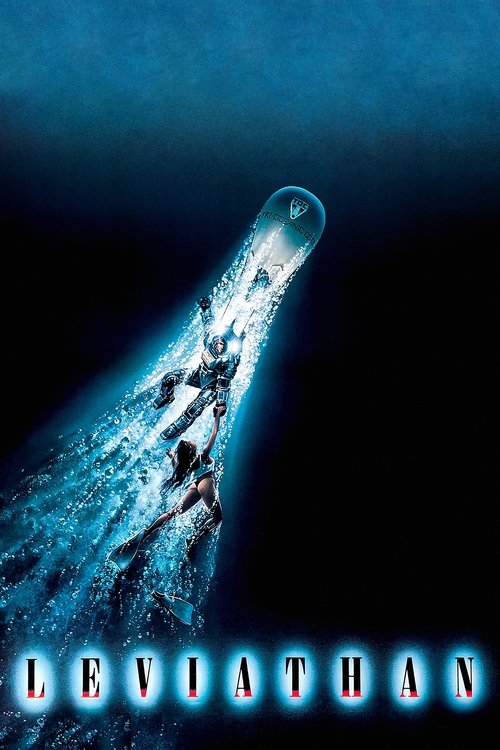
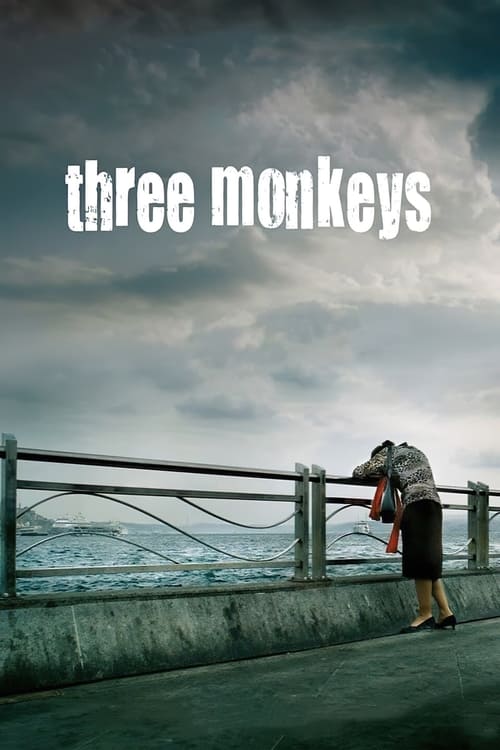
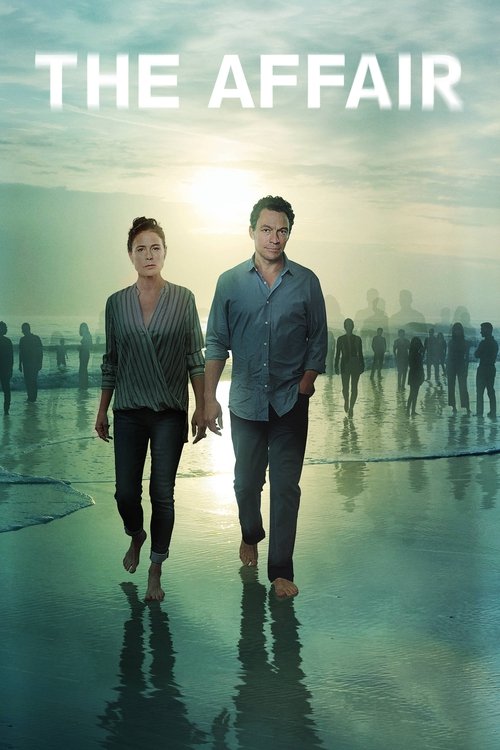
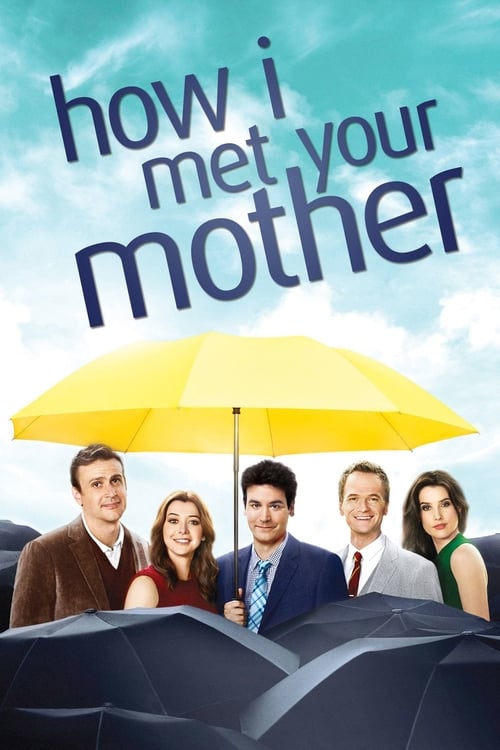
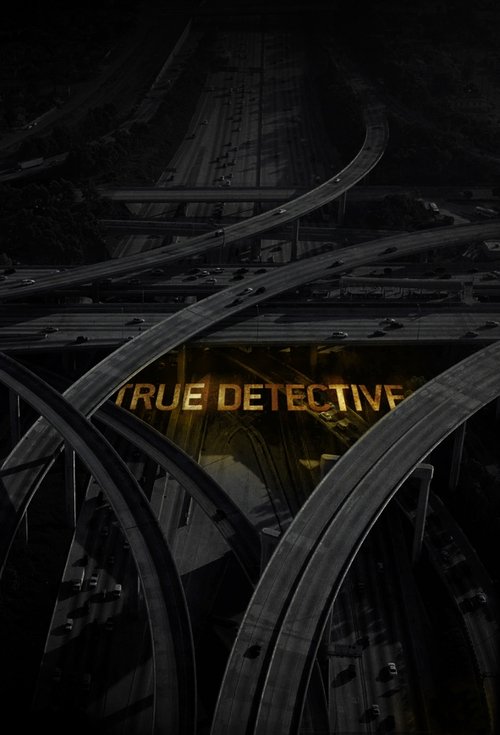
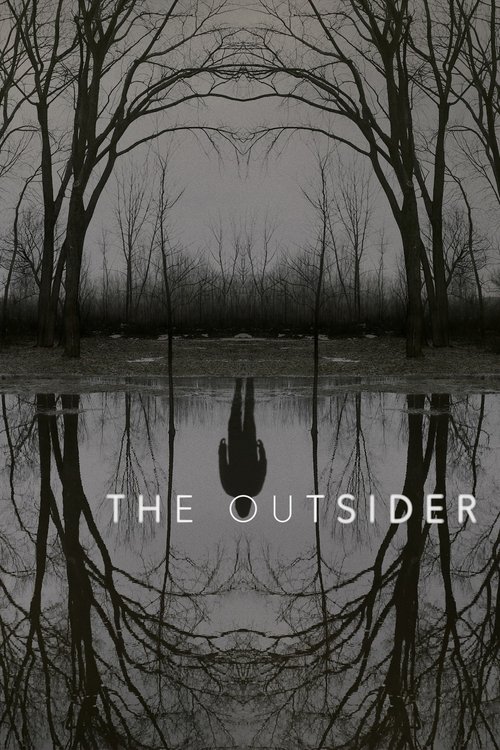
TV Series That Play With Perspective
Shows that return to the same events through different eyes or build entire seasons around what really happened


Novels That Split the Truth
Books that stack competing testimonies, unreliable narrators, or reconstructed memories into something more honest than any single account




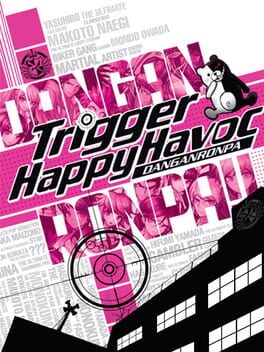
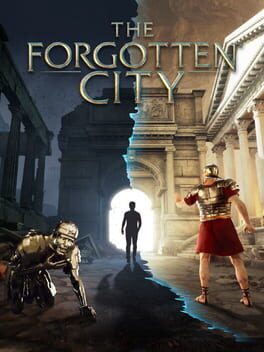
Games Where the Truth Shifts
Games that use perspective, unreliable memory, and moral weight in ways that go beyond the genre surface

The Witness Stand Was Always a Stage
Every scene in Rashomon is a performance. The bandit performs bravado. The wife performs grief. The samurai, speaking from beyond death through a medium, performs honor. Kurosawa does not tell us which performance is closest to the truth because he understood something that most thrillers refuse to admit: witnesses do not lie to deceive, they lie to survive. The film is not really about a murder. It is about the machinery we all use to keep ourselves bearable to ourselves.
Samurai Cinema Has a Deeper Moral Life Than Western Genre
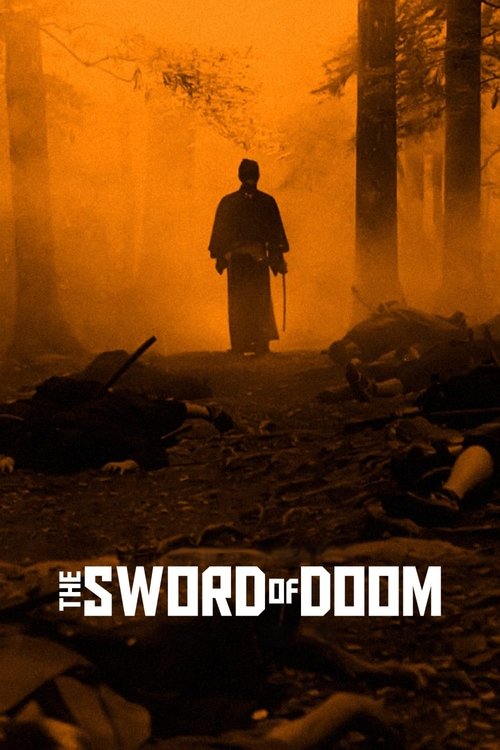
The Western has the frontier myth and the clean draw at high noon. Samurai cinema, in its best instances, refuses that cleanliness. Harakiri, Sword of Doom, and Rashomon circle characters who are already compromised before the action begins. The honor code is not a solution: it is the problem. Kurosawa and his contemporaries used the period setting to ask questions about postwar Japan that could not be asked directly, and the answers they found have not dated.
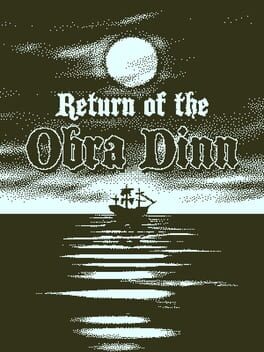
Return of the Obra Dinn Is Rashomon in Game Form
Lucas Pope's deduction game has a different surface: a ghost ship, a Victorian ledger, a monochrome palette. But the underlying question is Rashomon's question: can you reconstruct a complete true account from a set of fragmentary, partial, and conflicting records? Obra Dinn earns its ending precisely because it makes the player feel the weight of evidence and inference rather than revelation. It is one of the few games that treats epistemology as a design tool.
A Lineage of Unreliable Accounts
- 1915Ryunosuke Akutagawa publishes Rashomon (the gate story)
- 1921Akutagawa publishes In a Bamboo Grove, the multi-deposition murder story that becomes the film's core
- 1950Kurosawa's Rashomon premieres, wins the Venice Golden Lion Rashomon
- 1951Rashomon wins the Academy Honorary Award; Western critics encounter Japanese cinema in force for the first time
- 1964Martin Ritt's The Outrage remakes Rashomon as a Western, relocating the story to New Mexico The Outrage
- 1974The Rashomon effect enters academic vocabulary, used in sociology to describe divergent eyewitness accounts
- 2016Return of the Obra Dinn begins development; ships 2018 as arguably the most Rashomon-inflected game ever made Return of the Obra Dinn
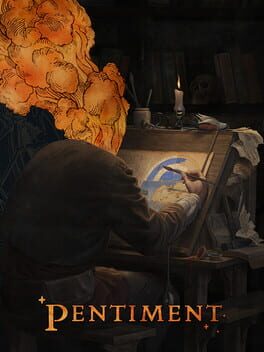
- 2021Pentiment begins development at Obsidian, a murder mystery set in a Bavarian monastery where the truth is never fully available Pentiment
Kurosawa, samurai, unreliable truth
For Fans of Akira Kurosawa
Explore the For Fans of Akira Kurosawa guide →It is human to lie. Most of the time we cannot even be honest with ourselves.Rashomon (1950)