

The Man Who Made You Believe
Richard Donner directed some of the most commercially beloved films of the late twentieth century, but what separated him from the pack was never scale. It was sincerity. At a moment when Hollywood was learning to build machines, Donner kept building people.
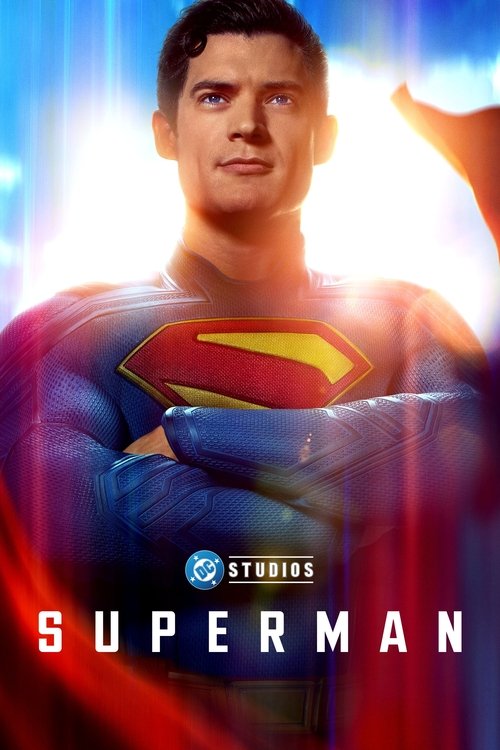
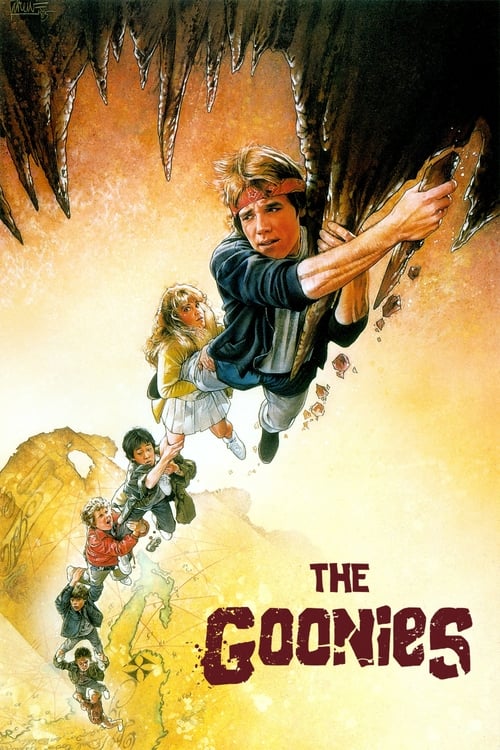
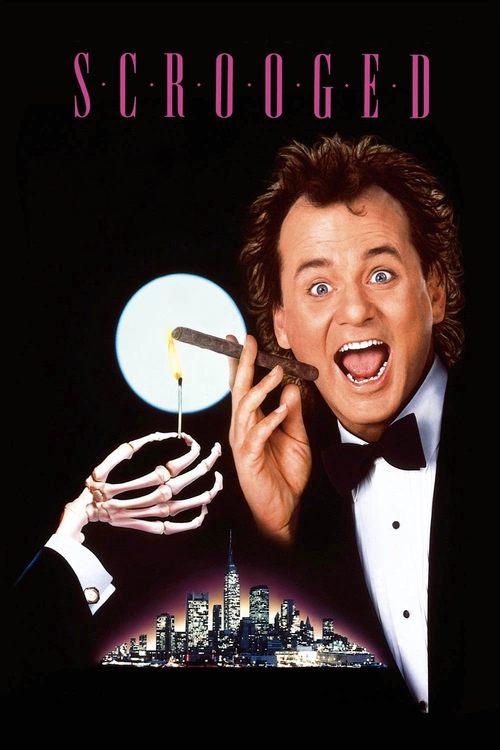
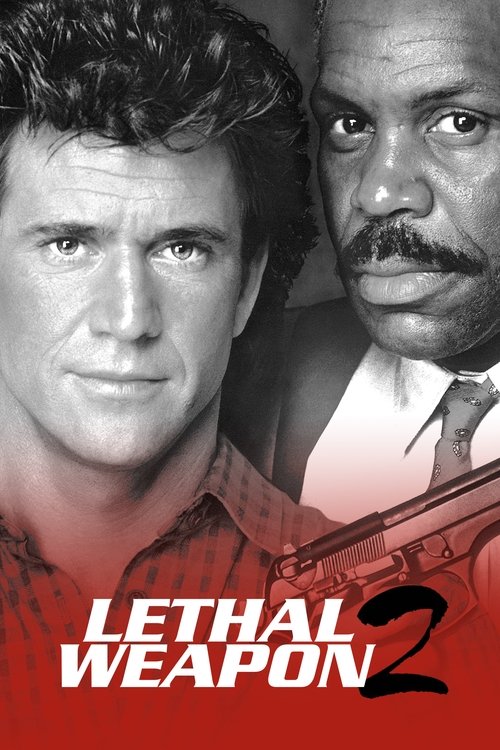
His Superman (1978) established the template for every superhero film that followed, not because of its effects but because Christopher Reeve made you feel, for two hours, that a man could fly and that it mattered. The Lethal Weapon series ran for four entries across a decade and never lost its heat, because Mel Gibson and Danny Glover's partnership felt like a real friendship forged under pressure. The Goonies is a children's adventure that treats its kids as full human beings, messy and scared and funny. Scrooged finds genuine darkness inside a Christmas comedy that most directors would have left comfortably light.
The through-line is craft in service of feeling. Donner's films are fast, generously plotted, and anchored in physical performance. He came up through television, including early episodes of The Twilight Zone and The Man from U.N.C.L.E., and he carried that training forward: every scene earns its place, the camera serves the actors, and the audience is never made to feel stupid for caring. His world is one where loyalty and decency matter, where the underdog has a genuine shot, and where entertainment and emotion are not opposites.
Essential Richard Donner
The films that define his craft

Blockbusters With a Beating Heart
Films that match his gift for spectacle without forgetting the characters
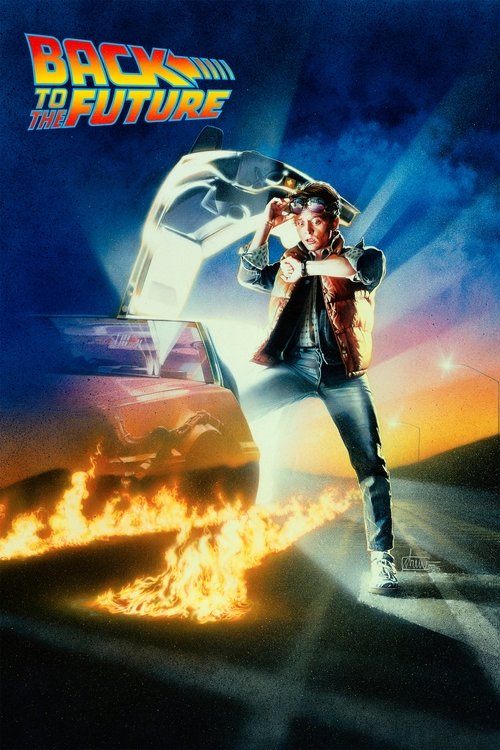
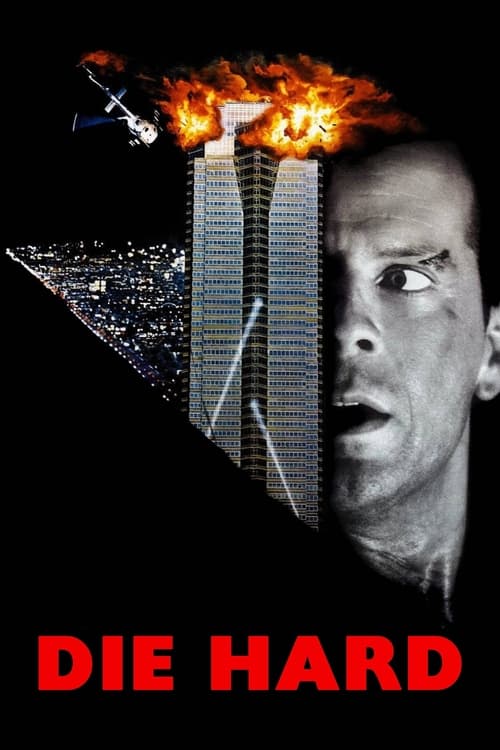
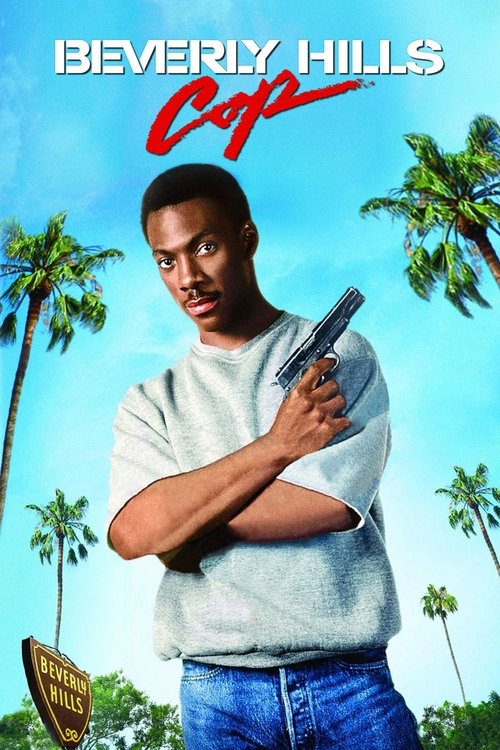
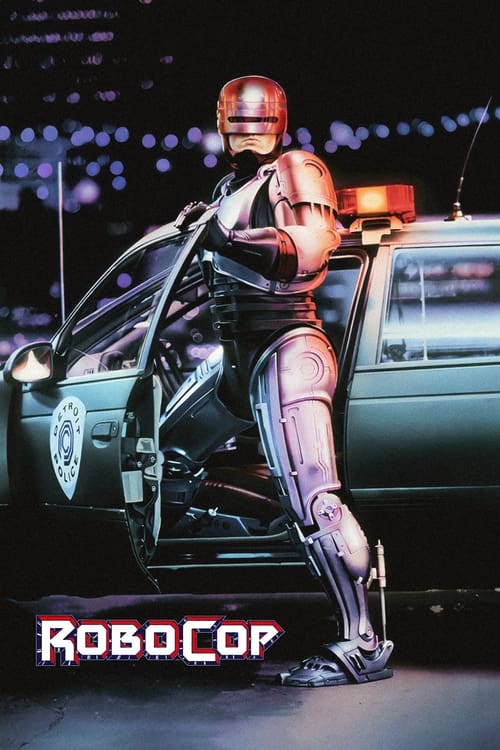

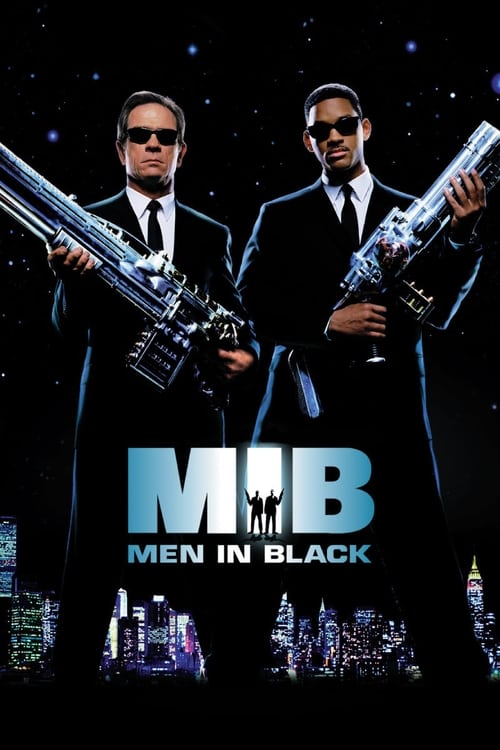

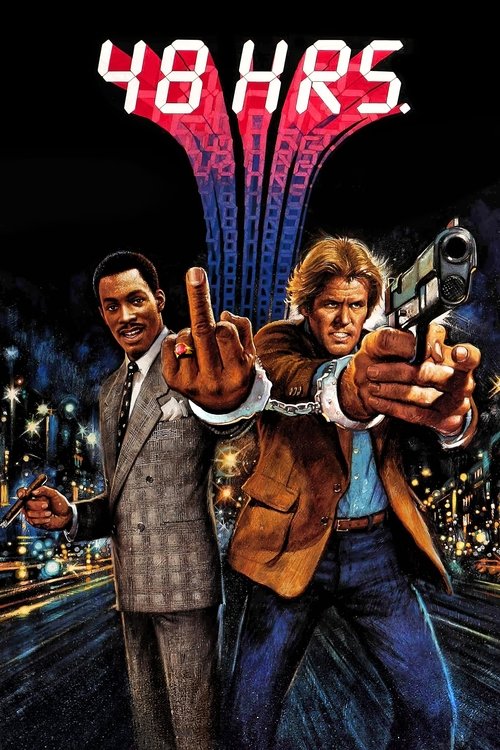
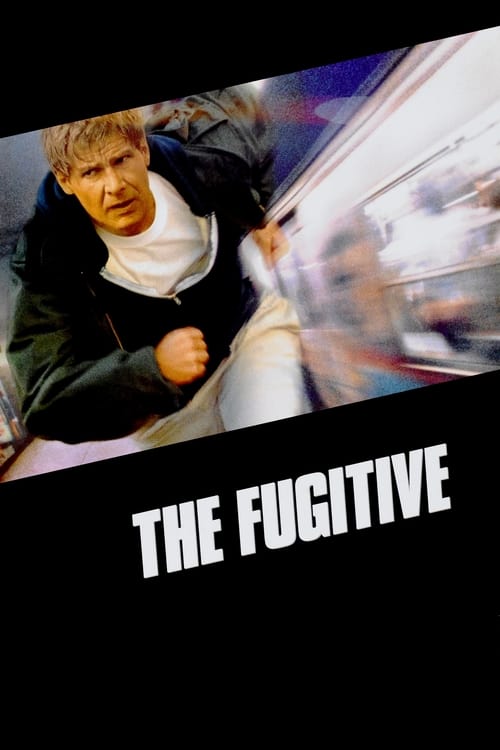
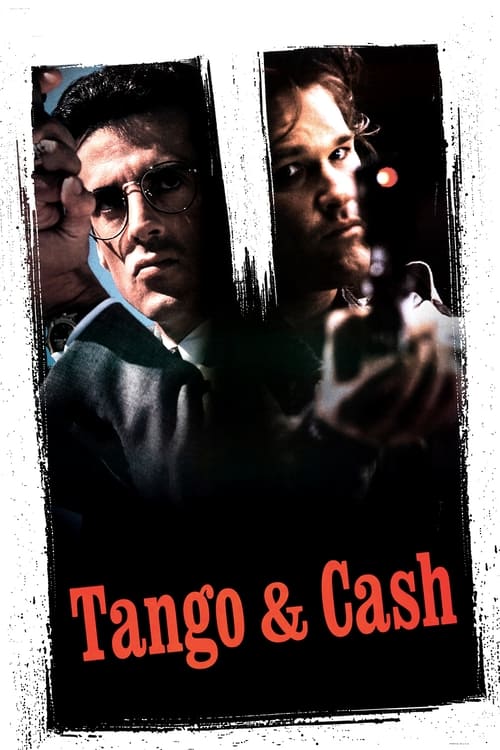
The Warm Villain, the Unlikely Hero
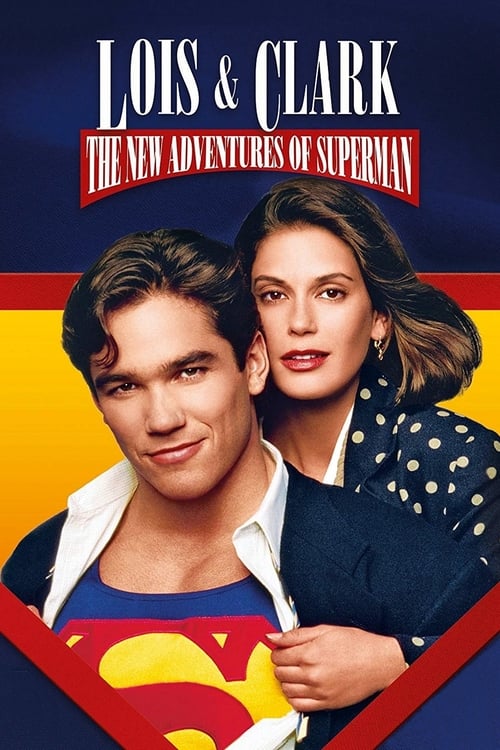
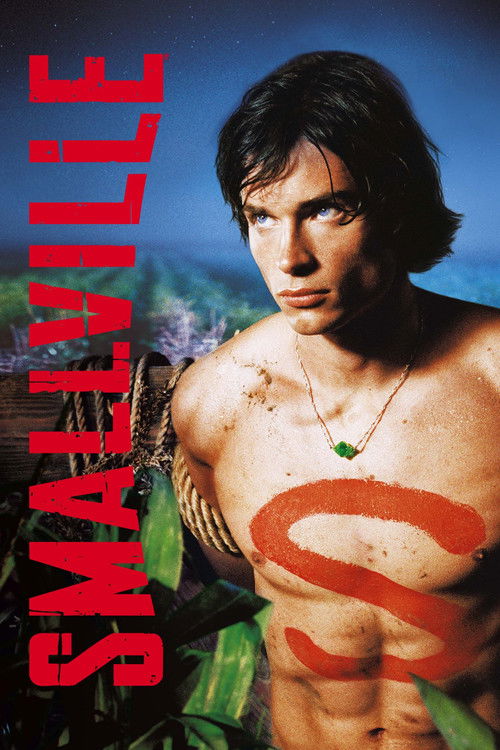
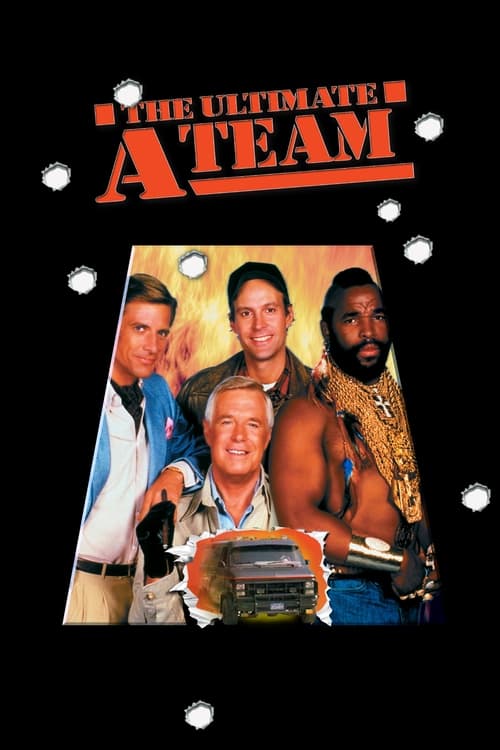
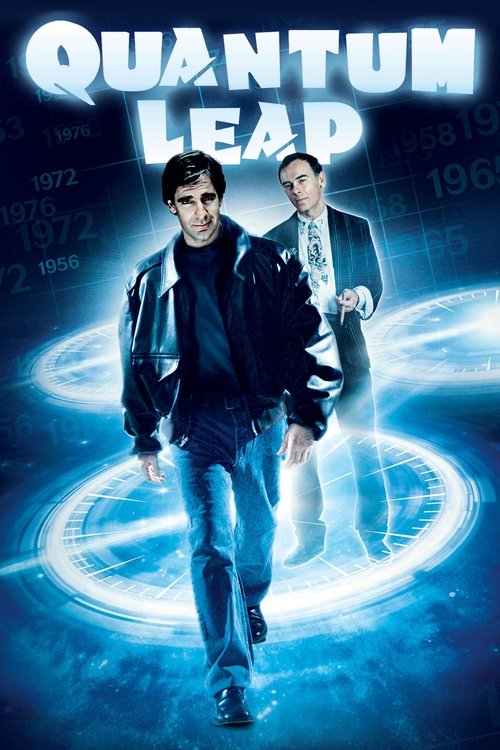
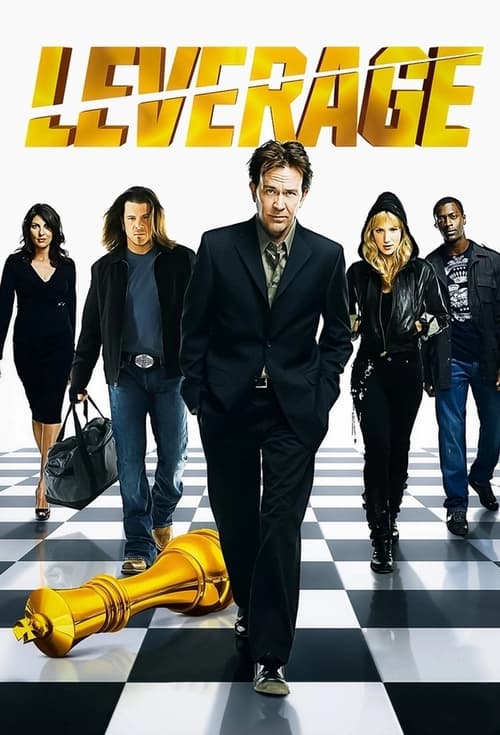
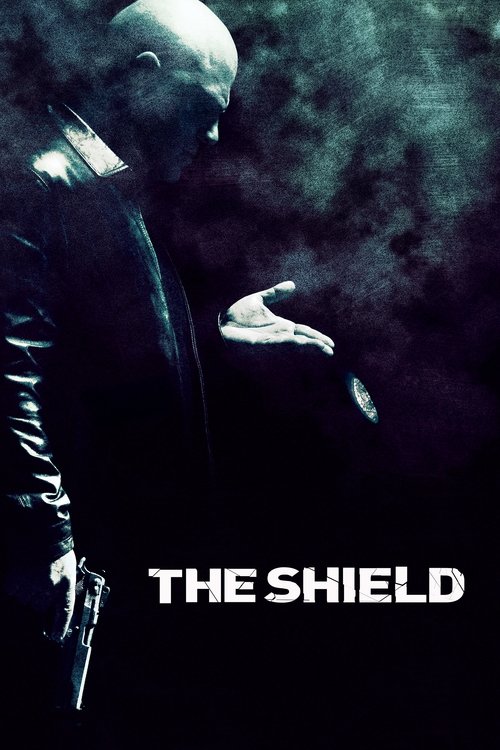
Television that shares his belief in the underdog and the durable value of a good partner




Adventure on the Page
Books that share his sense of propulsive, warm-hearted storytelling


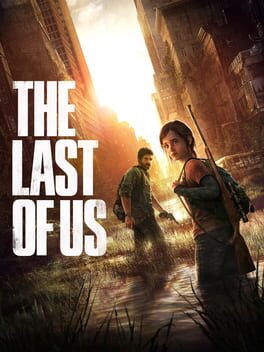
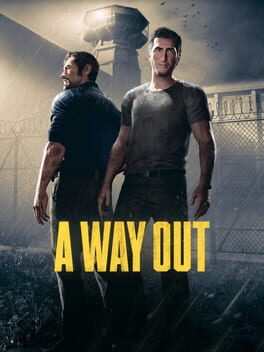
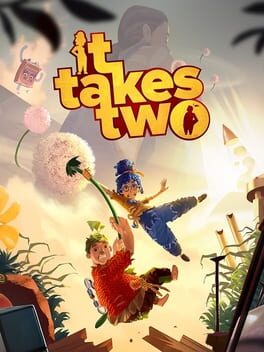
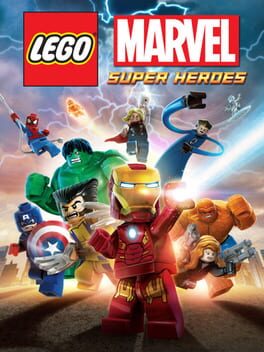
Games With the Same Adrenaline and Heart
Interactive experiences built on partnership, momentum, and moral grounding


Superman (1978) is still the perfect entry point
Superman is where Donner crystallised everything he was good at: a hero who earns affection rather than demanding it, a villain (Gene Hackman's Lex Luthor) played for laughs that never defuse the threat, and a romantic subplot that actually works. John Williams's score does half the heavy lifting, but Donner gives it the images it needs. The film is not naive. It takes the premise seriously, treats the character with care, and earns the famous tagline by making you feel something. Start here. The rest makes more sense after it.
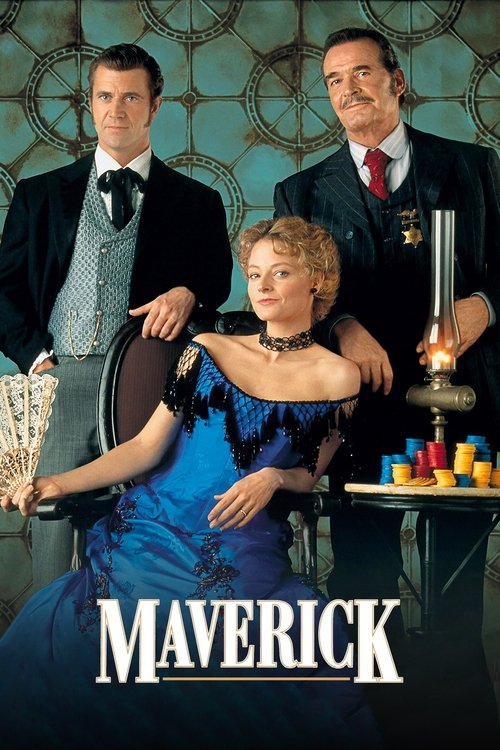
The underrated one is Maverick
Mel Gibson and Jodie Foster at peak wit, James Garner threading every scene with quiet authority, a script that keeps finding one more gear. Maverick (1994) is Donner in pure entertainment mode, loose and confident, and it is consistently overlooked in his filmography. It plays like a Hawks western shot by someone who loves the genre without being reverent about it. Garner had originated the character on television in 1957, and his presence here is not a cameo. It is the film's conscience, and the reason the ending lands.
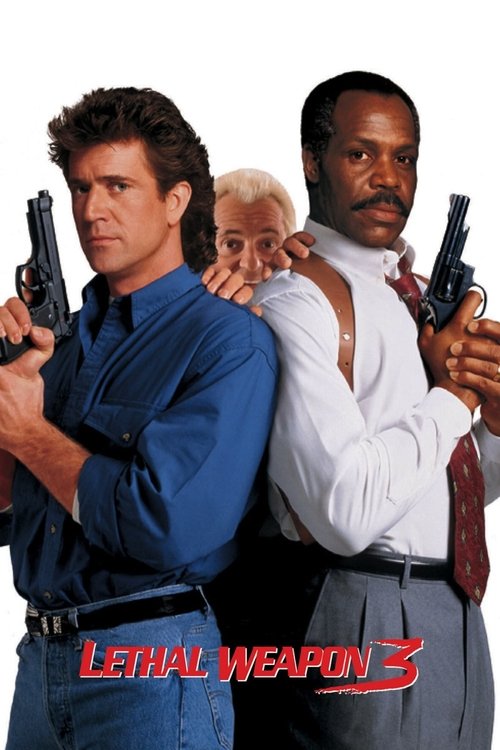
The Lethal Weapon series is a masterclass in buddy chemistry
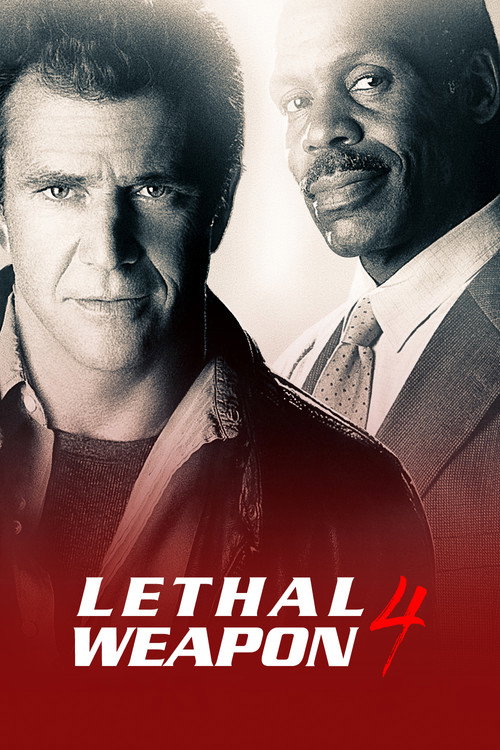
Gibson and Glover's dynamic is built on contrast, not similarity, and Donner never lets the films forget that. The first entry is genuinely bleak in places. The rooftop scene is played for real emotional weight, not bravado. The sequels earn their lighter register because the friendship has been properly established. The series does not degrade gracefully across all four films, but the first two are as tight as anything from the decade, and the partnership they document is the template every buddy-cop film since has been trying to replicate.
The Goonies is the spiritual ancestor of most adventure games made since
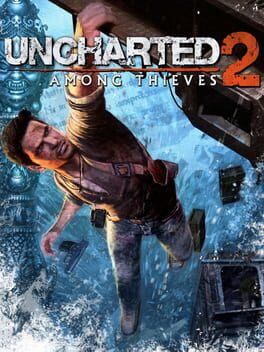
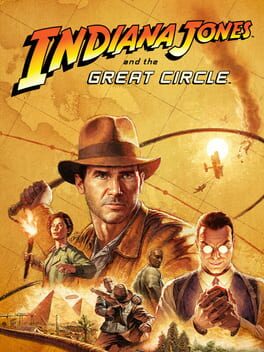
The Uncharted series, Indiana Jones and the Great Circle, co-op platformers with ensemble casts: a significant share of interactive adventure DNA traces back to The Goonies. Donner and Steven Spielberg, who produced, built a film where the kids solve real problems, face real stakes, and earn the ending. The structural logic is a game level: a group with different skills, a ticking clock, obstacles that reward lateral thinking. It holds. The reason the Uncharted games feel cinematic is partly because the cinema they are drawing on was Donner's.
Richard Donner: Career Highlights
- 1961Television work begins, including The Twilight Zone
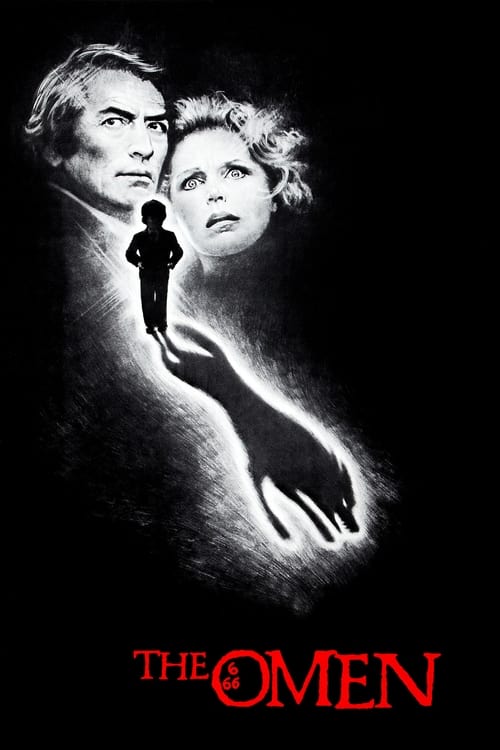
- 1976The Omen establishes his feature career The Omen
- 1978Superman defines the modern superhero film Superman
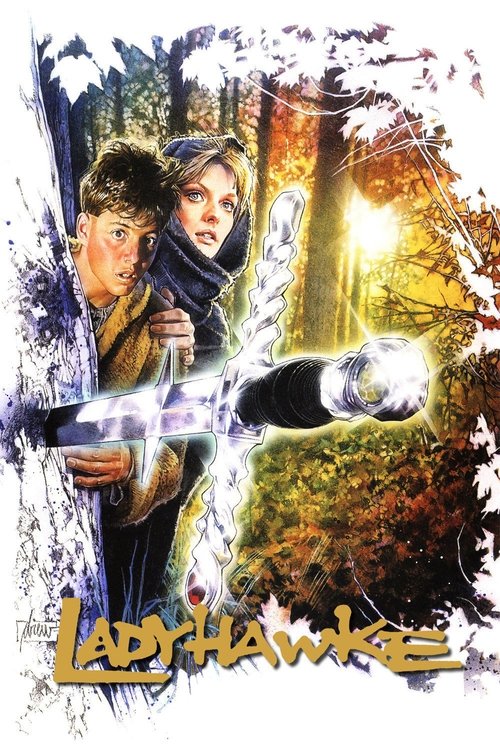
- 1985Ladyhawke and The Goonies in the same year The Goonies
- 1987Lethal Weapon launches the definitive buddy-cop franchise Lethal Weapon
- 1988Scrooged reinvents the Dickens Christmas story Scrooged
- 1989Lethal Weapon 2 raises the stakes Lethal Weapon 2
- 1994Maverick: peak wit, peak cast Maverick
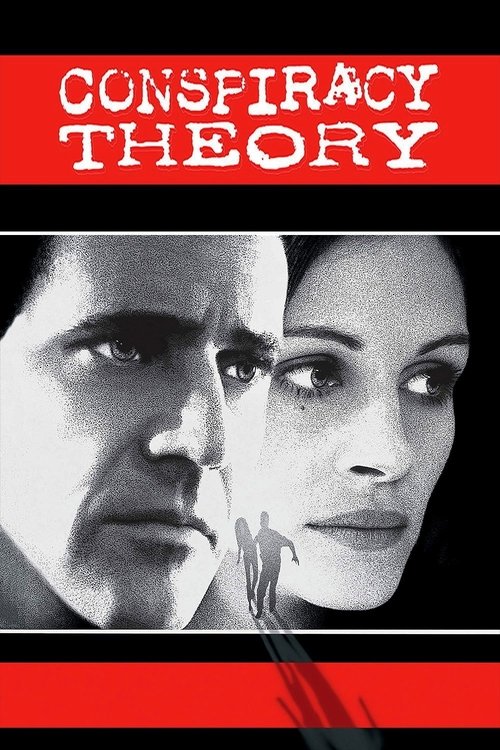
- 1997Conspiracy Theory with Gibson and Roberts Conspiracy Theory
- 1998Lethal Weapon 4 closes the franchise Lethal Weapon 4
Adventure, heroes, and warm-hearted action
For Fans of Die Hard
Explore the For Fans of Die Hard guide →He made you root for the hero, worry about the sidekick, and laugh at the villain, all in the same scene. That is harder than it looks.CrossBinge editors