
Richard Matheson did not write about monsters from outer space or ancient evils from forgotten tombs. He wrote about the man across the street, the last person alive in Los Angeles, the husband who watches his wife shrink away from him. His horror is domestic, his science fiction intimate, his fantasy shot through with genuine grief. Matheson's through-line is the ordinary person pushed to the absolute edge of what they can survive, physically and psychologically, and the way that pressure reveals something true about being human. He invented the modern zombie apocalypse with 'I Am Legend' before the genre had a name. He wrote the episode of 'The Twilight Zone' that still makes people check the window seat on airplanes. He gave us a vision of the afterlife so earnest it became a major film twice. If you love Matheson, you love fiction that refuses to let you feel safe in your own life.
Essential Richard Matheson
The novels and stories that define his vision


Matheson on Screen
The films and series built directly from his work

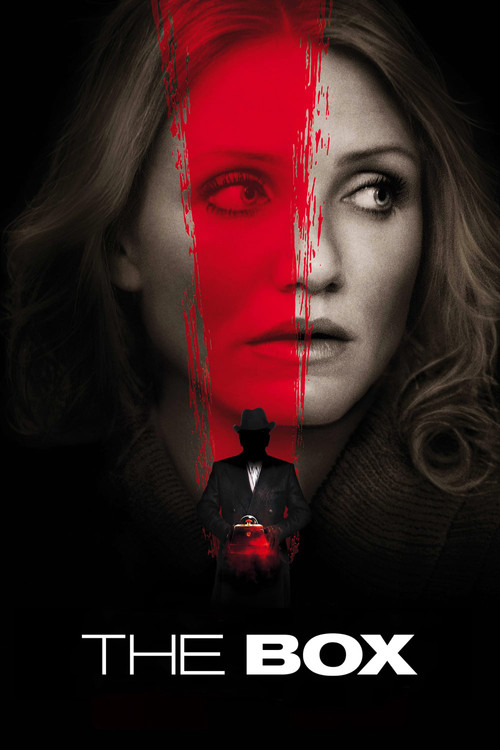

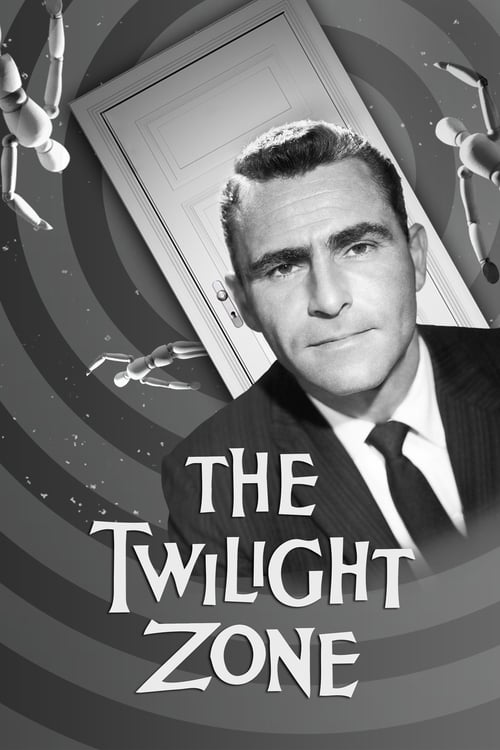
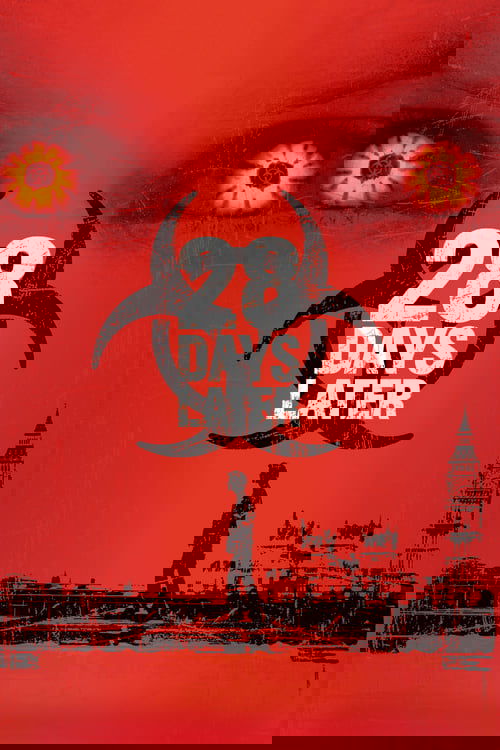
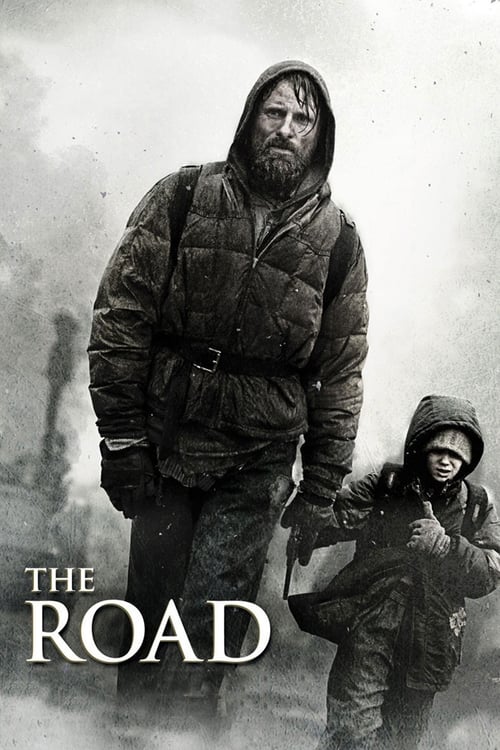
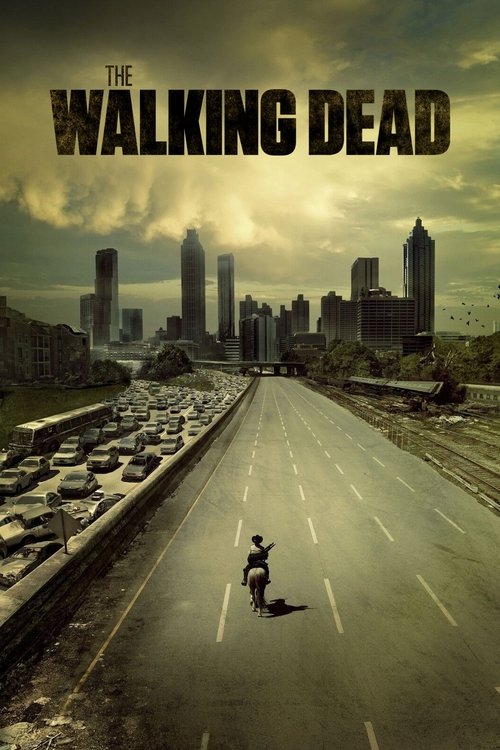
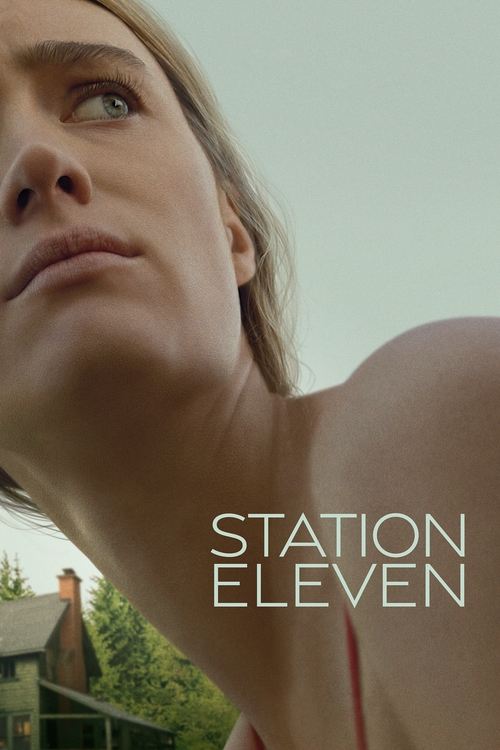
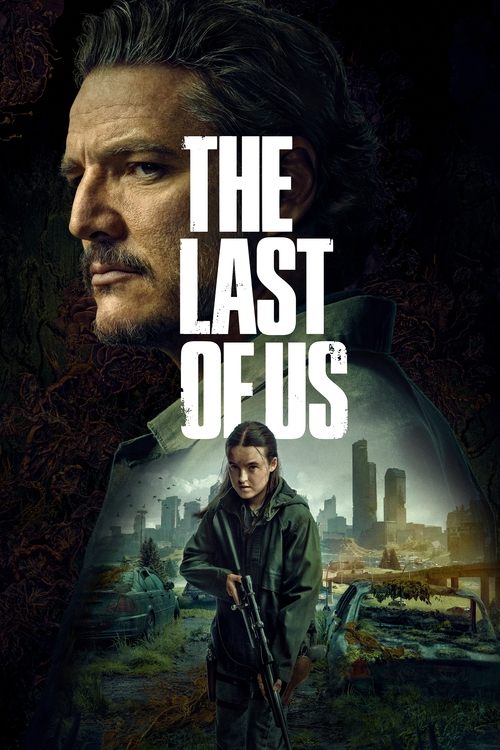
If You Love I Am Legend: Siege and Survival
Stories of the last person standing, in every medium



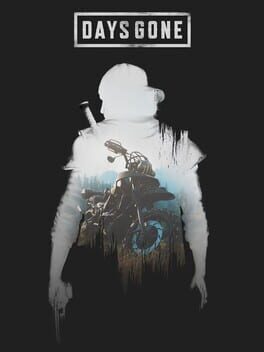
If You Love Hell House: Haunted Spaces and Psychological Horror
Houses, places, and presences that get inside your head

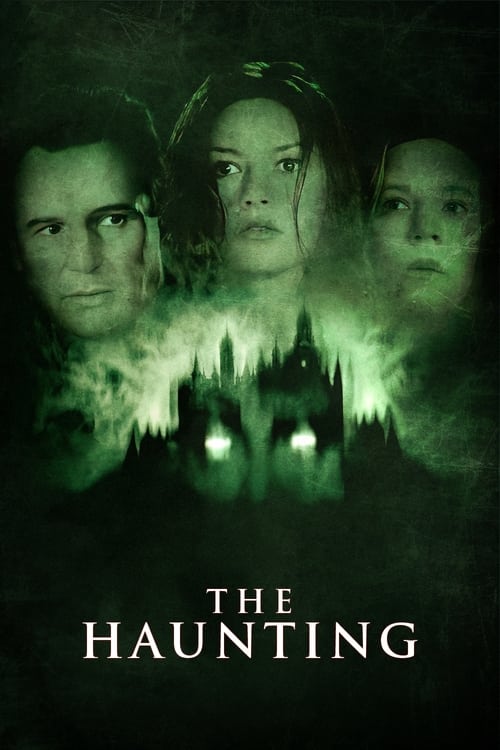
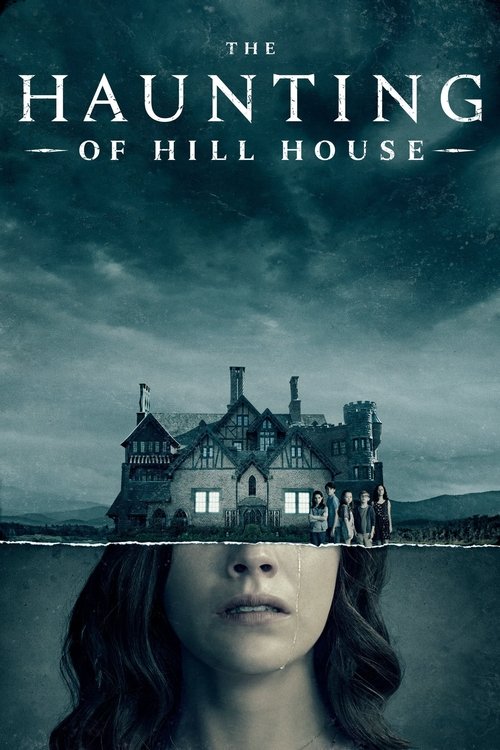
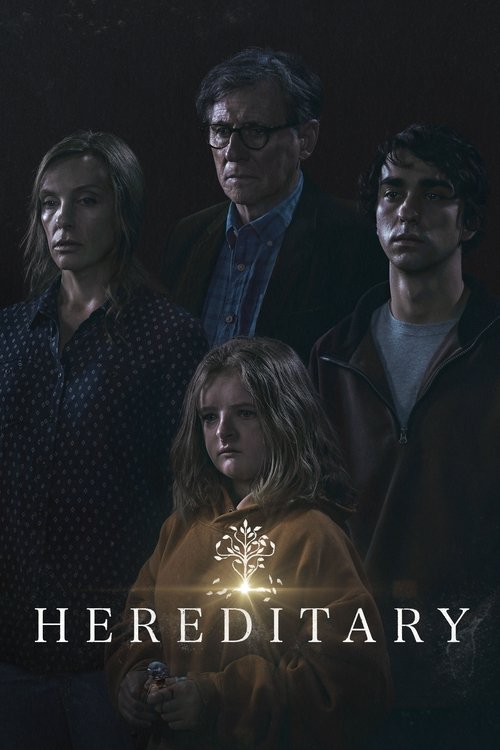


If You Love What Dreams May Come: Fantasy with Real Emotional Weight
Stories about love, loss, and what comes after




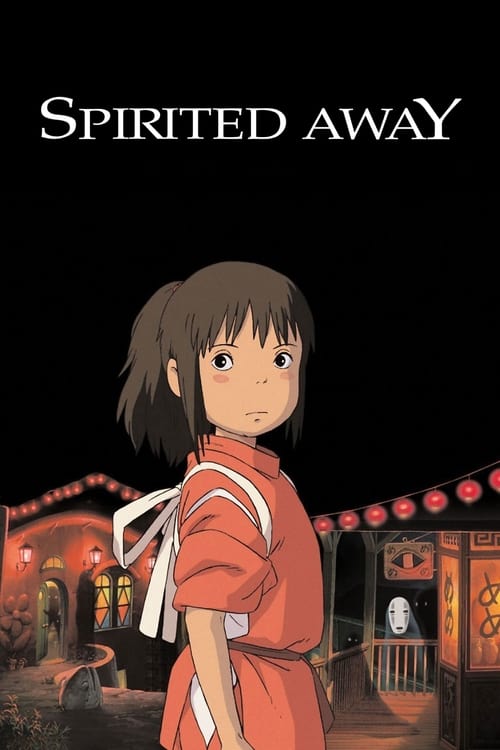
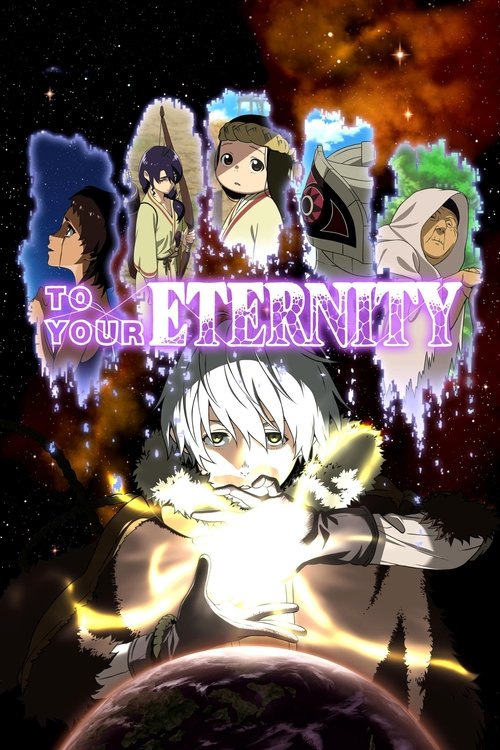
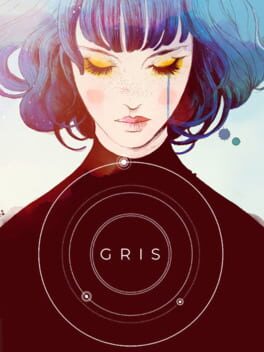
The Twilight Zone Lineage: Uncanny, Ironic, Unforgettable
The tradition of short-form moral horror and sci-fi he helped define
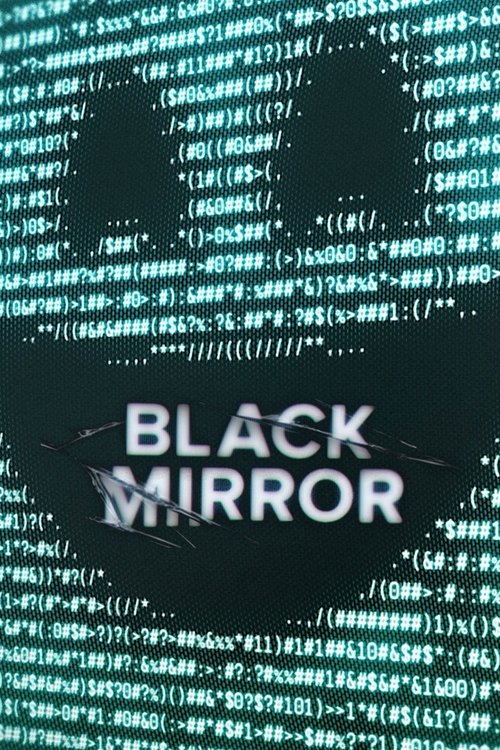
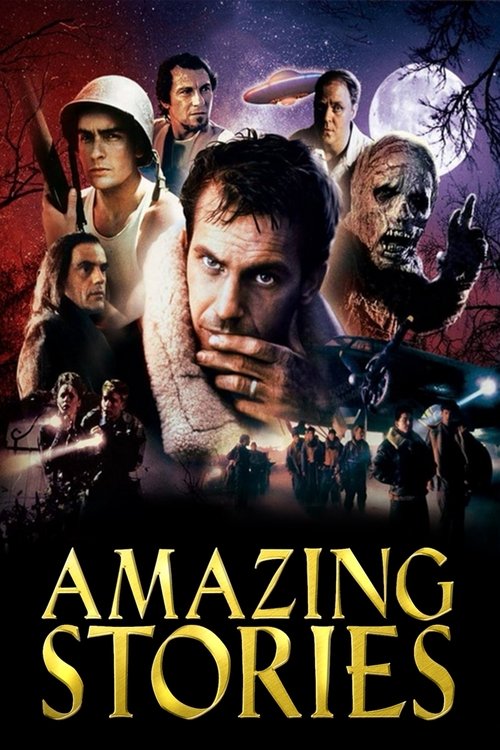
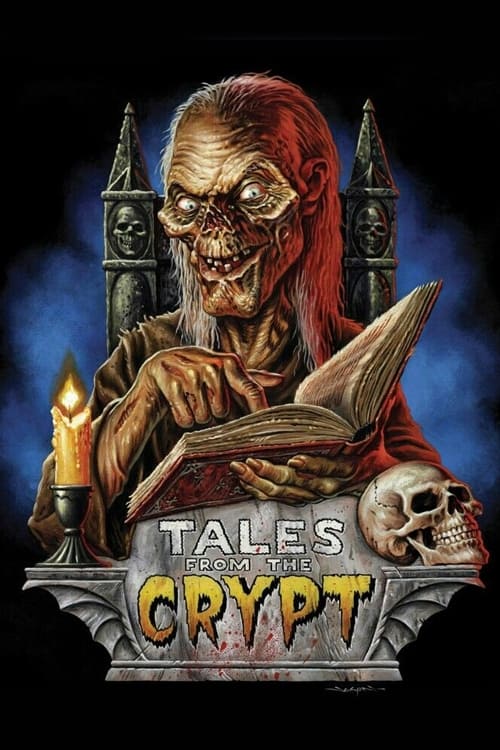
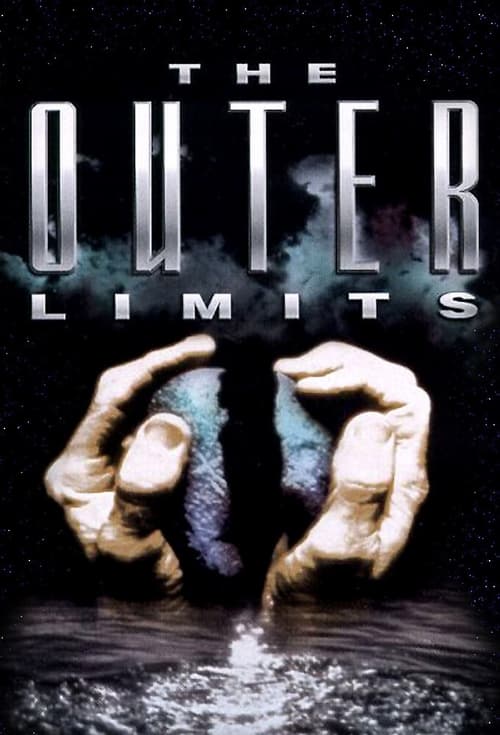
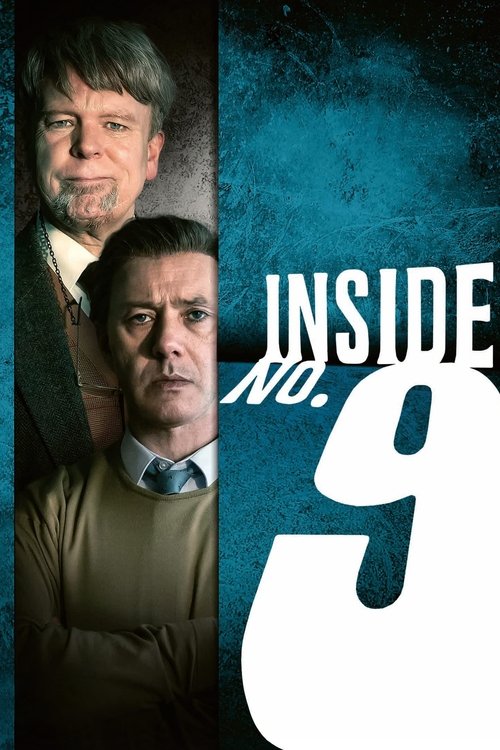
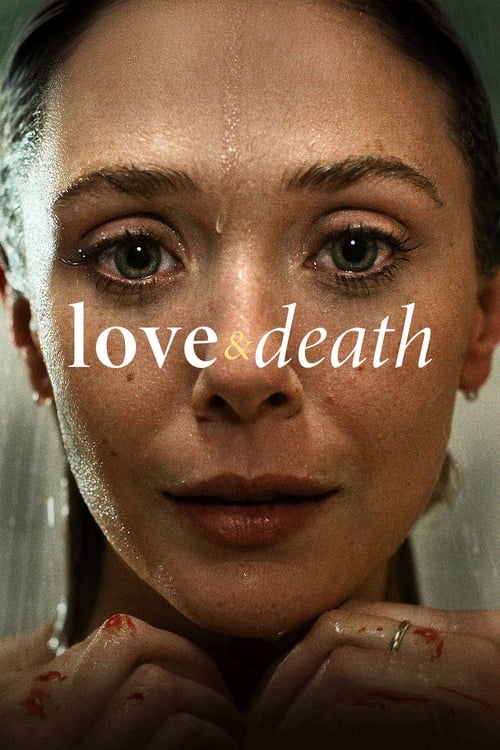
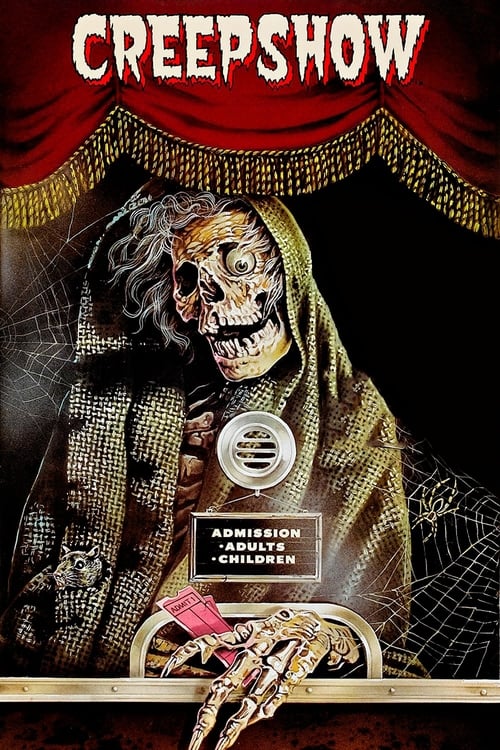
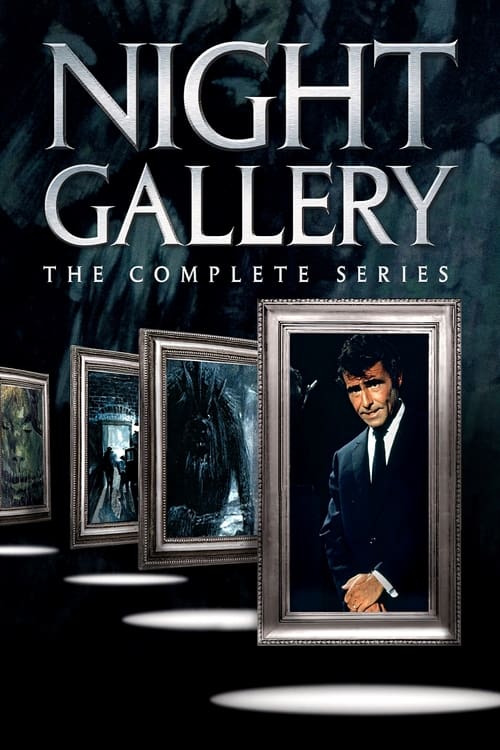
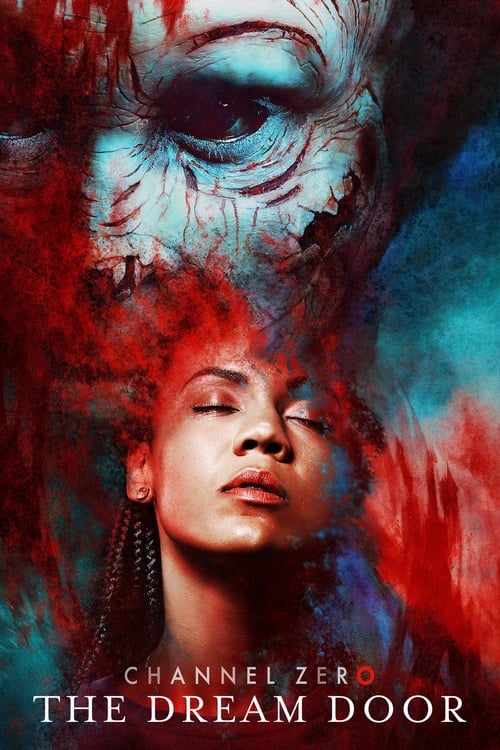
Authors Who Share Matheson's Frequency
Horror and sci-fi writers with that same sense of intimate, domestic dread


I Am Legend Invented the Rules Everyone Else Follows
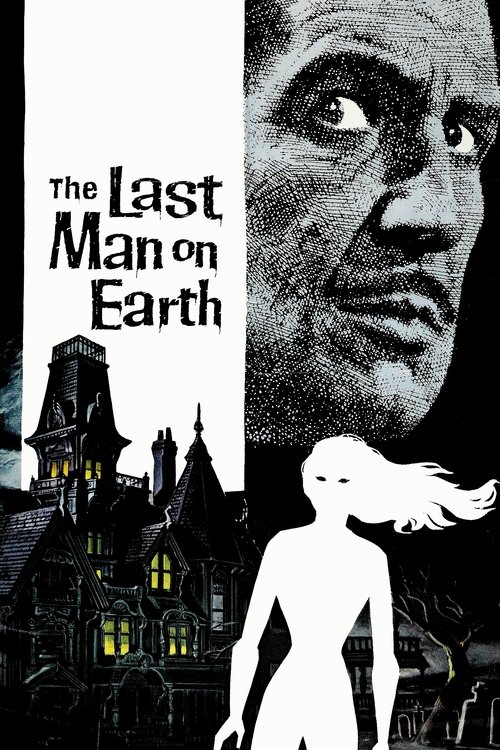
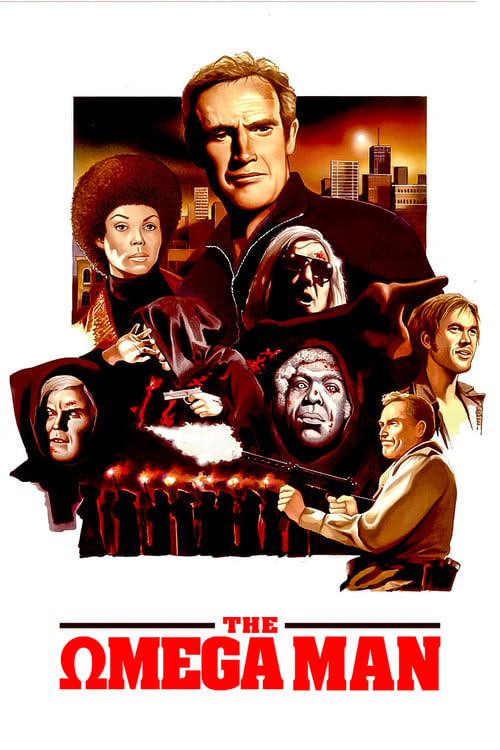
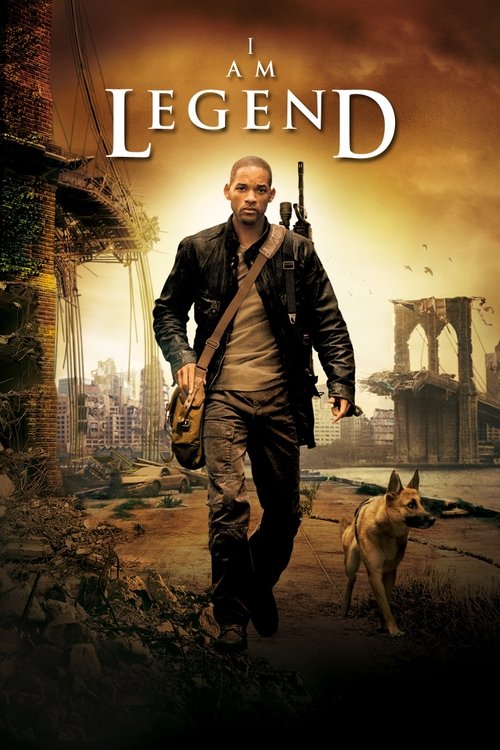
Every zombie apocalypse, every pandemic thriller, every last-person-on-earth narrative owes a debt to Matheson's 1954 novel. He invented the idea that the survivor is the real monster from the enemy's perspective, a twist so elegant it still lands decades later. The book is also rigorously scientific for its era: Neville researches vampirism as a disease, treating horror as a problem to be solved. The three film adaptations each pull a different thread from the novel, and none of them fully captures what made the book radical.
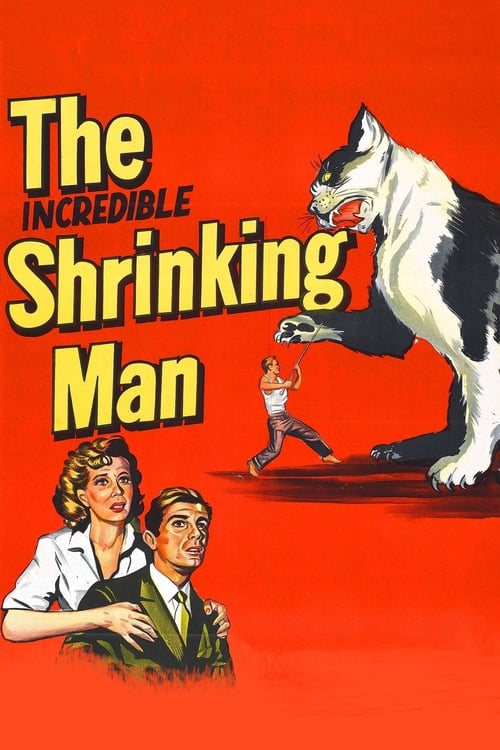
The Shrinking Man Is Not a Creature Feature, It Is an Existential Reckoning
Matheson uses the premise of a man literally shrinking as a vehicle for something almost unbearably human: the loss of purpose, of identity, of one's place in a family and a world. By the final chapters the protagonist is so small that conventional notions of survival have dissolved entirely, and Matheson pivots to something close to transcendence. The 1957 film is a faithful and surprisingly faithful adaptation, but the novel is denser and stranger.
Duel Is the Purest Distillation of Matheson's Paranoia
Written as a short story and adapted by Spielberg as his first major film, Duel strips Matheson's formula to its bones: an ordinary person, a single inexplicable threat, and absolutely no explanations given. The truck is never explained. The driver is never seen. The terror is pure and mechanical, and it works entirely because Matheson trusted the premise without hedging. It remains one of the most economical horror scripts ever produced.
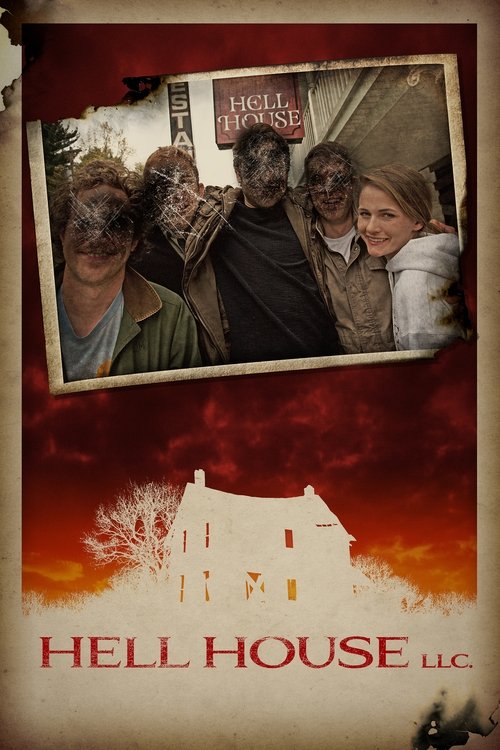
Hell House Is the Haunted House Novel That Refuses Comfort
Where Shirley Jackson made her haunted house ambiguous and psychological, Matheson made his brutally physical and deliberately transgressive. Hell House was scandalous on publication and remains aggressively unpleasant in places. That is entirely the point: Matheson wanted a haunted house story that took the premise seriously as a physical danger, not just a gothic atmosphere. The 1973 film keeps the chill while softening the content.
Richard Matheson: A Career in Dread
- 1950First short story 'Born of Man and Woman' published in The Magazine of Fantasy and Science Fiction, immediately recognized as a major new voice.
- 1954I Am Legend published, inventing the modern vampire/zombie apocalypse genre. I am Legend
- 1956The Shrinking Man published. The Shrinking Man
- 1957The Incredible Shrinking Man released, adapted from his own novel. The Incredible Shrinking Man
- 1959Begins writing for The Twilight Zone, contributing some of its most celebrated episodes including 'Nightmare at 20,000 Feet'. The Twilight Zone
- 1971Duel published as a short story and immediately adapted by Steven Spielberg. Duel
- 1971Hell House published. Hell House
- 1975Trilogy of Terror airs, featuring the Zuni fetish doll story adapted from his work.
- 1978What Dreams May Come published. What Dreams May Come
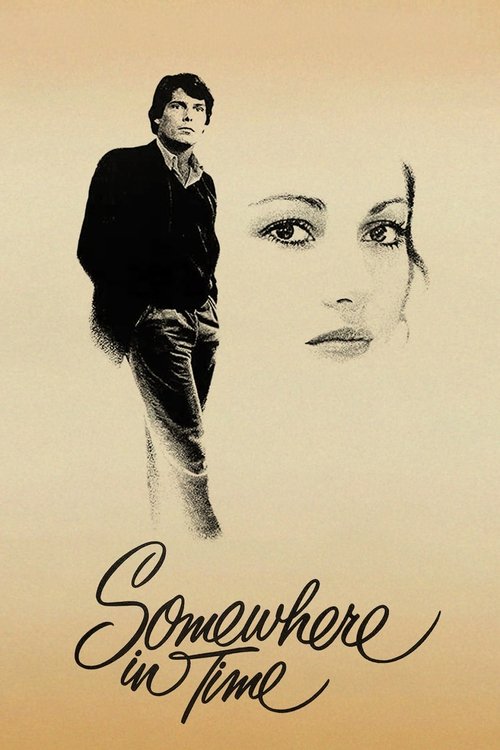
- 1980Bid Time Return adapted as Somewhere in Time. Somewhere in Time
- 1998What Dreams May Come reaches the screen with Robin Williams. What Dreams May Come
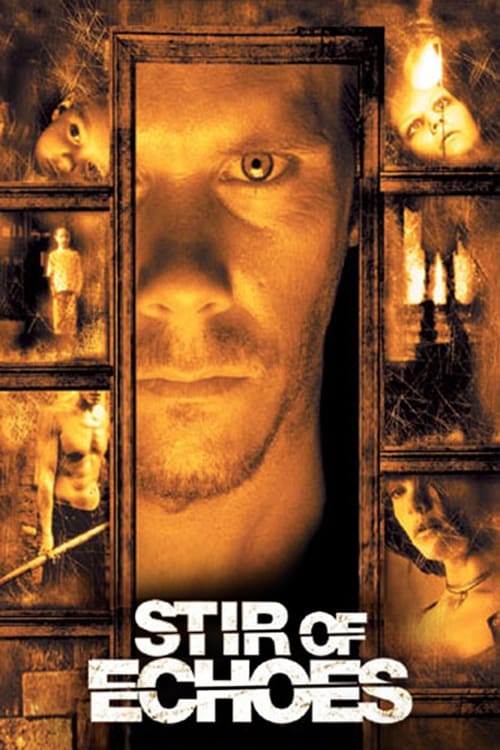
- 1999A Stir of Echoes adapted as a film. Stir of Echoes
- 2007I Am Legend receives its third major adaptation. I Am Legend
- 2013Matheson passes away, leaving a body of work that shaped almost every corner of modern genre fiction.
Personal dread across horror and sci-fi
Psychological Horror
Explore the Psychological Horror guide →He took the impossible and made it feel like it was happening to your neighbor, your wife, you. That is the hardest thing in genre fiction and Matheson made it look effortless.Stephen King on Richard Matheson