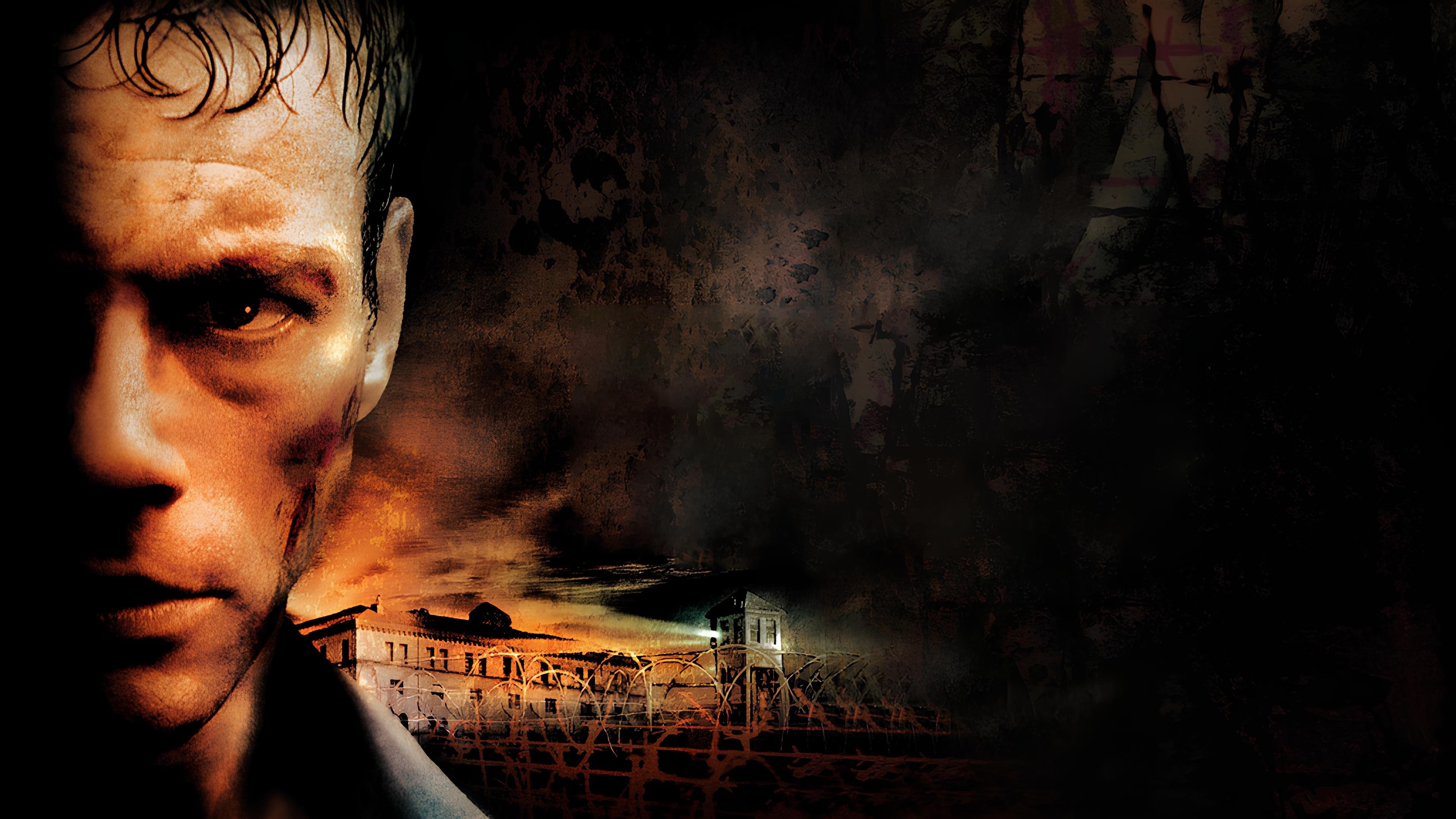

The Director Who Made Chaos Feel Earned
Ringo Lam Ling-Tung worked in a register that few filmmakers have matched: morally exhausted, formally precise, and utterly without comfort. Where John Woo gave Hong Kong crime cinema its balletic romanticism, Lam gave it grime and entropy. His films treat violence not as choreography but as consequence. Characters do not escape their situations; they get consumed by them.
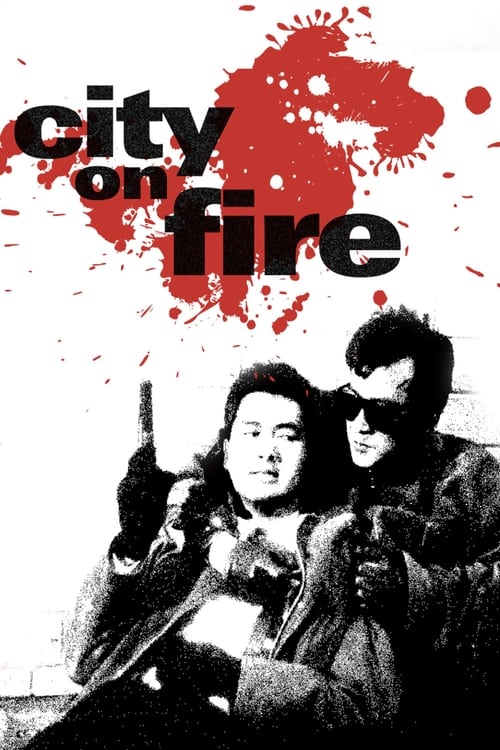
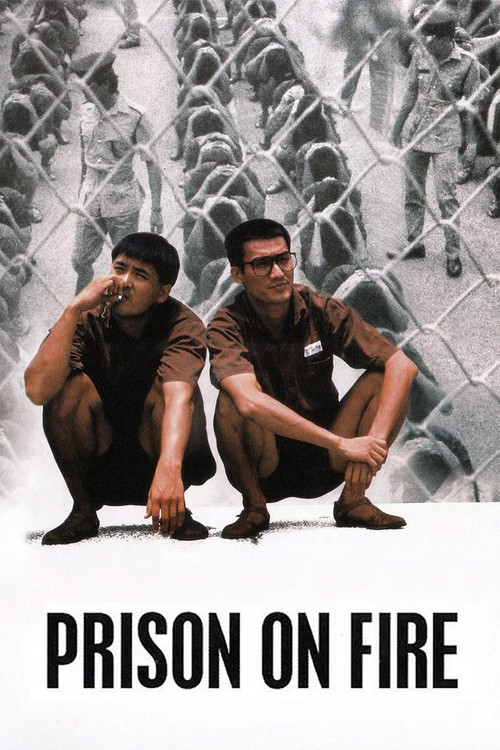
His breakthrough came in 1987 with Prison on Fire and City on Fire, two films that together established a sensibility: confined spaces, eroding loyalties, men performing toughness until it costs them everything. City on Fire in particular, with Chow Yun-fat playing an undercover cop whose cover becomes his actual life, is one of the great films about identity under pressure. Quentin Tarantino borrowed its final standoff geometry for Reservoir Dogs. What Tarantino kept was the shape; what he left behind was the sadness.
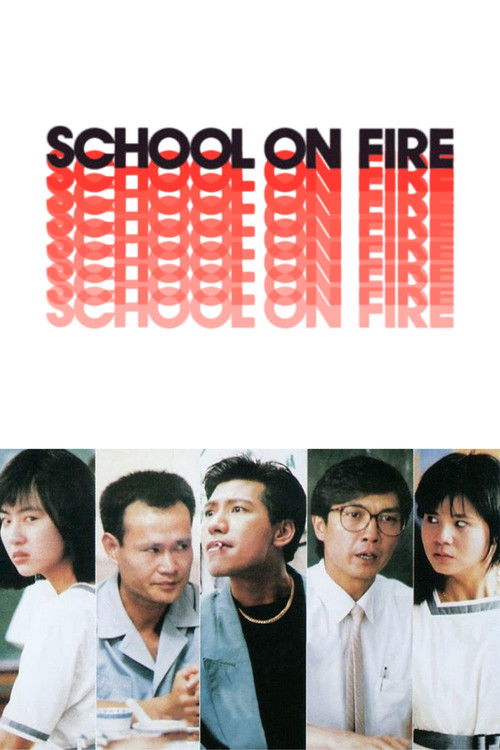
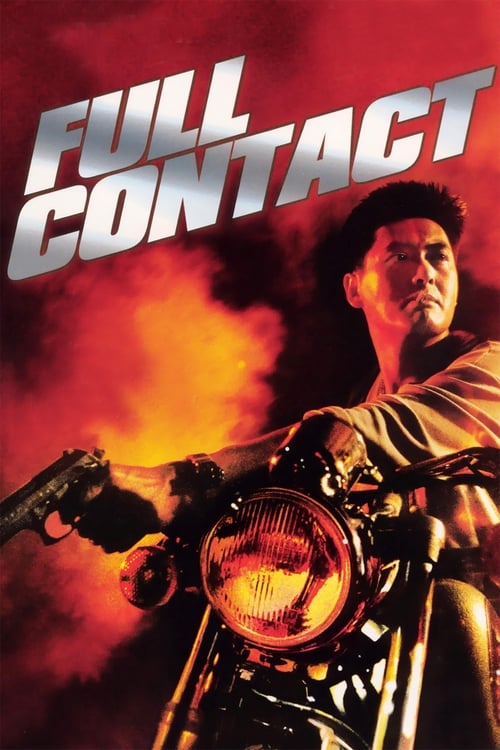
Lam continued pushing into darker corners through the 1990s. Full Contact (1992) is operatic in a way his earlier work deliberately resisted, and School on Fire (1988) remains one of the most disturbing Hong Kong films ever made about youth and institutional failure. His brief Hollywood period, making three films with Jean-Claude Van Damme, is more interesting than its reputation suggests: the constraints of the American action formula clearly chafed, but flashes of his original sensibility kept breaking through.
What unites his work across genres and decades is a fixation on the moment when a person's choices calcify into fate. His protagonists are never tragic heroes in the classical sense; they are ordinary men in systems that grind, and Lam never lets you look away from the grinding.
Essential Ringo Lam
His own films, ranked for where to start

Same DNA: Undercover Identity, Eroded Loyalty
Films and TV about people who lose themselves in the roles they play

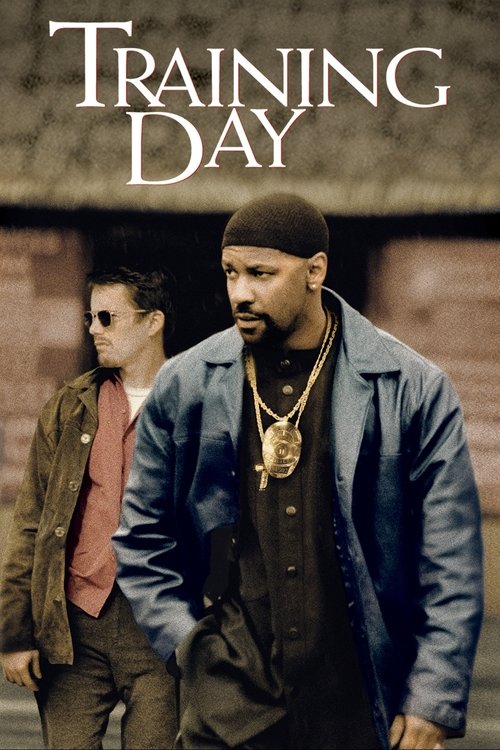
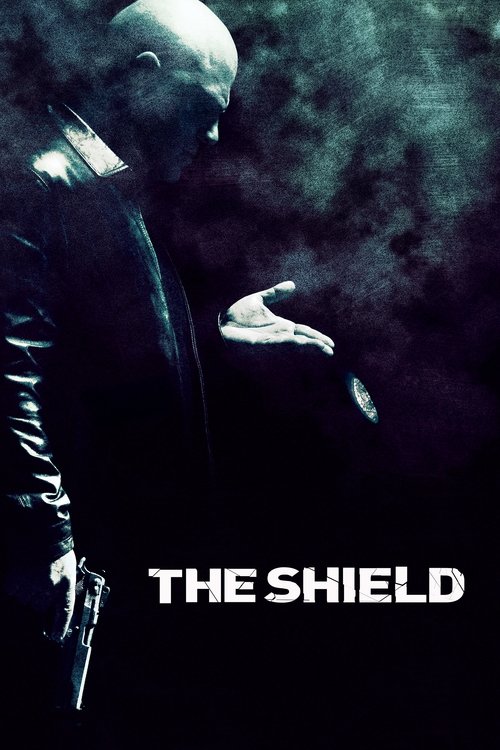
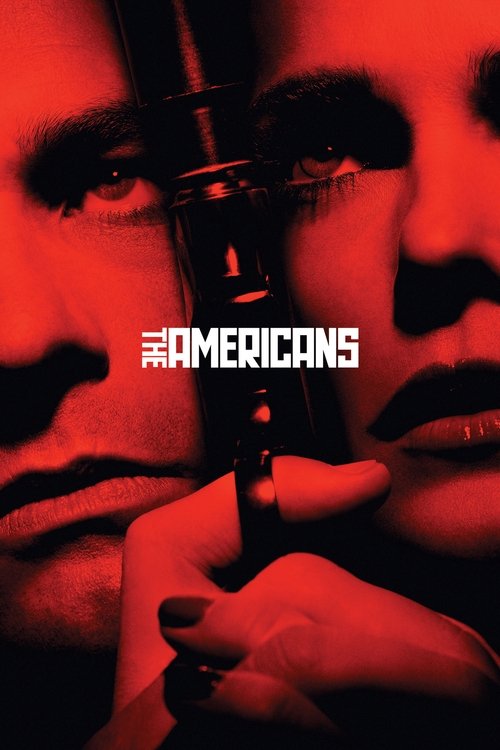
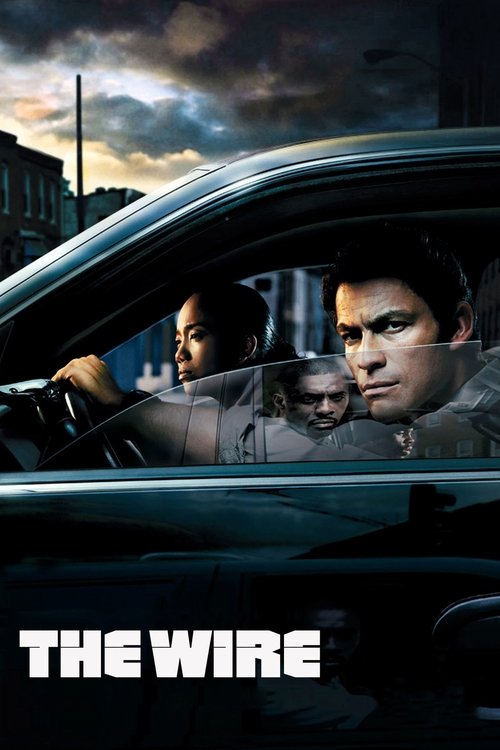
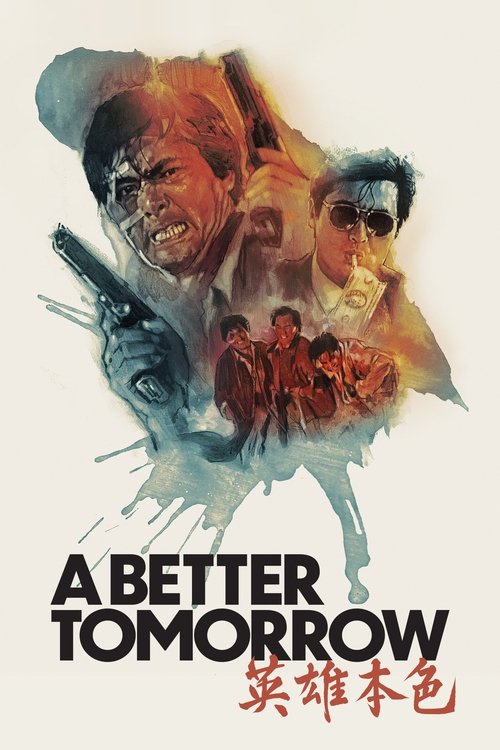
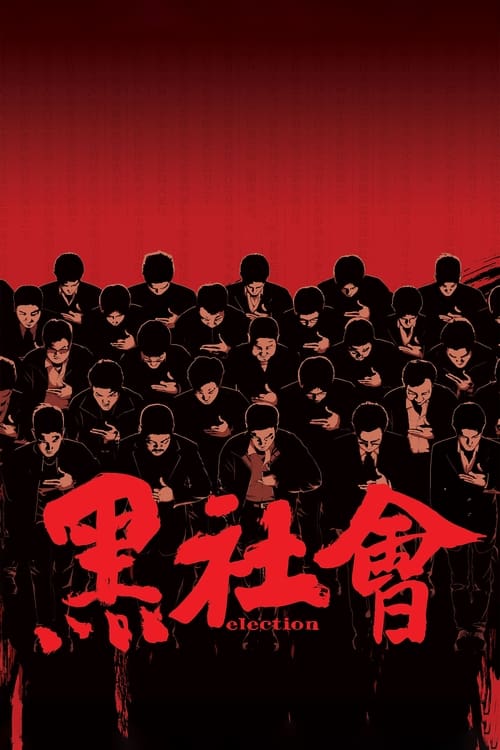
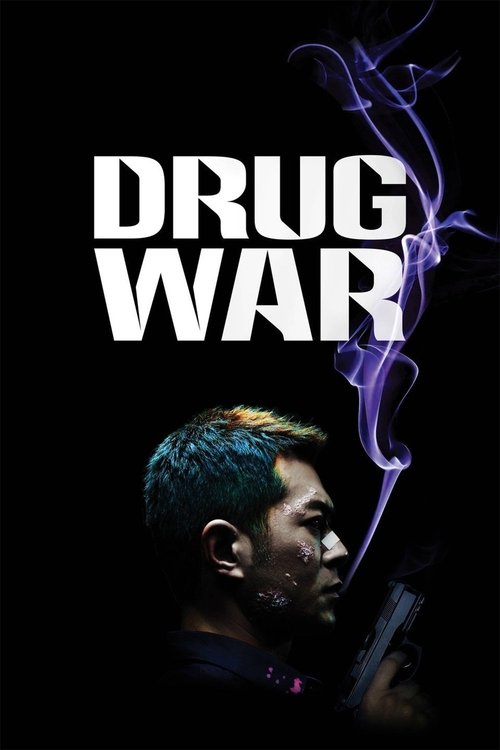
Hong Kong New Wave and Its Inheritors
The movement Lam helped define, and the filmmakers who carried it forward
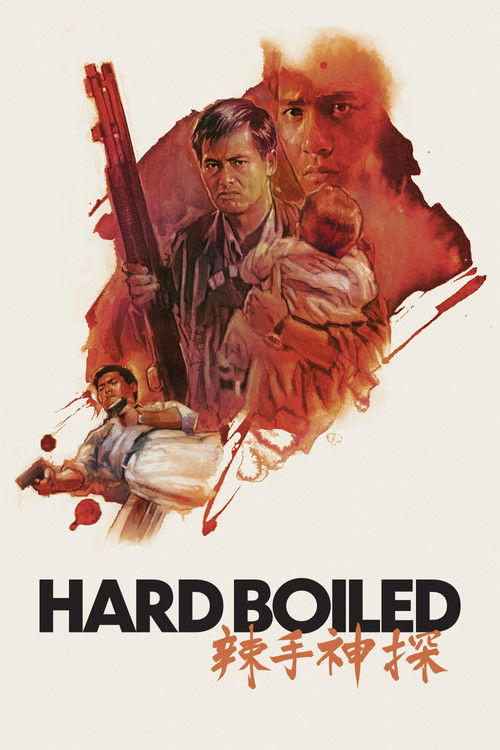


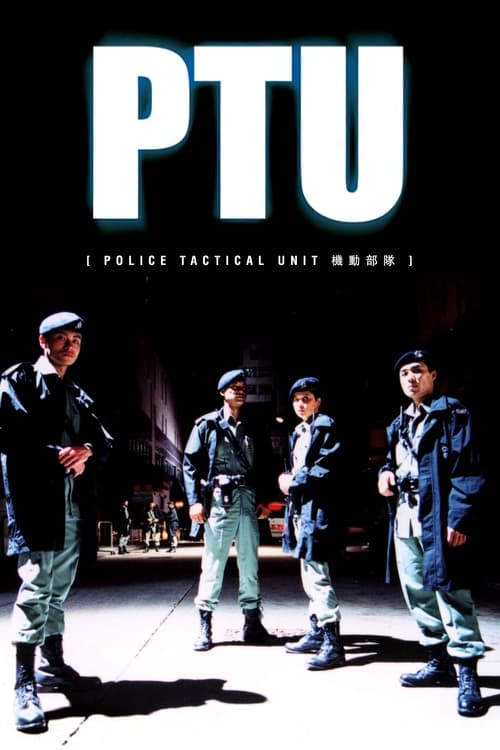
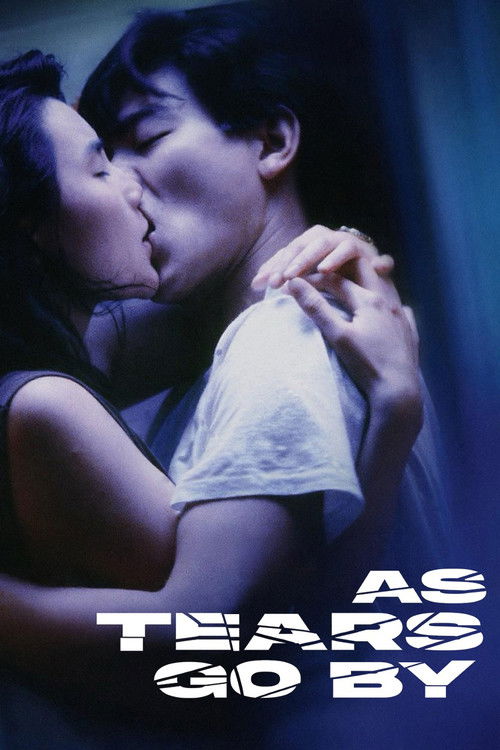
Institutional Rot and Men Trapped by Systems
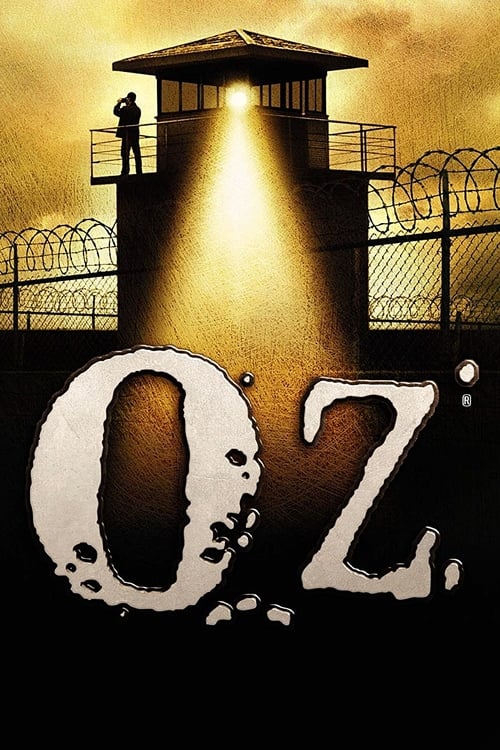
When the job, the prison, or the organization becomes the cage
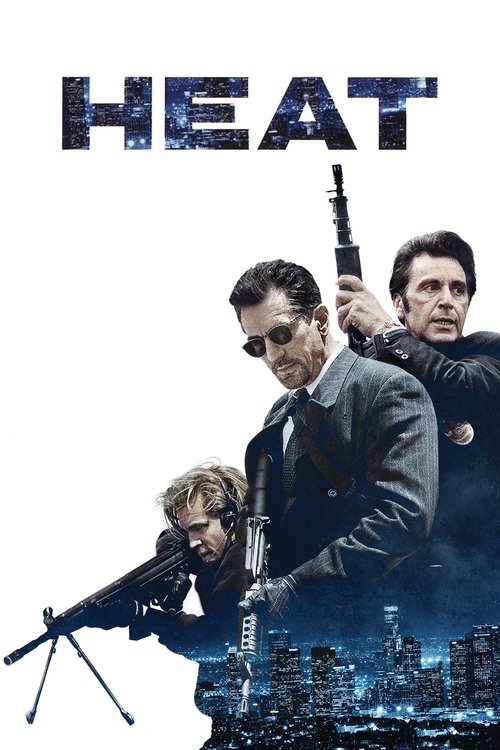
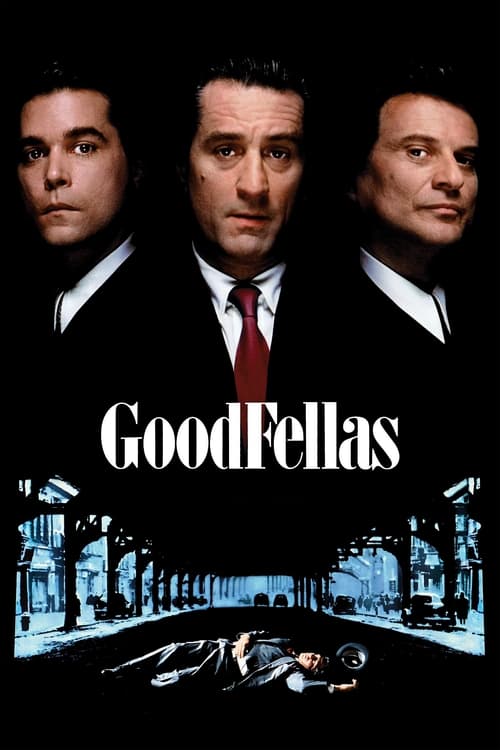

The Lam Mood in Other Forms
Books and games that share his tone: exhausted, moral, merciless


City on Fire is the perfect entry point
Start here, not with the Van Damme films and not with Full Contact. City on Fire is Lam at his most controlled: Chow Yun-fat at the peak of his particular kind of melancholy cool, a plot that compresses without cheating, and a final act that earns every tear it wrings. The Tarantino connection is real but irrelevant once you have seen the original. Reservoir Dogs borrowed the geometry of the ending. It did not borrow the grief.
School on Fire is the one people skip and should not
The title sounds like a companion piece to Prison on Fire, and the premise sounds exploitation-ready. It is neither. School on Fire is Lam's most disturbing film: a portrait of how institutions fail young people and how violence becomes the only available language once every other channel is blocked. It was controversial in Hong Kong on release; it remains difficult and necessary. If you think you know what a Ringo Lam film feels like, this one will reset your expectations.
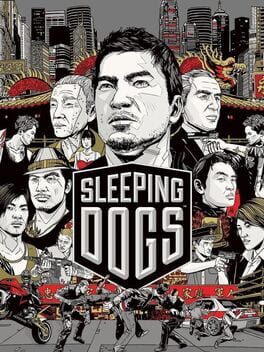
Sleeping Dogs is his spiritual successor in game form
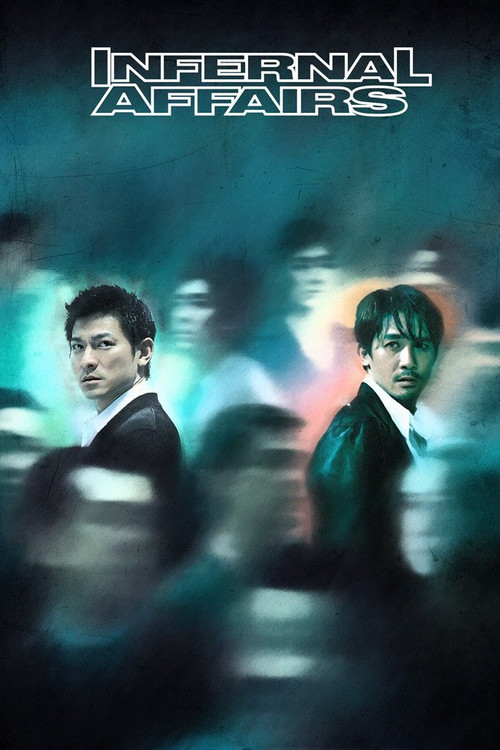
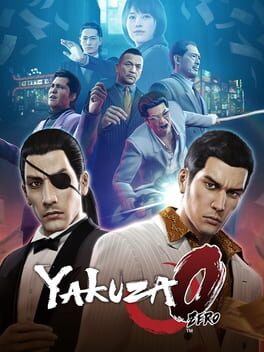
The undercover cop who goes too deep, the city that is beautiful and brutal in equal measure, the loyalty that curdles into liability: Sleeping Dogs plays like someone had watched City on Fire and Infernal Affairs back to back while designing a game. The combat is grimier than the genre average, the story refuses easy resolution, and the Hong Kong it reconstructs feels like a place with actual weight. Lam never made a video game. This is the closest thing to one he might have recognised.
The Van Damme trilogy deserves a second look
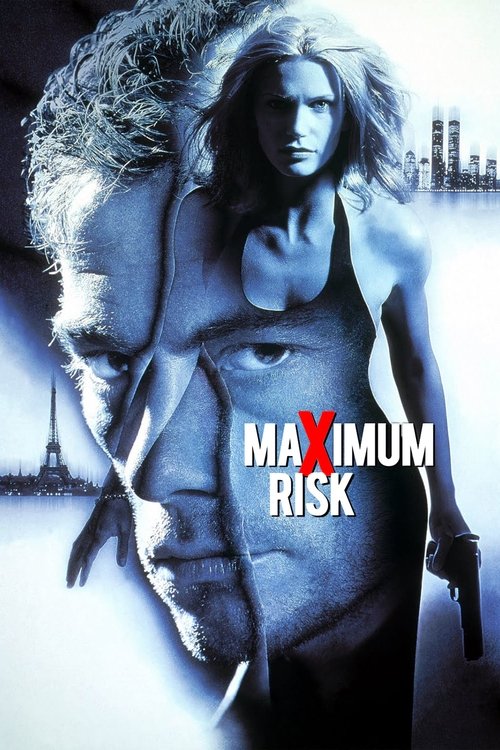
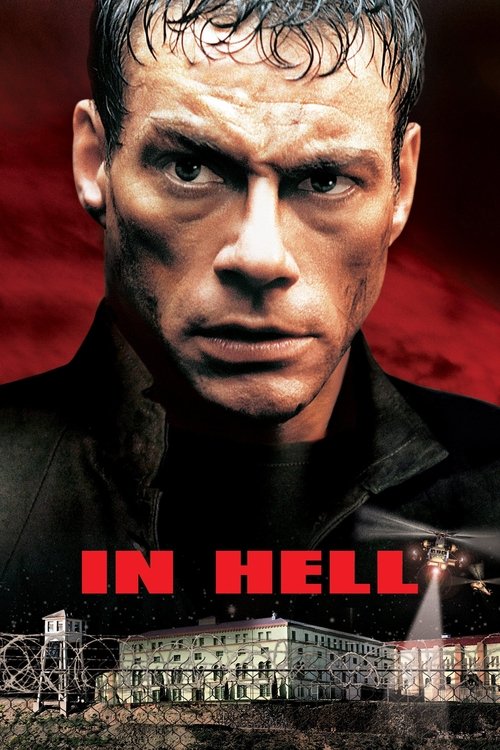
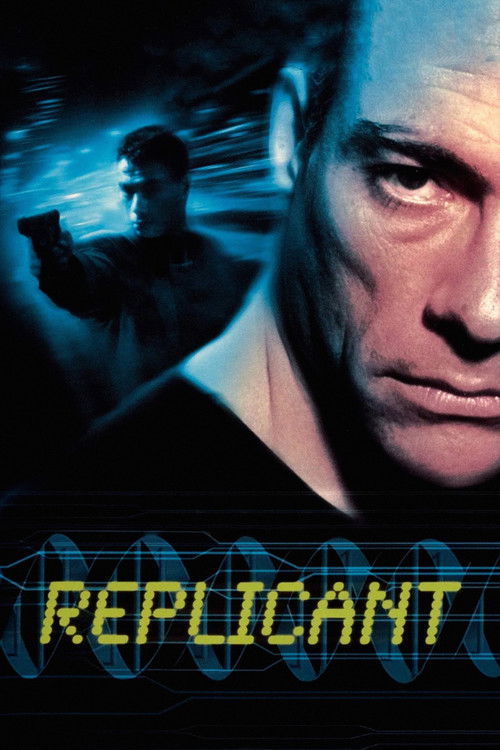
Critics wrote off Maximum Risk, Replicant, and In Hell as paycheck work. They are not quite that. Lam's fingerprints are on all three: the claustrophobic action geometry, the fascination with doubles and false identity, the refusal to make the hero feel invulnerable. In Hell in particular, set almost entirely inside a Russian prison, sits structurally closer to Prison on Fire than to most American action films of its era. These are constrained films, not dishonest ones.
Ringo Lam: A Career in Pressure
- 1983Esprit D'Amour marks his feature debut in Hong Kong
- 1987Prison on Fire establishes his signature confined-space style Prison on Fire
- 1987City on Fire released, the film that defines his reputation City on Fire
- 1988School on Fire, controversial and rarely screened outside Hong Kong School on Fire
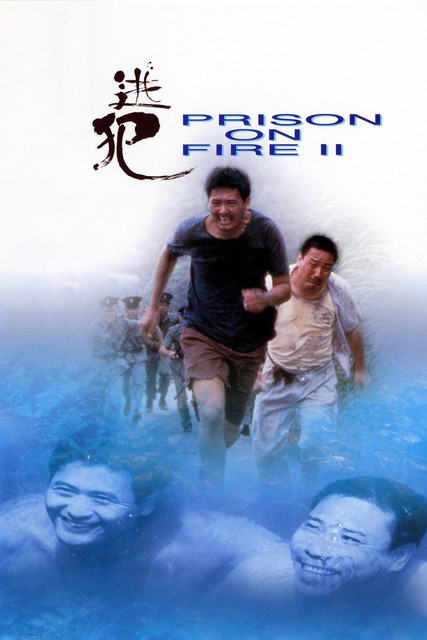
- 1989Prison on Fire II continues the series with Chow Yun-fat Prison on Fire II
- 1992Full Contact signals a harder, more stylized turn Full Contact
- 1996Maximum Risk: first Hollywood film with Van Damme Maximum Risk
- 2003In Hell returns to the prison setting that made his name In Hell
- 2003Irregular: a return to Hong Kong after the Hollywood period
- 2018Ringo Lam dies in December, aged 63
Hong Kong crime and undercover loyalty
For Fans of Johnnie To
Explore the For Fans of Johnnie To guide →Lam never gave his characters a clean exit. The gun goes down, the credits roll, and you are left sitting with the wreckage. That is not nihilism. That is honesty.CrossBinge