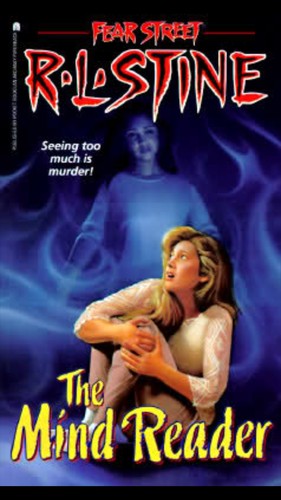

The Goosebumps Effect
Robert Lawrence Stine discovered something adult horror writers tend to forget: kids want to be scared, but they also want the rug pulled out. His books are built on a specific promise. You get a creepy setup, a slow escalation of wrongness, and then a twist that reframes everything at the last second, sometimes unsettling, sometimes darkly funny, sometimes both at once. The format is pulpy and efficient. Each Goosebumps novel runs about 120 pages, never wastes a chapter, and delivers on its premise title every time.
What makes Stine's work endure is tone, not plot. The suburb is always slightly off. The parents never quite believe you. The new house has a basement you are not supposed to open. Fear Street pushed the same machinery into teen territory, where the stakes got higher and the body count crept up, but the underlying grammar stayed the same: ordinary settings, impossible intrusions, protagonists who are almost never taken seriously by the adults around them.
The Goosebumps TV show, the Fear Street film trilogy, and Stine's own The Haunting Hour anthology series proved the formula travels across media. What you are really looking for, in any format, is that specific cocktail of suburban unease, kid-versus-monster stakes, and the sense that the world is stranger and more dangerous than grown-ups will admit.
Essential R.L. Stine
The books, shows, and films from the man himself
 Fear Street - Mind ReaderFear Street - Into The Dark
 Goosebumps Series 2000 - Scream School
 Fear Street Seniors - The Gift
 Fear Street Super Chiller - Silent Night
 Tales to Give You Goosebumps
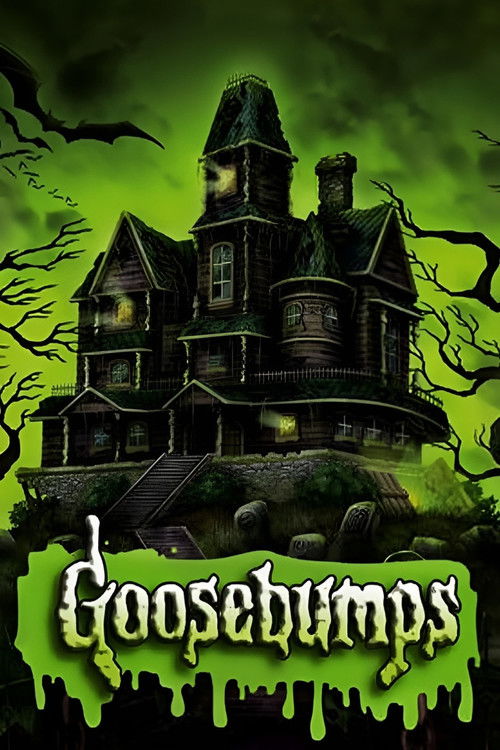 Goosebumps
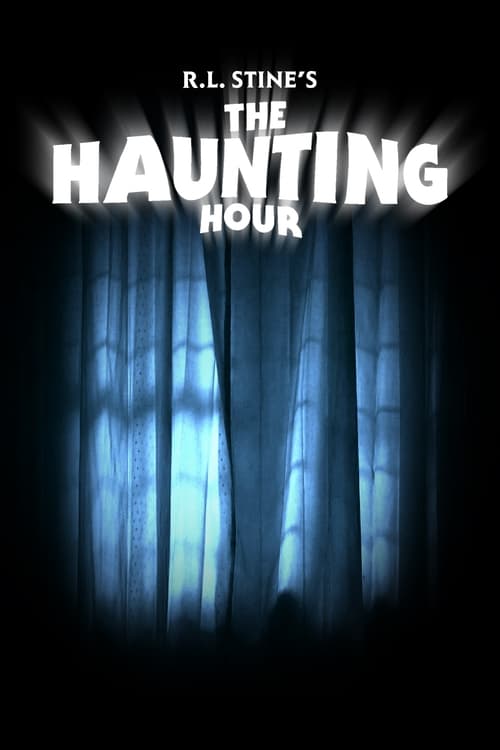 R. L. Stine's The Haunting Hour
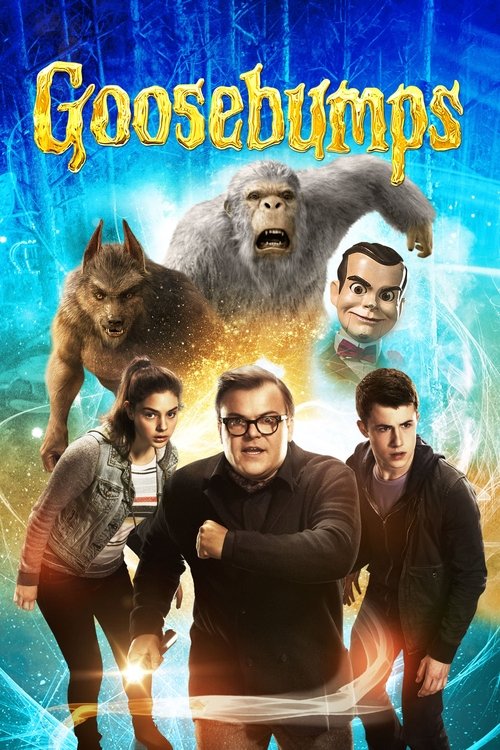 Goosebumps
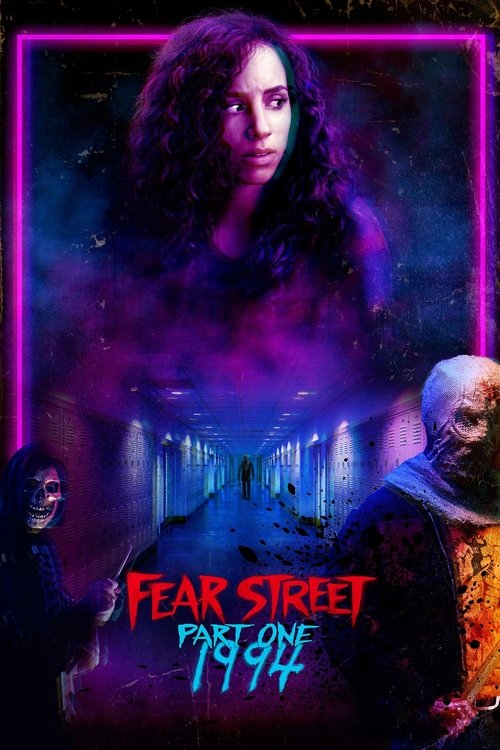 Fear Street: 1994
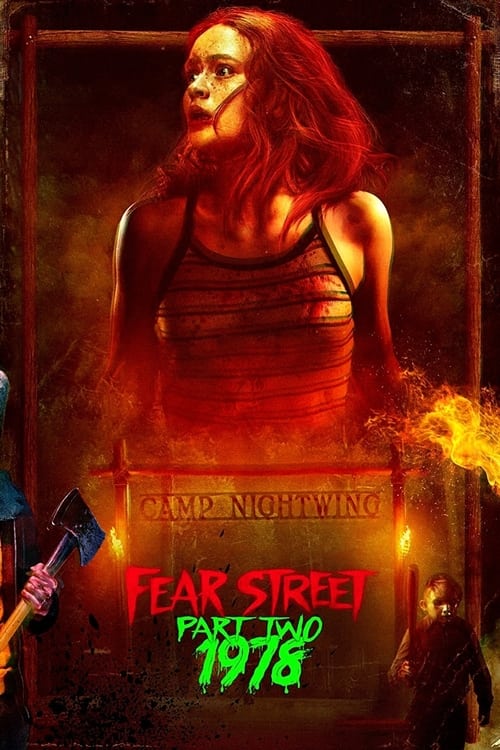 Fear Street: 1978
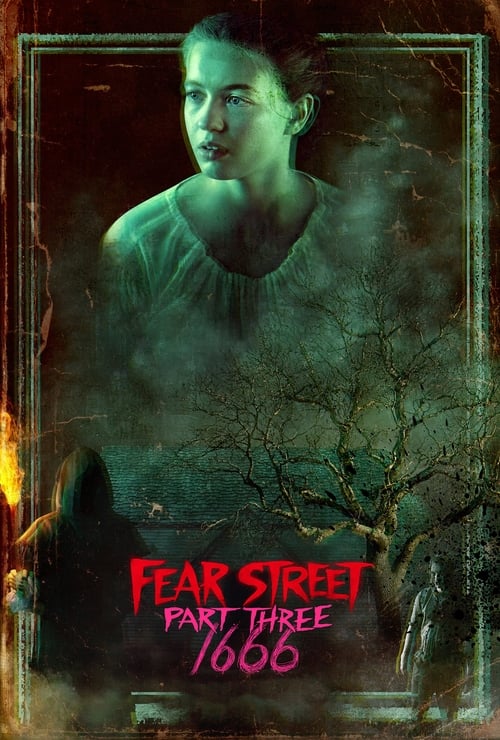 Fear Street: 1666
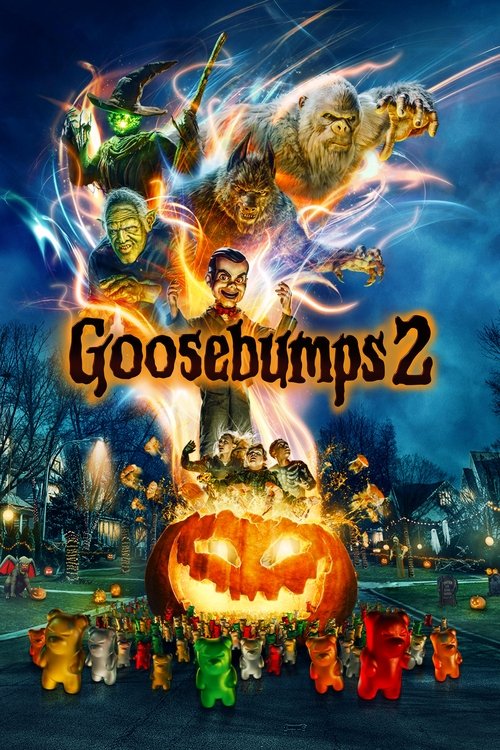 Goosebumps 2: Haunted Halloween
Something Is Wrong with This Neighborhood
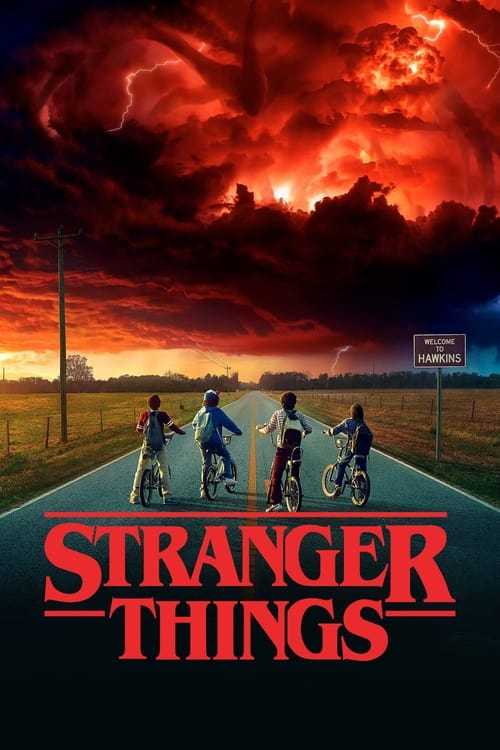
TV that weaponizes suburban normalcy the same way Stine does

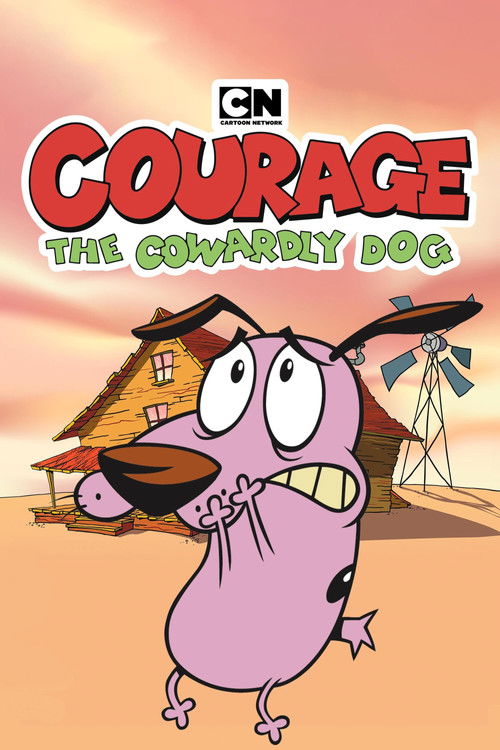
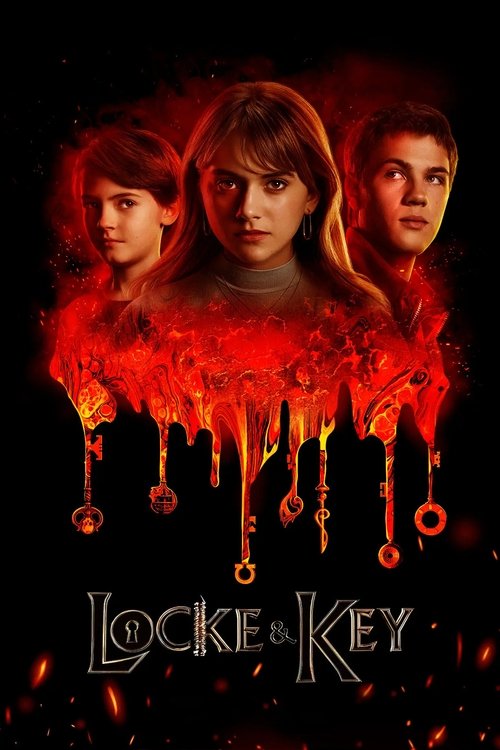
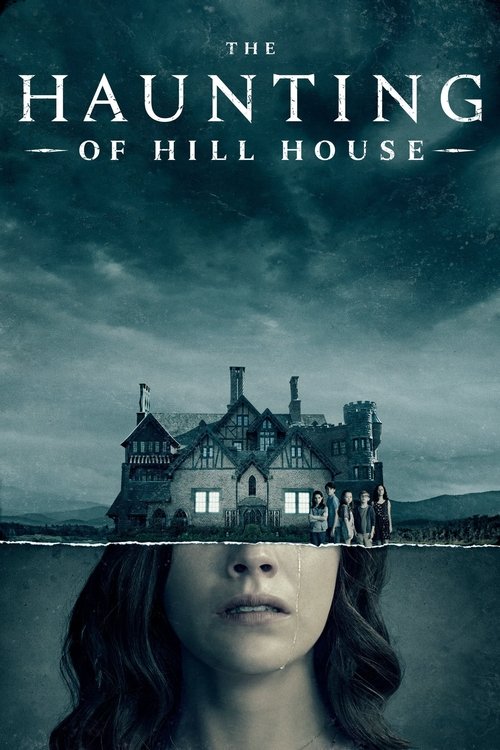
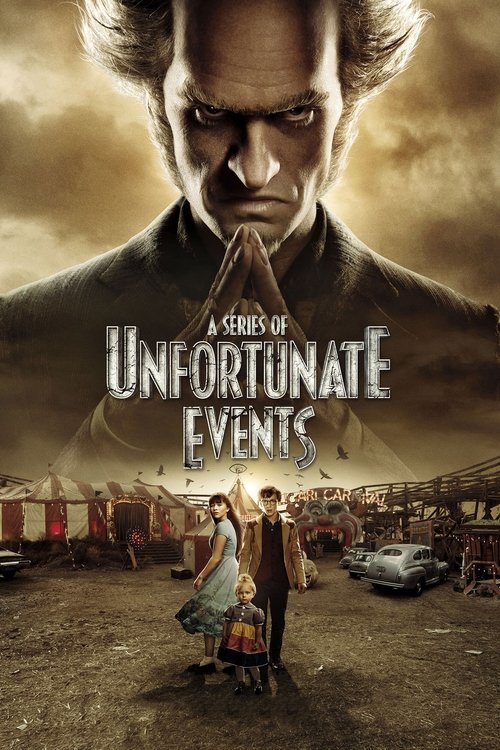
Twist Endings and Campfire Dread
Books and films built on the same anthology instincts


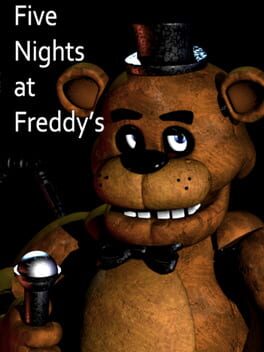
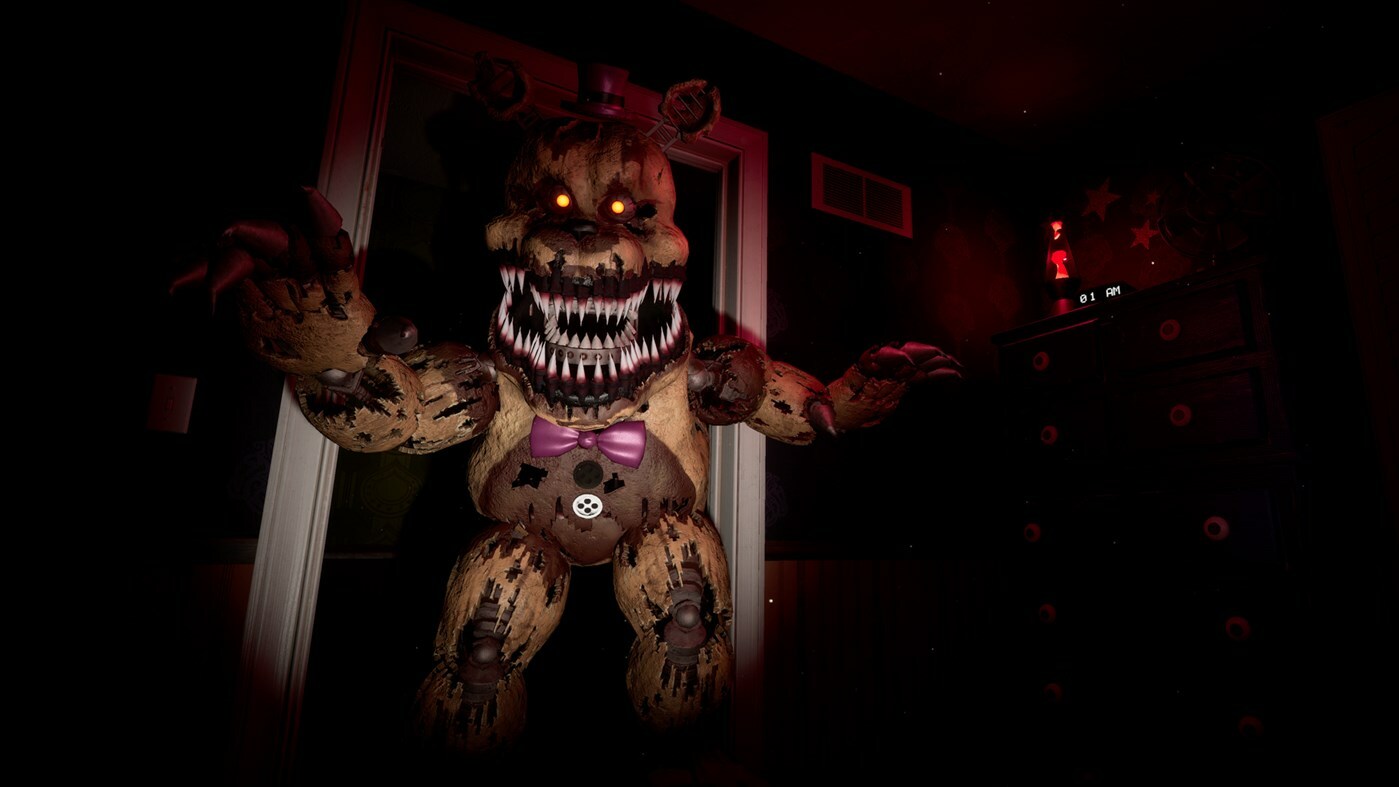
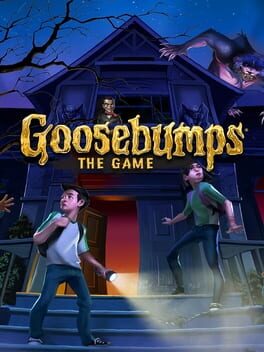
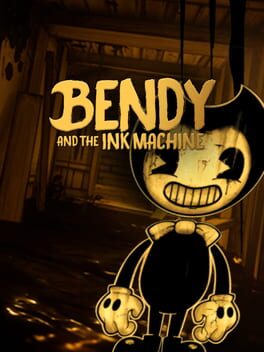
Kid Versus Monster: The Game Version
Games that run on the same mix of playful horror and genuine unease
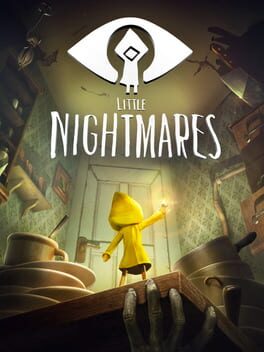
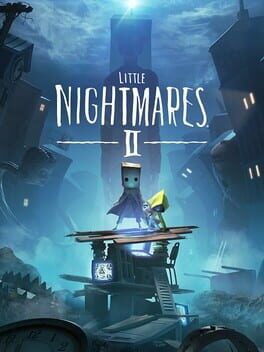
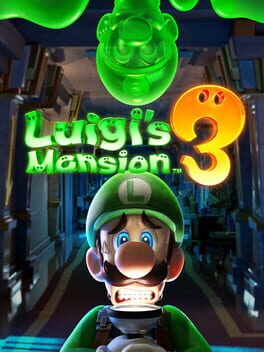
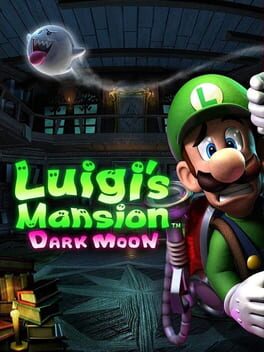
When the Fear Street Audience Grew Up
Horror that earns its scares without losing the suburban unease
The perfect entry point is the Goosebumps TV show, not the books
The books are the monument, but the TV show is the better first door. Each episode runs 22 minutes, adapts a single story cleanly, and lands the twist better than the page version because performance adds texture the prose cannot. Night of the Living Dummy and The Haunted Mask are the two to start with. The show grasped something important: Stine's horror is about timing and staging, not description.
The most overlooked pick is R.L. Stine's The Haunting Hour
The 2010 anthology series never gets mentioned alongside the flagship shows, which is an oversight. Episode for episode it is more consistently unsettling than the original Goosebumps run. The production budget was higher, the stories pulled from Stine's later short fiction, and several episodes cross into genuinely disturbing territory for a children's show. Scary Mary and The Walls hold up against anything in the genre.
The Fear Street trilogy is the spiritual successor nobody saw coming
The Netflix Fear Street trilogy landed in 2021 as three back-to-back films spanning 1994, 1978, and 1666, and it pulled off something the source material never quite managed on its own: genuine craft inside a pulpy frame. The 1978 entry, set at a summer camp, is the strongest of the three. All of them share Stine's instinct for period-specific dread and protagonists who figure things out just a little too late.
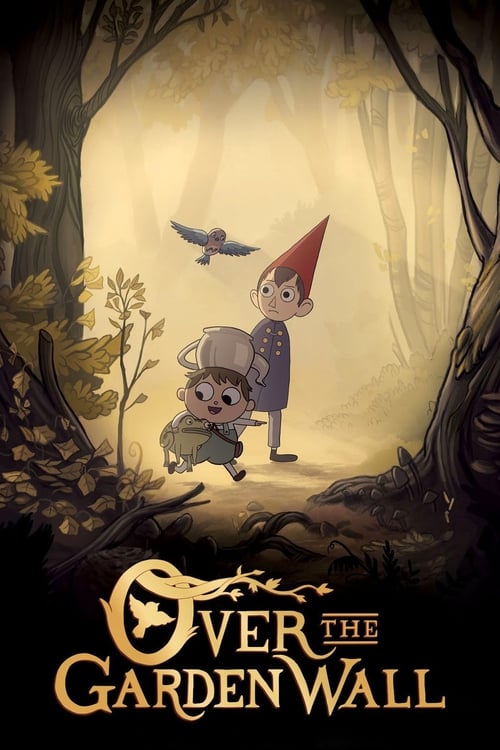
Over the Garden Wall is what Goosebumps would be if it grew up
The Cartoon Network miniseries from 2014 runs ten episodes of about 11 minutes each, and it operates in the same register as Stine's best work: folksy unease, children lost in a world that does not explain itself, and an ending that recontextualizes everything you thought you understood. It is warmer and more melancholic than Goosebumps, but the underlying grammar is identical. Watch it in one sitting in October.
Childhood dread, dummies, and hauntings
For Fans of Stephen King
Explore the For Fans of Stephen King guide →Stine understood that real horror for kids is not about monsters. It is about the moment you realize the adults cannot protect you.CrossBinge