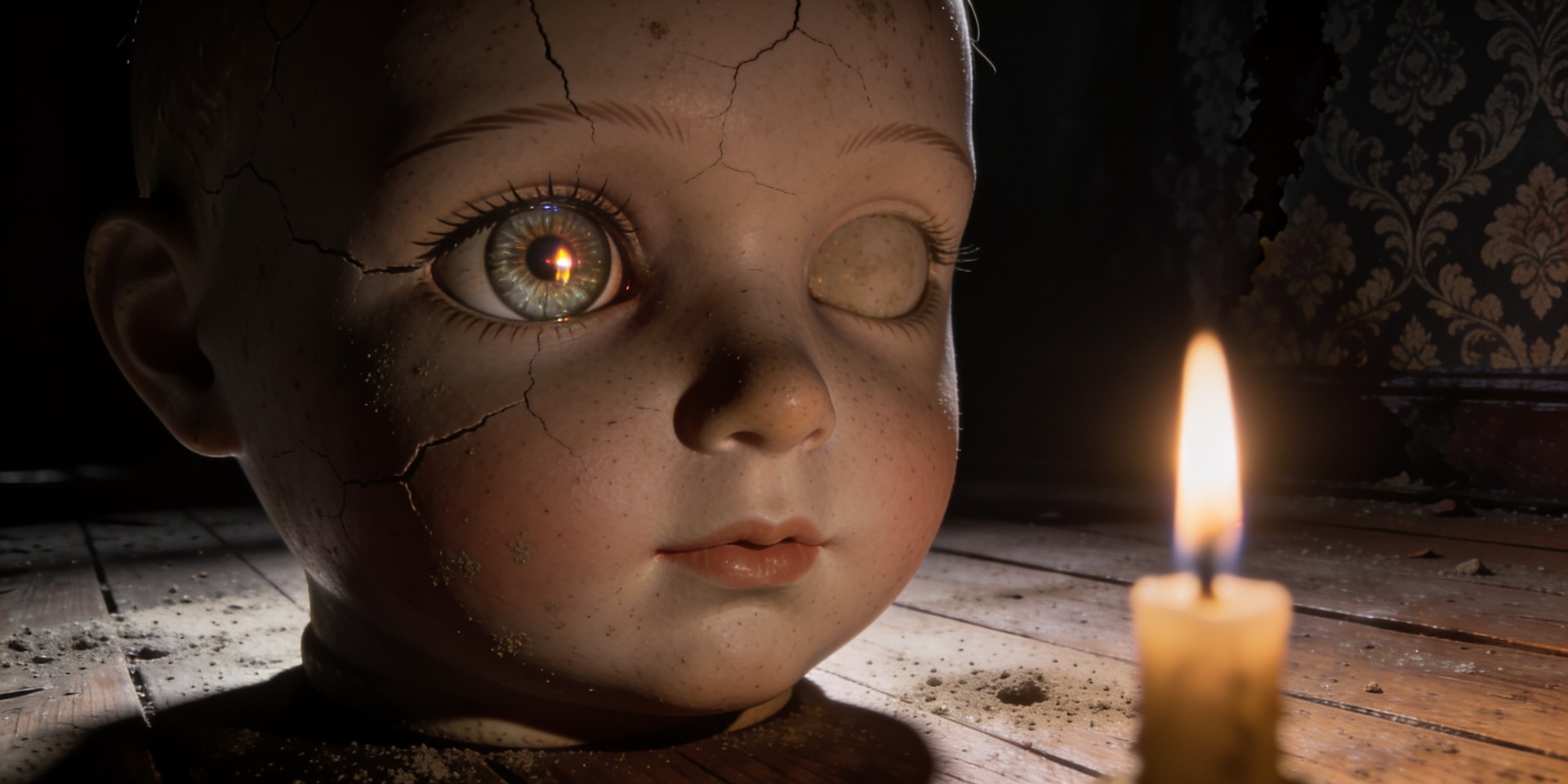

There is something older than horror films about a doll that watches you back. Long before cinema, folklore was full of figures carved from wood or cloth that carried intentions of their own: voodoo effigies, automata with glass eyes, puppets whose strings ran the wrong way. What horror discovered was that the uncanny valley works in reverse too. The more a thing resembles a person, the more wrong it feels when it acts like one.
The killer doll is not really about the doll. It is about what we put into objects: memory, love, malice, grief. A child's toy becomes a vessel. A mirror holds a house's entire history. A cassette tape carries death inside it. The curse is always a transfer of will from somewhere human into somewhere it should not be. The best entries in this genre understand that the object is never the point; what haunts you is always the person, or the feeling, that got into it first.
Essential cursed objects
The canon, across every screen and page




Chucky is a survivor, not a monster
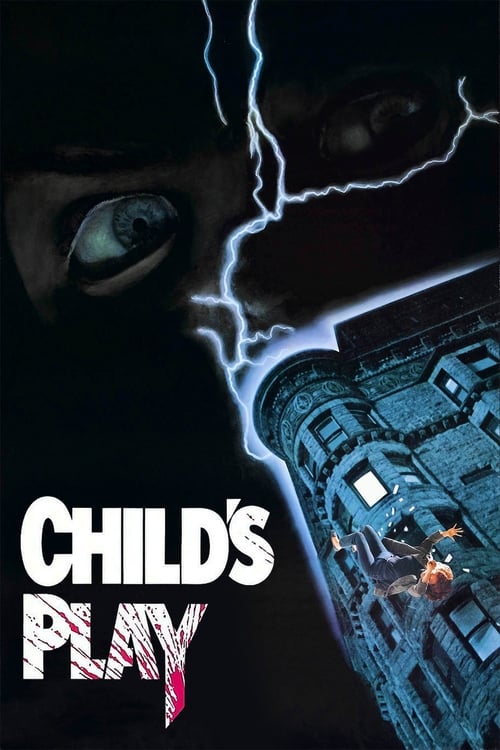
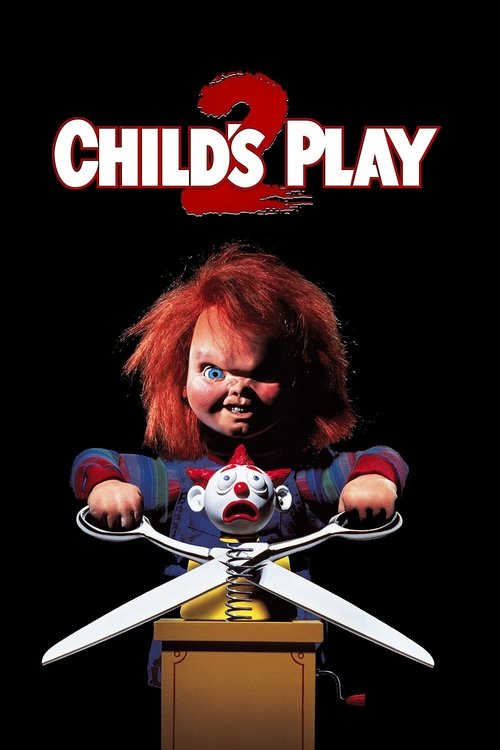
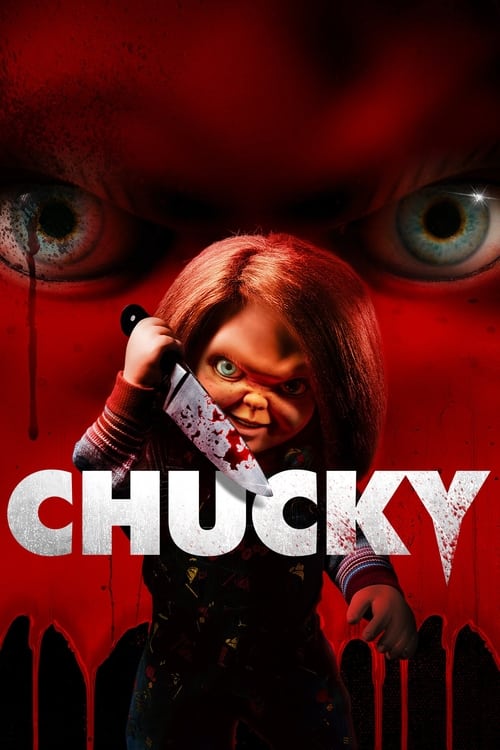
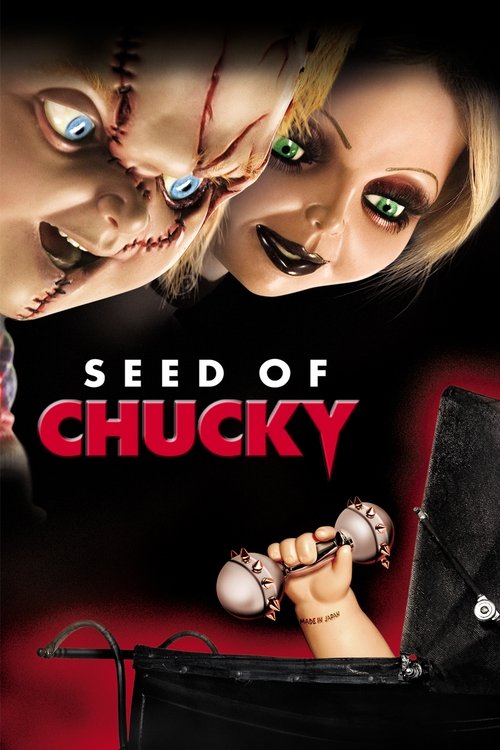
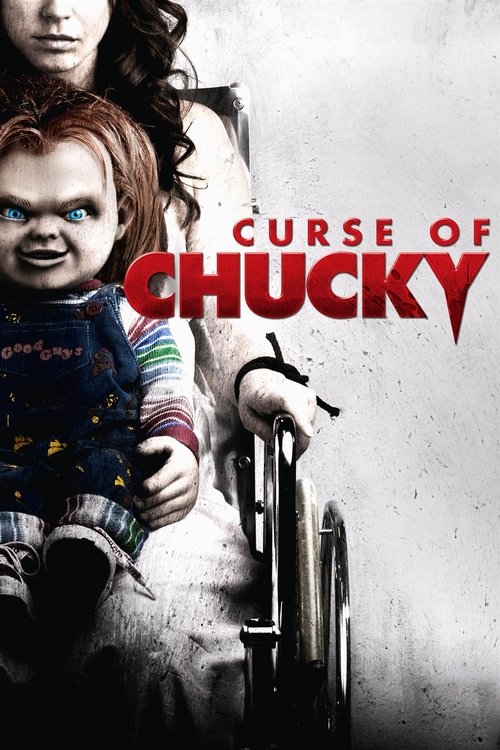
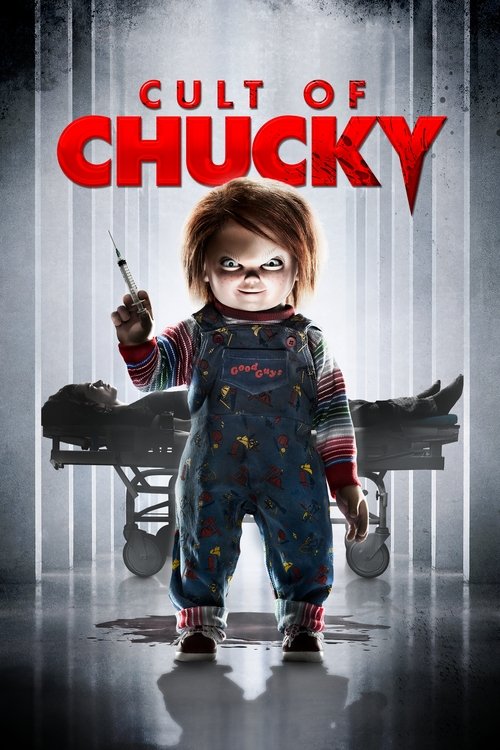
What separates the Child's Play franchise from every imitator is that Chucky has a point of view. He is not a blank evil, not a force, not a presence. He is Charles Lee Ray: petty, foul-mouthed, surprisingly tender about the people he actually likes. That characterisation, baked in from the 1988 original, is why the series survived four decades of genre fashion and eventually found a second life as a Syfy television show with genuine emotional stakes. Brad Dourif's vocal performance never phones it in. Chucky earned his longevity by being funny without being a joke.
The Chucky chronicles
The full run, from serial killer to franchise icon

The Annabelle problem
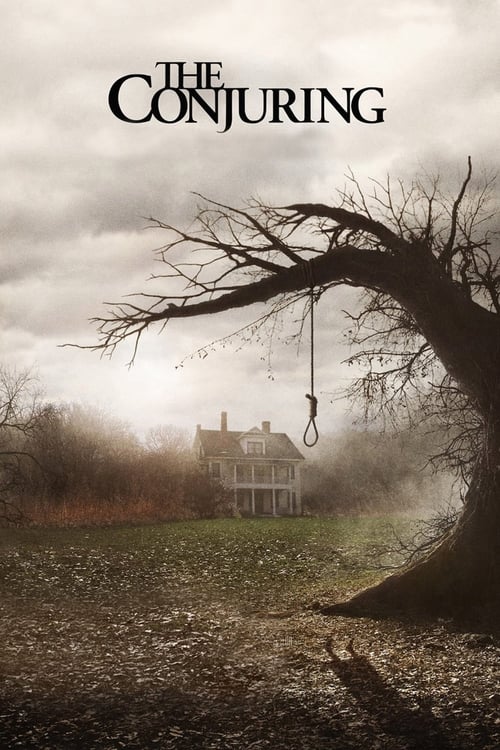
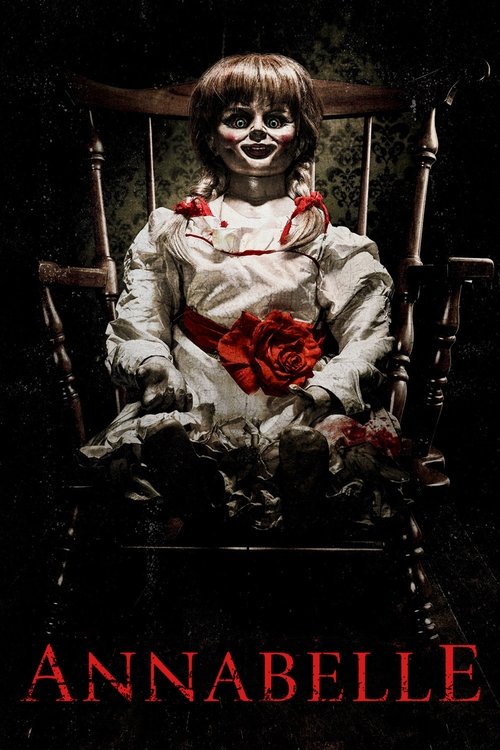
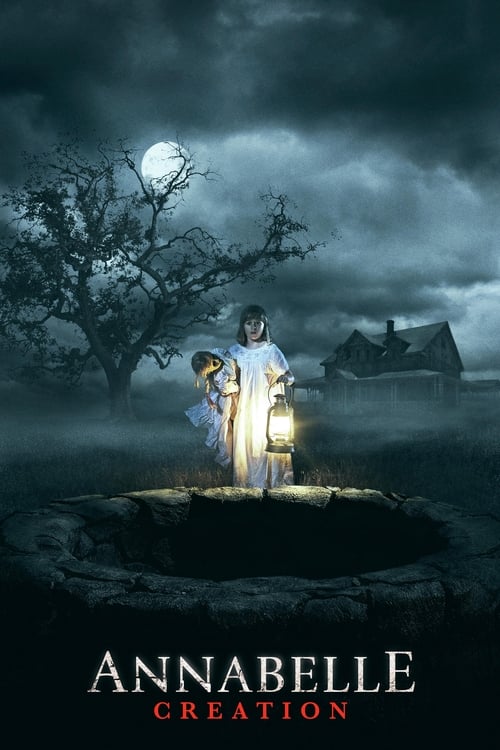
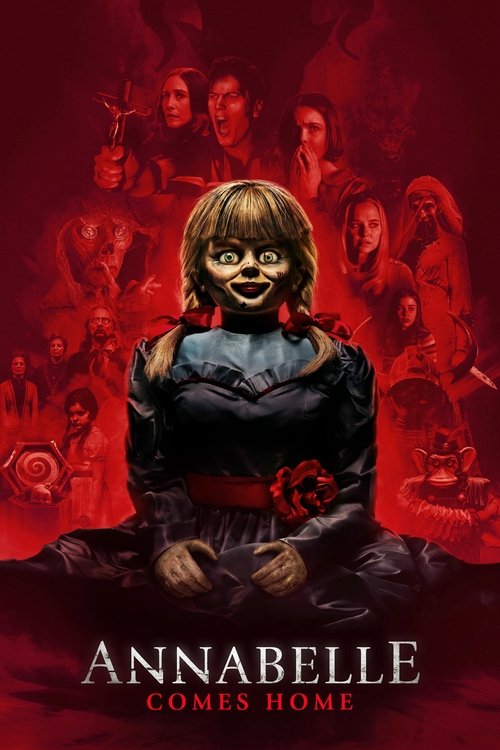
The Conjuring universe built its cursed-object wing on a simple premise: the object is not the source of evil, it is the anchor. Annabelle the doll does not contain a demon; she provides a focal point that makes demonic presence easier to sustain. It is a theologically tidy idea, and it turned a prop from a Warren-universe cameo into three standalone films. Annabelle: Creation is the strongest of them, a period-set haunted-house picture that earns its scares by slowing down and building dread through architecture. The doll herself barely appears. She does not need to.
The Conjuring universe
Cursed rooms, haunted dolls and the Warren casebook
M3GAN is a satire wearing a slasher's clothes
The best trick M3GAN pulls is making the AI doll genuinely appealing before she turns. She sings, she listens, she never tires of a child who needs an adult. The horror pivot works precisely because we have already started to sympathize. That is not an accident; director Gerard Johnstone is doing something sharper here about outsourcing emotional labour to technology, and about what happens when a product exceeds its brief. M3GAN is not evil. She is optimising. The ambiguity is the point, and the PG-13 restraint makes it land more cleanly than a gore-heavy version could.
Beyond the haunted house: malevolent objects in the wild
Mirrors, cars, tapes and dolls with something to prove
The deep cuts
From B-movie classics to art-house unease
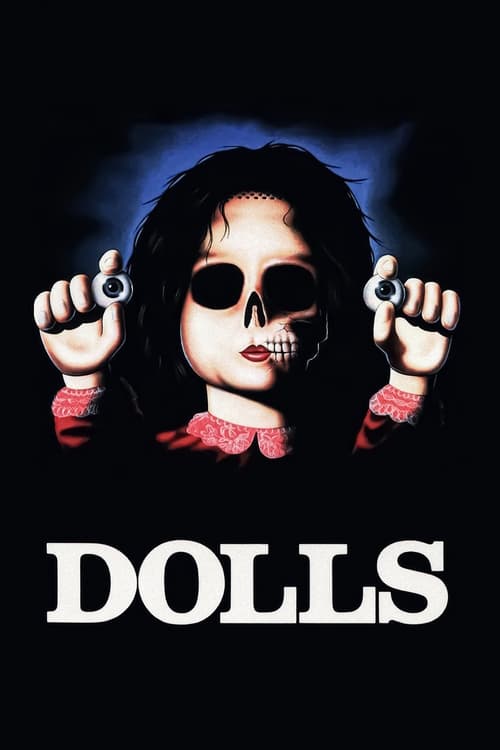
The Puppet Master series earned its cult the hard way
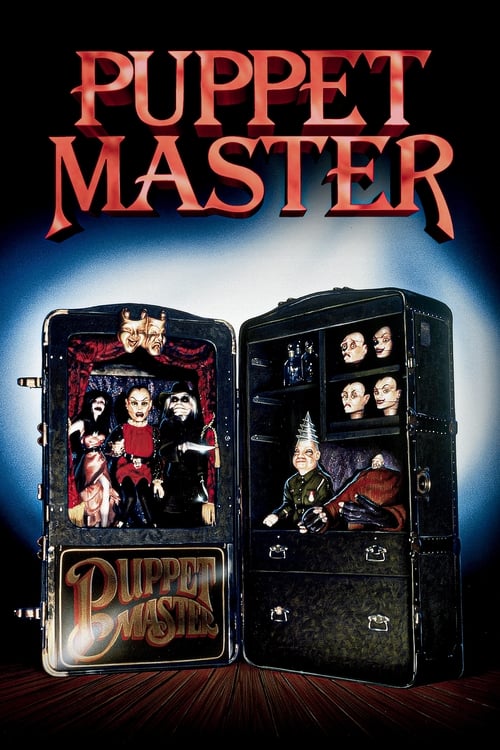
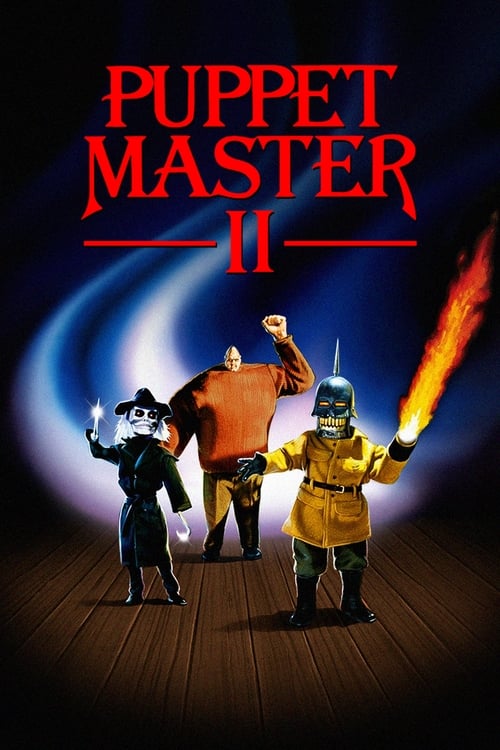
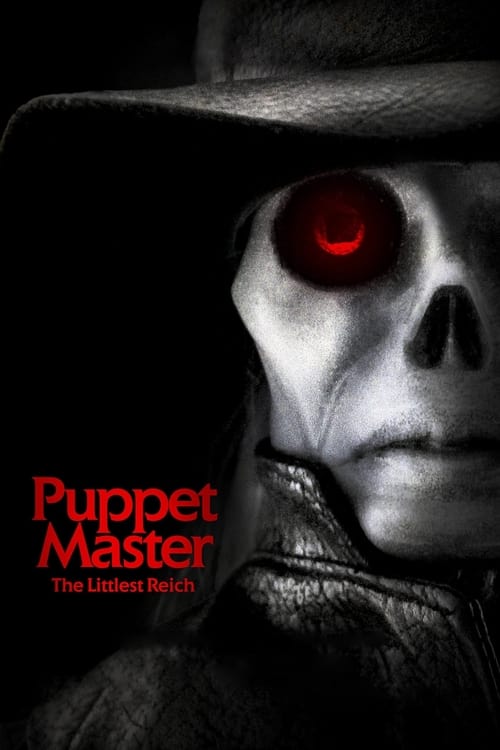
Full Moon Entertainment's Puppetmaster never had a budget worth mentioning. What it had was Blade, Tunneler, Pinhead and Leech Woman: a roster of miniature killers distinct enough that audiences memorised their weapons before the second sequel. The original 1989 film is a slow burn by straight-to-video standards, more interested in its Egyptian-magic mythology than in the body count. That lore-building is why the series kept spinning off prequels and reboots for three decades. The 2018 Puppet Master: The Littlest Reich went in the opposite direction entirely, leaning hard into exploitation gore, which tells you something about how the cult around these dolls has fractured. Both versions exist; neither is wrong.
When the genre goes wider: toys, terror and dark humour
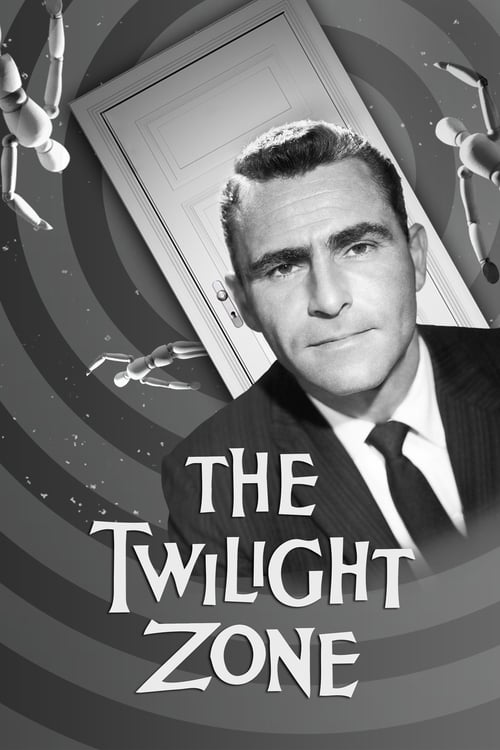
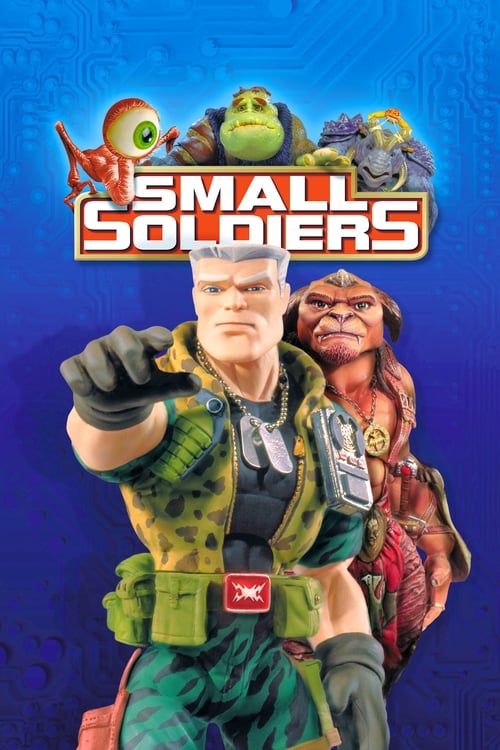
From the Twilight Zone's first possessed doll to living-toy blockbusters
The object never moves on its own. It waits. That is the whole game: patience, and the awful suspicion that something inside it has all the time in the world.On what makes a cursed object work
Games: when the doll has your controls
Animatronics, plush horrors and toys that refuse to stay put
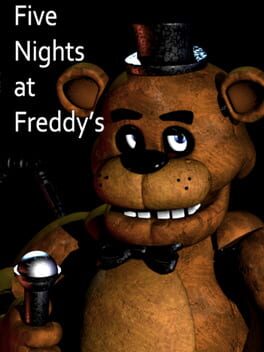

Five Nights at Freddy's built a mythology that outgrew its jump scares
Scott Cawthon's original Five Nights at Freddy's (2014) ran on a single brilliant concept: you are the security guard, the cameras are your only eyes, and the animatronic animals roaming the building are moving closer. The genre mechanics were airtight. What nobody predicted was that the lore community would spend years reverse-engineering a backstory out of newspaper clippings and mini-games, constructing a tragedy about dead children and a murderer who figured out how to stay alive inside a machine. The 2023 film barely scratches the surface of that mythology, which is probably why its fanbase treated it as a starting point rather than a destination.
On the page: where the dread started
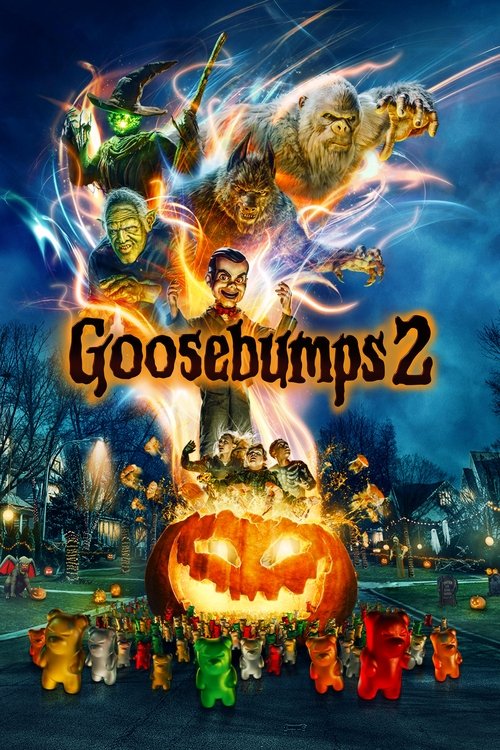
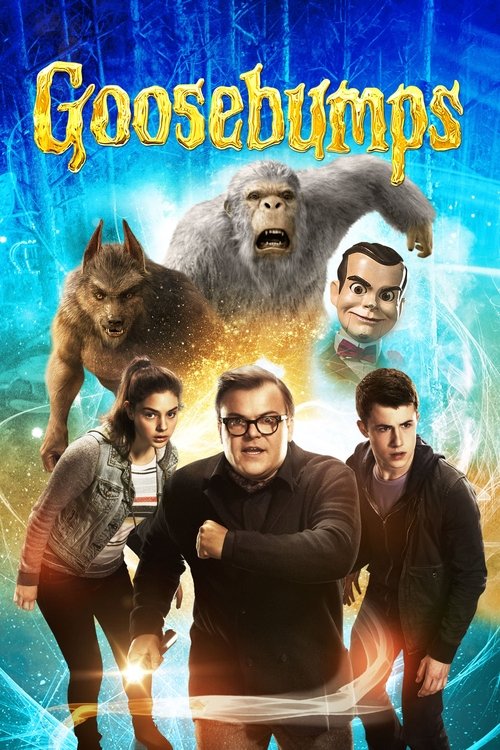
Novels, story collections and the original Slappy