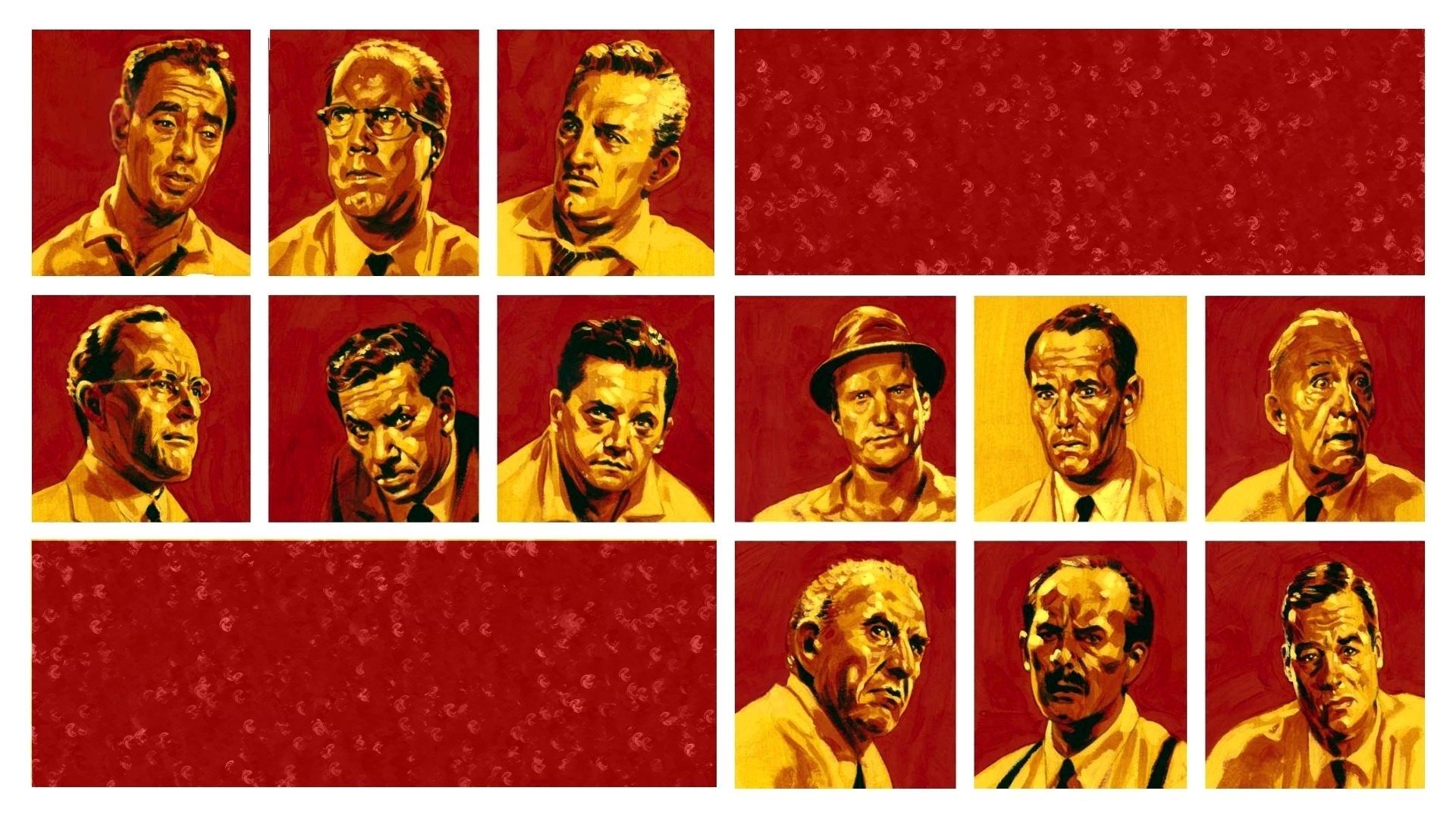

The Conscience of American Cinema
Sidney Lumet spent sixty years making films about people under pressure: juries, cops, whistleblowers, lawyers, addicts, criminals, and the institutions that chew them up. Born in 1924 to a family of Yiddish theater performers in Philadelphia, he grew up on the Lower East Side, and New York never really left him. His city is not the glamour-New York of musicals or the neon-New York of pop thrillers. It is a sweating, overcrowded, morally compromised place where the right thing and the easy thing are almost never the same.
Lumet did not want you to notice the camera. He wanted you to notice the face, the tell, the crack in the performance where a character's real self bleeds through. He shot quickly, rehearsed obsessively, and drew from the New York theater tradition: actors who could hold the screen with nothing but specificity and need. The films that result feel less like movies and more like situations you are trapped inside.
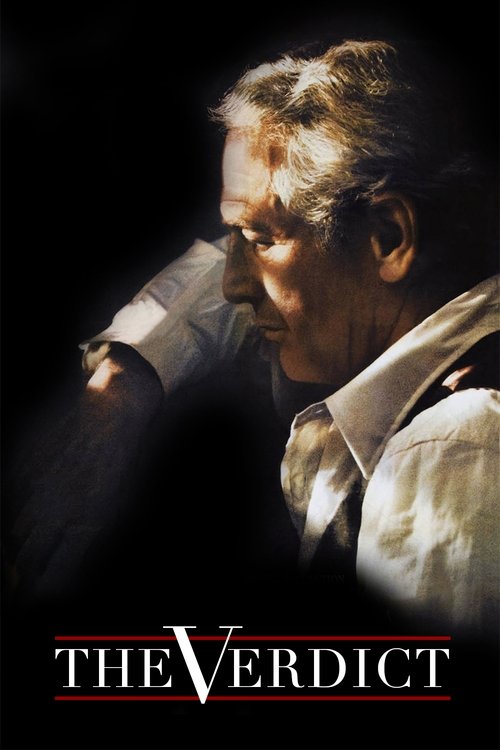
The through-line across his best work is institutional failure and personal conscience. 12 Angry Men (1957) shows one man refusing to let the machine process a verdict. Serpico (1973) shows what happens when the machine turns on you. Dog Day Afternoon (1975) turns a botched robbery into a portrait of desperation and America's overlooked margins. Network (1976) is a savage comedy about the point at which outrage becomes product. The Verdict (1982) is about whether one shabby, broken man can still do one decent thing. These films are not cynical, even when they are ruthless. Lumet believed that individuals matter, that conscience is not obsolete, and that the right film can hold a mirror up to society without flinching.
Essential Sidney Lumet
Where to start, and where to go deep



The Institutional Grind
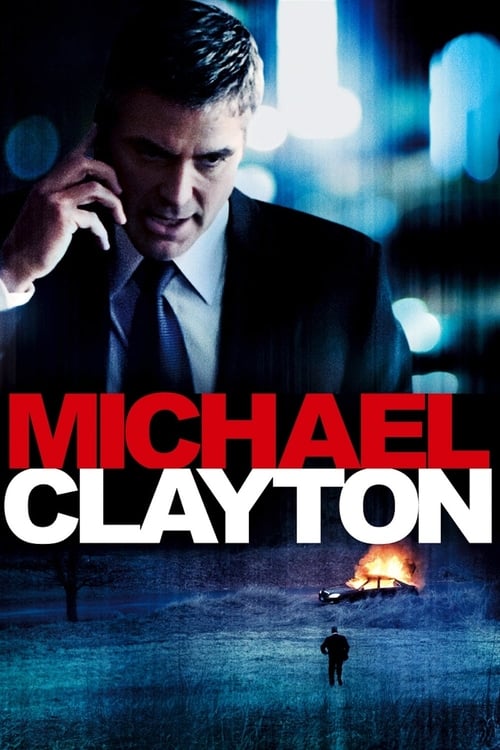
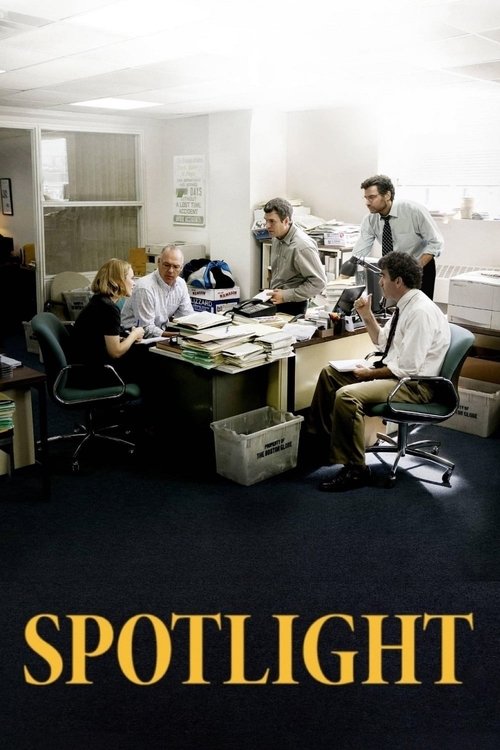
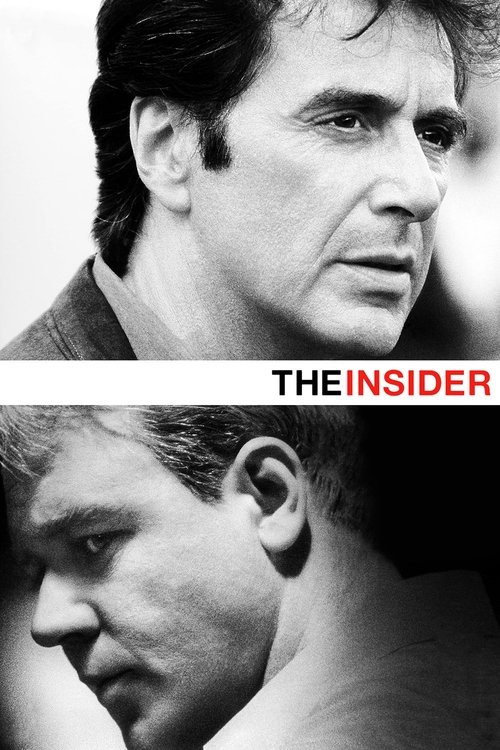
Films and shows where the system is its own antagonist

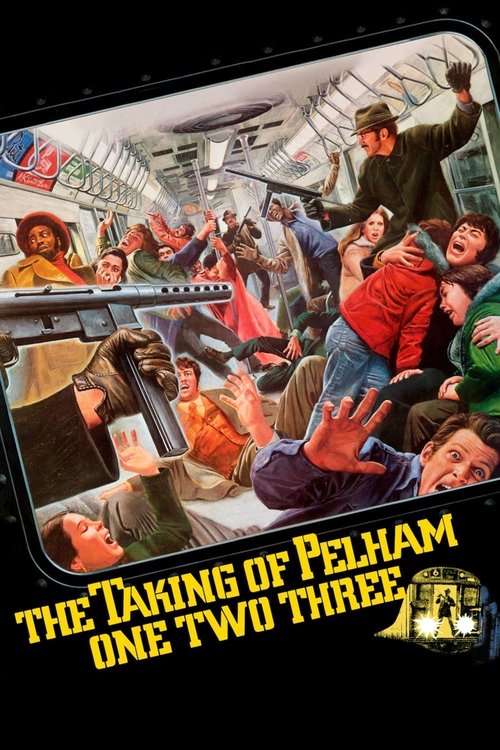
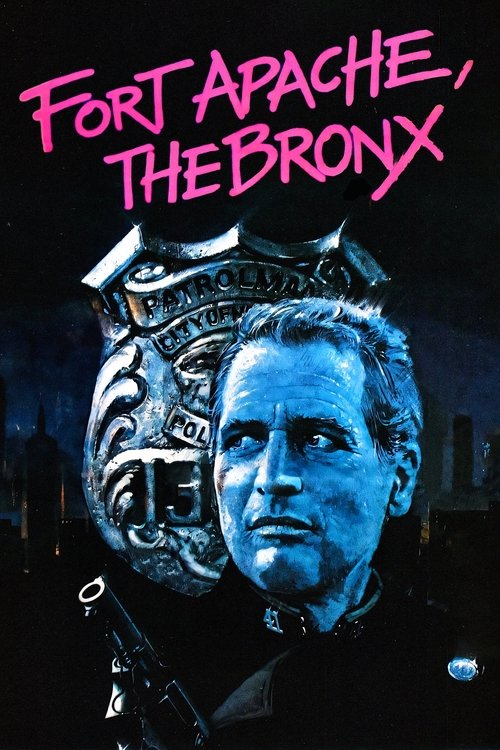
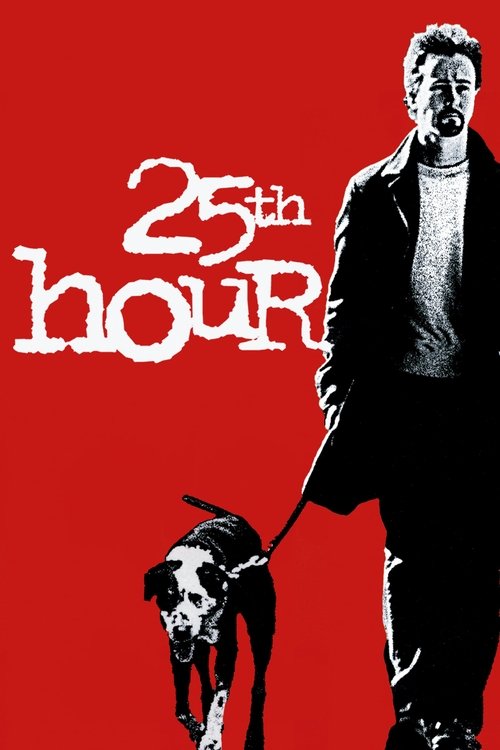
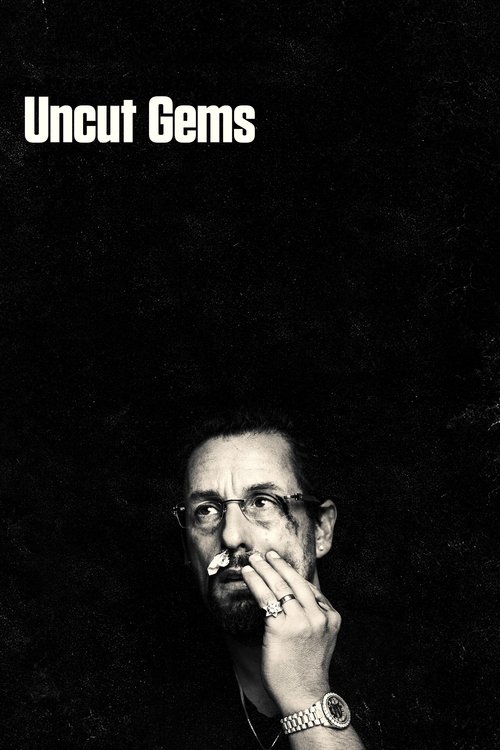
New York, Unvarnished
The city as pressure, character, and moral landscape
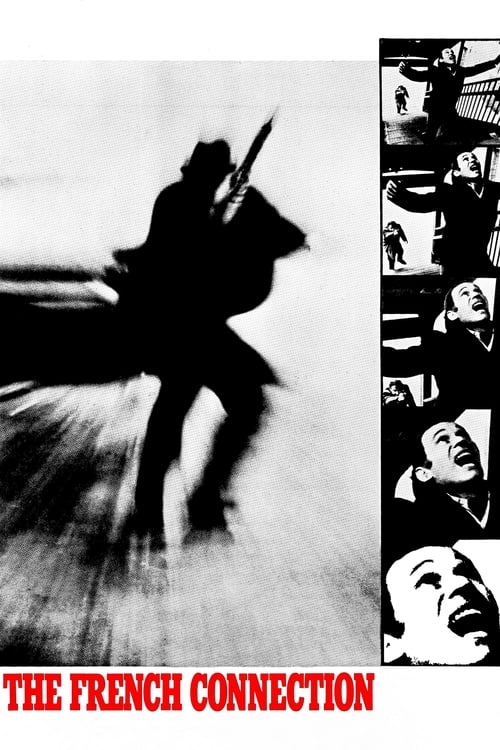
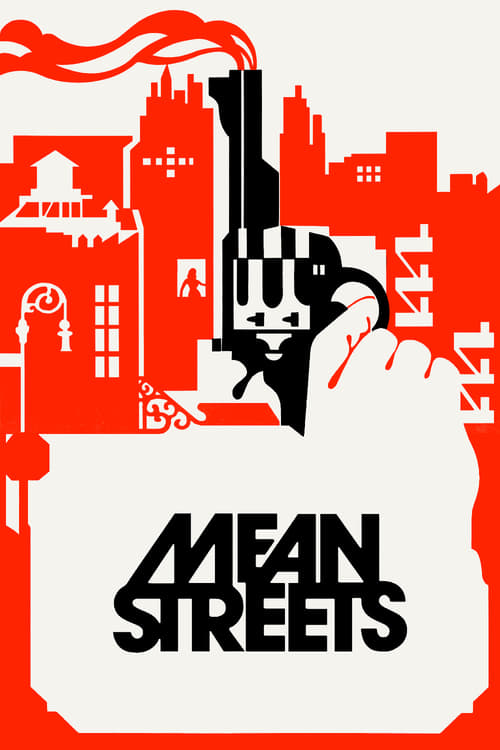
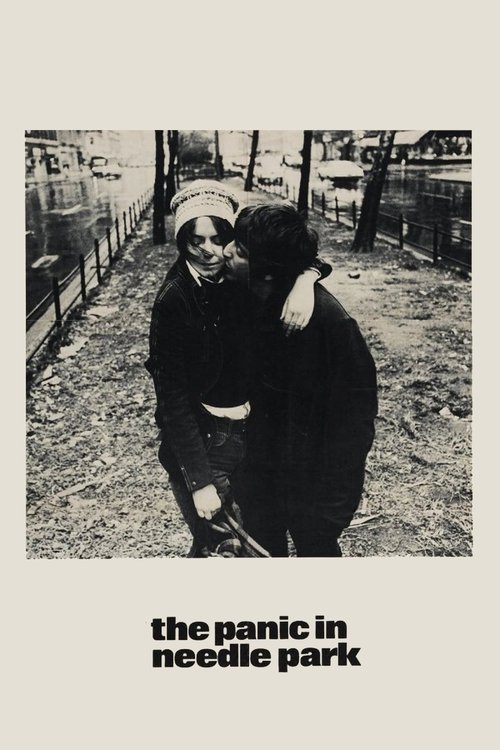
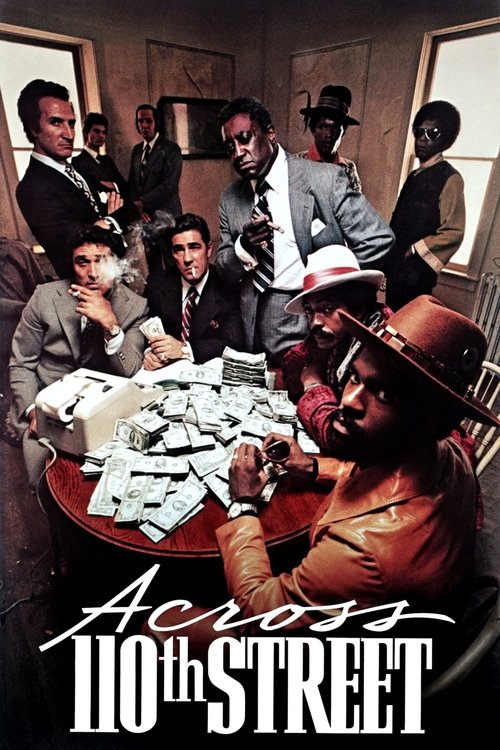
The Conscience Under Fire
Protagonists who know the right thing and pay for it

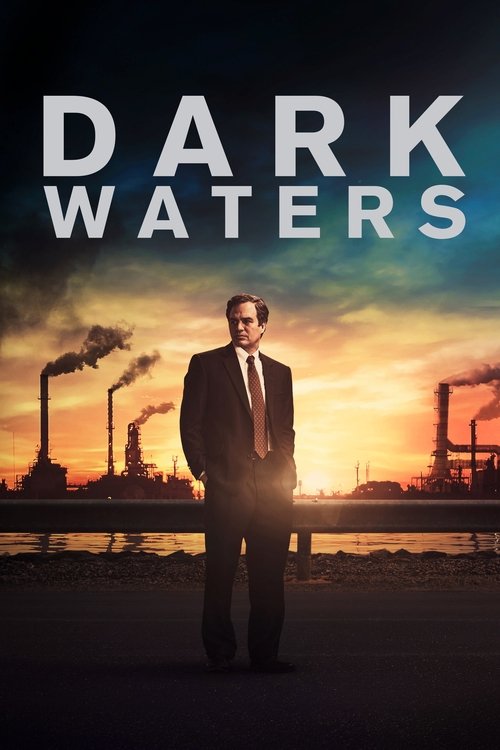
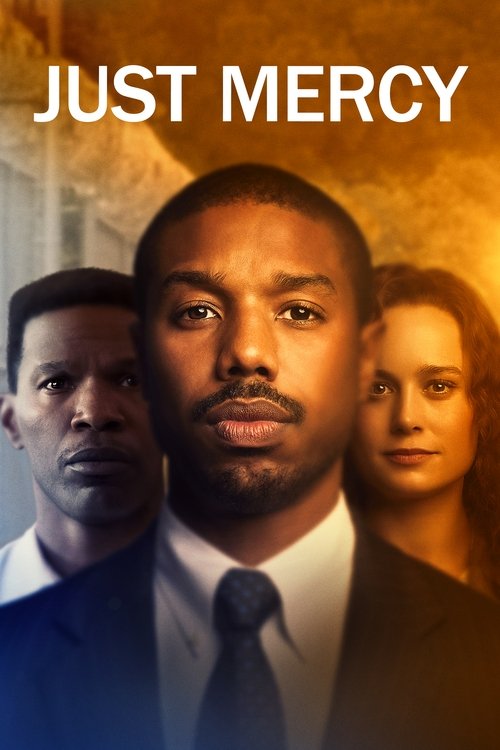
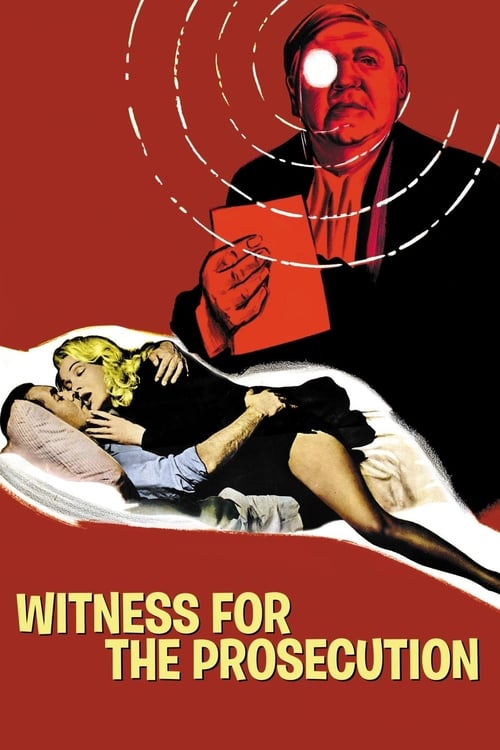
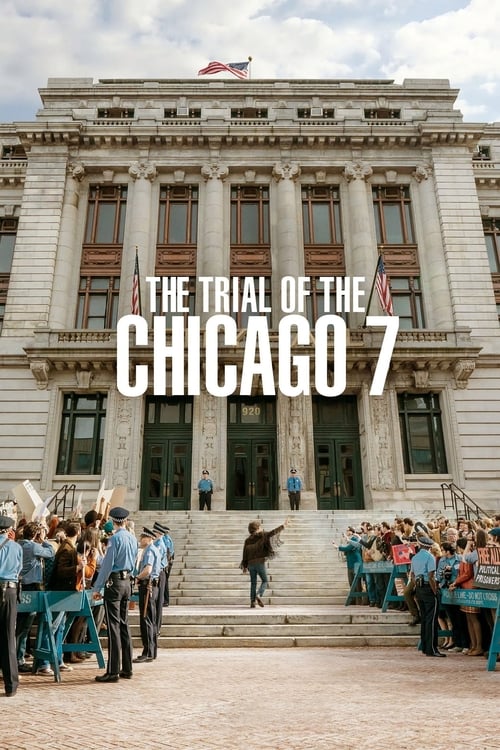
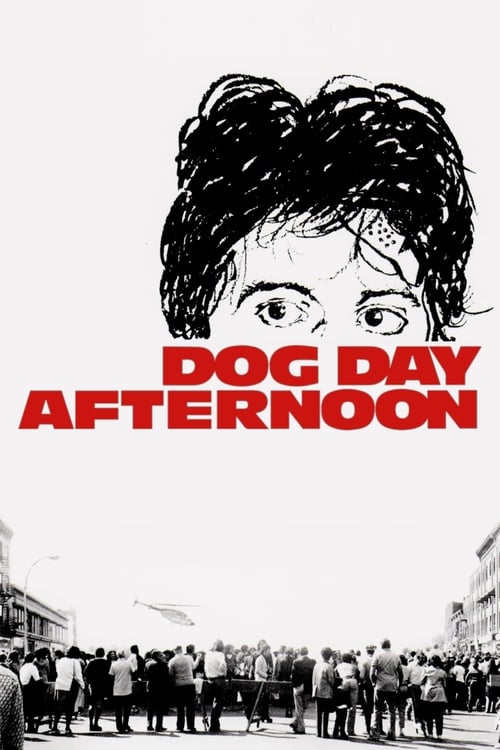
Dog Day Afternoon is the perfect entry point
If you have never seen a Lumet film, start here. Dog Day Afternoon has everything: Al Pacino at the height of his powers, a script (by Frank Pierson, from a true story) that keeps turning the situation inside out, and a tone that is simultaneously funny, sad, and deeply strange. Lumet shot it in sequence, on location in Brooklyn, in mid-summer heat. You feel the desperation as a physical thing. By the time the film reaches its ending, you have been asked to root for someone impossible, and you realize you did.
Prince of the City is the one people skip, wrongly
Prince of the City (1981) runs two hours and forty-seven minutes, and every minute is earned. It is Lumet's most demanding film: a procedural about a New York narcotics cop who agrees to inform on his corrupt unit, and slowly watches everything he loves dissolve around him. Treat Savarese is extraordinary. The film refuses to offer any moral clarity or catharsis. It is the companion piece to Serpico that most people never reach, and it is arguably the better film.
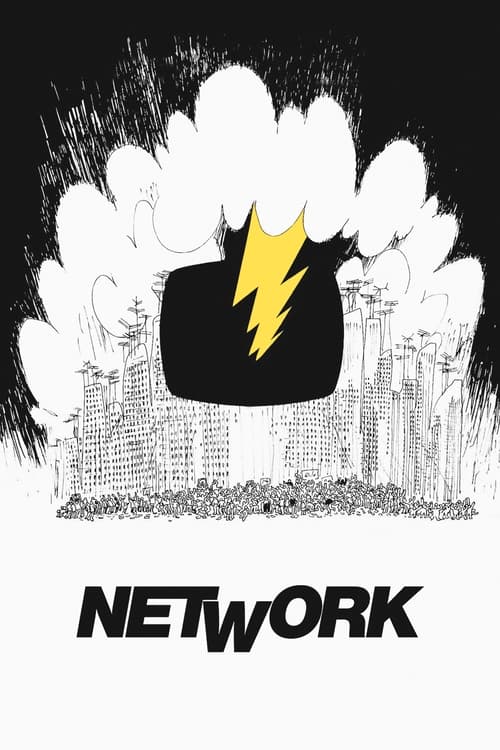
Network predicted exactly what would happen
Paddy Chayefsky's screenplay for Network (1976) was received as satire. It is now a documentary. The idea that a network would build its prime-time schedule around a deranged man's nightly breakdowns, that outrage is a format and grief is a content category, that everything can be monetized including prophecy: none of this is exaggeration anymore. Faye Dunaway won an Oscar for a role that was meant to be monstrous. Today the character is a LinkedIn thought leader.
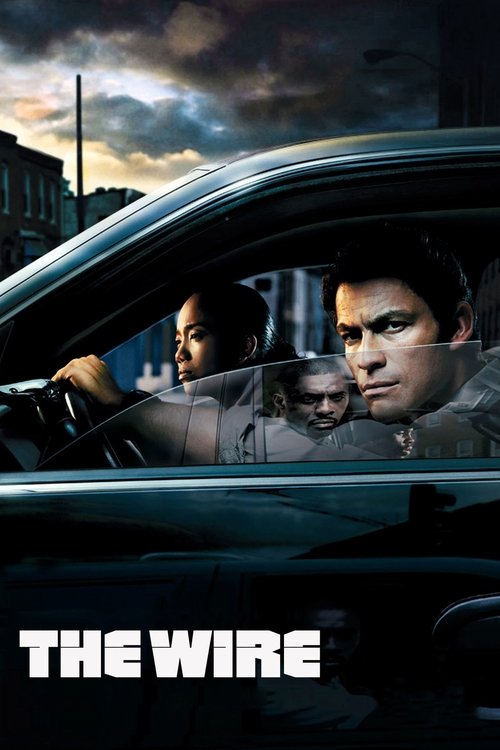
The spiritual successor is The Wire
David Simon's The Wire is the television work that most completely inhabits Lumet's preoccupations: the police department, the drug trade, the school system, the newspaper, the docks, each a broken institution that breaks people in turn. Simon shares Lumet's refusal to give audiences the moral off-ramp of a clean villain. The series asks the same question Serpico and Prince of the City asked: what does a good person do inside a corrupt system, and is "good" even the right category?
Five Decades of Pressure
- 195712 Angry Men: debut feature, Oscar-nominated 12 Angry Men
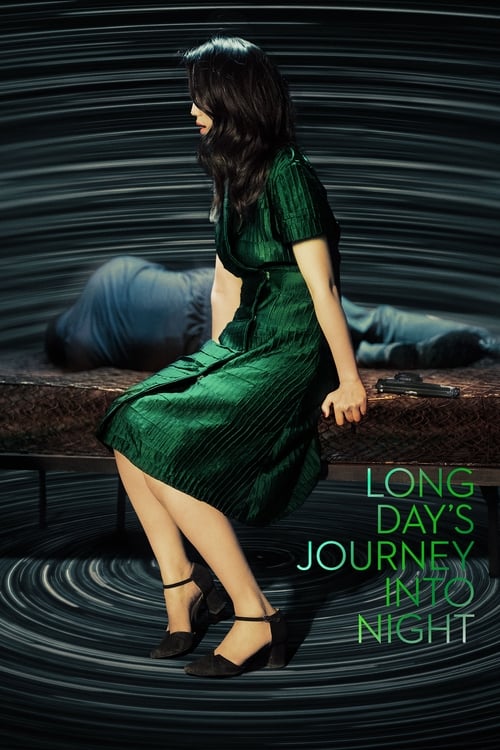
- 1962Long Day's Journey Into Night: stripped-down O'Neill adaptation Long Day's Journey Into Night
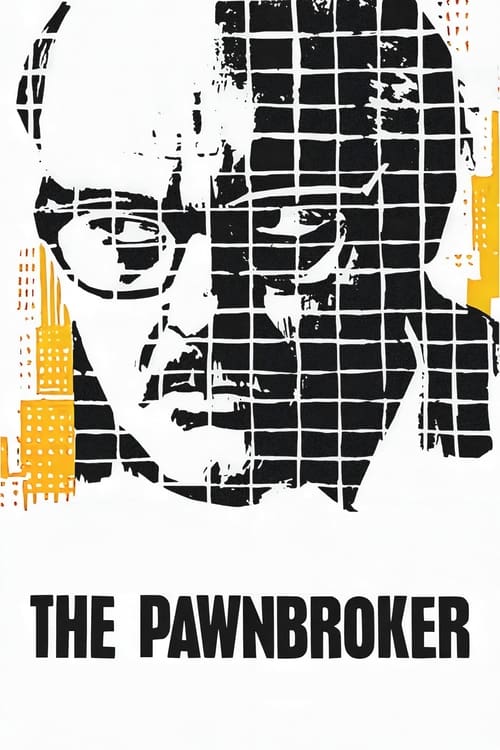
- 1965The Pawnbroker: Rod Steiger in Holocaust survivor study The Pawnbroker
- 1973Serpico: Al Pacino as whistleblower cop Serpico
- 1975Dog Day Afternoon: Pacino again, career peak Dog Day Afternoon
- 1976Network: Chayefsky's savage media prophecy Network
- 1981Prince of the City: the great overlooked Lumet Prince of the City
- 1982The Verdict: Paul Newman at his most controlled The Verdict
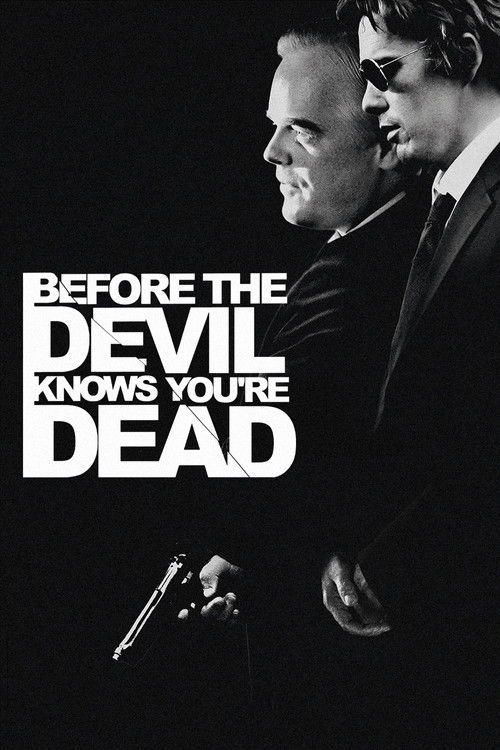
- 2007Before the Devil Knows You're Dead: late-career ferocity Before the Devil Knows You're Dead
Moral Crisis Under Pressure
For Fans of 12 Angry Men
Explore the For Fans of 12 Angry Men guide →The camera is not a neutral observer. Where you put it is a moral act.Sidney Lumet, Making Movies