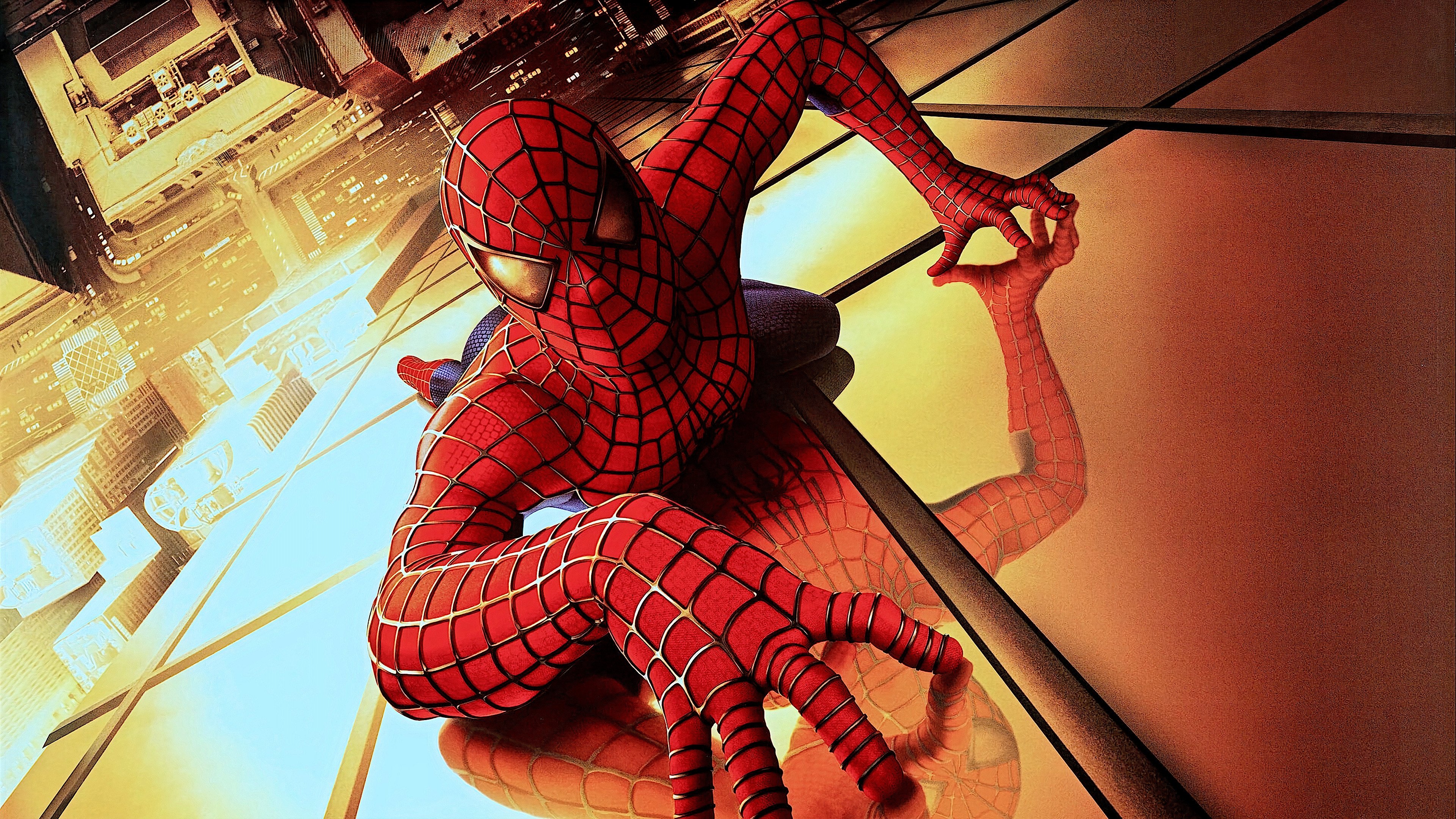

The Director Who Turned Low-Budget Into a Language
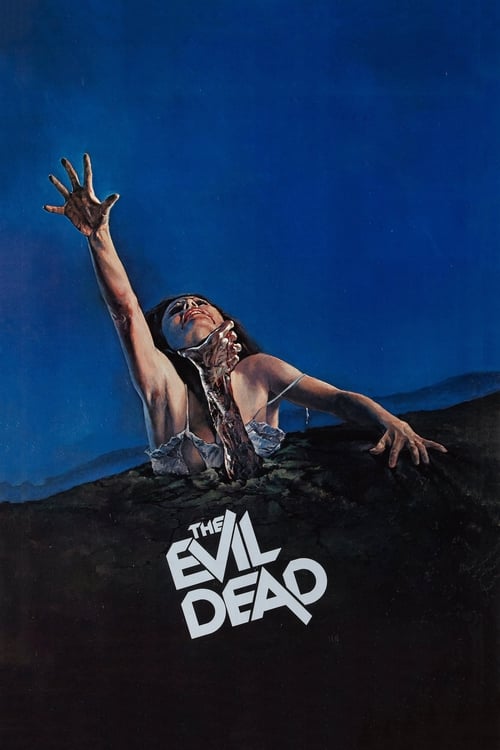
Sam Raimi started with a camera, a group of friends, and a cabin in the Tennessee woods. What he built there, with The Evil Dead in 1981, was not just a horror film but a whole aesthetic doctrine: the camera as a physical body hurtling through the dark, slapstick violence that refuses to stop being funny even as it horrifies, and a specific kind of American folk-horror energy rooted in isolation and helplessness. That doctrine has never really left him, even when he moved into superhero spectacle.
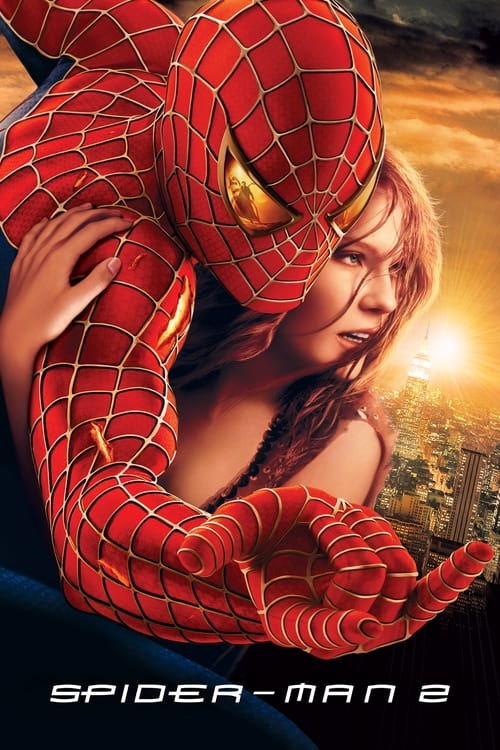
What Raimi fans love is not any single genre but a texture. His films are always slightly too much, always pitching their protagonist into situations that escalate beyond reason, and they find a dark glee in that escalation. Whether it is a deadite crawling out of a cellar, a spider-bite transforming a shy teenager, or a cursed button sealing an ordinary woman's damnation, the stakes are existential and the tone is somehow both genuinely frightening and genuinely funny at the same time. He is, along with Peter Jackson's early work, one of the few directors who mastered splatter-comedy as a coherent art form rather than an accident.
His range is wider than people remember. The Gift (2000) is a quiet Southern Gothic ghost story. Drag Me to Hell is a sustained exercise in dread and release that never loses its nerve. The connective tissue is craft: the Dutch angles, the craning swoops, the relentless physical punishment visited on protagonists. Find a film where the main character does not end up covered in something by the third act and you have found a Raimi outlier.
Essential Sam Raimi
His own work, ranked by nerve
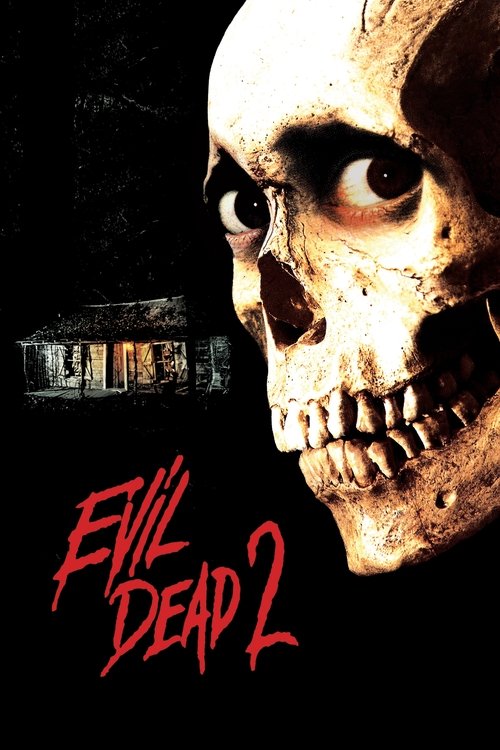
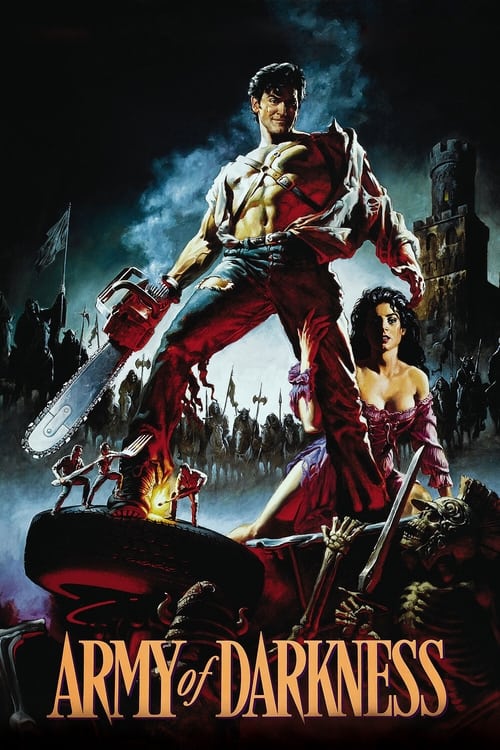


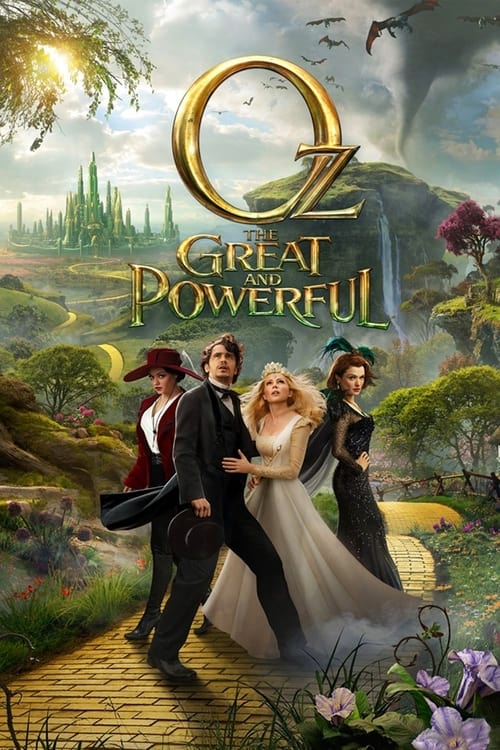
Start here: Evil Dead II is the perfect introduction
Evil Dead II is not a sequel so much as a remake turned up past eleven. It is the purest expression of what Raimi does: the camera moves like a living thing, the horror and comedy are genuinely inseparable, and Bruce Campbell's physical performance is one of the great unsung achievements in American genre film. If it makes you laugh, you are ready for the rest of his career. If it makes you watch through your fingers and laugh, you have found your people.
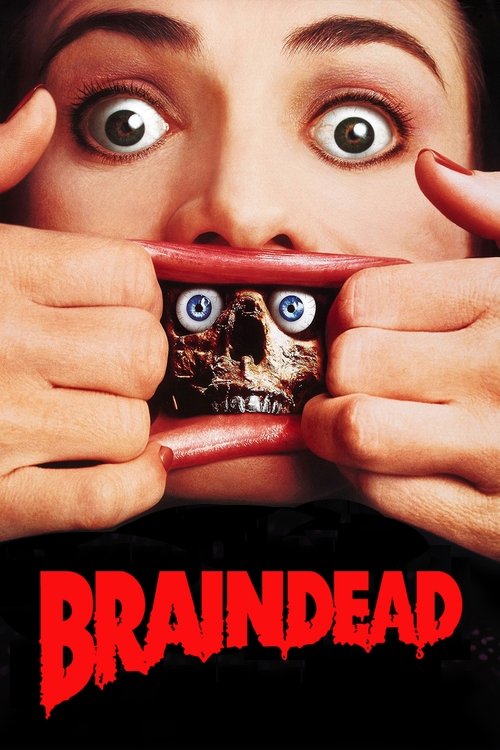
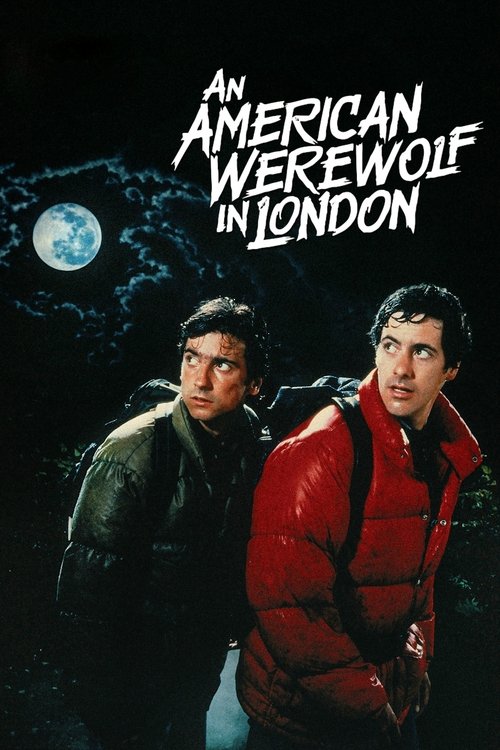
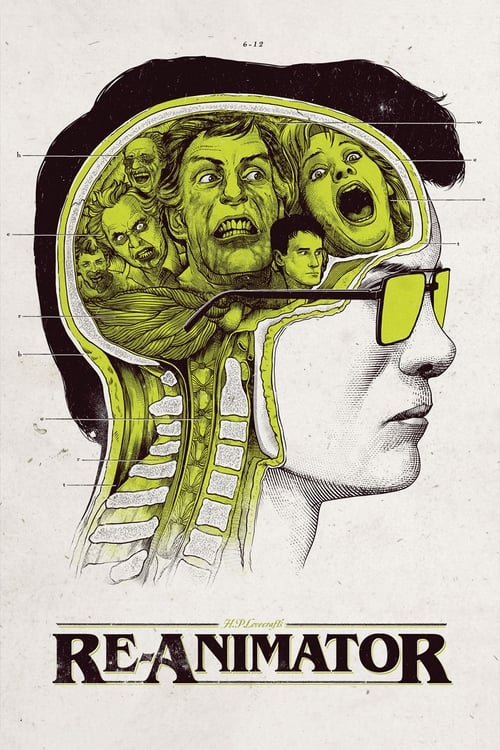
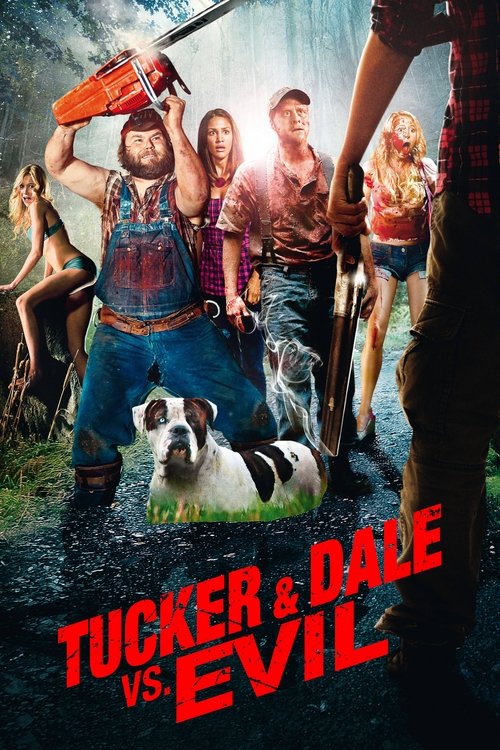
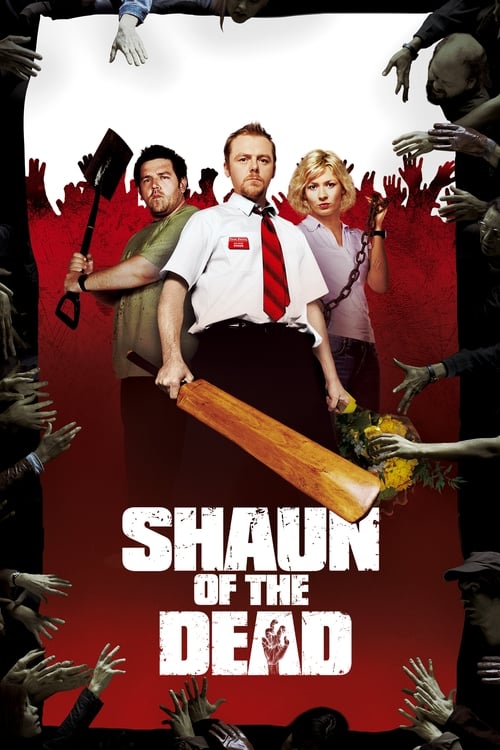
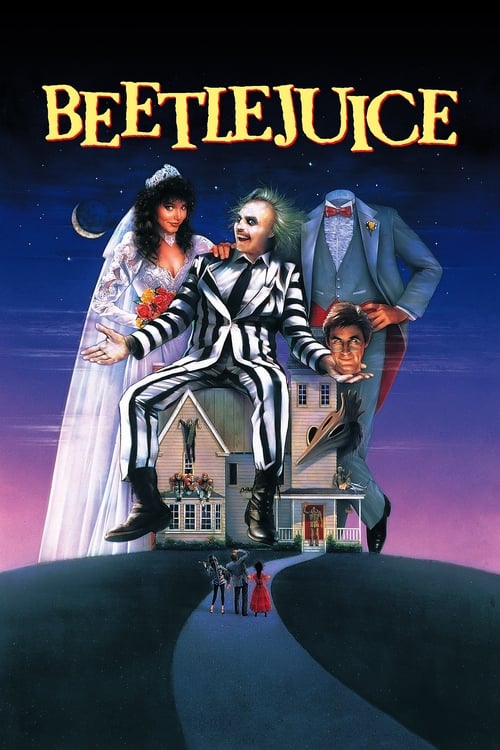
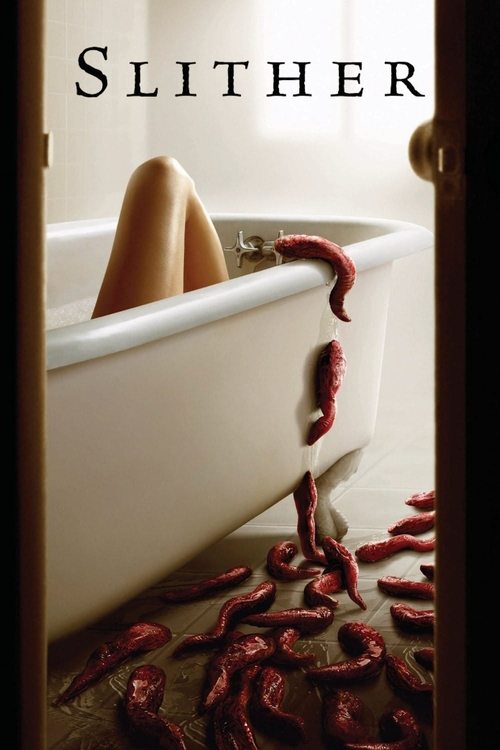
Kinetic Horror That Plays Like Comedy
Films that find the absurdity inside the dread
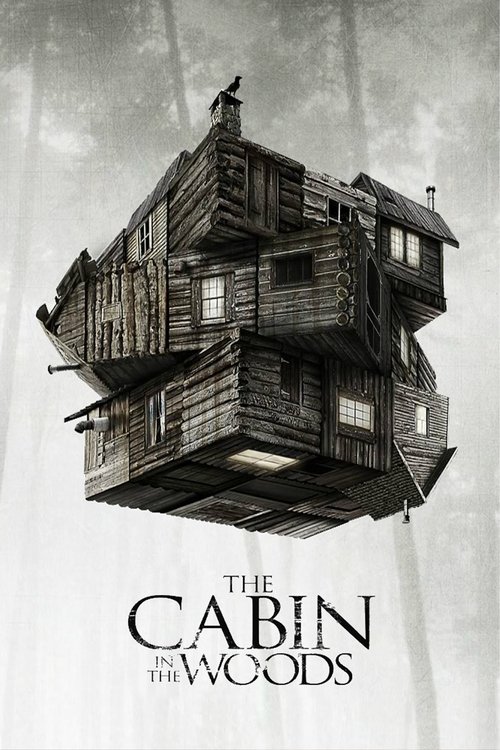
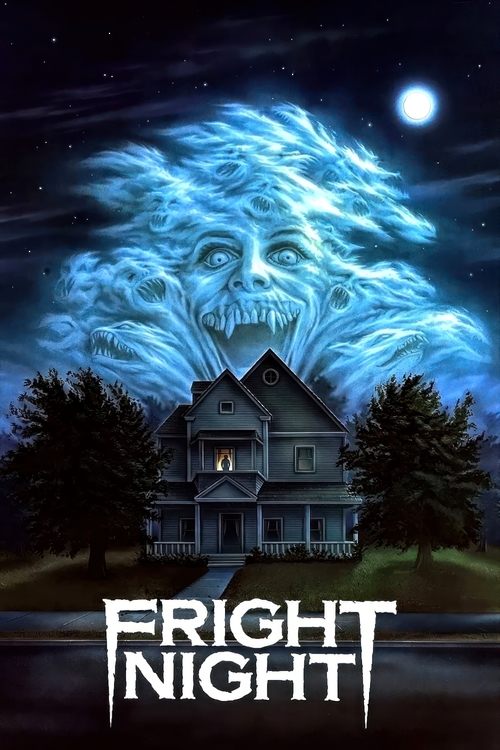
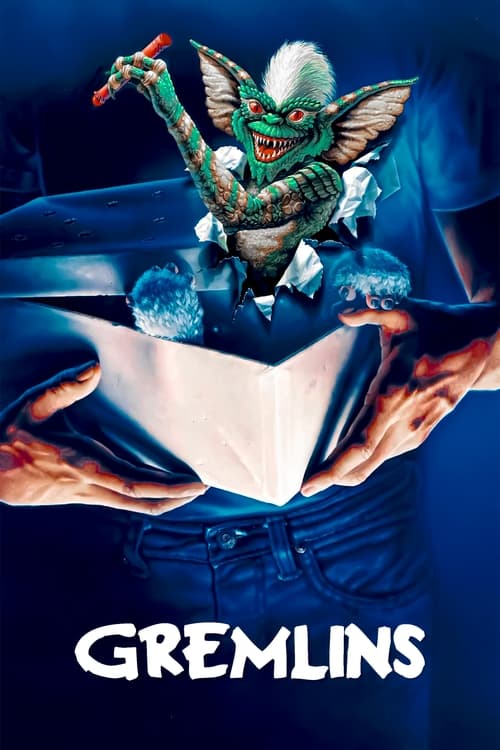
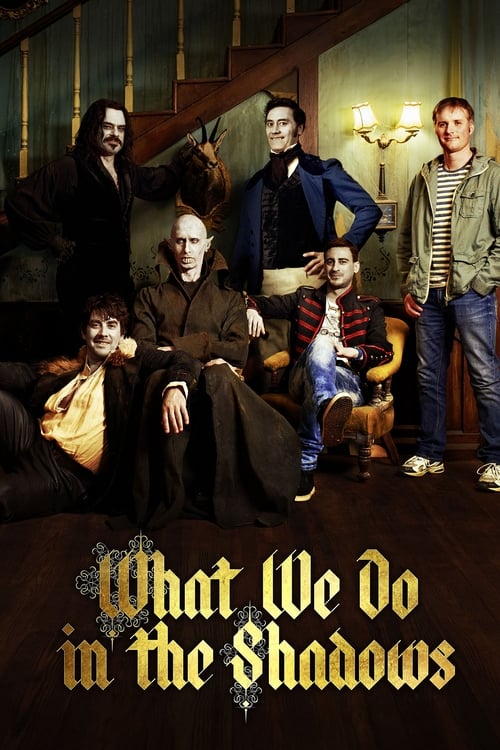

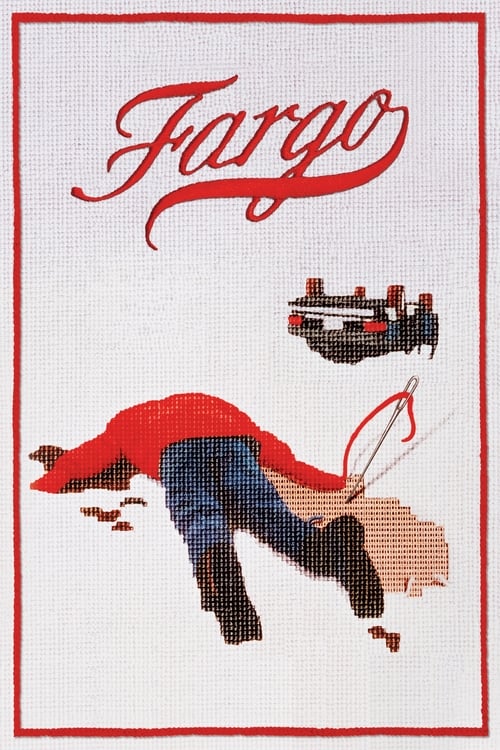
Dark Americana: The Raimi Neo-Noir Current
Ordinary people, catastrophic choices, no way out
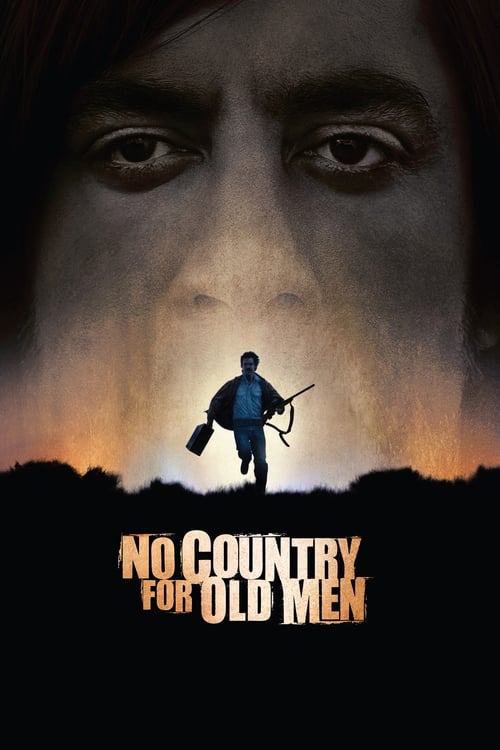
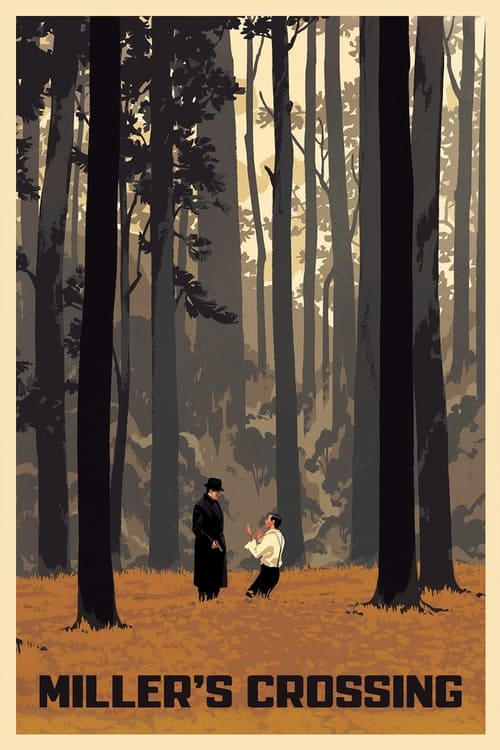

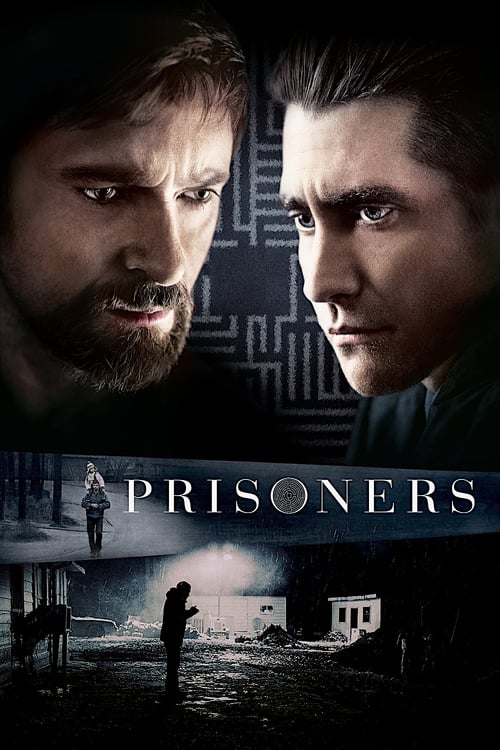
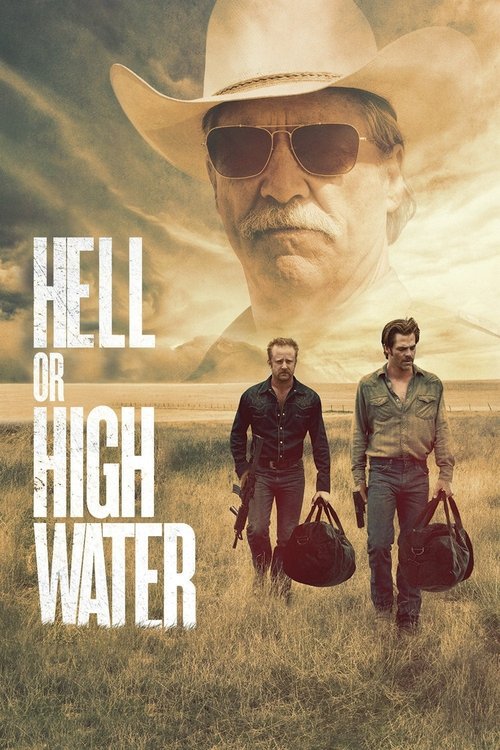

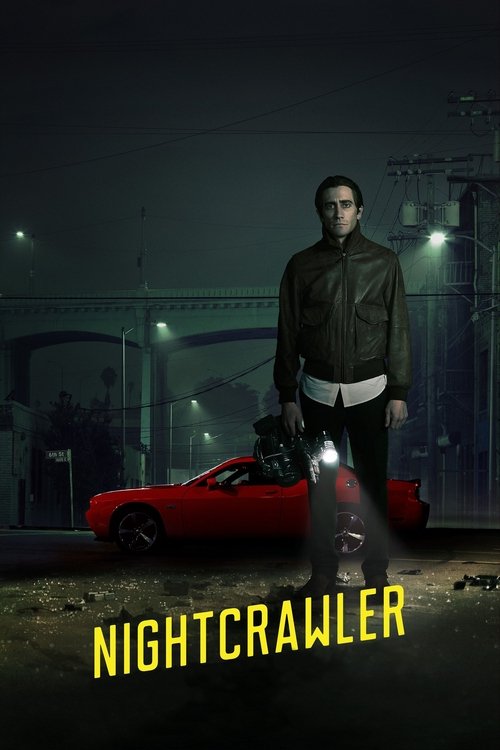
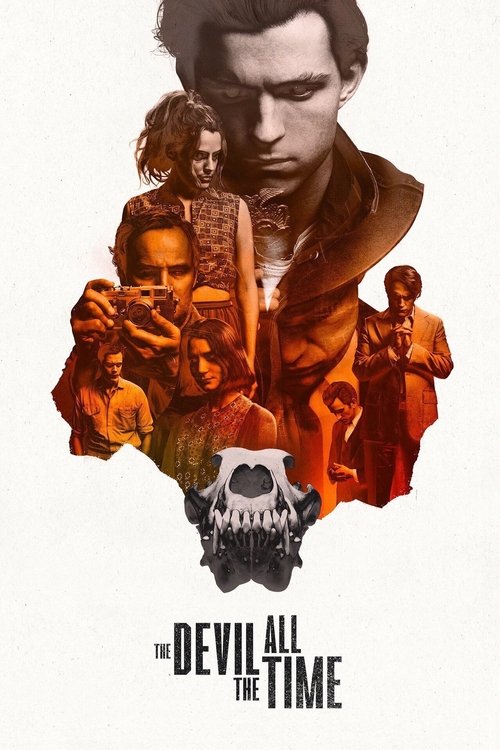
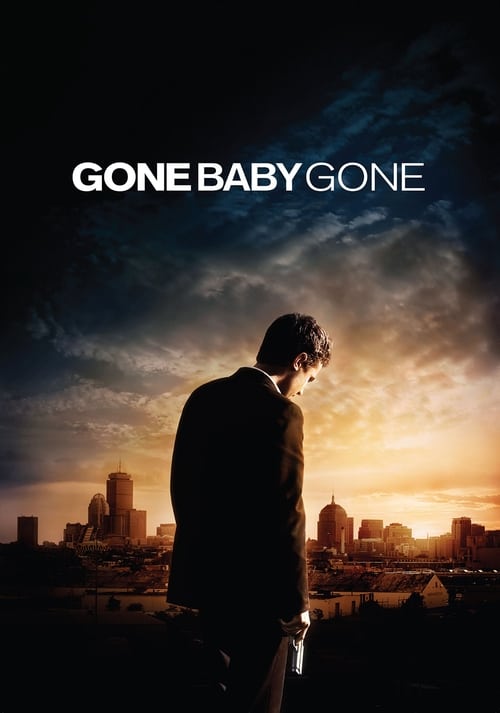
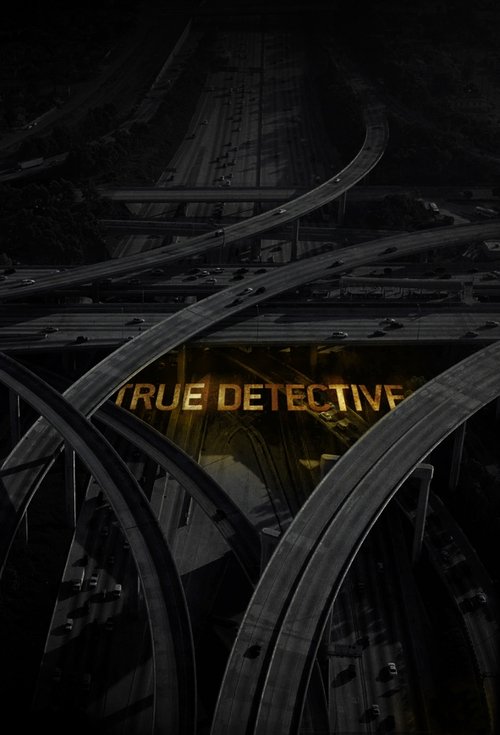
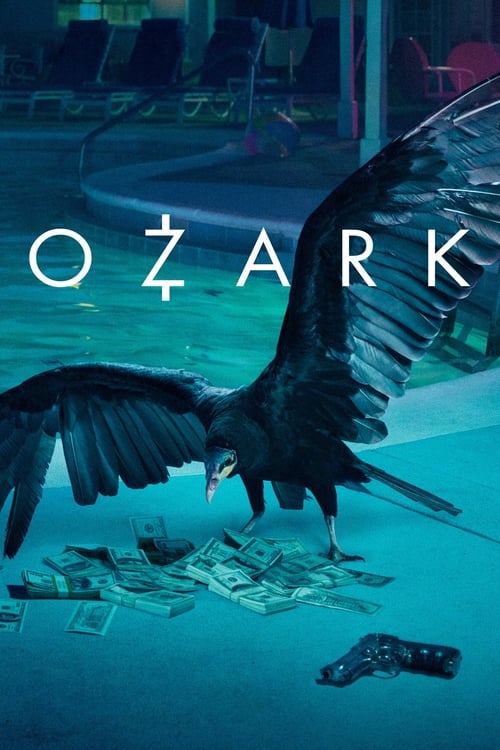
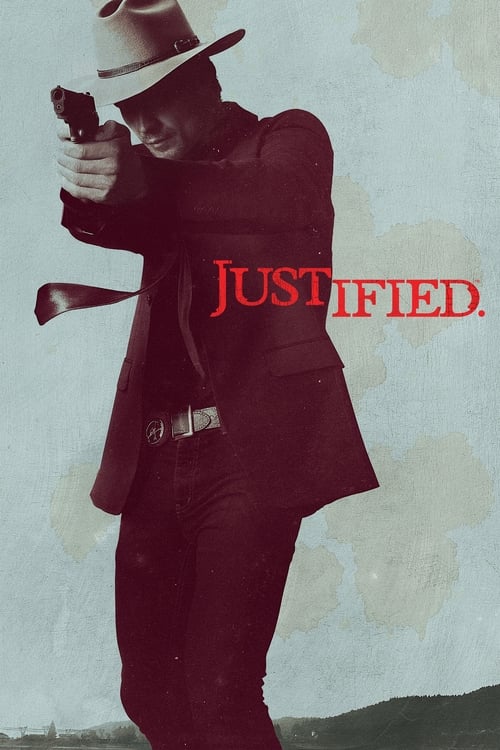
The underrated one: Darkman is where Raimi invented the superhero film before the genre knew it existed
Darkman (1990) arrives twelve years before Spider-Man and already contains everything Raimi was about to do to the genre: the tragic hero, the grotesque physical transformation, the villain who embodies the hero's shadow, and the camera that simply refuses to stay still. Liam Neeson plays it completely straight, which is the right call, because the film is treating pulp as poetry. Universal gave Raimi a modest budget and no existing IP. He made the character up. The result is a better origin-story film than most of what followed, and almost nobody talks about it.
The Underdog Swings Back: Superhero Roots
Before the MCU became a machine, this is where the genre found its soul
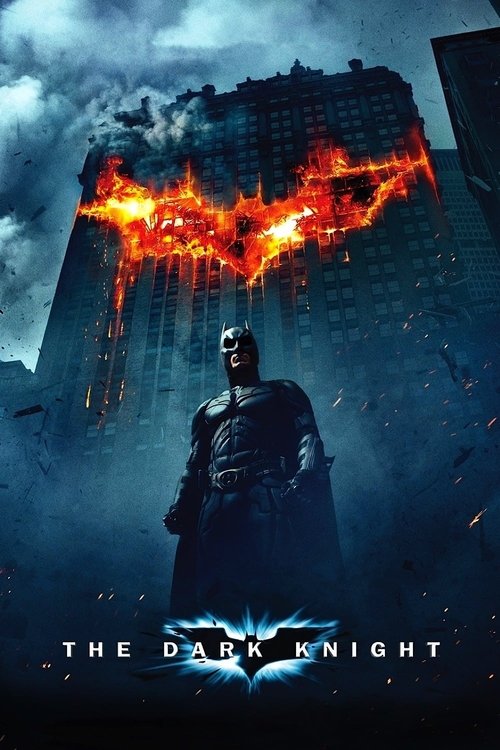
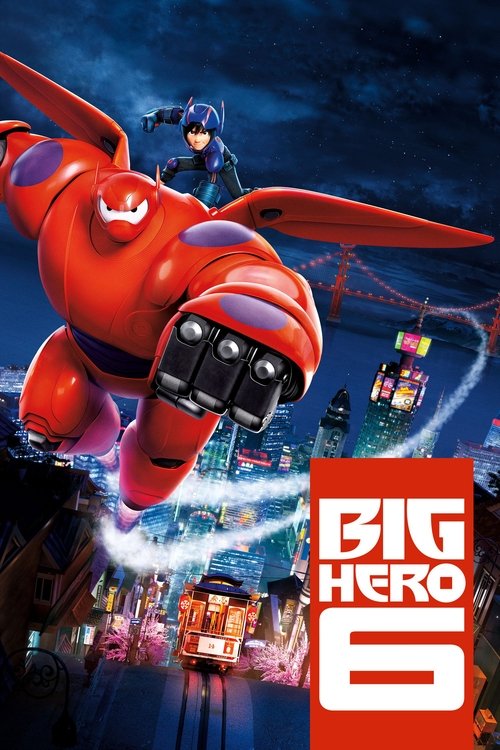
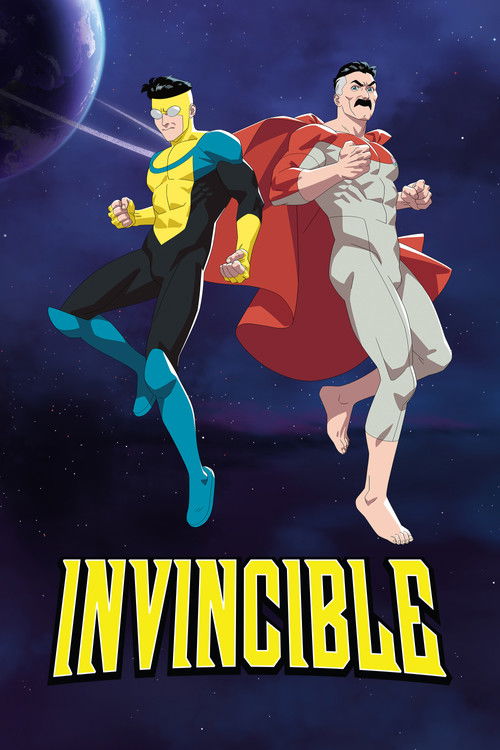

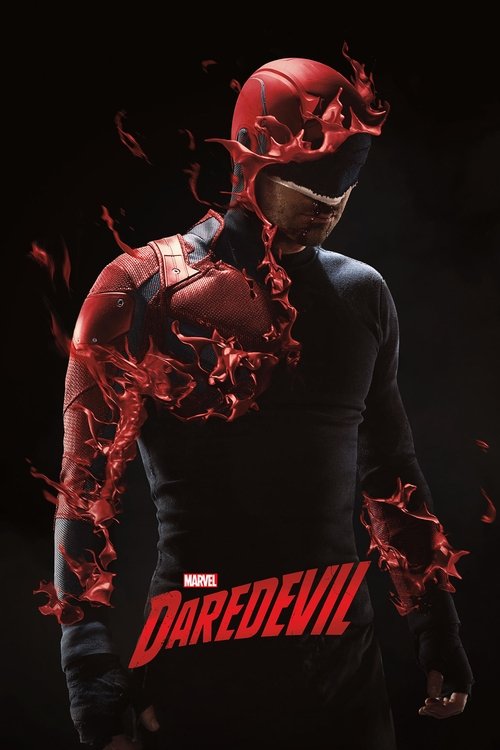
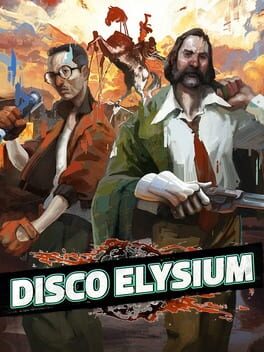
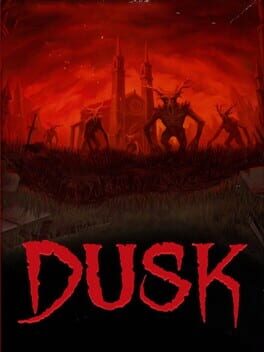
Games With Raimi's DNA
Practical carnage, dark humor, the lone hero vs. the impossible
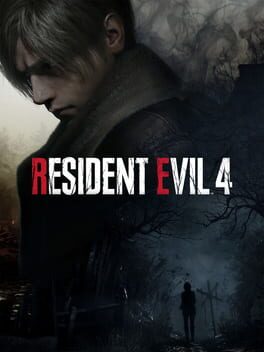
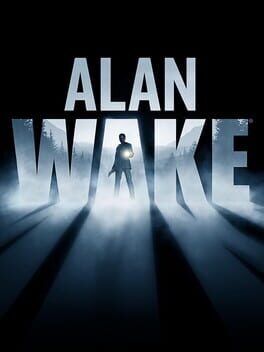
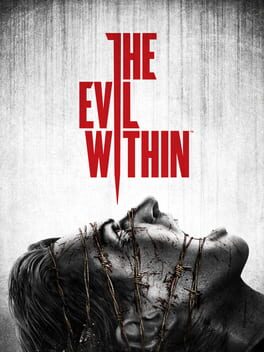

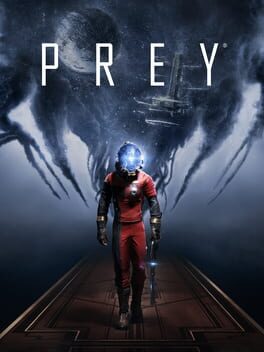
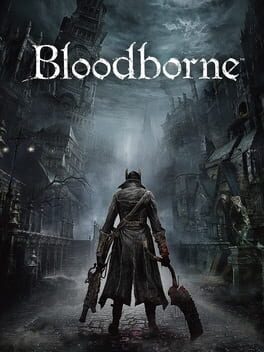
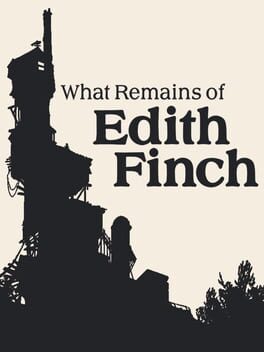
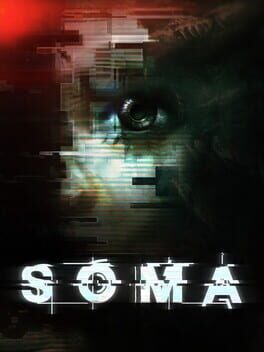
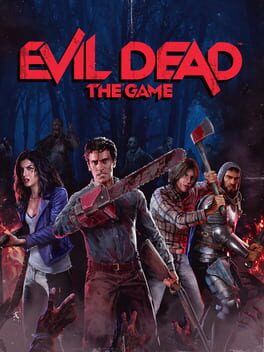
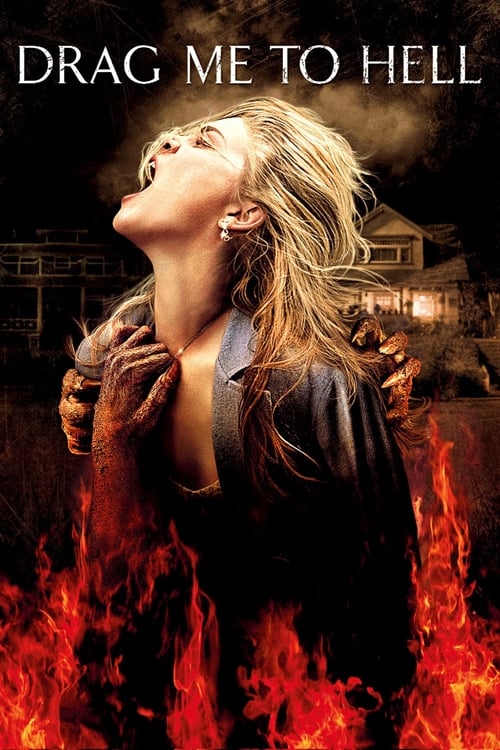
The spiritual successor: Drag Me to Hell is where his two selves meet
Drag Me to Hell arrived after four years away from genre filmmaking and it felt like a composer returning to their instrument after a long absence: everything sharper, more controlled, more deliberately outrageous. It is the film that understands why people love Raimi at his most unhinged while still being genuinely well-constructed. The gypsy curse premise is simple to the point of folk-tale clarity, and Raimi uses that simplicity to layer in real moral discomfort. It is the best argument that he never stopped being a horror director, even when he was making popcorn cinema.
Raimi's Career in Pivots
- 1981The Evil Dead redefines what a no-budget horror film can do The Evil Dead
- 1987Evil Dead II perfects the horror-comedy hybrid Evil Dead II
- 1990Darkman invents a superhero from scratch before the genre existed Darkman
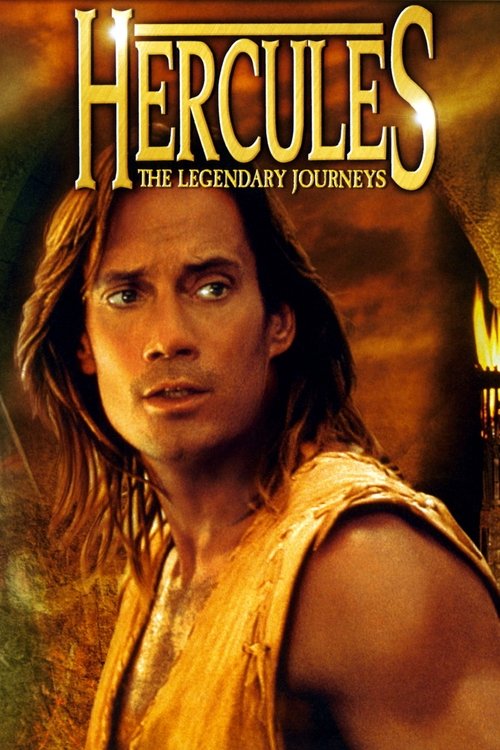
- 1995Hercules: The Legendary Journeys launches a TV empire Hercules: The Legendary Journeys
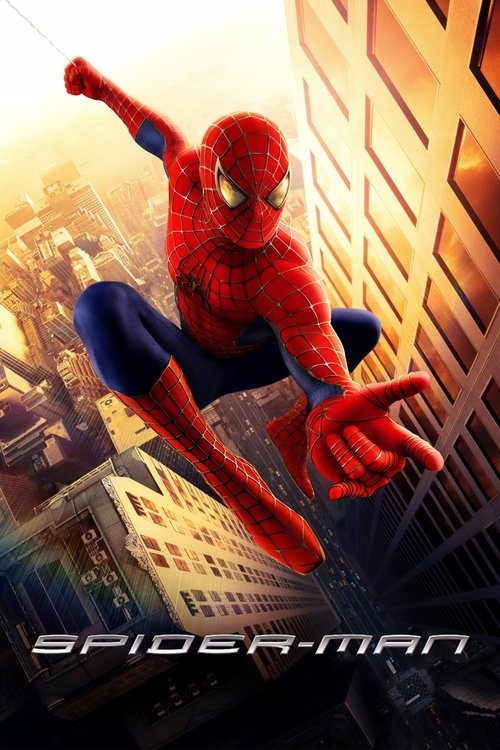
- 2002Spider-Man becomes the template for the modern superhero film Spider-Man
- 2009Drag Me to Hell marks a triumphant return to horror Drag Me to Hell
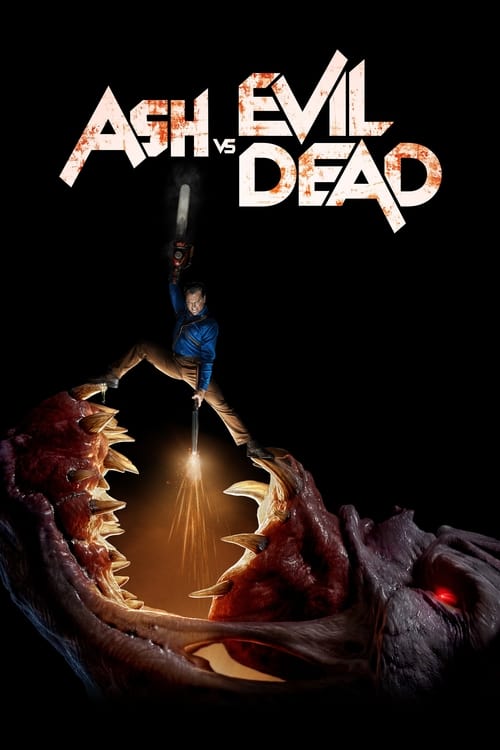
- 2015Ash vs Evil Dead brings Raimi's universe back to television with full gore and full comedy Ash vs Evil Dead
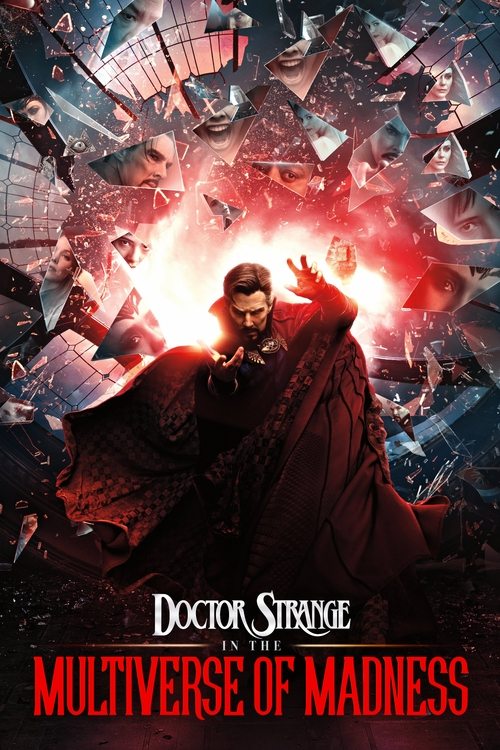
- 2022Doctor Strange in the Multiverse of Madness brings his horror sensibility to the MCU Doctor Strange in the Multiverse of Madness
Gleeful Gore and Comic-Book Mayhem
For Fans of Evil Dead
Explore the For Fans of Evil Dead guide →Raimi's camera does not observe the action. It participates in it, panics with it, flees from it, and sometimes becomes the monster.CrossBinge editorial