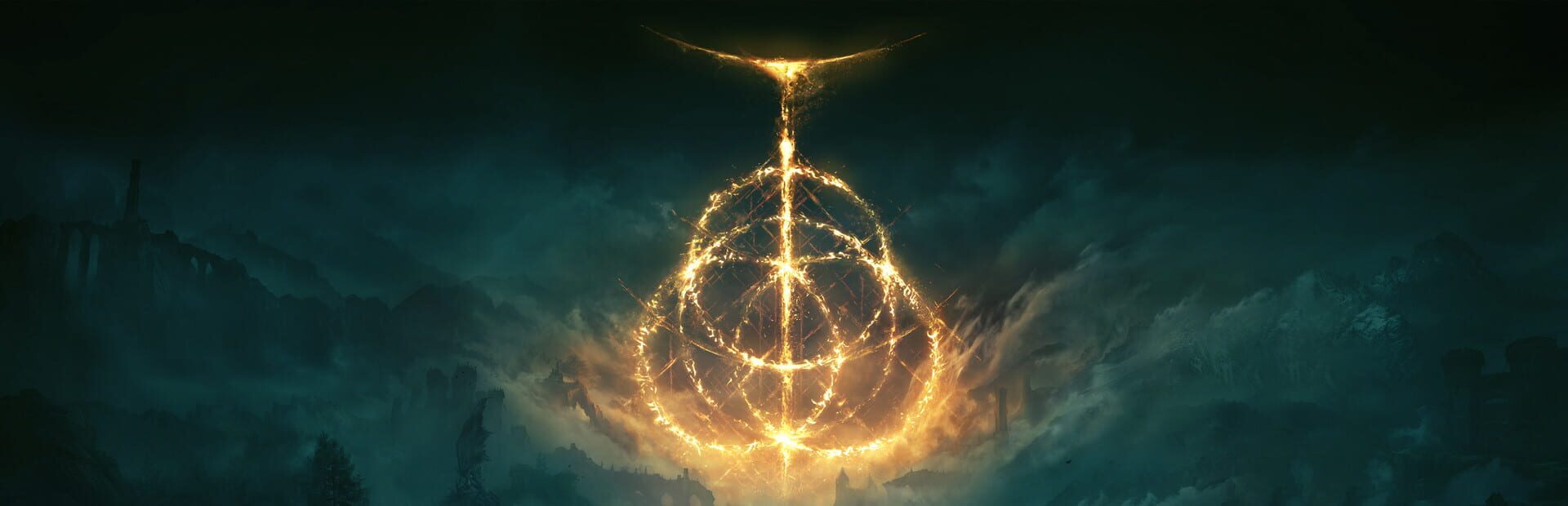

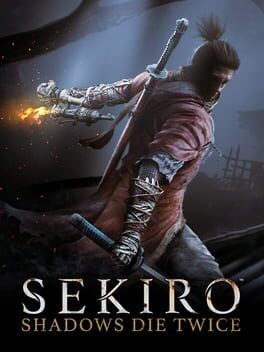
Sekiro: Shadows Die Twice does something few games dare. It strips away every crutch, every statistical shortcut, and asks you to become present, patient, and precise. The deflect system is not a mechanic; it is a philosophy. You do not grind past difficulty here; you internalize it until the katana rhythm is second nature. FromSoftware built a game that punishes passivity and rewards aggression timed to the breath. It draws equally from the brutal samurai cinema of the 1960s and the esoteric Buddhism threaded through Sengoku-period Japan, wrapping them in a story about loyalty, mortality, and what it costs a man to remain useful. Its fans do not merely finish it; they remember exactly where they stopped being afraid.
Essential Sekiro
The FromSoftware canon and the games closest to its DNA
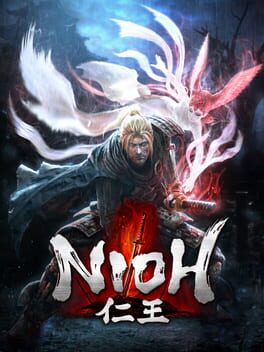
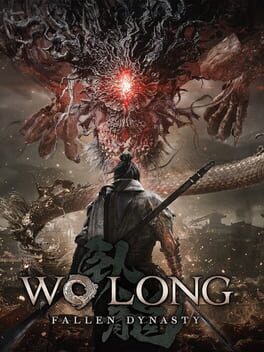
If You Love the Sword-and-Honor Cinema
Kurosawa and the samurai films that forged the same aesthetic
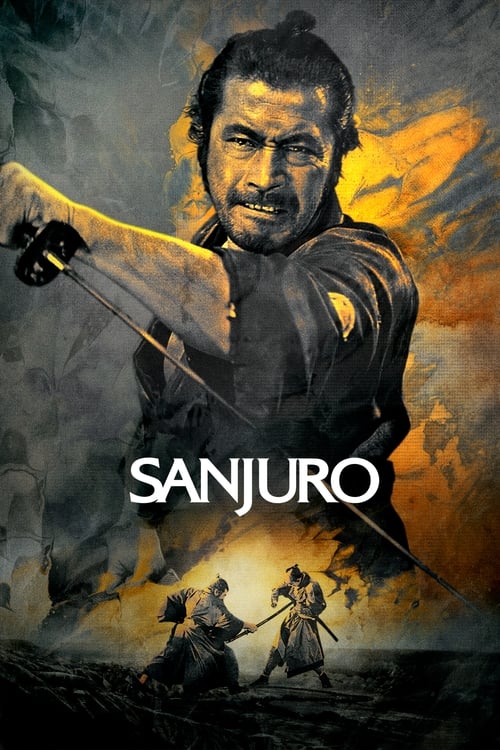
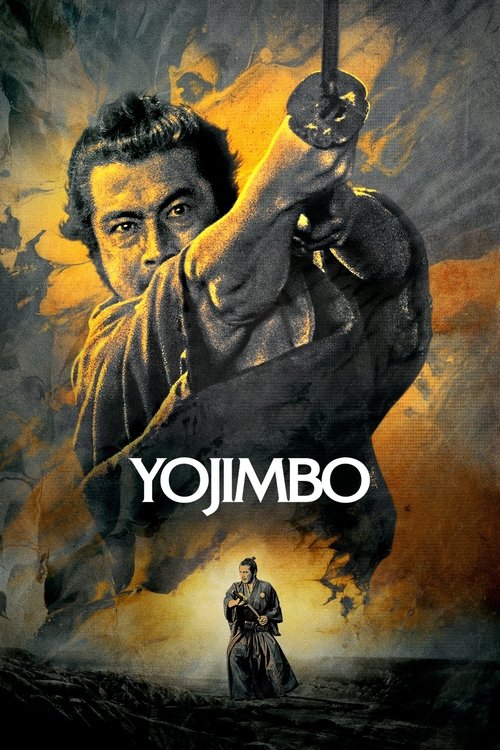


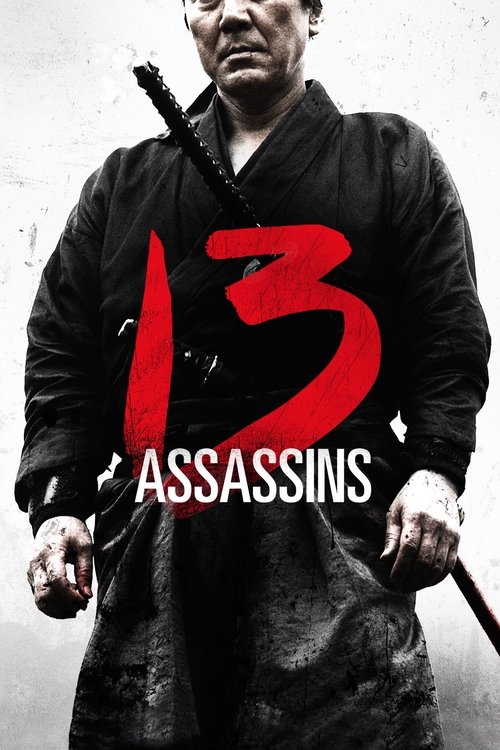
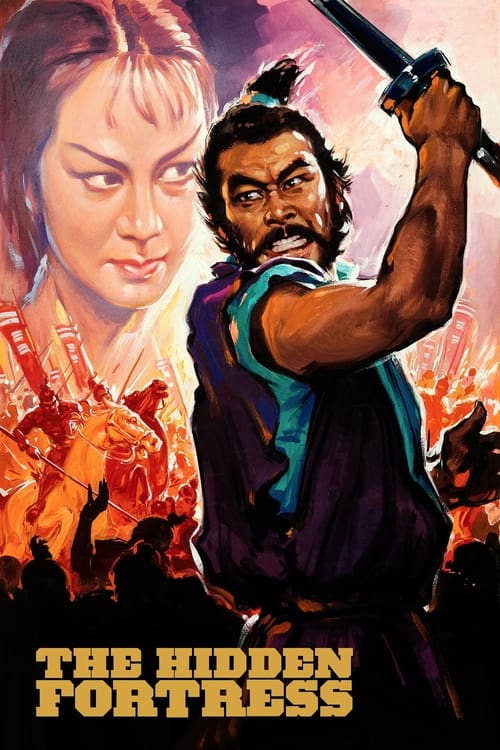
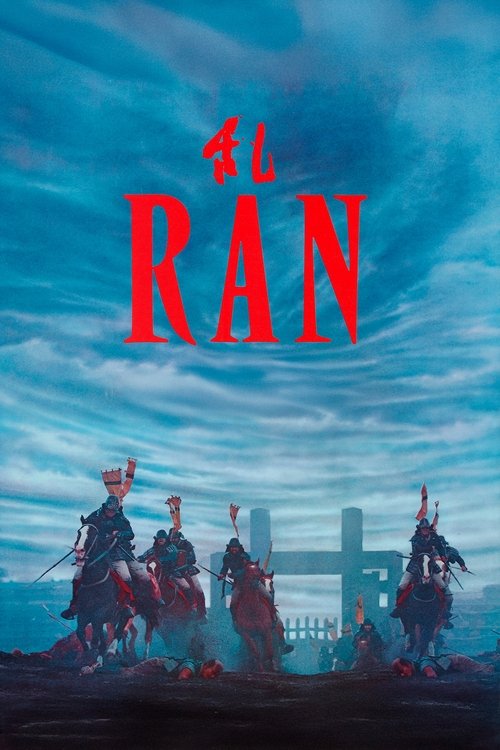
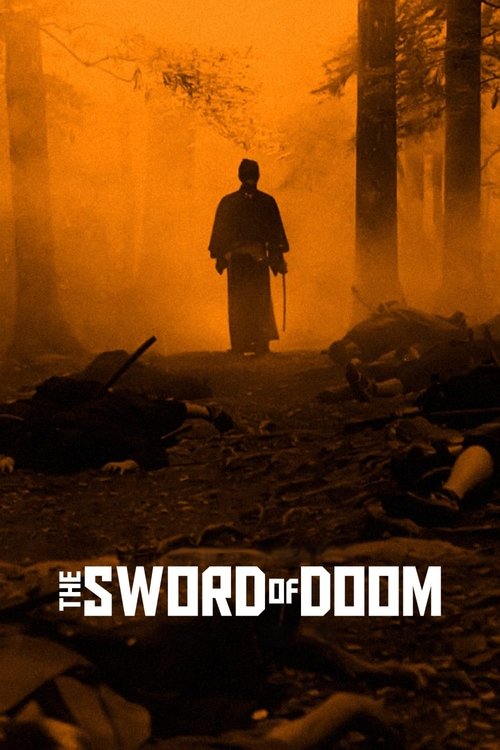
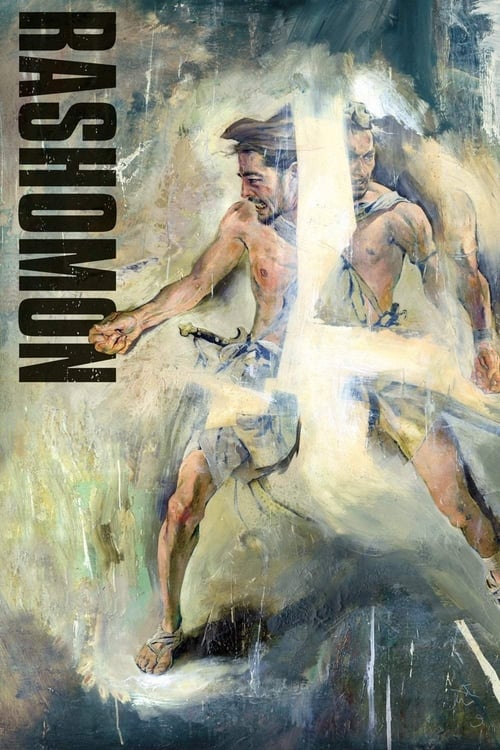
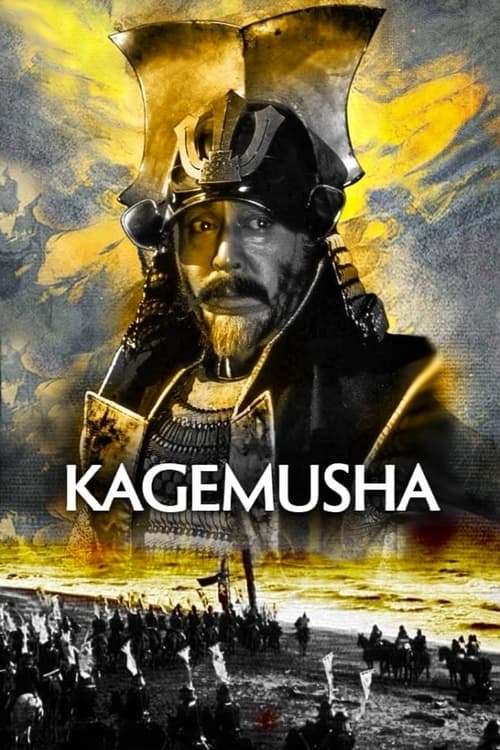
Shinobi and Samurai on Screen
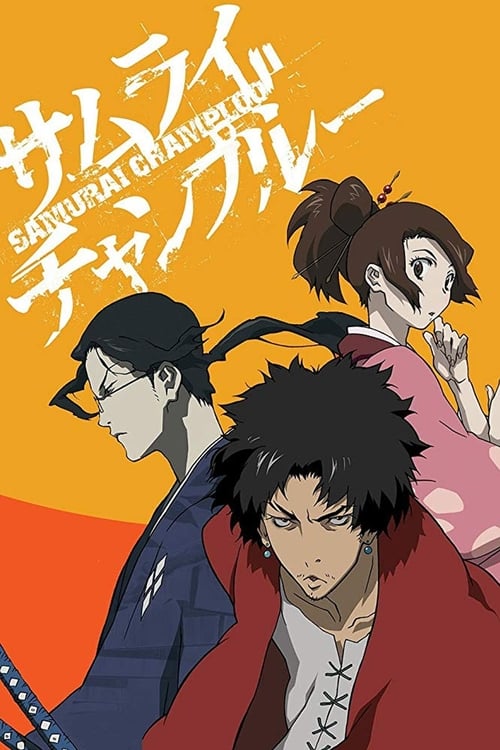
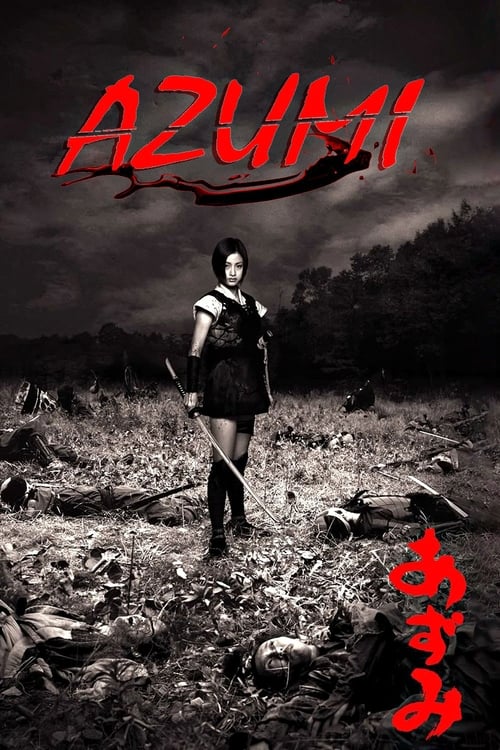
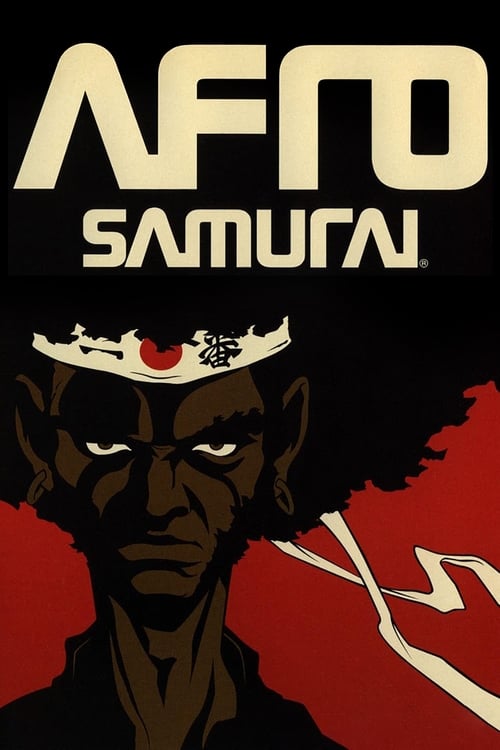
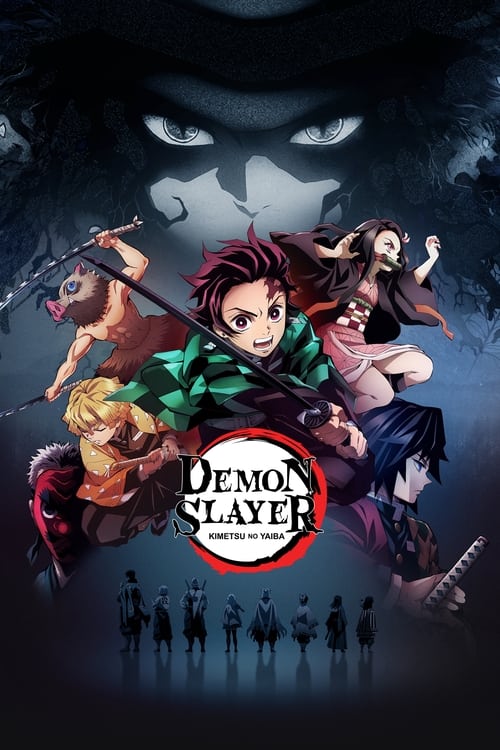
Series and films that live in the same feudal-shadow world
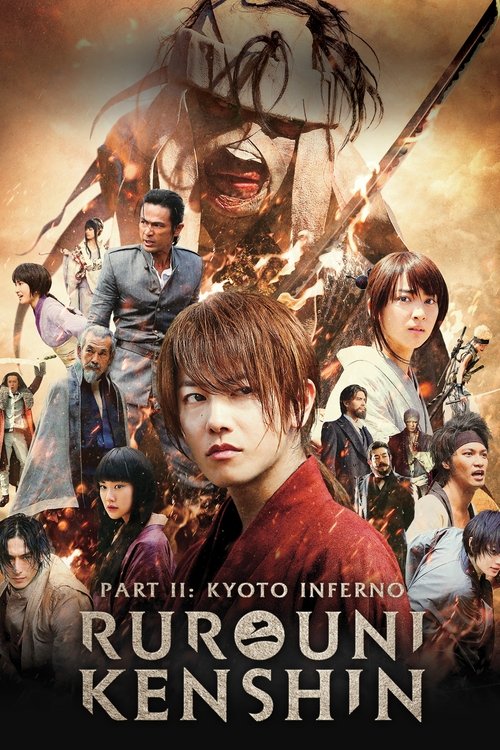
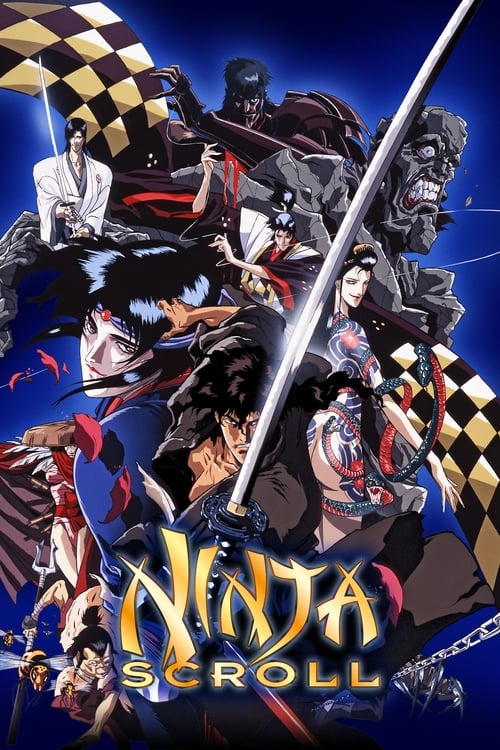
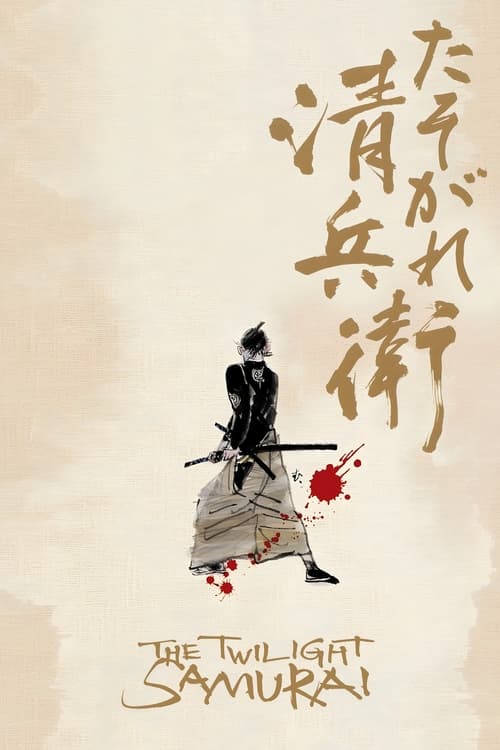
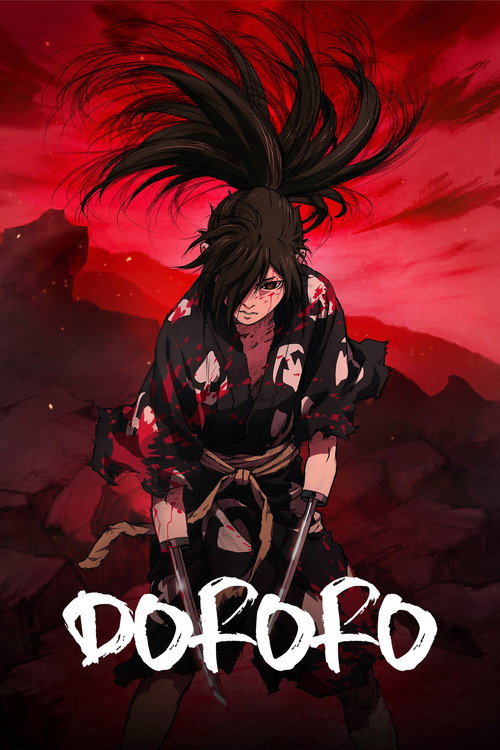
The Literature of Swords and Duty
Novels that share Sekiro's code of discipline, sacrifice, and feudal honor


Uncompromising Action Games
Other games that demand mastery and never apologize for it
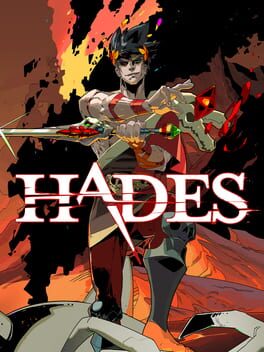
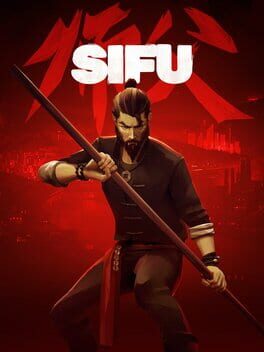


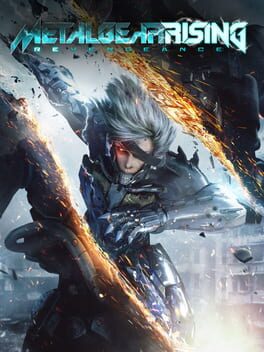
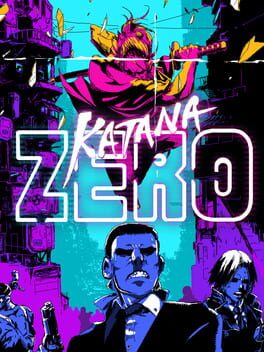


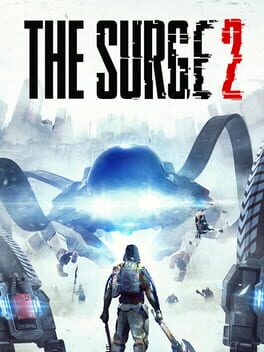
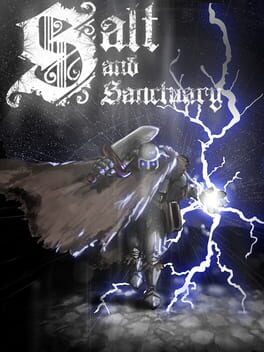
The Deflect Is the Whole Game
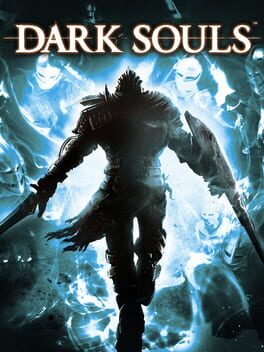
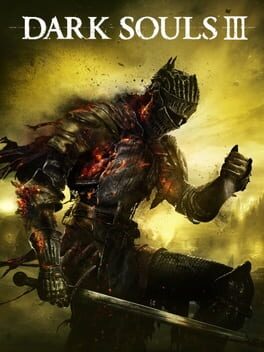
Every FromSoftware game teaches patience, but Sekiro teaches timing at a granular level that borders on musicality. The posture system turns every boss fight into a rhythm negotiation: you are not waiting for an opening; you are creating one by holding your ground through three, four, five successive strikes. Players who try to approach it like Dark Souls, circling and poking, get punished immediately. The game rewards the instinct to lean in, which is, not coincidentally, the exact instinct most action games spend years training you to suppress.
Kurosawa's Debt to the Sengoku Period
Akira Kurosawa's Sengoku films are the closest cinema gets to what Sekiro feels like from the inside: authority earned through violence, honor maintained at extraordinary personal cost, and landscapes that are simultaneously beautiful and merciless. Sanjuro in particular shares DNA with Wolf. Both men are technically masterless, both are driven by something closer to professional pride than ideology, and both are capable of acts of shocking efficiency followed by immediate indifference. Watching Kurosawa after Sekiro does not feel like homework; it feels like source material.
Musashi: The Novel Sekiro Was Almost Named After
Eiji Yoshikawa's Musashi is the definitive Japanese novel about a warrior who must choose between the sword as identity and the sword as discipline. The protagonist's arc, from chaos to mastery to something approaching wisdom, maps almost perfectly onto what Sekiro's implicit story is doing around Wolf. You finish Musashi with the same sensation as clearing a late-game Sekiro boss: exhausted, clarified, and reluctant to leave. Readers who come to it from Sekiro will feel they already know its moral logic; they just have not read the prose yet.
Ghost of Tsushima and the Art of the Beautiful Rival
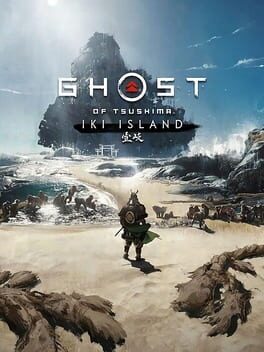
Ghost of Tsushima is everything Sekiro is not and everything it is, simultaneously. Where Sekiro is austere and punishing, Ghost is generous and gorgeous. Where Sekiro's world is a labyrinth of death, Ghost's is open and inviting. But both games share a commitment to the tactile weight of a blade and a feudal Japan that feels inhabited rather than decorated. Playing Ghost after Sekiro is not a step down; it is a change of key. The same melody, arranged for a different emotional register.
FromSoftware and the Samurai Canon: Key Moments
- 1954Seven Samurai released Seven Samurai
- 1961Yojimbo released, defining the ronin archetype Yojimbo
- 1962Sanjuro released Sanjuro
- 1962Harakiri released Harakiri
- 1974Musashi published in English Musashi
- 1975Lone Wolf and Cub manga begins publication Lone Wolf
- 1993FromSoftware founded in Tokyo
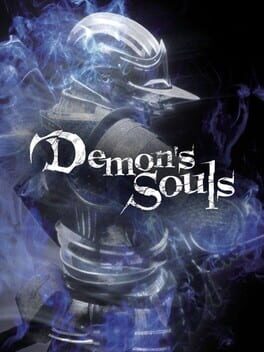
- 2009Demon's Souls launches the soulslike genre Demon's Souls
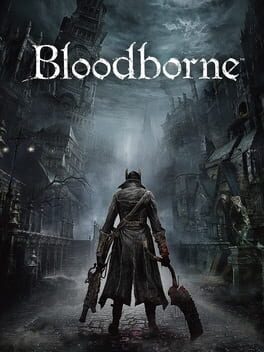
- 2015Bloodborne melds gothic horror and precision combat Bloodborne
- 2019Sekiro: Shadows Die Twice released, GOTY Sekiro: Shadows Die Twice
- 2020Ghost of Tsushima released Ghost of Tsushima: Iki Island
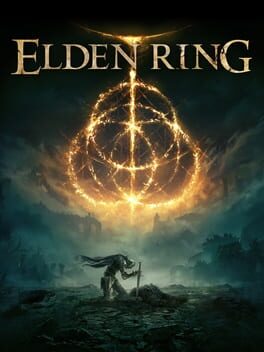
- 2022Elden Ring releases to universal acclaim Elden Ring
- 2024Shogun series remake wins Emmy for Outstanding Drama GoShogun
Samurai swords and brutal mastery
Samurai & Feudal Japan
Explore the Samurai & Feudal Japan guide →Hesitation is defeat.Genichiro Ashina, Sekiro: Shadows Die Twice