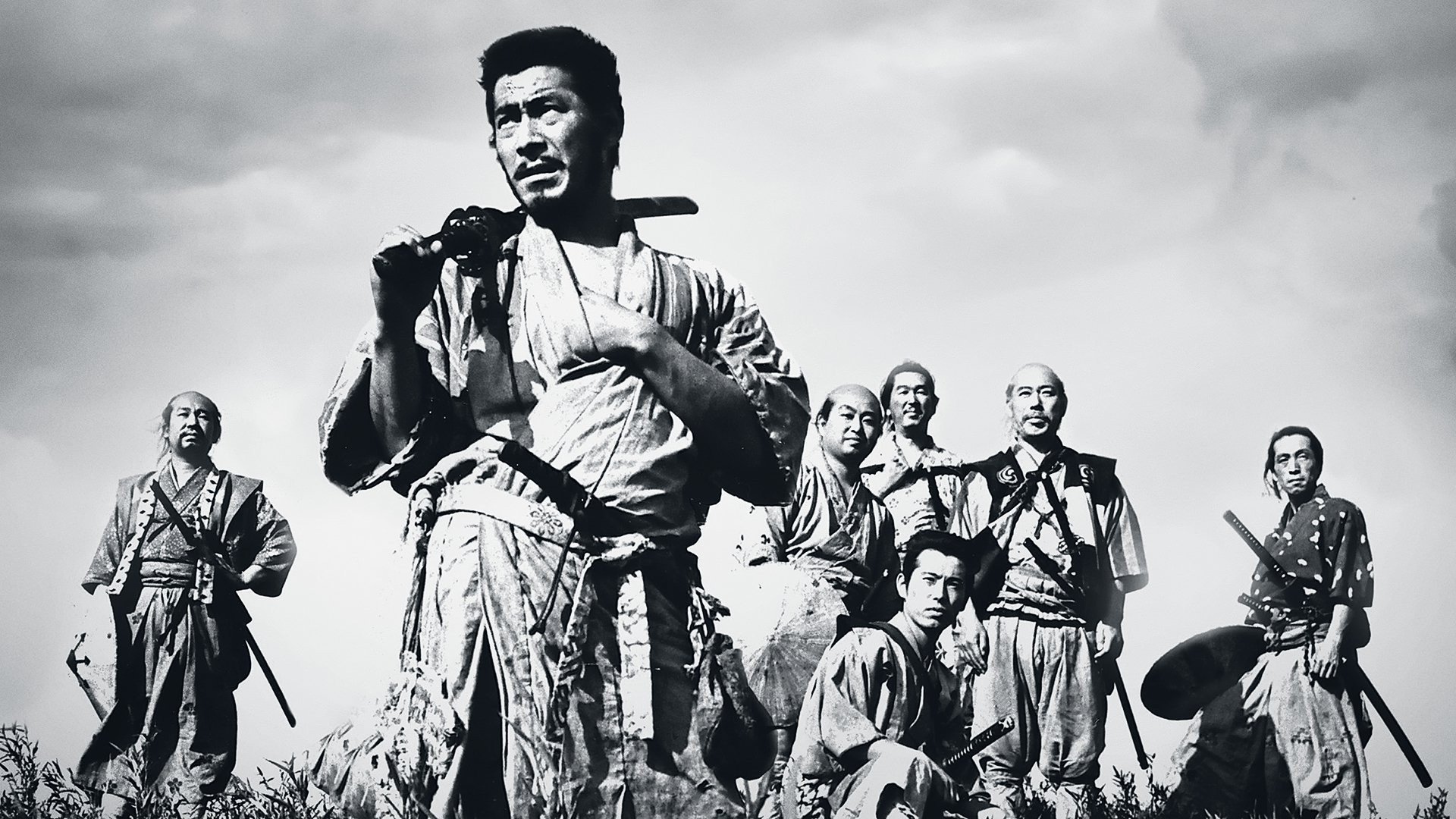

Ghost of Tsushima arrived in 2020 as something rare: a big-budget open-world game with the restraint and visual poetry of a Kurosawa film. Set during the 1274 Mongol invasion of Tsushima Island, it follows Jin Sakai, a samurai forced to abandon the code of honor he was raised on and become something the old guard calls monstrous -- the Ghost. The tension between duty and survival, between the samurai way and the ruthless pragmatism that actually works, is what players carry long after the credits roll. Sucker Punch built not just a game but a mood: ink-wash aesthetics, wind-bent grass, shamisen on the soundtrack, silence punctuated by sudden violence. If you love Ghost of Tsushima, you love atmosphere as a mechanic, moral ambiguity worn like armor, and the austere beauty of a world that wants to kill you.
If You Love the Kurosawa DNA
The samurai cinema canon Ghost of Tsushima was built on -- including the game's own Kurosawa Mode

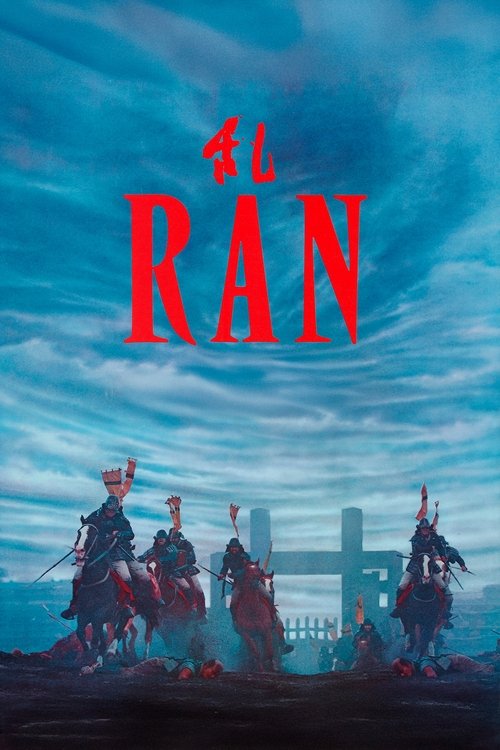
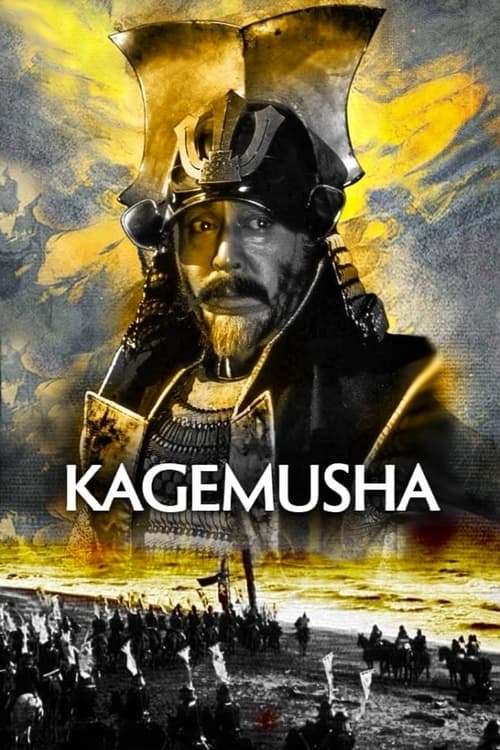

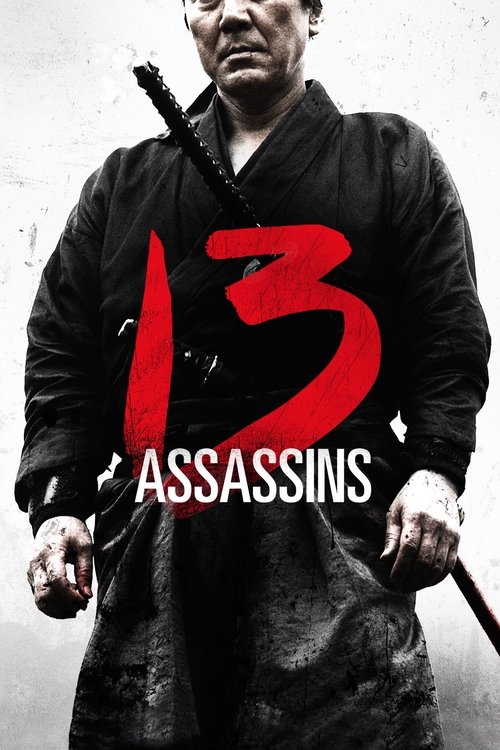
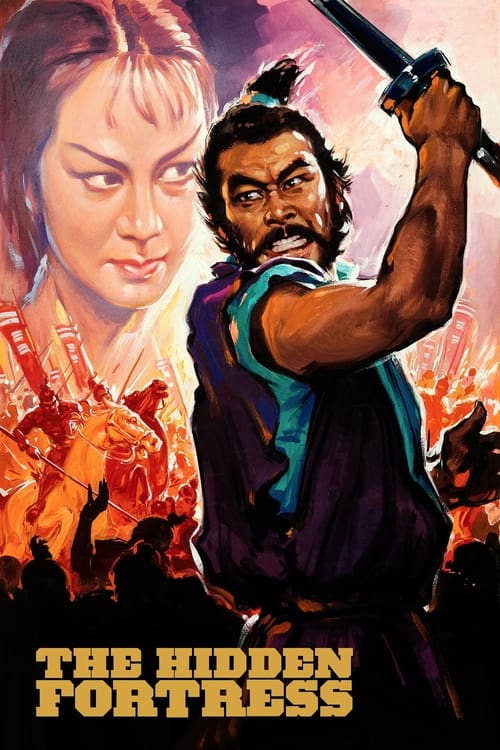
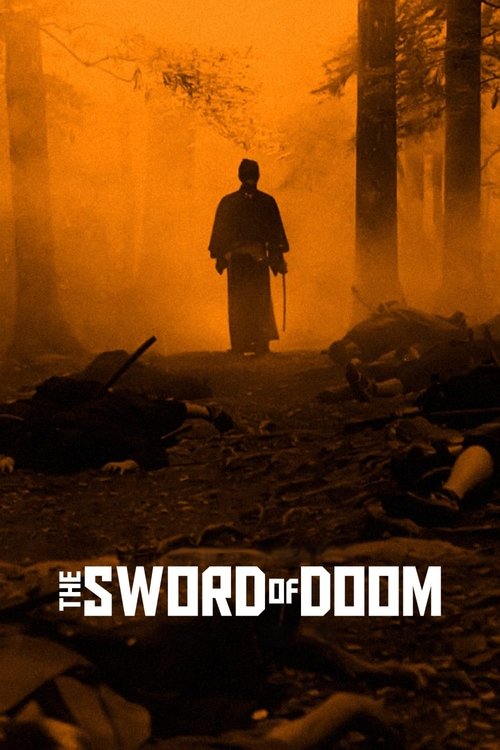
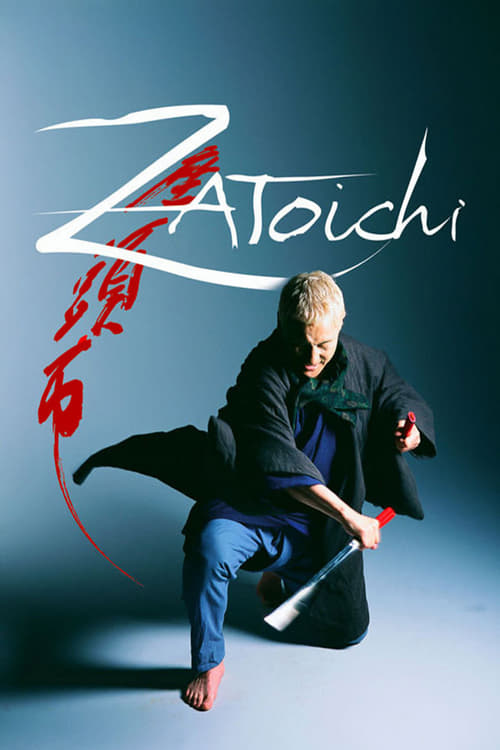
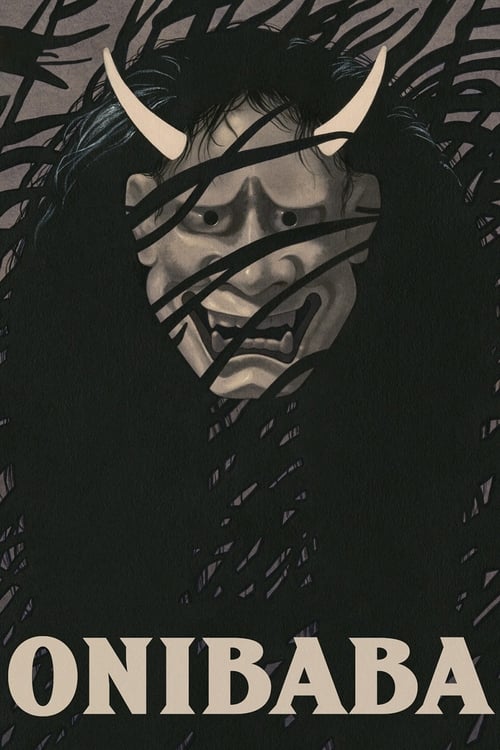
Samurai and Feudal Japan on Screen
Series and films that capture the same epic scope, political intrigue, and warrior culture
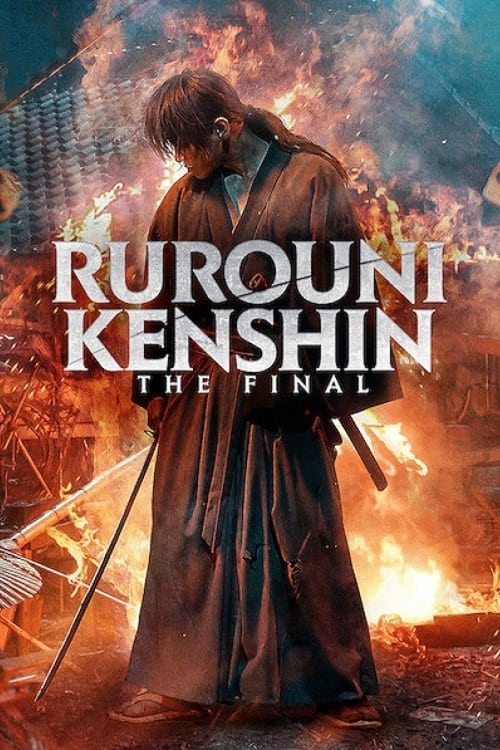
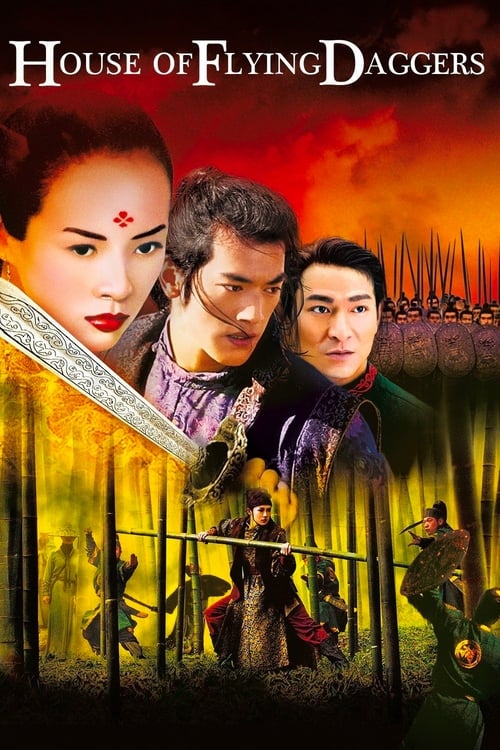

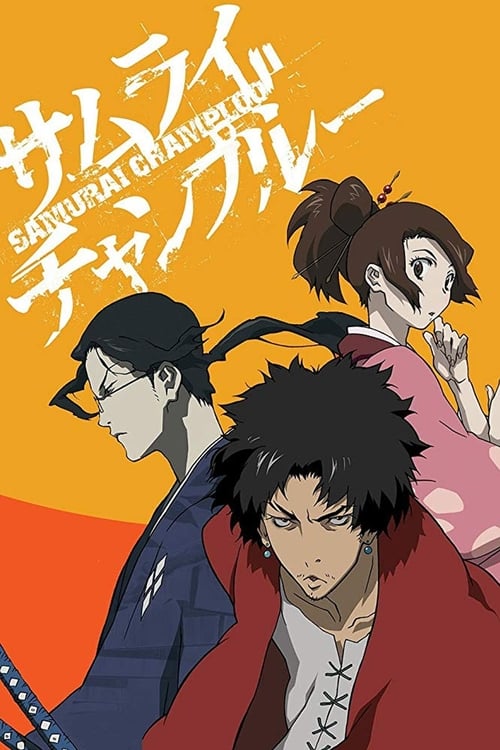
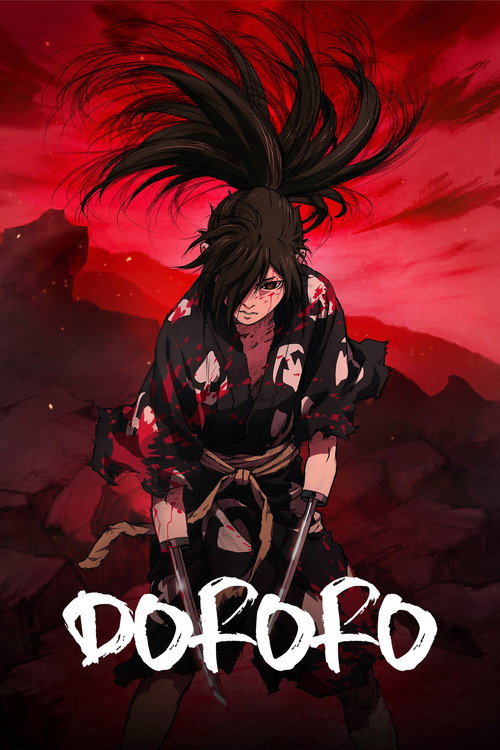
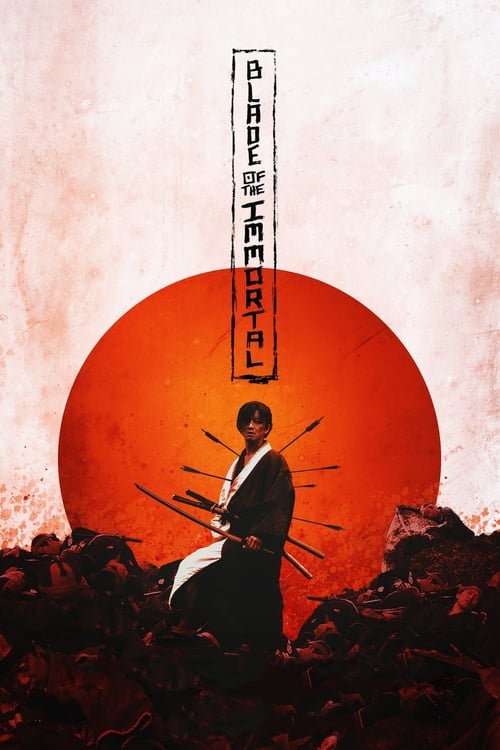
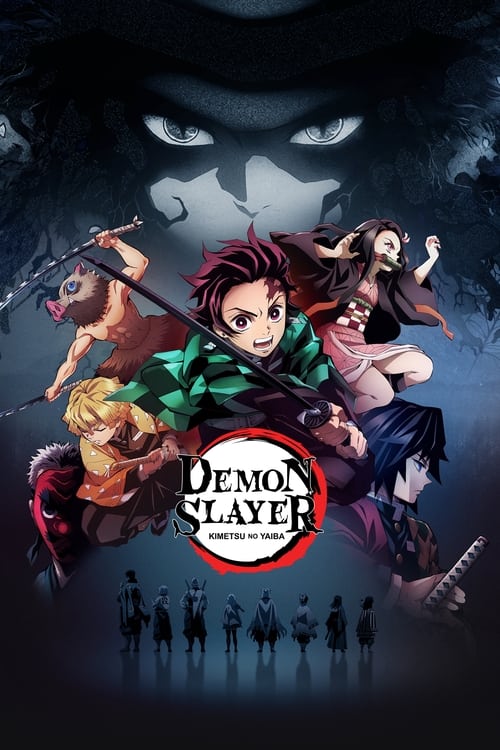
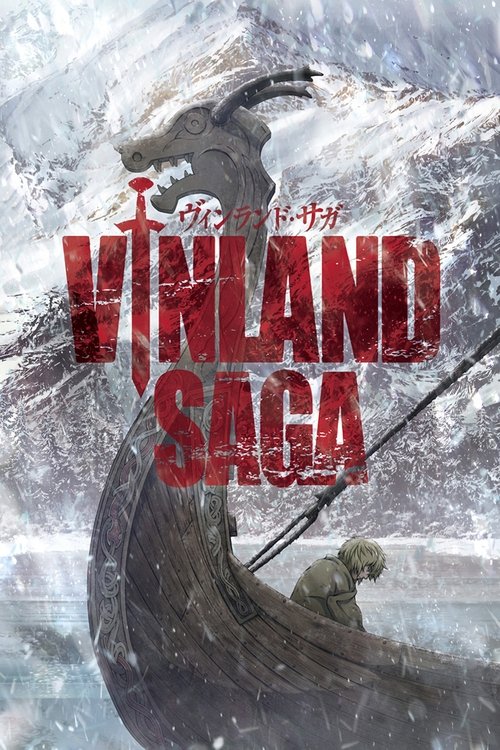

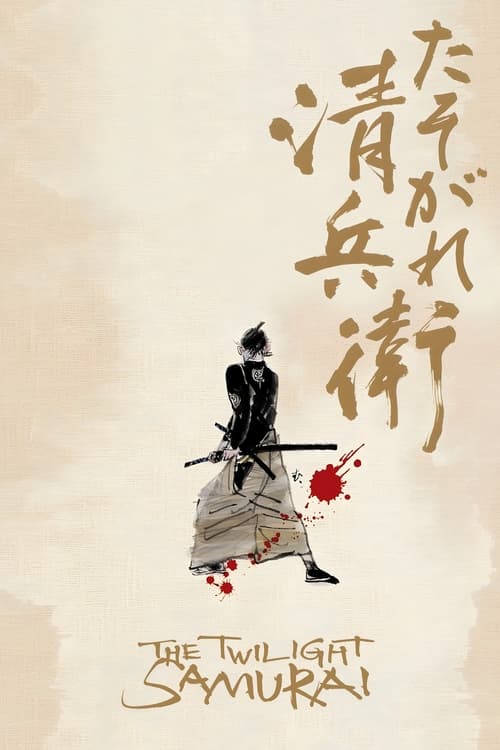
Open-World Games with the Same Soul
Action-adventure games that reward patience, atmosphere, and deliberate combat
Samurai and Feudal Japan in Fiction
Novels and histories that go deep into the world Ghost of Tsushima conjures





The Wind Knows Where to Go
Ghost of Tsushima replaced its minimap with the wind. Point in a direction, press a button, and the breeze bends the grass toward your goal. It sounds like a gimmick; it turns out to be one of the smartest navigation decisions in open-world history. You watch the world instead of a HUD. You notice the fox darting into the shrine, the smoke rising from the village. The game trusts you to be present, and that trust changes how you feel about every quest, every duel, every moonlit ride. No other mechanic in recent memory has done more with less.
Kurosawa Didn't Make This Game, but He Haunts Every Frame
Sucker Punch built a black-and-white film grain mode called Kurosawa Mode -- and it's not a novelty filter. Desaturated and scratched, the game looks genuinely like a 1950s jidaigeki. But even in color, the compositional instincts are Kurosawa's: heroes silhouetted against sky, duels in pouring rain, wide shots that dwarf the human figure against landscape. Seven Samurai and Ran are not background research; they are structural blueprints. Play one, watch the other, and the conversation becomes unavoidable.
Shogun (2024) Is the Show Ghost of Tsushima Fans Needed
FX's Shogun remake did something the 1980 miniseries only gestured at: it centered Japanese characters, gave them full agency, and treated honor and clan politics as a genuine moral system rather than exotic spectacle. Jin Sakai's dilemma -- honor versus survival, tradition versus necessity -- maps almost perfectly onto Hiraga Toranaga's long game in Shogun. Both works ask who gets to decide what the samurai code means when the code itself becomes a cage. If the 2024 series passed you by, correct that immediately.
Sekiro Is the Dark Side of the Same Coin
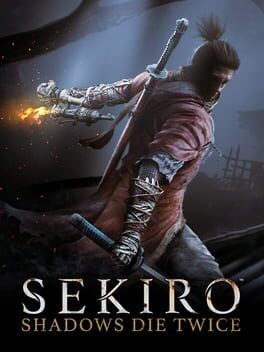
Where Ghost of Tsushima is expansive and cinematic, Sekiro: Shadows Die Twice is a closed fist. Both games are about a warrior shaped by a strict tradition who must become something new to survive. Both demand you learn enemy rhythms like a language. But Sekiro offers no open world, no side quests to ease the tension -- just you, a prosthetic arm, and a sequence of bosses that will humiliate you until you understand. The two games are complementary arguments: Ghost says the world is vast and beautiful; Sekiro says the moment of the blade is everything.
A Samurai Canon in Time
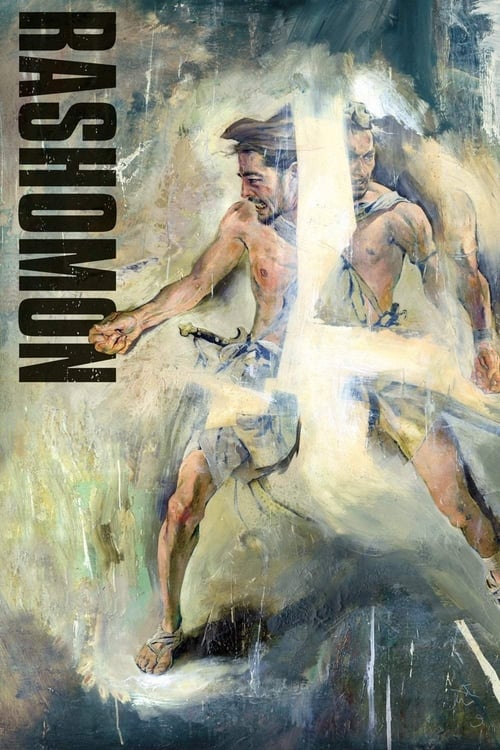
- 1950Rashomon reframes truth and the samurai myth Rashomon
- 1954Seven masterless warriors defend a village -- the definitive samurai ensemble Seven Samurai
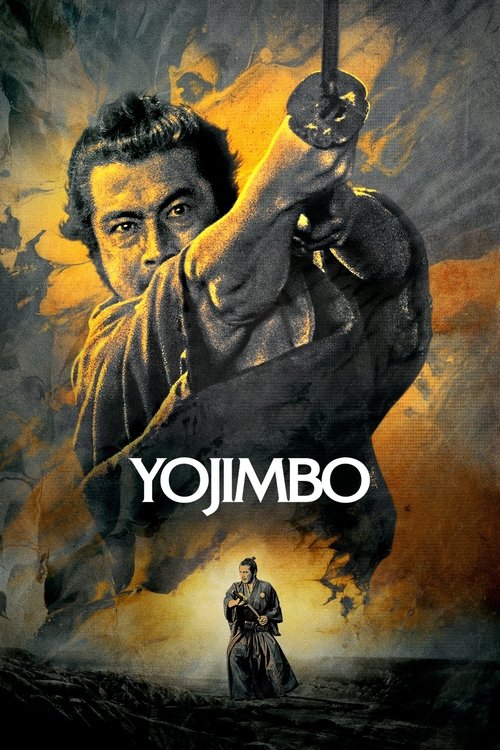
- 1961Kurosawa invents the lone drifter genre with Yojimbo Yojimbo
- 1975Eiji Yoshikawa's Musashi novelizes the greatest swordsman's life Musashi
- 1980James Clavell's Shogun brings feudal Japan to Western readers at scale
- 1985Kurosawa's Ran adapts King Lear as feudal Japanese tragedy Ran
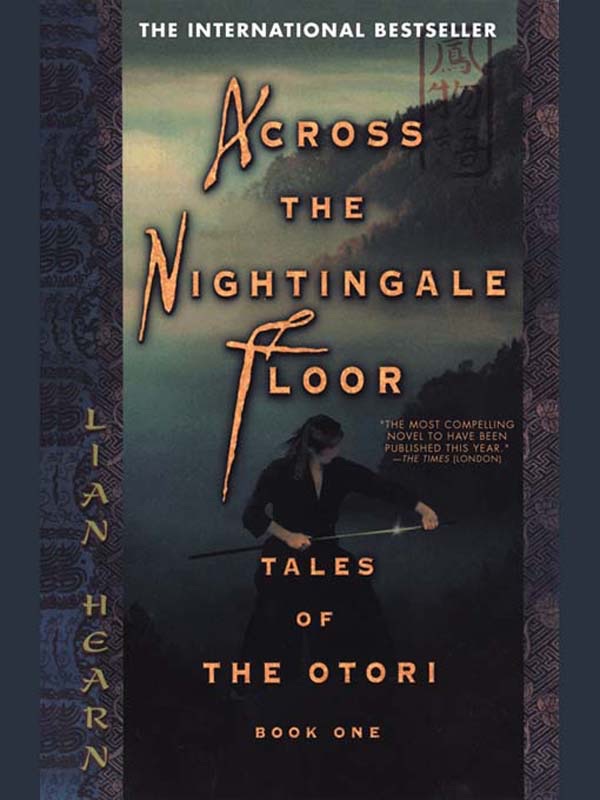
- 1998Across the Nightingale Floor launches Lian Hearn's Tales of the Otori sequence Across the Nightingale Floor
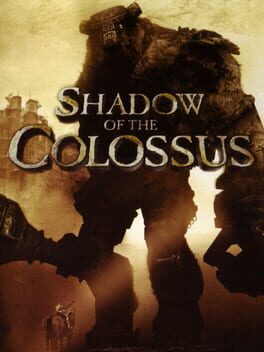
- 2004Shadow of the Colossus redefines open-world solitude in games Shadow of the Colossus
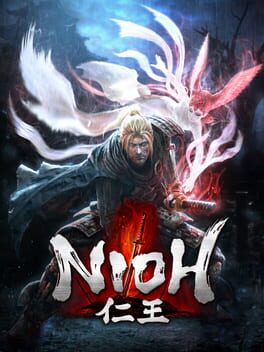
- 2017Nioh brings Dark Souls discipline to feudal Japan for the first time Nioh
- 2019Sekiro raises the bar for precision sword combat in games Sekiro: Shadows Die Twice
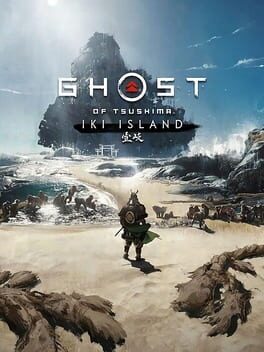
- 2020Ghost of Tsushima launches: open world, Kurosawa Mode, the wind Ghost of Tsushima: Iki Island
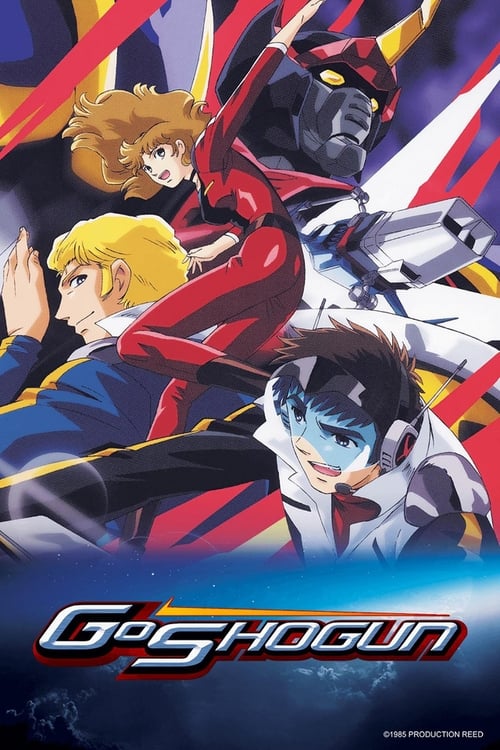
- 2024FX's Shogun wins the Emmy and restores the genre's ambition GoShogun
Samurai honor, shadow, and steel
Samurai & Feudal Japan
Explore the Samurai & Feudal Japan guide →Jin Sakai does not become the Ghost because he wants to -- he becomes the Ghost because Tsushima needs one. That gap between who you are and what the moment demands is the engine of every great samurai story.CrossBinge editors