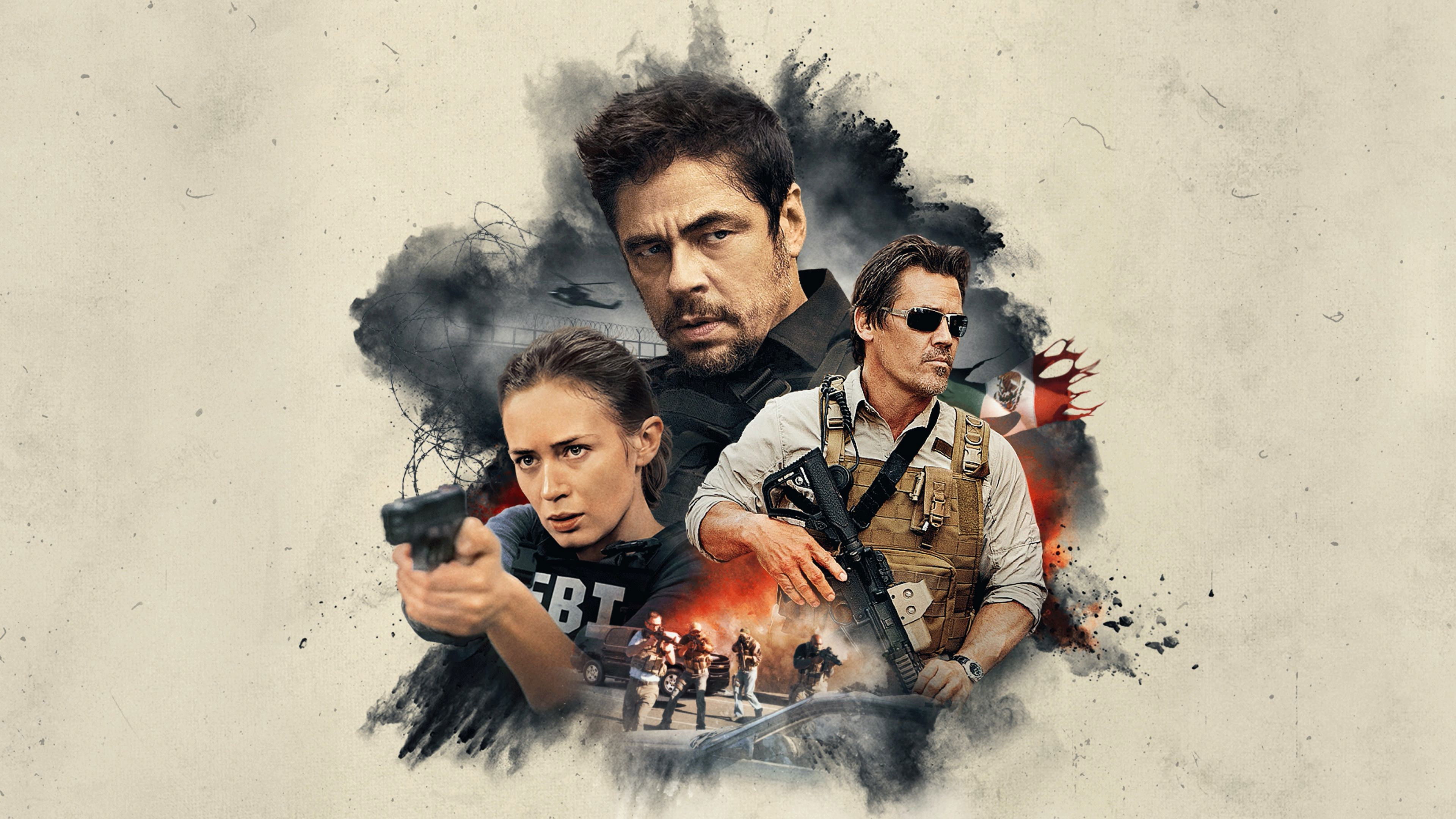

Sicario earns its dread slowly. Emily Blunt's Kate Macer is the audience surrogate: an FBI agent who believes she is joining a legitimate task force and gradually understands she is a legal fig-leaf for something murkier. Denis Villeneuve shoots the Sonoran Desert and the Juarez tunnels as spaces that swallow moral certainty whole. Roger Deakins's cinematography and Johann Johannsson's subterranean score make every shot feel like a threat. The fan who loves Sicario is chasing that specific sensation: competence deployed in service of a system that cannot be trusted, and the vertigo that comes from realising it too late.
Essential Sicario
The Villeneuve border-war trilogy and its closest kin
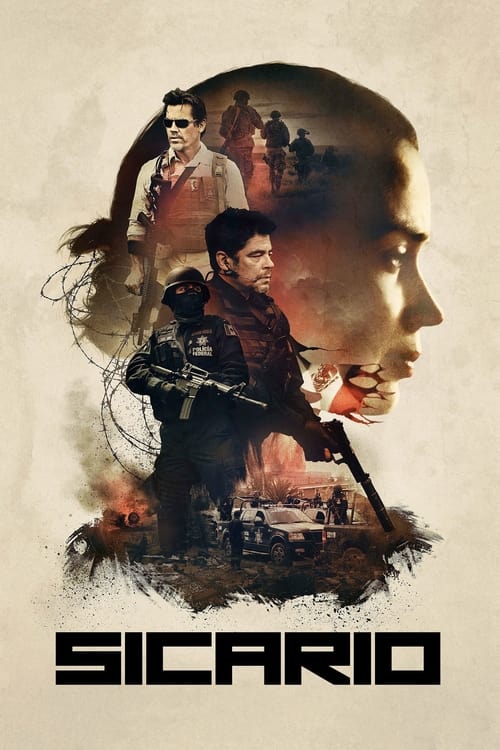
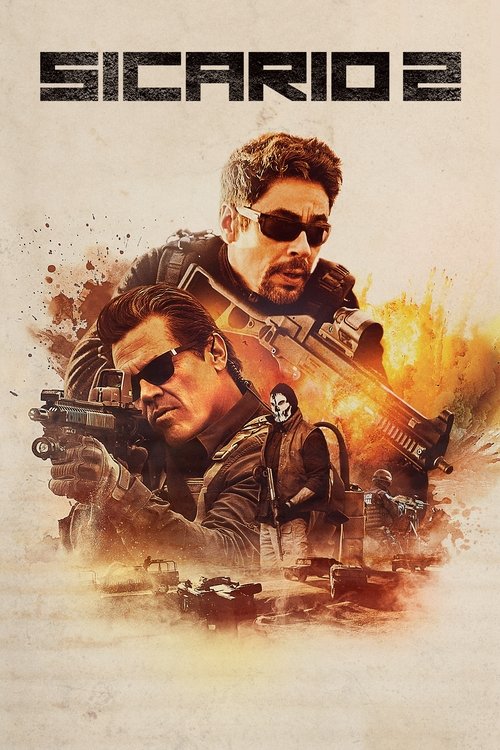
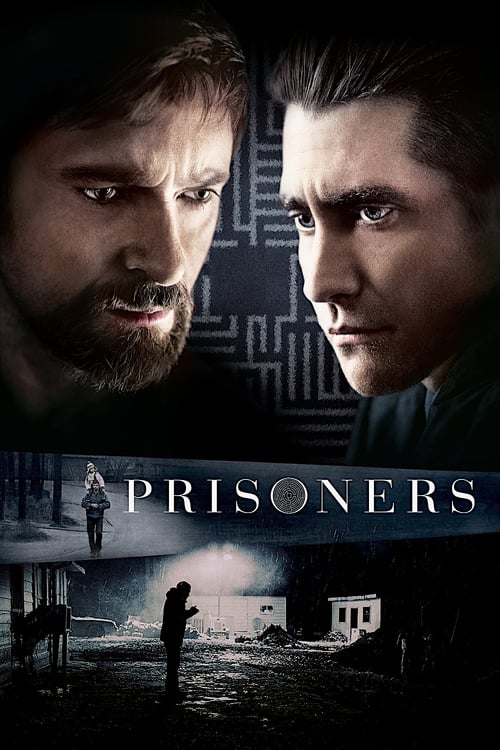
Same-Vibe Films: Moral Fog and Institutional Rot
Films that dissolve the line between protector and predator
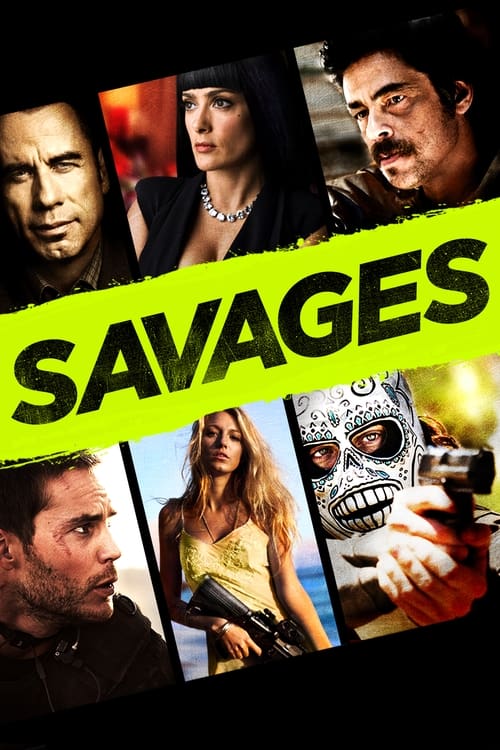
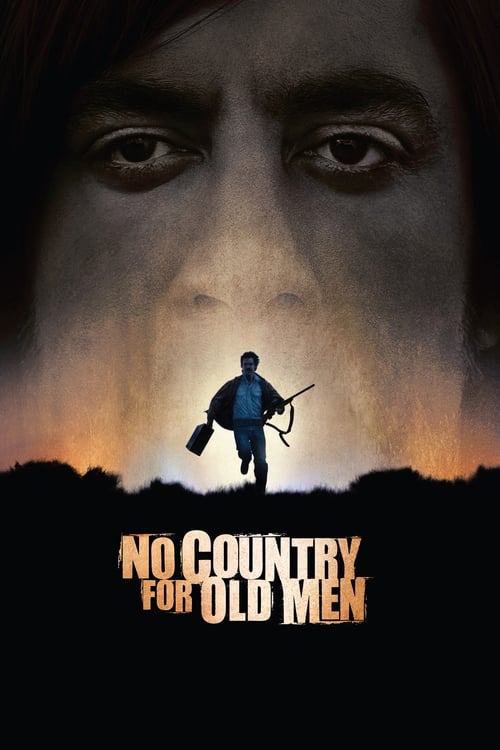
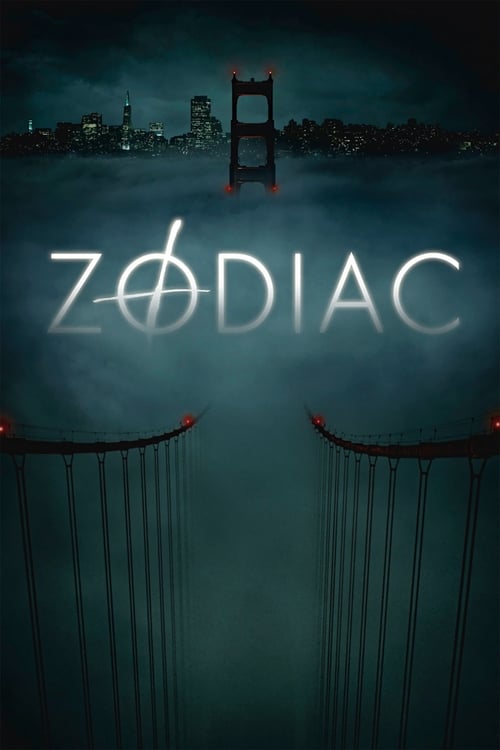
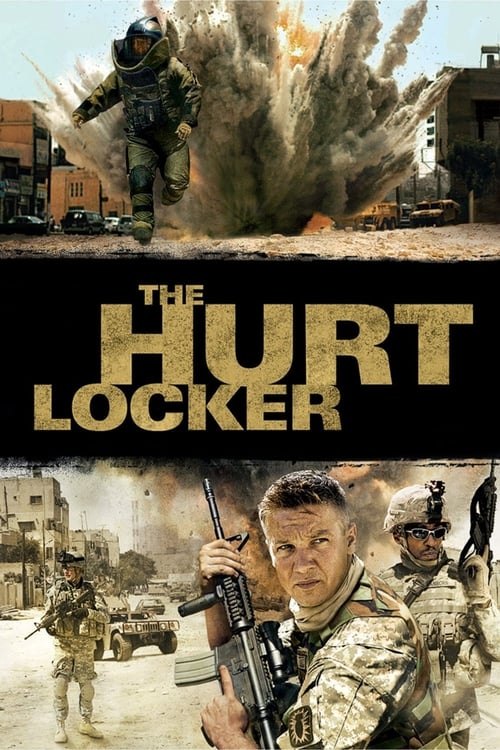
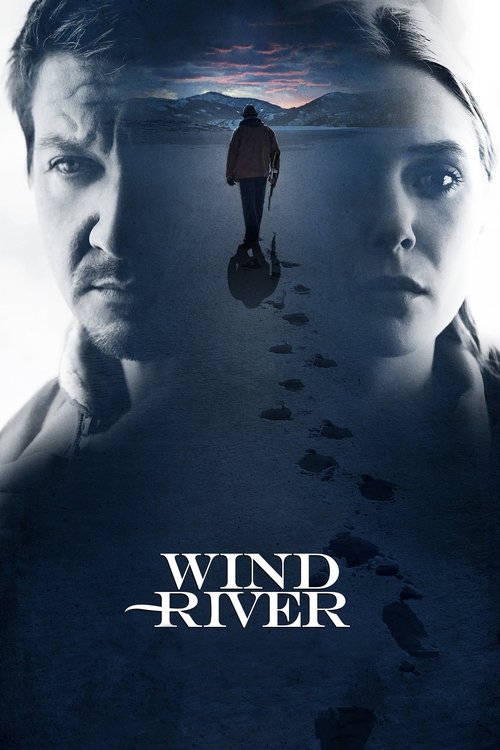
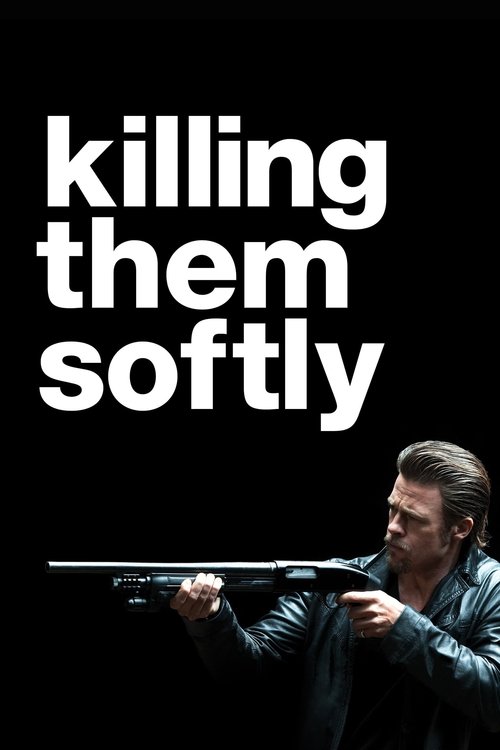
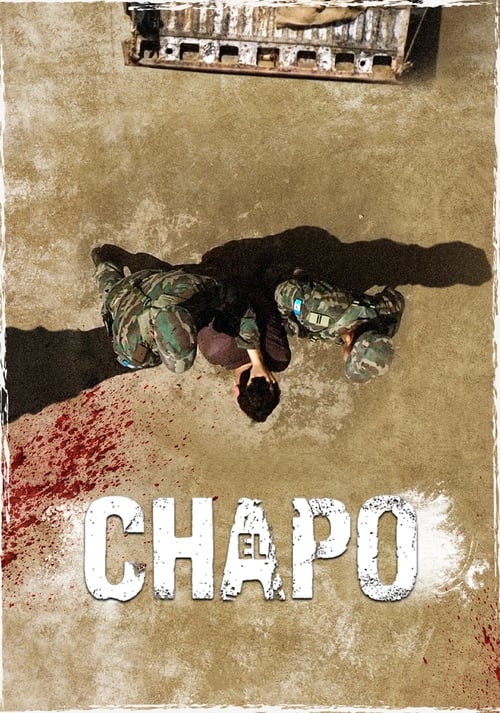
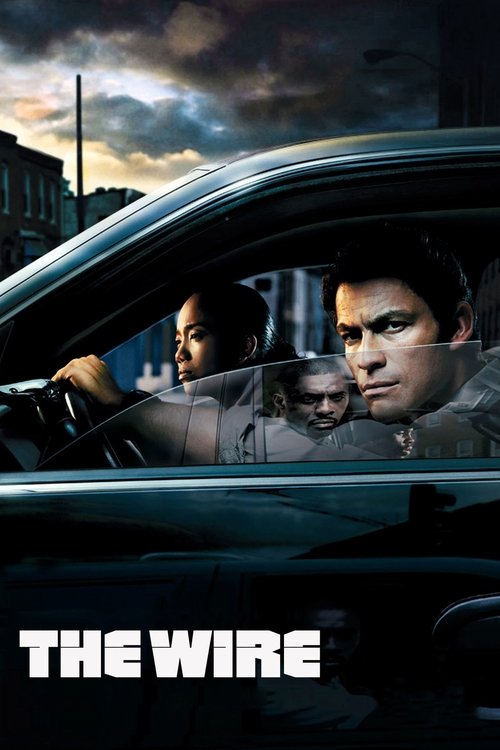
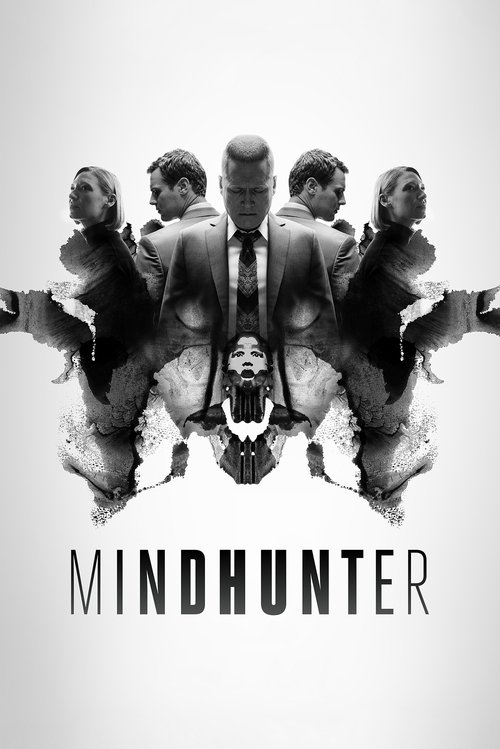
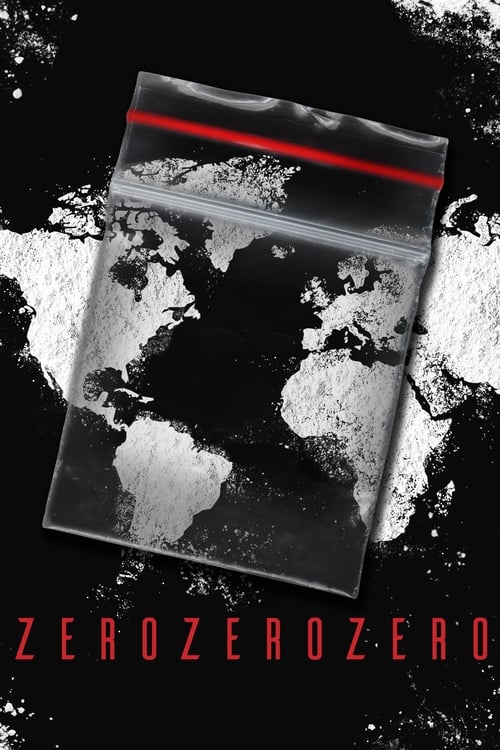
Series in the Same Vein
TV that plants you inside institutions with rot at the core
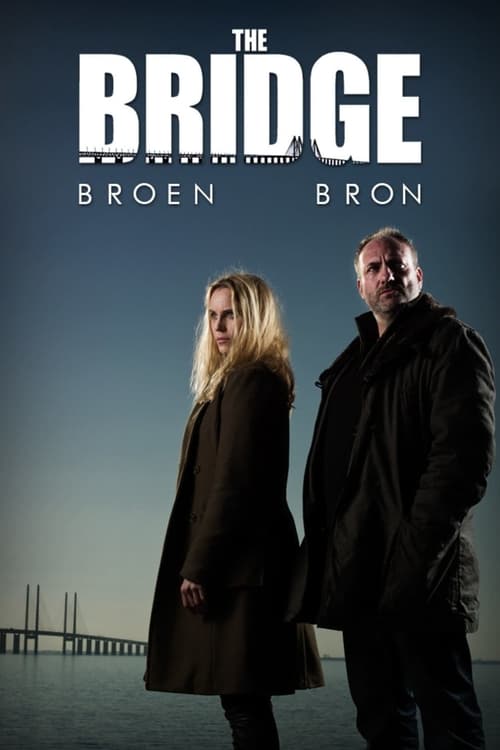
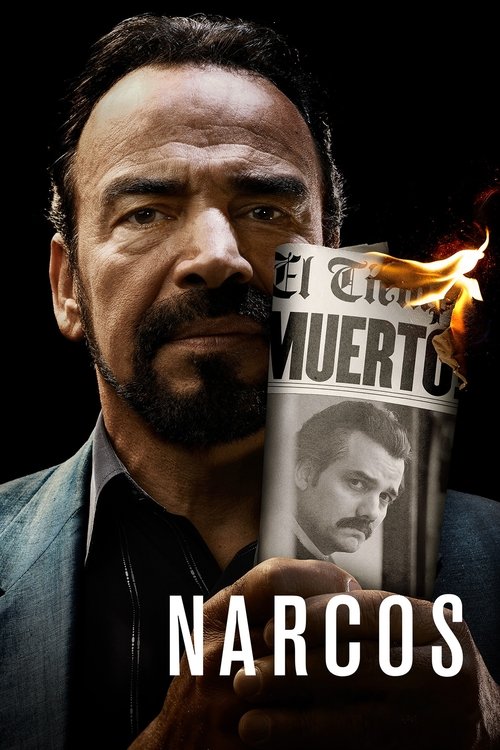

The Books Behind the Border
Novels that map the same moral territory


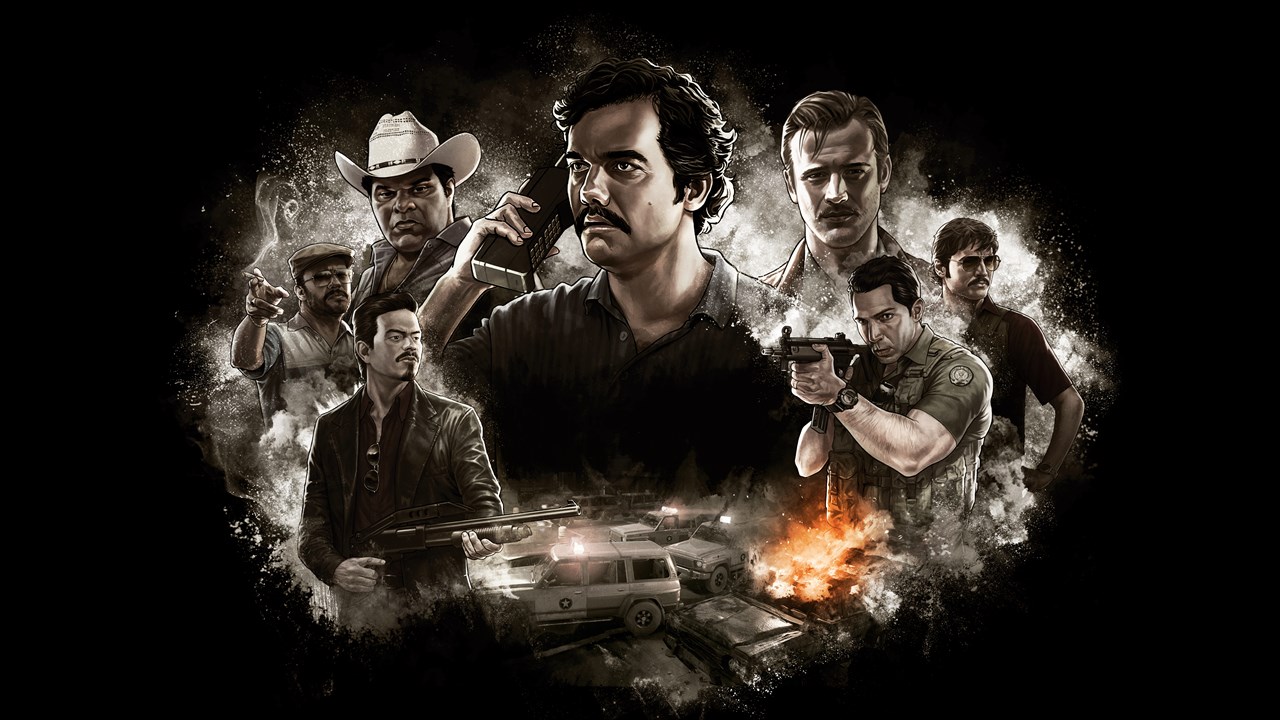
Games That Share the DNA
Tense, procedural, morally unresolved
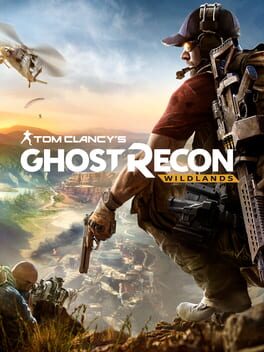
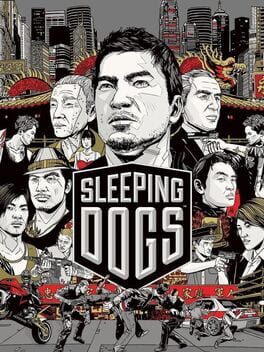
Deakins Makes the Desert a Character
Roger Deakins's cinematography in Sicario is not decoration. The overhead shots of the convoy crossing into Juarez, the night-vision sequence in the tunnels: these formal choices tell you exactly how power sees the world, from above, in green-lit thermal. The films below share that conviction that visual grammar is not separate from moral argument.

The Procedural as Horror
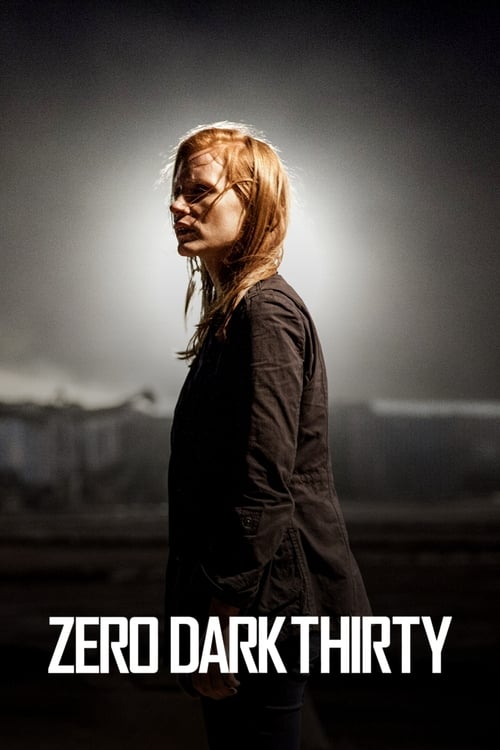
Sicario borrows the procedural thriller's language of briefings, convoys, and chain of command, then uses it to generate dread rather than reassurance. Every time a protocol is followed correctly, things get worse. Zero Dark Thirty and Zodiac do the same: the system hums efficiently toward a destination that offers no catharsis.
Don Winslow Owns This Territory in Print
Don Winslow's cartel trilogy (The Power of the Dog, The Cartel, The Border) is the literary equivalent of the Sicario world: long, dense, and committed to showing how the drug war corrodes every institution it touches. Winslow spent years researching the real cartels, and the result reads less like crime fiction and more like an autopsy report on policy failure.
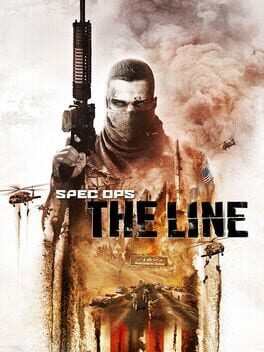
Spec Ops: The Line Is the Game Version of This Film
Spec Ops: The Line puts you in the boots of a special-forces officer who arrives believing he is on a rescue mission and ends the game complicit in atrocity. The borrowing from Apocalypse Now is explicit, but the emotional register is exactly Sicario's: competence without moral grounding becomes its own kind of violence.
The Villeneuve Decade
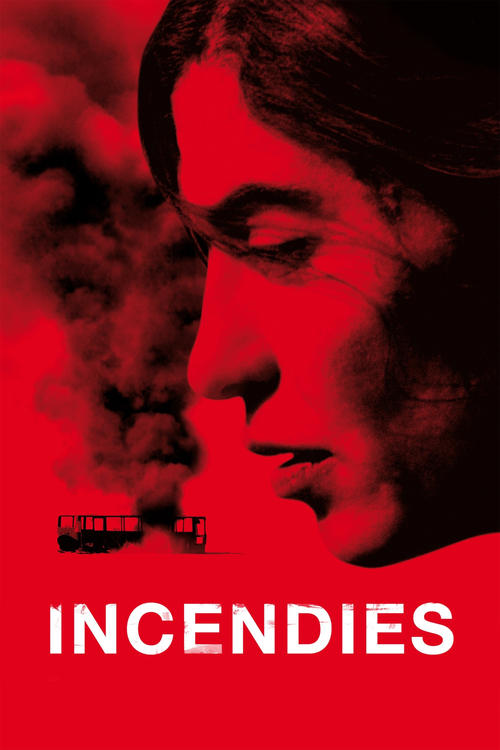
- 2010Incendies: dual timelines, war, identity Incendies
- 2013Prisoners: grief and vigilantism in the suburbs Prisoners
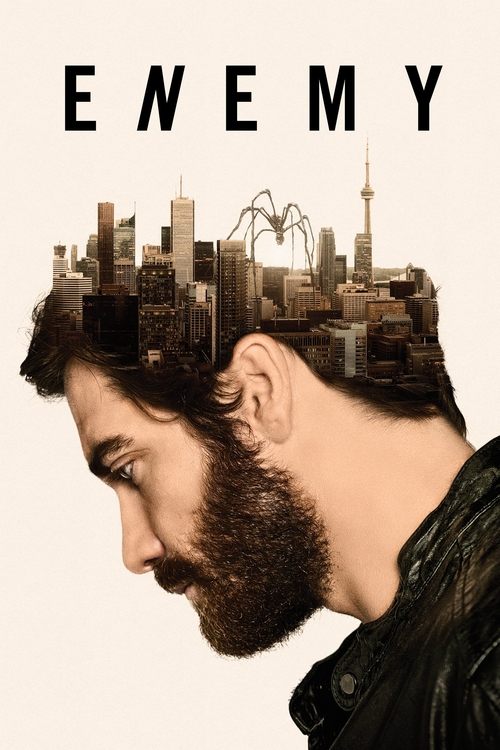
- 2013Enemy: paranoia and doppelgangers in Toronto Enemy
- 2015Sicario: the cartel war and its hidden architects Sicario
- 2016Arrival: language, grief, and first contact Arrival
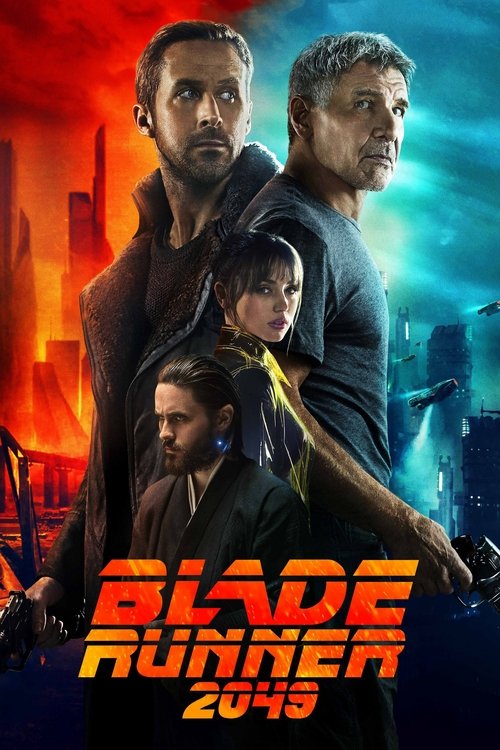
- 2017Blade Runner 2049: memory, identity, and corporate power Blade Runner 2049
- 2021Dune: Part One: scale, fate, and colonial violence
Cartels, undercover ops, border dread
Drug Cartels
Explore the Drug Cartels guide →Sicario does not ask whether the Americans are the good guys. It assumes you already know the answer and makes you watch anyway.CrossBinge