

The Poet Who Refuses to Behave
Before Sion Sono was a filmmaker he was performing transgressive poetry on the streets of Tokyo, and that origin never left him. His films operate at a frequency that mainstream cinema simply does not broadcast on: extended running times that feel nothing like their length, violence that lands with genuine shock rather than choreographed cool, and a recurring obsession with the way society crushes people who do not fit its containers, especially women, the young, the poor, the deviant.
The through-line across his wildly varied output, from the slow-burn three-hour suburban horror of Suicide Club to the delirious musical carnage of Tokyo Tribe to the tender grief of Love Exposure, is this: Sono is always asking what it costs to feel anything real in a world that has industrialised numbness. His characters do not just suffer; they erupt. They sing, scream, fall in love with catastrophic intensity, join cults, form gangs, spray-paint manifestos on the sides of buildings. The experience of watching a Sono film is physical. You leave changed, slightly undone, and already thinking about the next one.
Essential Sion Sono
Where to start, where to go deeper, where to surrender completely








The Chaos That Sings
Films and shows that share Sono's gift for turning mayhem into something genuinely moving

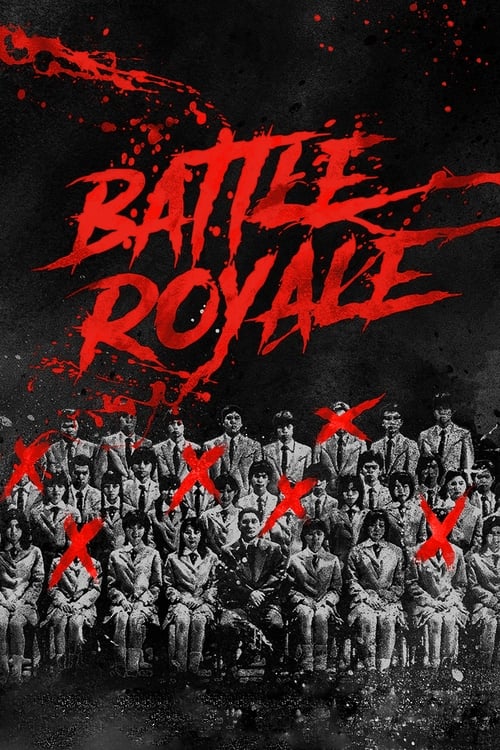
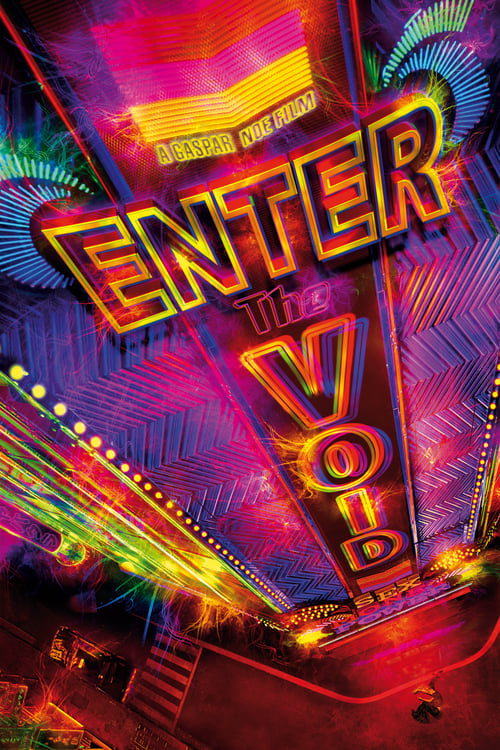






Cults, Control, and the People They Consume
The cult-and-coercion thread that runs through Sono's darkest work
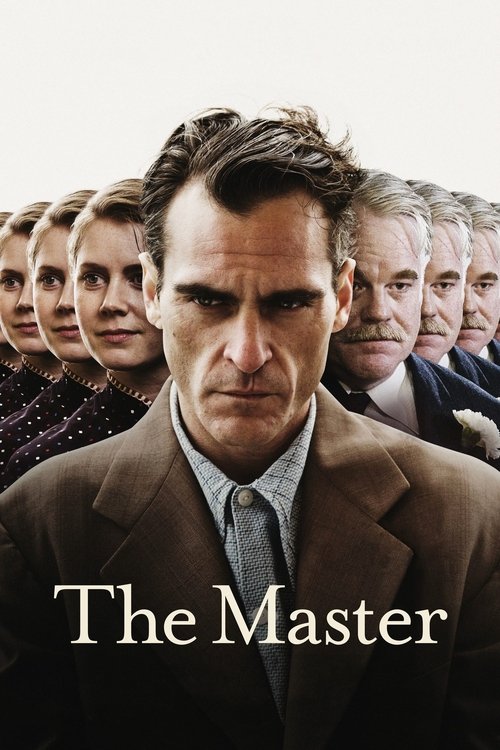





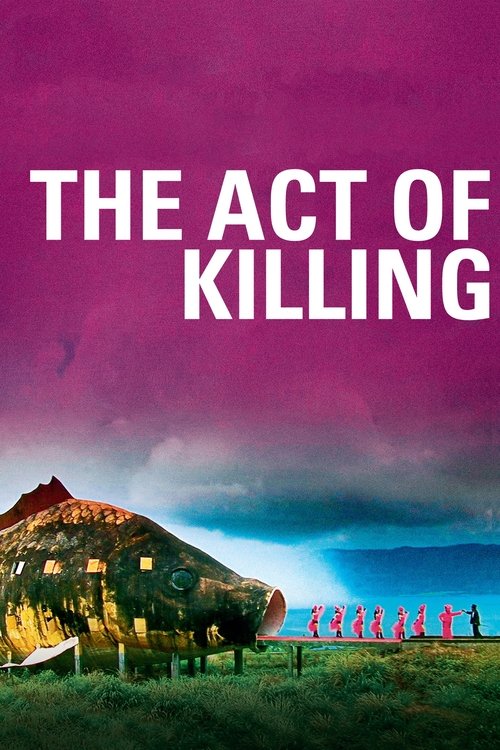
Books and Games from the Same Fringe
Japanese underground fiction and games that inhabit the same raw, transgressive sensibility




Start with Love Exposure, no matter how long it is
Four hours sounds like a commitment. It is. But Love Exposure is also the single film that makes the clearest possible case for Sono's genius, because it earns every minute. It begins as a coming-of-age story about upskirt photography as spiritual practice, pivots through cult indoctrination and cross-dressing and Catholic guilt, and arrives at a love story so earnest it aches. If you can give it forty minutes, the film takes care of the rest.
Cold Fish is the one people underrate
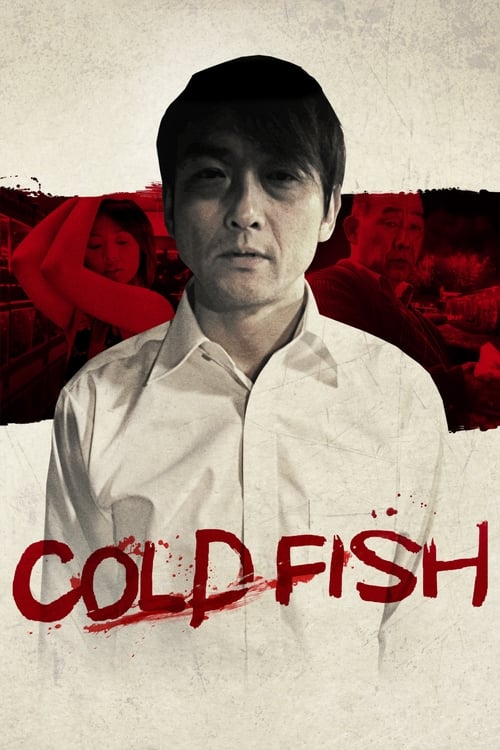
Cold Fish, Sono's based-on-true-events story of a meek aquarium-shop owner pulled into the orbit of a charming serial killer, is where he proves he can do pure dread. There is no stylistic safety net here, no genre scaffolding to lean on. Just two hours of escalating horror that keeps you convinced, right up until the end, that the worst of it is still coming. It is the film that demonstrates the width of his range, and it converts sceptics.
Why Don't You Play in Hell? is his love letter to filmmaking itself
The film operates on two registers at once: a genuinely funny yakuza comedy and a sincere declaration of love for picking up a camera. Sono made it as a celebration of his own career, and the result is the most accessible entry in his filmography without being any less strange. It rewards people who already love his work twice as much as it rewards newcomers, but newcomers can still get in.
The Forest of Love proves he belongs in long-form television
The Netflix miniseries version of The Forest of Love gives Sono the runway to do what he does in Love Exposure again: sprawling across multiple timelines, a cast of broken people orbiting a charismatic predator. It is genuinely disturbing in ways his theatrical films rarely are, because the extra time lets you actually care about the characters before the worst happens to them. The theatrical cut exists, but watch the series.
Sono makes films the way certain poets write: at a volume that assumes you can handle it, and that the people who cannot will leave.CrossBinge editorial
A Career in Controlled Explosions
- 1993Comes to attention with the short film Bicycle Sighs
- 2001Suicide Club Suicide Club
- 2005Strange Circus pushes the surrealism further Strange Circus
- 2008Love Exposure, his four-hour masterwork Love Exposure
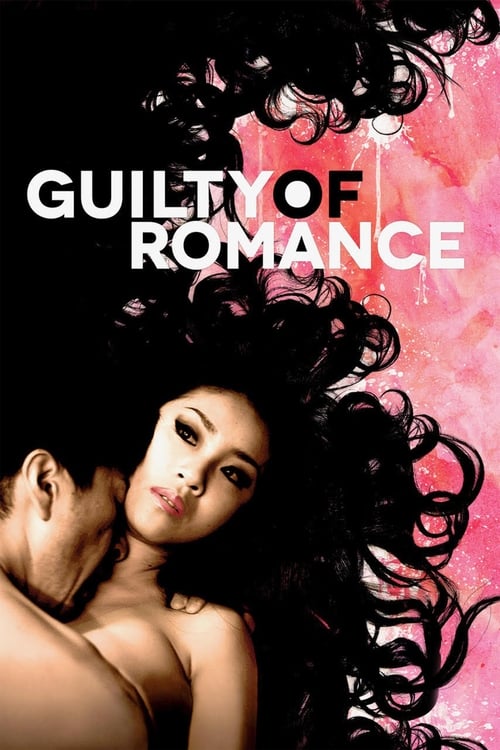
- 2010Cold Fish and Guilty of Romance, his darkest year Cold Fish
- 2014Tokyo Tribe, the all-rap yakuza musical Tokyo Tribe
- 2014Why Don't You Play in Hell? Why Don't You Play in Hell?
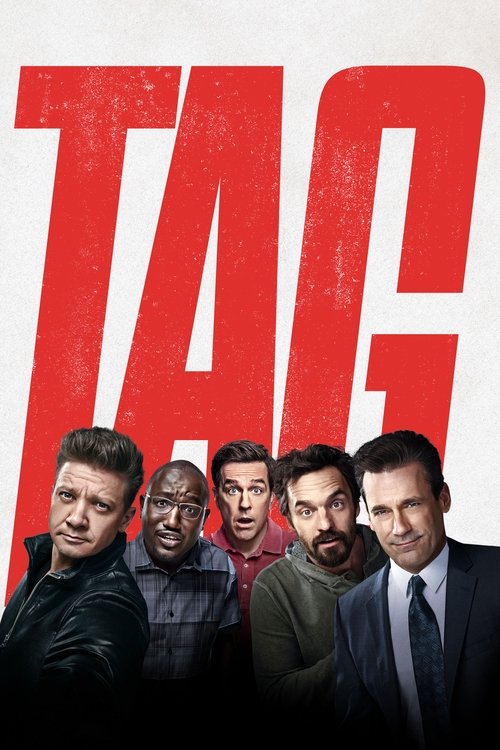
- 2016Tag and Antiporno for the Roman Porno revival Tag
- 2019The Forest of Love on Netflix The Forest of Love: Deep Cut