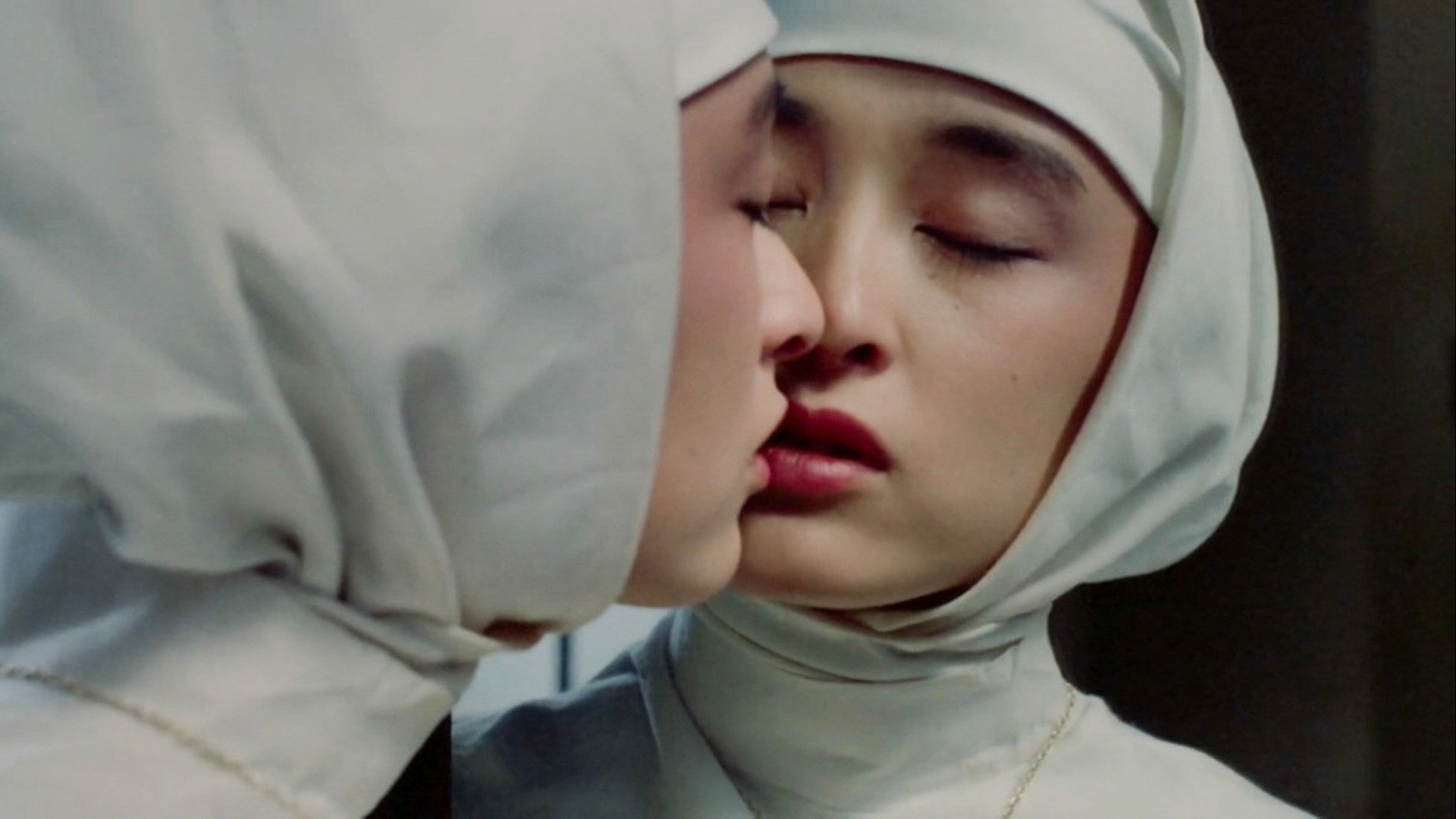

The Aesthete of Niku Eiga
Masaru Konuma worked inside one of postwar Japanese cinema's strangest creative ecosystems: the Nikkatsu Roman Porno line, a studio assembly of softcore films produced through the 1970s and 1980s under minimal supervision and a few hard rules about nudity quotas and running times. Within those constraints, directors could do almost anything else. Konuma used the freedom well.
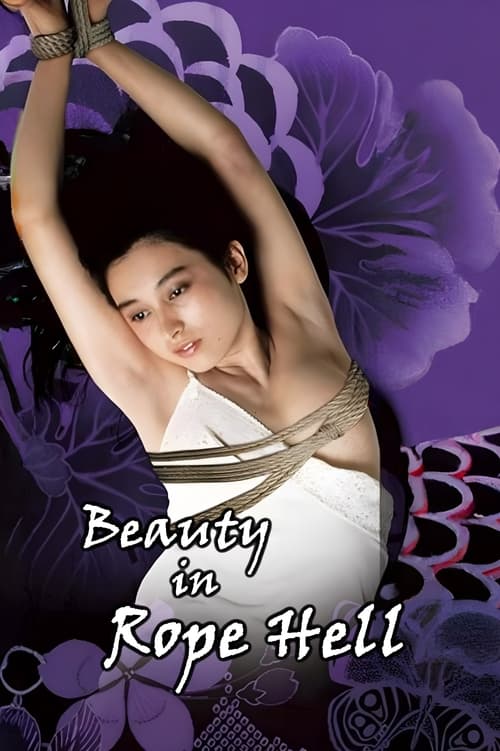
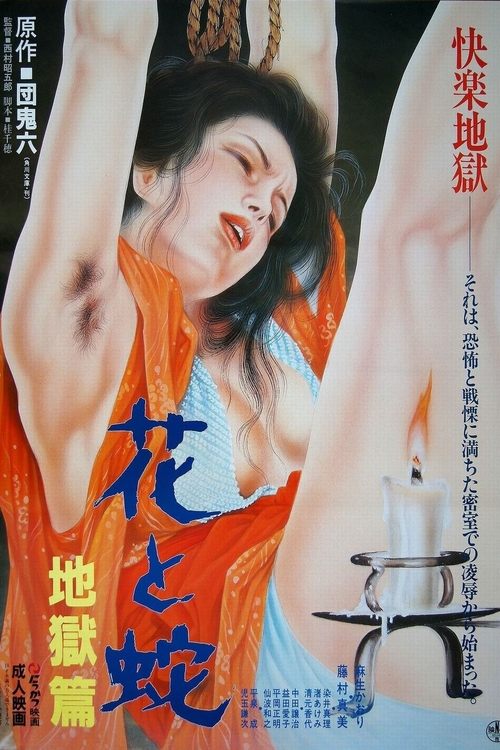
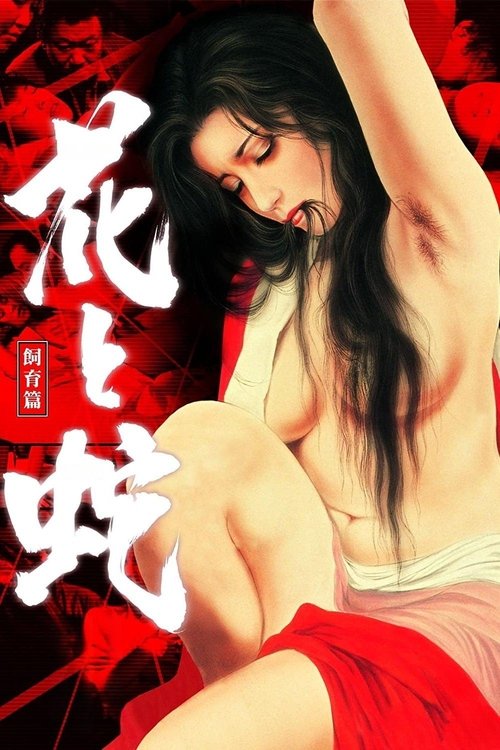
His films, especially the Flower and Snake series and the Rope Hell cycle, are not exploitation in the drive-in sense. They are obsessive, formally precise, occasionally rapturous studies in female interiority, power transferred through restraint, and the tension between social performance and private hunger. The knot is the central image: a body bound is also a body protected, a will suspended, a transaction made visible. Konuma shot these scenes the way a painter treats a still life, with deliberate composition and an obvious conviction that the camera lingering on rope and skin was a legitimate artistic act.
Fans of Konuma tend to be fans of a specific register: erotic cinema that takes itself seriously without being pretentious, Japanese genre work that accumulates genuine atmosphere rather than cycling through incident, and the particular mood that comes from constraint, both the physical kind in the frame and the institutional kind that shaped these productions. The films are slow by current standards, provincial in their milieu, and often strange in ways that feel earned rather than affected. If that is your wavelength, there is a lot of world cinema to move through.
Essential Masaru Konuma
The Nikkatsu Roman Porno films, from his Roman Porno debut through the Flower and Snake series

The Nikkatsu Lineage
Roman Porno and Japanese studio erotica from the same era, shot in the same machine with the same creative latitude


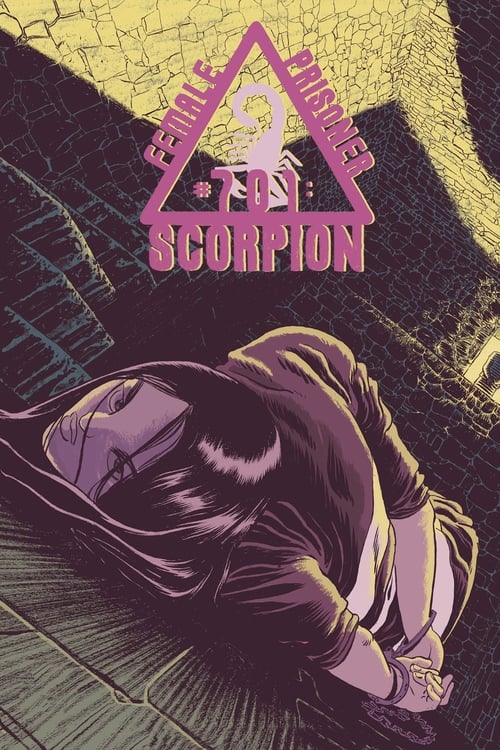
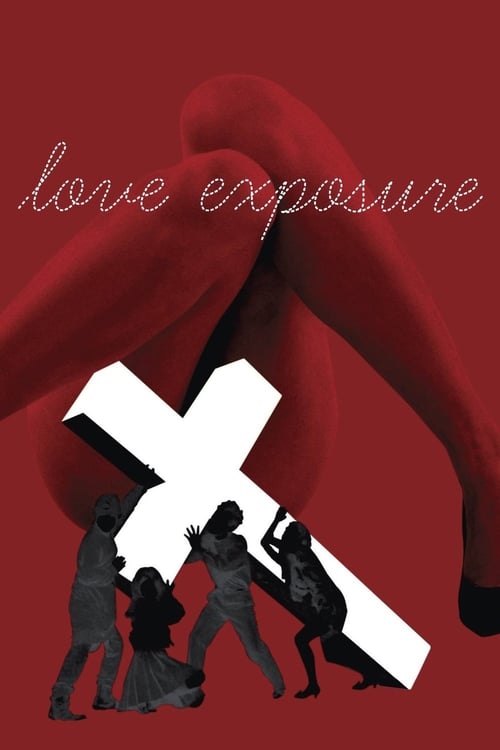
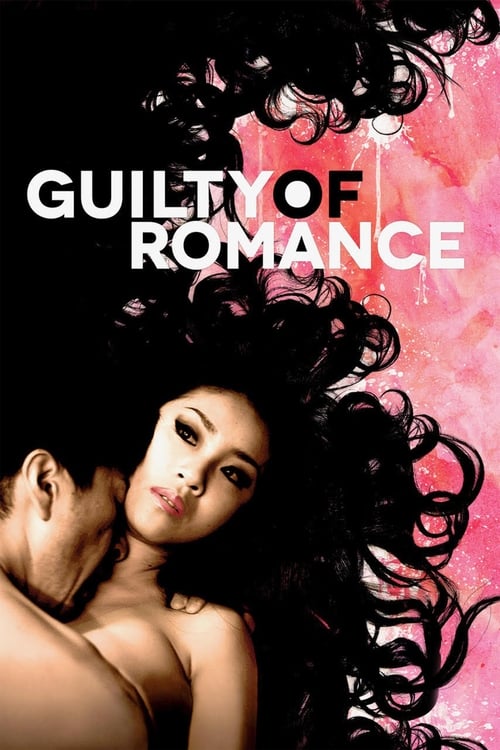
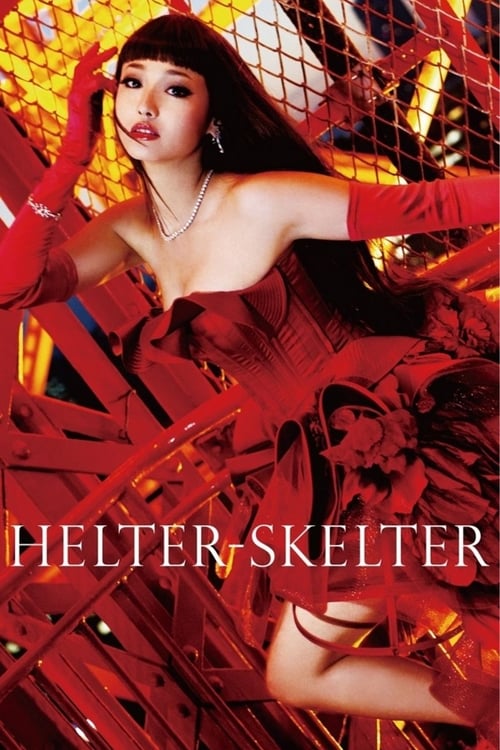
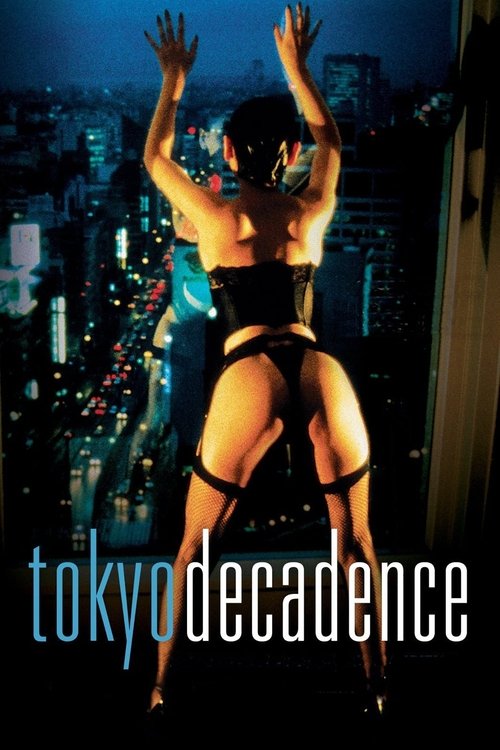

Eros, Power, and the Camera
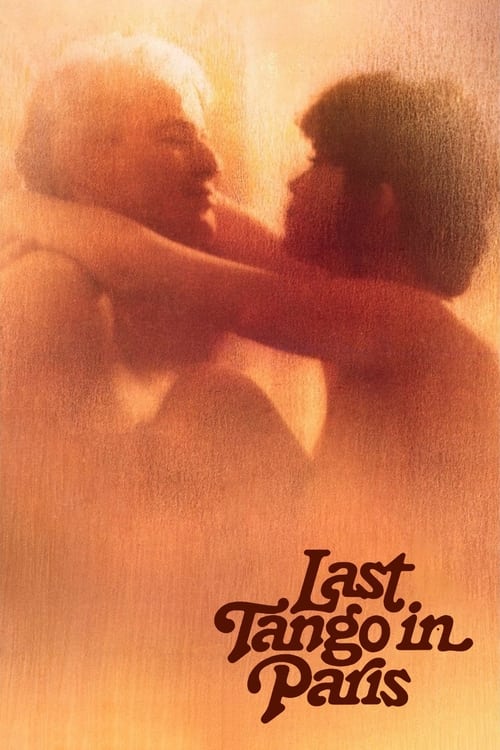
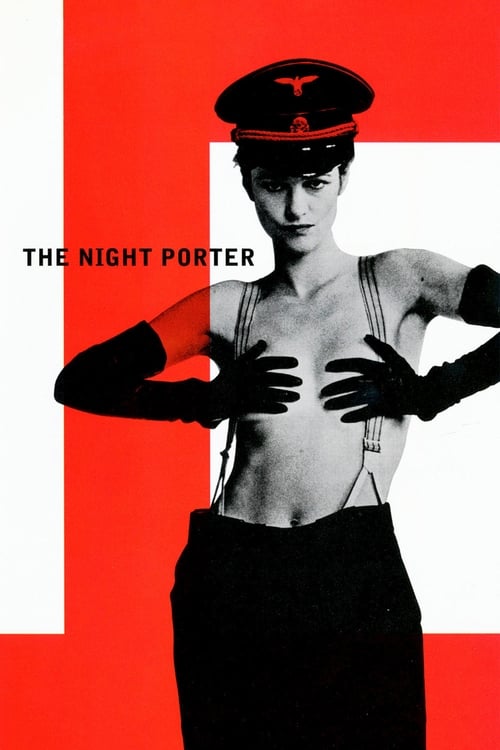
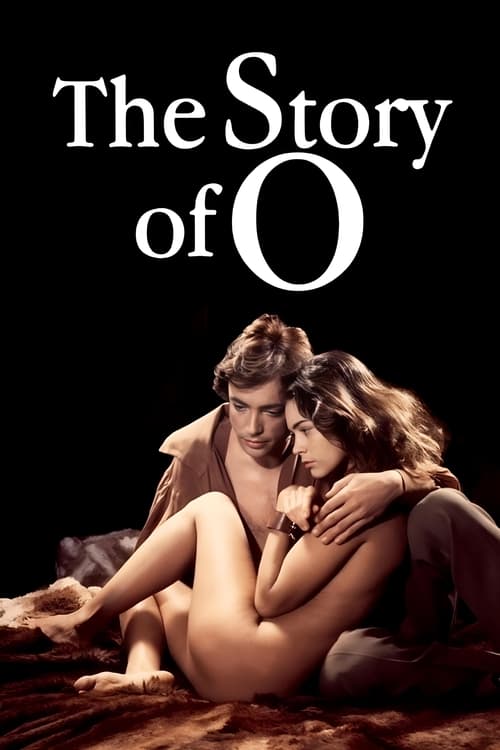
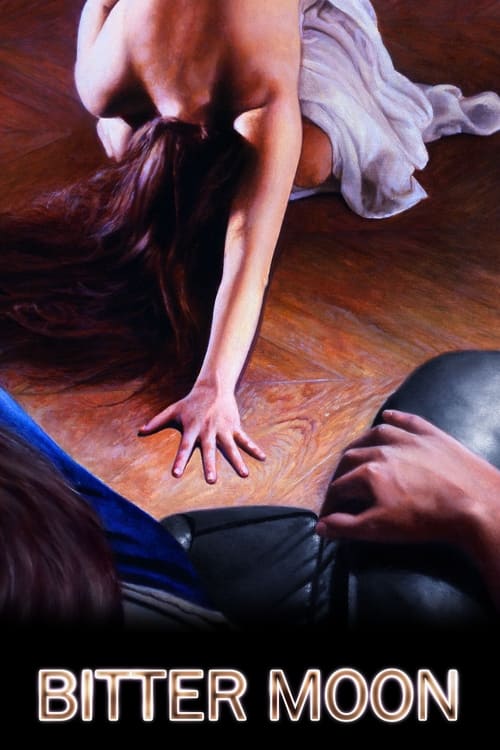
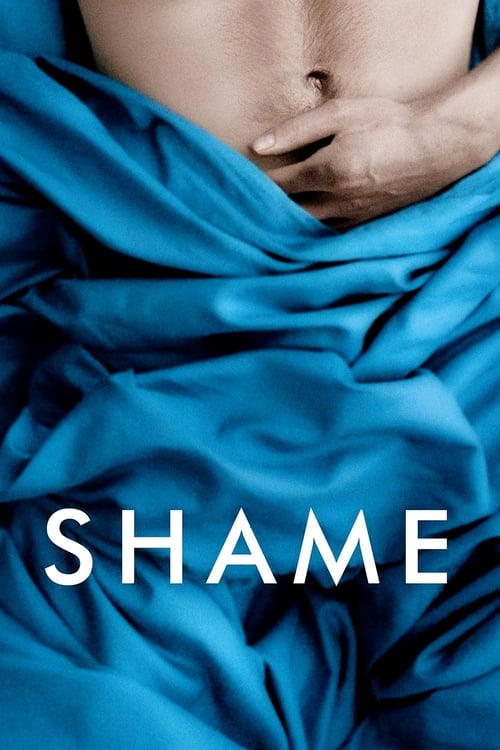
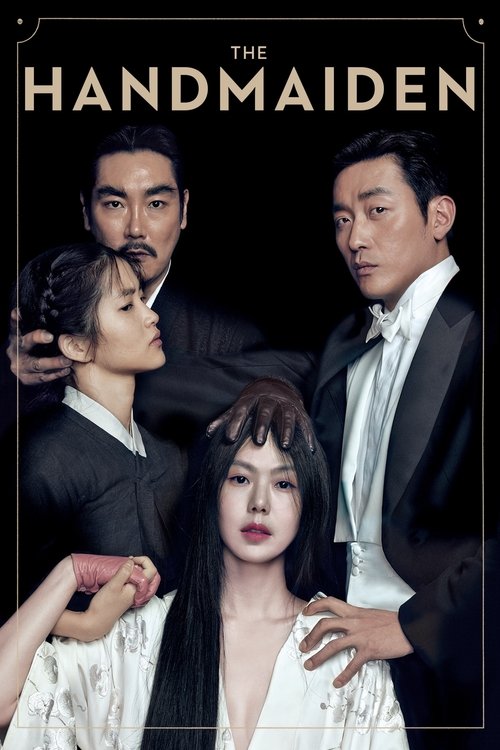
World cinema that shares Konuma's conviction that sexuality is a legitimate subject for formal and psychological inquiry
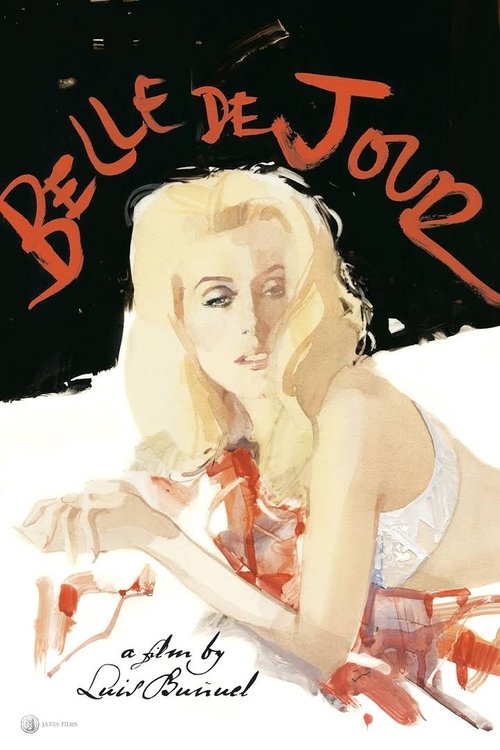
The Transgression Tradition
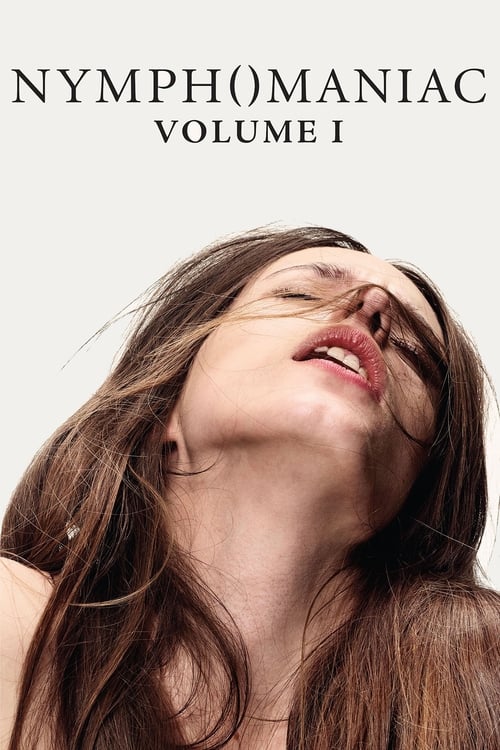
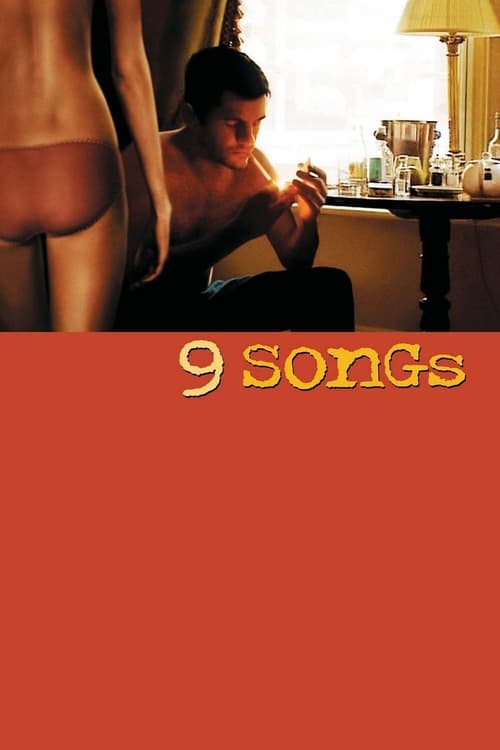
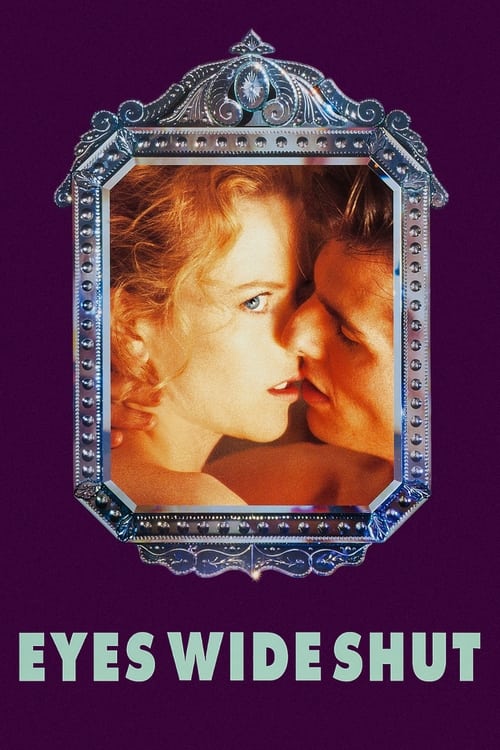
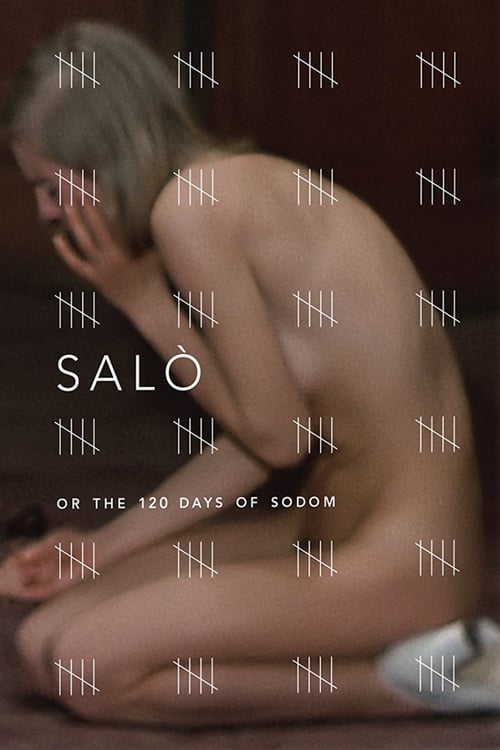
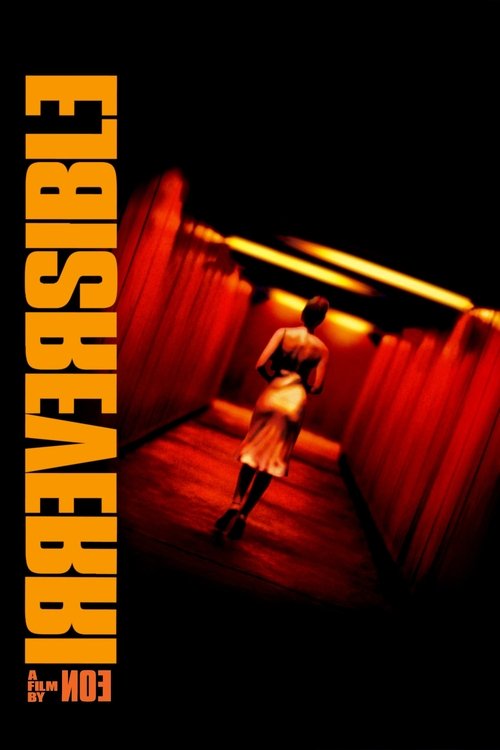
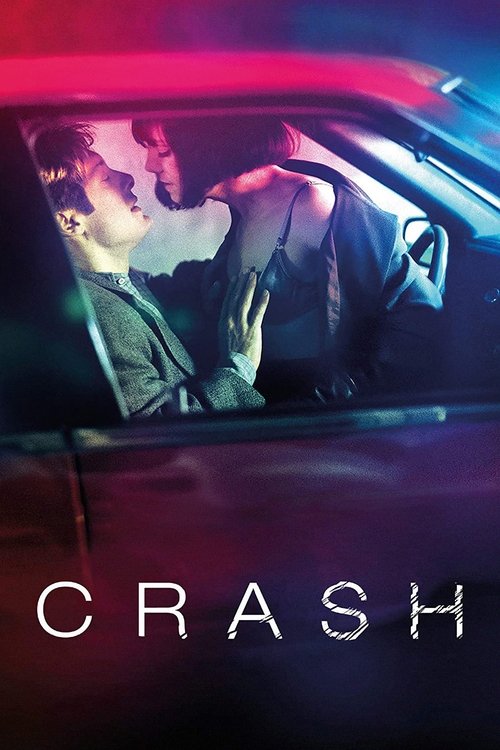
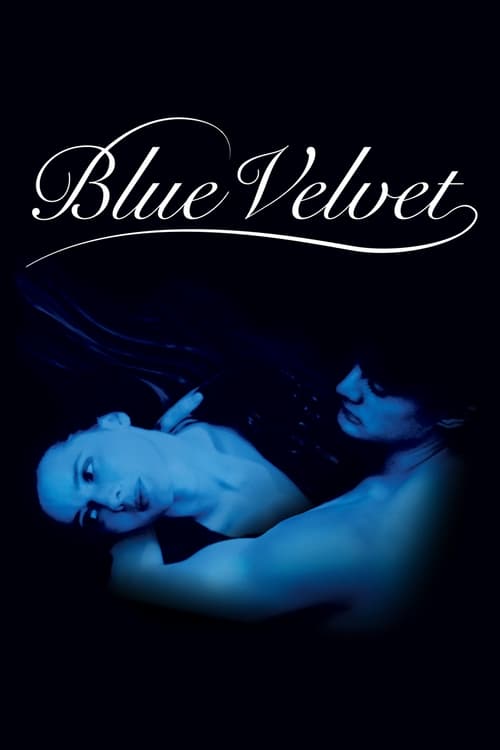
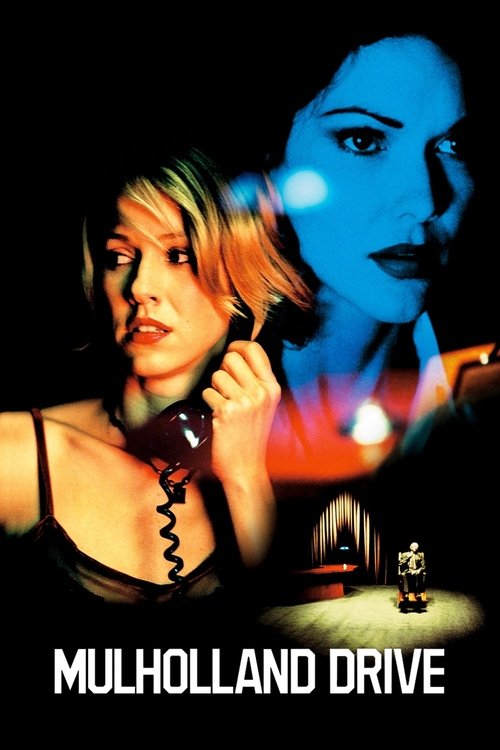
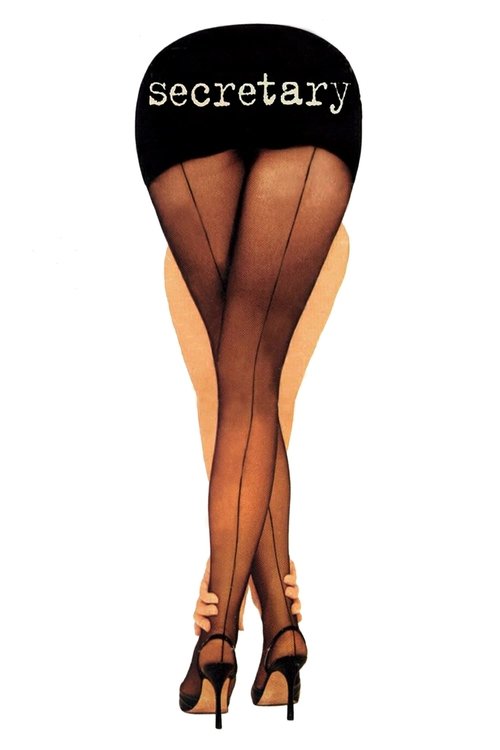
Films that, like Konuma's work, use extreme or transgressive material as a mode of cinema art rather than mere provocation


Constraint and Control Across Media
Books, TV, and games about power, submission, dominance, and the psychology underneath





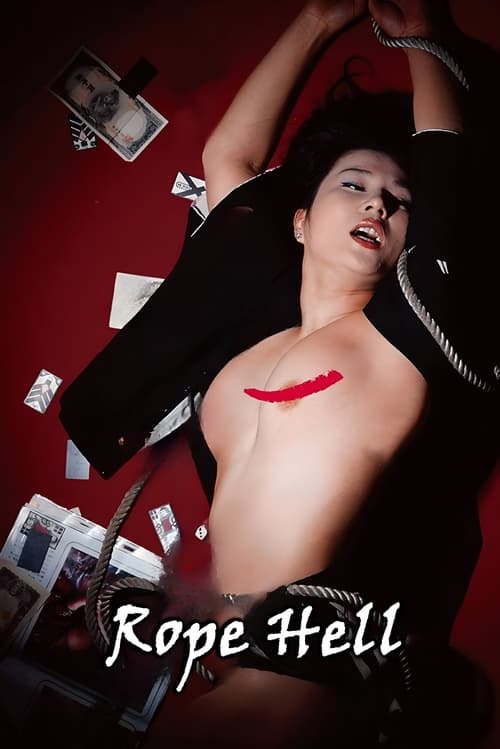
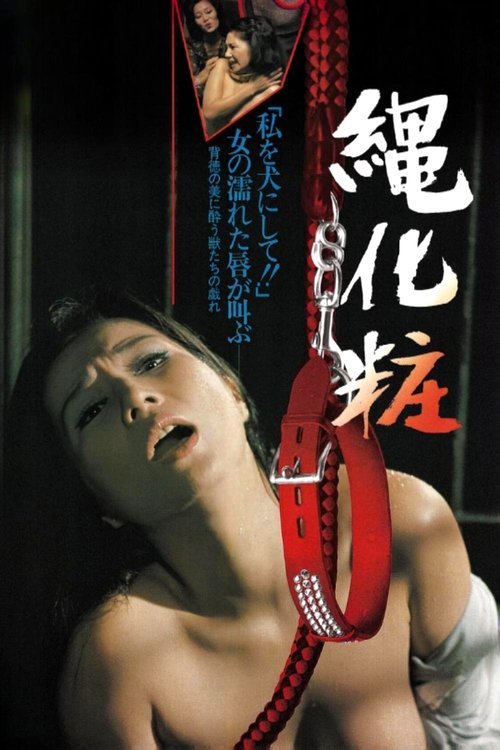
Start with Rope Hell (1978), not Flower and Snake
The Flower and Snake sequels have the stronger reputation, but Rope Hell is where Konuma's visual grammar is at its most concentrated. It is a shorter, stranger film, less concerned with narrative momentum than with the texture of a specific obsession. The rope here is almost abstract, a formal device as much as a plot element. Starting here tells you whether you are actually on Konuma's frequency before committing to the longer series.
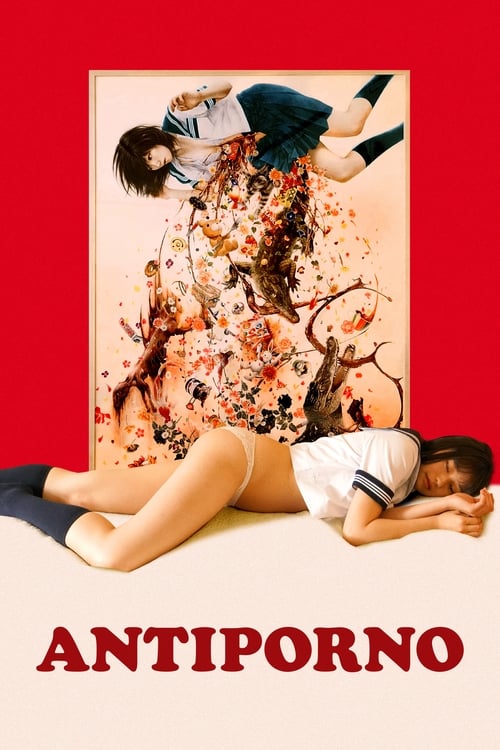
Antiporno (2017) is the most important sequel to Roman Porno that was never actually a sequel
When Nikkatsu held a 45th anniversary Roman Porno revival, it commissioned new films from directors including Sion Sono. His entry, Antiporno, is in open dialogue with everything Konuma's generation made: it knows the genre codes, it uses them, and it turns the camera on itself to ask what exactly was being performed and for whom. It is genuinely funny, genuinely disturbing, and genuinely in love with the tradition it critiques. Konuma fans who have not seen it are missing the most interesting conversation anyone has had with his work.
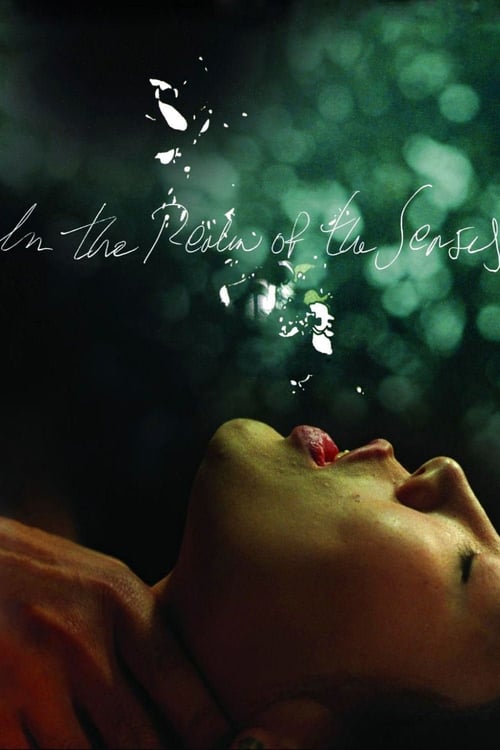
In the Realm of the Senses is the more famous film but not the better starting point
Nagisa Oshima's film exists in a different register from Konuma: confrontational where Konuma is absorbed, politically charged where Konuma is aesthetically driven. Oshima wants the audience unsettled; Konuma wants the audience held in the same suspension as his subjects. Both are essential, but watching them as if one is simply the prestige version of the other misses what is distinctive about each. See In the Realm of the Senses after Rope Hell, not instead of it.
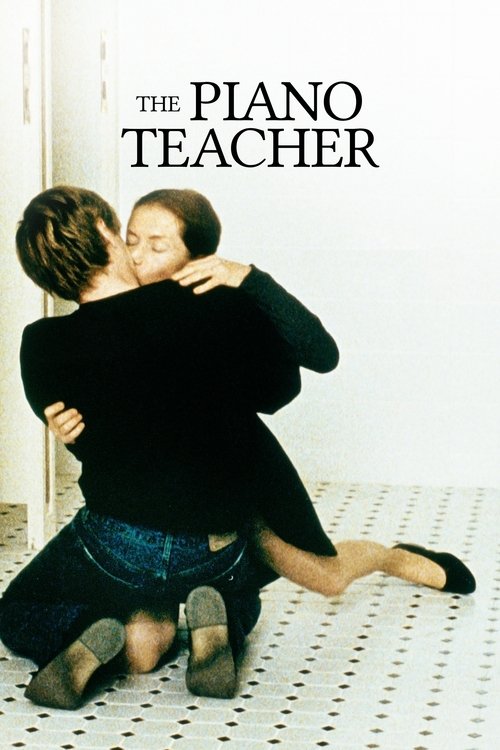
The Piano Teacher understands the erotic dimension of shame better than almost any other film
Michael Haneke is not a director anyone associates with Konuma, and yet The Piano Teacher lands in very similar psychological territory: a woman whose desires have been forced underground, the explosive misalignment between internal life and social presentation, a camera willing to observe without rescuing. Isabelle Huppert's performance is the kind of sustained interiority that Konuma's films often suggest but, working in a genre format, rarely had the resources to fully develop. The two bodies of work illuminate each other.
Roman Porno: The System That Produced Konuma
- 1971Nikkatsu launches the Roman Porno line after a decade of declining box office, giving directors near-total creative control within a strict format
- 1974Konuma joins the Roman Porno lineup, developing the kinbaku aesthetic that defines his mature work
- 1978Rope Hell establishes his signature visual language, with rope serving as both subject and formal device Rope Hell
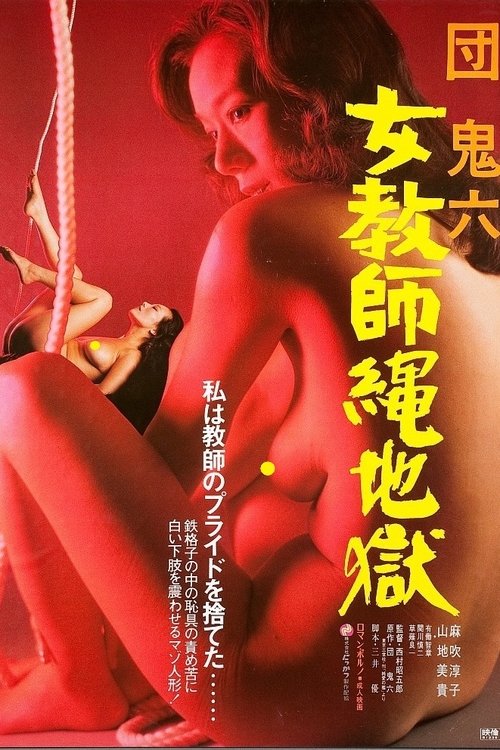
- 1981Female Teacher in Rope Hell marks the height of his commercial Roman Porno period Female Teacher in Rope Hell
- 1985Flower and Snake 2: Sketch of Hell, the most formally ambitious entry in the series Flower and Snake 2: Sketch of Hell
- 1988Nikkatsu ends the Roman Porno line after 17 years and more than 1,000 films
- 2017Nikkatsu's 45th-anniversary Roman Porno Reboot produces Antiporno, putting Konuma's tradition back in conversation with contemporary Japanese cinema Antiporno
Erotic art house and the mind unraveling
For Fans of Ryuichi Hiroki
Explore the For Fans of Ryuichi Hiroki guide →The rope is not restraint, it is attention, concentrated entirely on the body.The aesthetic logic of kinbaku bondage photography, which Konuma translated into film