
The Director Who Broke Every Rule and Kept Making Films
Takashi Miike is the most prolific serious filmmaker alive. By his own count he has directed well over a hundred features, a number so large it invites skepticism, yet the quality distribution is far better than it has any right to be. Working primarily in Japan from the early 1990s onward, Miike built a reputation on genre extremity: yakuza pictures soaked in procedural violence, J-horror that went further than anyone expected, samurai films that played the form completely straight before pulling the rug out. But the label that sticks to him, "transgressive," undersells the warmth underneath the provocation. His best films are funny, strange, and genuinely moved by their characters, even when those characters are doing horrible things to each other.
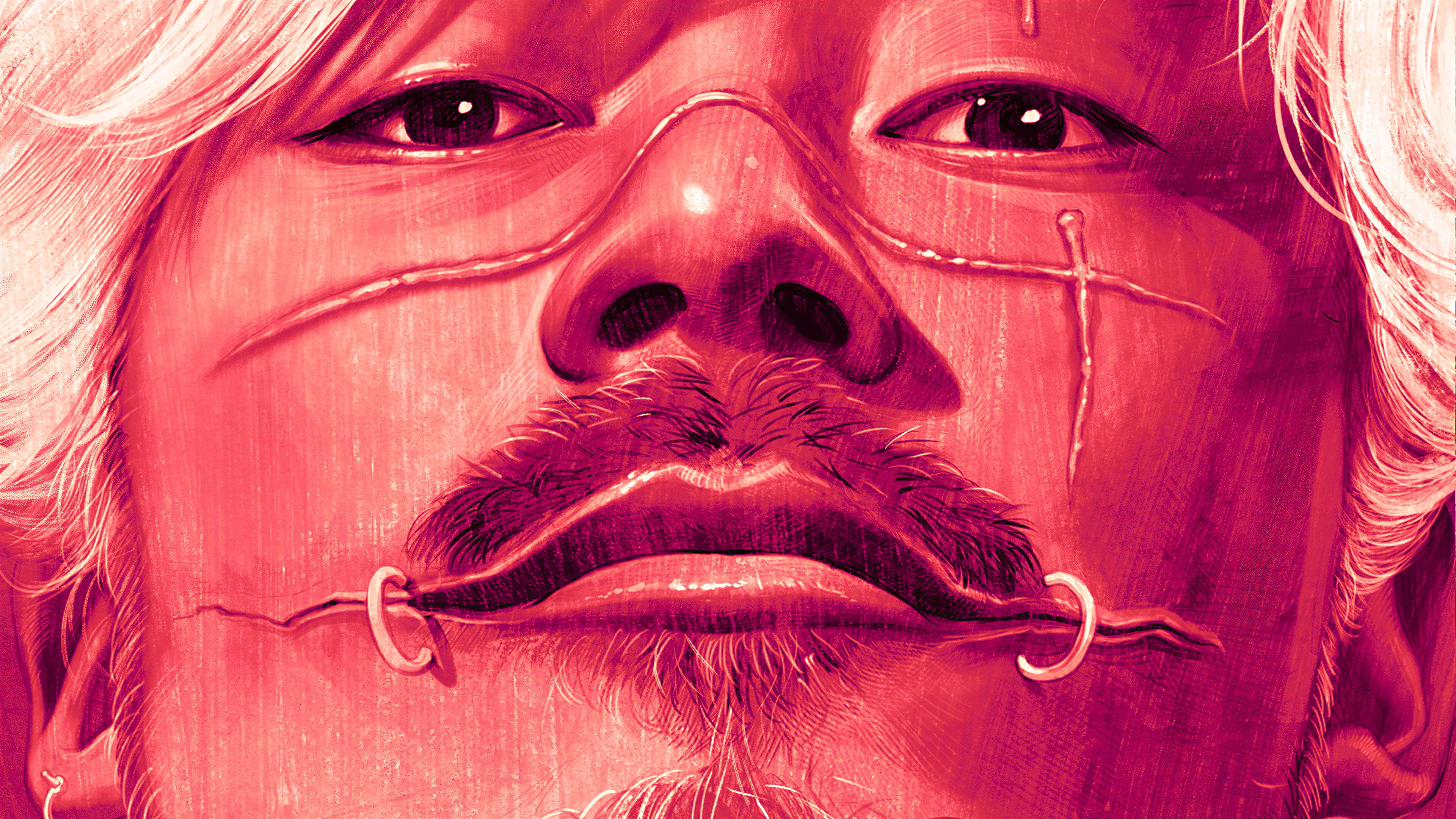
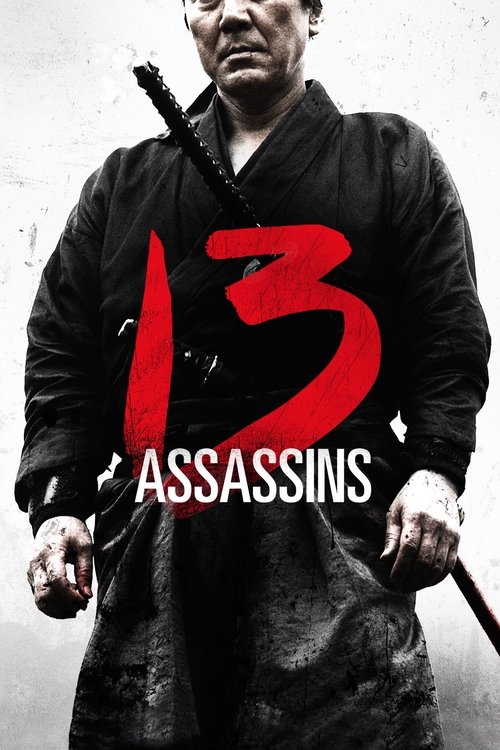
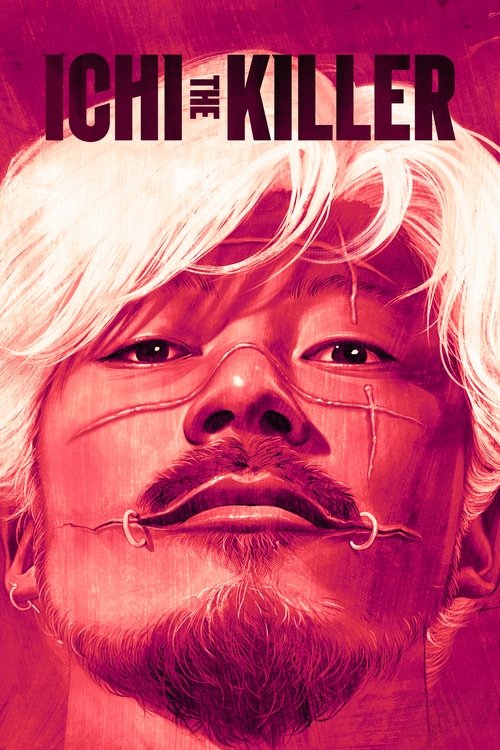
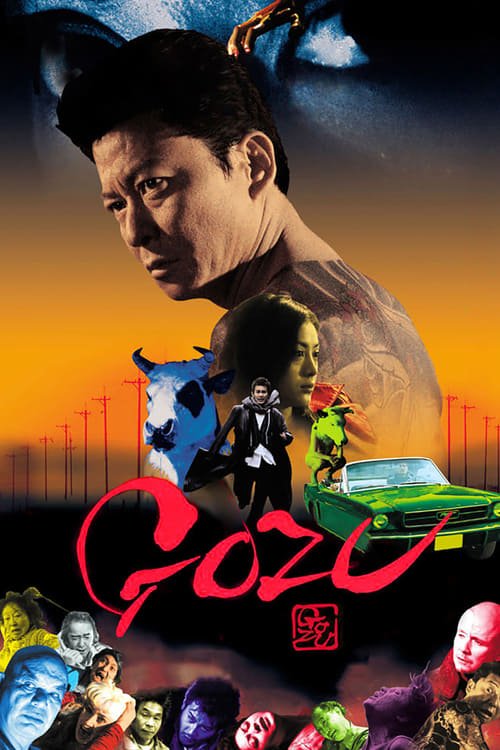
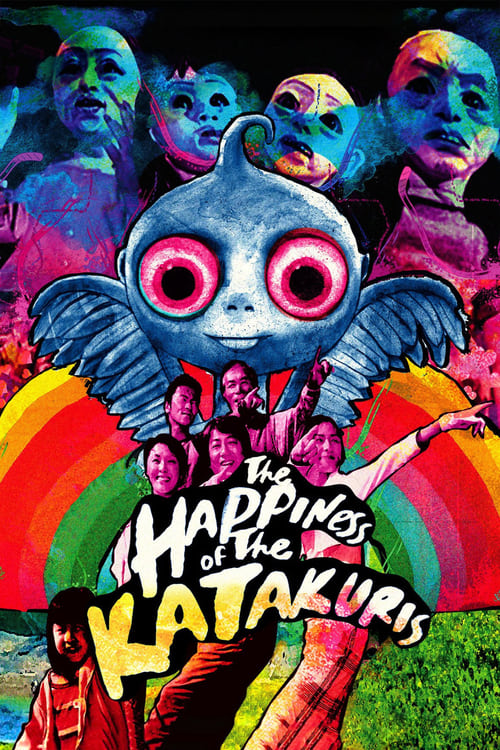
The texture fans fall for is specific: tonal whiplash so sharp it functions as a technique, sympathy extended to people who arguably do not deserve it, a willingness to make you laugh immediately after making you sick. Audition is quiet domestic drama until it is not. Ichi the Killer is a crime film that keeps escalating its own terms. Gozu is a road movie that runs straight into a fever dream. 13 Assassins is possibly the finest traditional chambara picture made in decades, and it comes from the same director who shot The Happiness of the Katakuris, a horror comedy zombie musical. That range is not randomness. It is a filmmaker who is simply not afraid, and who keeps working.
Essential Takashi Miike
The films that define the range, from controlled terror to full delirium



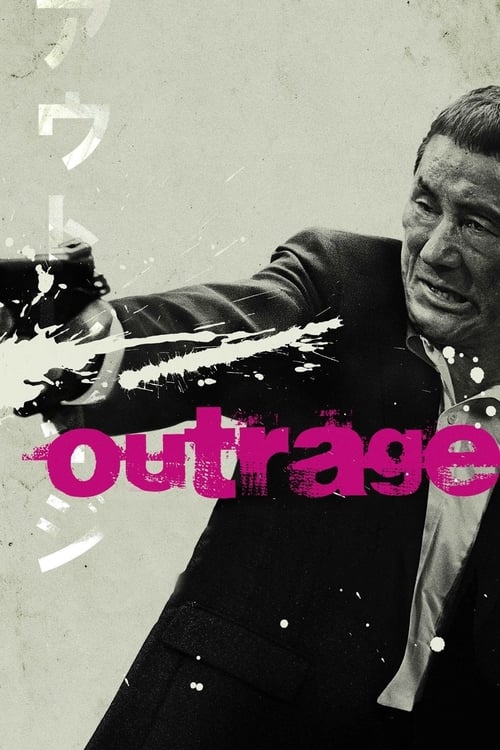
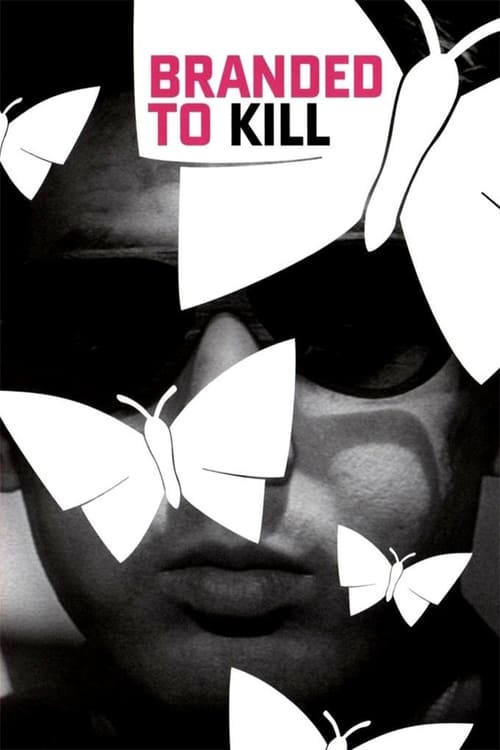
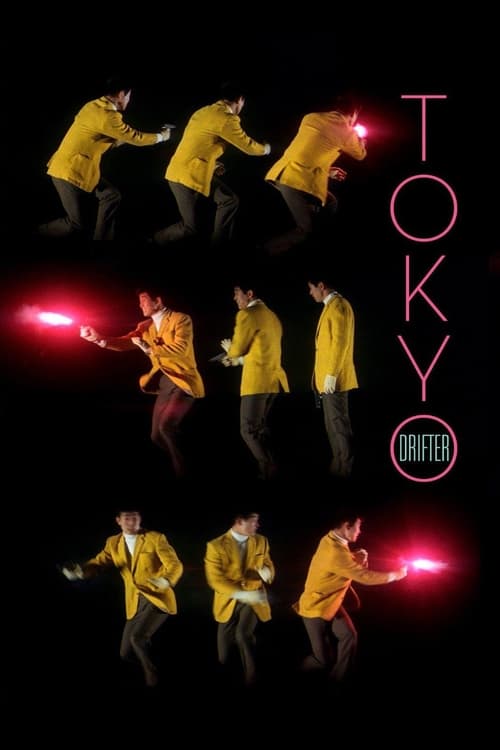
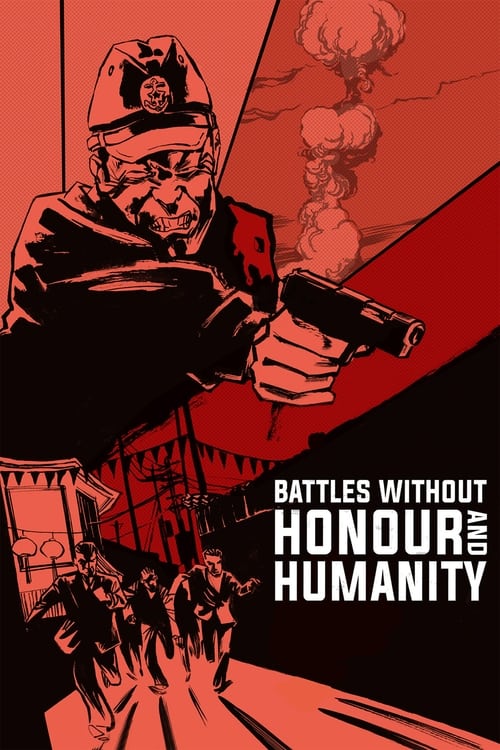
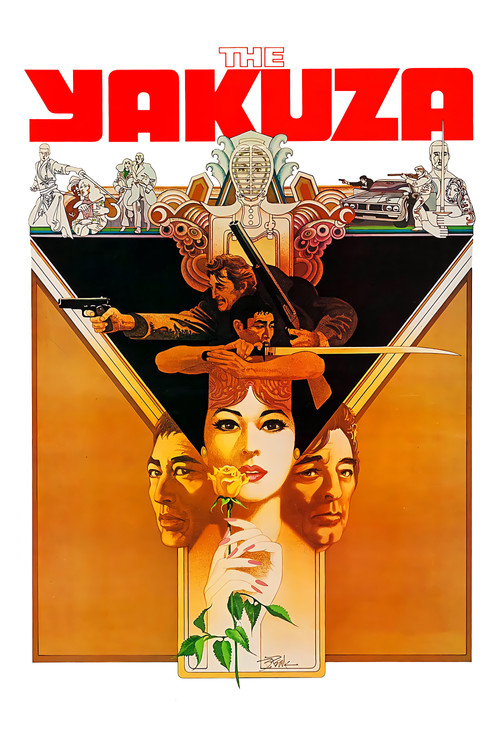
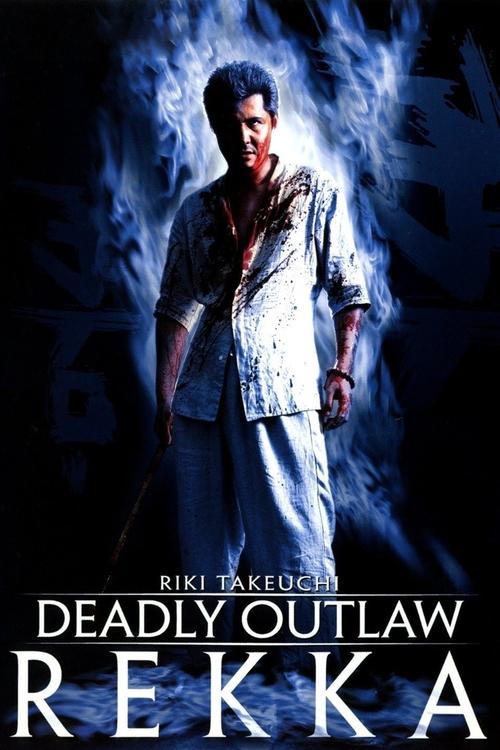
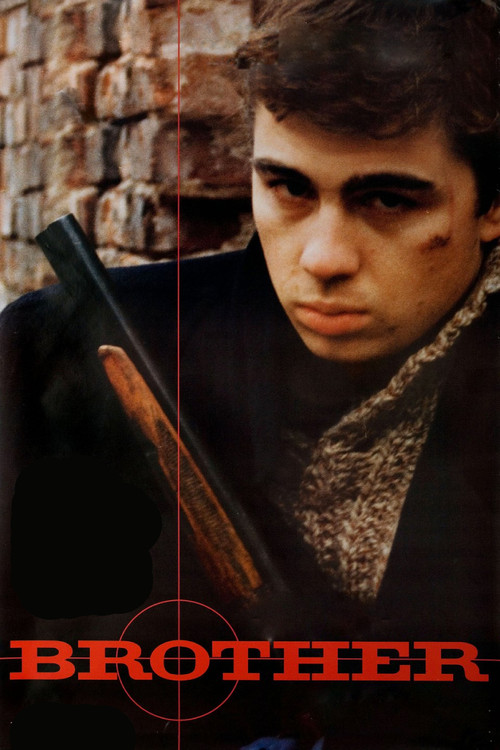
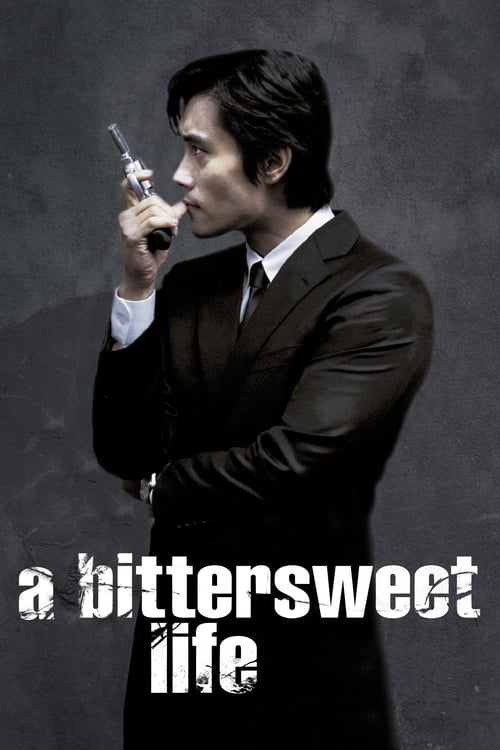
Chaos With a Code: Yakuza and Underworld Cinema
Crime films where the world has rules, and breaking them costs everything

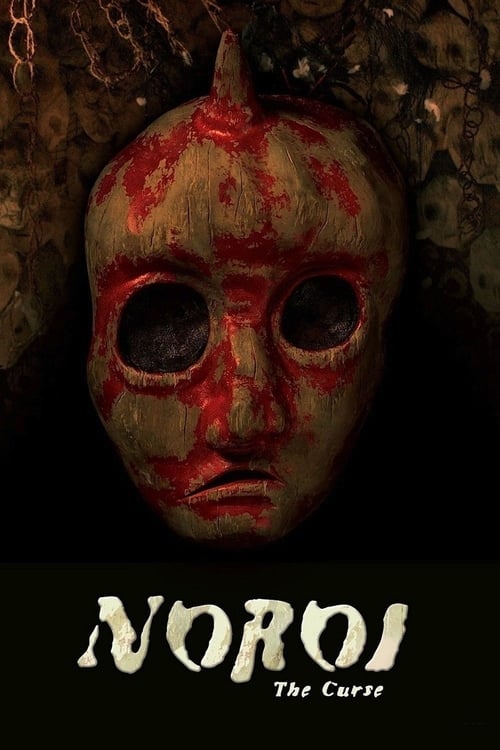
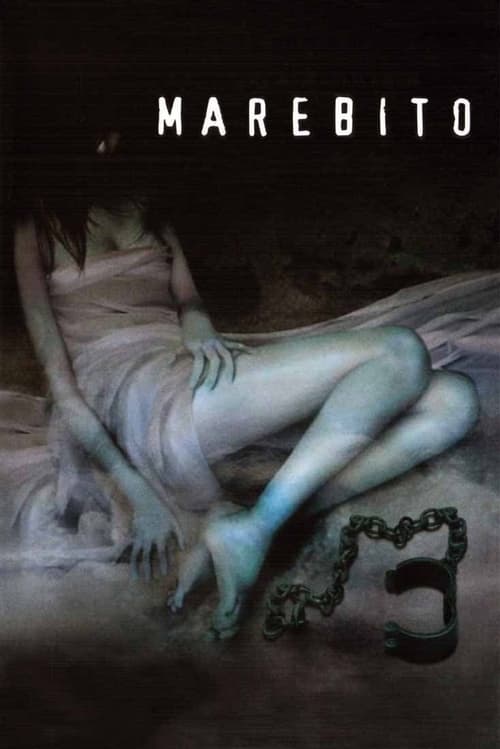
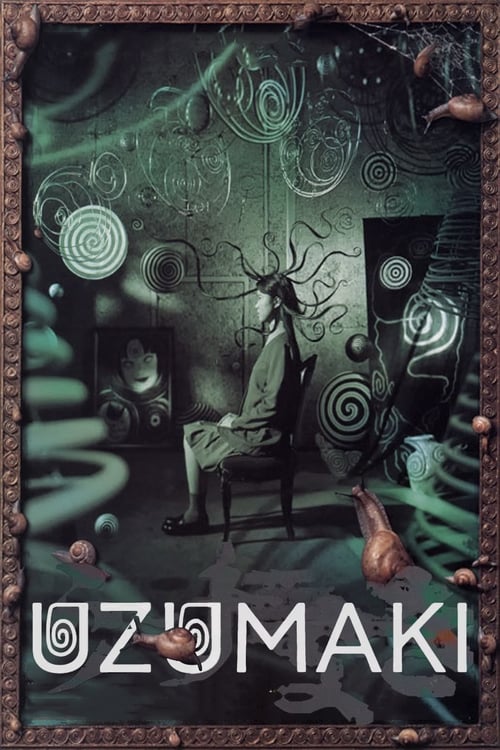
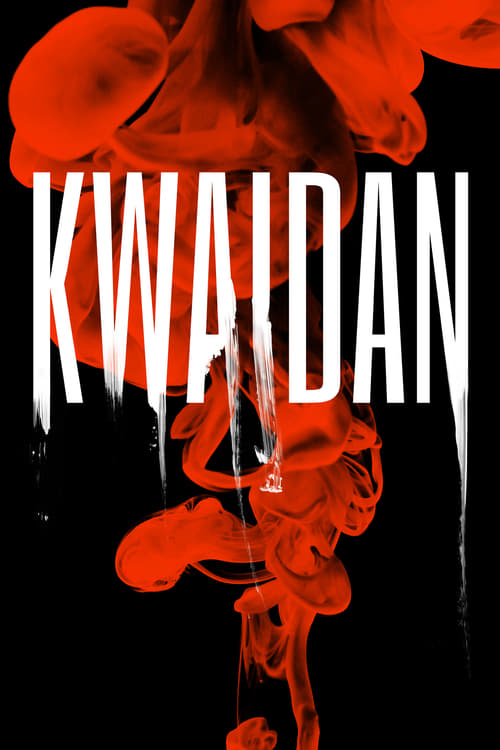
J-Horror and the Body in Peril
Films that treat dread as a slow accumulation, then detonate it



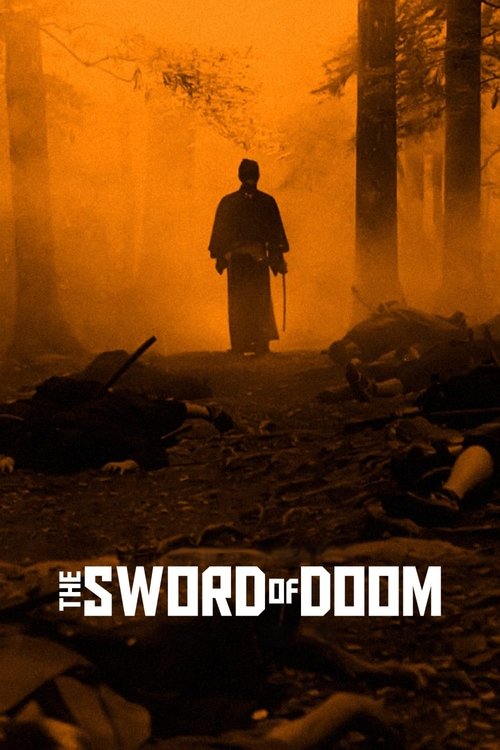
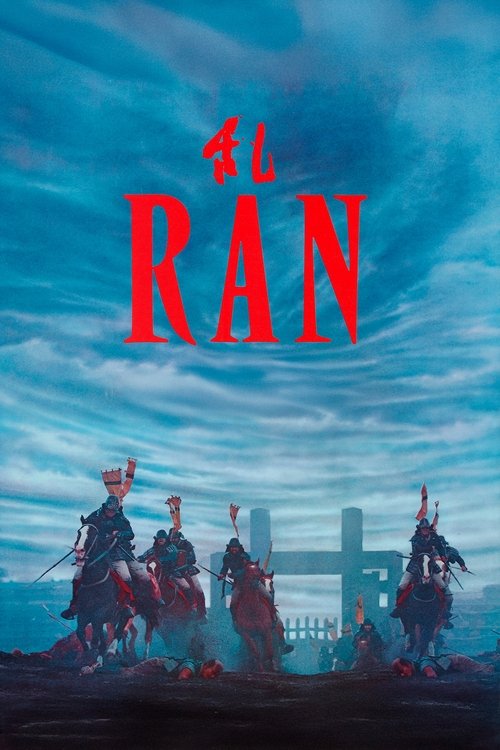
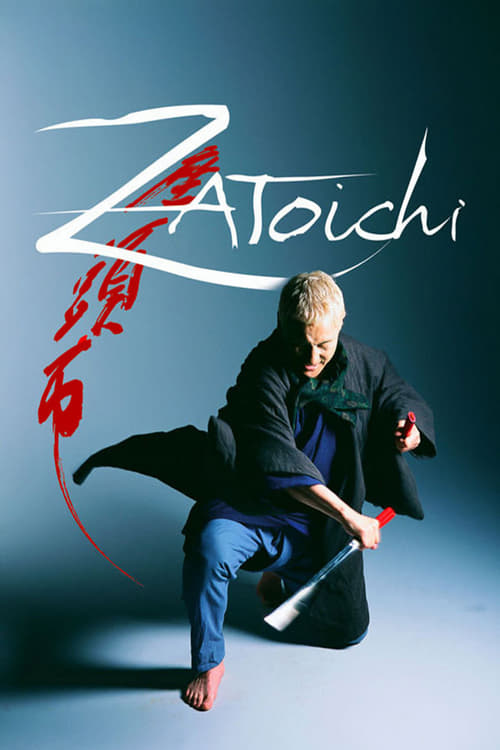
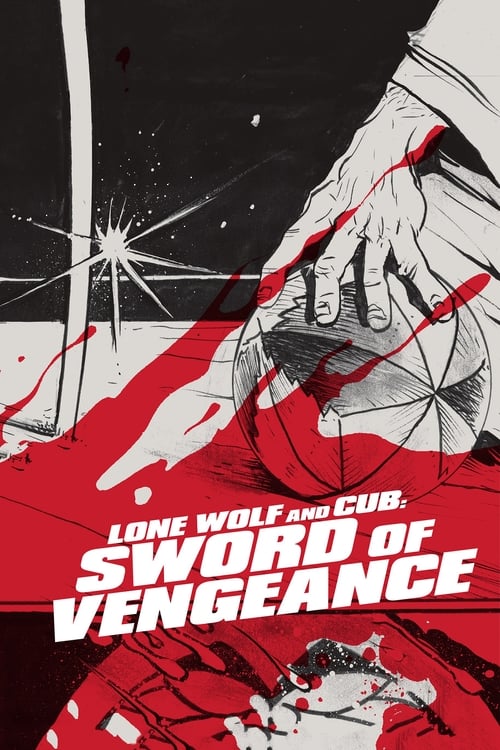
The Sword, the Code, the Massacre: Samurai and Action
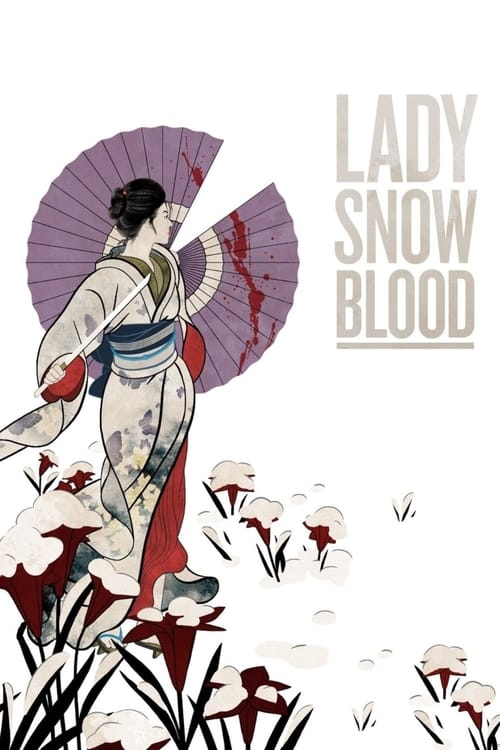
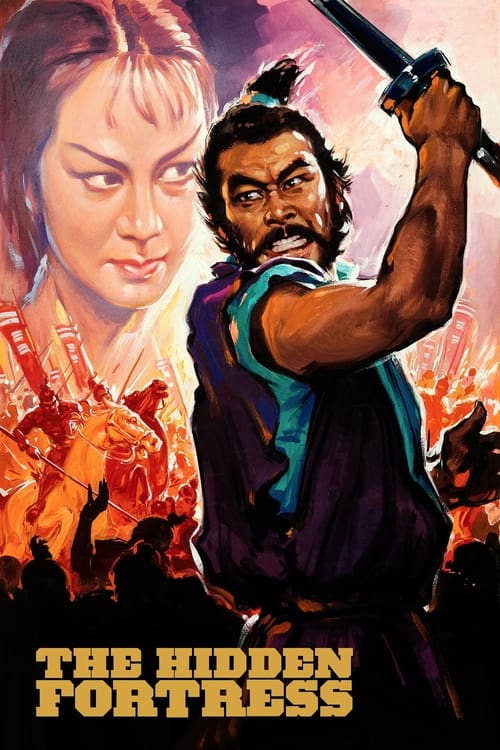
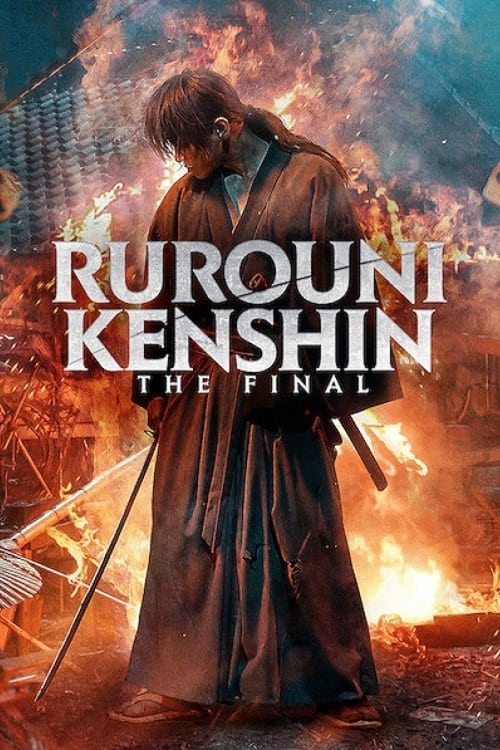
Films where violence is choreographed into something close to ceremony

Genre Anarchists: Directors Who Refuse to Stay in One Box
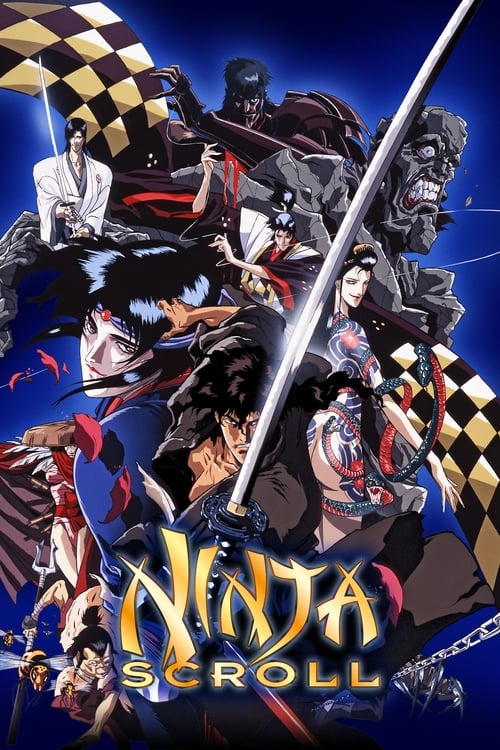
Films with the same allergy to convention and the same appetite for risk
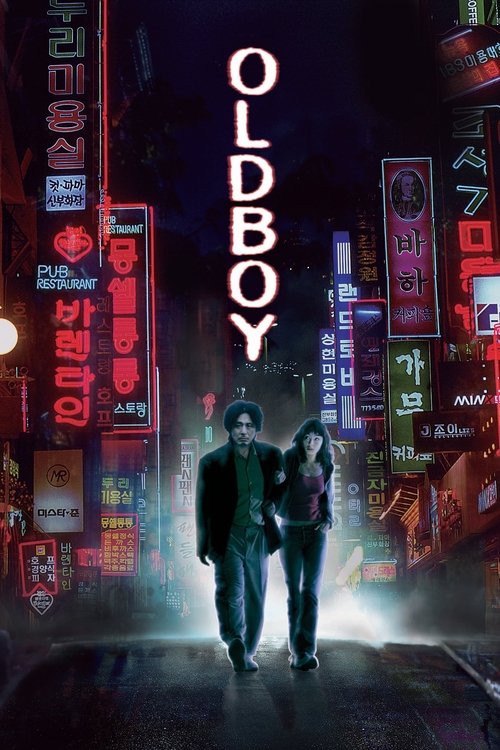
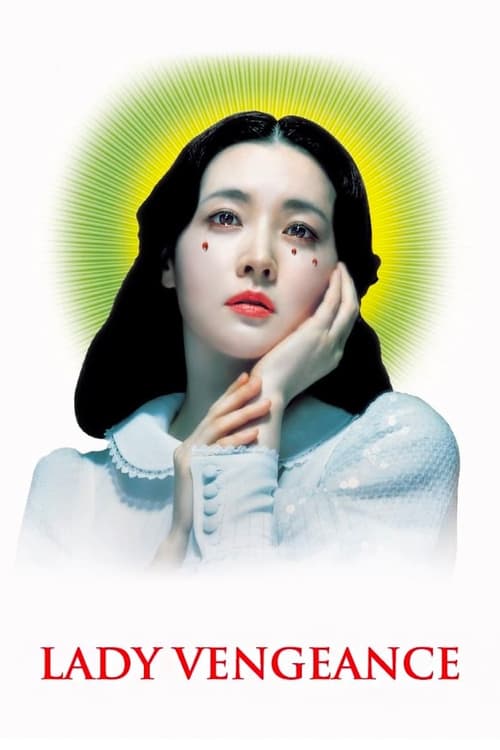
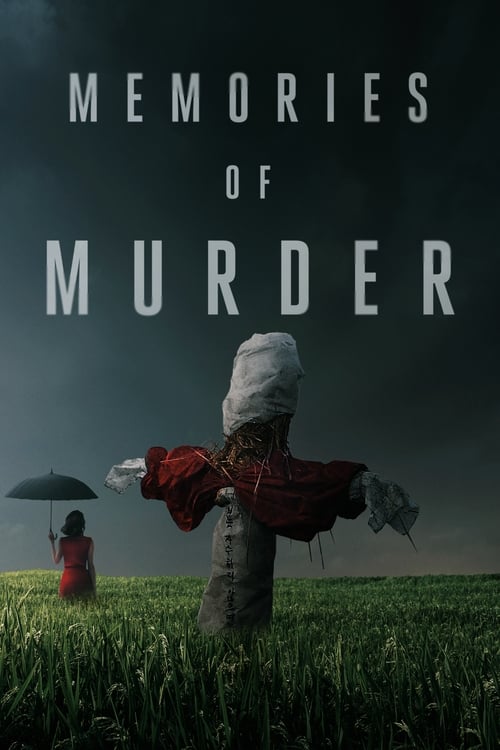

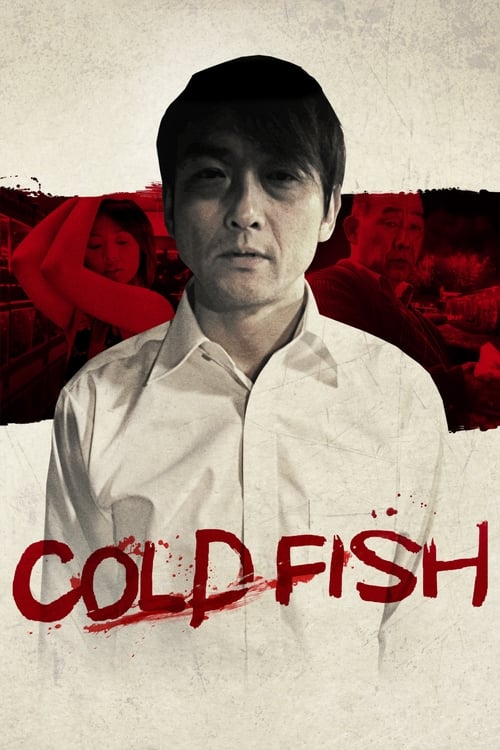


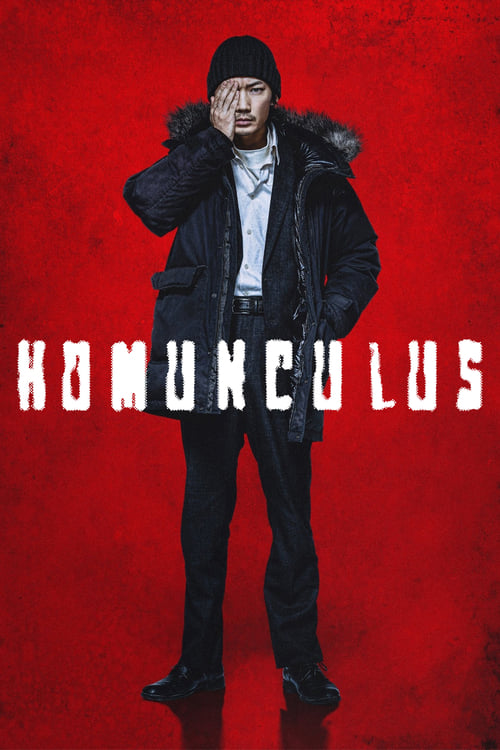
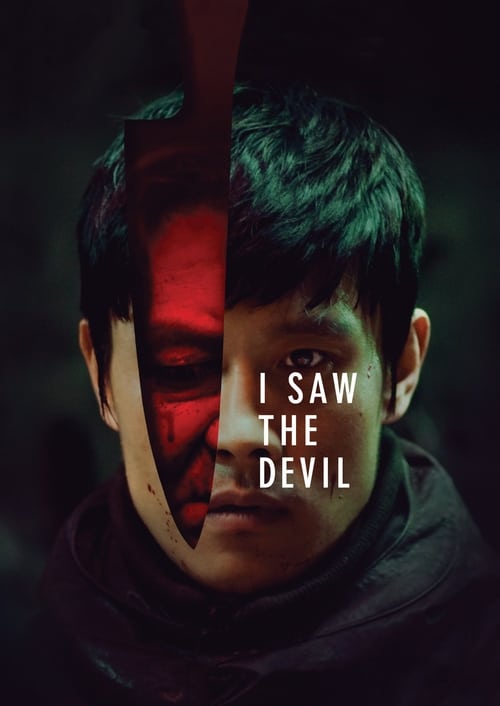
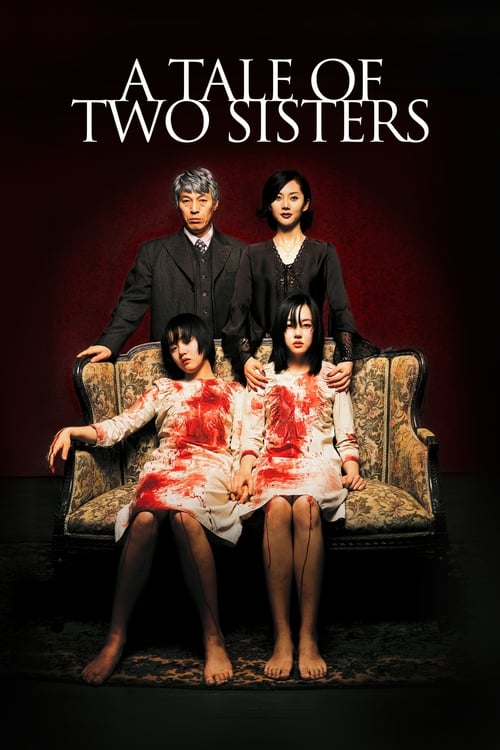
Start with Audition, not Ichi
Audition is the correct entry point, even though it is not Miike's most extreme film. It builds its horror through restraint, through the kind of careful domestic realism that makes the third act hit harder than anything purely outrageous could. Newcomers who start with Ichi the Killer often miss what makes Miike genuinely interesting, because Ichi plays on knowledge of the genre; Audition is legible to almost any viewer and is just as unsettling. After Audition, the catalog opens up in the right direction.
13 Assassins is the great one that gets underrated because it looks normal
13 Assassins is the film Miike detractors should be shown first, because it looks exactly like a prestige samurai picture. The craft is immaculate, the pacing precise, the final siege sequence among the best sustained action filmmaking of the decade it was made in. It does not feel like a provocation. It is simply a great film, and the fact that the same director made Gozu should expand what anyone thinks is possible inside a single career.
The spiritual successor is already a game franchise
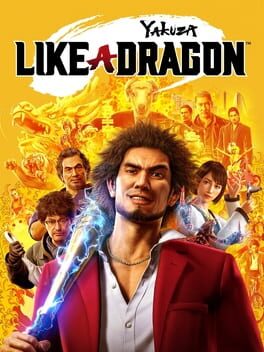
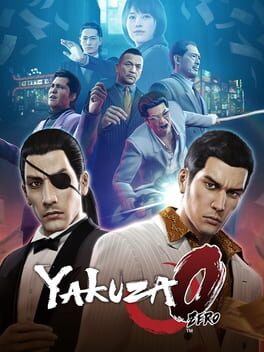
The Yakuza (Like a Dragon) game series inherits nearly everything Miike fans respond to: tonal whiplash between absurd comedy and genuine brutality, sincere emotional investment in criminals, a pulp genre executed with complete craft. The writing in Yakuza 0 or Like a Dragon would not feel out of place as a Miike script. For fans who want more hours in that particular register, this is where to go.
Miike's manga adaptations are where he is most at home
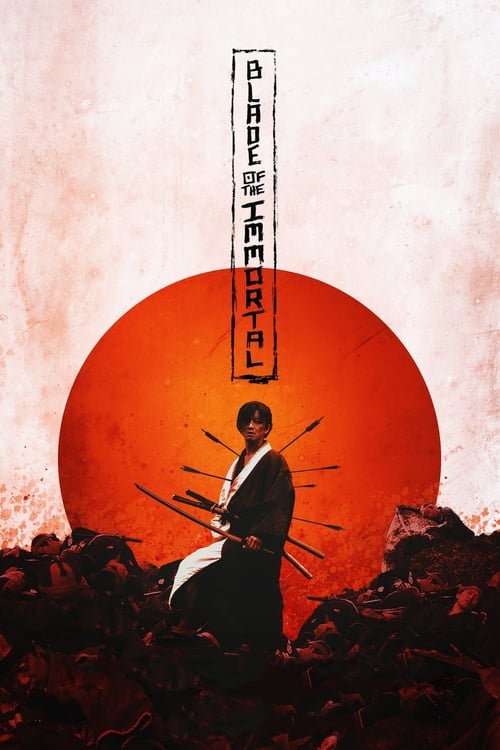
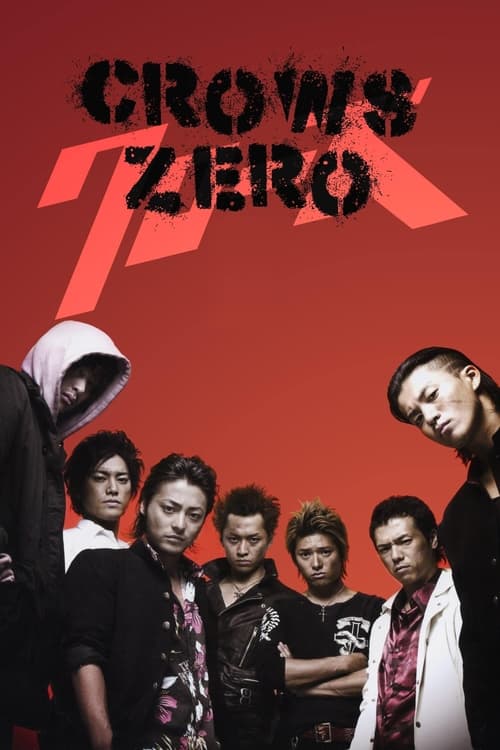
A significant portion of Miike's output adapts manga source material, and these films are often his most consistent work, because the source gives him structure to either honor or demolish. Blade of the Immortal, Ichi the Killer, and Crows Zero all originate in manga. Reading the source is not required, but it helps explain why his adaptations feel so charged: he clearly has genuine affection for the medium, and the liberties he takes are the choices of someone who knows the material cold.
A Career in Escalation
- 1991Feature debut working in V-Cinema, Japan's direct-to-video market
- 1995Shinjuku Triad Society begins his yakuza trilogy
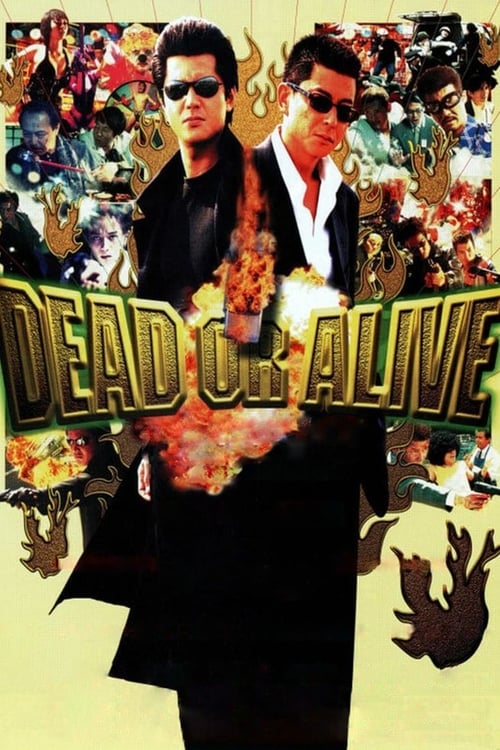
- 1999Dead or Alive brings international festival attention
- 1999Audition premieres at Rotterdam and changes everything Audition
- 2001Ichi the Killer and Visitor Q released in the same year Ichi the Killer
- 2001The Happiness of the Katakuris: a zombie musical The Happiness of the Katakuris
- 2003Gozu premieres at Cannes Directors' Fortnight Gozu
- 2007Sukiyaki Western Django, his genre collision with a Western cast Sukiyaki Western Django
- 201013 Assassins, the chambara masterwork 13 Assassins
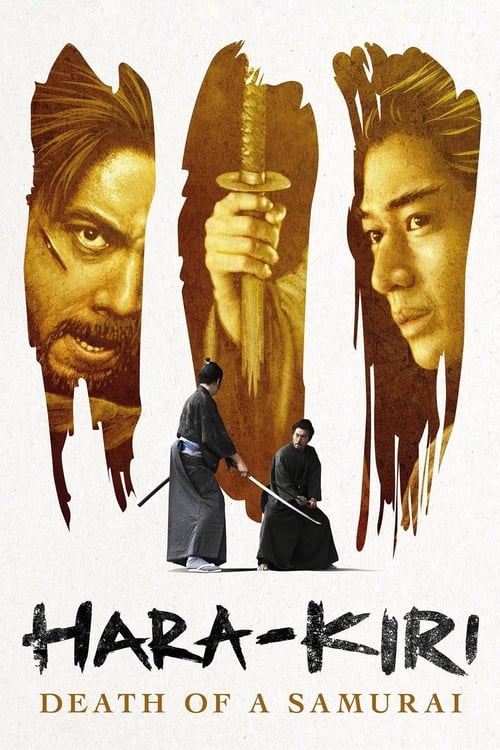
- 2012Hara-Kiri: Death of a Samurai, his first 3D film Hara-Kiri: Death of a Samurai
- 2017Blade of the Immortal marks his hundredth film milestone Blade of the Immortal
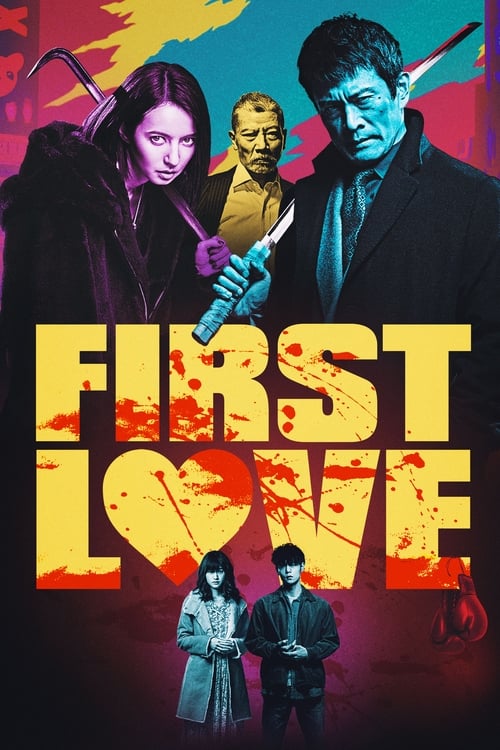
- 2019First Love, a late-career return to fizzing genre energy First Love
Yakuza chaos and Japanese excess
Yakuza & Triads
Explore the Yakuza & Triads guide →Miike's films ask the same question over and over: what does it cost to be loyal to something, and is the cost ever worth it? The answer is almost always no, and almost always worth it anyway.