
The Starz series Spartacus (2010-2013) set out to do something no Roman drama had quite attempted: stage the slave revolt of 73-71 BC as a blood-soaked, hyper-stylized spectacle where the politics cut as deep as the swords. Across four seasons (Blood and Sand, Gods of the Arena, Vengeance, War of the Damned) it built one of television's most committed ensemble casts around a cause rather than a dynasty. Andy Whitfield's indelible first season, Liam McIntyre's assured succession, John Hannah and Lucy Lawless as the most venomous married couple on screen: the series earned its reputation through craft as well as carnage. If you love Spartacus, you are chasing a very specific feeling: operatic violence with genuine stakes, underdog fury against corrupt power, and stories where the people history forgot are placed at the center.
Same Arena, Different Empires
TV series with epic scope, political venom, and violence that means something

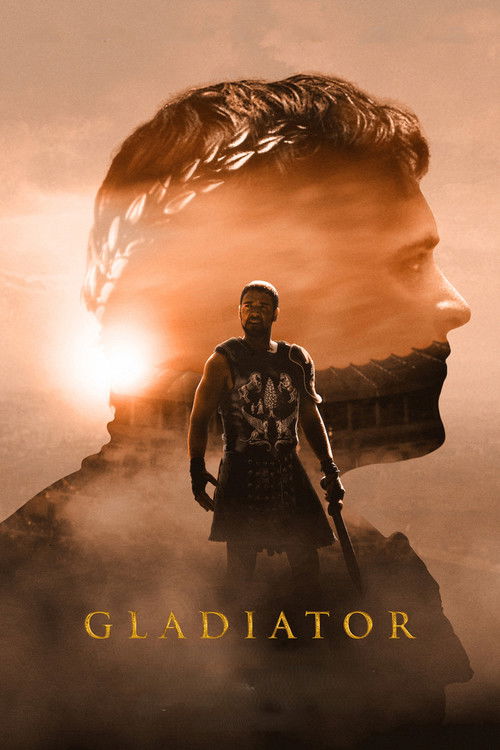
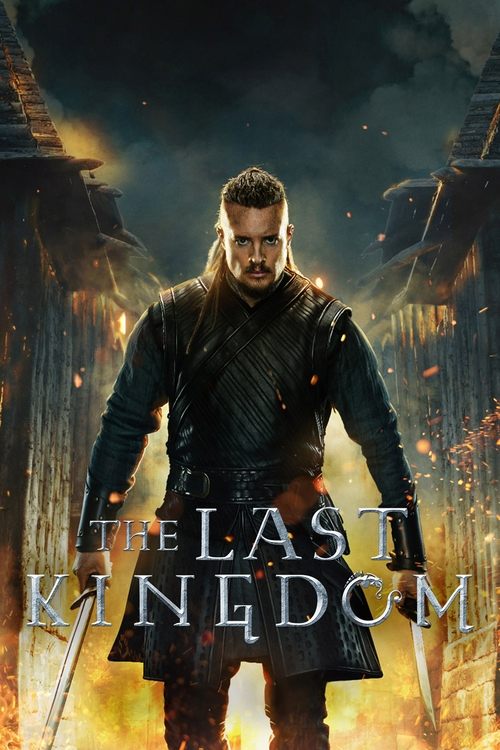
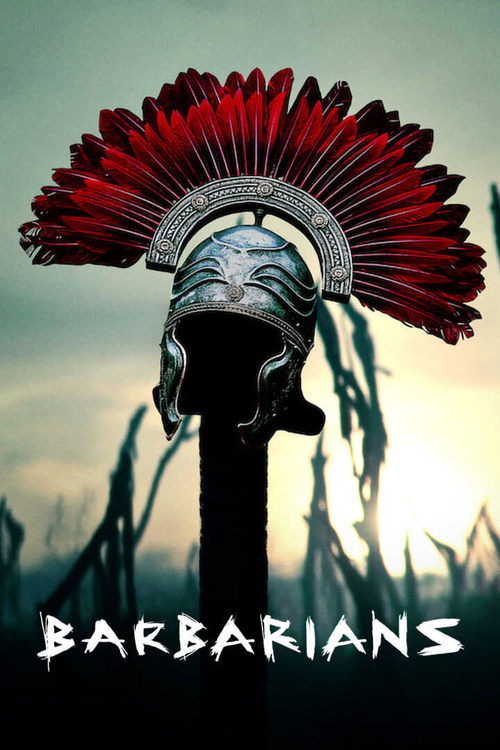
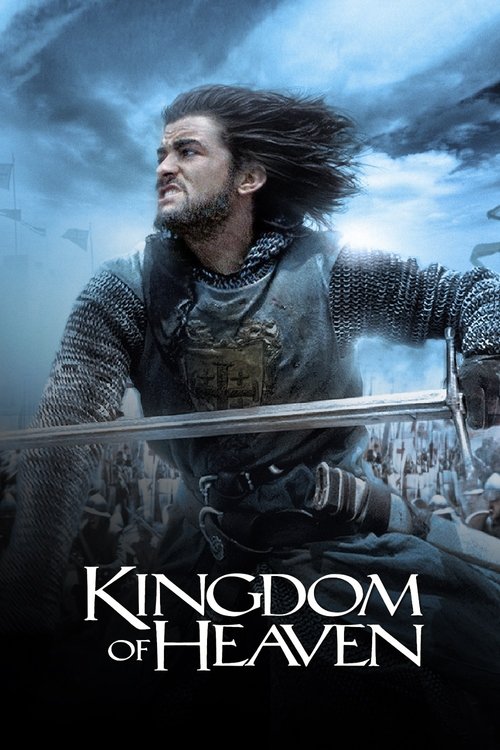
The Rebellion Shelf
Books where enslaved or oppressed people seize their own story


Sand and Steel in Motion
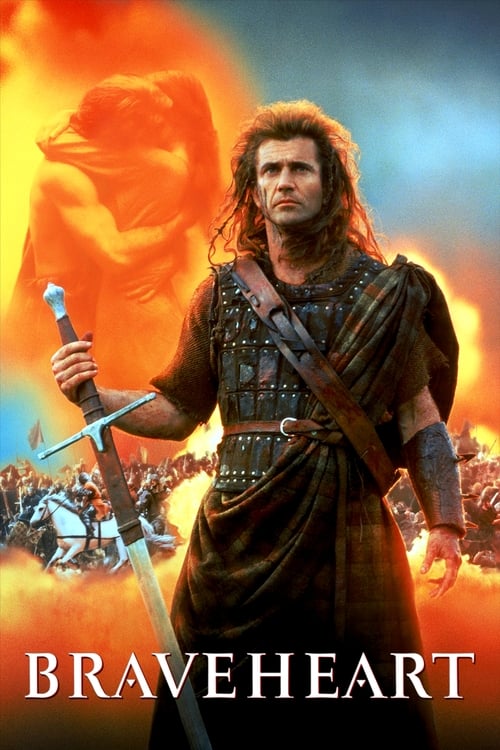
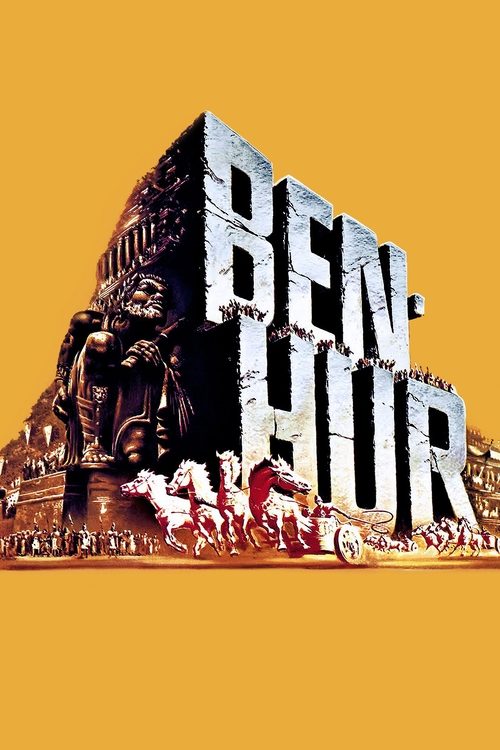
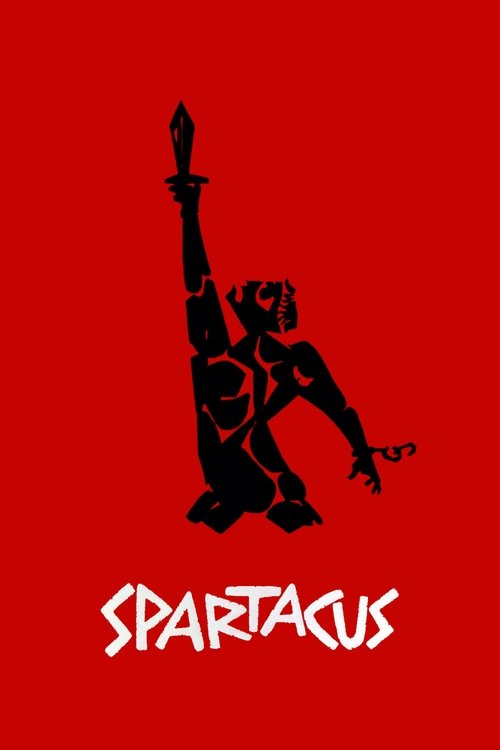
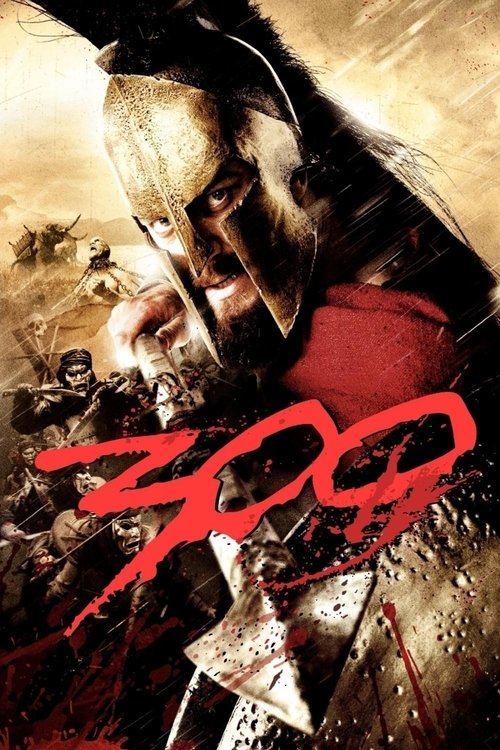
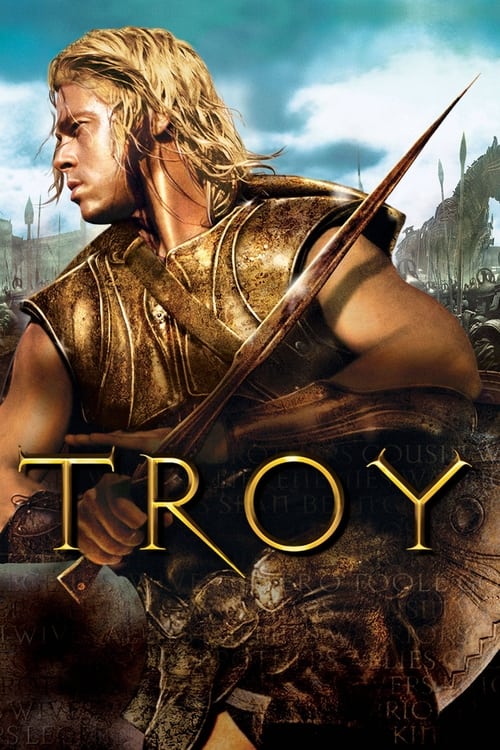
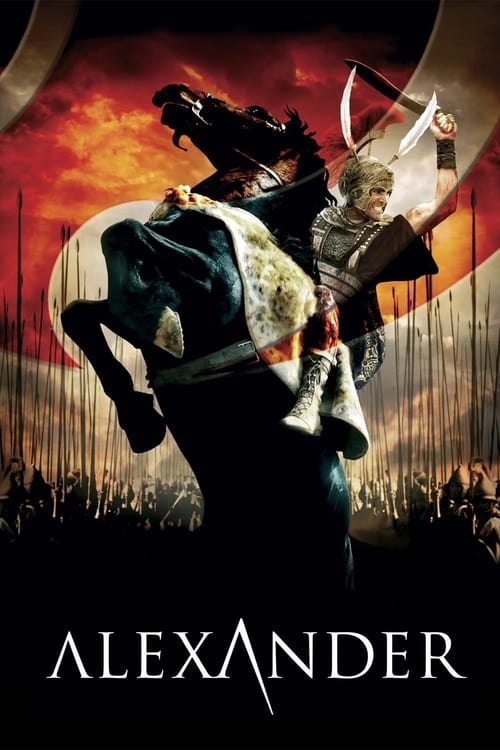
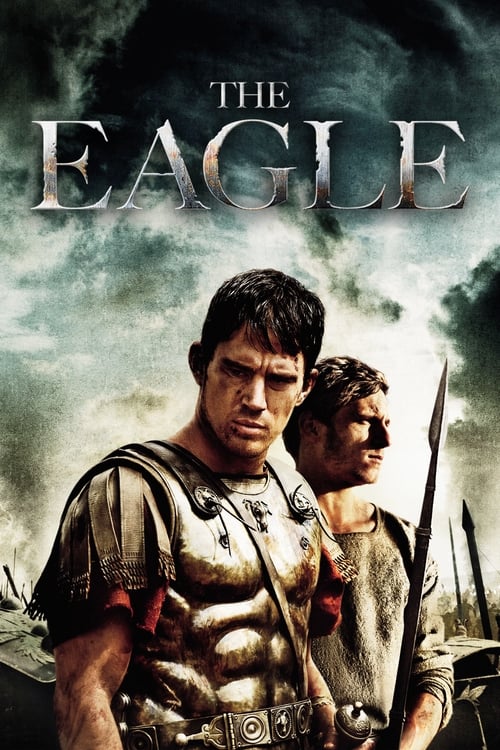
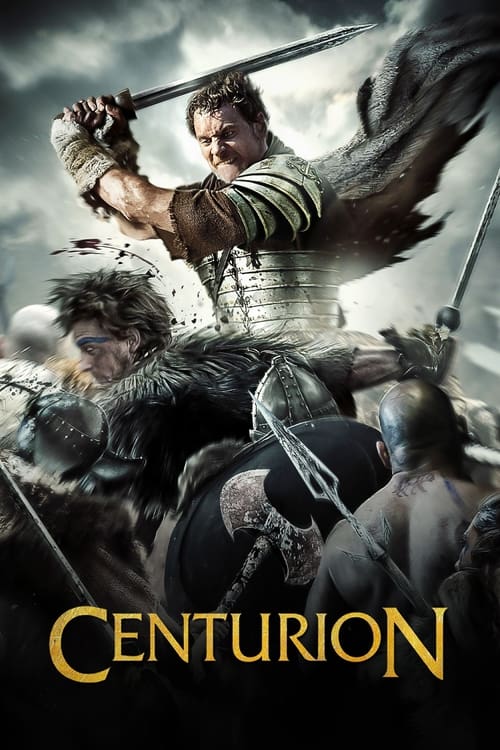
Films that deliver the same epic grandeur and brutal spectacle
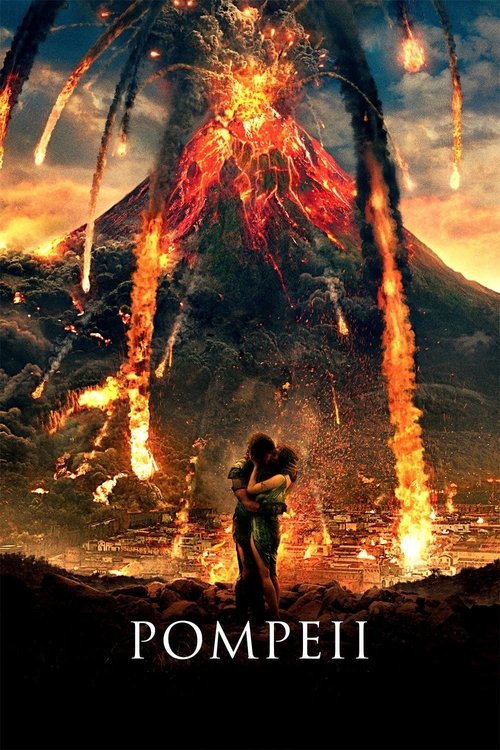
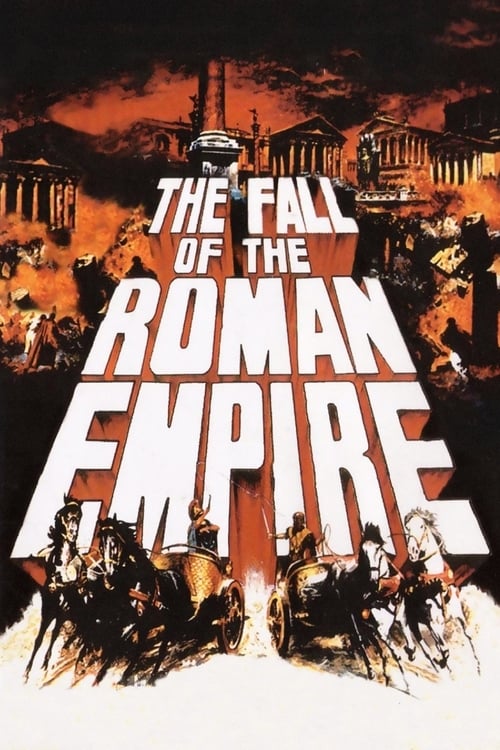
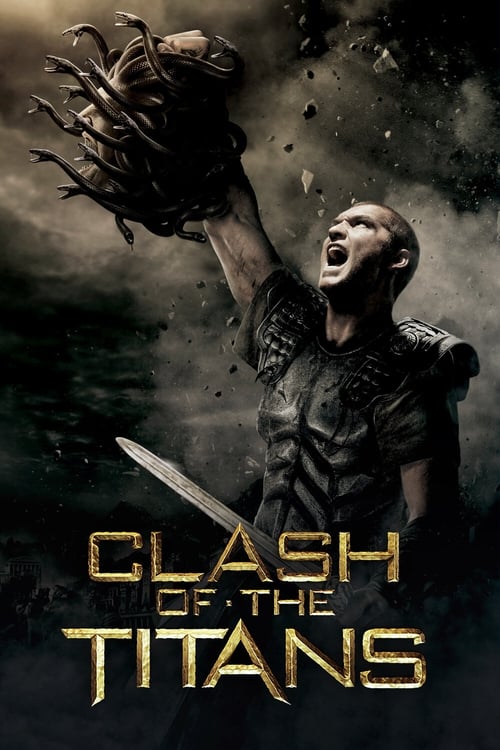
Power, Betrayal, and Survival in Games
Games with the same raw combat, political intrigue, or ancient-world setting
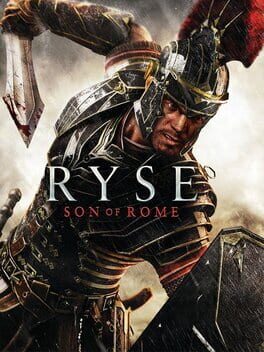
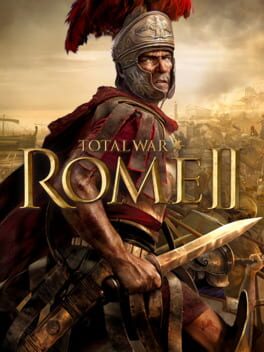
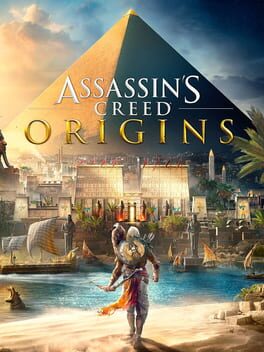
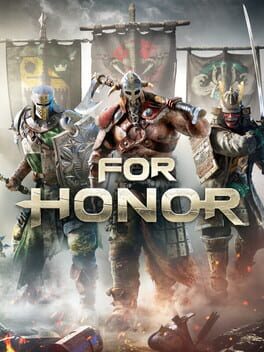

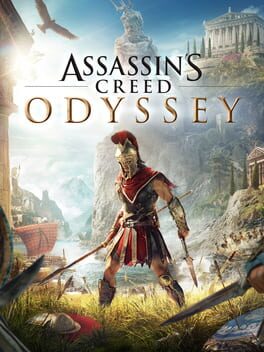
The Show That Made Violence Tragic Again
Where most prestige dramas kept their carnage tasteful, Spartacus leaned into its stylized excess so hard it came out the other side with something real. The slow-motion blood arcs, the operatic kills: they start as spectacle but become elegiac once the series teaches you to love the people dying. By the finale, the visual language that seemed like indulgence in episode one is doing genuine emotional work. That tonal gamble is why the show endures.
Lucy Lawless and John Hannah Deserve More Credit
The gladiatorial ring is the spectacle, but the House of Batiatus is where Spartacus lives. Lawless's Lucretia and Hannah's Quintus are a marriage built on mutual ambition and mutual contempt, and they are routinely more compelling than anything on the sand below. The prequel season, Gods of the Arena, exists largely to deepen their story and it earns every minute.
Rome Did the Politics; Spartacus Did the People
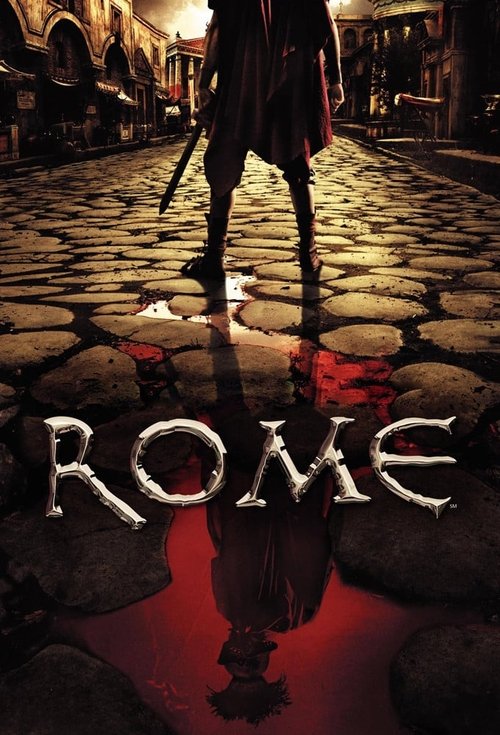
HBO's Rome is a masterclass in senatorial chess from above. Spartacus inverts the angle: the Senate and the lanistas are the antagonists, and the camera stays with the enslaved. That choice gives the rebellion its weight. You are never rooting for a historical outcome; you are rooting for specific people to survive one more day. That is a harder trick to pull off, and the series manages it.
Spartacus: The Arc
- 2010Blood and Sand premieres on Starz; Andy Whitfield defines the role
- 2011Gods of the Arena prequel season airs during Whitfield's illness
- 2012Liam McIntyre takes the lead; Vengeance expands the rebellion Spartacus
- 2013War of the Damned concludes the series; the revolt reaches its historical end
- 1960Kubrick's Spartacus sets the cinematic template the series both honors and subverts Spartacus
- 1951Howard Fast's novel gives the revolt its literary backbone
More blood, sand, and Rome
Gladiators & Ancient Rome
Explore the Gladiators & Ancient Rome guide →I am Spartacus. The line works because the show spent four seasons making you feel exactly what it costs to say it.CrossBinge