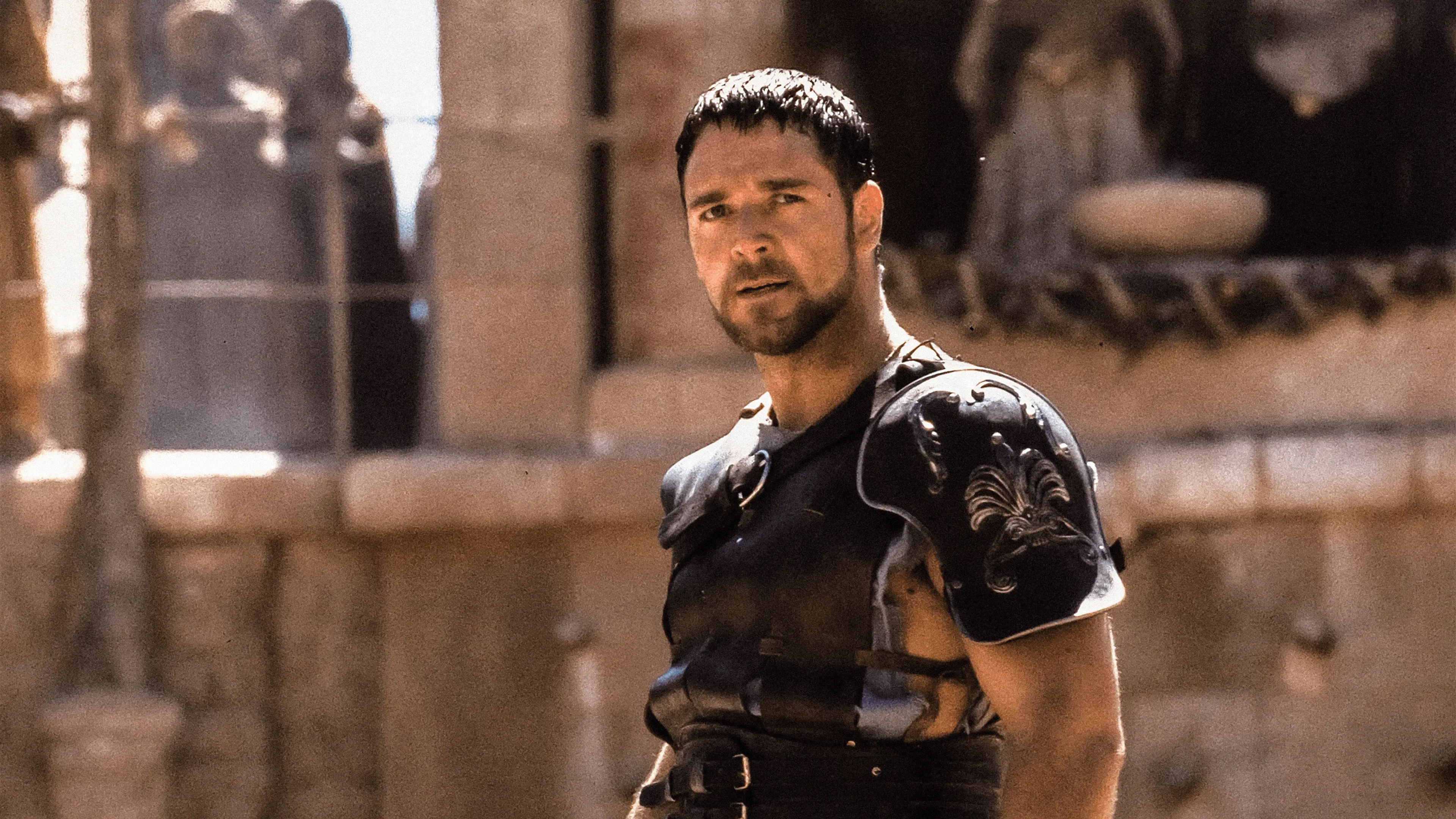

Ancient Rome carries a gravitational pull that no other setting quite matches. It is the world at its most politically ruthless and architecturally sublime, where senators whisper conspiracies in marble halls and legions march across three continents. The feeling a fan chases is a specific kind of grandeur mixed with dread: the sense that everything magnificent is also one bad emperor away from ruin. That tension between order and chaos, between the republic's ideals and the empire's appetites, runs through every great work in this tradition. Whether you start with Gladiator, HBO's Rome, Colleen McCullough's Masters of Rome novels, or the Total War strategy games, you keep returning because the ancient world is the original political thriller, the first story about what power does to people.
Essential Ancient Rome
The films, series, and works that define the setting at its best
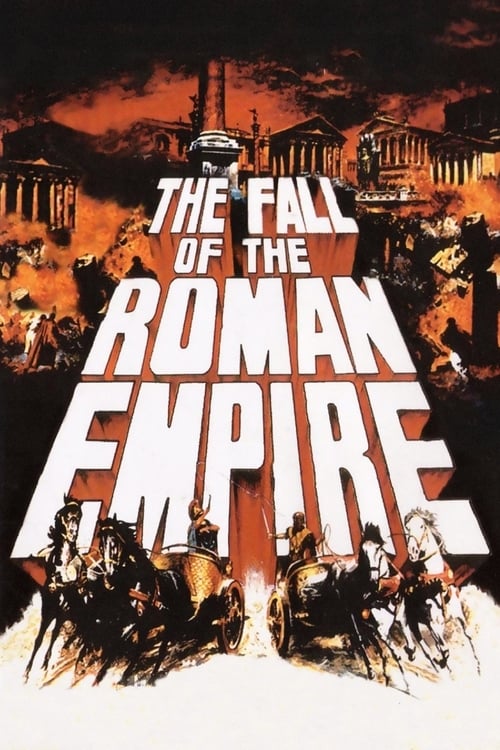
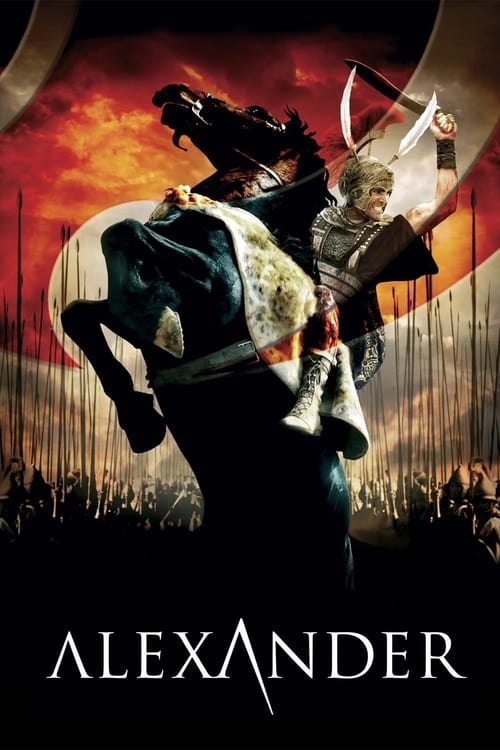
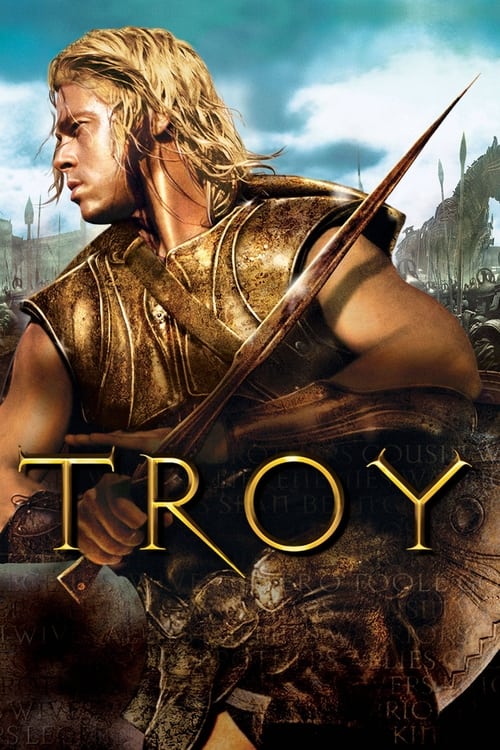
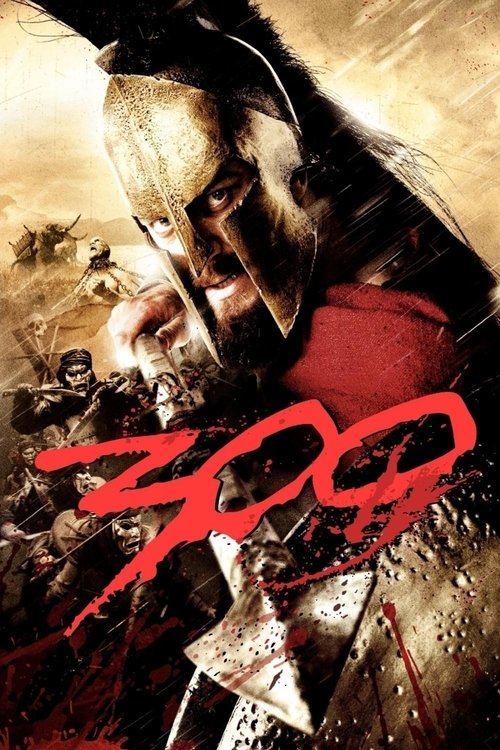
If You Love Rome: Epic Films of Antiquity
Big-canvas historical epics with the same weight and scope

Political Intrigue on Screen
Series built on power, betrayal, and the corruption that comes with it

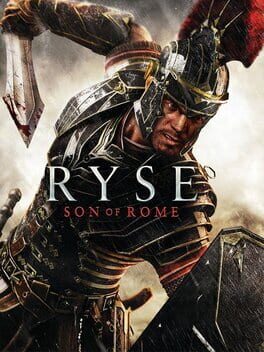
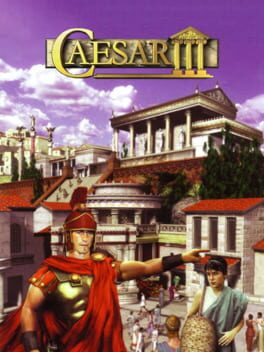
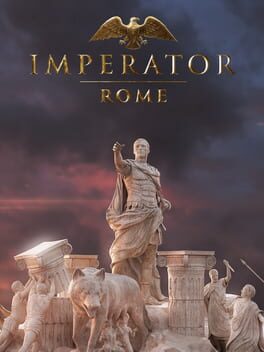
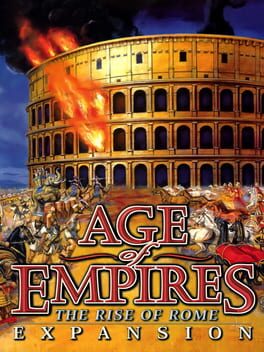
Command the Legions: Games Set in the Ancient World
From city-building strategy to gladiatorial combat, the ancient world in your hands
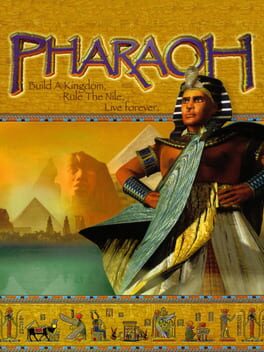
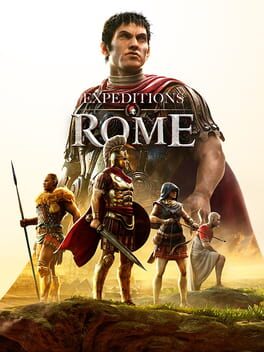
The Rome That Reads: Essential Novels
Fiction that reconstructs the republic and empire from the inside


HBO's Rome Got the Politics Right
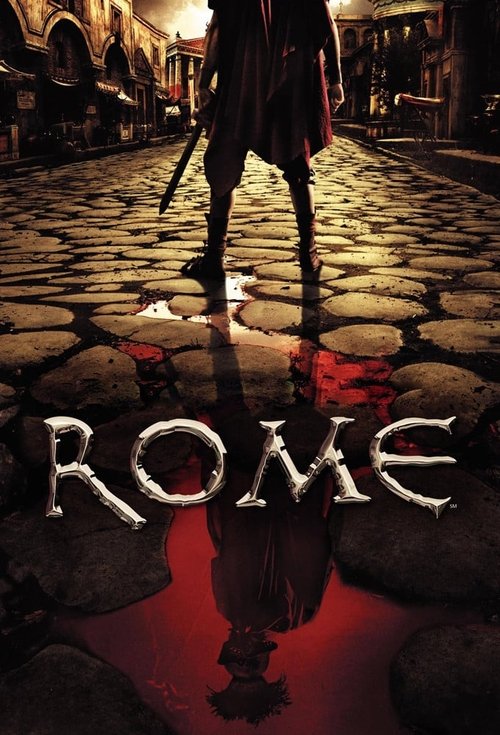
Most Roman epics go wide: the battle, the triumph, the spectacle. HBO's Rome (2005-2007) went deep into the machinery underneath. It showed Caesar and Pompey's conflict through two common soldiers, Pullo and Vorenus, whose personal loyalties tracked the republic's collapse with an intimacy no arena sequence can match. The show's real achievement was making Roman domestic life, inheritance disputes, street-gang politics, and religious obligation as gripping as any battlefield. It remains the closest any screen production has come to Robert Graves' essential duality: the personal and the imperial are inseparable.
Gladiator (2000) Restored the Epic
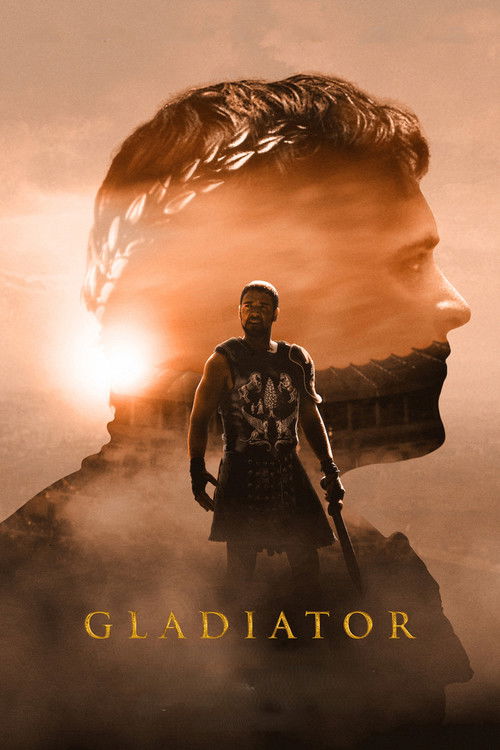
Ridley Scott's Gladiator arrived at a moment when the historical epic had been dormant for decades. It brought the genre back not through strict accuracy but through emotion: Maximus's grief, his refusal to play along with Commodus's vanity, his slow and deliberate march toward the man who destroyed his family. The film understood that Roman spectacle only works when there is a personal cost underneath it. Hans Zimmer and Lisa Gerrard's score is equally responsible, turning the Colosseum into a cathedral of mourning rather than just a venue for violence.
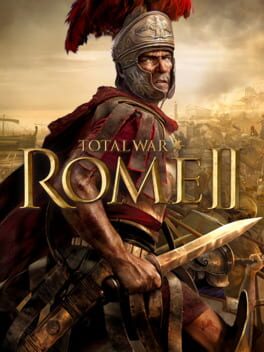
Total War: Rome II Is Still the Strategy Benchmark
The Creative Assembly's Rome II (2013) gave strategy players something genuinely rare: the feeling of managing an empire that is always larger than any single campaign. The factional politics, the provincial governance decisions, the fragility of a stretched supply line in Germania, these are the same pressures that made real Roman history so dramatic. At its best, Rome II turns abstract historical forces (overextension, political succession, economic strain) into problems you feel personally responsible for solving. That is a kind of historical education no textbook achieves.
Robert Graves Set the Template for Every Roman Novel Since
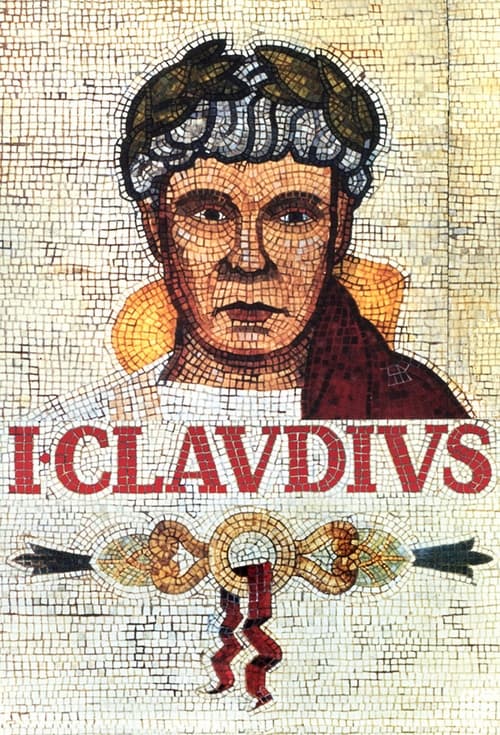
I, Claudius (1934) and Claudius the God (1935) established a pattern that every serious Roman novel has followed: give the story to someone who was present but overlooked, who survived precisely because power did not think him worth destroying. Graves's Claudius is the stammering scholar who watches Tiberius, Caligula, and Livia massacre the people around him, and who knows that his own safety depends on being underestimated. That formula, the intelligent observer at the center of catastrophic events, is what makes Roman political fiction so enduring. Colleen McCullough's Masters of Rome series and Robert Harris's Cicero trilogy both operate on a version of the same insight.
Ancient Rome on Screen and Page: Key Moments
- 1951Quo Vadis brings Nero's Rome to Hollywood in epic Technicolor Quo Vadis
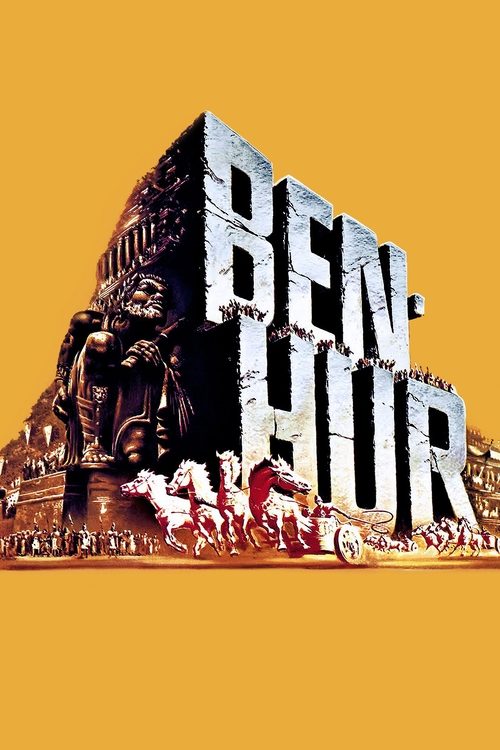
- 1959Ben-Hur wins eleven Academy Awards and defines the chariot-race as cinema shorthand for Roman scale Ben-Hur
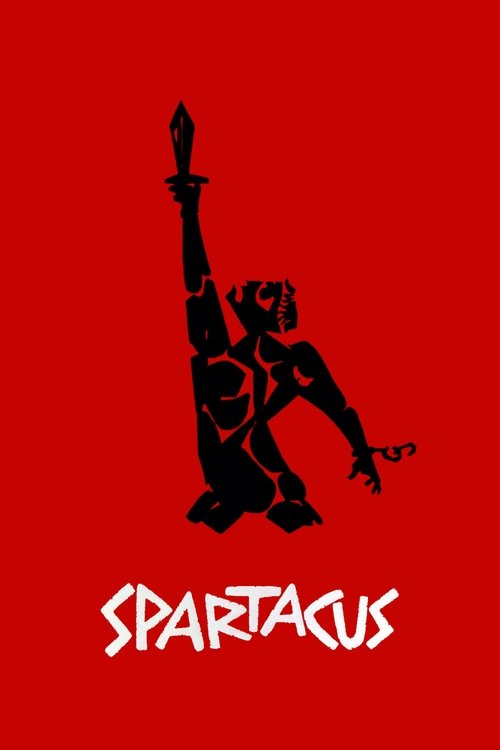
- 1960Kubrick's Spartacus puts the slave revolt at the center of a studio epic Spartacus
- 1934Robert Graves publishes I, Claudius, creating the template for all Roman political fiction I, Claudius
- 1976BBC's I, Claudius airs, with Derek Jacobi making Claudius one of television's great unreliable narrators I, Claudius
- 1990Colleen McCullough begins Masters of Rome with The First Man in Rome
- 2000Ridley Scott's Gladiator reopens the Roman epic and takes Best Picture Gladiator
- 2004Rome: Total War sets the benchmark for historical strategy games
- 2005HBO's Rome begins its two-season run, bringing street-level political realism to the late republic Rome
- 2006Robert Harris publishes Imperium, beginning the Cicero trilogy from the perspective of a secretary Imperium
- 2013Total War: Rome II expands the empire-management scope to all of the Mediterranean Total War: Rome II
- 2015Mary Beard's SPQR reframes Rome as a story about inclusion, migration, and social mobility
Gladiators, legions, and empire
Gladiators & Ancient Rome
Explore the Gladiators & Ancient Rome guide →What we do in life echoes in eternity.Gladiator (2000)