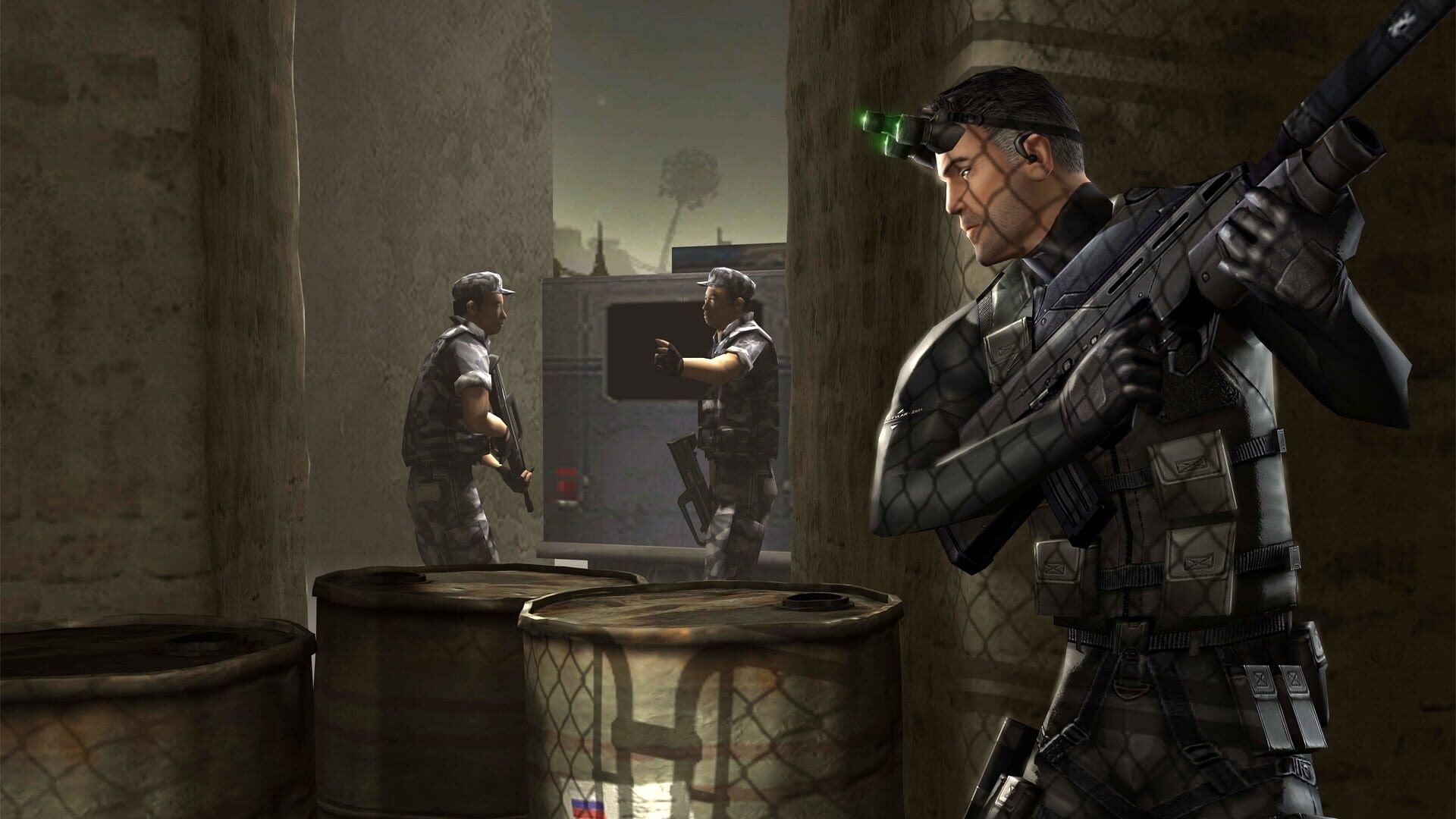

Sam Fisher is not a hero. He is a tool -- a classified one -- and Splinter Cell never let you forget it. Where most action games handed you power, Ubisoft Montreal handed you patience: hug the wall, count the guard's footsteps, decide whether the mission justifies the kill. The series built its identity on the space between action and inaction, and the best games in the franchise -- Chaos Theory above all -- turned that tension into something close to art. If you are drawn to the clandestine, the procedural, the morally complicated professional doing ugly work for ambiguous reasons, the works below will find you exactly where Splinter Cell left you.
Essential Splinter Cell
The core games, ranked by how sharply they defined the series
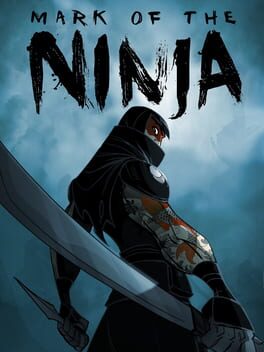
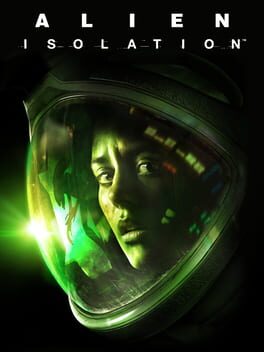
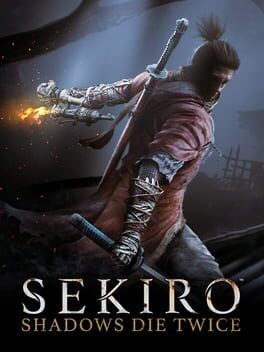
If You Love Splinter Cell: The Stealth Canon in Games
Games that share the same philosophy -- patience, information, consequence

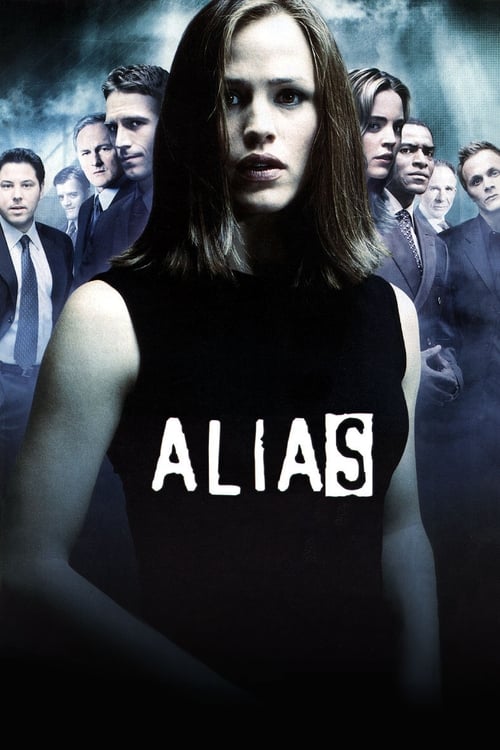
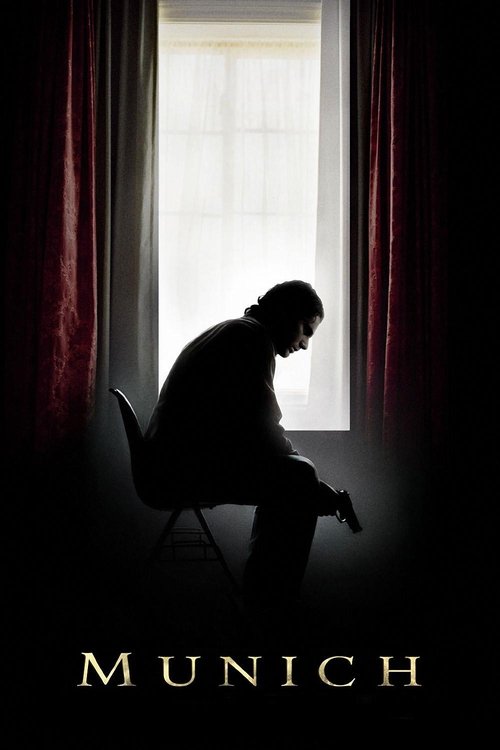
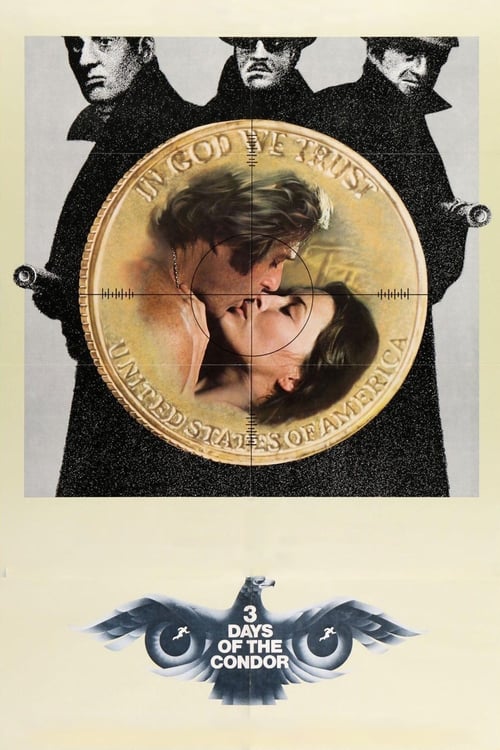
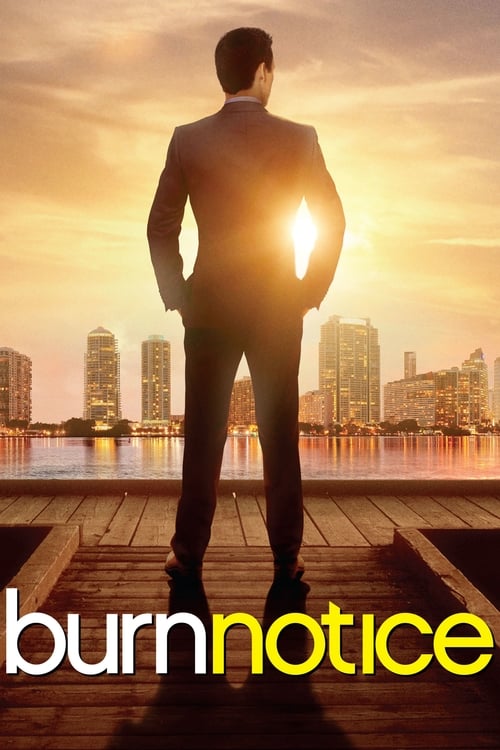
If You Love Splinter Cell: Spy Thrillers on Screen
Films and series built on tradecraft, deception, and moral compromise

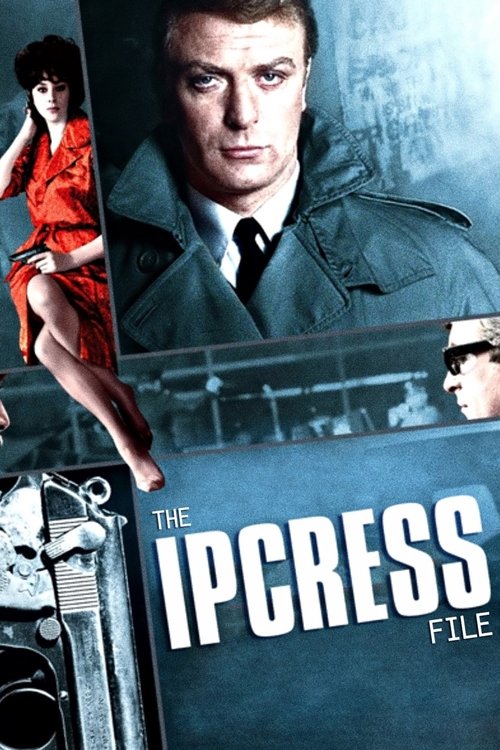
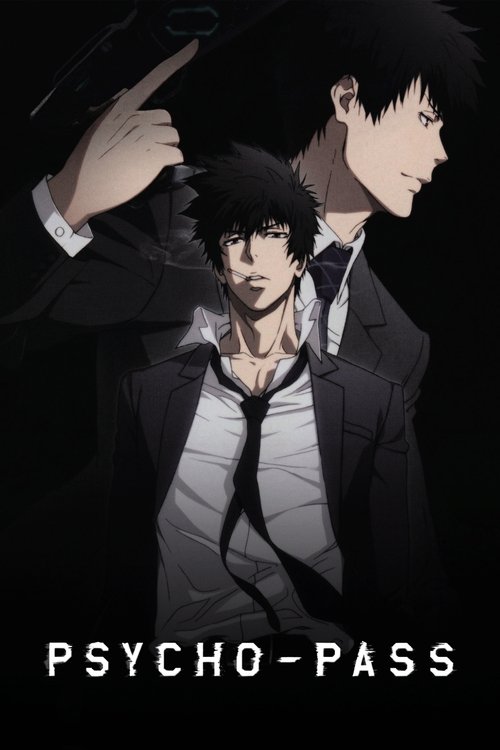
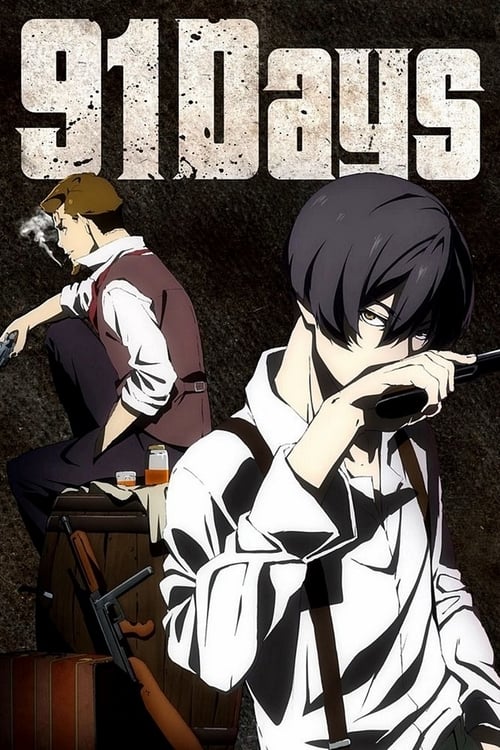
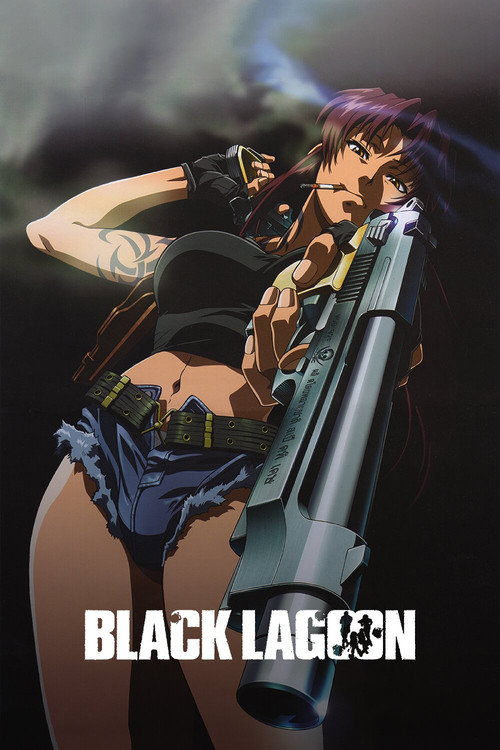
If You Love Splinter Cell: The Adaptation and the Anime
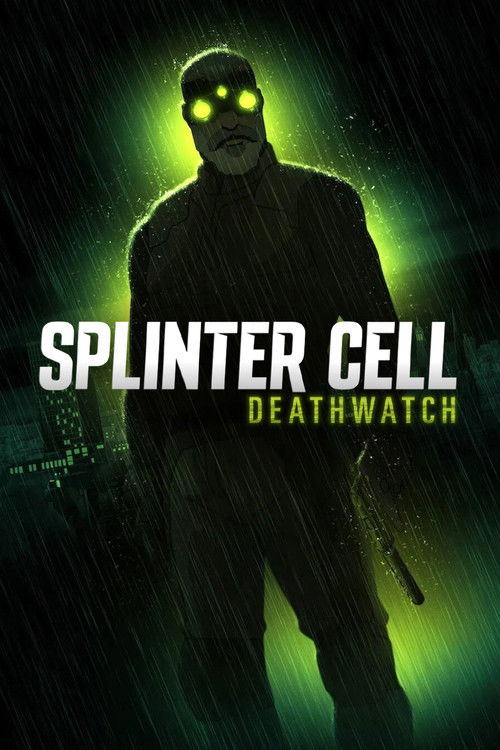
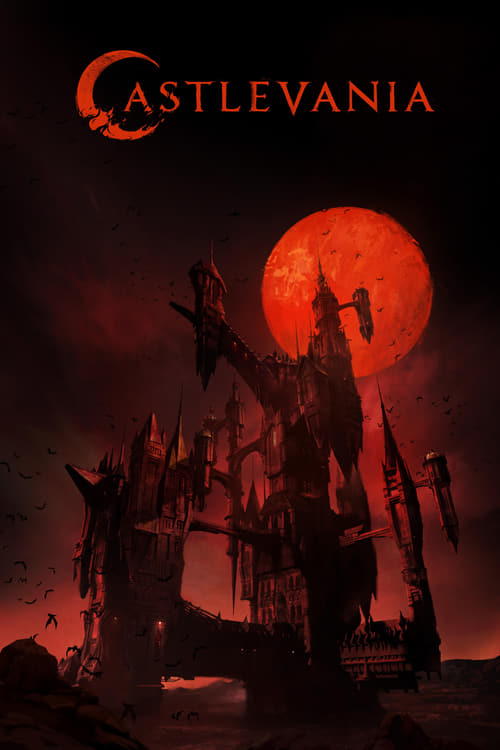
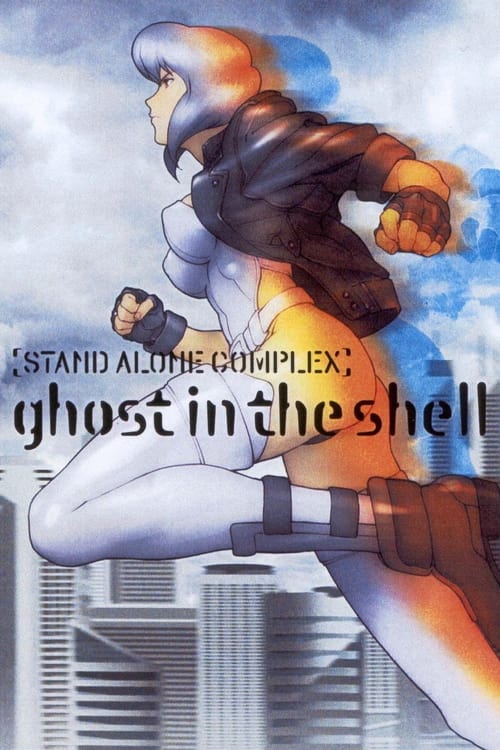
The franchise beyond the game -- including the upcoming Netflix series
If You Love Splinter Cell: Spy Fiction in Print
The tie-in novels and the espionage canon that shaped the genre


Chaos Theory Is the Greatest Stealth Game Ever Made
Most sequels refine. Chaos Theory reinvented. Ubisoft Montreal gave Sam Fisher a knife, a whistled melody, and the space to actually talk to the guards he stalked -- and in doing so turned stealth into character study. The light system was precise. The co-op missions were structurally brilliant. And the moral weight of the Third Echelon's authority -- shoot on suspicion, trust no government -- landed harder in 2005 than anyone expected. Nothing before or since has matched its combination of systemic depth and atmosphere.
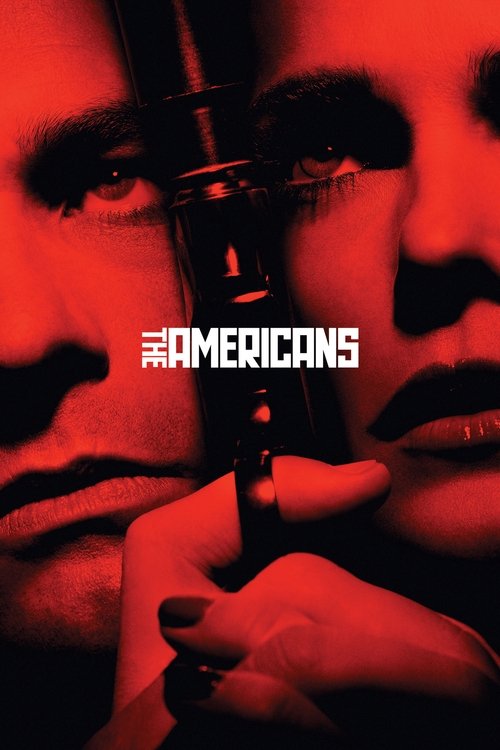
The Americans Did What No Spy Film Could
Six seasons about Soviet sleeper agents living as Americans, raising American children, and slowly breaking under the contradiction. The Americans is the best argument that long-form television is the right medium for espionage fiction: it has the patience to show a cover identity eroding across years, not a two-hour chase. If Splinter Cell made you think about what governments ask of people they never acknowledge, The Americans made you live it.
John le Carre Invented the World Splinter Cell Lives In
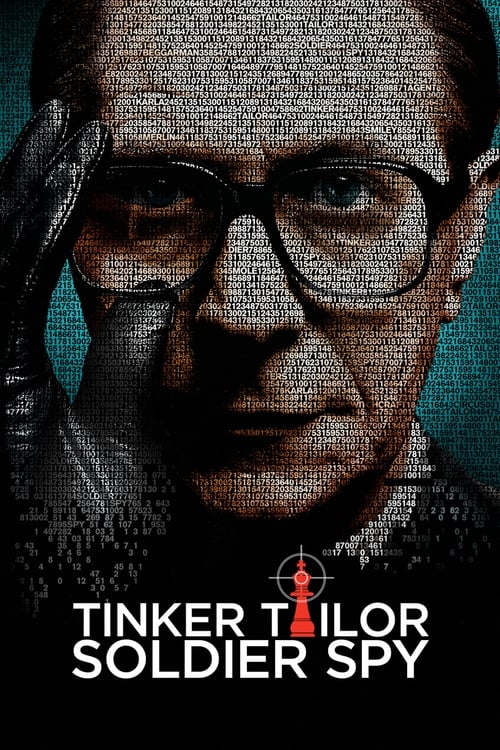
Tom Clancy provided the hardware and the geopolitics. John le Carre provided the soul. The moral ambiguity that makes Splinter Cell interesting -- the question of whether the mission is ever worth the cost -- comes directly from le Carre's post-Cold War disillusionment. Tinker Tailor Soldier Spy and The Spy Who Came in from the Cold are the literary bedrock of every gray-area operative story told since, in any medium.
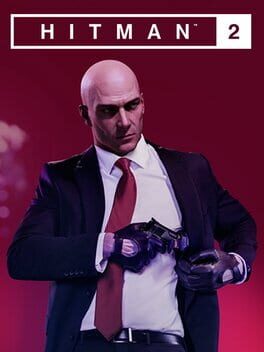
Hitman Proves the Genre Has Room to Breathe
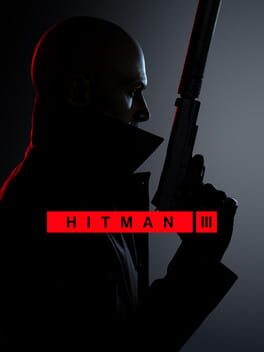
IO Interactive's World of Assassination trilogy arrived after Conviction and Blacklist had tested the limits of action-stealth hybrids, and chose a different path: surgical precision, systemic depth, and a dark comedy of manners. Agent 47 is a different kind of operative from Sam Fisher, but the skill set is identical -- observe, plan, execute, disappear. Hitman 3 is as close to a perfect stealth sandbox as any game has built.
Splinter Cell: A Franchise Timeline
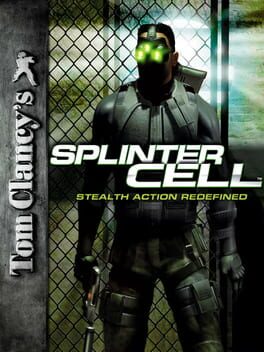
- 2002The original Splinter Cell launches on Xbox, establishing the three-light visibility system and Sam Fisher as an icon Tom Clancy's Splinter Cell
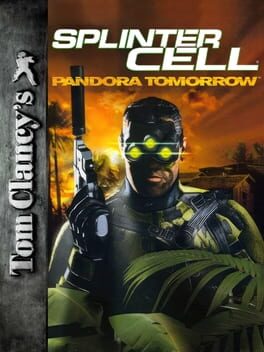
- 2004Pandora Tomorrow adds multiplayer Spies vs. Mercs, one of the most original competitive modes in gaming history Tom Clancy's Splinter Cell: Pandora Tomorrow
- 2005Chaos Theory refines everything -- the knife, the lighting, the co-op, the moral ambiguity -- and becomes the series peak Tom Clancy's Splinter Cell: Chaos Theory
- 2006Double Agent splits Fisher between loyalty and exposure across two timelines and two platforms with different stories Tom Clancy's Splinter Cell: Double Agent
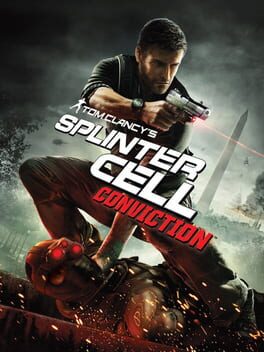
- 2010Conviction shifts toward action, giving Fisher a revenge arc and a more aggressive playstyle Tom Clancy's Splinter Cell: Conviction
- 2013Blacklist brings co-op back and balances action with stealth, polarizing longtime fans and welcoming new ones Tom Clancy's Splinter Cell: Blacklist
- 2024Netflix announces a Splinter Cell animated series, produced by the writers of Castlevania Splinter Cell: Deathwatch
Stealth, Spies, and State Secrets
Spies & Espionage
Explore the Spies & Espionage guide →Stealth is not hiding. Stealth is knowing everything about a room and choosing -- precisely -- which moment to enter it.The Splinter Cell design philosophy, Ubisoft Montreal