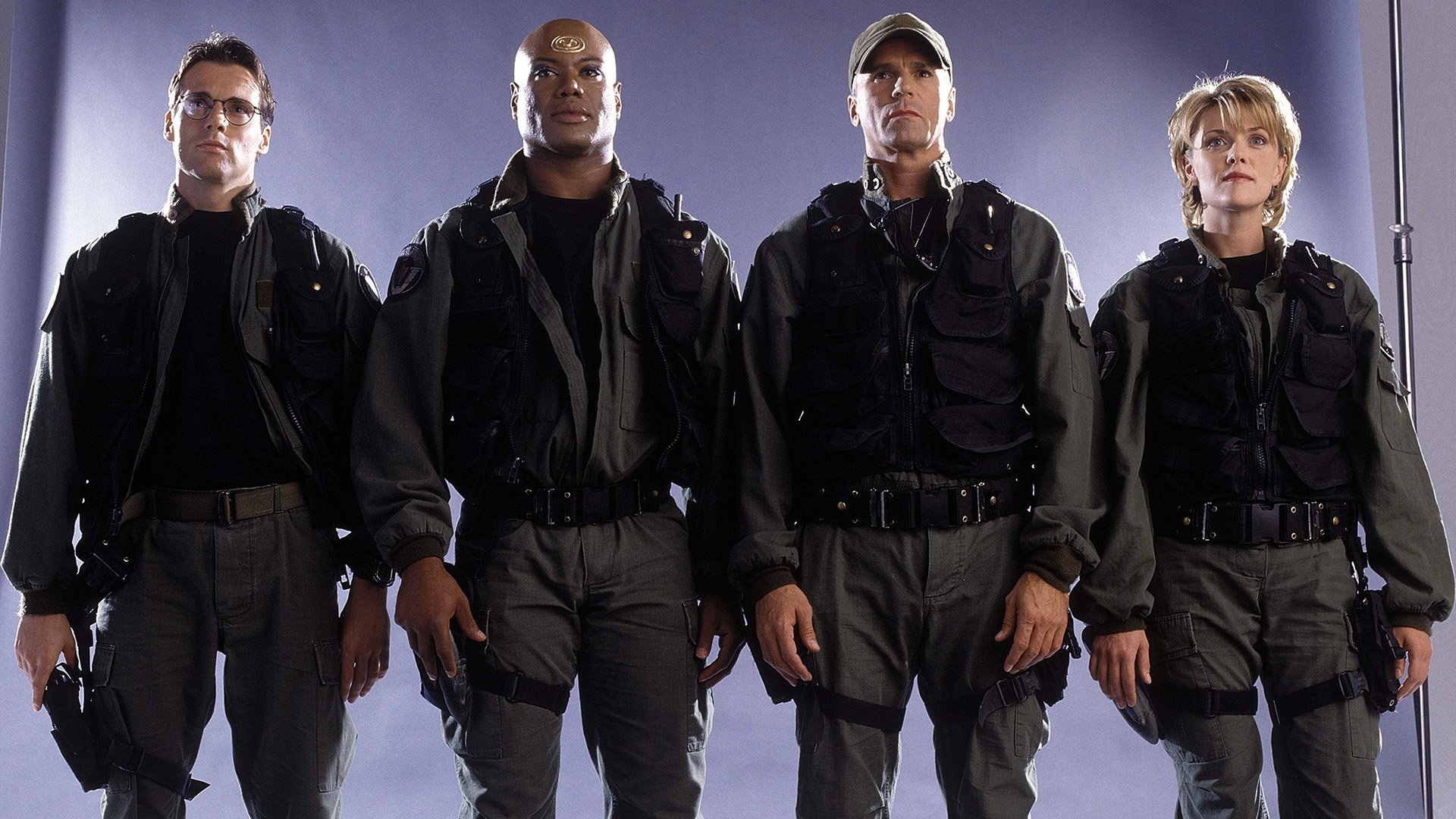

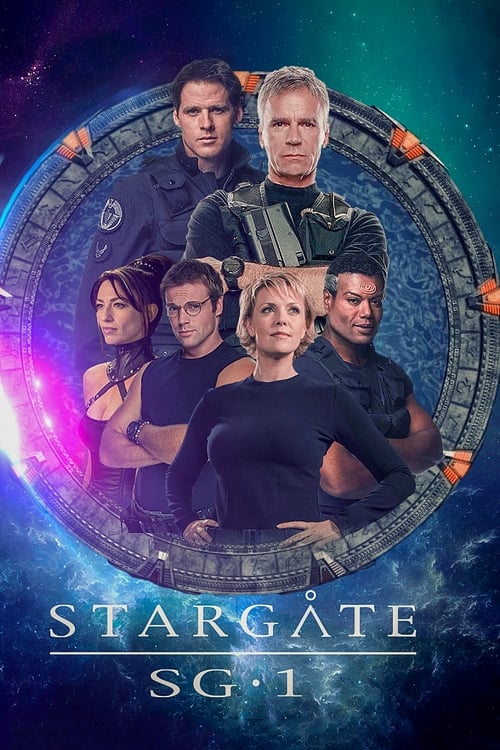
Stargate SG-1 began as a spin-off of the 1994 film and ran from 1997 to 2007, becoming one of the longest-running sci-fi series in North American television history. The show follows SG-1, a top-secret Air Force team that travels through a network of ancient gates to explore (and repeatedly save) the galaxy. What sustained it across a decade was not spectacle alone: it was the interplay between Richard Dean Anderson's wry, pop-culture-quoting Colonel Jack O'Neill, Michael Shanks's passionate archaeologist Daniel Jackson, Amanda Tapping's no-nonsense astrophysicist Samantha Carter, and Christopher Judge's stoic, dignity-reclaiming Jaffa warrior Teal'c. The show's great trick was treating its mythology seriously while letting the team crack jokes about it. Fans who love it are chasing that blend: large-scale lore, genuine friendship, and the sense that the universe is both terrifying and worth exploring.
Essential Stargate SG-1
The show itself, plus its direct extensions
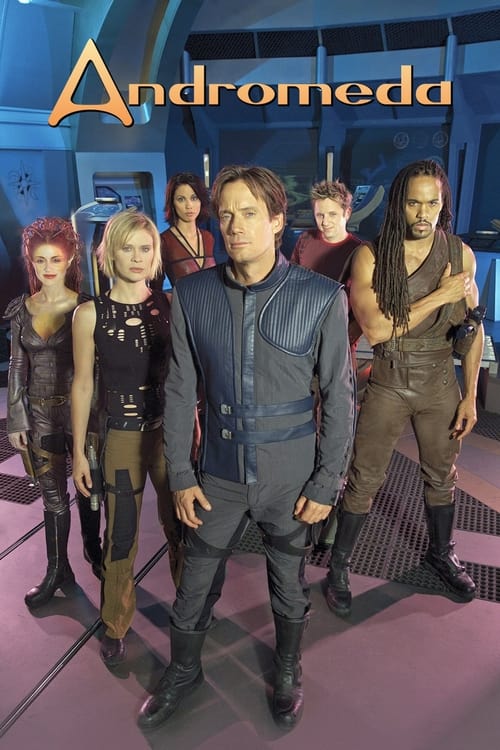
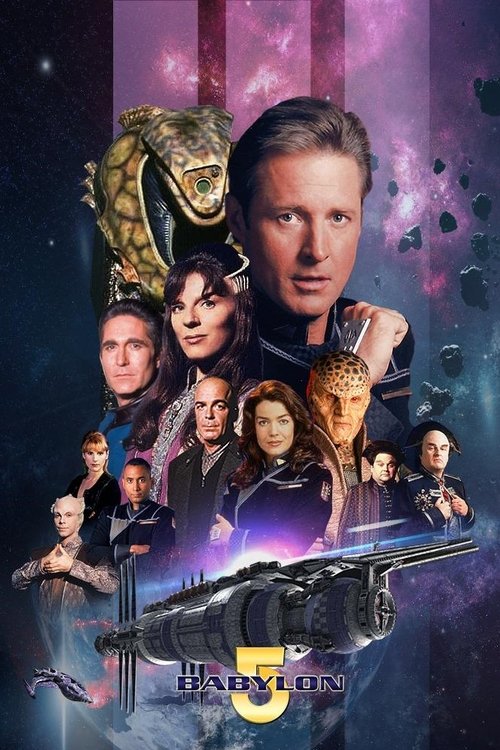
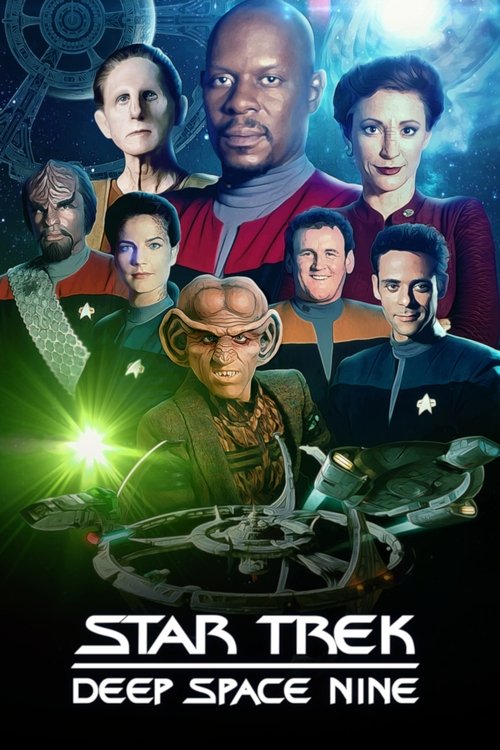
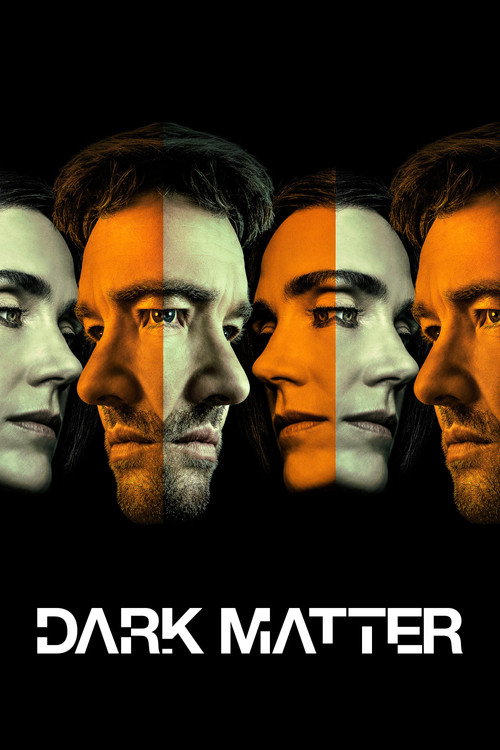
Same DNA: Team-Based Sci-Fi Series
Shows with a tight ensemble exploring the unknown, week after week

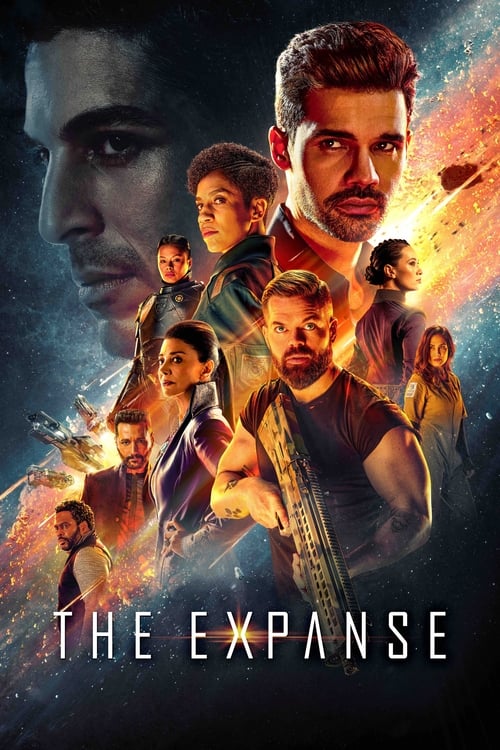
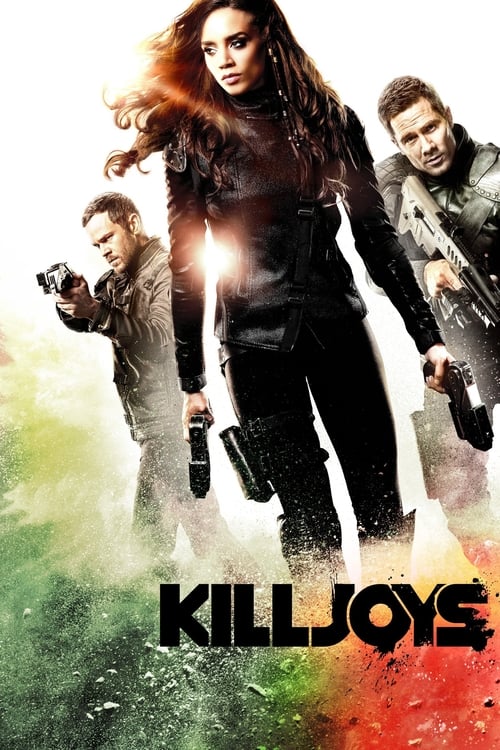
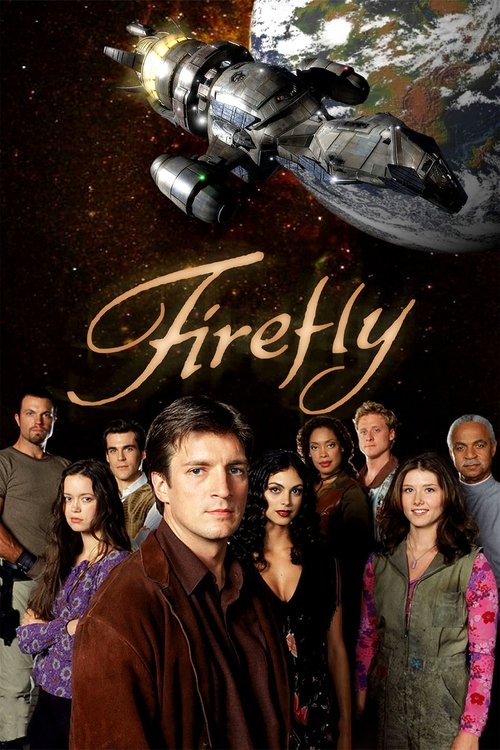
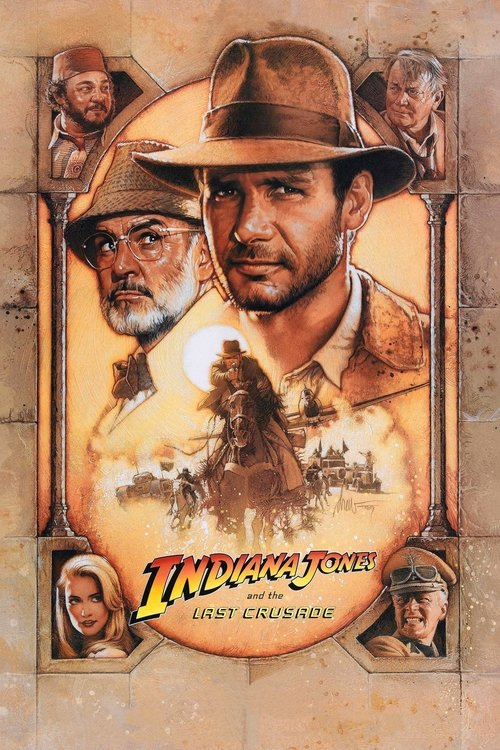
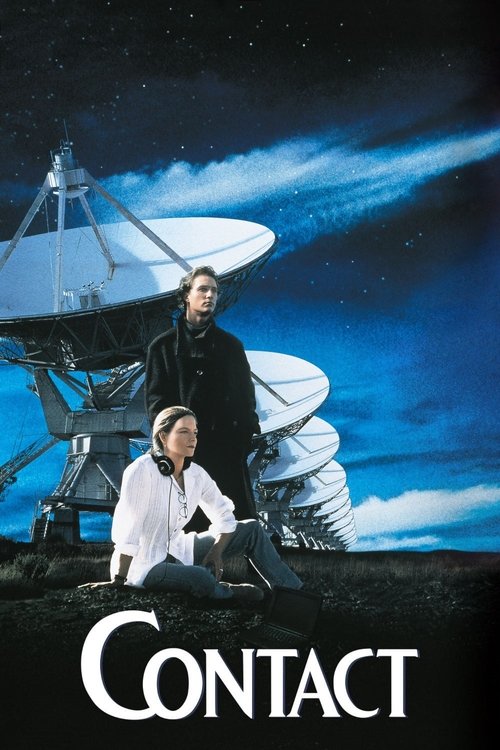
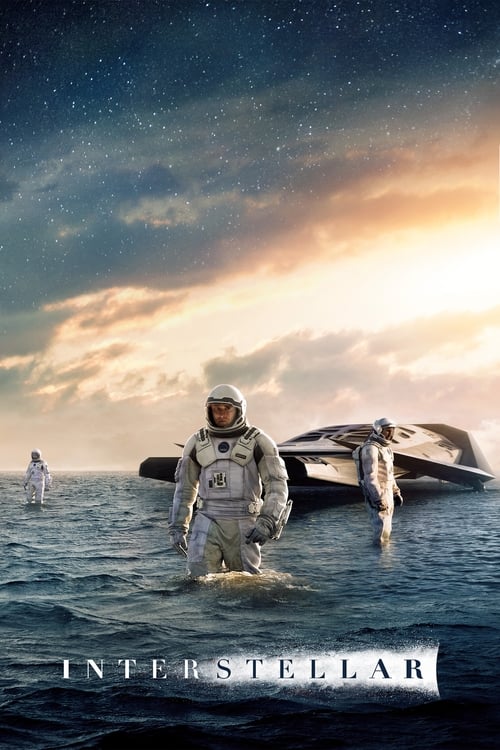
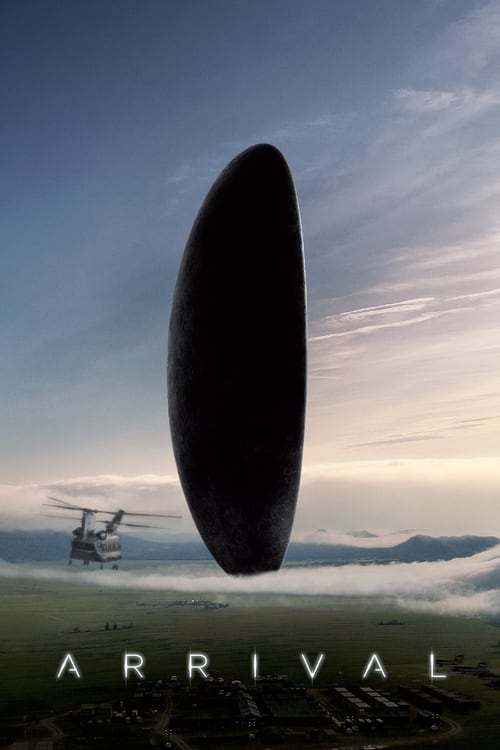
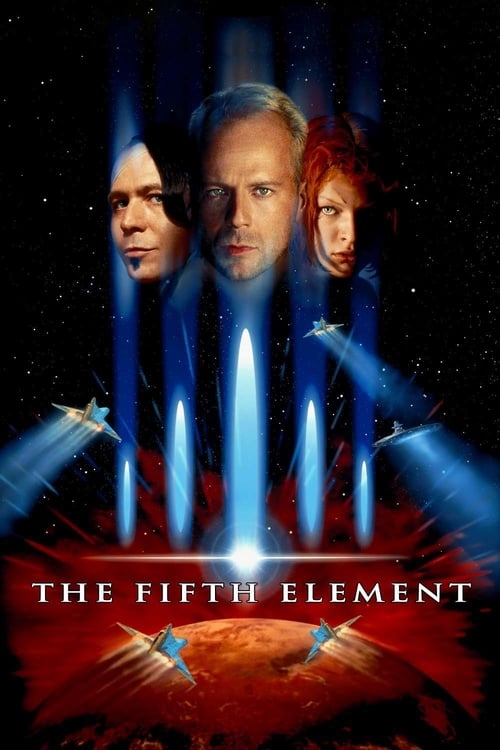
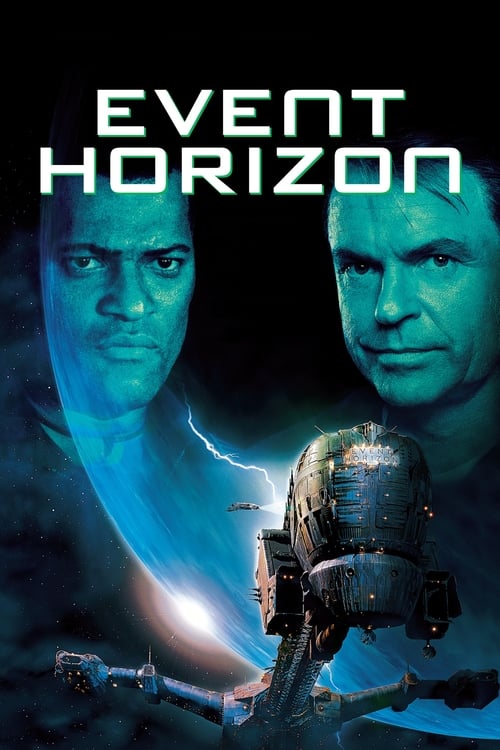
Portal Fantasy and Ancient Mysteries: Films
Movies that share the gate's logic: a door opens, history is never what you thought
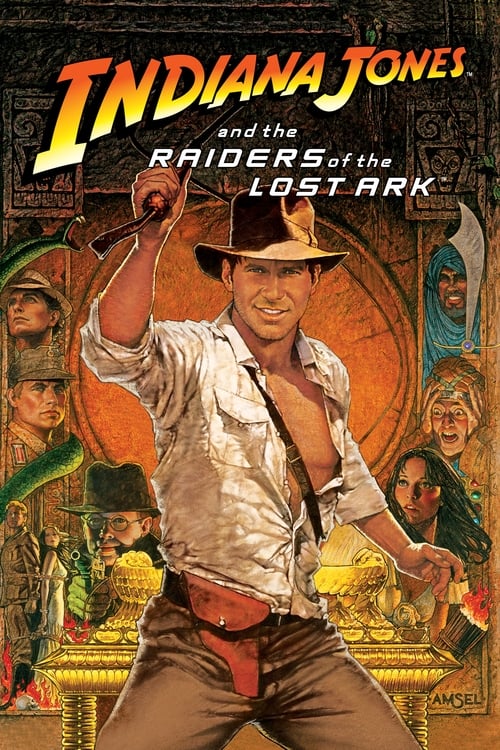
Military Sci-Fi and Ancient Gods in Print
Books that run the same current: soldiers in space, alien pantheons, deep mythology


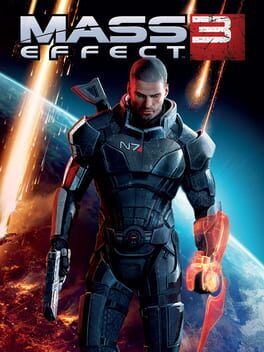
Gate-Hopping in Games
Games with the same spirit: wormhole travel, alien tech, squad tactics, and ancient secrets
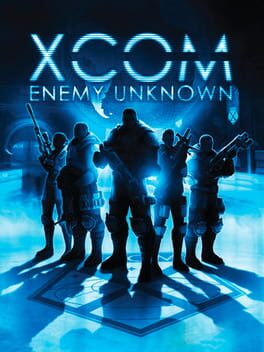
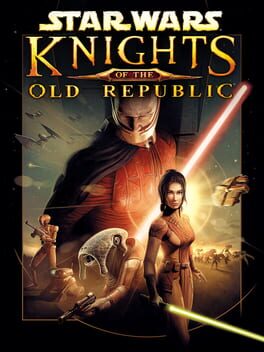
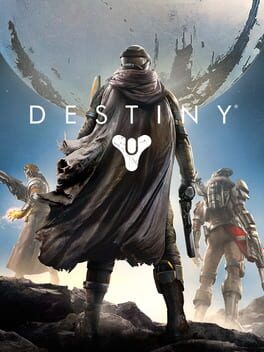
The Show That Proved Mythology and Comedy Can Coexist
Most long-running sci-fi series collapse under the weight of their own lore. Stargate SG-1 avoided that by letting Jack O'Neill puncture the pomposity whenever the mythology threatened to take over. The Goa'uld were genuinely menacing, but the team never stopped ribbing each other in the gate room. That tonal balance is rarer than it looks, and it's the thing fans miss most when they move on to grimmer space operas.
Why Mass Effect Felt Like Coming Home for SG-1 Fans
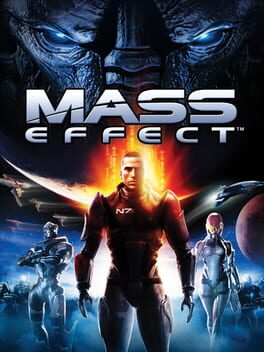
When Mass Effect launched in 2007, SG-1 fans recognized the furniture immediately: a network of ancient relays enabling instantaneous travel, a shadowy alien threat manipulating lesser civilizations, and a small team carrying the weight of the galaxy. BioWare had clearly absorbed the same sources that inspired the show. Playing Mass Effect after the series finale felt less like changing mediums and more like continuing the conversation.
Daniel Jackson and the Case for the Civilian on the Team
Most military sci-fi sidelines its intellectual characters. SG-1 did the opposite: Daniel Jackson, the archaeologist, drove the mythology forward at least as often as any soldier. His ability to read ancient cultures, his moral stubbornness, and his occasional deaths and resurrections gave the show a humanist spine that pure action-adventure series often lack. The best Stargate episodes are essentially Daniel episodes.
Stargate: A Franchise Timeline
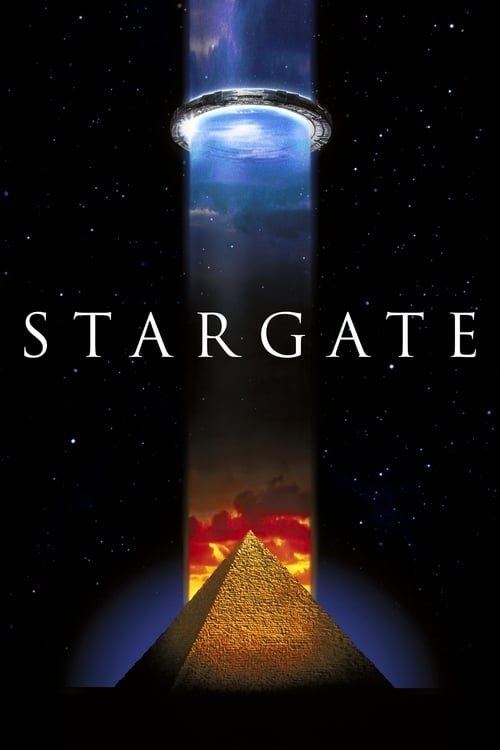
- 1994The film that started it all Stargate
- 1997SG-1 launches on Showtime Stargate SG-1
- 2002MGM moves SG-1 to Sci-Fi Channel; the run continues
- 2004First spin-off premieres alongside SG-1's eighth season Stargate Atlantis
- 2007SG-1 ends after ten seasons; two direct-to-DVD films follow
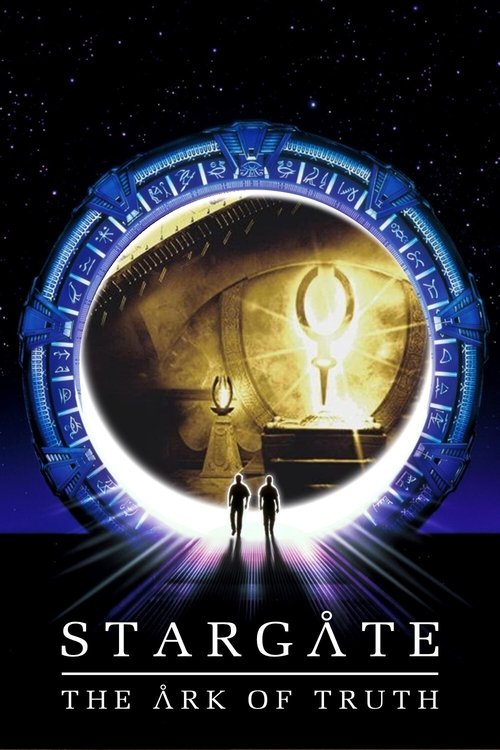
- 2008Theatrical wrap-ups released Stargate: The Ark of Truth
- 2009Grittier reimagining of the franchise concept Stargate Universe
- 2011Stargate Universe cancelled; franchise goes dormant
Wormholes, gods, and deep space
For Fans of Farscape
Explore the For Fans of Farscape guide →Ten seasons because the wormhole was always the least interesting thing in the room. The team was.CrossBinge