
The Architect of Controlled Cool
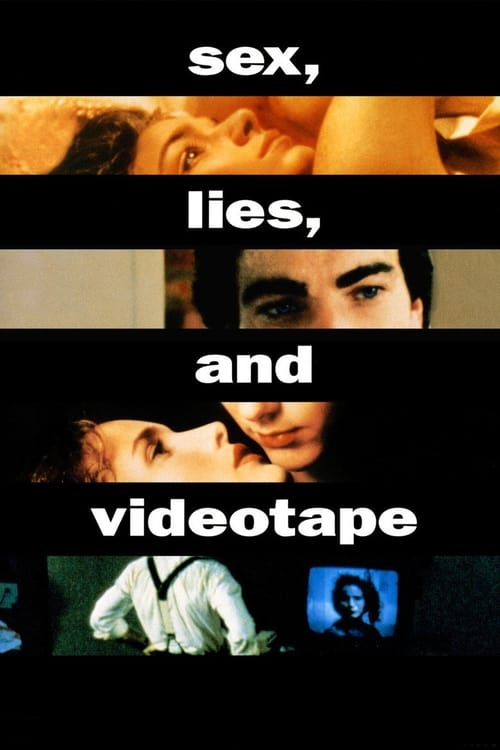
Steven Soderbergh makes movies the way a great chef plates food: everything is exactly where it should be, the flavors are sharper than you expected, and the whole thing vanishes before you realize how much you wanted it. Since sex, lies, and videotape announced him at Sundance in 1989, he has built one of the most restlessly varied careers in American cinema, moving between intimate chamber dramas and slick heist machines, social-problem films and body-horror experiments, all with the same flat, curious gaze. He shoots many of his own films under the pseudonym Peter Andrews and edits them himself. The result is a body of work with an unusually unified sensibility despite its wild surface range.
What ties it together is the texture: a cool intelligence that refuses sentimentality without tipping into cynicism, a fascination with systems (legal, criminal, corporate, biological), and an almost anthropological interest in how people behave when money or power is on the table. His characters are rarely innocent and rarely purely corrupt. They are competent adults navigating complicated situations, and Soderbergh respects that competence enough to let the camera just watch them work. That procedural pleasure, the satisfaction of watching skilled people do difficult things under pressure, is the deepest through-line in his filmography. If it gives you something to think about on the drive home, so much the better.
Essential Steven Soderbergh
The films that define his range, from debut to late masterwork

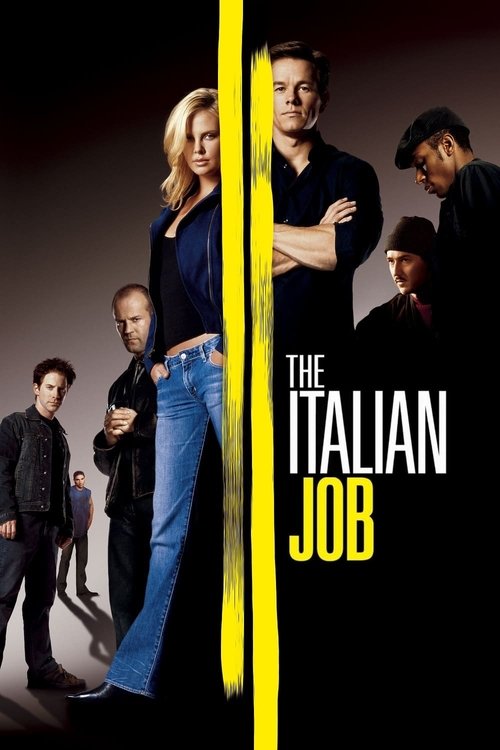
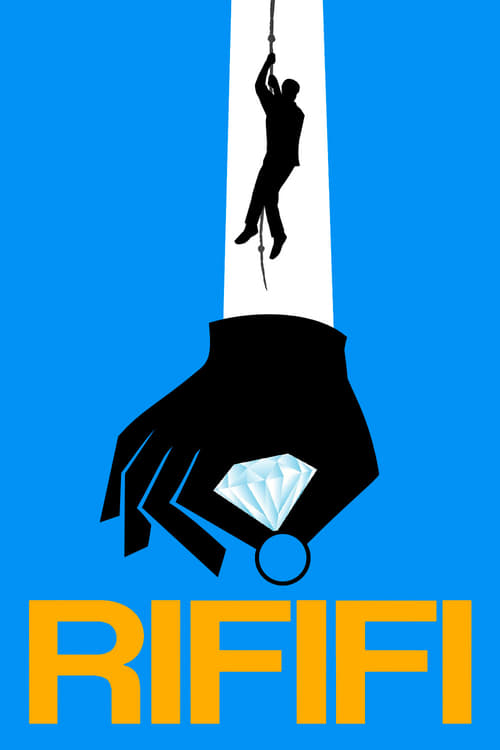
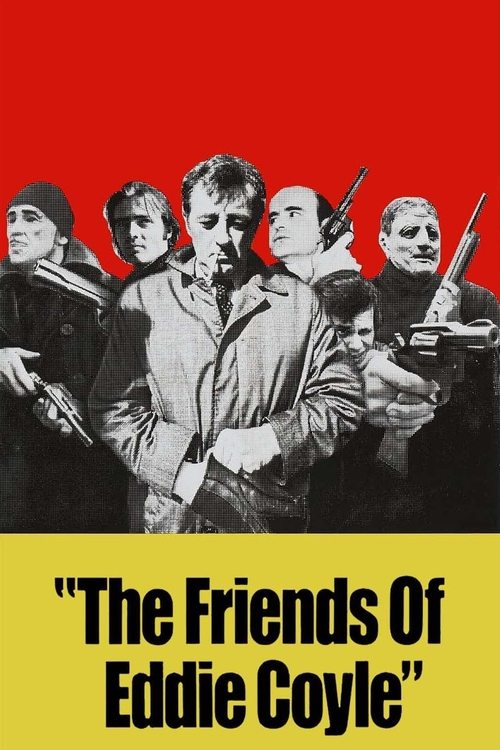
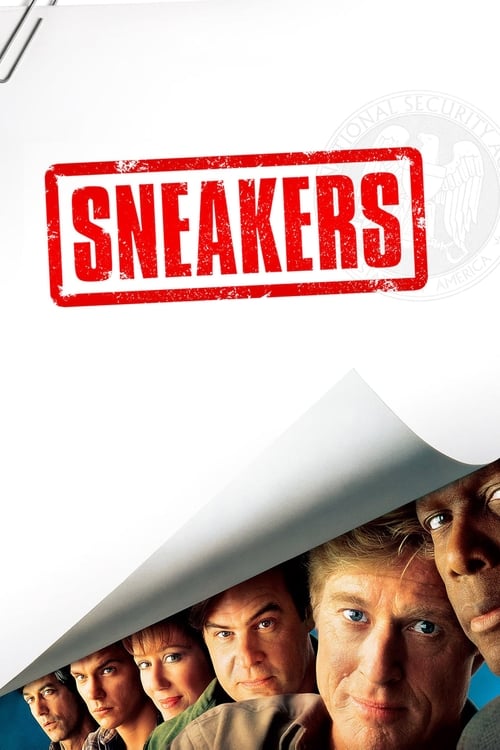
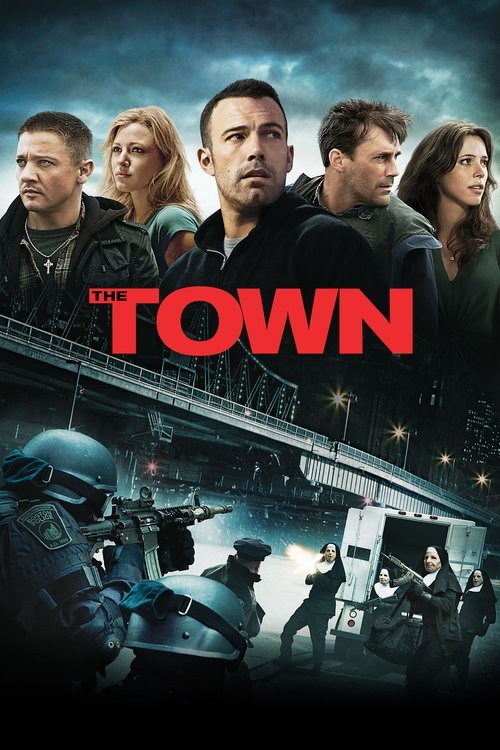
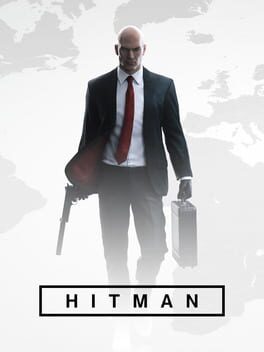
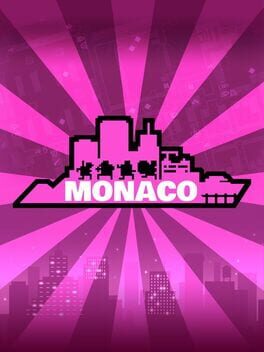
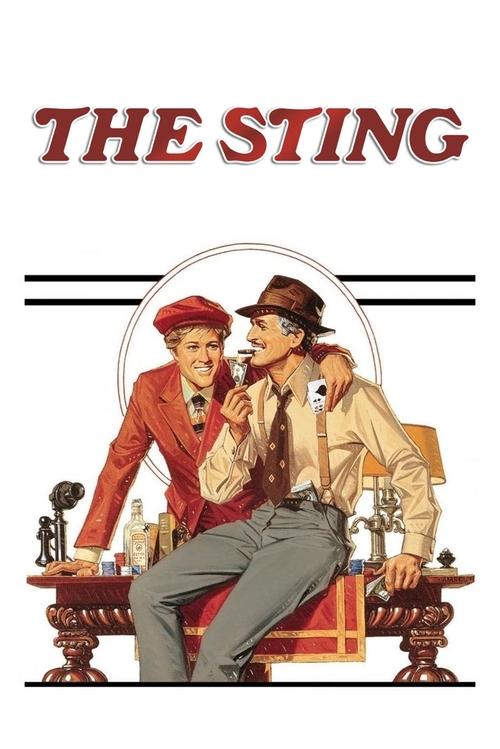
The Heist Is the System
Films and games about meticulous people taking apart institutions from the inside

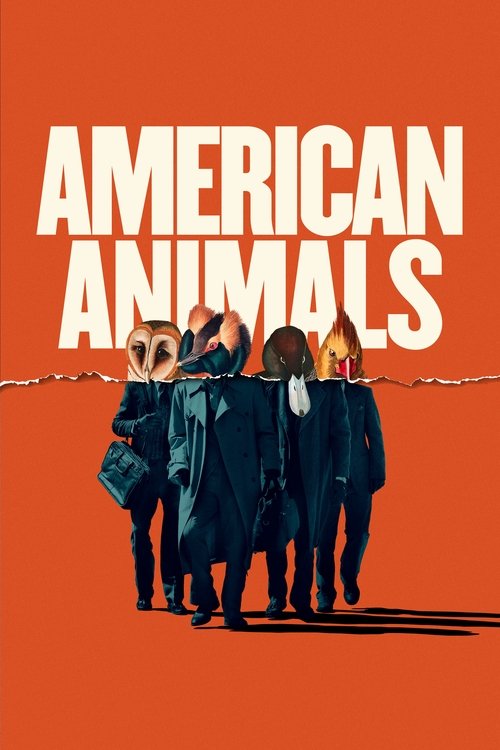
Systems Under Pressure
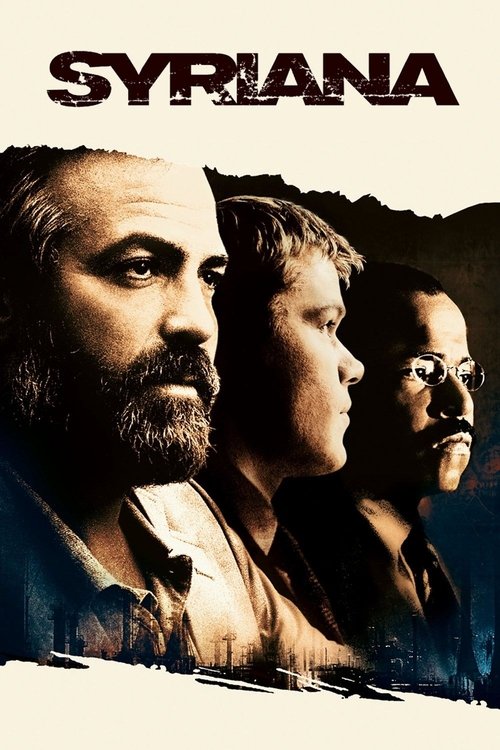
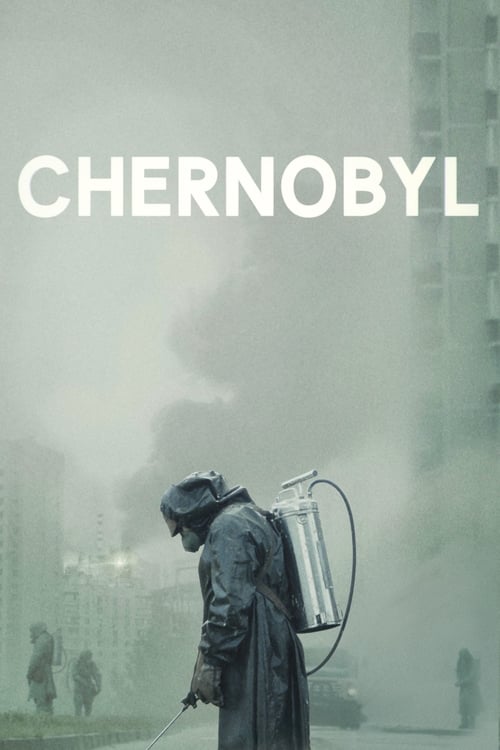
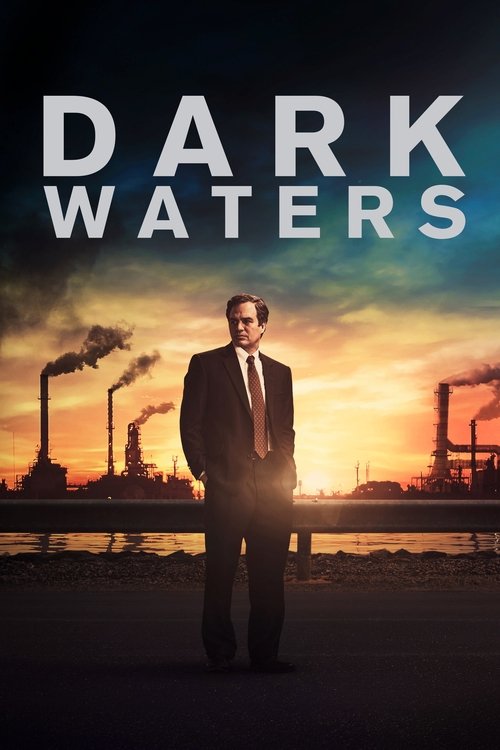
Stories that follow the whole chain, not just the hero, from drug policy to pandemics to Wall Street
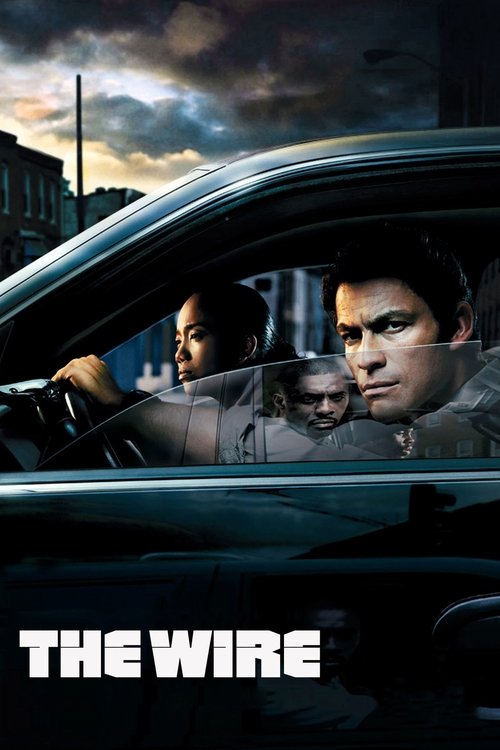

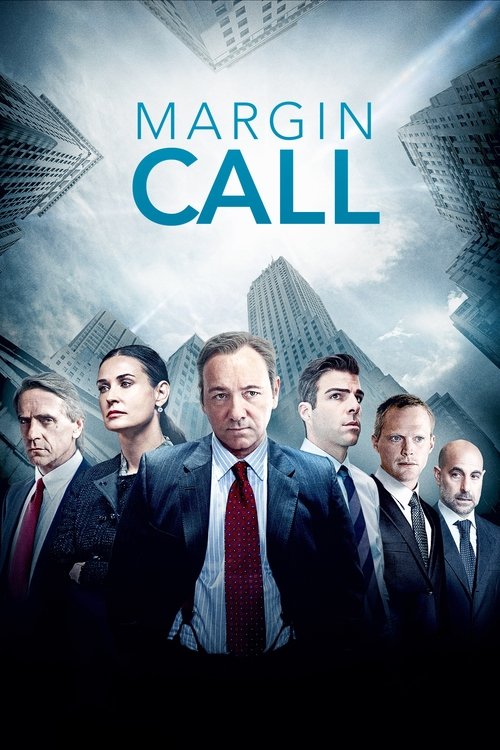
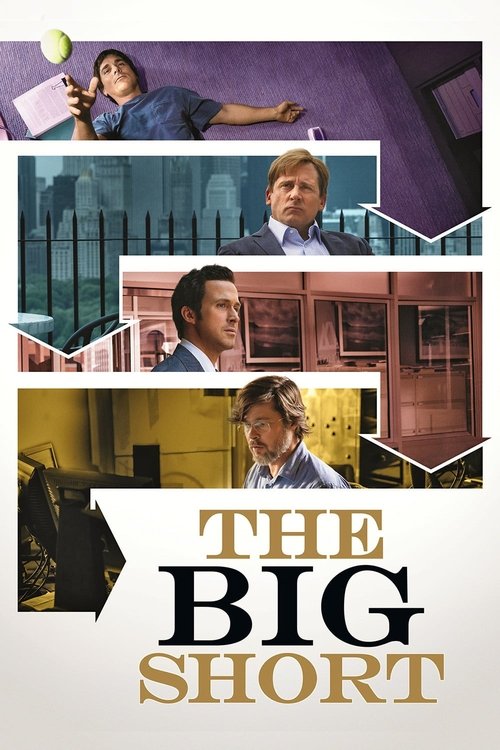

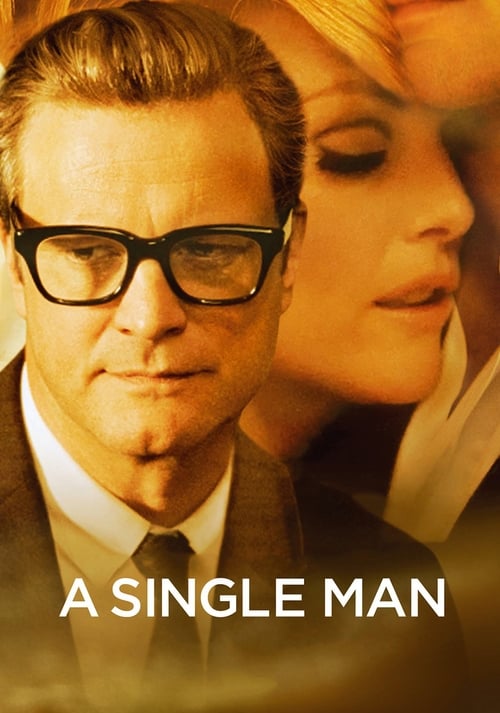
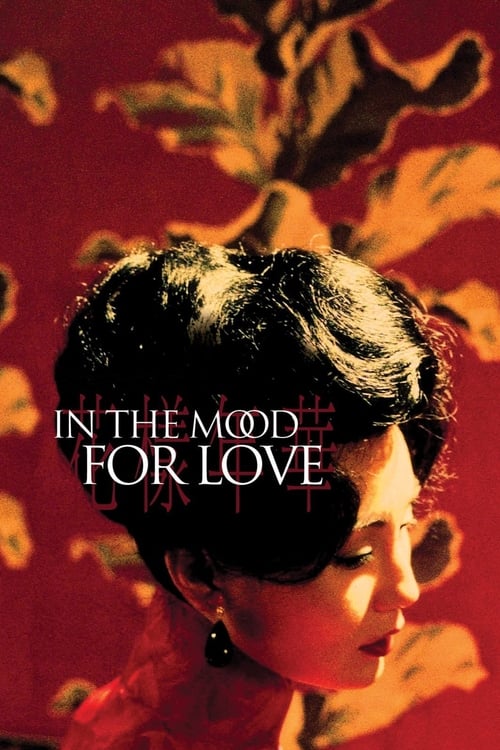
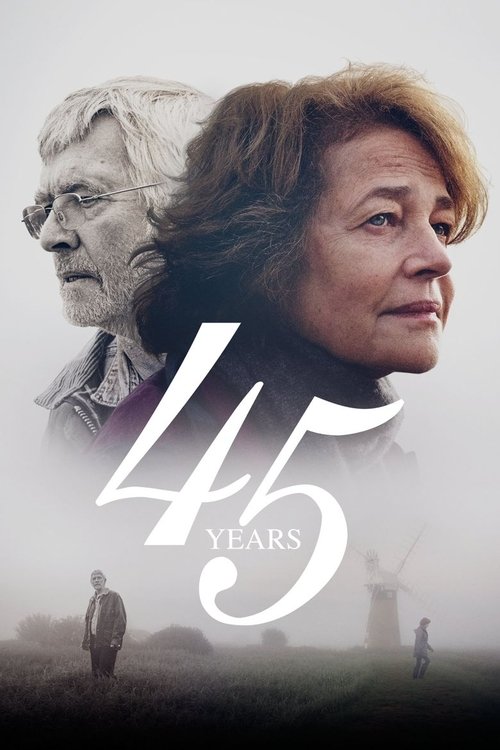
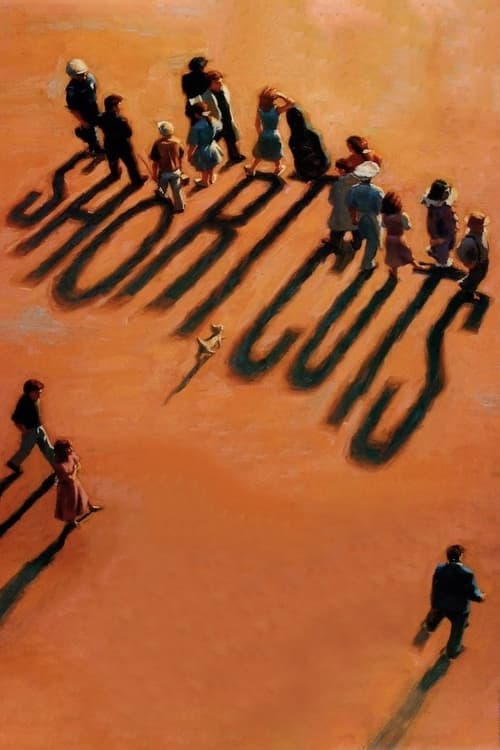
Cool Form, Real Feeling
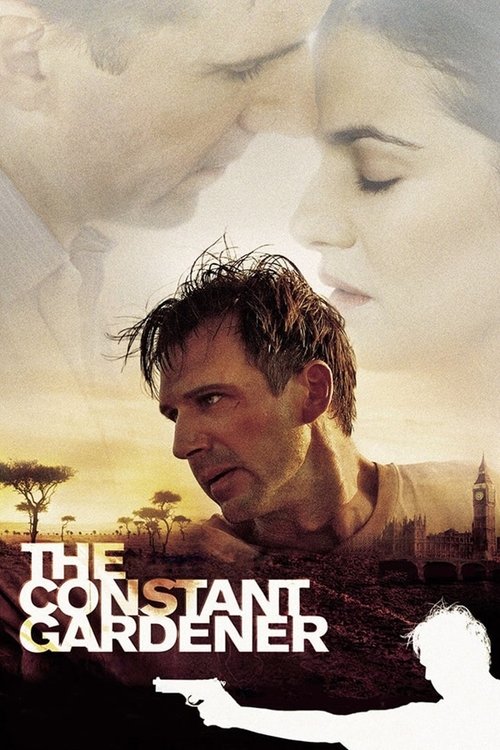
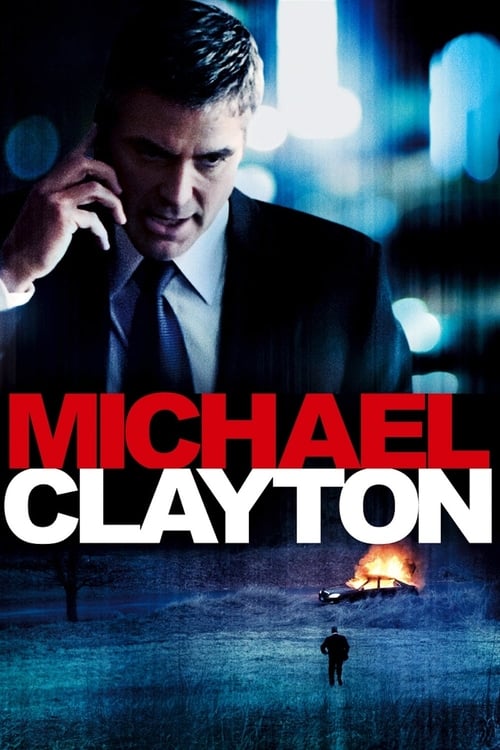
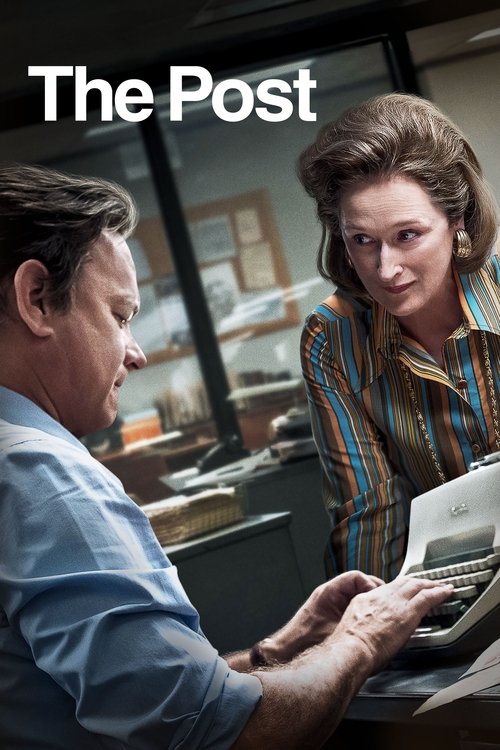
Works that keep their emotions at arm's length until the moment they don't


Body, Labor, Control
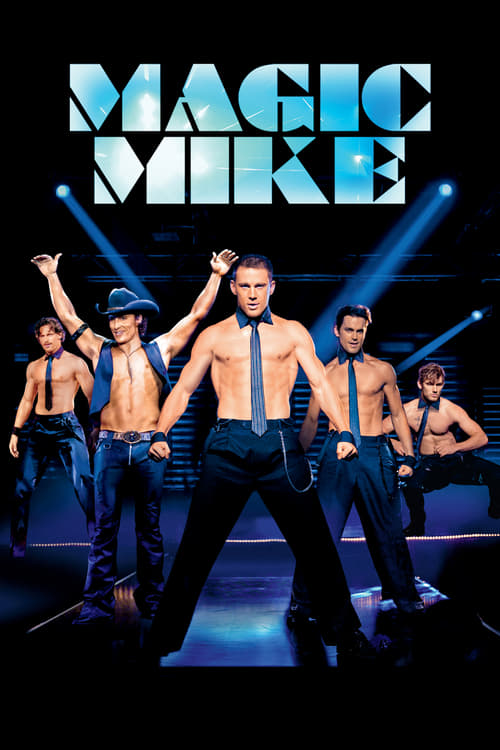
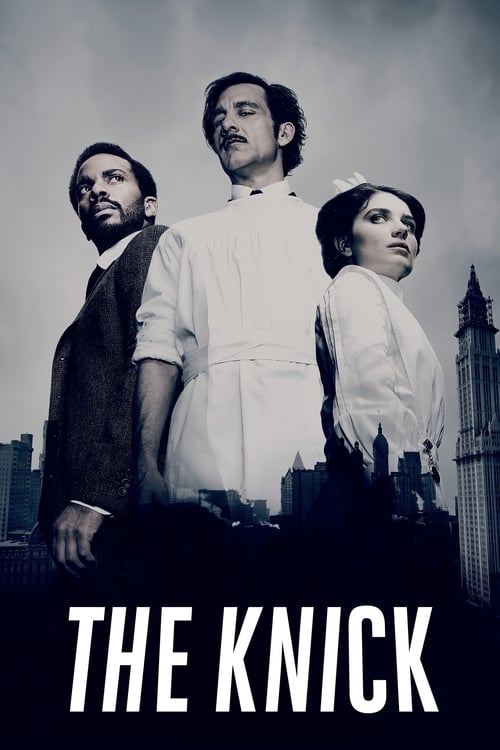
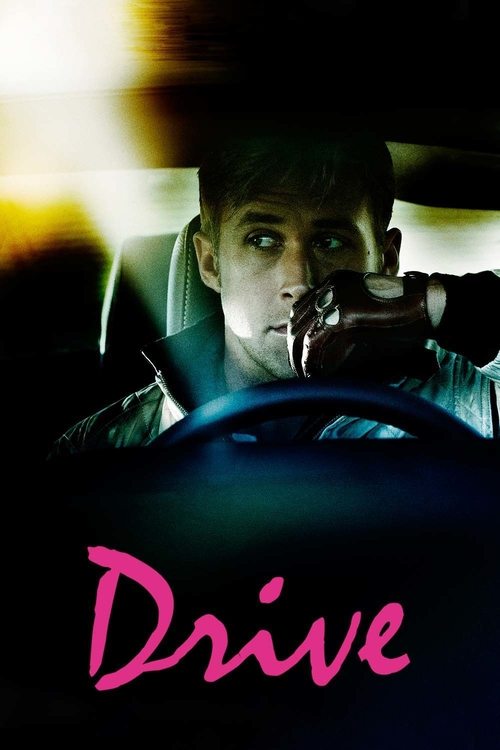
From Magic Mike's economics of physical performance to The Knick's surgery-as-spectacle, stories about bodies as instruments


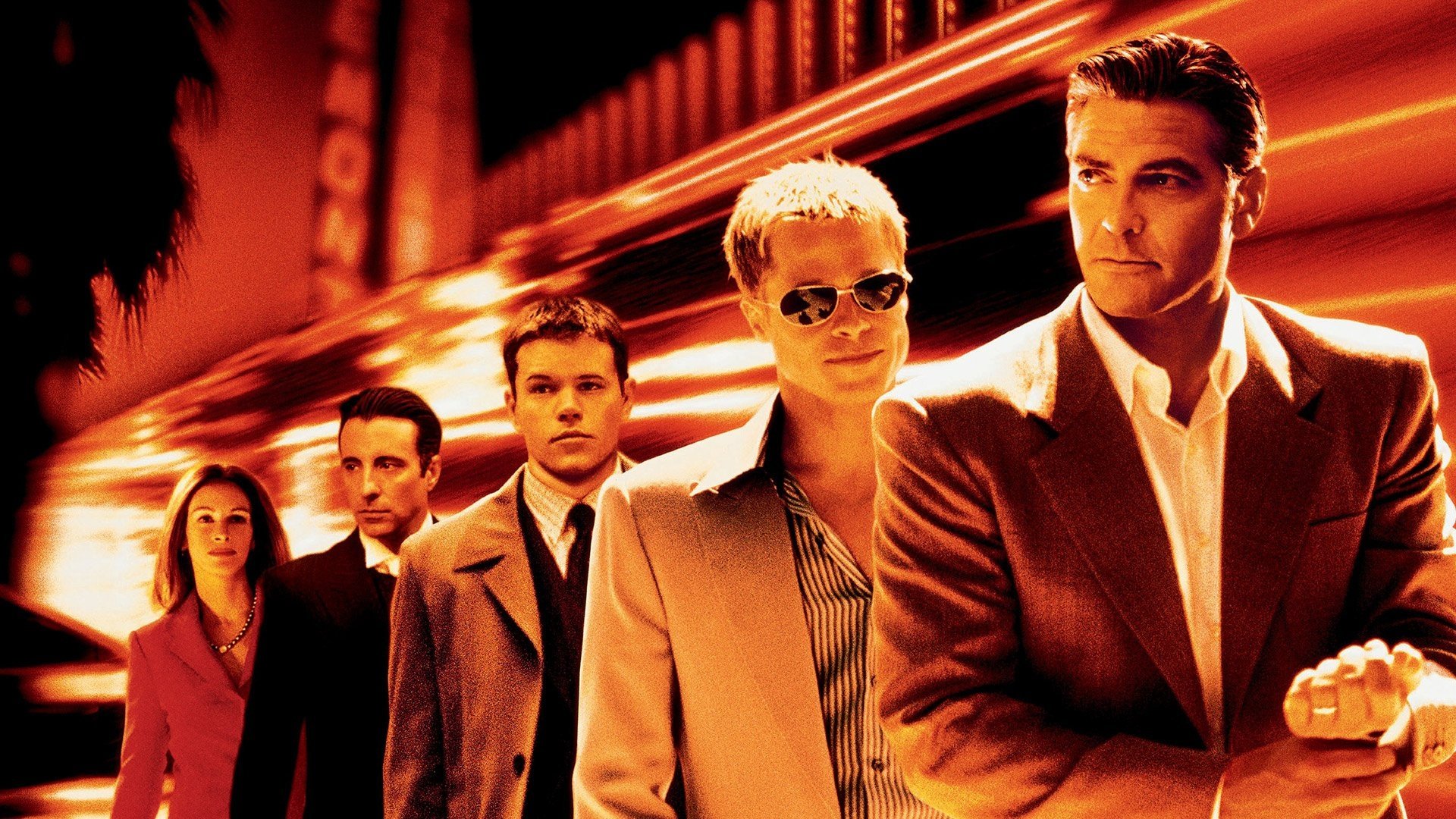
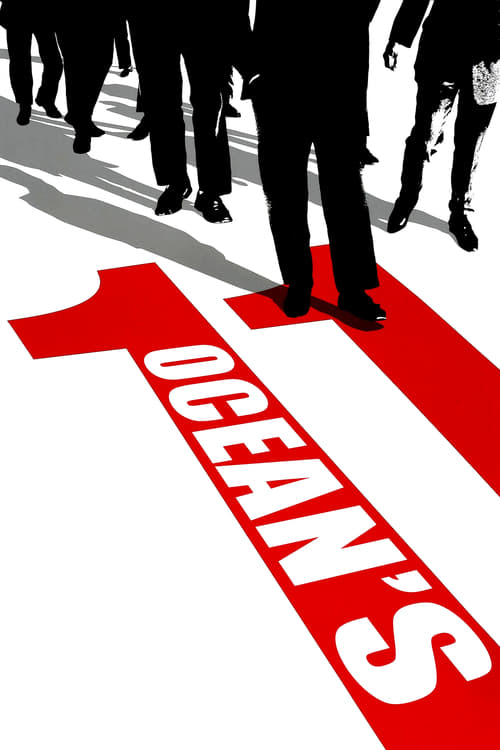
The perfect entry point is not Ocean's Eleven
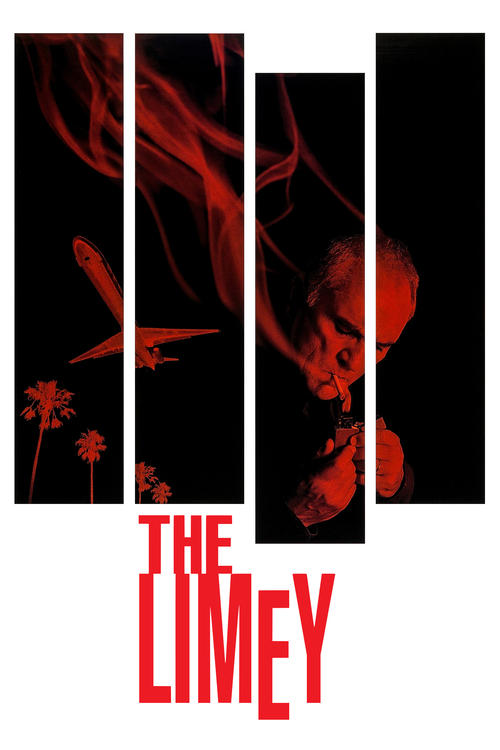
Everyone starts with Ocean's Eleven and it is a wonderful movie, but it is also Soderbergh at his most deliberately commercial. The real entry point is The Limey (1999): a grief-soaked revenge thriller cut like a memory, with Terence Stamp as a man who has crossed an ocean to find out who killed his daughter. It runs 89 minutes, costs nothing to watch, and contains more formal invention per scene than most directors manage in a career. Come out of that and every other Soderbergh film looks richer.
Contagion is the most underrated film of his career
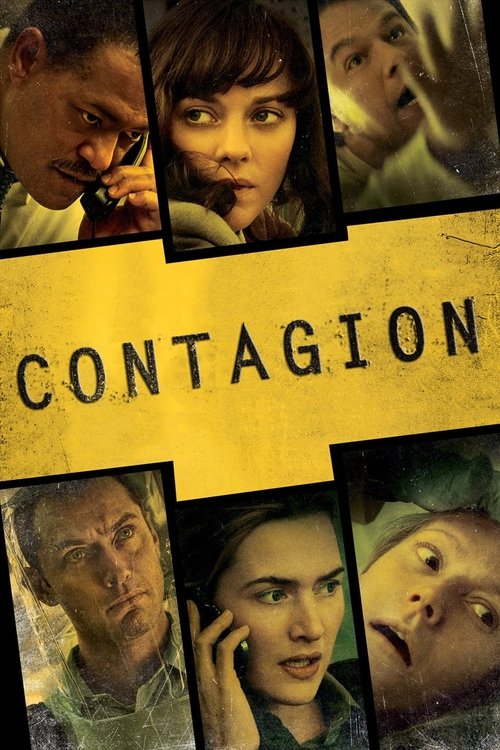
Contagion (2011) was treated on release as a competent thriller about a scary subject. It is actually a rigorous, almost novelistic ensemble piece about how institutions behave under catastrophic stress, and the epidemiology is correct. It came out before the decade that would make every one of its arguments obvious. Revisit it now and the procedural rhythms feel less like genre craft and more like documentary. The scene where Lawrence Fishburne's CDC director makes one phone call to protect his family is the most economical moral portrait in Soderbergh's work.
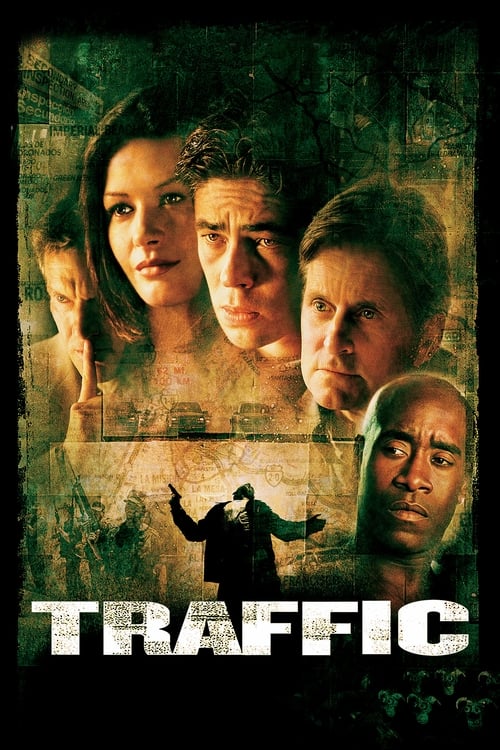
The Knick is the spiritual successor to Traffic
Traffic (2000) gave us a drug-war system from multiple angles simultaneously. The Knick does the same thing for a 1900 New York hospital: addiction, race, class, institutional power, and the terrifying cost of progress are all running at once. Clive Owen's Dr. Thackery is Traffic's Michael Douglas character crossed with a cocaine addict, and the show rewards everything you know about how Soderbergh manages information. It is the best argument that prestige television is the right format for his ambitions.
Unsane proves the iPhone-shot gimmick was never the point
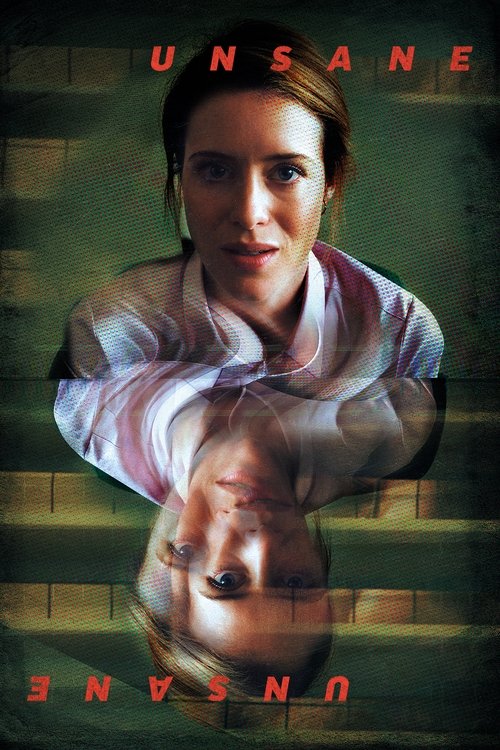
Unsane (2018) was marketed as a stunt: shot entirely on an iPhone 7 Plus. But the distorted wide-angle lenses and vertiginous framing are doing real work: they externalize a character's collapsing certainty about what is real. Soderbergh has always been interested in new distribution and new formats (he released Bubble simultaneously in theaters and on cable in 2005, years before streaming made that normal). The formal choices always serve the material. Unsane is a B-horror movie that actually frightens.
Soderbergh at a Glance
- 1989Palme d'Or at Cannes for sex, lies, and videotape, age 26 sex, lies, and videotape
- 1999The Limey and Out of Sight establish his mature style
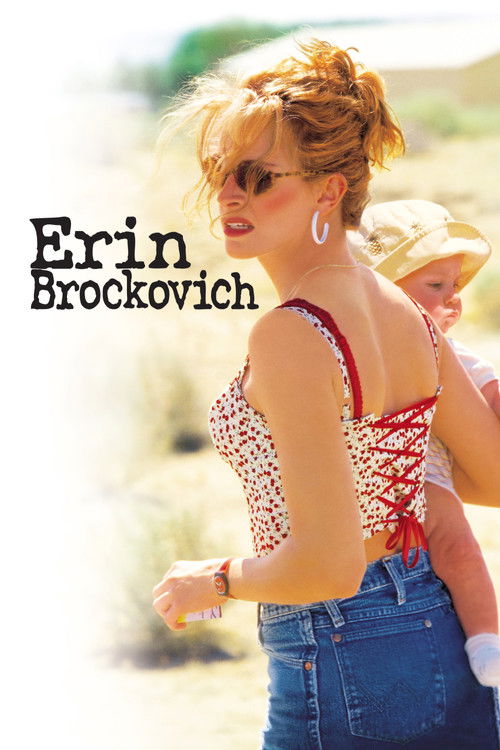
- 2000Traffic and Erin Brockovich, both Oscar-nominated for Best Director the same year Traffic
- 2001Ocean's Eleven relaunches the Hollywood heist film Ocean's Eleven
- 2011Contagion arrives; the world catches up a decade later Contagion
- 2014The Knick on Cinemax: directs all 20 episodes of the series The Knick
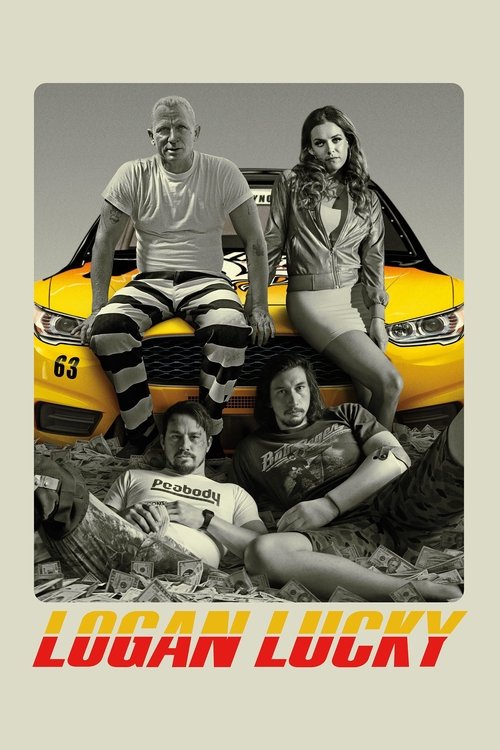
- 2017Announces retirement, unretires, releases Logan Lucky Logan Lucky
- 2018Unsane shot entirely on iPhone Unsane
- 2022Kimi: pandemic paranoia thriller, shot during lockdown Kimi
Slick heists and cool capers
Heists
Explore the Heists guide →He is not interested in heroes. He is interested in people who are very good at something and what that costs them and everyone around them.CrossBinge editors