
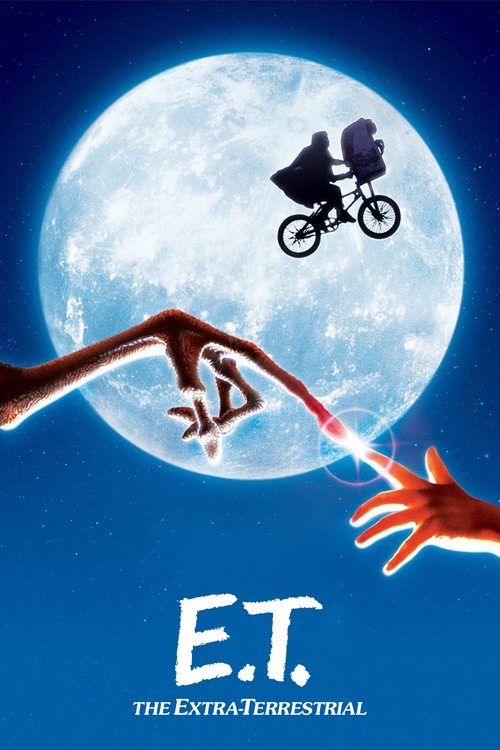
There is a reason John Williams is the most performed living composer in the world. For more than five decades he has supplied the emotional spine of cinema's grandest moments: the shark approaching from below, a boy lifting off on a bicycle against a full moon, a whip cracking in a Cairo market. His gift is not merely melody (though his melodic instinct is peerless) but an understanding of what an audience needs to feel before they know they feel it. Williams works in the tradition of the great late Romantics, drawing on Korngold, Herrmann, and Prokofiev, then fusing that palette with jazz-trained harmonic daring and a film editor's sense of timing. The result is music that sounds inevitable the first time you hear it, and essential every time after.
The Films He Scored
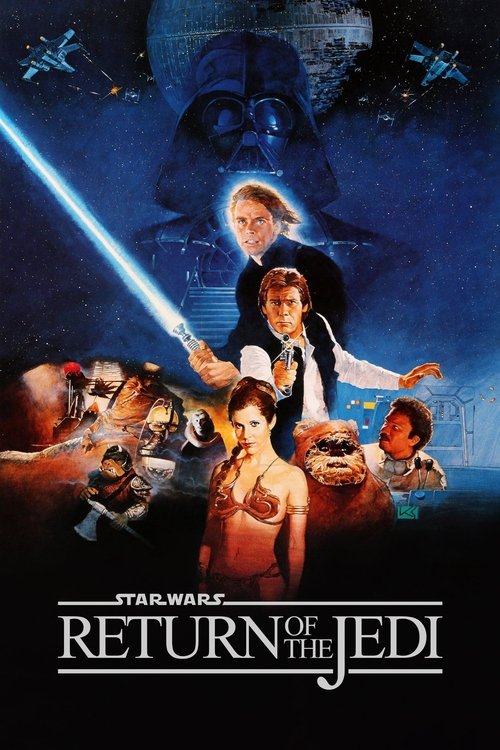
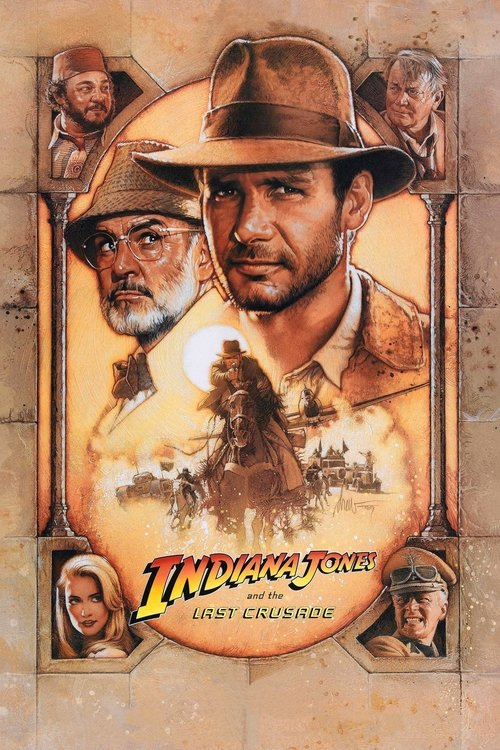
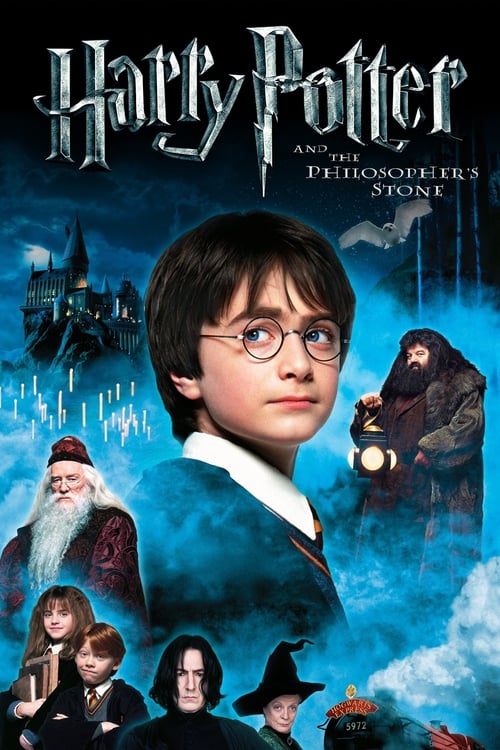
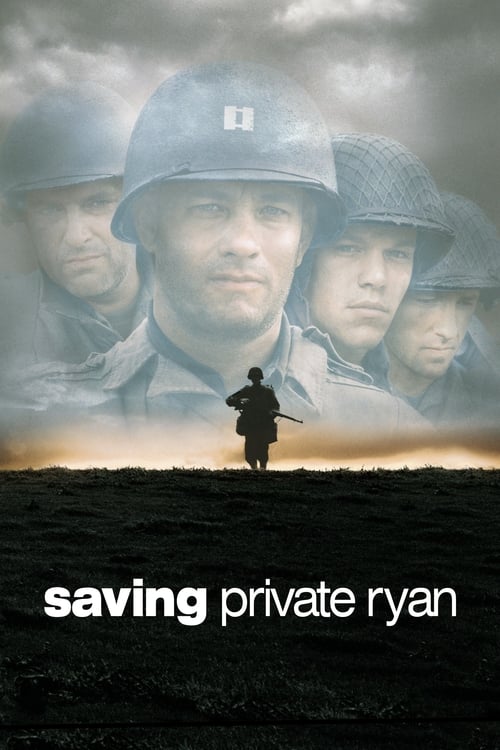
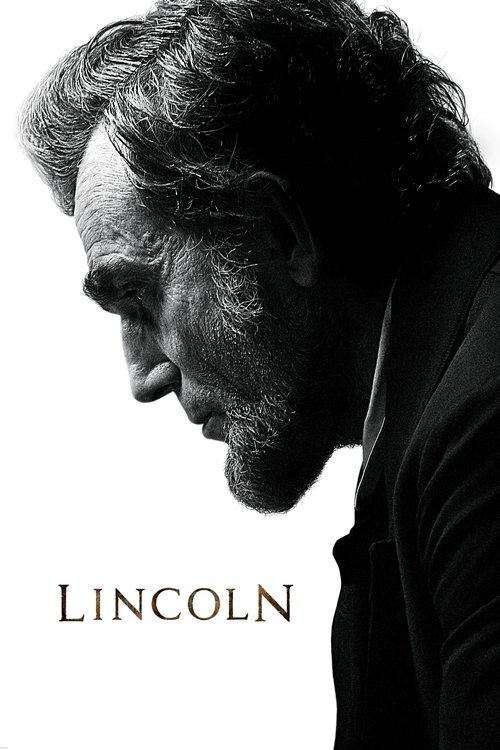
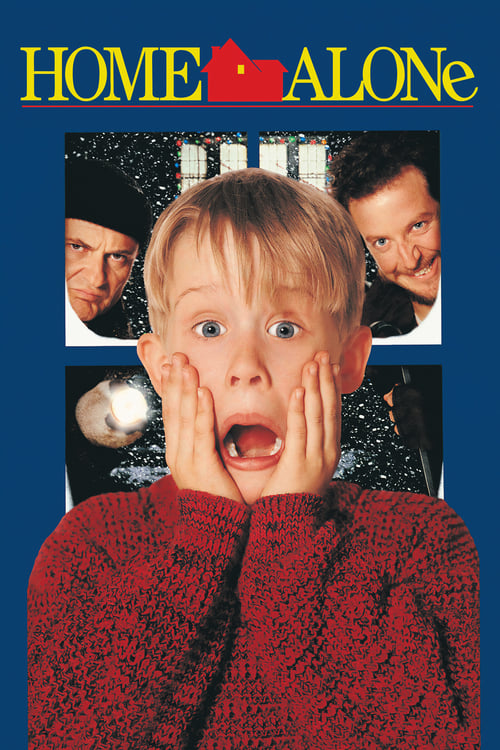
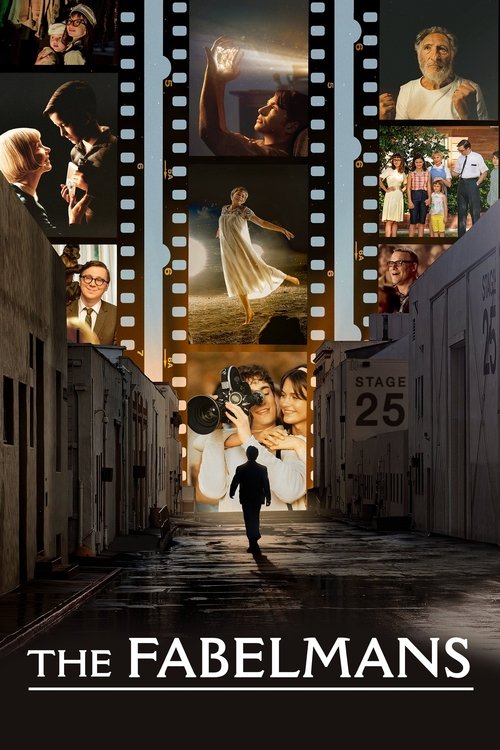
From blockbusters to intimate dramas, the canon of Spielberg and beyond


TV That Williams Touched
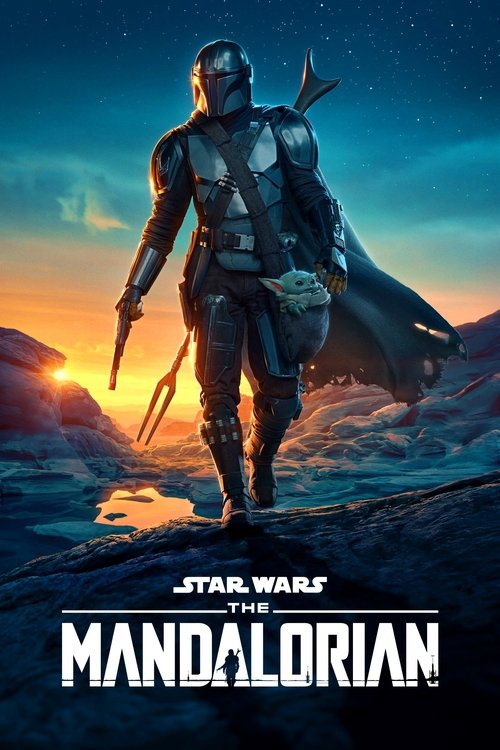
Series he scored and anthology television that carries his orchestral spirit
Schindler's List Is His Most Devastating Hour
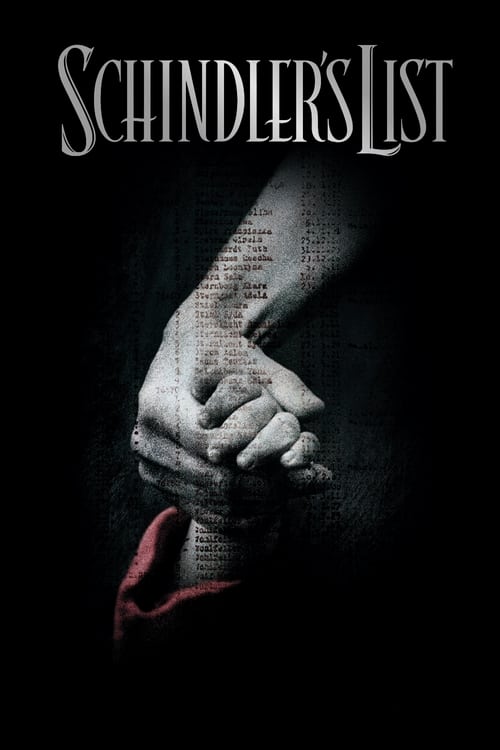
Among Williams's five Academy Awards, the score for Schindler's List stands apart. The solo violin (played by Itzhak Perlman) does what an entire orchestra cannot: it sounds like a single human voice, fragile and irreducible. Williams has said he wept when Spielberg first described what he needed, and the music sounds like it was written from that grief. The melodic material is simple enough to be hummed but emotionally complex enough to devastate in context. It is the score that proves Williams is not merely a craftsman of adventure but one of the art form's essential voices.
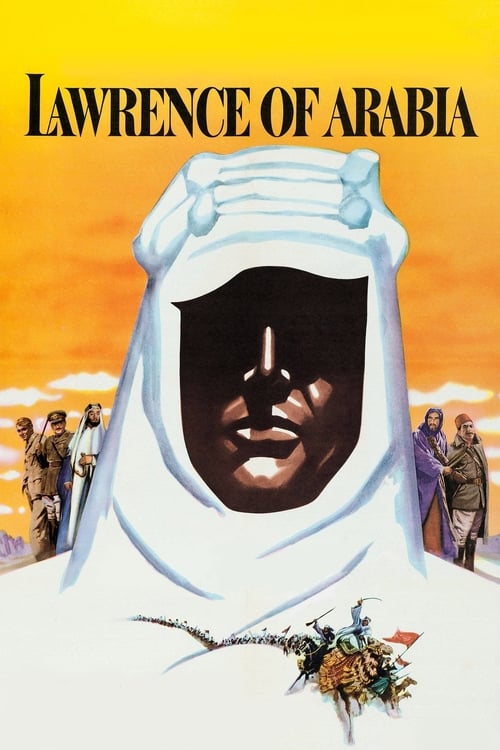
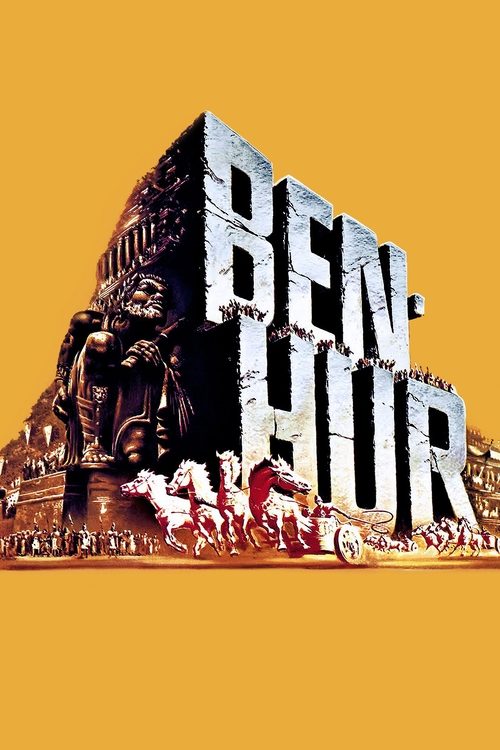
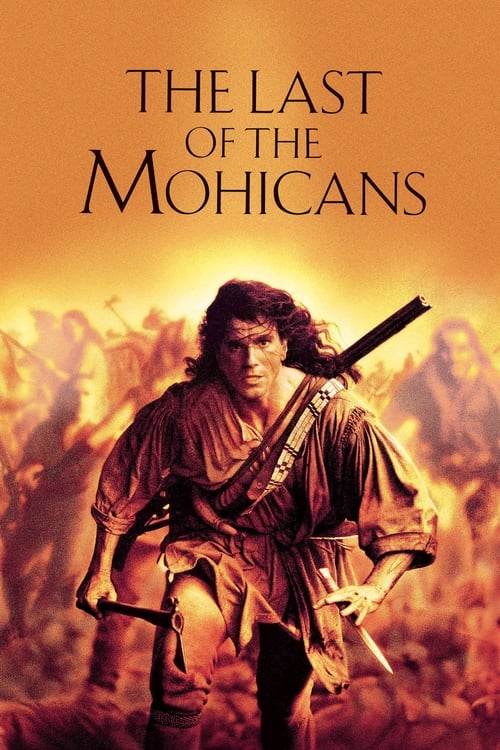
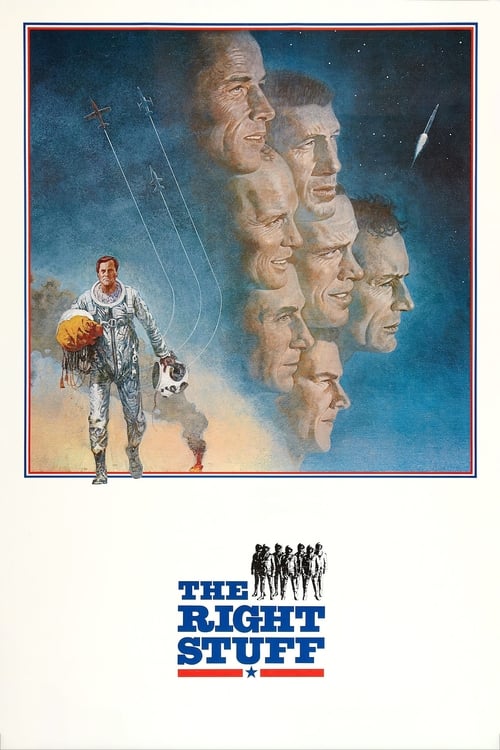
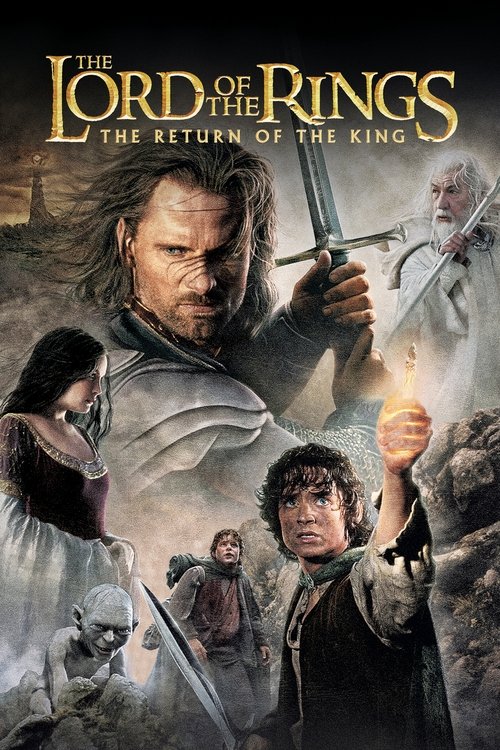
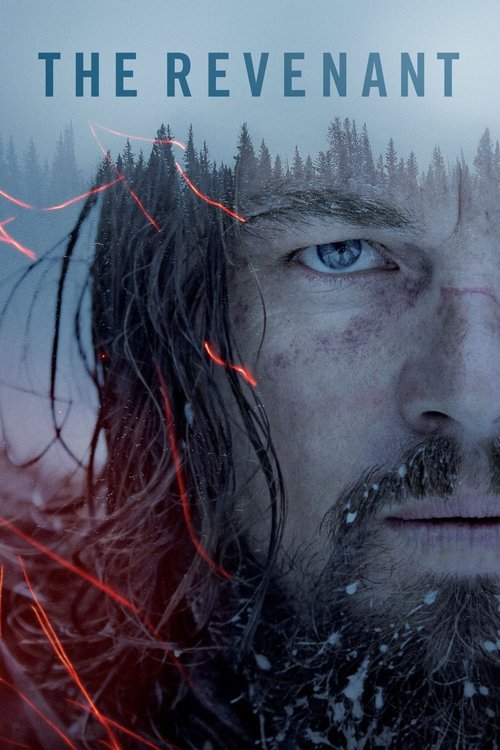
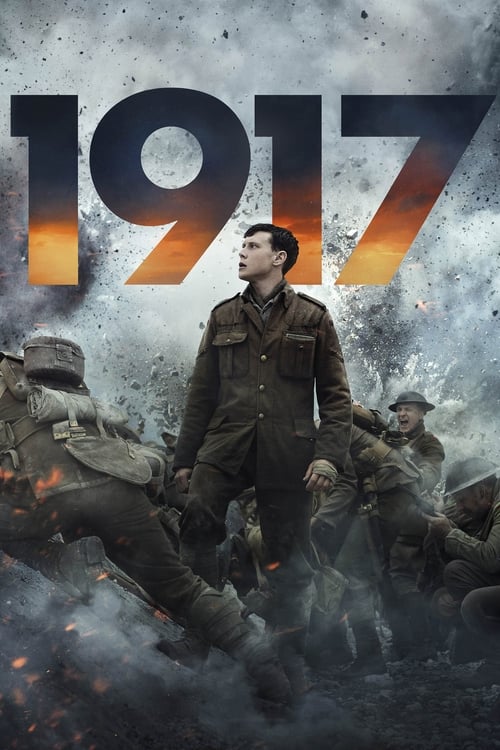
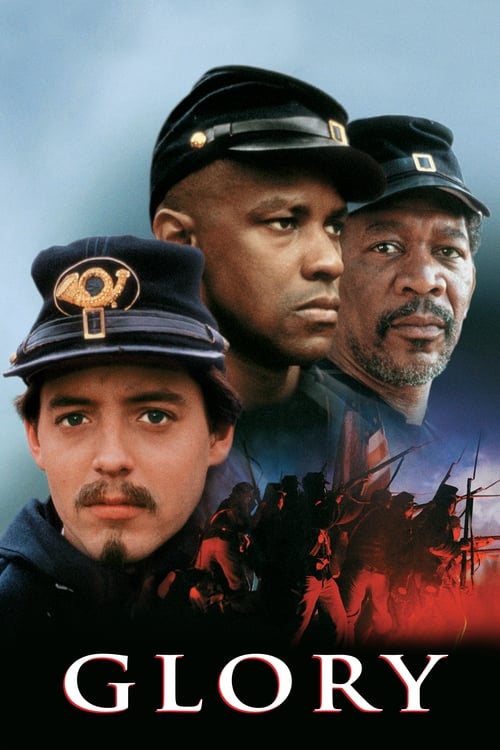
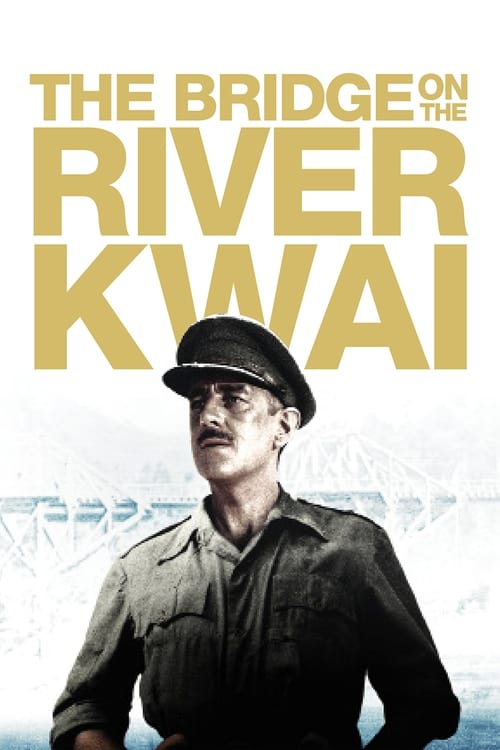
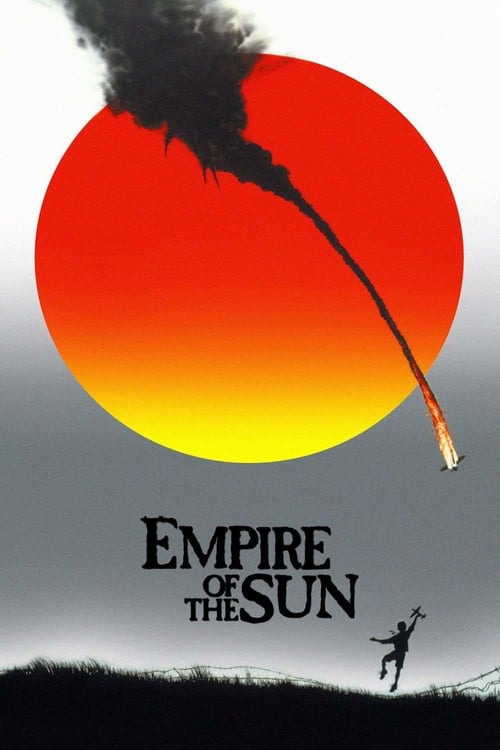
For Fans of Epic Adventure: The Films
The sweeping cinematic journeys that live in the same emotional register as Williams's best scores

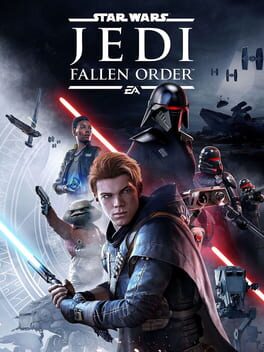
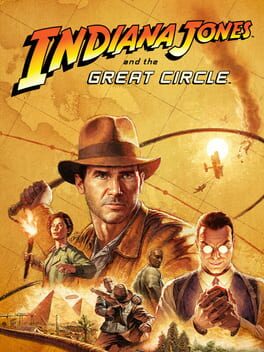
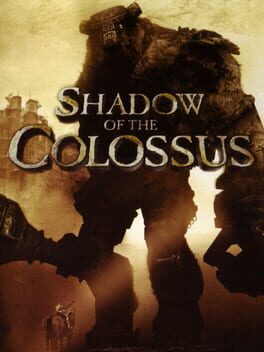
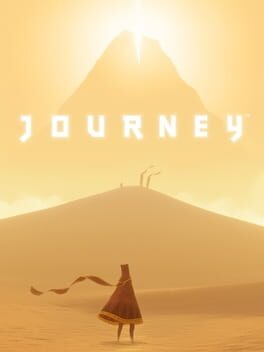
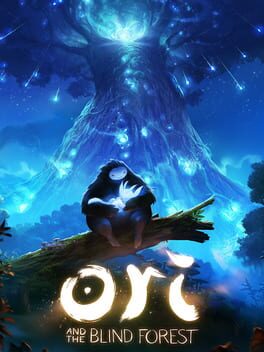
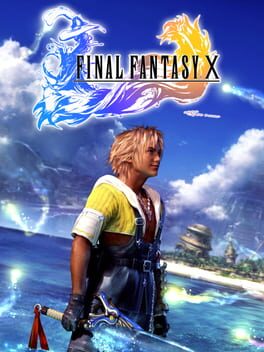
Games With That Williams-Scale Orchestral Power
Soundtracks and worlds built for players who need music to feel like cinema
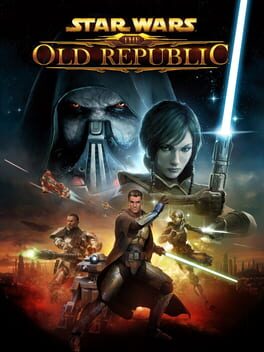
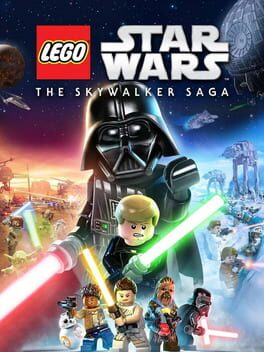

The Star Wars Theme Did Something No Pop Song Can Do
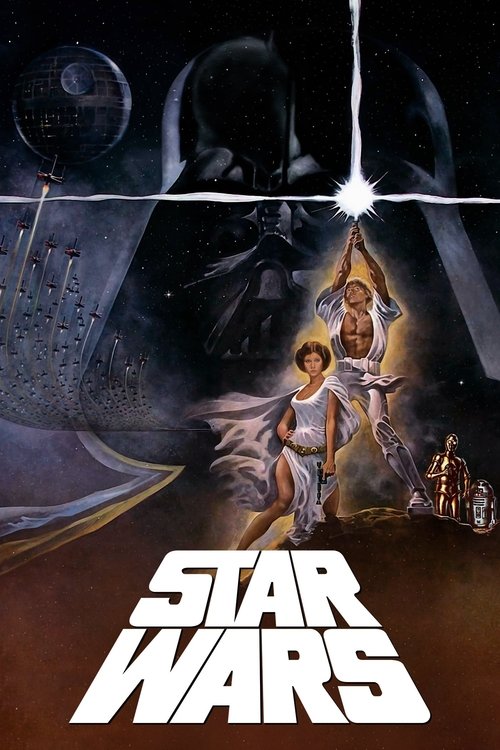
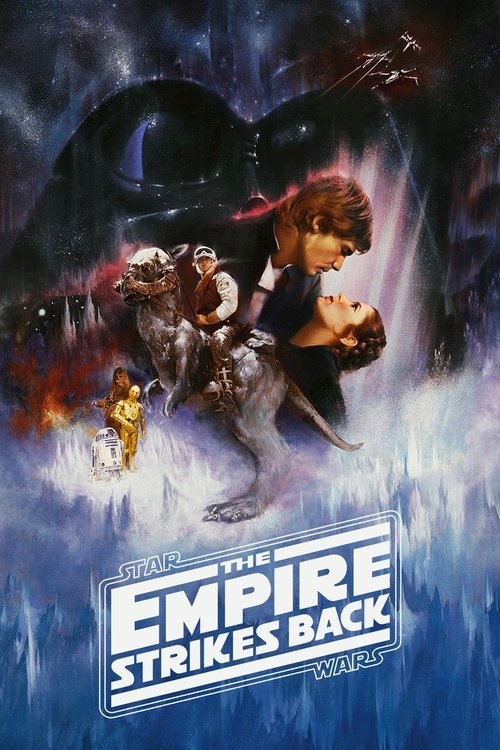
When audiences heard the 20th Century Fox fanfare followed by that brass blast in May 1977, cinema changed. Williams understood that George Lucas needed not just background music but a myth-system, a set of leitmotifs that would make the audience feel they were watching something ancient even though it was brand new. The main title theme borrows the heroic five-note cell of a march, wraps it in lush strings, and lets it breathe with genuine grandeur. Fifty years on, it is among the most recognizable pieces of music ever composed for any medium. That is not nostalgia. That is craft.
Catch Me If You Can Shows the Other Williams
Most listeners know Williams as the composer of sweeping symphonic adventure. Catch Me If You Can reveals a jazzier, more playful side: big-band swing, muted trumpets, and a swaggering energy that matches the con-man charm of Leonardo DiCaprio's Frank Abagnale. The score is a reminder that Williams spent years as a jazz pianist and session musician in Los Angeles before the orchestral film work took over. The facility he shows for jazz idiom is not pastiche. It is lived-in mastery dressed up as fun.
A Life in Scores
- 1932Born in Floral Park, New York; father a jazz drummer with the Raymond Scott Quintette
- 1955Moves to Los Angeles; works as session pianist at Columbia Pictures and other studios
- 1960Begins composing for television; works on Lost in Space and Gilligan's Island
- 1969Wins his first Oscar (adapted score) for Fiddler on the Roof Fiddler on the Roof
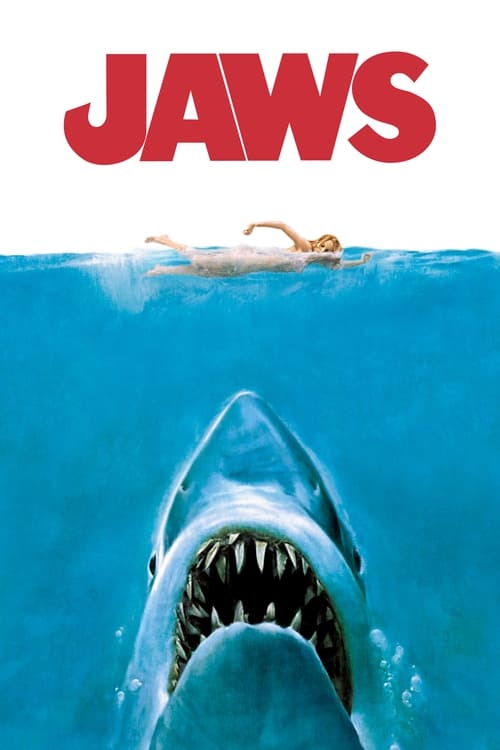
- 1975Jaws transforms the blockbuster era and inaugurates the Spielberg partnership Jaws
- 1977Star Wars opens; the score wins the Oscar and enters the cultural bedrock Star Wars
- 1982E.T. the Extra-Terrestrial: the bicycle flight sequence becomes his defining image-music synthesis E.T. the Extra-Terrestrial
- 1993Schindler's List and Jurassic Park released the same year; wins Oscar for Schindler Schindler's List
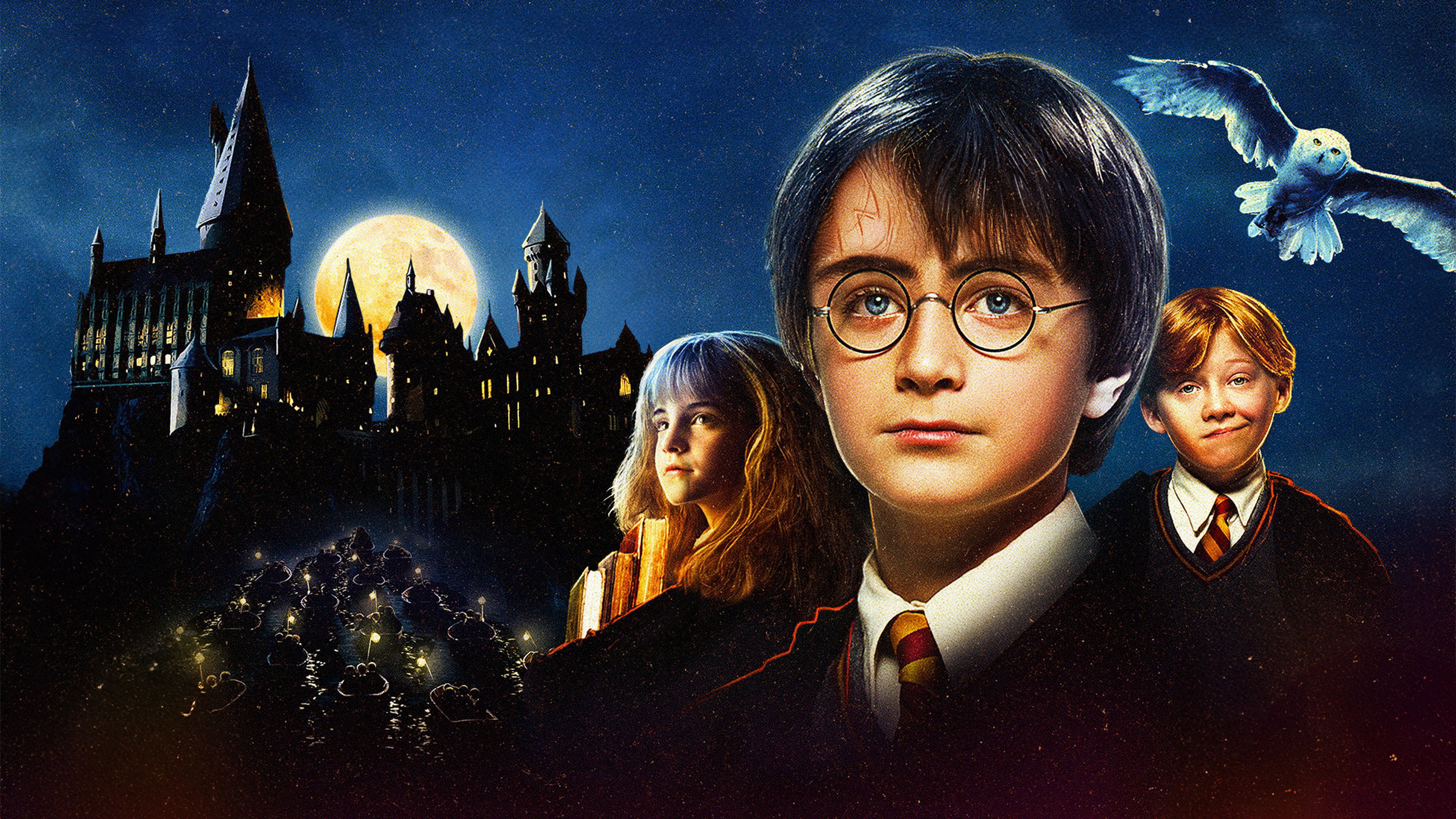
- 2001Harry Potter and the Sorcerer's Stone: Hedwig's Theme enters a new generation's imagination Harry Potter and the Philosopher's Stone
- 2022The Fabelmans score earns his 54th Oscar nomination; remains the most-nominated person in Academy history The Fabelmans
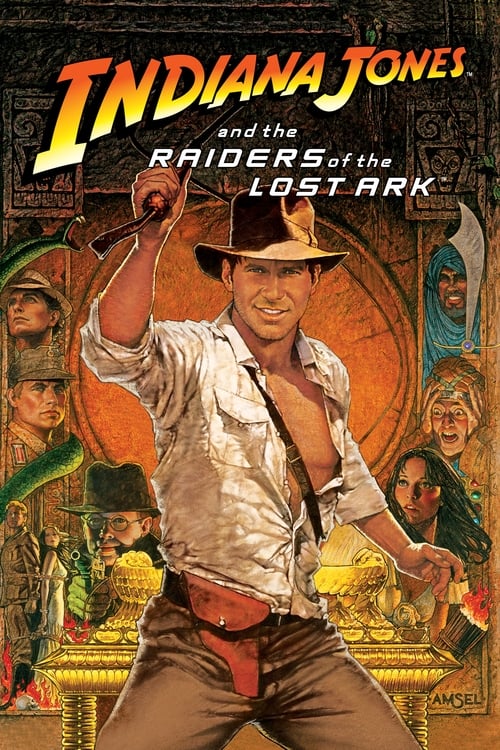
- 2024Indiana Jones and the Great Circle game releases, extending the Indy theme into gaming Indiana Jones and the Great Circle
Music in films is most powerful when it says what words and images cannot: the thing beneath the thing, the feeling the character cannot name.John Williams
His Deepest Collaboration Is the Spielberg Partnership
Williams and Steven Spielberg have made more than 28 films together, a creative partnership that rivals any director-composer pairing in history. What makes it unusual is reciprocity: Spielberg regularly edits picture to Williams's recordings rather than the reverse. The trust runs both ways. Williams scores have been known to generate scenes that were not in the original cut. That kind of collaboration does not produce background music. It produces something closer to co-authorship, which is why the Spielberg-Williams catalog feels like a unified body of work rather than a list of commissions.