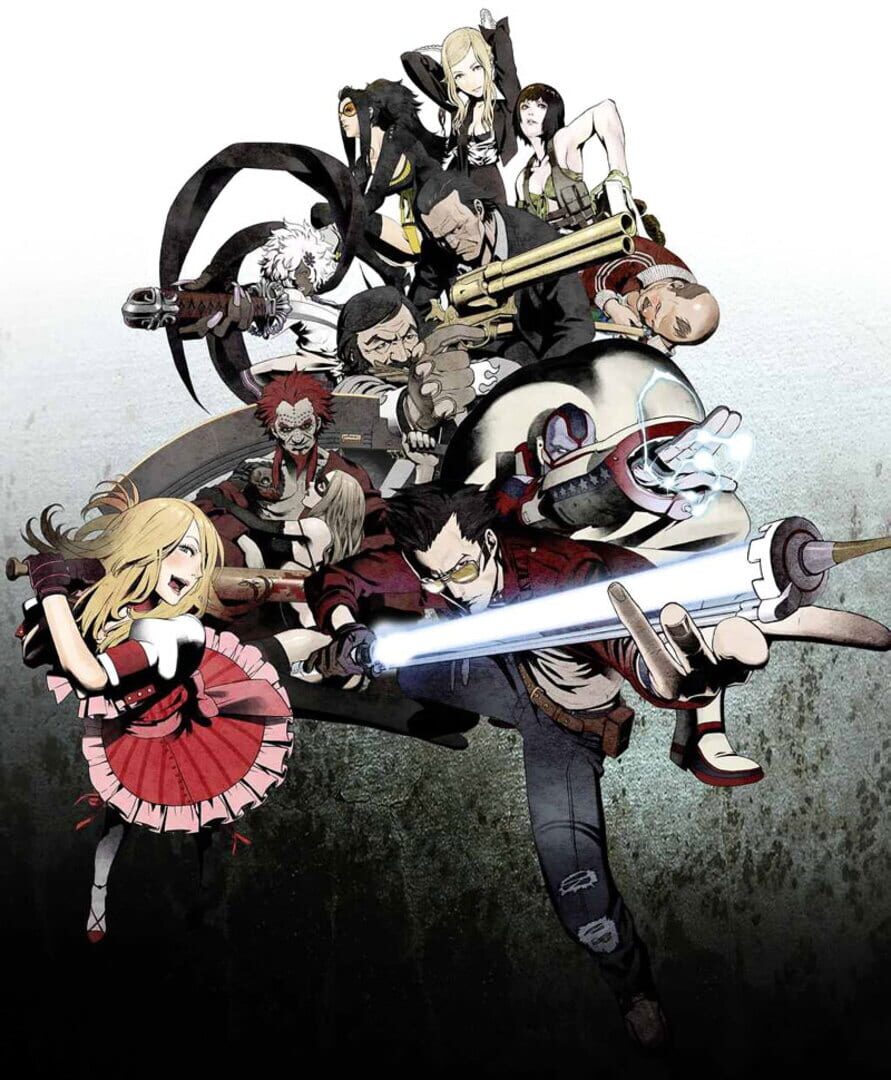

Goichi Suda, known professionally as Suda51, is the closest thing the games industry has to a midnight-movie director with a collage artist's sensibility. Working out of Grasshopper Manufacture, the studio he founded in 1998, he has built a body of work that borrows freely from punk cinema, professional wrestling, tokusatsu, grindhouse horror, and French new-wave cool, and then reassembles those pieces into something that could only exist as a game. His protagonists are losers, killers, and obsessives. His plots refuse to behave. His visual and tonal confidence is absolute. The through-line a fan loves is not genre or even story: it is the feeling of watching someone break every polite rule of their medium because they have something more interesting to say than competence can express.
Essential Suda51
The definitive Grasshopper Manufacture games, from cult classics to mainstream breakthroughs
If You Love the Style: Games That Share the DNA
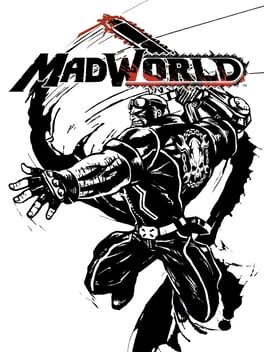
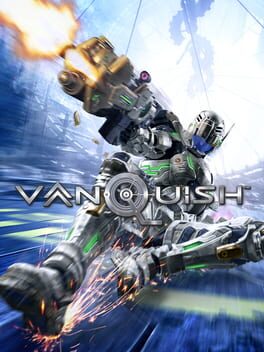
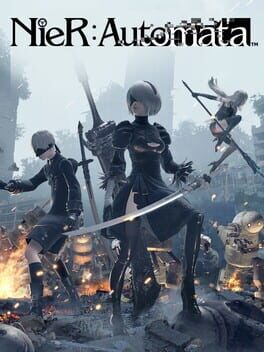
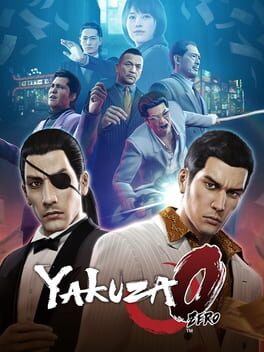
Auteur-driven, visually anarchic, or gleefully transgressive action games that belong on the same shelf
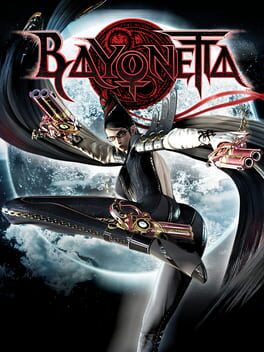
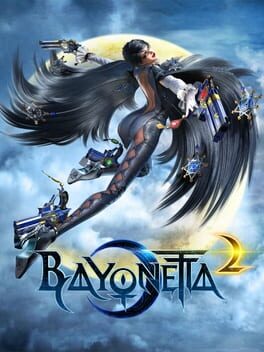
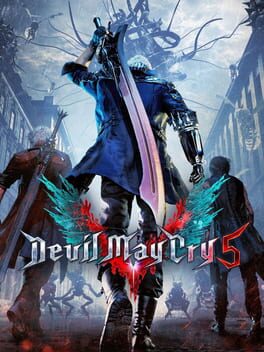
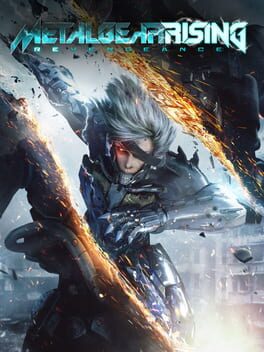
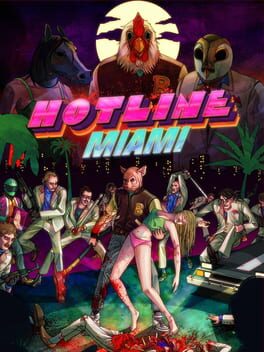
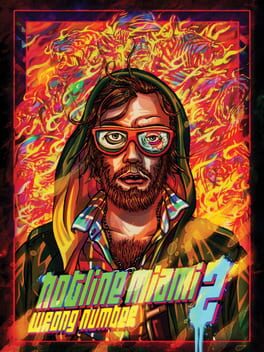
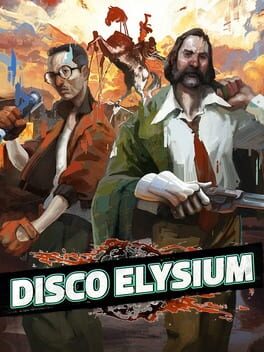
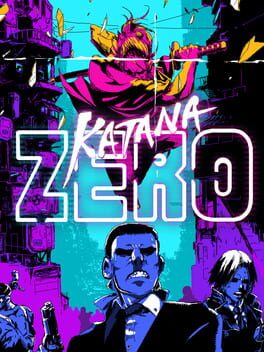

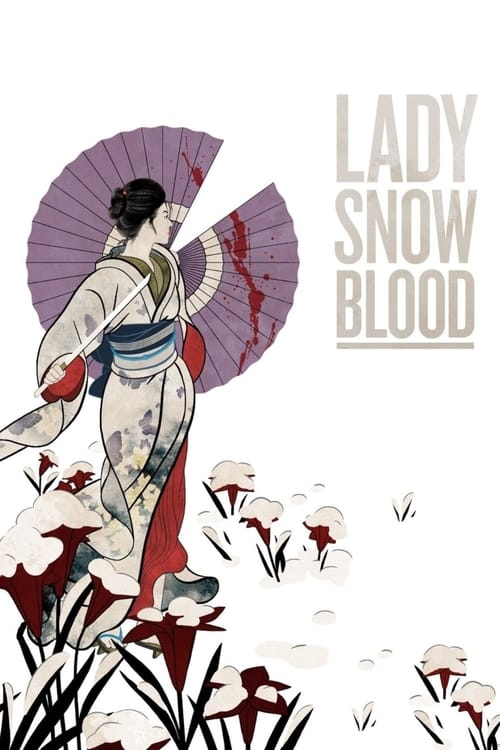
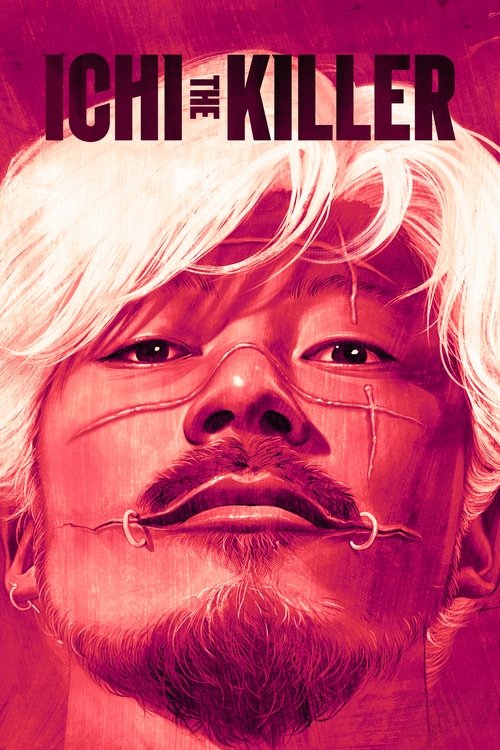
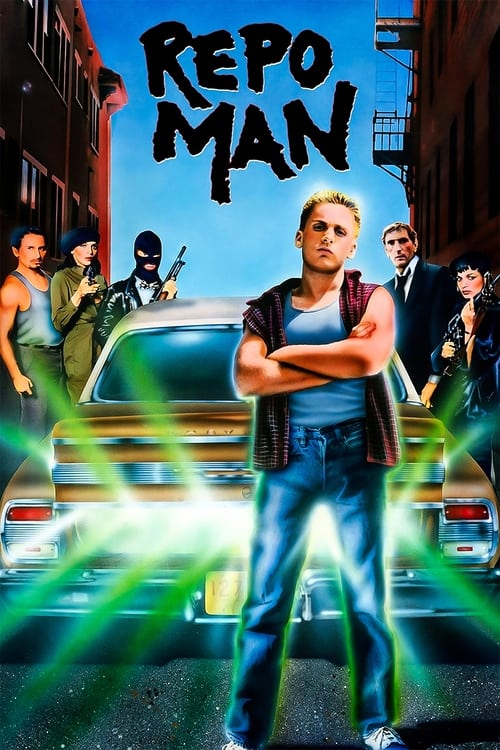
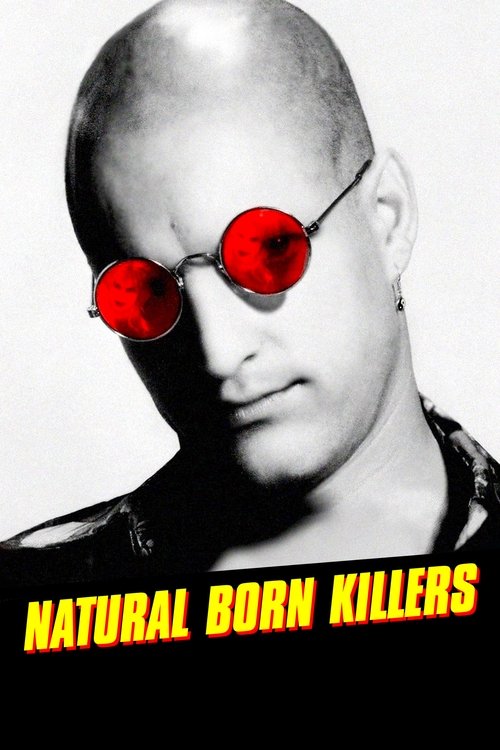
If You Love the Cinema: Grindhouse, Cult, and Punk Films
The films whose energy, visual violence, and genre-breaking attitude Suda has cited, borrowed from, or clearly loved
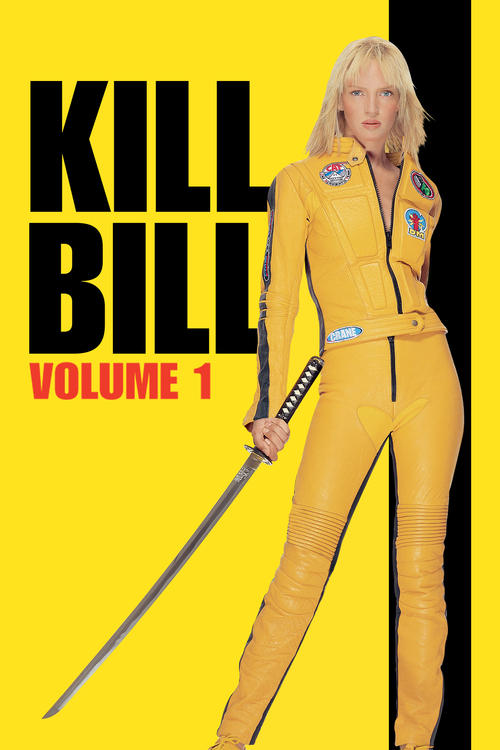
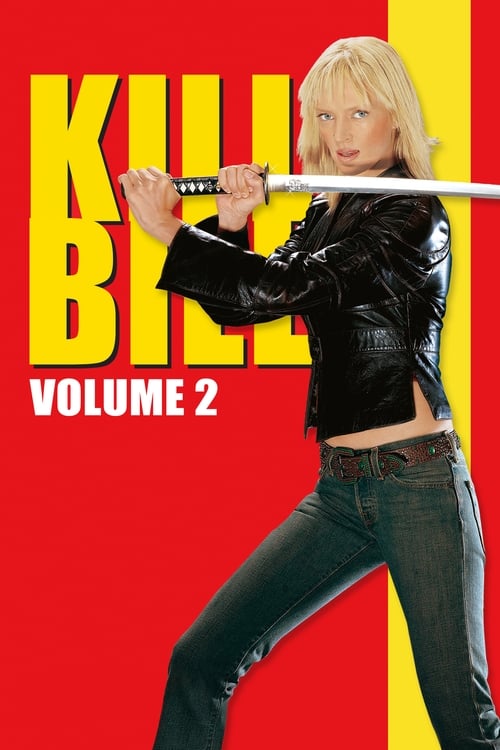
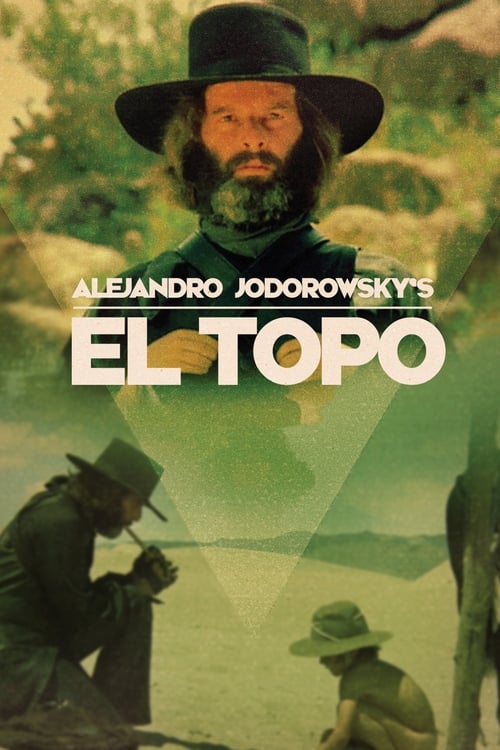
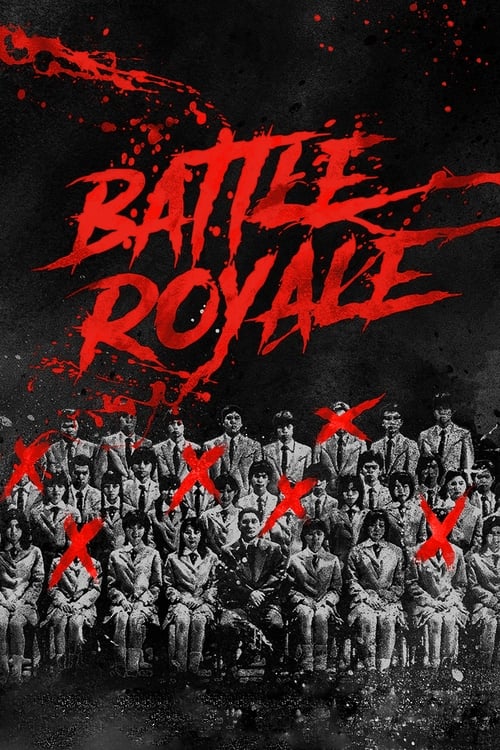



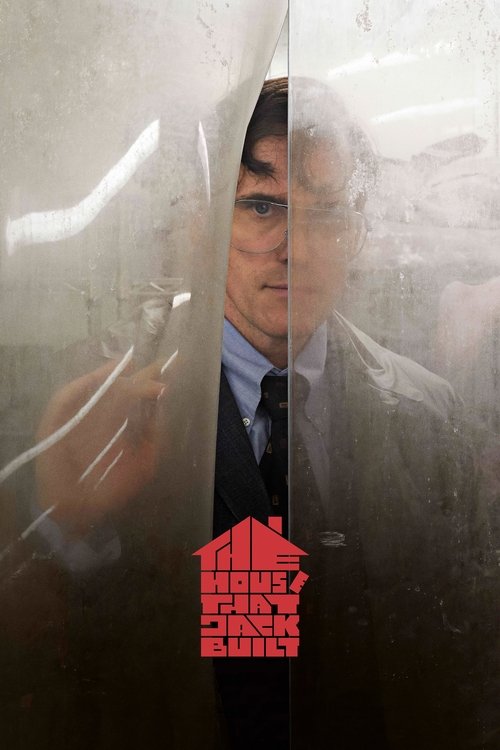

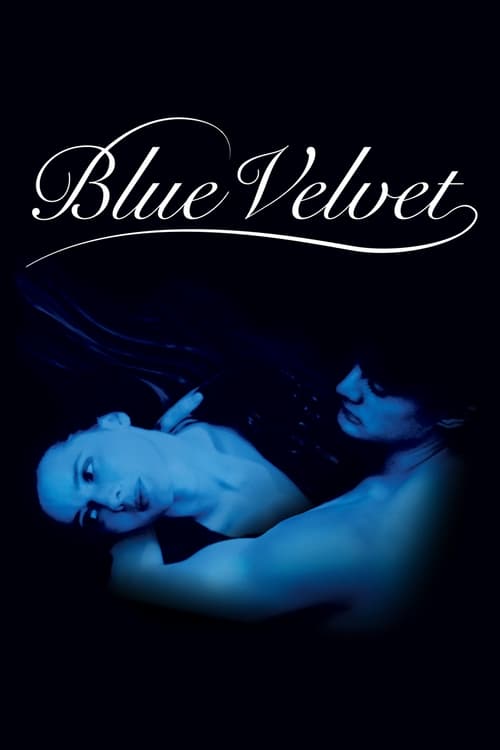
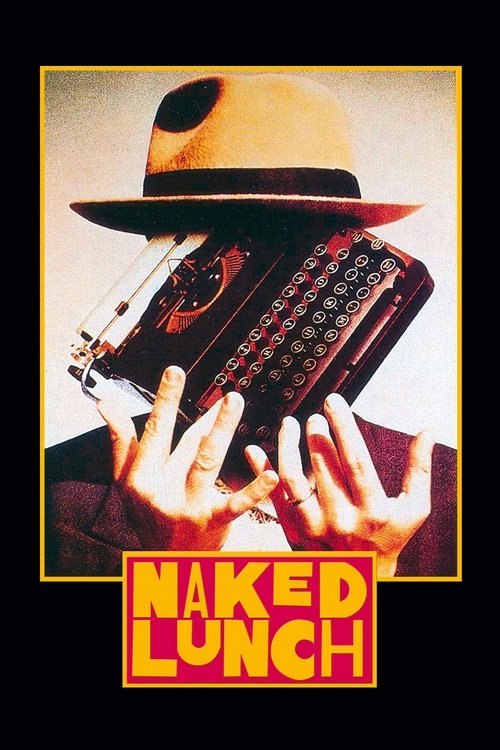
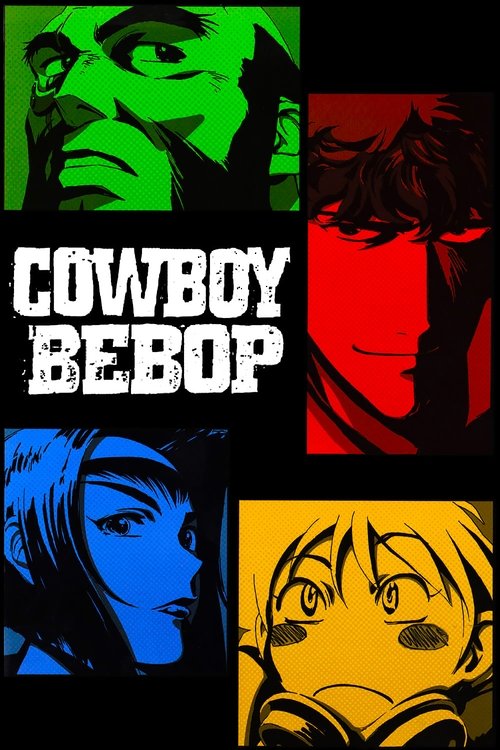
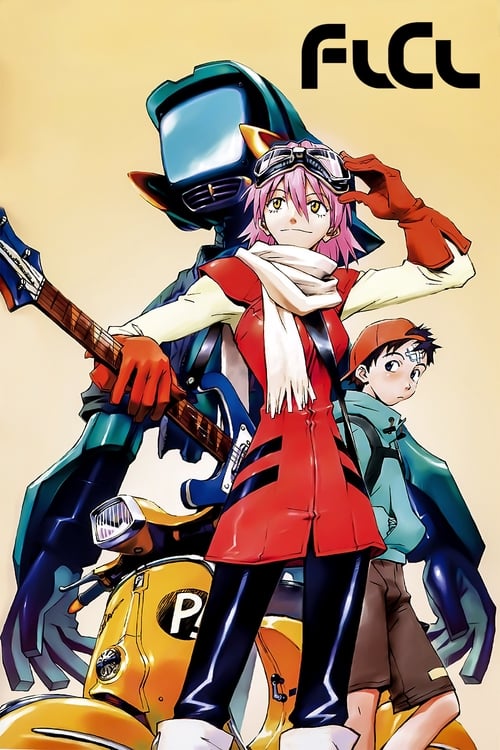
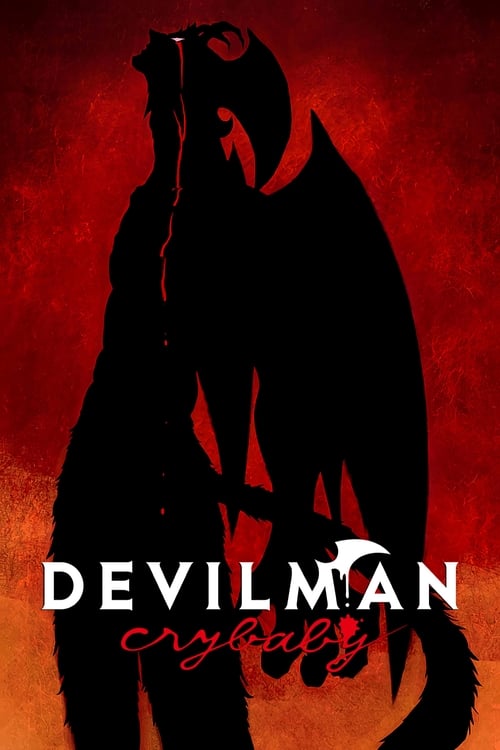
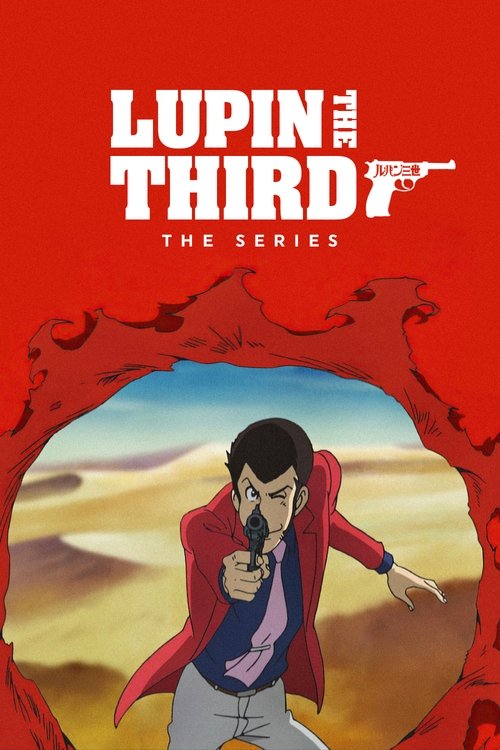
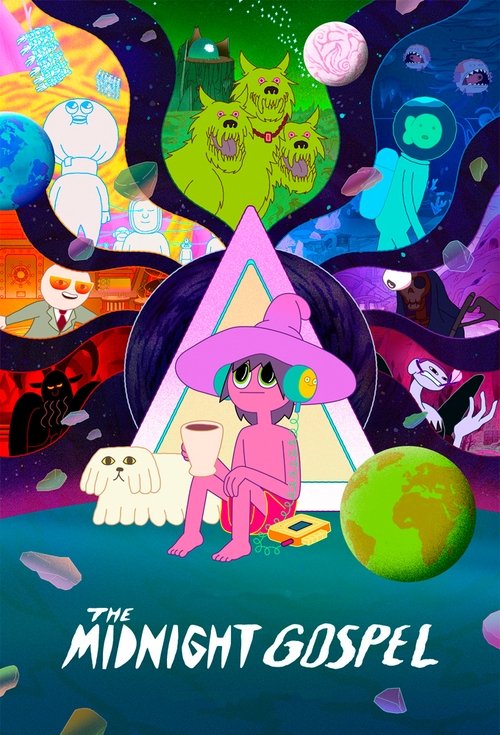
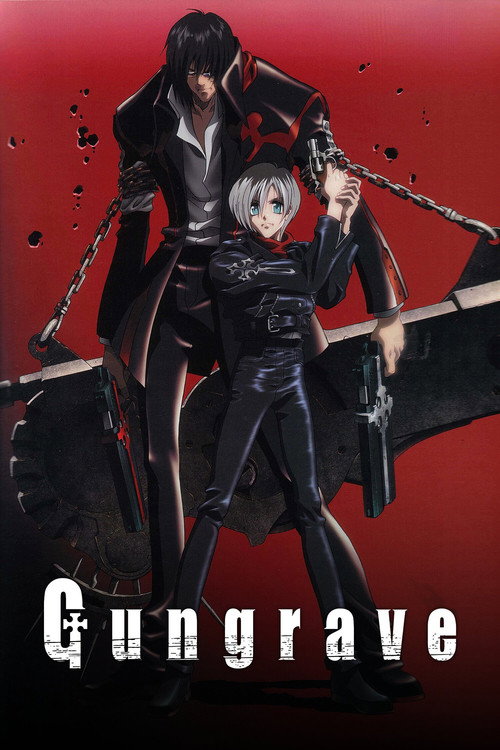
If You Love the TV Side: Cult Series and Midnight TV
Television that shares Suda's taste for pulp mythology, transgressive characters, and surreal genre logic
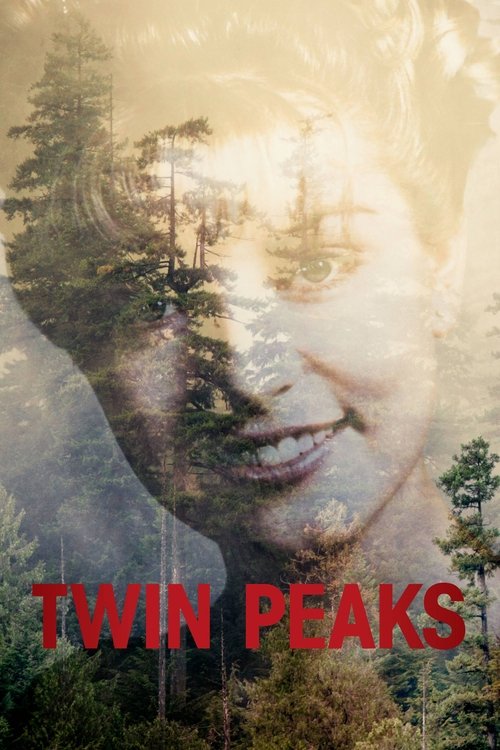
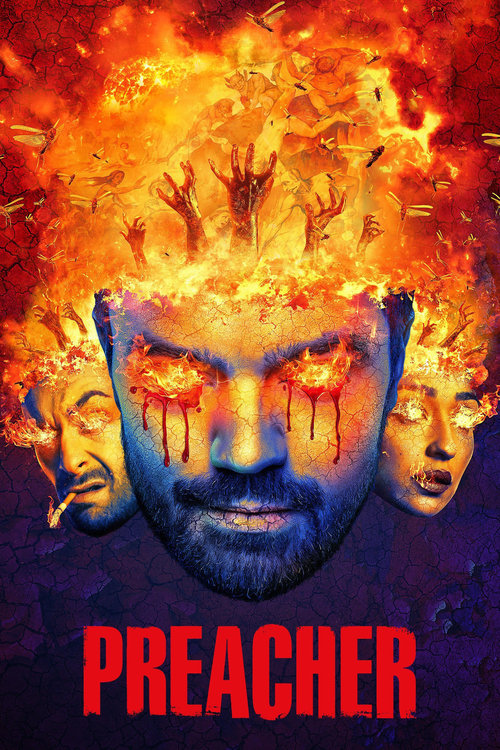
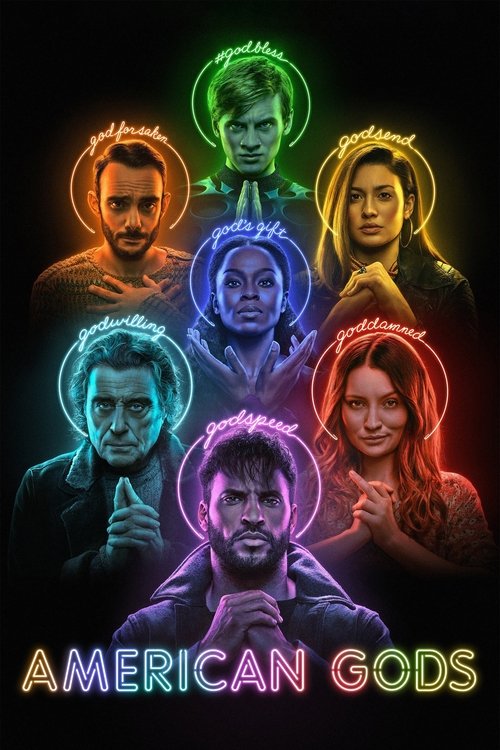
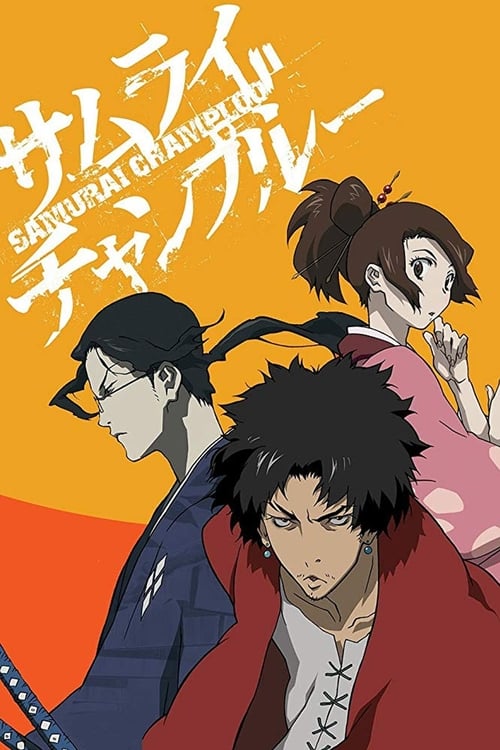
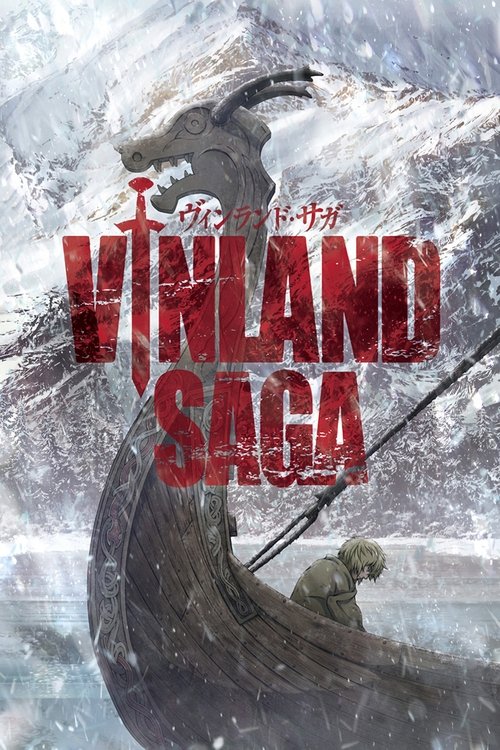
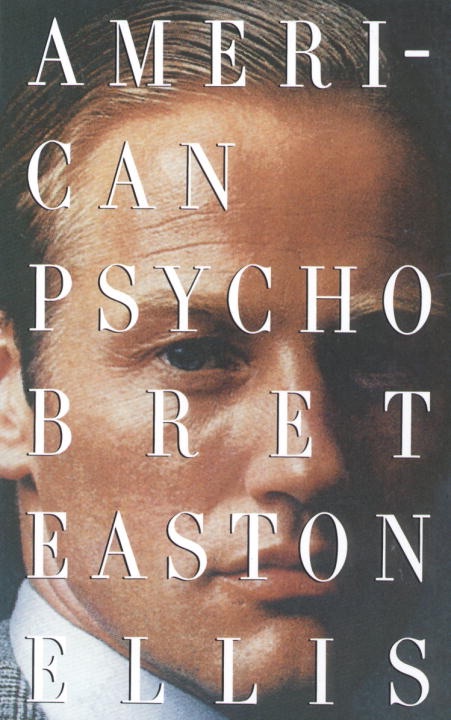
If You Love the Books: Transgressive Fiction and Cult Novels
The novels that live in the same headspace as Suda51: violent, funny, structurally restless, and obsessed with pop mythology


Killer7 Is the Most Formally Ambitious Action Game Ever Made
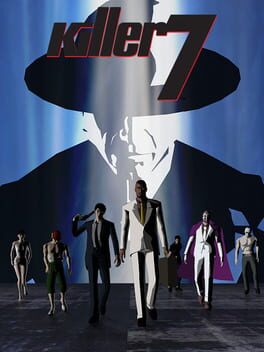
Killer7 was and remains structurally unlike anything before or after it. The rail-based movement, the split-personality protagonist roster, the lecture-hall chapters where characters explain conspiracies to the player directly: all of it reads as formal provocation, a refusal to let action-game conventions domesticate the experience. It failed commercially and became one of the most studied artifacts in games criticism. That is exactly what great cult art does.
Travis Touchdown Is the Greatest Antihero the Medium Has Produced
Travis Touchdown -- otaku, assassin, wrestling fan, hopeless romantic -- is the most honest self-portrait a game director has ever smuggled into a protagonist. He is embarrassing, violent, intermittently noble, and always aware of the genre he inhabits. The No More Heroes series uses him to explore obsession, celebrity, the economics of cool, and what it means to be a fan of anything. He earns his cult status the hard way: by refusing to be likable on demand.
Punk Cinema and Grindhouse Are His Real Influences, Not Other Games
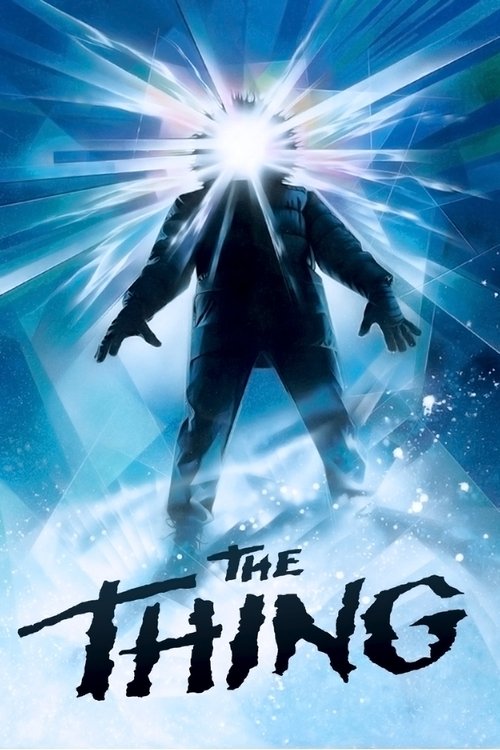
Suda51 has been transparent about this: John Carpenter, Takashi Miike, Sion Sono, and the whole lineage of Japanese transgressive cinema matter more to his work than the action-game canon. The visual vocabulary he works in -- pop-art color blocking, exploitation-film grain, music-video editing rhythm -- comes from those sources. That is why his games feel genuinely different. He came in from the side door.
Shadows of the Damned Deserves Its Cult Reappraisal
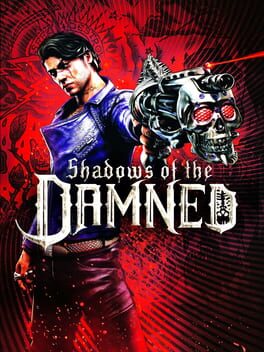
Suda51 and Shinji Mikami collaborating on a third-person shooter set in the underworld, with Akira Yamaoka scoring it, should have been a commercial event. Instead it sold modestly and vanished. In retrospect it is one of the most coherent and playful entries in either director's catalog: a road-trip horror-comedy that understands how to pace a joke, how to pace a scare, and why those two things are closer together than most games admit.
The Grasshopper Manufacture Timeline
- 1998Grasshopper Manufacture founded; Super Fire Pro Wrestling Queen's Special released
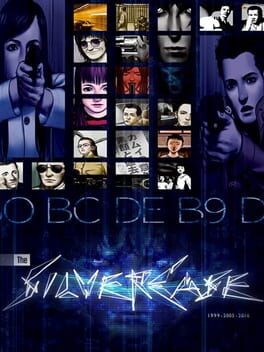
- 1999The Silver Case released in Japan; a serialized detective noir unlike anything in the medium The Silver Case
- 2001Flower, Sun, and Rain released; puzzle-adventure with radical narrative repetition
- 2005Killer7 released worldwide; cult breakthrough and the start of Suda's international profile Killer7
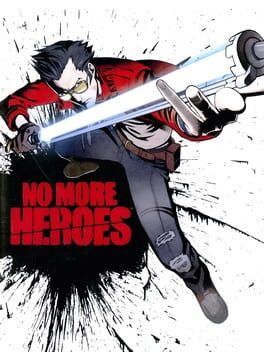
- 2007No More Heroes released on Wii; assassin-otaku protagonist redefines the action genre No More Heroes
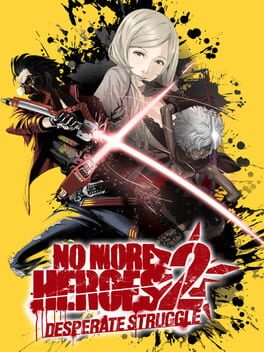
- 2010No More Heroes 2: Desperate Struggle and Shadows of the Damned in development No More Heroes 2: Desperate Struggle
- 2011Shadows of the Damned released; Suda-Mikami-Yamaoka collaboration Shadows of the Damned
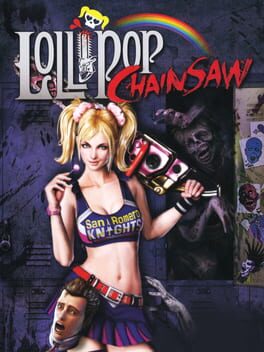
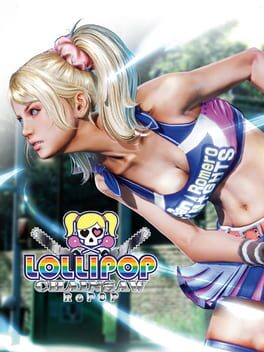
- 2012Lollipop Chainsaw released; cheerleader-zombie slasher as pop-art statement Lollipop Chainsaw
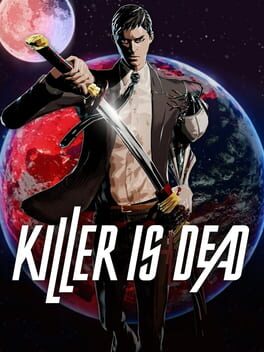
- 2013Killer Is Dead released; assassin episodics with neo-noir aesthetics Killer Is Dead
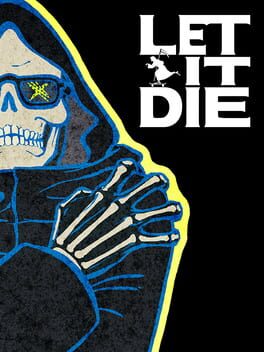
- 2016Let It Die released; free-to-play roguelite with full Suda surrealism intact Let It Die
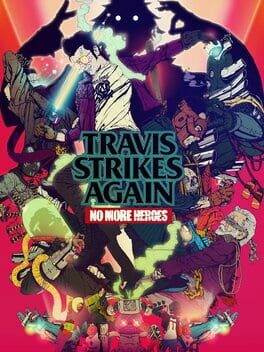
- 2019Travis Strikes Again: No More Heroes released; indie-game metafiction chapter Travis Strikes Again: No More Heroes
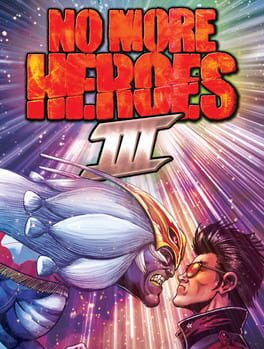
- 2021No More Heroes III released; franchise close and statement on franchise culture No More Heroes III
- 2023Lollipop Chainsaw RePOP released; remaster with restored licensed soundtrack Lollipop Chainsaw RePop
Punk provocation and cult violence
For Fans of Bayonetta
Explore the For Fans of Bayonetta guide →I want to make games that are like movies you can only see once, that stay with you the way a really strange dream does. Not games that you master. Games that happen to you.Goichi Suda (Suda51)