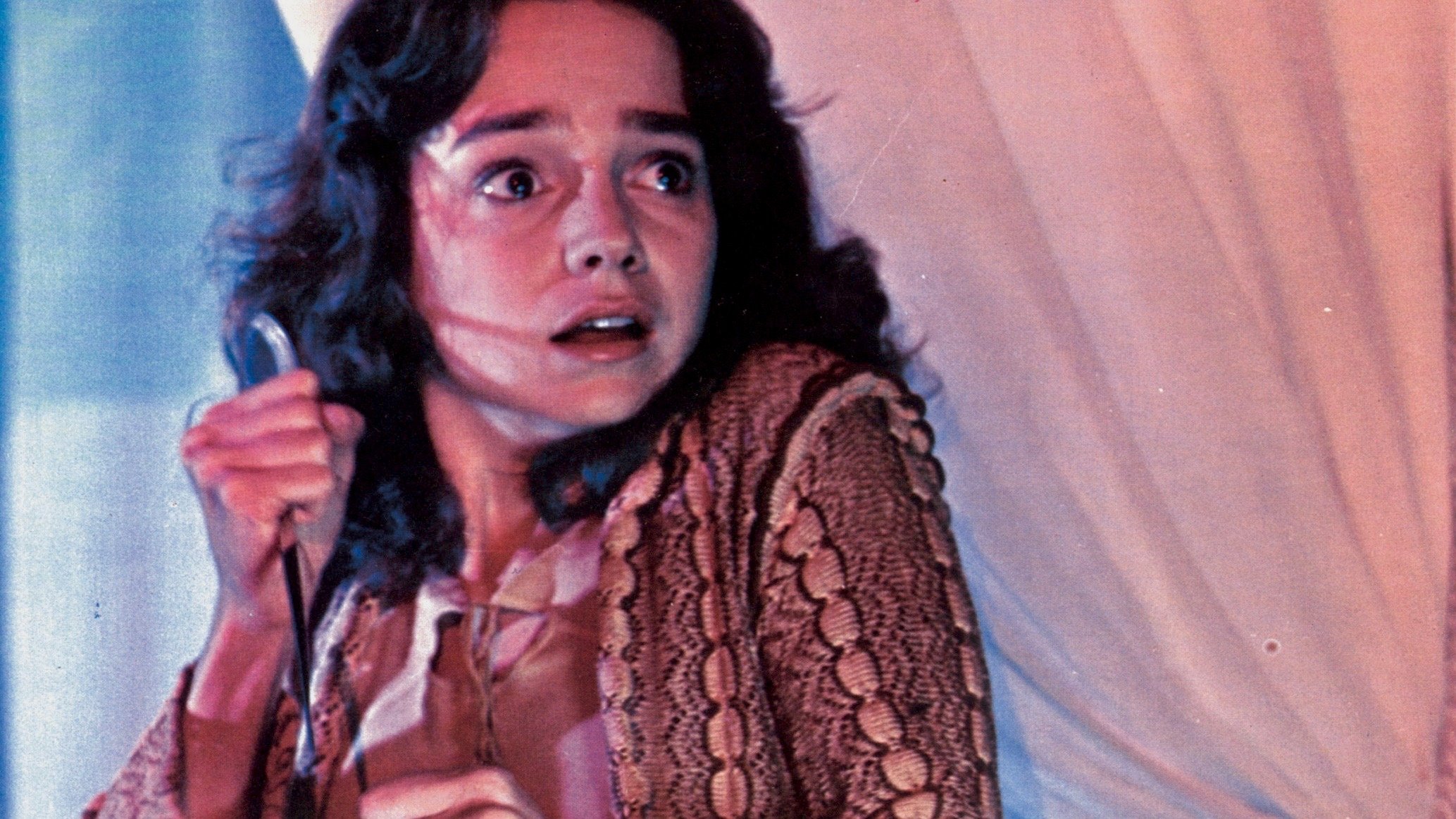

Dario Argento's Suspiria (1977) operates on dream logic. An American ballet student arrives at a prestigious German academy and discovers something ancient and malevolent beneath its ornate facade. What matters less than the plot is the feeling: corridors soaked in Technicolor crimson and cobalt, the Goblin score pounding at a frequency that sits just below rational thought, and a camera that moves like it knows where the danger is before any character does. The fan who loves Suspiria is chasing a particular kind of cinema where atmosphere is the argument, where dread is aesthetic and aesthetics are dread.
Essential Suspiria
The film itself and its direct world
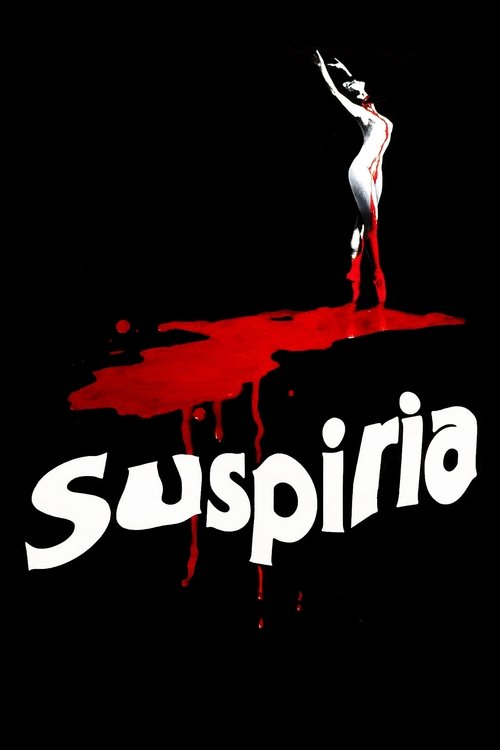
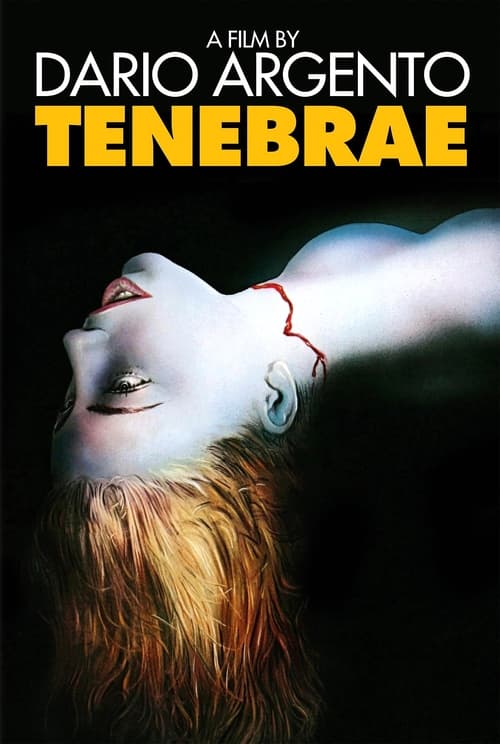
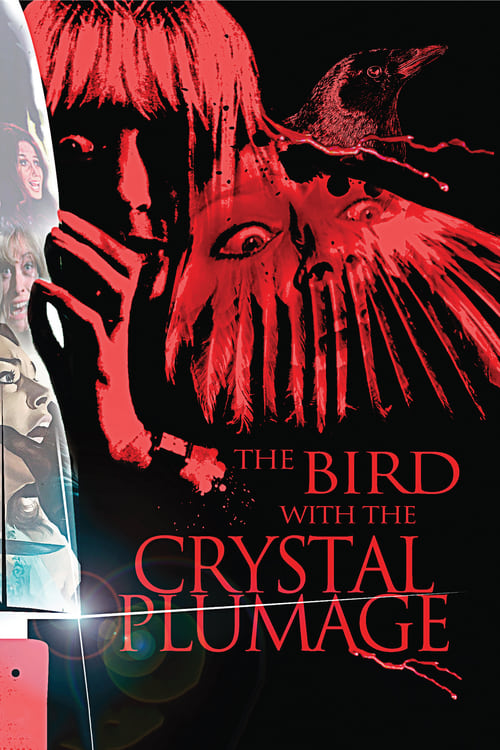
If You Love Suspiria: Argento and Italian Horror
The director's own canon and the giallo tradition he mastered
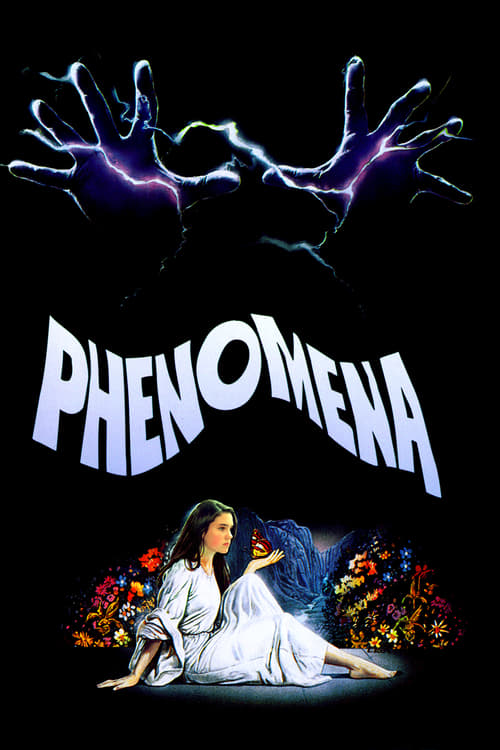
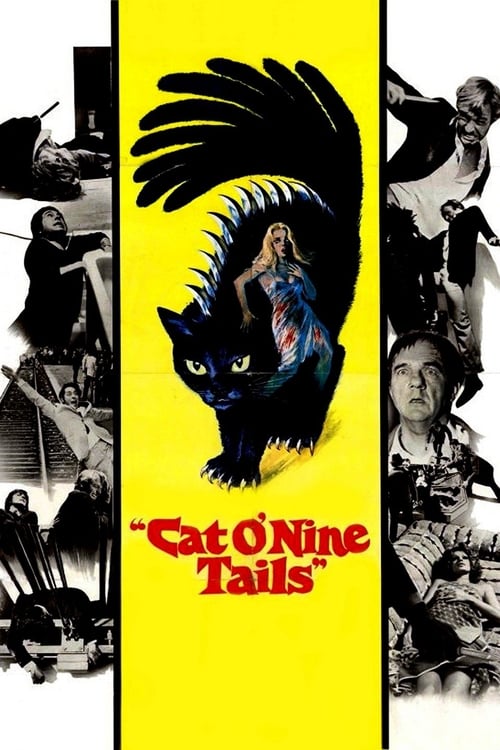
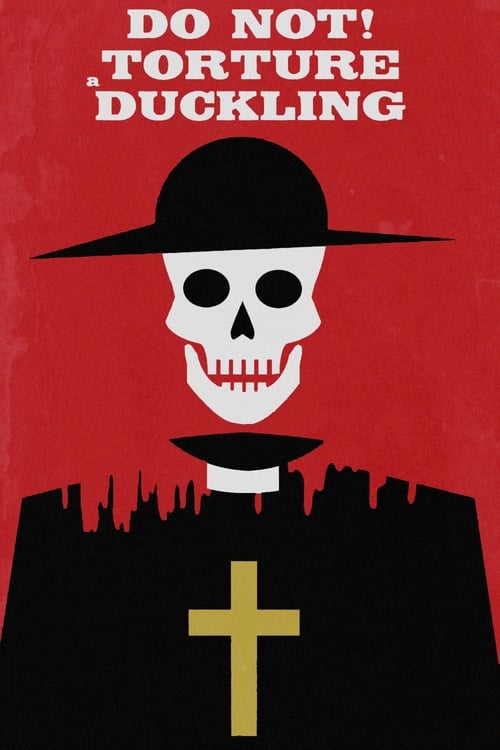
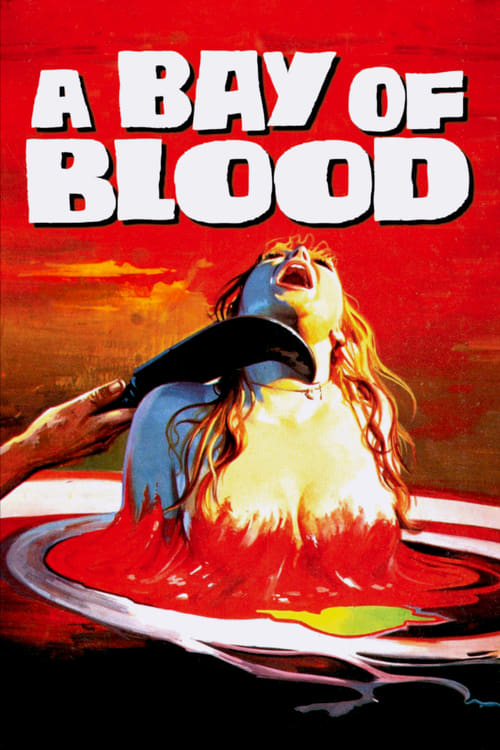

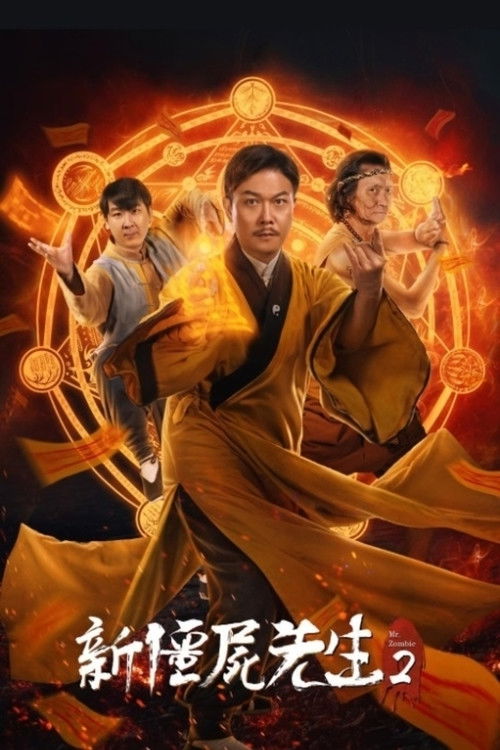
If You Love Suspiria: Sensory Horror Cinema
Films where visuals and sound do the terrorizing
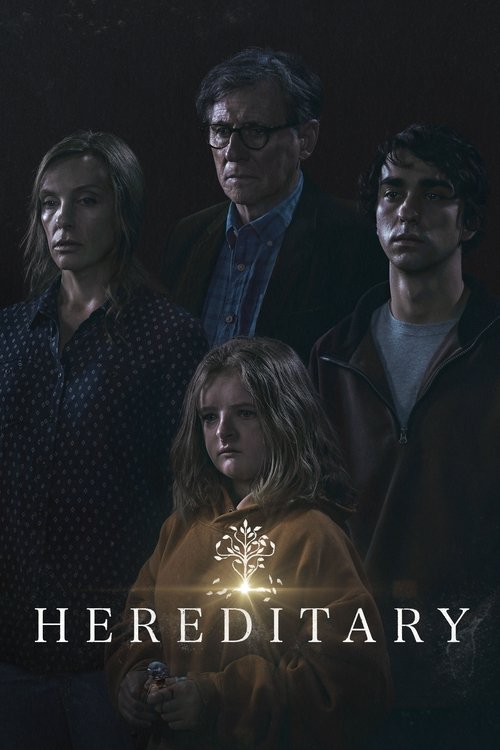

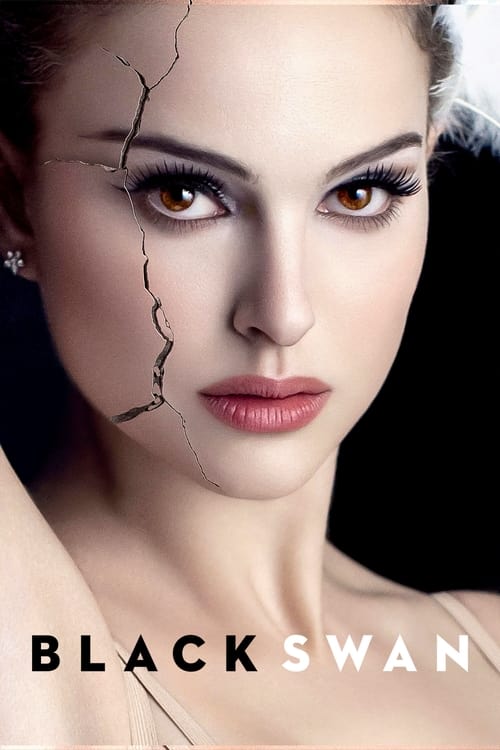
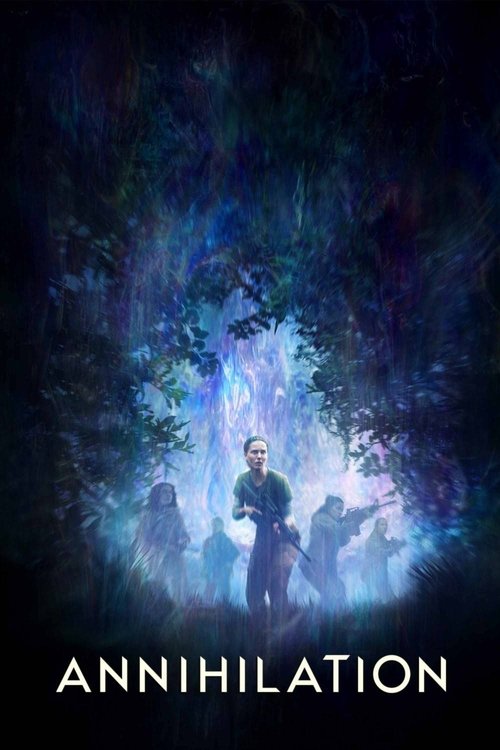
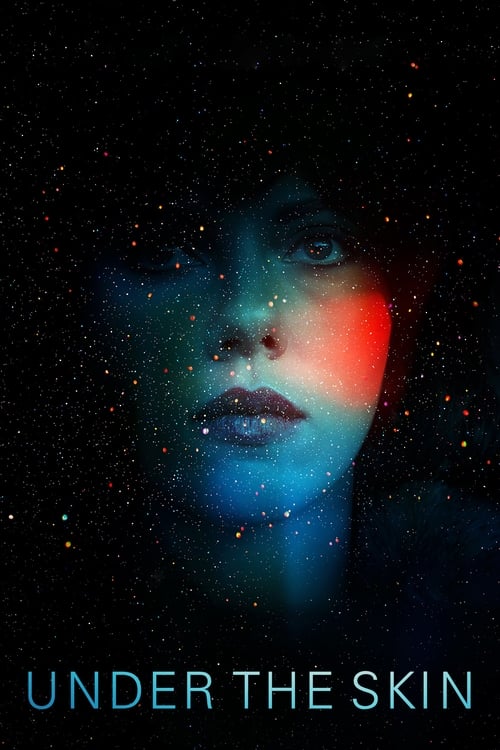
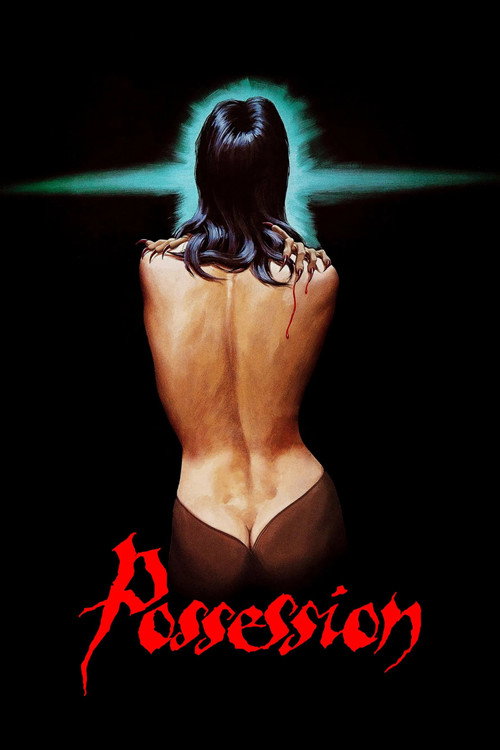
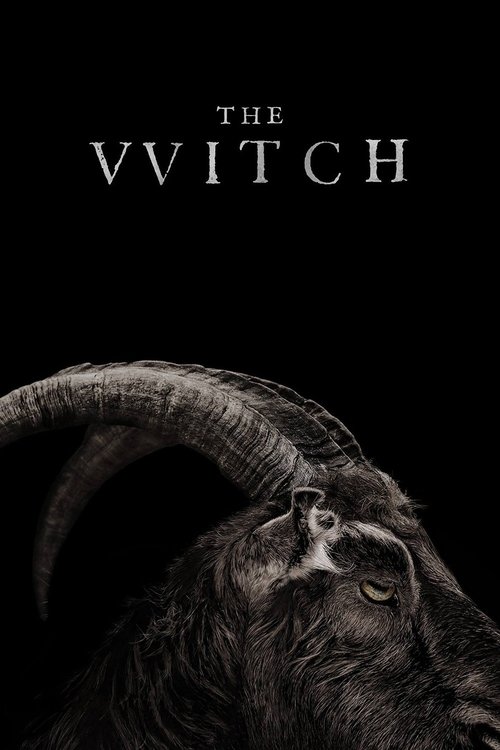

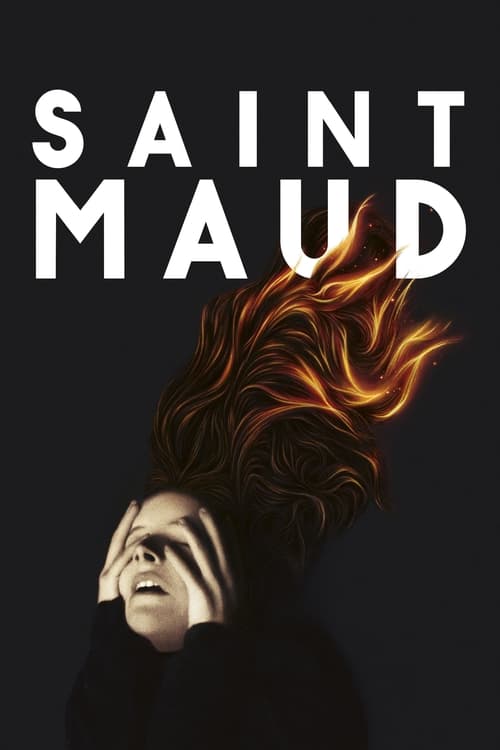
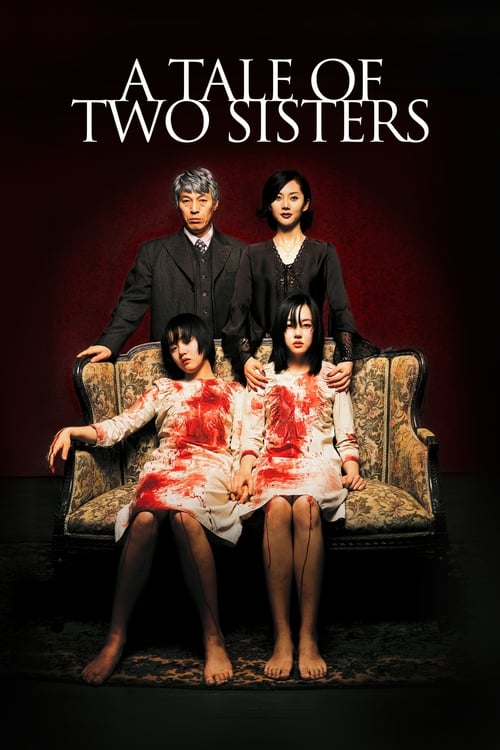
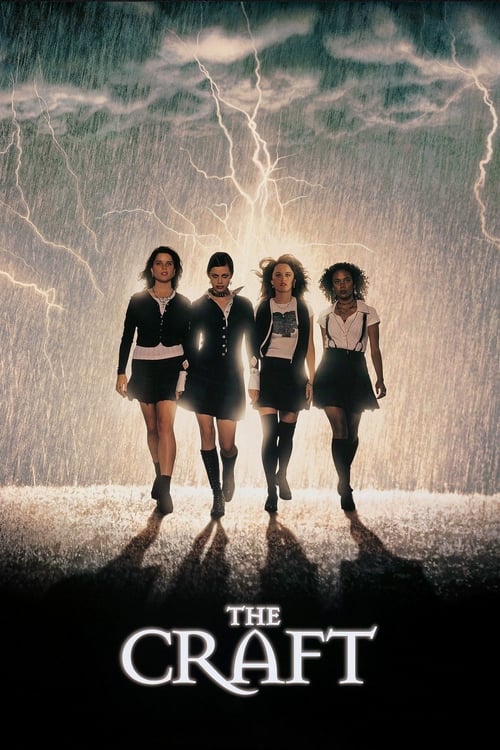
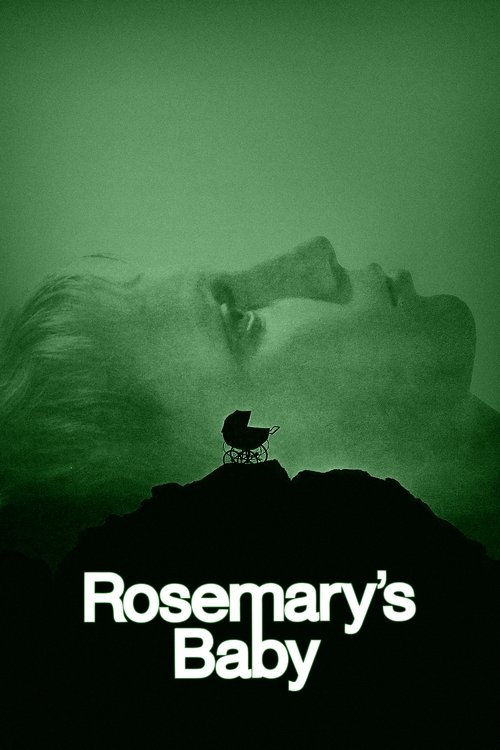
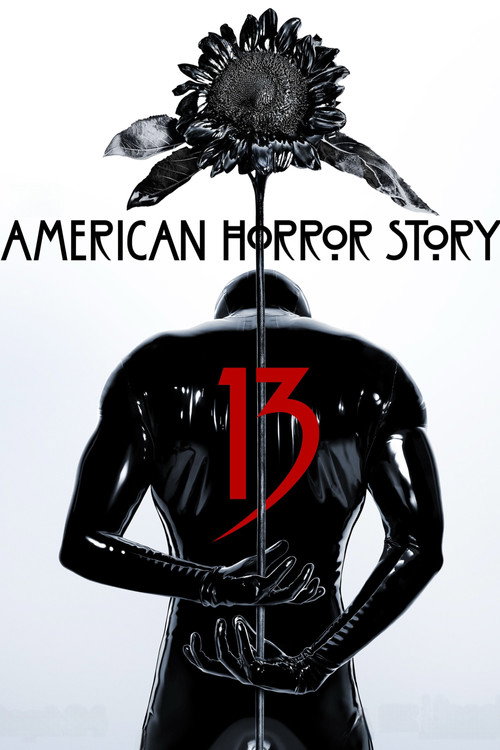
If You Love Suspiria: Witch Covens and Dark Feminine Horror on Screen
Series and films where women and occult power intertwine

If You Love Suspiria: The Literature of Witches and Hidden Evil
Novels that share Suspiria's sense of ancient malevolence beneath a beautiful surface



If You Love Suspiria: Games That Weaponize Atmosphere
Horror games that treat dread as an aesthetic, not just a jump-scare delivery mechanism
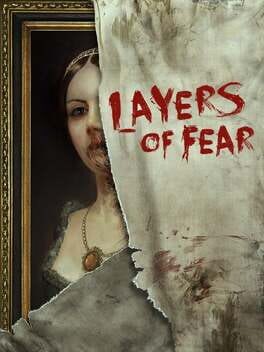
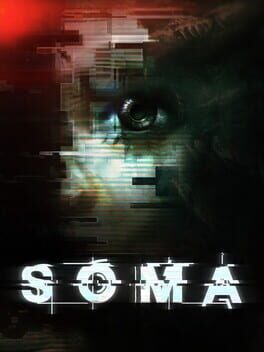
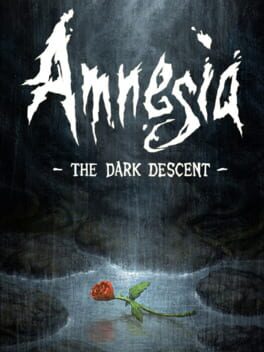

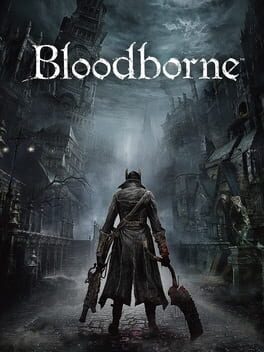
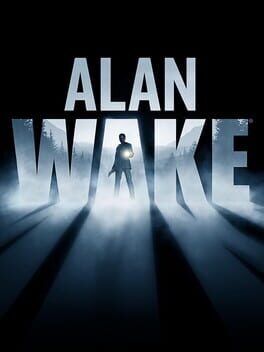
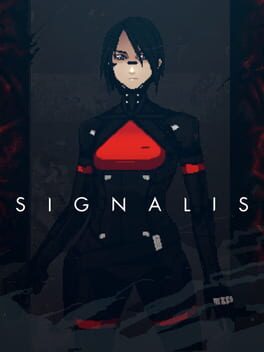
If You Love Suspiria: Music as Horror
Scores and albums that conjure the same dread the Goblin score does
The Goblin Score Is the Real Monster
Argento co-composed the music with the prog-rock band Goblin before he finished editing the film, then cut the visuals to the score rather than the reverse. The result is a horror movie where sound is not illustration but causation: the music does not react to what you see, it creates the conditions for terror before anything has happened on screen. Goblin's other Argento scores, particularly the Deep Red soundtrack, share this quality. Outside the Argento world, only a handful of films have achieved the same feedback loop between composer and director.
Luca Guadagnino's 2018 Remake Chose a Different Kind of Horror
The 2018 Suspiria remake by Luca Guadagnino shares almost nothing with Argento's film beyond the premise and title. Where Argento builds a candy-colored fever dream, Guadagnino strips everything back to cold grey Berlin, body horror rooted in political trauma, and a score by Thom Yorke that is as much ambient grief as menace. Seeing both is instructive: they define the outer edges of what horror can do with the same source material. Neither cancels the other.
Giallo Is a Genre, Not Just a Style
Suspiria sits at the point where giallo, the Italian crime-thriller genre, tips fully into supernatural horror. The genre conventions are all there: a foreigner arriving in an unfamiliar European city, a mystery assembled from fragments rather than deduction, hyper-stylized violence treated as set-piece. Mario Bava invented the template; Argento expanded it into something closer to pure cinema. Knowing giallo history makes Suspiria richer, but the film is fully legible without it.
The Art School as Horror Setting
Ballet academies, art schools, and conservatories appear repeatedly in horror precisely because they are spaces where the body is disciplined toward an ideal, hierarchy is total, and the gap between what is shown to outsiders and what happens inside can be enormous. Black Swan and Suspiria both use that gap. The institution promises transformation and delivers something darker instead.
Suspiria and the Horror It Shaped
- 1960Mario Bava's Blood and Black Lace sets the giallo template that Argento would inherit and radicalize Blood and Black Lace
- 1971Bay of Blood defines slasher geography; Bava proves color and kills can be the whole argument A Bay of Blood
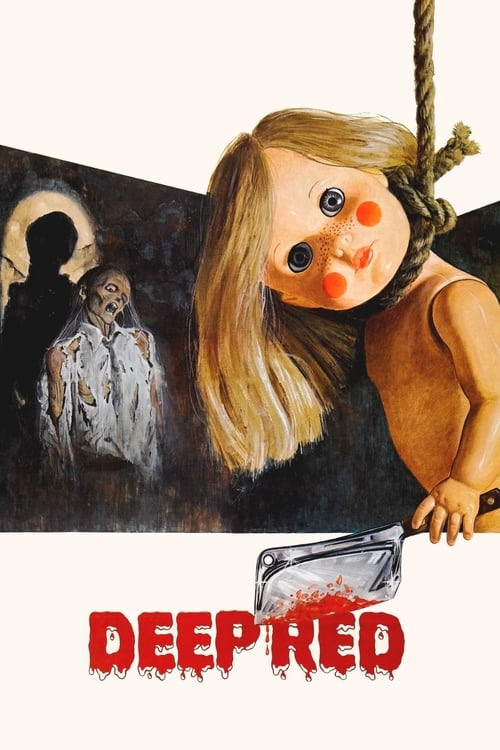
- 1975Deep Red: Argento at peak giallo, Goblin already the collaborator, a template for Suspiria two years later Deep Red
- 1977Suspiria released; Argento shoots on three-strip Technicolor before the process was discontinued Suspiria
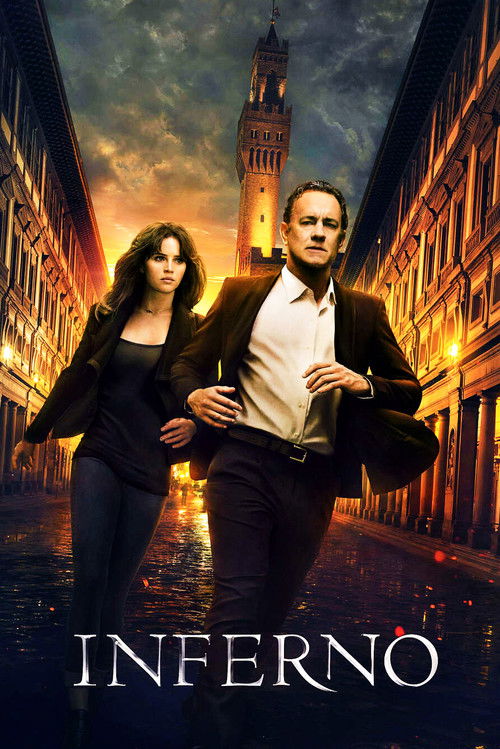
- 1980Inferno continues the Three Mothers trilogy with a different director's sensibility but the same occult architecture Inferno
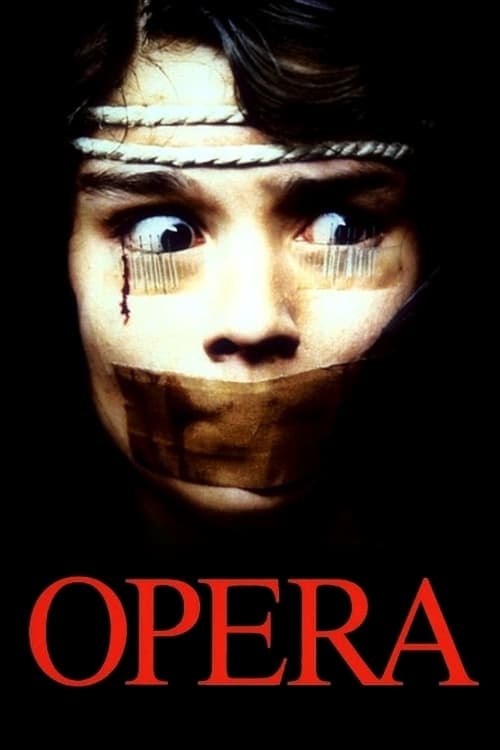
- 1987Opera: Argento's last widely celebrated film before a long critical decline, Goblin-adjacent score by Claudio Simonetti Opera
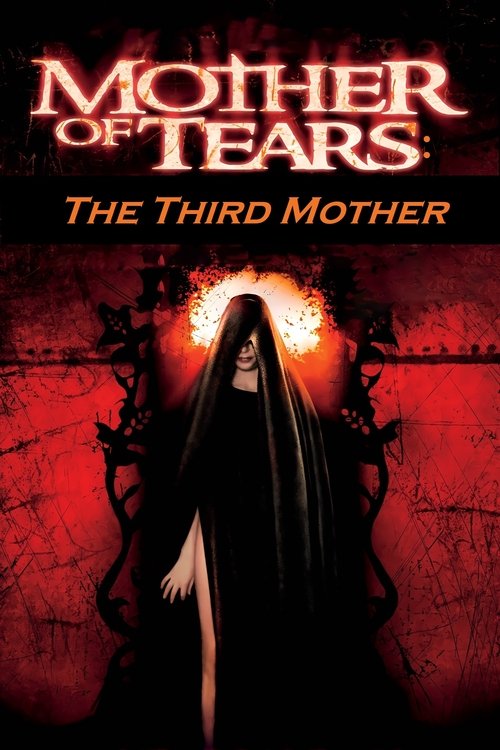
- 2007The Mother of Tears closes the Three Mothers trilogy after 27 years The Mother of Tears
- 2018Guadagnino's remake reframes Suspiria as political body horror set during the German Autumn Suspiria
Sensory horror and occult dread
For Fans of Ari Aster
Explore the For Fans of Ari Aster guide →Argento wanted the audience to feel the film before they understood it. He succeeded so thoroughly that understanding it afterward barely matters.CrossBinge