

Stanley Kubrick's 1980 film turns a haunted hotel into a portrait of domestic violence, creative failure, and psychological collapse. What a fan of The Shining chases is a particular flavor of dread: not the cheap shock of a jump scare but the slow, ambient wrongness of a place and a person. Jack Nicholson's Jack Torrance does not transform into a monster so much as he reveals what was already there, and Kubrick frames that revelation with a cold, geometric precision that makes the Overlook Hotel feel less like a location than a trap. The film sits at the intersection of supernatural horror and psychological realism, and that tension is exactly what connects it to the best work across every medium below.
Same Director, Same Cold Eye
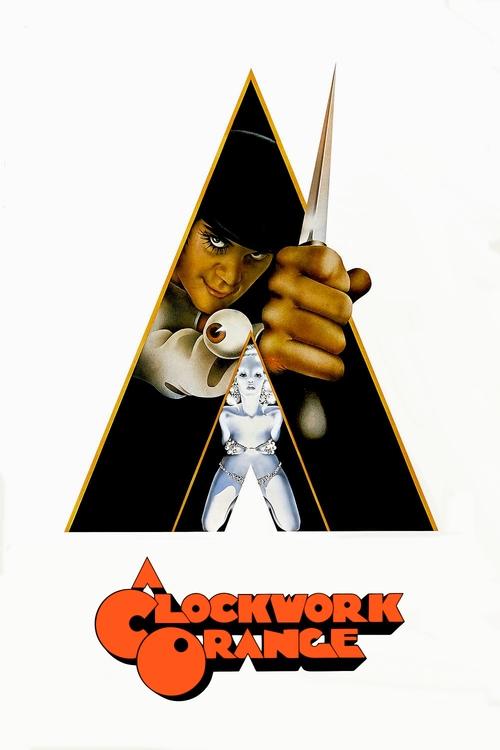
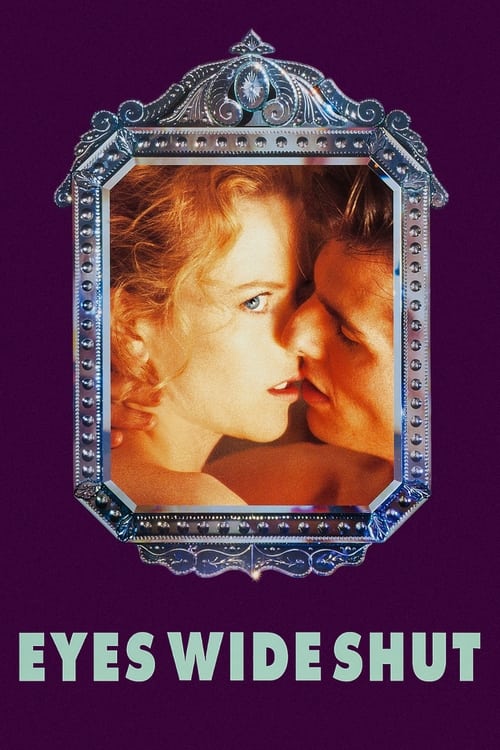
Other Kubrick films that share the clinical dread and formal control



Films That Chase the Same Dread
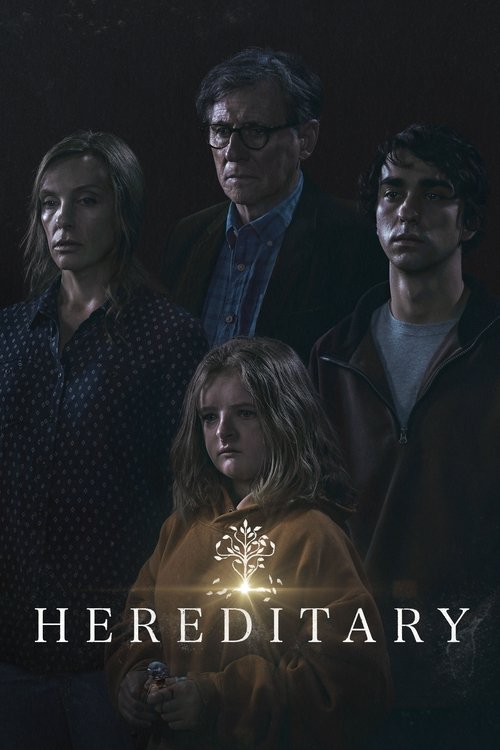
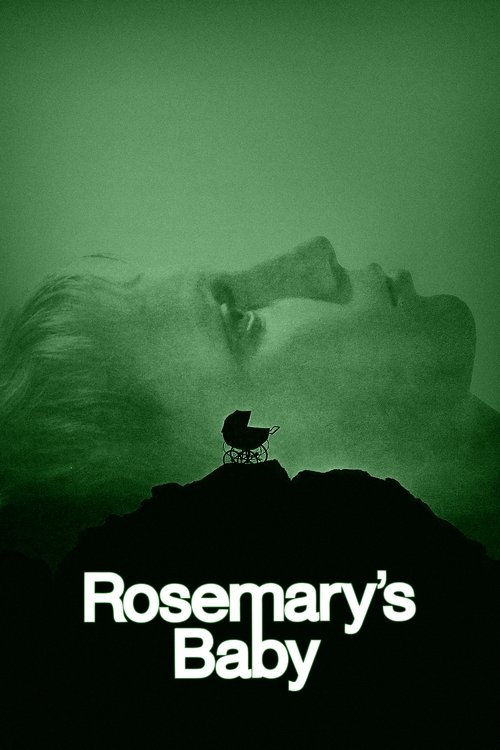
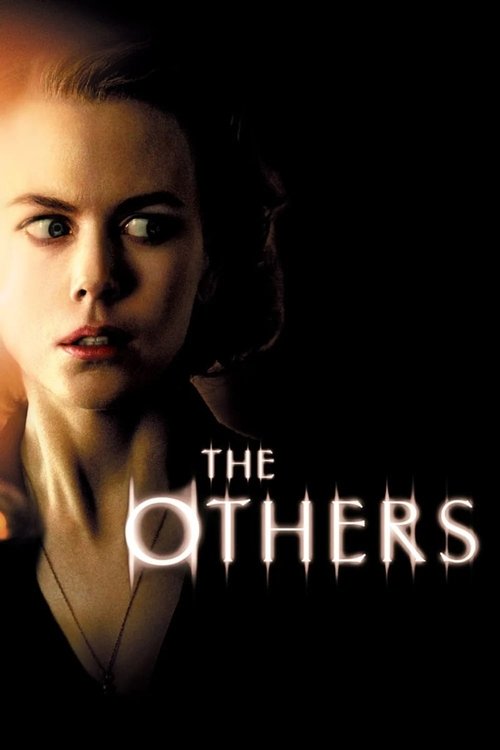
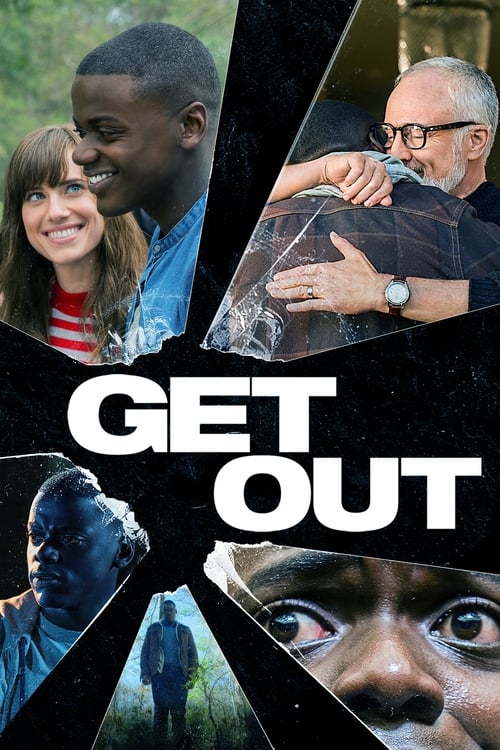
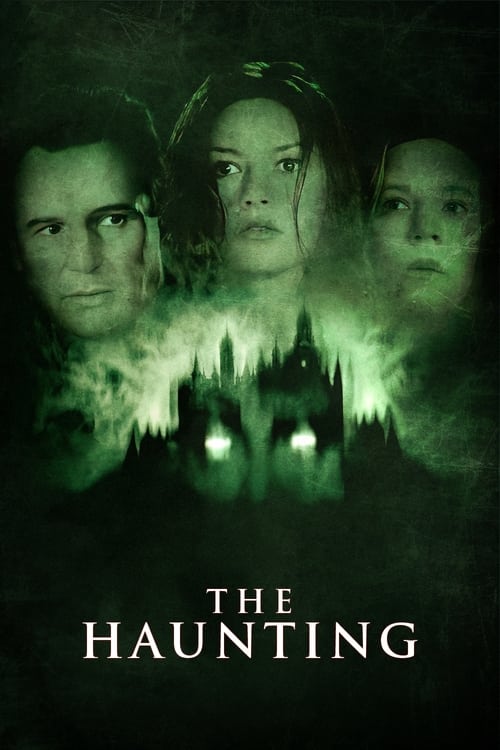
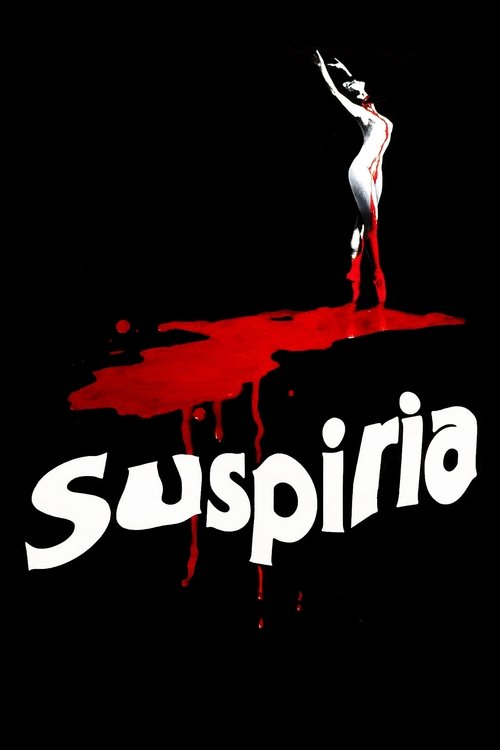
Isolation, psychological unraveling, and places that push back



Series That Live in That Same Wrong Place
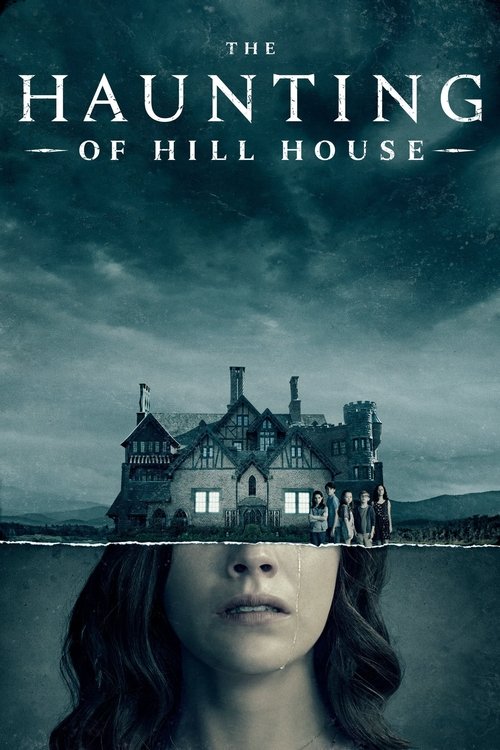
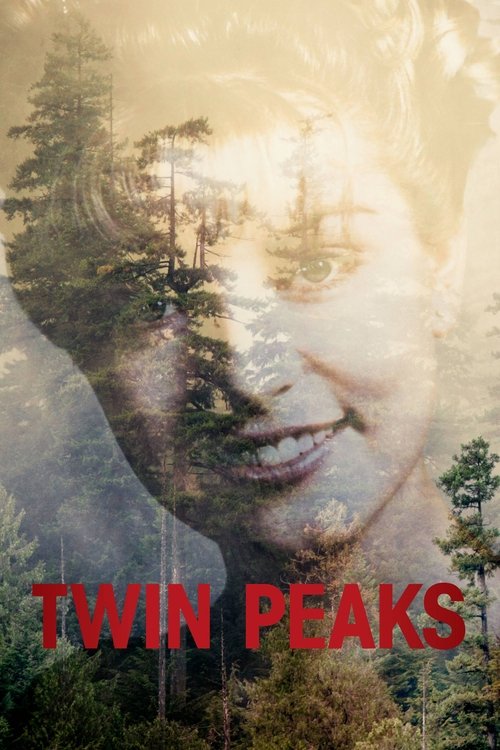
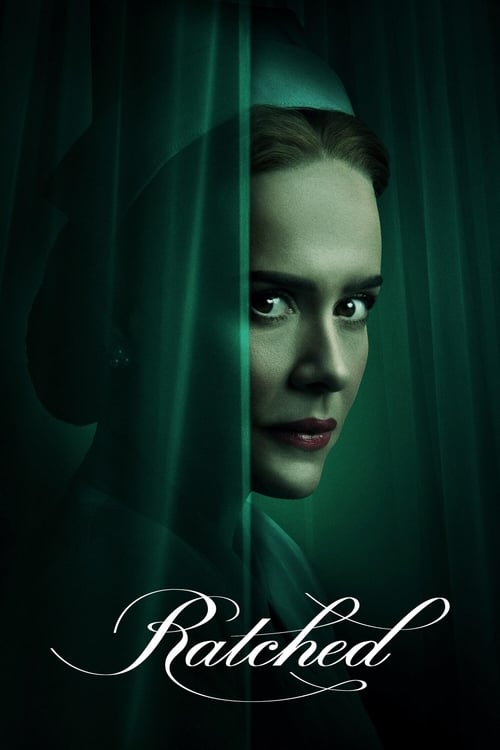
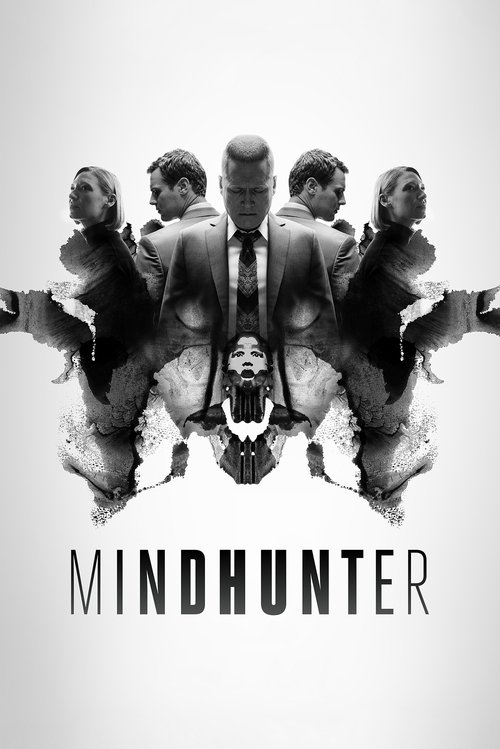
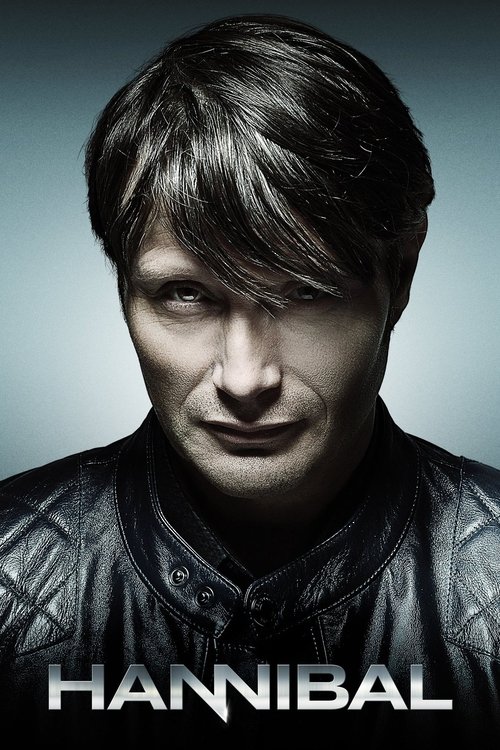
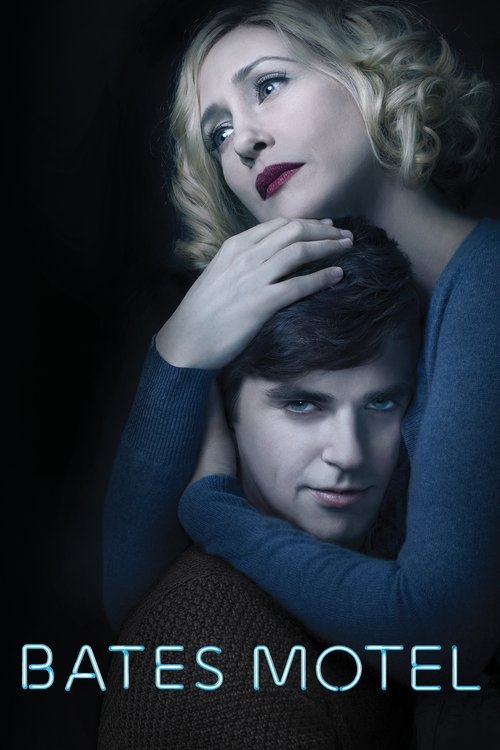
TV that builds slow dread, unreliable narrators, and sealed-off worlds


Novels That Belong on the Overlook's Shelves
The source novel and books that occupy the same psychic territory


Games Sharing Its DNA
Games that use isolation, a hostile building, and a crumbling mind as their engine
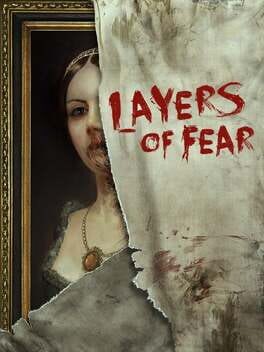


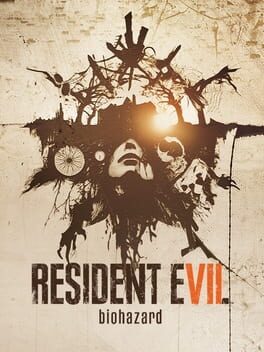
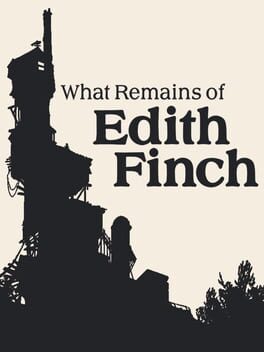
The Score and What It Echoes
Wendy Carlos and Rachel Elkind's score, and music that carries the same chill
Kubrick Did Not Make a Stephen King Film
Stephen King famously hates the 1980 adaptation, and he is not wrong that Kubrick stripped the novel of its warm interior life, its alcoholism-as-disease empathy, and its supernatural specificity. What Kubrick made instead is colder and stranger: a film about the horror of a man who wanted to hurt his family before the hotel ever got involved. The Overlook may or may not be haunted. Jack Torrance absolutely is. That ambiguity is what makes the film endure long after more faithful King adaptations have faded.
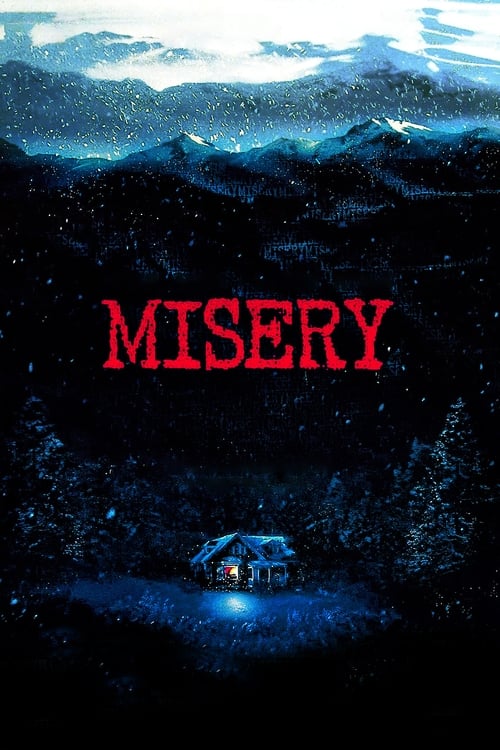
The Building Is the Villain
Horror that uses a location as an active antagonist is its own subgenre, and The Shining wrote the rulebook. The Overlook is not a backdrop: it breathes, it selects, it rewards cruelty and punishes clarity. Games like Control and Alan Wake 2 understand this principle exactly. The building is the puzzle, the threat, and the character. Architecture becomes psychology.
Wendy Torrance Is the Film's Spine
Shelley Duvall's performance was largely dismissed on release and has been slowly, properly reassessed since. Wendy is not passive: she is a woman reading the situation correctly from the beginning, trying to hold a family together against a force she cannot name and an institution (the marriage, the job, the hotel management) that keeps telling her she is wrong. The film is as much her survival story as it is Jack's disintegration.
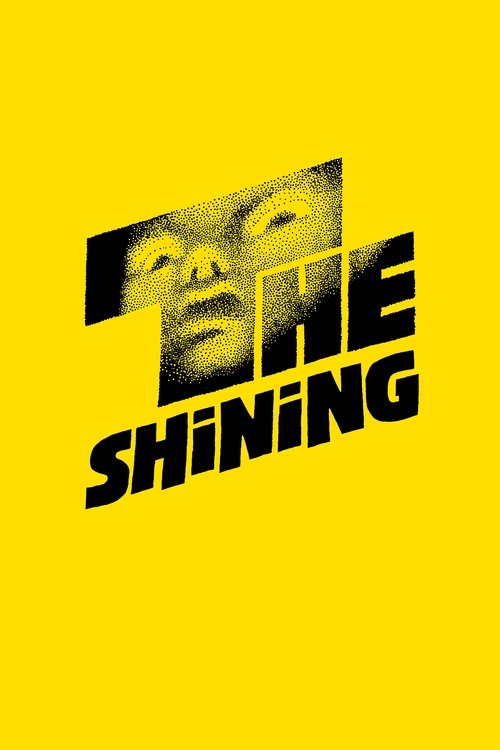
The Shining Across Decades
- 1977Stephen King publishes the novel, drawing on his own experience with alcoholism and a stay at the Stanley Hotel in Estes Park, Colorado. The Shining
- 1980Stanley Kubrick's film opens to mixed reviews and King's vocal disapproval. Shelley Duvall and Jack Nicholson define the roles. The Shining
- 1997King writes and executive-produces a TV miniseries adaptation that hews far closer to the novel's text and emotional register. The Shining
- 2013King publishes Doctor Sleep, the direct sequel following an adult Danny Torrance.
- 2019Mike Flanagan adapts Doctor Sleep to film, threading the Kubrick aesthetic with King's emotional resolution. Doctor Sleep
More dread and slow unraveling
For Fans of Stephen King
Explore the For Fans of Stephen King guide →All work and no play makes Jack a dull boy.Jack Torrance, The Shining (1980)