
The Director Who Taught Us to Fear Silence
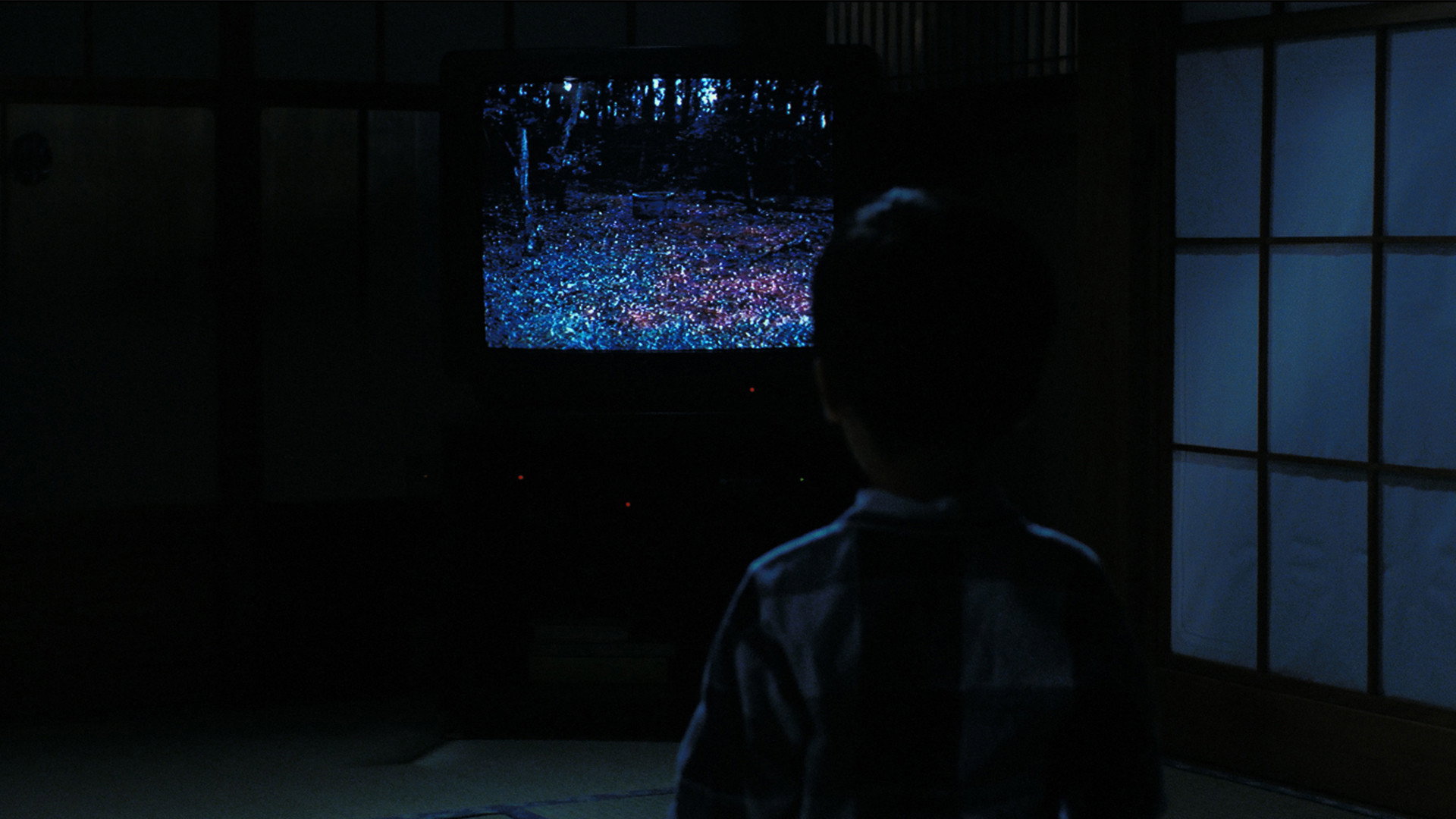
Hideo Nakata does not scare you with what he shows you. He scares you with what he withholds: the long pause before the payoff, the water that should not be there, the hair that should not move. His 1998 film Ringu did not invent the Japanese ghost story, but it codified something that had been gathering in the culture for years. The idea that modernity is haunted. That the very channels we use to connect (the television, the phone, the tape) carry something malevolent inside them. Dark Water pressed further, turning maternal guilt and urban loneliness into a ghost story so sad it is almost unbearable. What Nakata's audience responds to is not gore or shock, but an atmosphere that enters the body slowly, like cold water rising. His films have a quality of domestic uncanny: the wrongness of a familiar space (an apartment building, a small island, a family home) that has been quietly invaded by something from the other side of grief.
Essential Hideo Nakata
His own films, ranked by atmosphere
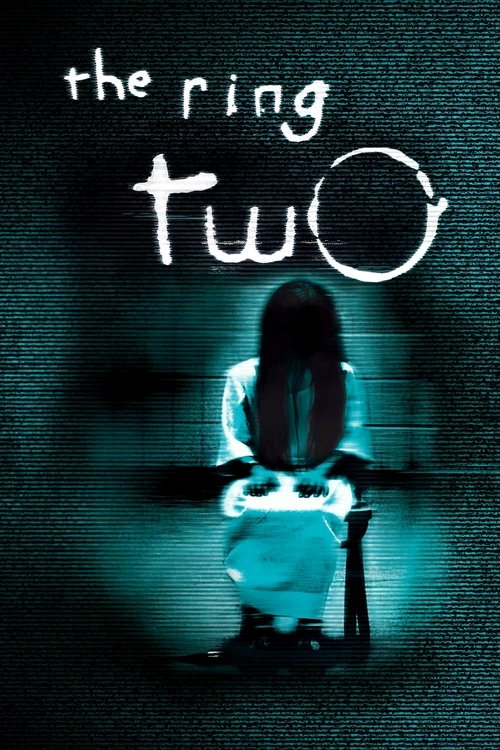

Start with Ringu, not the American remake
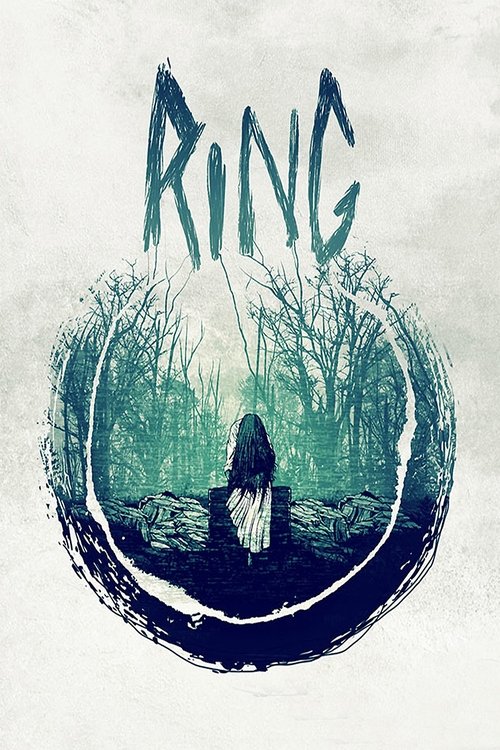
Gore Verbinski's The Ring is a well-made thriller. Nakata's Ringu is something different: quieter, colder, more genuinely strange. The pacing is unhurried in a way Western horror rarely allows itself. The horror accumulates through omission, through what the camera refuses to show directly. The American version explains too much. Nakata trusts the dread, and the dread repays that trust.
The J-Horror Wave He Helped Build
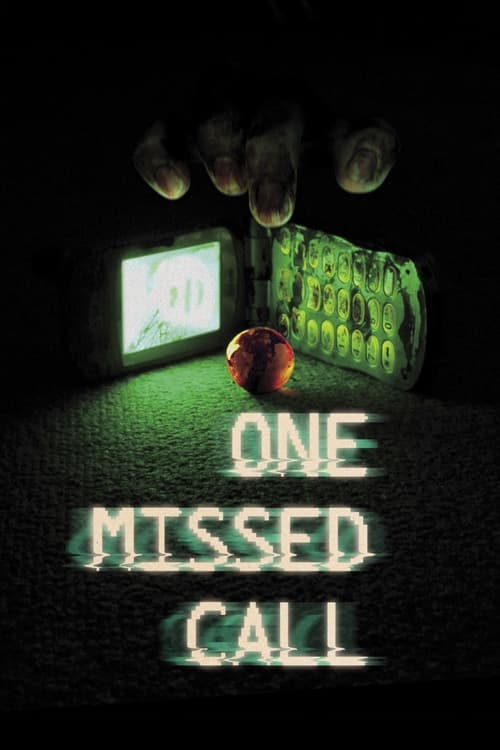
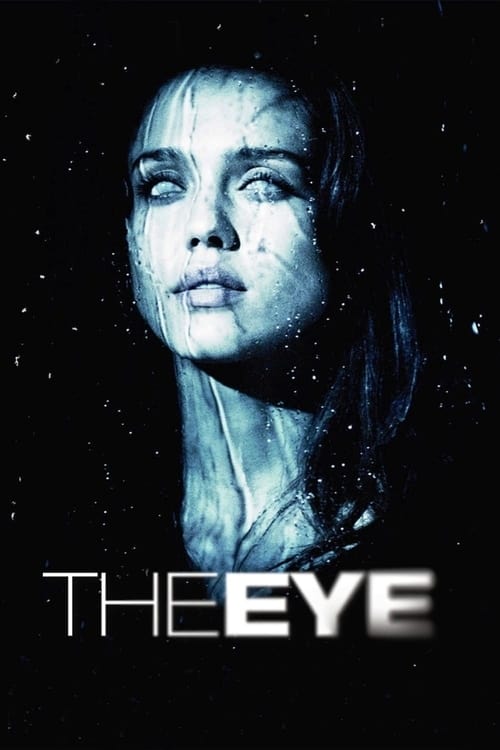
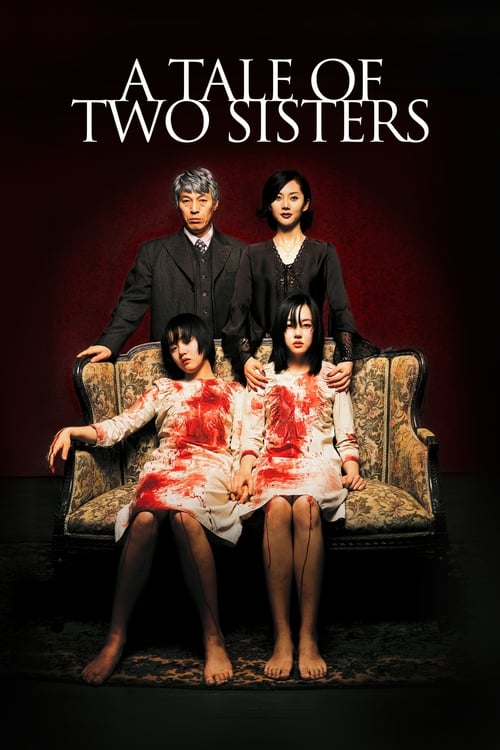
Films from the same tradition of slow dread and vengeful spirits


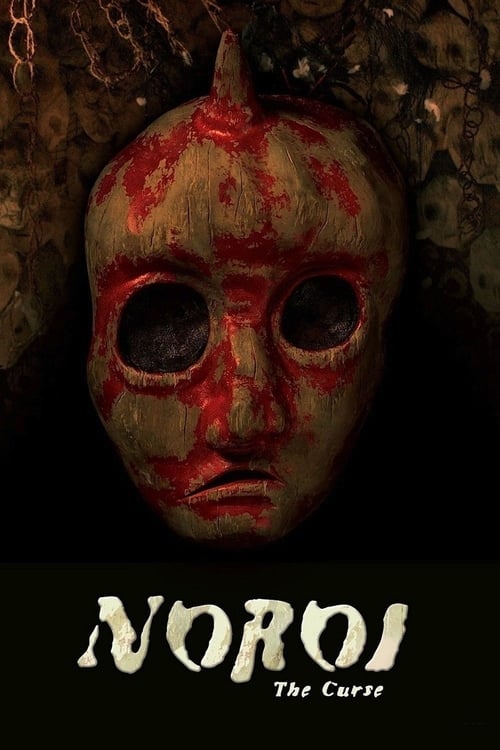


Dark Water is the underrated masterpiece
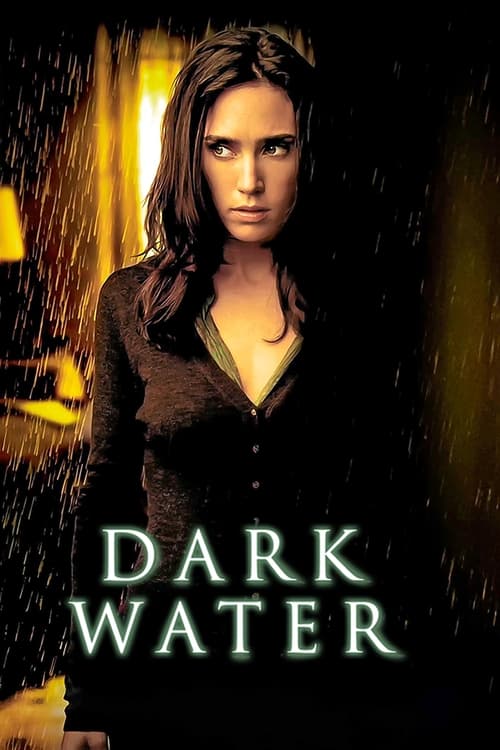
Dark Water is less celebrated than Ringu because it is less obviously scary. What it is instead is genuinely heartbreaking. The ghost story wraps a portrait of a mother fighting for custody, struggling financially, cracking under pressure in a building that reflects her mental state through its leaking walls and brown-stained water. The supernatural resolution is devastating precisely because it is also an act of love. This is the film that proves Nakata is more than a technician of dread.
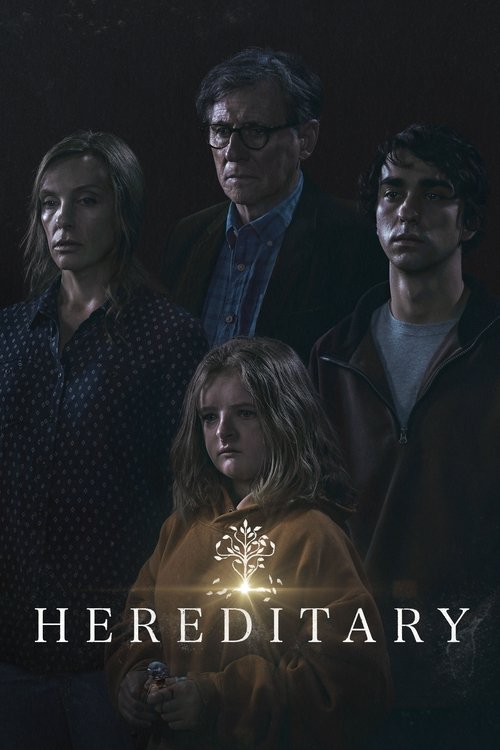
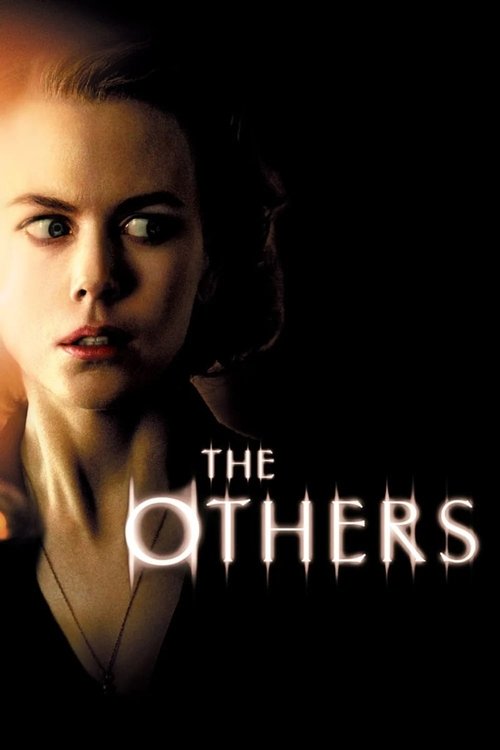
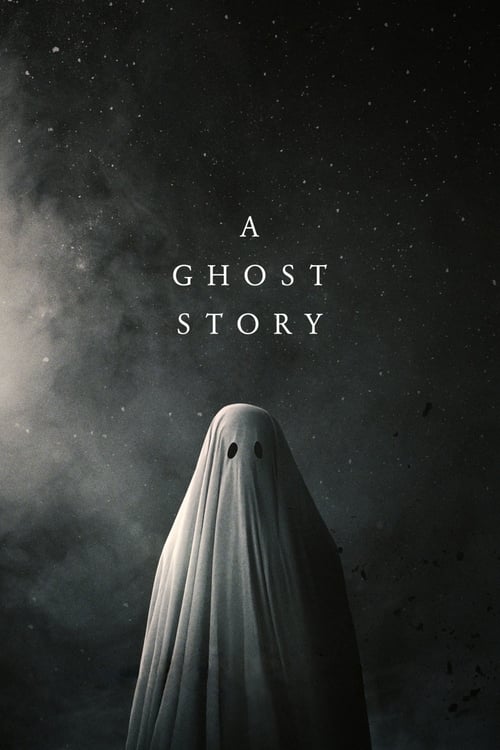
Grief as Horror
Stories where loss opens a door to something that should stay closed


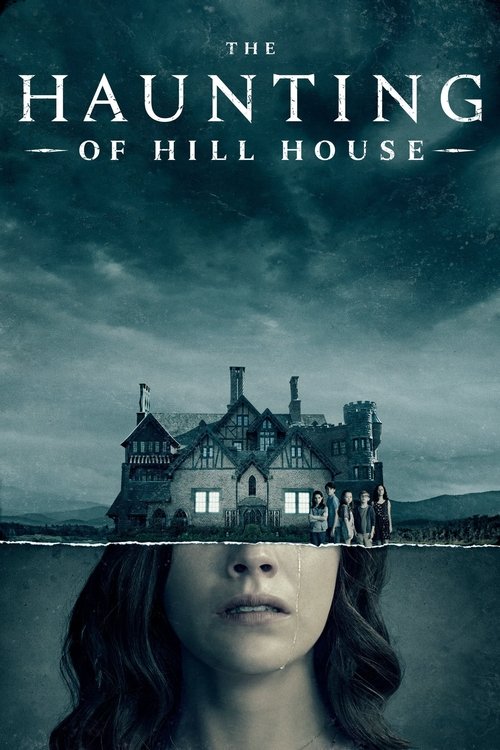
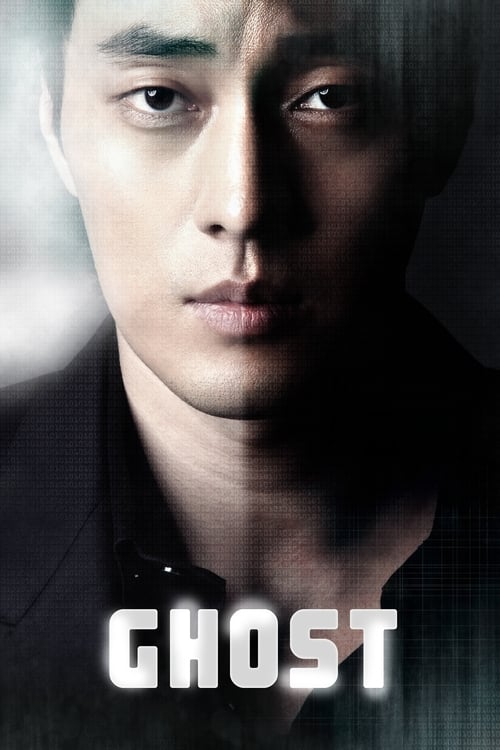


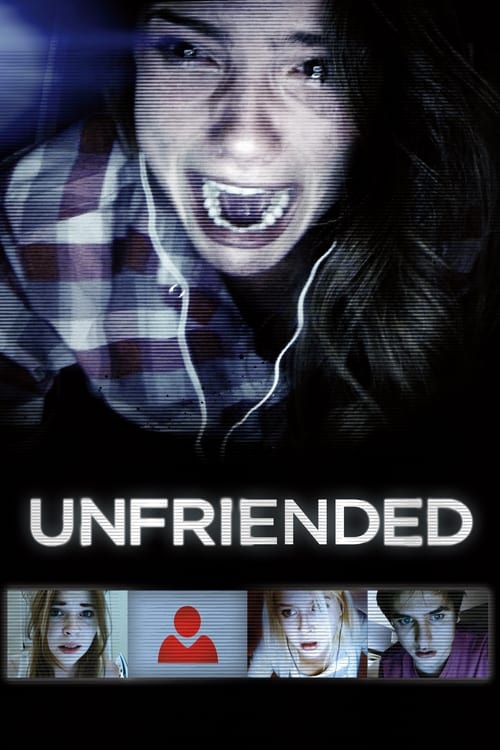
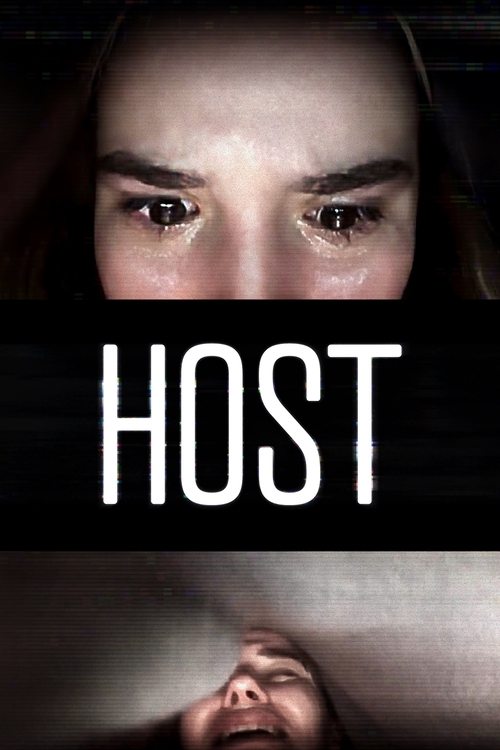
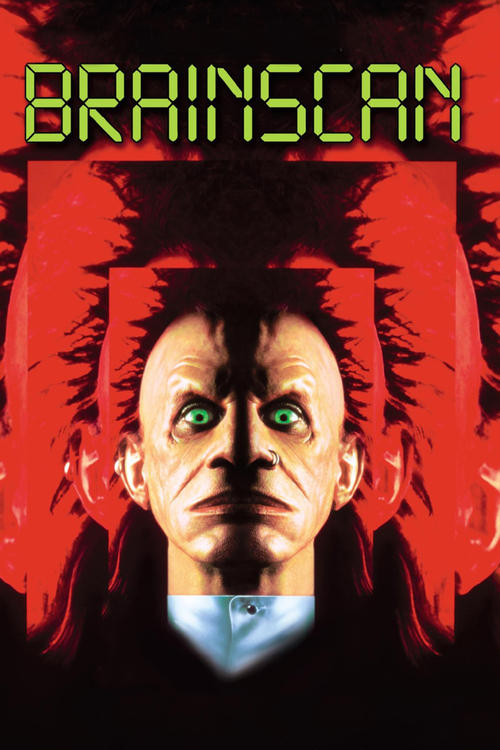
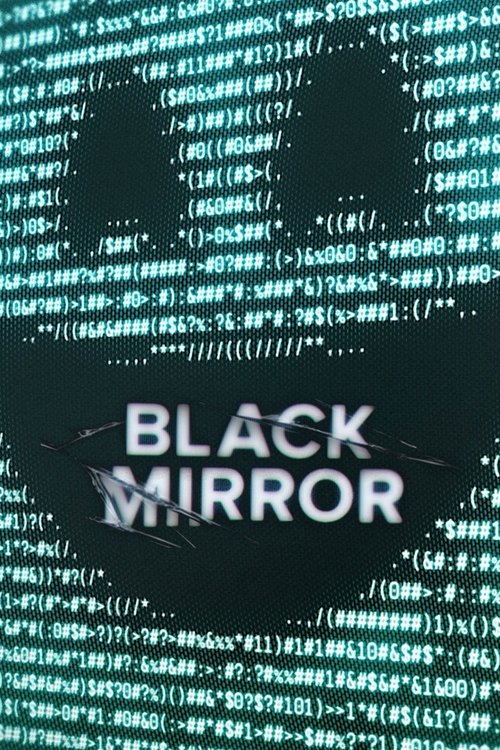
Technology Turned Malevolent
When the screen, the signal, or the network becomes the monster
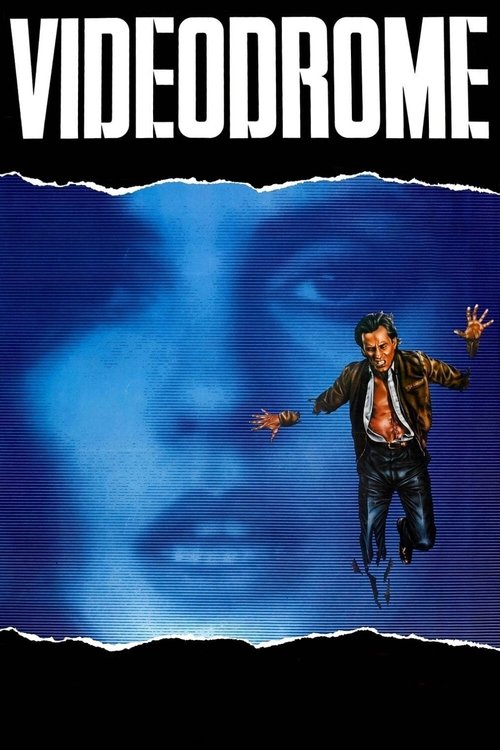
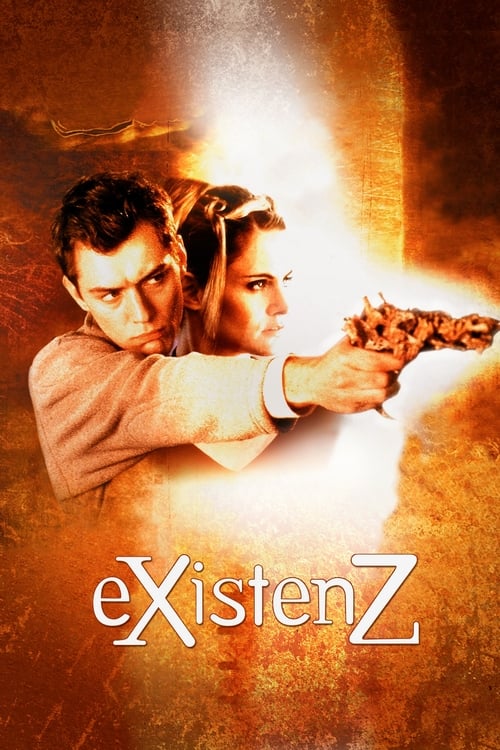


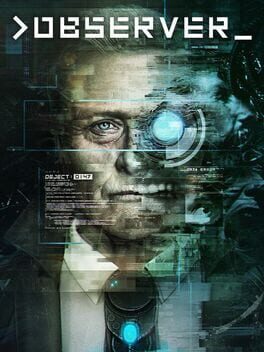
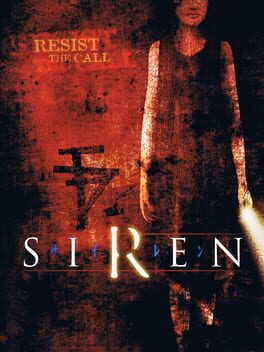
The spiritual successor came from a game, not a sequel
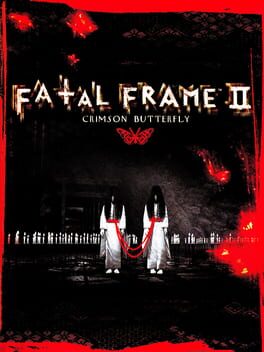
Fatal Frame II: Crimson Butterfly is, in spirit, the game Nakata could have made. Two sisters, an abandoned village, a ritual gone wrong, and the only way to interact with the ghosts is to photograph them (to look directly at the thing that wants to kill you). The design philosophy is identical to Nakata's: stillness, domestic spaces corrupted, and an overwhelming sadness underneath the terror. It is the best argument that J-horror translates perfectly into interactive form.
Quiet Horror in Games and Books
The same creeping dread, different forms



The book that started everything
Koji Suzuki's novel Ring predates and underlies the entire film series. It is a different kind of horror: more procedural and cerebral than Nakata's atmospheric adaptation, closer to a scientific thriller than a ghost story. Reading it after seeing the film is a strange experience. The architecture is the same but the rooms feel different. Suzuki invented the central conceit and the mythology. Nakata gave it a face, a dripping silhouette, a sound design that still holds up. Both are worth your time, and the novel's sequel Spiral extends the mythology in directions the films never tried.
A Career in Dread
- 1996Don't Look Up (domestic horror debut) Don't Look Up
- 1998Ringu redefines J-horror worldwide Ring
- 1999Ringu 2 extends the mythology Ring
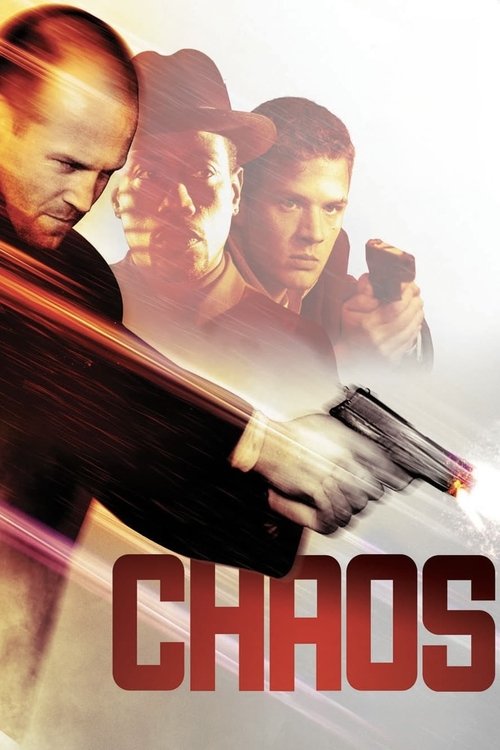
- 2000Chaos, a thriller detour Chaos
- 2002Dark Water, the emotional peak Dark Water
- 2005Hollywood: The Ring Two The Ring Two
- 2007Returns to Japanese ghost tradition with Kaidan Kaidan
J-horror ghosts, cursed objects, dread
Ghosts & Hauntings
Explore the Ghosts & Hauntings guide →The most frightening thing in a Nakata film is never the ghost. It is the apartment, the corridor, the television set: the ordinary surface of daily life that has quietly stopped being safe.CrossBinge editorial