
The Man Who Turned Silence Into a Weapon
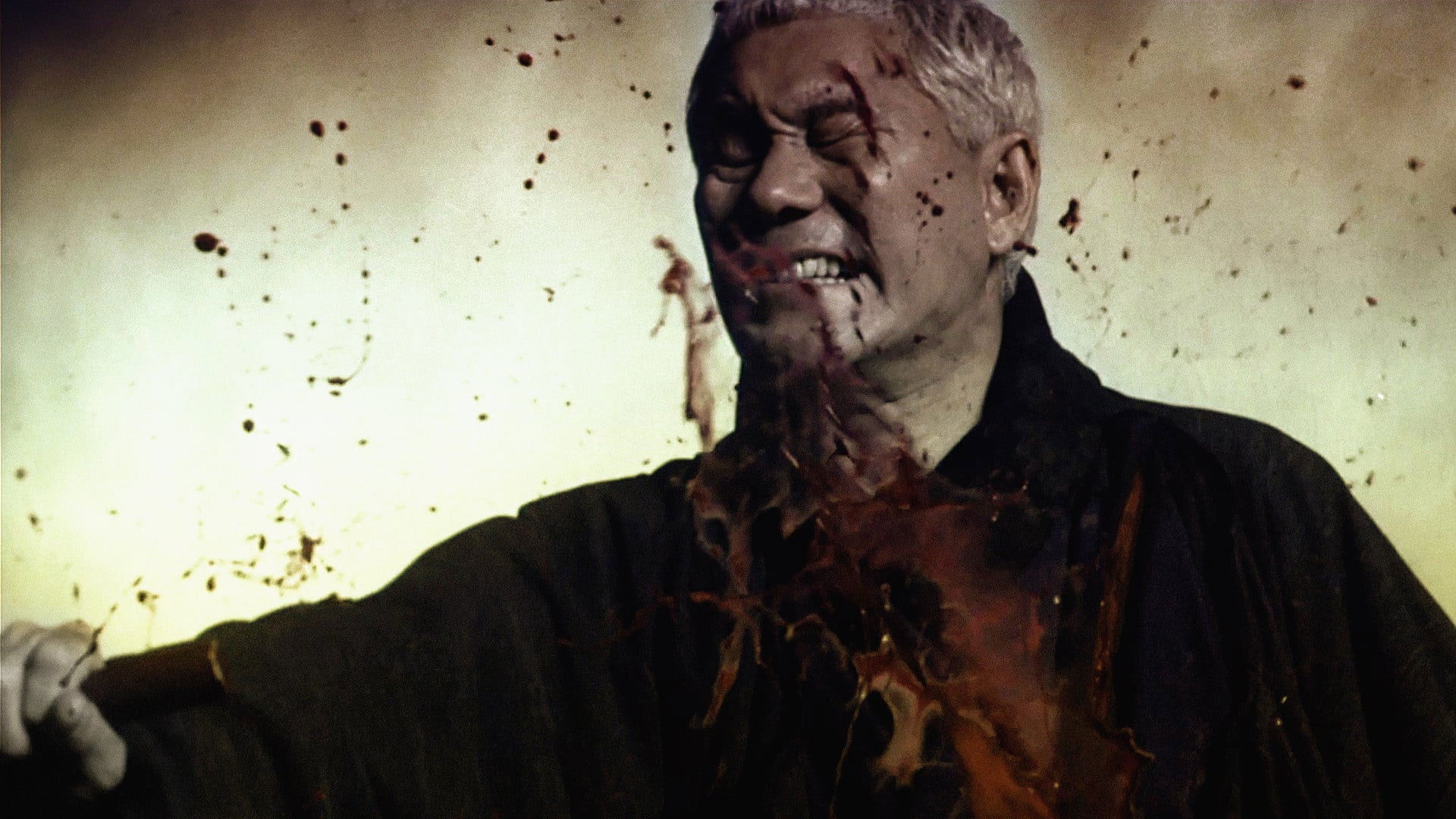
Takeshi Kitano wears many faces: stand-up comedian, television provocateur, painter, novelist, video game creator, and one of the most distinctive film directors of the past four decades. In Japan he is known simply as Beat Takeshi, a name earned in the manzai comedy clubs of the 1970s. In cinema, he is the director-editor-actor who remade the yakuza film in his own image and then spent twenty years systematically dismantling that image.
What unites the wildly different phases of his career is a sensibility that refuses comfort. His films let silence do the heavy lifting. Violence, when it comes, arrives without warning and ends just as fast, leaving the camera to linger on the aftermath with the same flat attention it gave to a beetle crossing a sidewalk. His protagonists, many of them played by Kitano himself with a face that gives away nothing, occupy a curious space between tenderness and lethality. He is interested in men who have run out of road, and in the odd grace that sometimes appears in that condition.
A fan of Kitano is someone who can sit with ambiguity: with films that are funny and then devastating, with beauty that has no redemptive arc attached to it, with a filmmaker who trusts the audience to supply the emotion the actors withhold. If any of this is your frequency, this guide is for you.
Essential Takeshi Kitano
The core filmography, in rough order of entry

Start here: Sonatine is the one
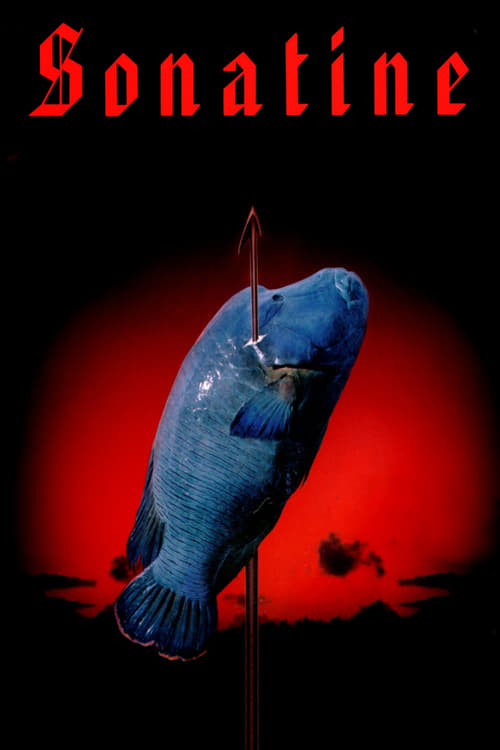
Sonatine (1993) is the essential Kitano film, the one where every element of his sensibility locks into place. A mid-level yakuza boss and his crew are exiled to Okinawa while a gang war plays out above them. They fill the time with beach games: paper sumo, fireworks, children's toys. The comedy is real, the melancholy is real, the violence is real, and none of these registers cancels the others. If Sonatine does not click, nothing else will. If it does, you now have a career to explore.
Stillness and Sudden Violence
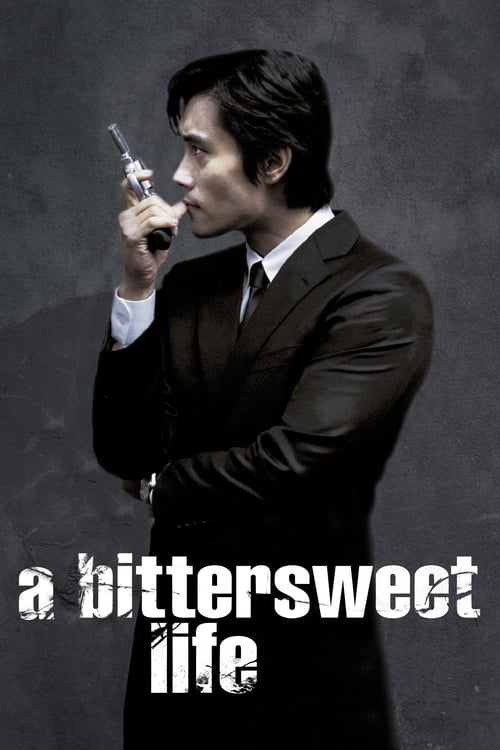
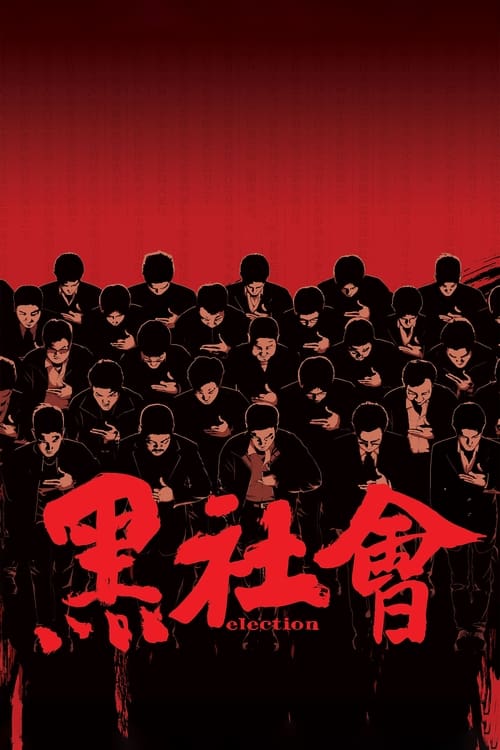
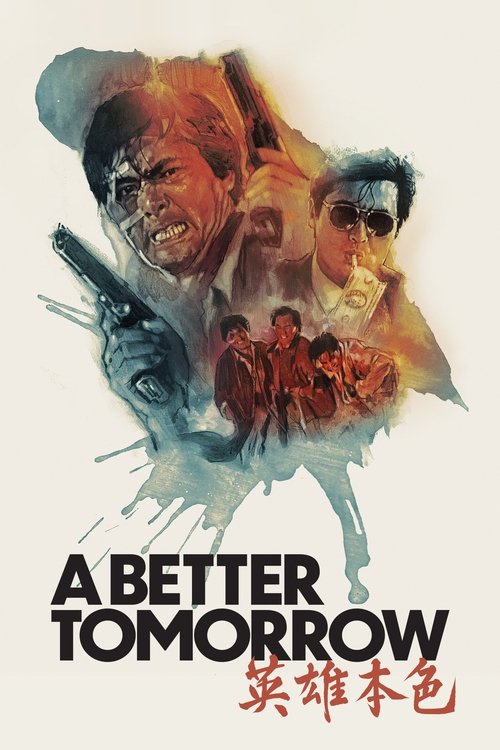
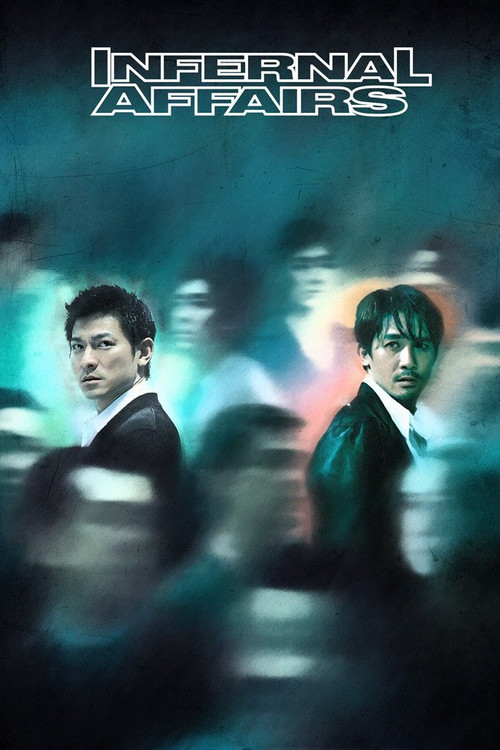
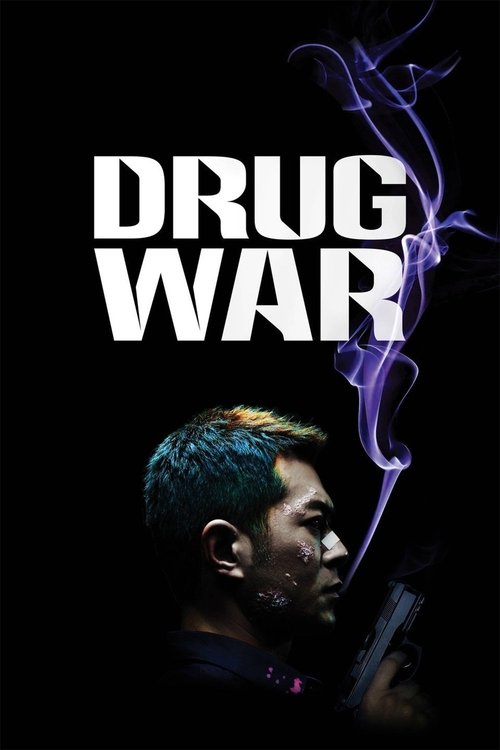
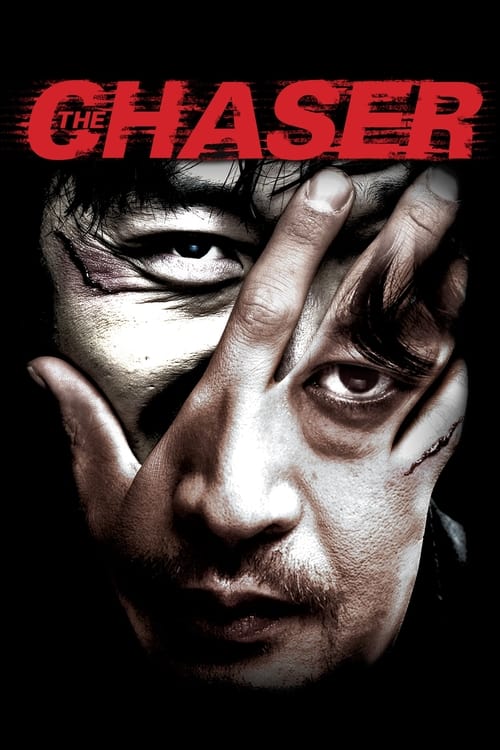
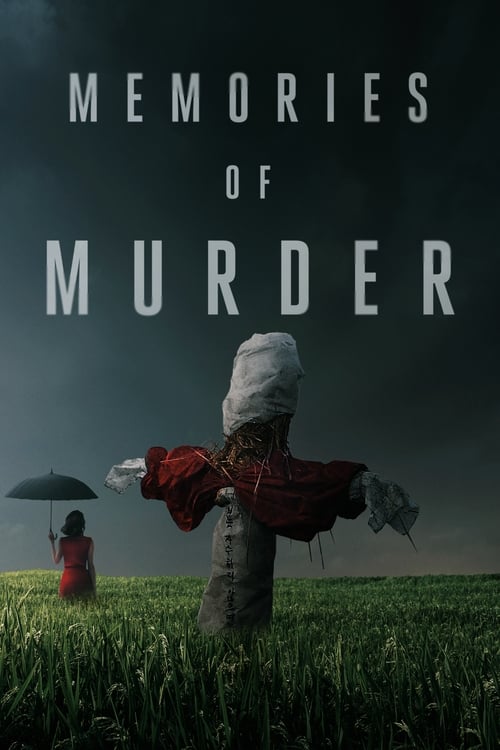
Asian crime cinema that shares Kitano's rhythm: long silences, fast endings


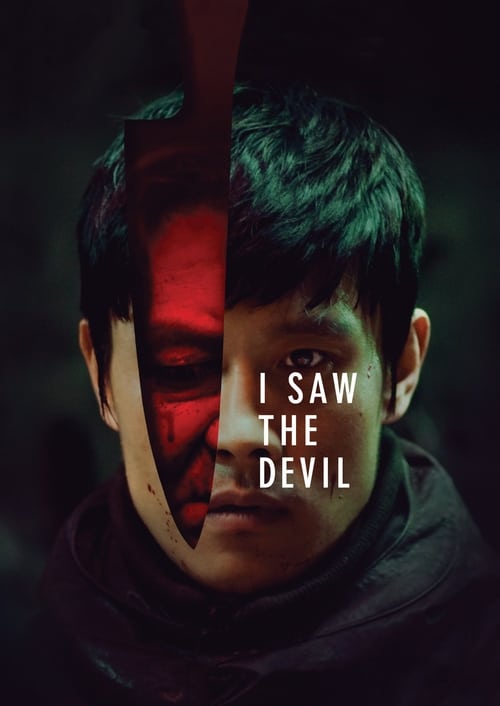
Deadpan Poetry: Films That Trust Silence
Directors who let the frame breathe and the audience feel the weight
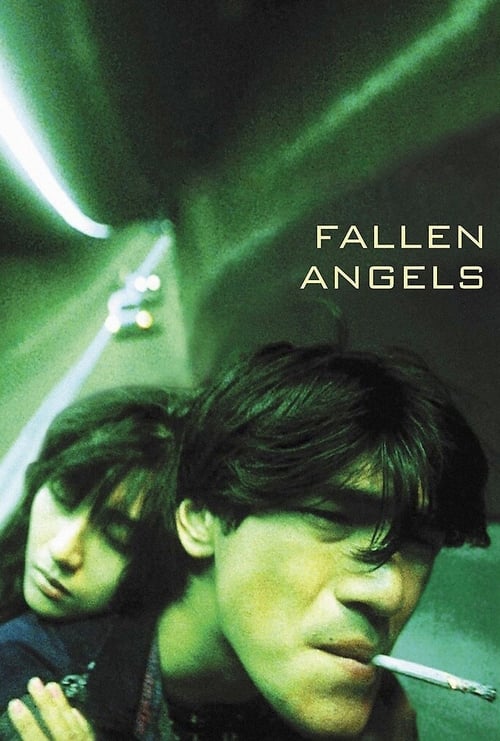
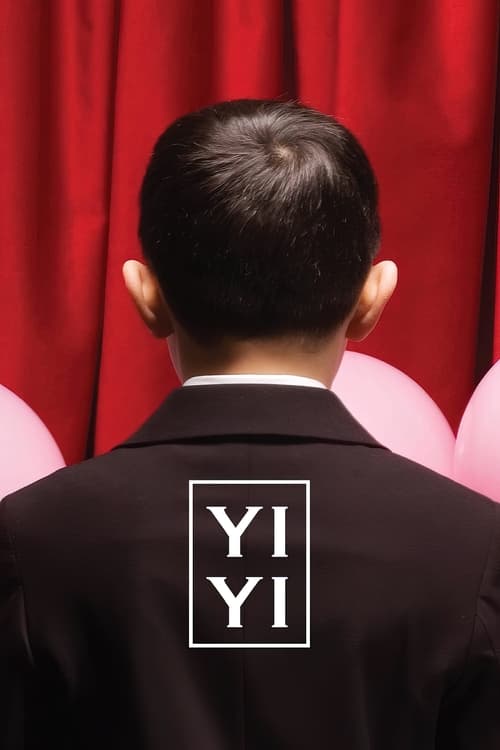

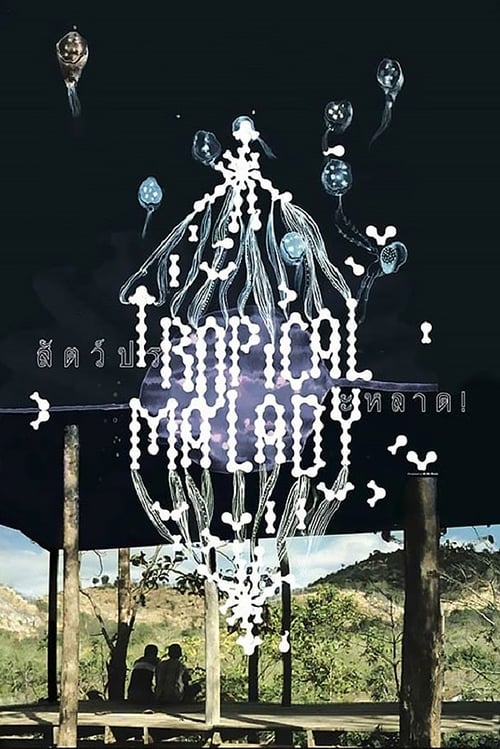


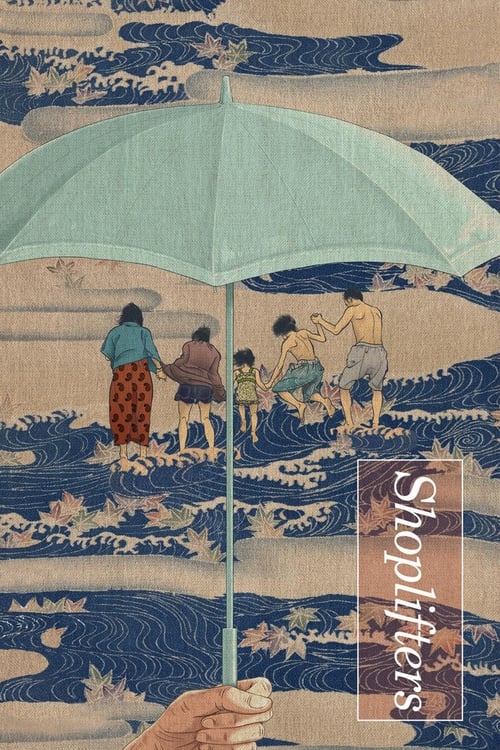
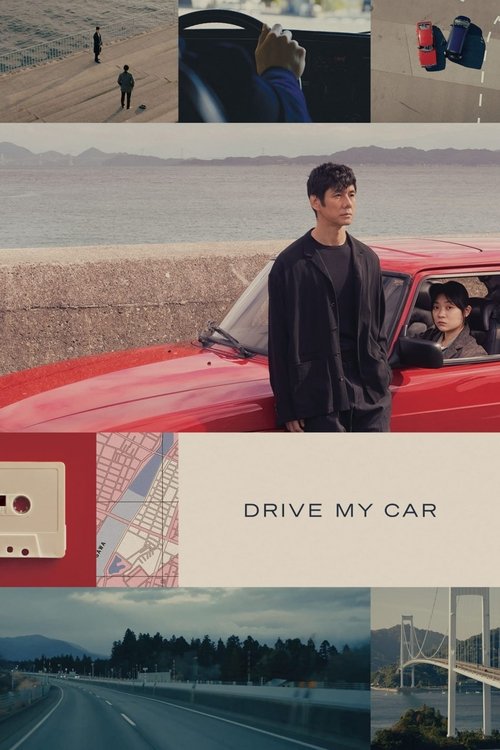
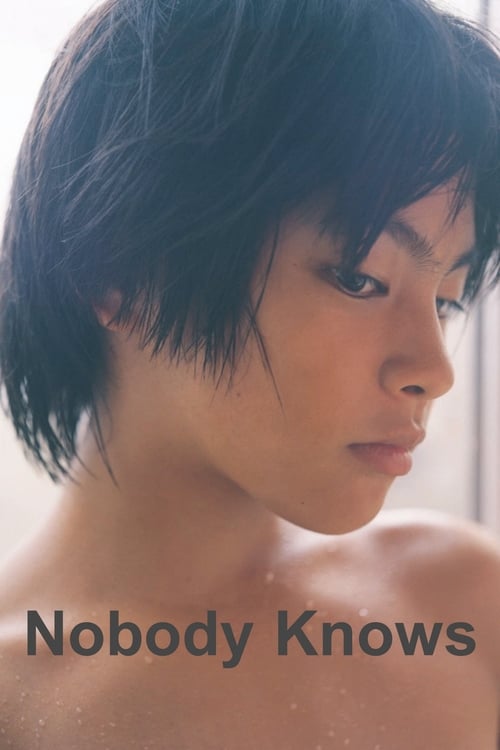
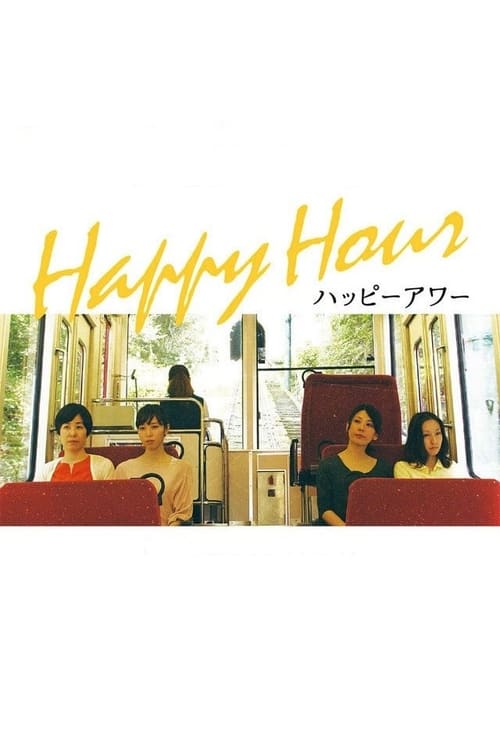
The underrated one is Dolls
Dolls (2002) is consistently skipped by people working through Kitano's filmography because it looks like a detour: three interlocking love stories structured around traditional bunraku puppet theatre, no yakuza, no comedy. It is actually one of his most fully realized films. The images, many of them staged against extreme seasonal colour, are among the most beautiful he has ever composed. The emotional register is pure tragedy without irony as a buffer. It remains underseen precisely because it refuses to be what people expect from him.
The Loneliness of Men Who Have Seen Too Much
TV that sits with the same existential weight as late Kitano
A Career in Phases
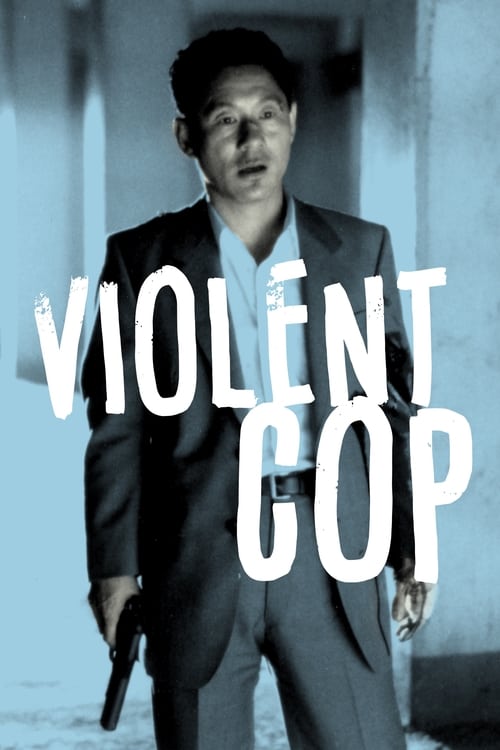
- 1989Directorial debut Violent Cop
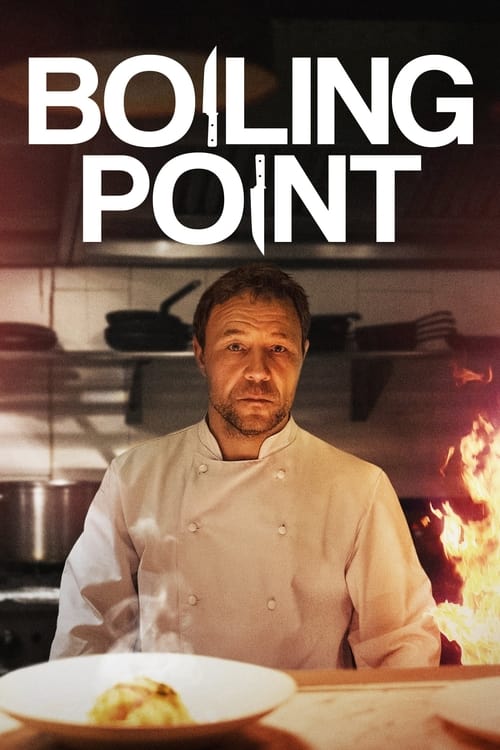
- 1990The summer on the lava field Boiling Point
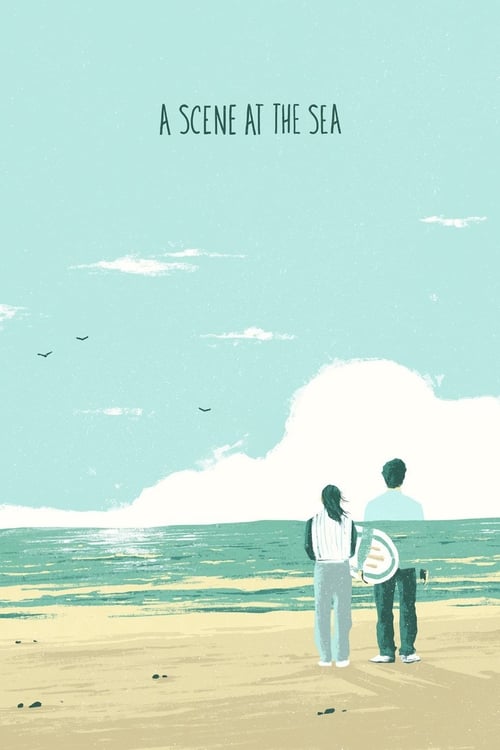
- 1991The tender side emerges A Scene at the Sea
- 1993The masterpiece arrives Sonatine
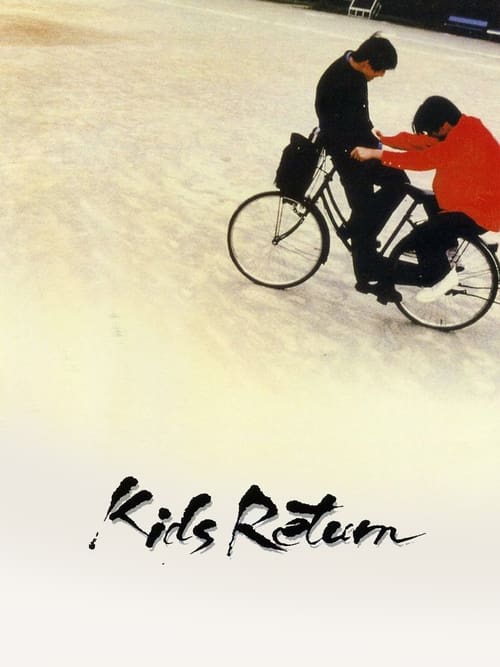
- 1996Tender interlude Kids Return
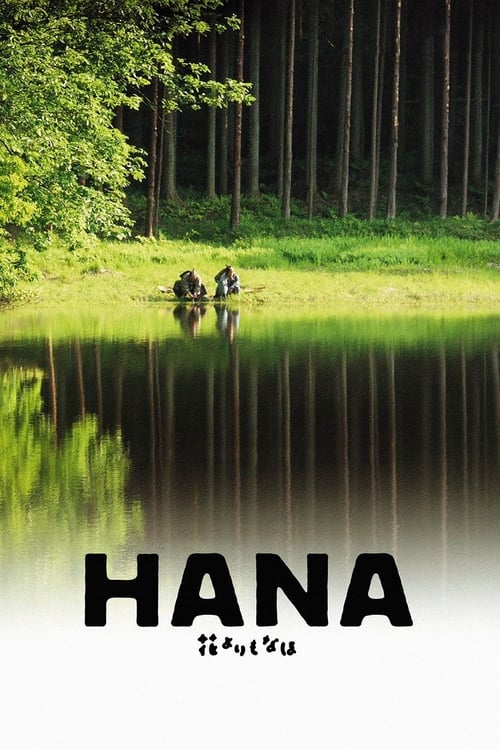
- 1997Venice Golden Lion Hana
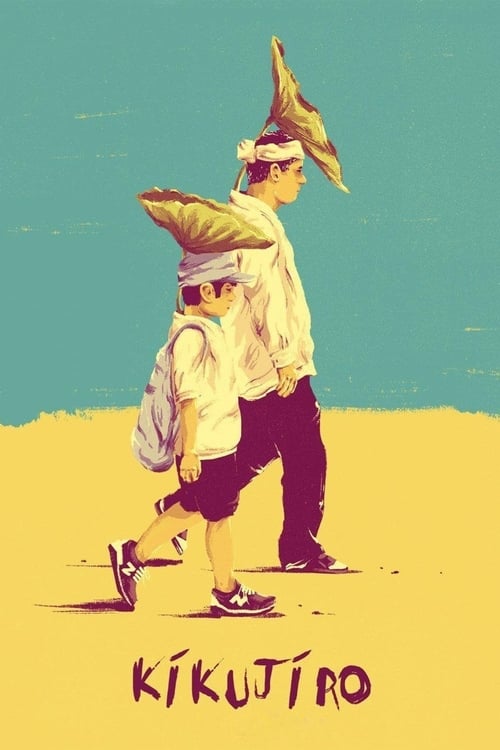
- 1999The most accessible entry point Kikujiro
- 2002The lyric departure Dolls
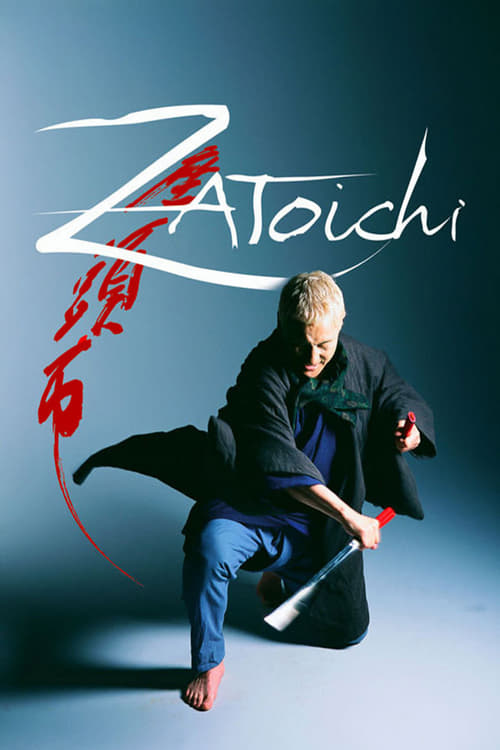
- 2003Genre revisited Zatoichi
- 2007Self-portrait trilogy begins Glory to the Filmmaker!
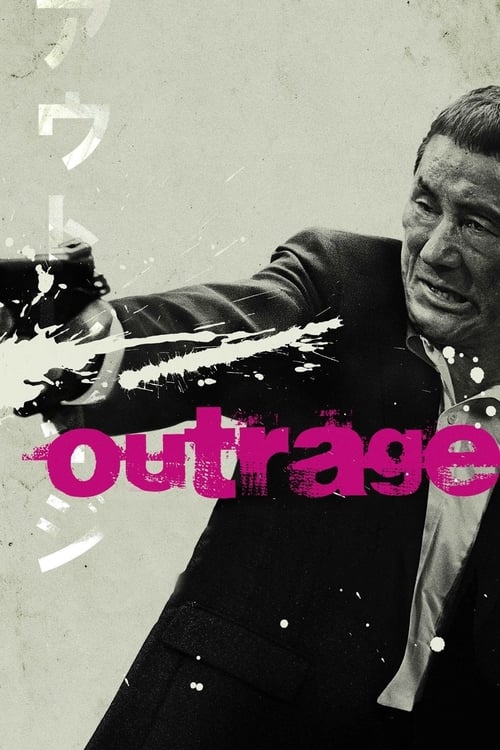
- 2010Return to hard crime Outrage
- 2017Final yakuza chapter Outrage Coda
Hana-bi is the spiritual centre, not the entry point
Hana-bi (1997) won the Golden Lion at Venice and is often the first Kitano film people encounter through critical recommendation. It is a magnificent film and a terrible place to start: the emotional payoff depends on already being fluent in his grammar of silence and implication. Come to it third or fourth, after Sonatine and Violent Cop have calibrated your ears for his frequency. When you do arrive, the final beach scene will hit in a way it simply cannot on a first viewing.
Kitano makes films the way a good poker player reads a table: he shows you almost nothing. The gap is the game.CrossBinge editors
The spiritual successor is Park Chan-wook
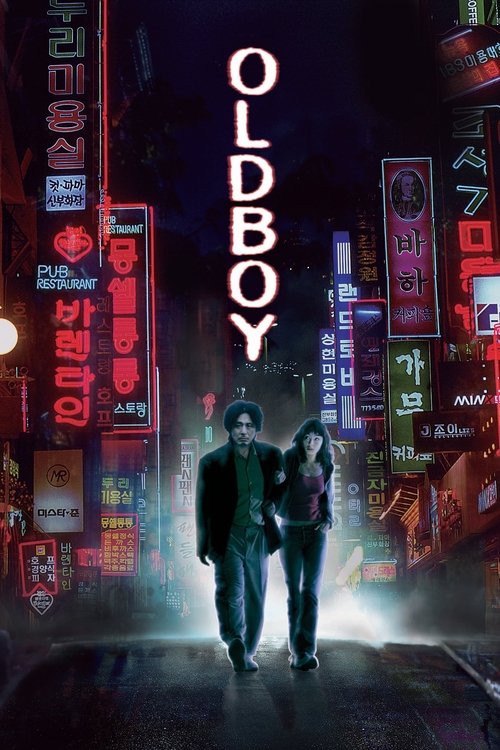
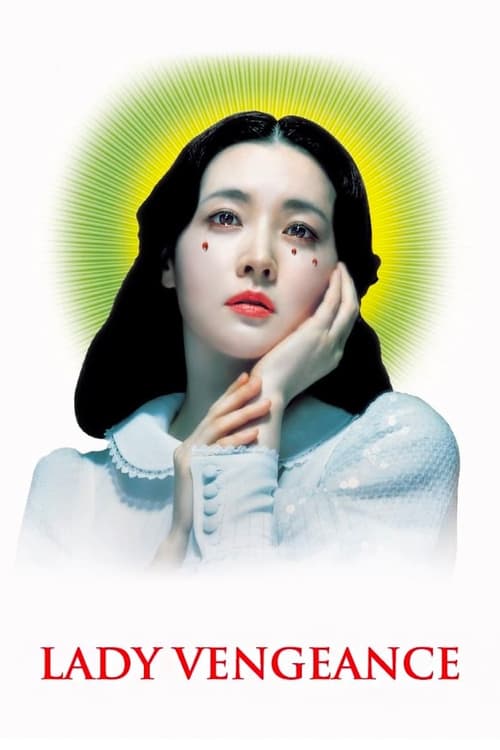
Park Chan-wook absorbed Kitano's lesson that violence must be earned by silence, then pushed the formal architecture further: where Kitano edits intuitively, almost abruptly, Park builds with the precision of a watchmaker. The Vengeance trilogy (Sympathy for Mr. Vengeance, Oldboy, Lady Vengeance) is the closest thing in world cinema to a Kitano lineage. Both directors understand that revenge is not cathartic, and that the camera has an obligation to stay in the room after the noise stops.