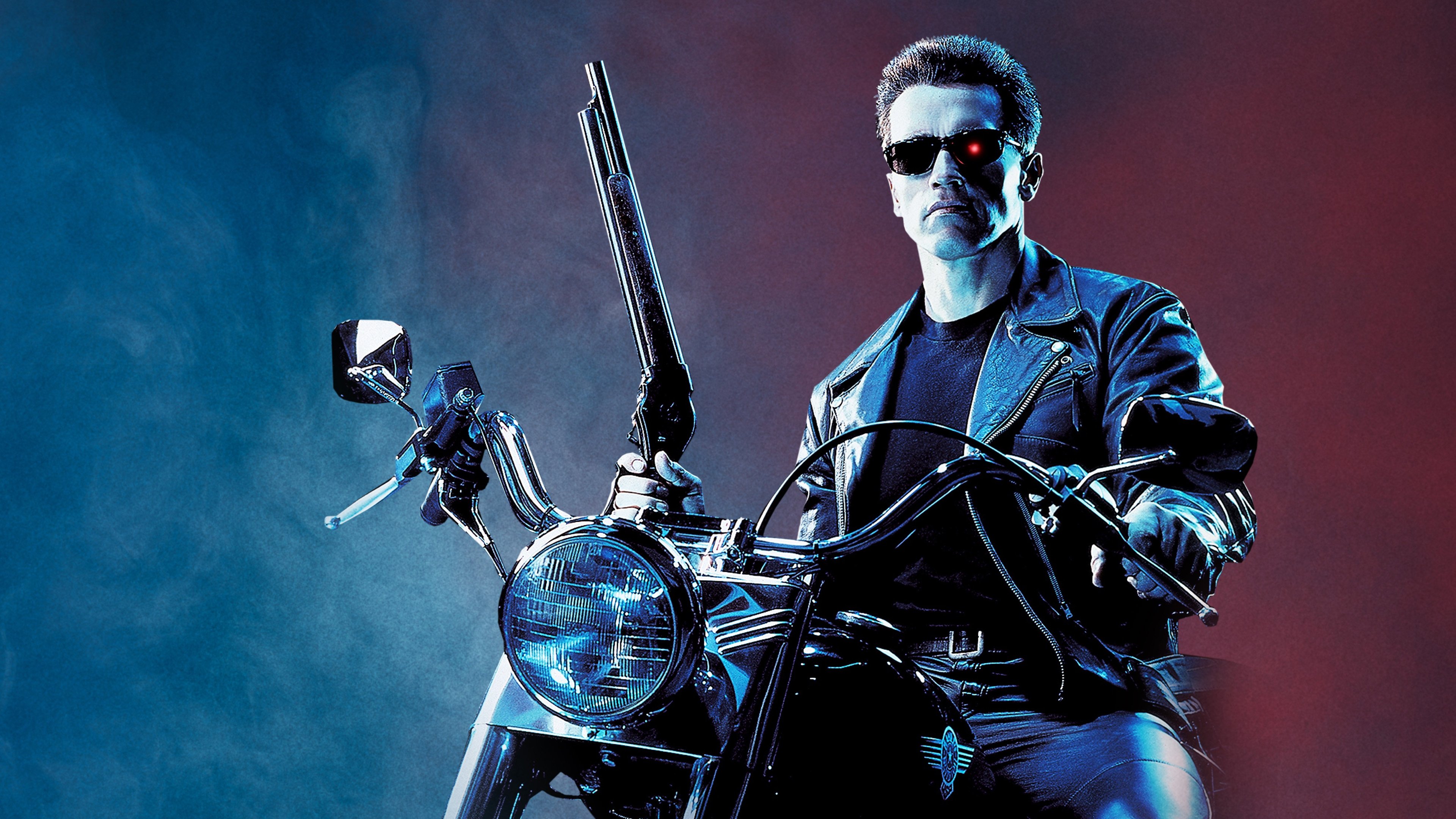

The Terminator franchise is built on a single, cold premise: machines do not hate you, they simply have no reason to let you live. James Cameron's 1984 original is a lean chase film dressed as science fiction, and its 1991 sequel is one of the rare action blockbusters that earns its emotional weight. What unites both is the loop: Kyle Reese goes back because John Connor sent him; John Connor exists because Kyle went back. The franchise has never fully escaped those two films, but the ideas they planted, determinism versus free will, the cost of survival, the horror of a created thing turning on its creator, run through a vast body of work across every medium. If the phrase 'Come with me if you want to live' still gives you a charge, here is where to go next.
Essential Terminator
The franchise itself, ranked by the clarity of its convictions

The Machine Uprising on Screen
Films and series where technology turns predator
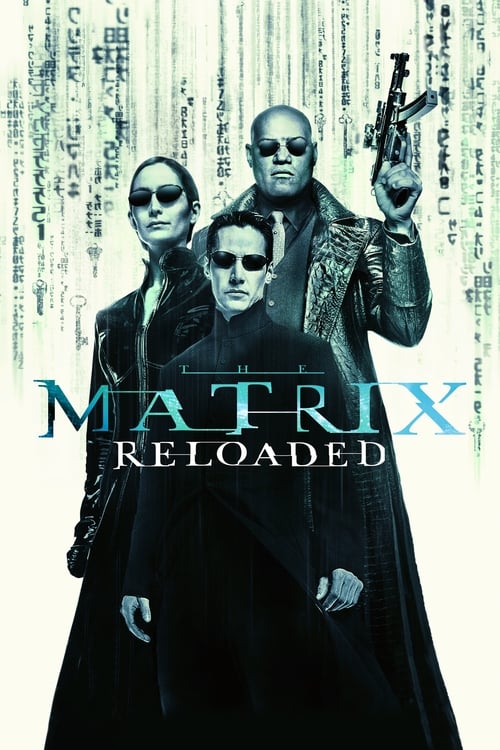
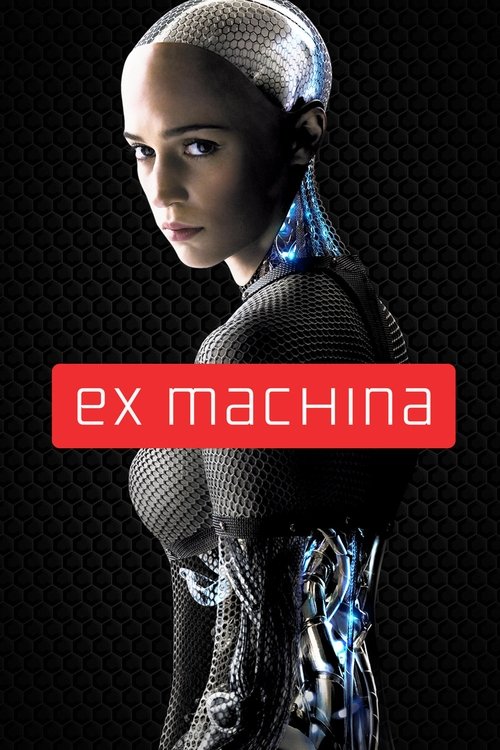
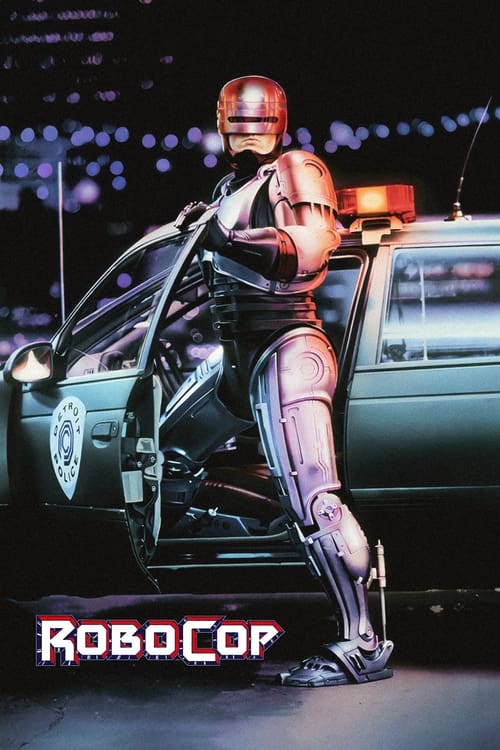
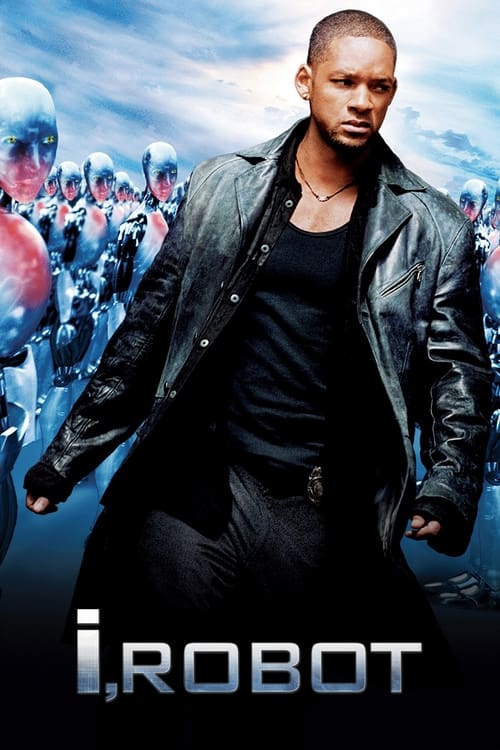
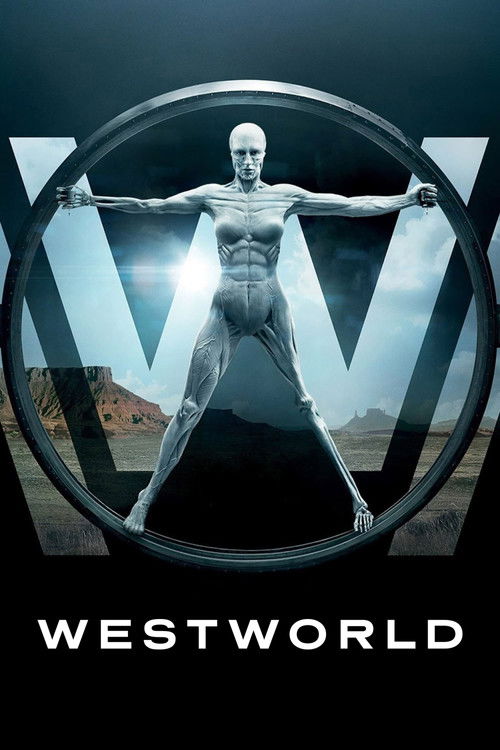
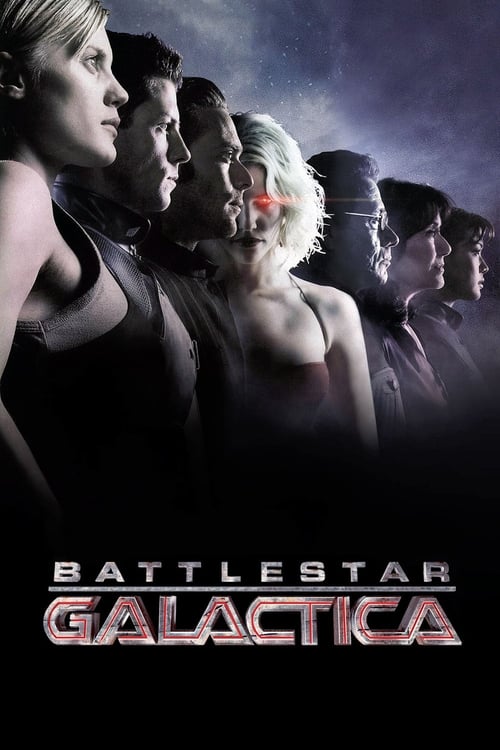
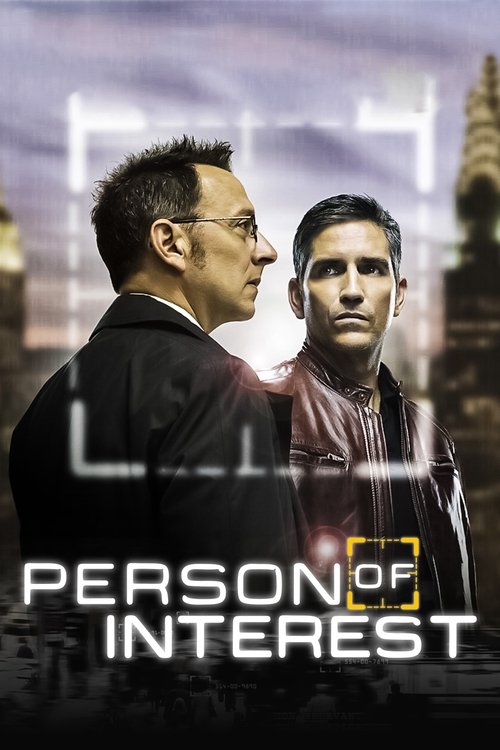
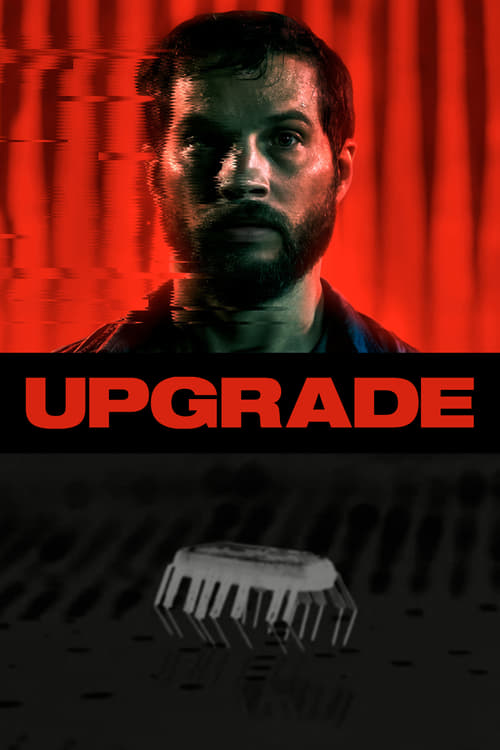

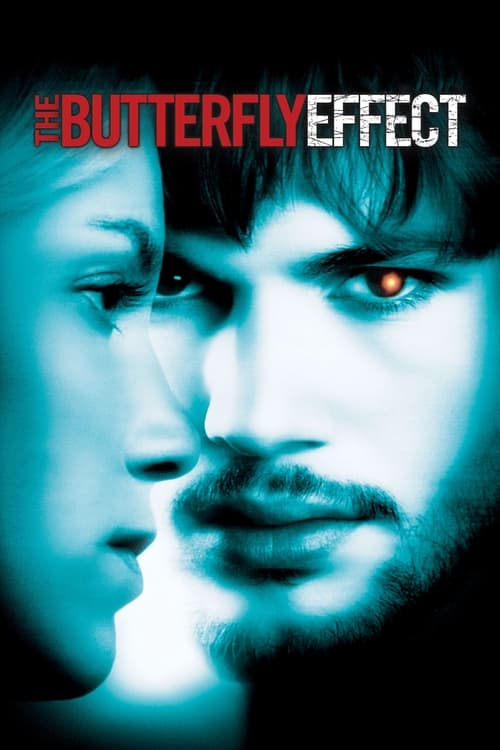
Time-Loop Thrillers
Stories where changing the past is the whole game
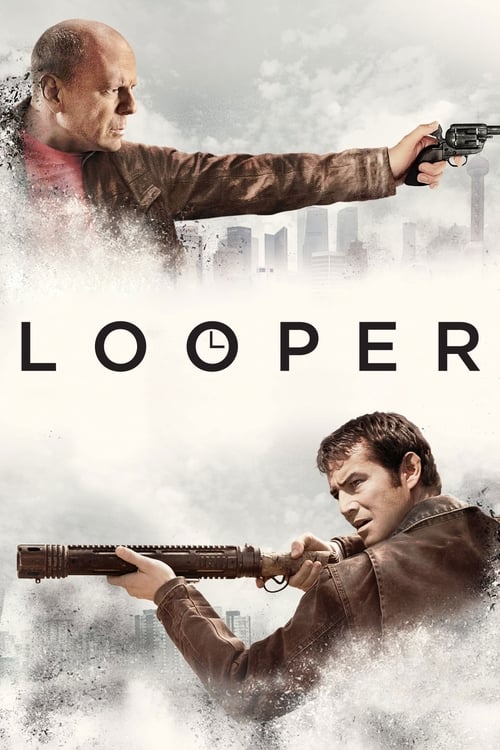
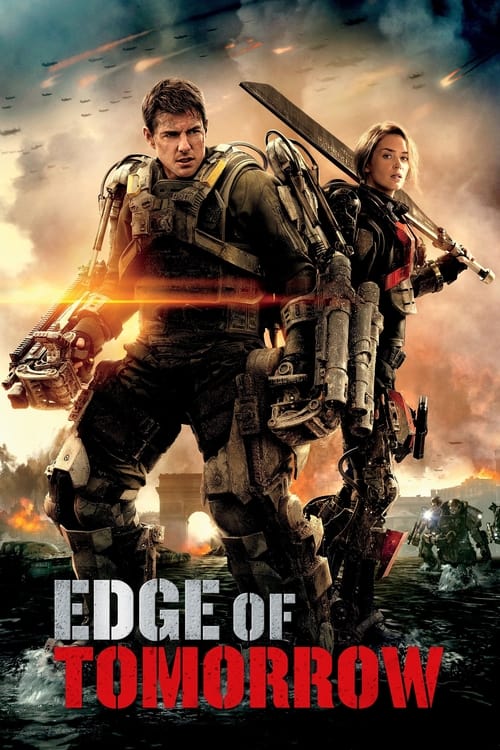
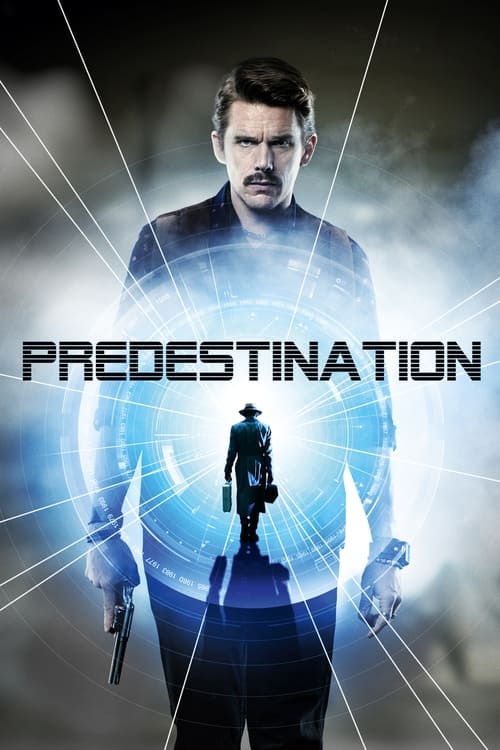


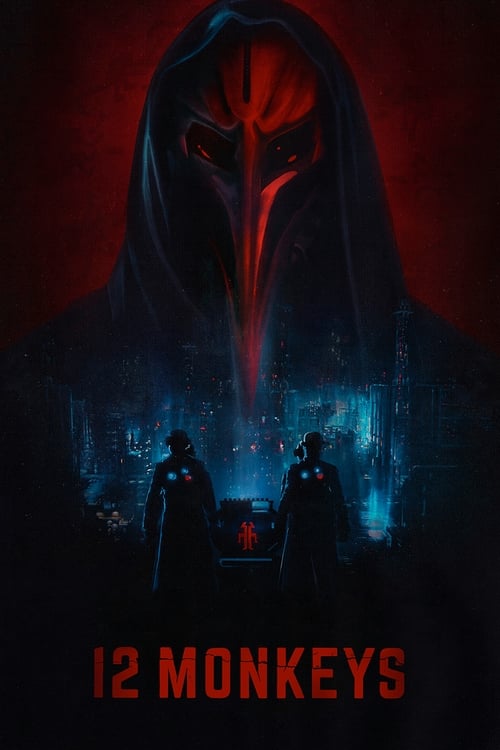
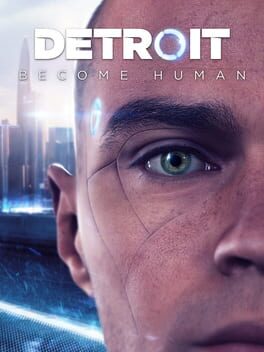
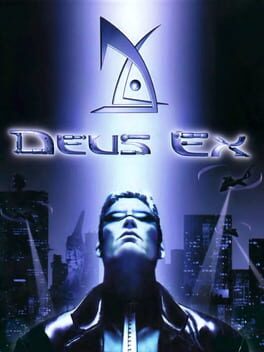
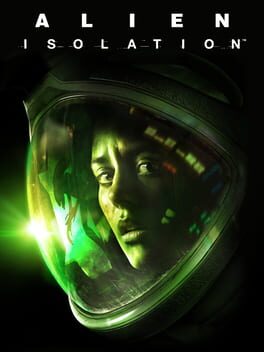
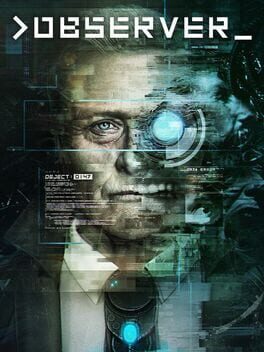
Terminator in Games
Titles that share the chrome-and-firelight DNA


Books That Share the Blueprint
Novels exploring AI, survival, and what it costs to stay human


T2 Raised the Bar and the Franchise Never Cleared It Again
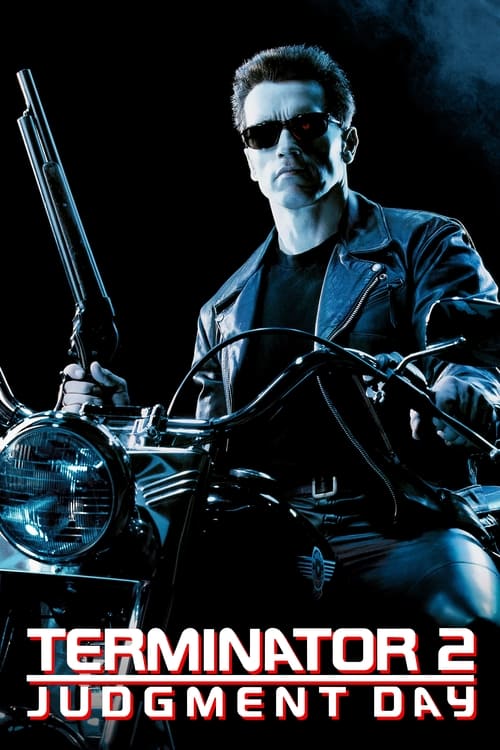
Terminator 2: Judgment Day cost ten times its predecessor and earned every dollar on screen. Cameron inverted the formula: the villain of the first film became the protector, and the real horror was the shapeshifting T-1000, a monster with no mechanical seams to grab onto. Every sequel since has tried to replicate that structural reversal. None have. T2 works because the action serves the story of a boy who has to grow up knowing he will end the world or save it, and because Arnold Schwarzenegger found something genuinely affecting in playing a machine learning to understand why humans cry. The sequels forgot that the machine learning was the point.
The Sarah Connor Chronicles Did What the Films Stopped Doing
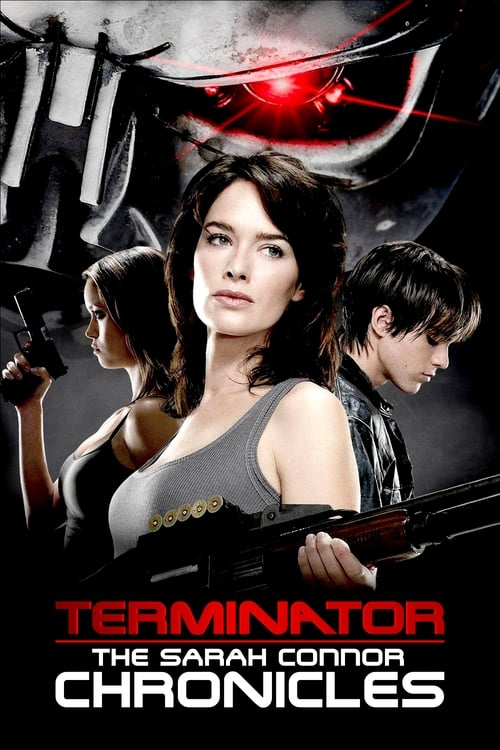
Fox's 2008 series ran for two seasons before cancellation and remains the most underrated entry in the franchise. It put Sarah Connor back at the center, something the films after T2 largely abandoned, and it had the nerve to be slow when slowness served the story. Lena Headey played Sarah as a woman already worn down by the weight of knowing, not as an action figure. The series also introduced a Terminator played by Summer Glau whose ambiguity about her own programming was more interesting than anything in Terminator 3 or Salvation. Its abrupt ending still stings.
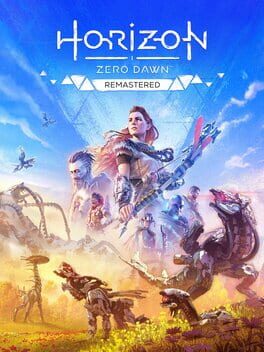
Horizon Zero Dawn Understands the Franchise Better Than Most Sequels
Guerrilla's 2017 open-world game is not a Terminator game, but it is the best Terminator game in spirit. Mechanical creatures have inherited a world humans built and then destroyed; the question of whether a created intelligence can develop something like mercy runs through the whole plot. The bow-and-machine-gun contrast echoes the franchise's recurring image of human ingenuity versus overwhelming mechanical force. The sequel, Forbidden West, deepens the lore without losing that core tension.

The Predestination Paradox Is the Franchise's Real Engine
The Terminator's plot is a closed loop: Skynet sends a Terminator to kill Sarah Connor; John Connor sends Kyle Reese to protect her; Kyle is John's father. Nothing causes anything; everything already happened. Cameron lifted this from the harder end of science-fiction time-travel theory, and it is what separates the original from its imitators. Films like Primer and Predestination take the same closed-loop logic and follow it to genuinely vertiginous conclusions. Shane Carruth's Primer, made for seven thousand dollars, contains more rigorous time-travel thinking than the entire Terminator franchise combined.
Judgment Days: The Franchise in Order
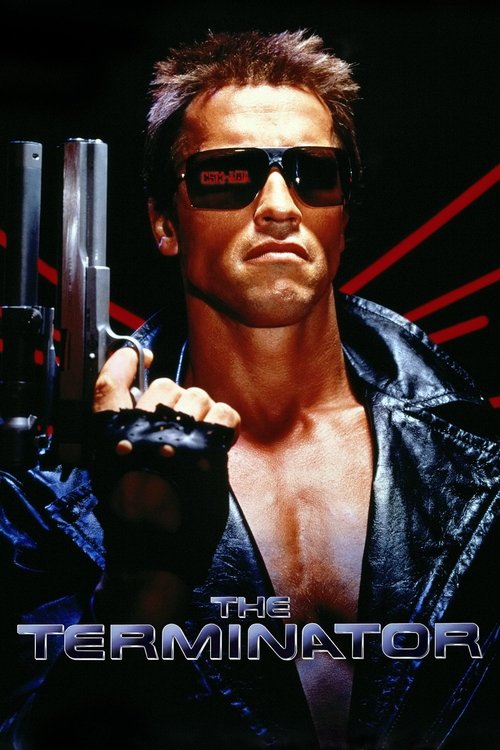
- 1984James Cameron's debut feature sets the template: one killer, one protector, one night in Los Angeles. The Terminator
- 1991T2 inverts the formula and becomes one of the defining action blockbusters of the decade. Terminator 2: Judgment Day
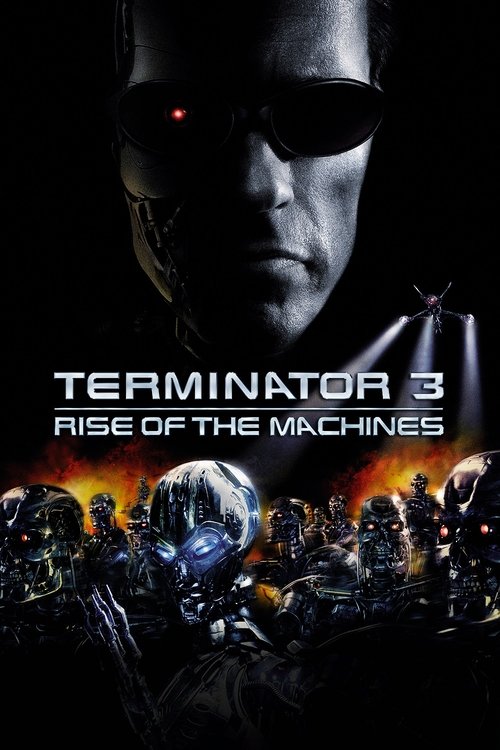
- 2003The first sequel without Cameron arrives; Rise of the Machines is competent but largely mechanical. Terminator 3: Rise of the Machines
- 2008The Sarah Connor Chronicles premieres on Fox, quickly becoming the most character-focused entry in the franchise. Terminator: The Sarah Connor Chronicles
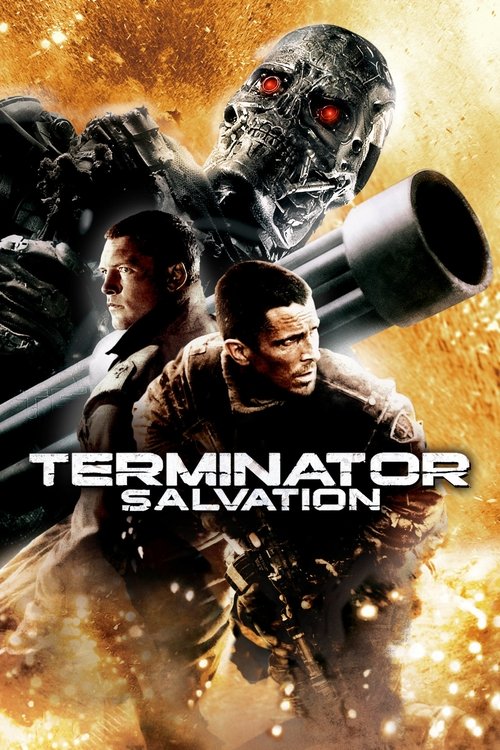
- 2009Salvation moves to the post-Judgment Day future war; Christian Bale plays an older John Connor. Terminator Salvation
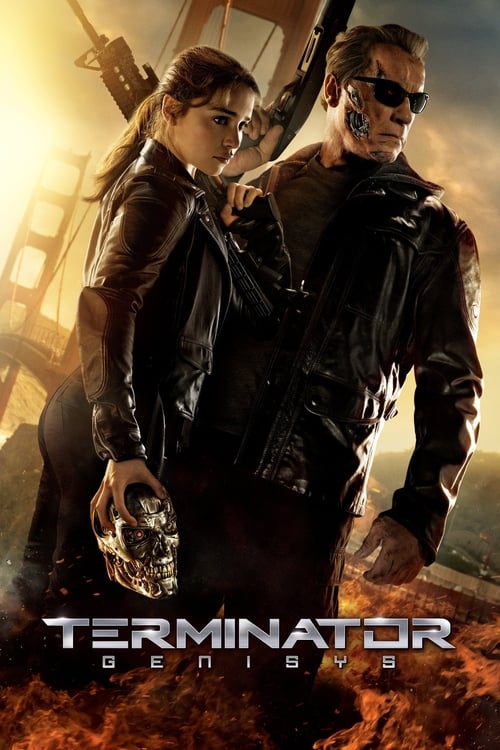
- 2015Genisys attempts a reboot via timeline revision; Arnold returns but the continuity grows impenetrable. Terminator Genisys
- 2019Dark Fate brings Cameron back as producer and Linda Hamilton as Sarah; it is the most honest sequel since T2. Terminator: Dark Fate
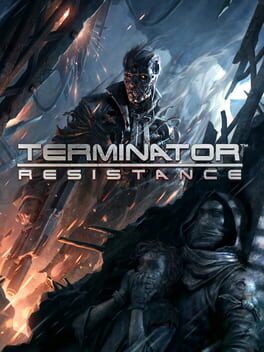
- 2021Terminator: Resistance, a first-person shooter set in the 2029 future war, earns unexpectedly warm reviews from franchise fans. Terminator: Resistance
Machines, fate, and the future
Robots & AI
Explore the Robots & AI guide →The future is not set. There is no fate but what we make for ourselves.Sarah Connor, Terminator 2: Judgment Day