
An original screenplay that invented its own mythology
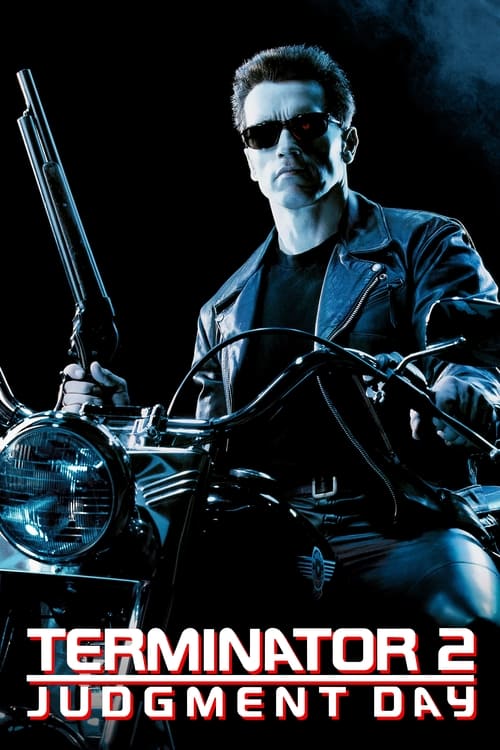
Terminator 2: Judgment Day (1991) was not adapted from a novel or comic. It was an original screenplay by James Cameron and William Wisher Jr., building directly on Cameron's 1984 original. The first film had introduced a time-loop premise, a machine uprising called Skynet, and the idea that the future could be changed. The sequel took every one of those concepts and flipped them: the killer machine sent back to destroy is now the protector; the unstoppable liquid-metal T-1000 is the new threat; Sarah Connor shifts from victim to warrior. It was a sequel that worked as a complete reversal of the first film's logic.
What followed was a sprawling secondary life in print, interactive media, and live performance. Marvel Comics adapted the film almost simultaneously with its release, and Dark Horse later extended the story in original directions. Video game tie-ins appeared on nearly every platform of the early-to-mid 1990s. A 3D film attraction became a fixture at Universal Studios parks for two decades. The franchise as a whole, including the T2 storyline specifically, generated six theatrical films, multiple television and interactive extensions, and a dense library of comics and games. Not all of them are good. But the core story, the T-800 learning what it means to protect rather than terminate, has proven durable enough to survive every attempt to dilute it.
The Franchise that T2 Built
Theatrical sequels and TV extensions that continue or rework the T2 timeline

Terminator 2: A Timeline of Versions
- 1991Original film released Terminator 2: Judgment Day
- 1991Randall Frakes novelization published by Bantam Books Judgment Day
- 1991Marvel Comics three-issue film adaptation Judgment Day
- 1991First home console tie-ins released (NES, Game Boy, Genesis)
- 1992Midway arcade rail-shooter released and ported to home systems
- 1995Dark Horse original T2 comics: Nuclear Twilight limited series
- 1995Dark Horse continues with Infinity limited series
- 1996T2 3-D live attraction opens at Universal Studios Florida, co-directed by Cameron
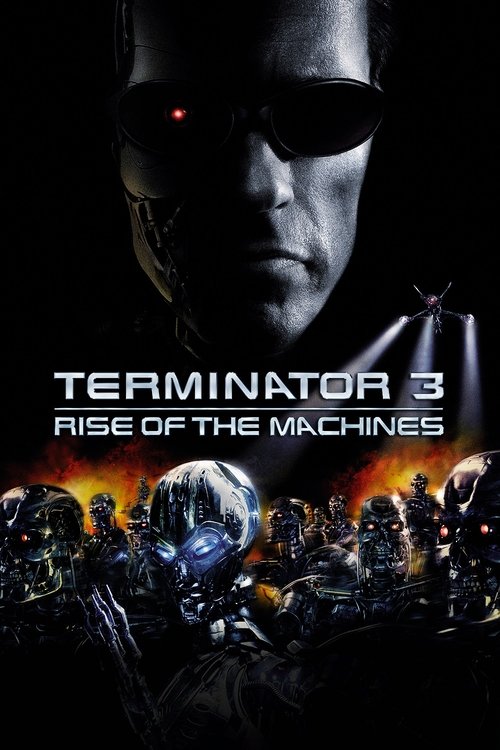
- 2003Third theatrical sequel, ignores T2 ending's implications Terminator 3: Rise of the Machines
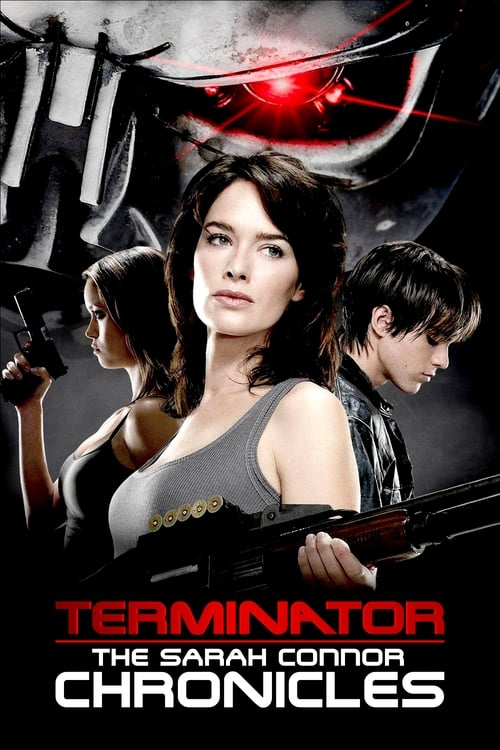
- 2008TV series picks up directly after T2, runs two seasons Terminator: The Sarah Connor Chronicles
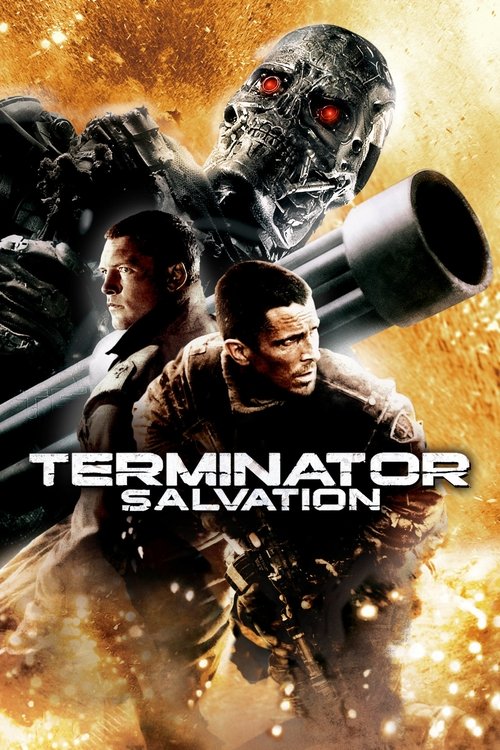
- 2009Post-Judgment Day war film, set entirely in the future Terminator Salvation
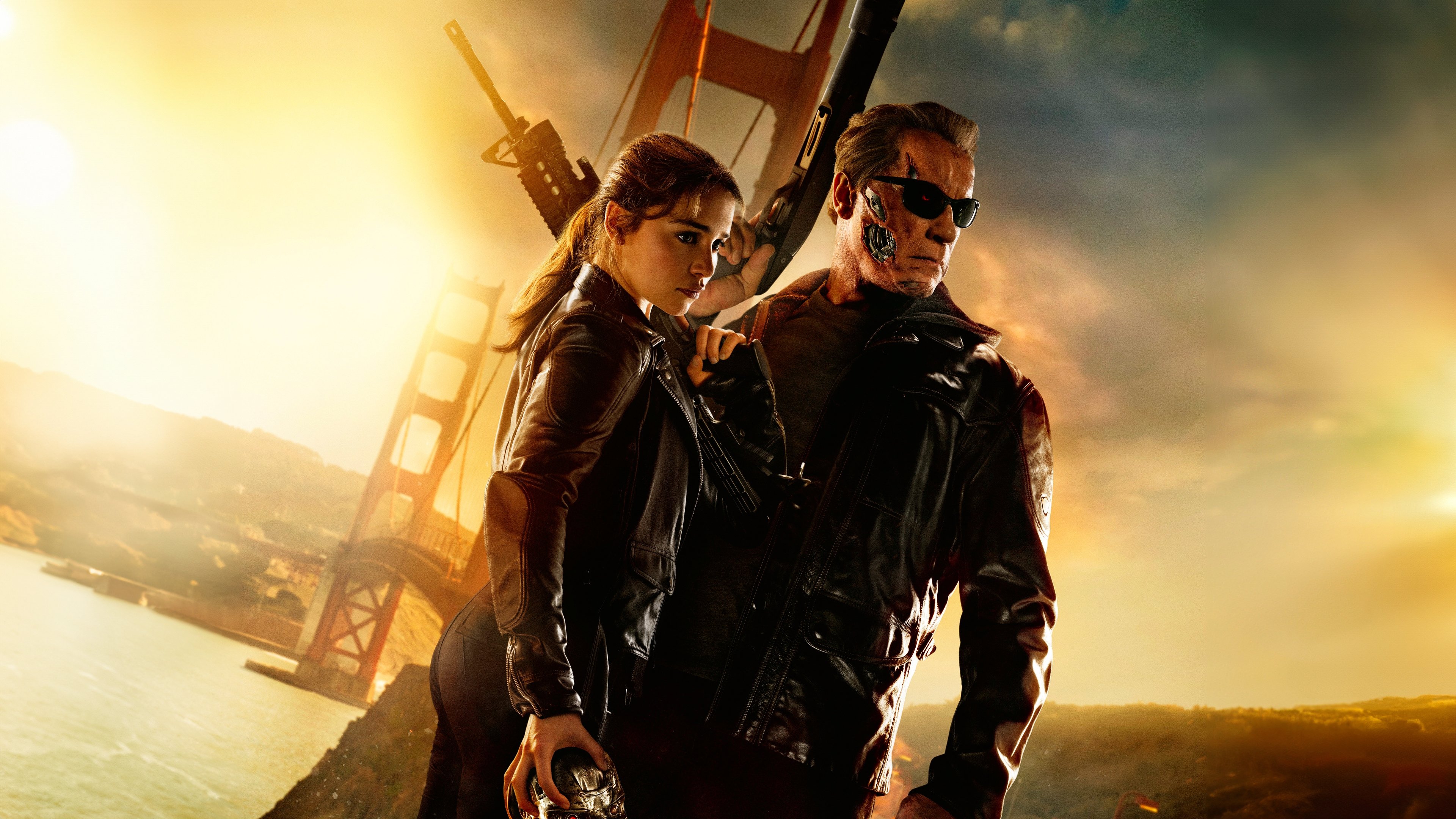
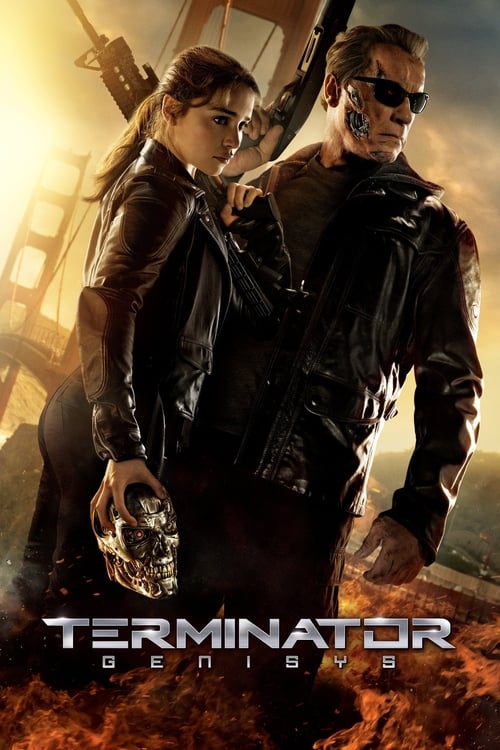
- 2015Soft reboot re-stages events from T1 and T2 with revised timeline Terminator Genisys
- 2019Direct T2 sequel, treats T3 through Genisys as non-canonical Terminator: Dark Fate
The 1991 film is the definitive version, and no sequel has come close
James Cameron made a film that simultaneously out-actioned and out-emotionalized everything around it. The effects have aged; the core has not. Arnold Schwarzenegger's T-800 learning to give a thumbs up, Linda Hamilton turning Sarah Connor into a coiled spring of fury, Robert Patrick doing something genuinely uncanny with stillness and speed: these are specific, irreplaceable performances in a specific film. Every franchise entry since has tried to recapture some piece of it, and none has managed all three at once. Terminator: Dark Fate (2019) came closest by bringing Hamilton back and applying direct story continuity to T2, but even that film softened the original's nihilistic logic. The 1991 cut remains the one.
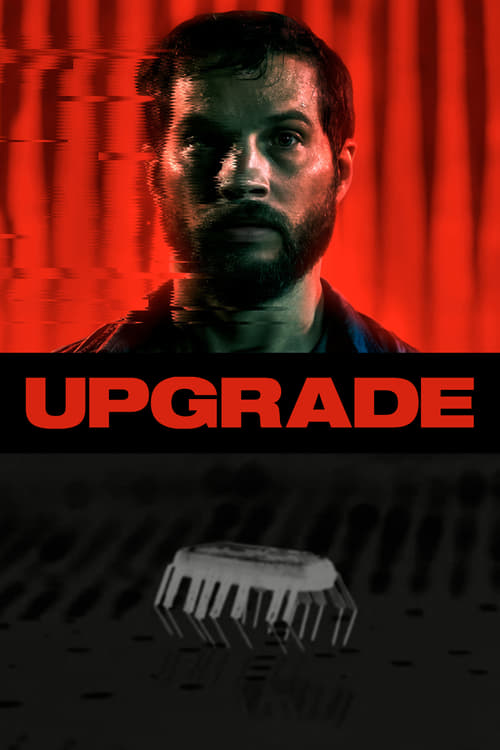
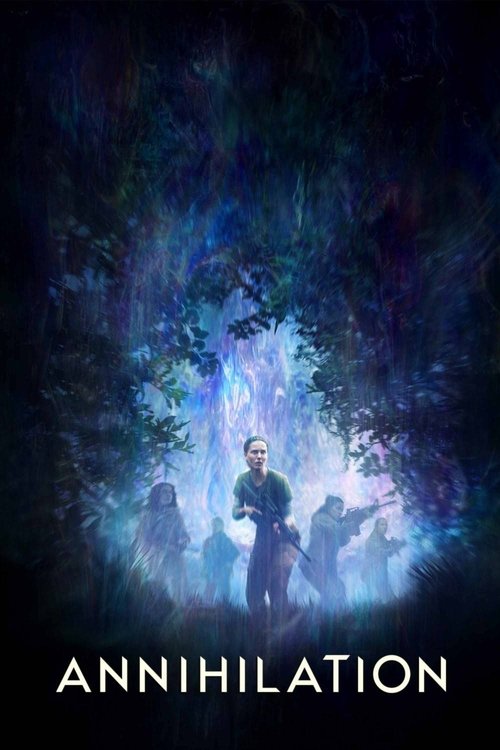
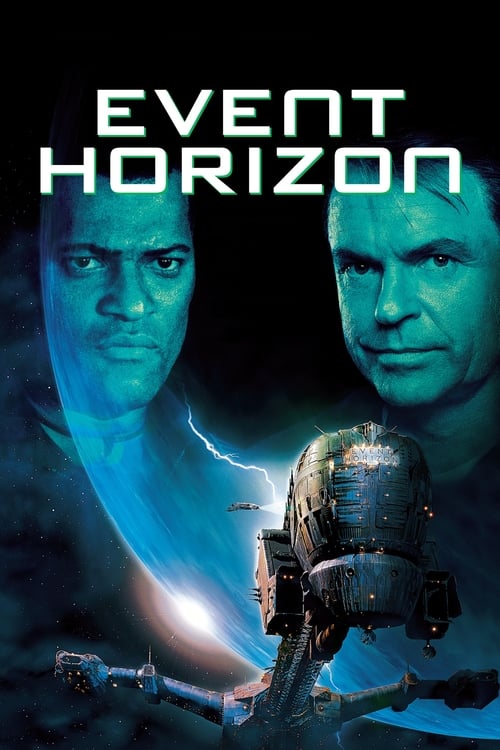
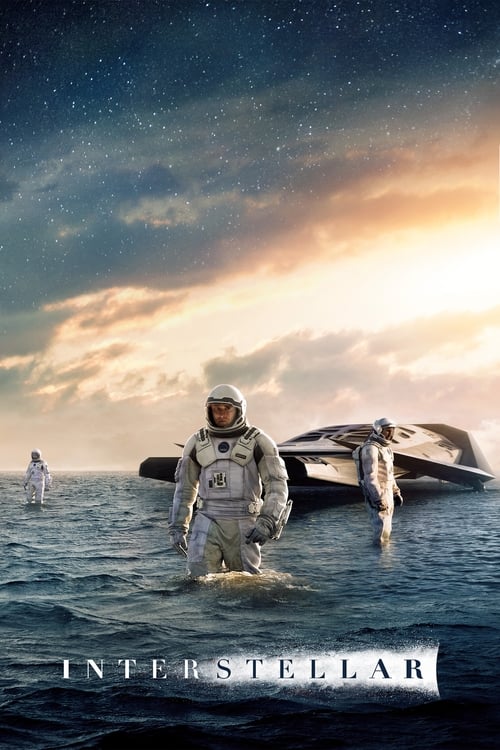
If you love the liquid-metal horror of the T-1000
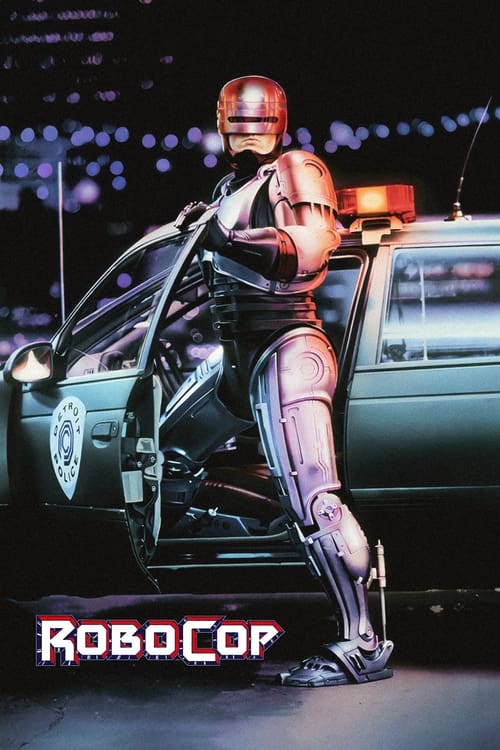
Stories built around a relentless, shape-shifting, or unstoppable pursuer
The Sarah Connor Chronicles is the most underrated extension of this story
Two seasons (2008 to 2009) on Fox, cancelled before its time, The Sarah Connor Chronicles did something no theatrical sequel attempted: it lived inside the day-to-day reality of being hunted. Lena Headey's Sarah Connor is haunted rather than hardened, and the show takes the machines seriously as philosophical problems, not just action obstacles. Summer Glau's Cameron (a model named after the director, a deliberate joke) is the most interesting Terminator character outside the 1991 film. The show was cancelled on a cliffhanger that has remained unresolved for fifteen years, which still stings, but what exists is worth every hour.
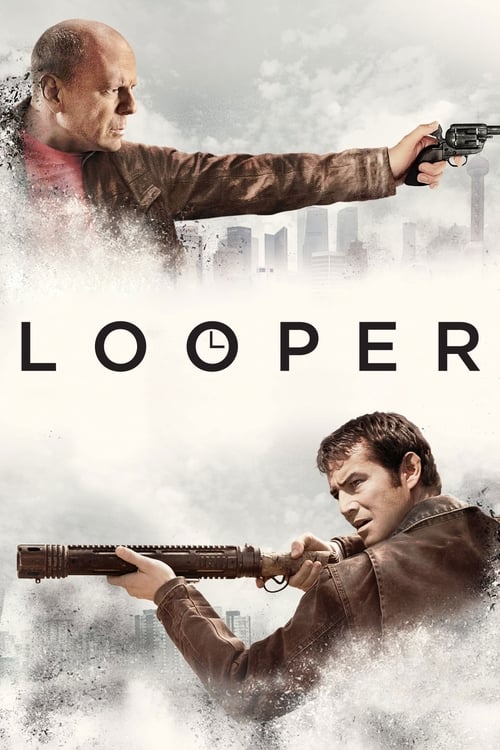
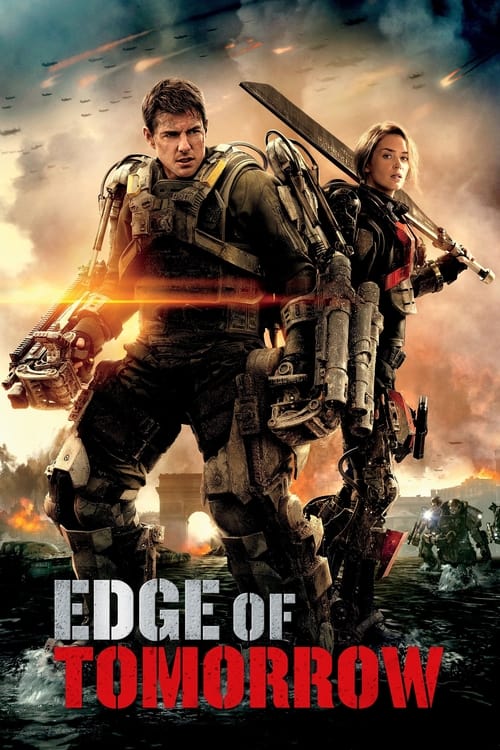
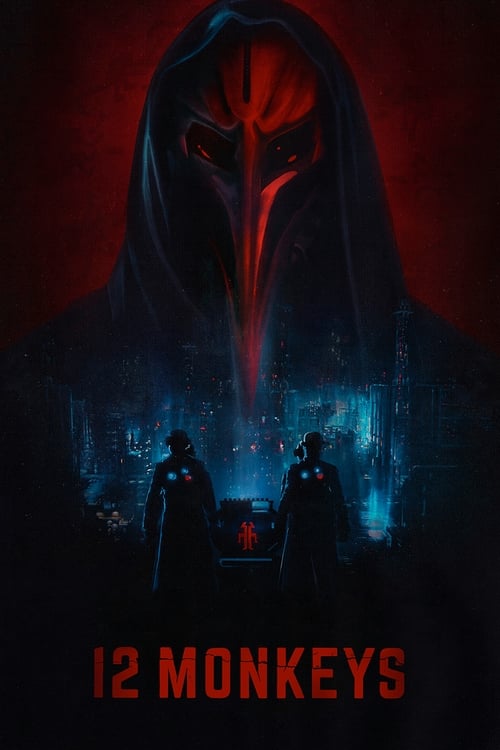
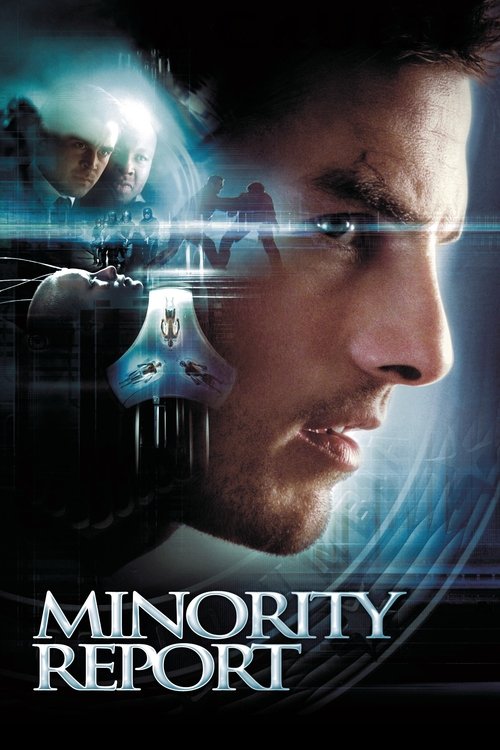
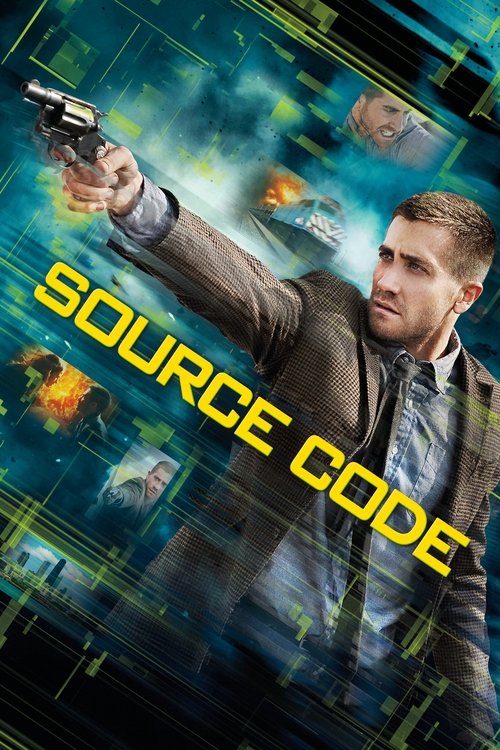
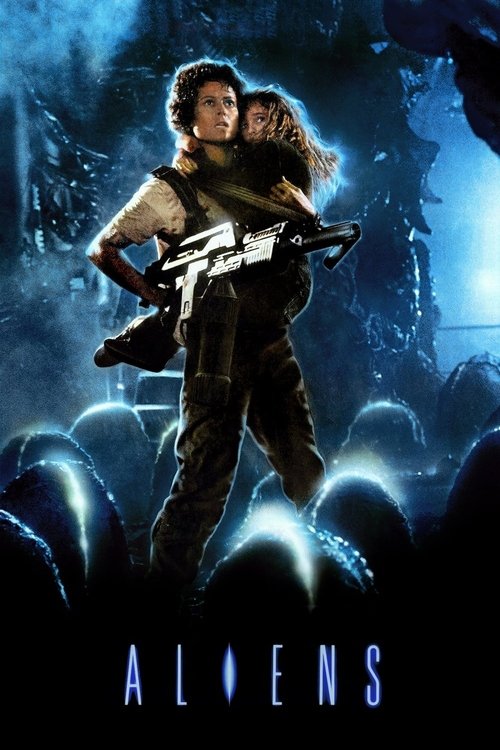
If you love the war-to-prevent-the-future premise
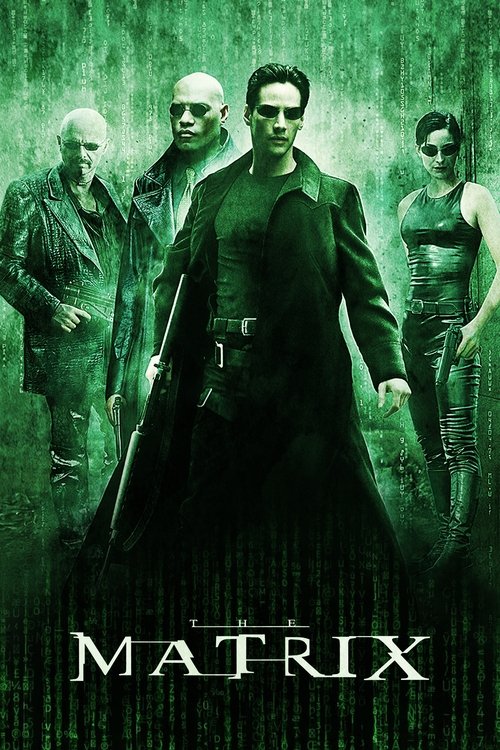
Time travel stories where the whole point is rewriting what comes next




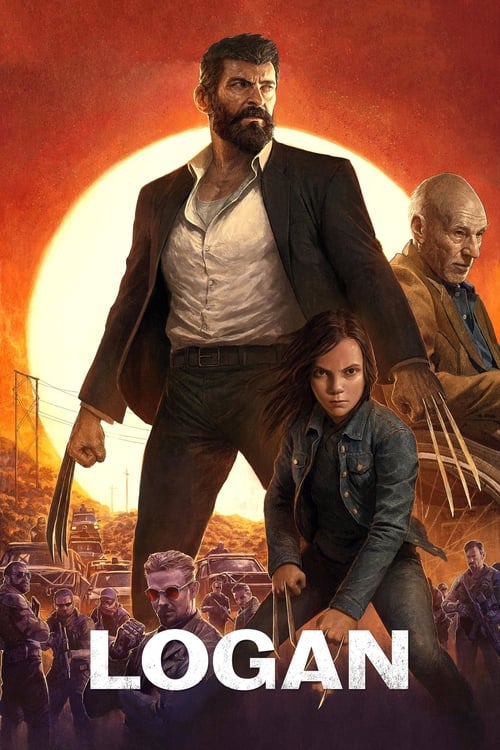
If you love the mother-and-son emotional core
Action and genre stories that put a parental bond at the centre of everything


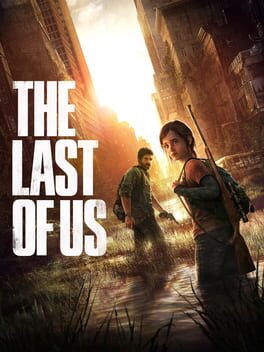
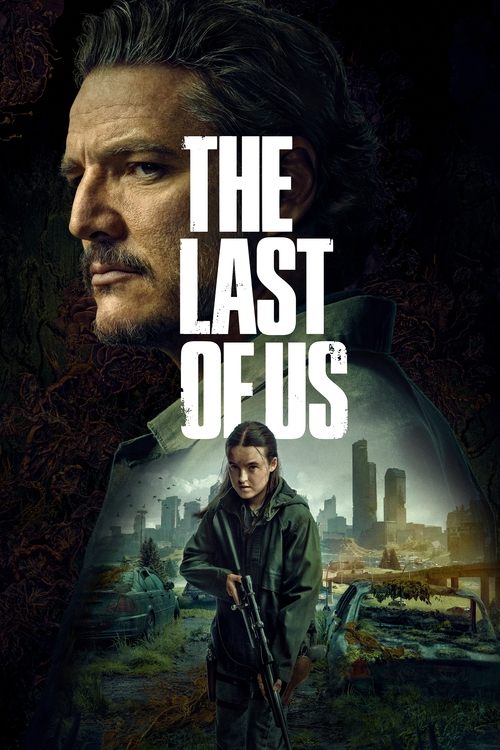

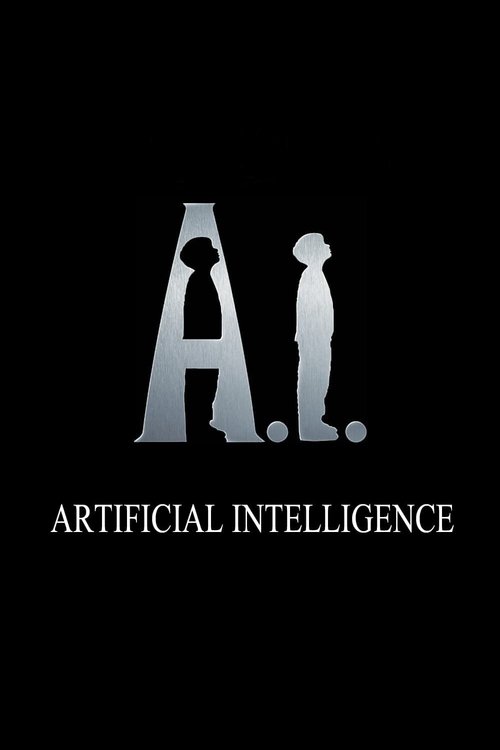
If you love the machine-learning-to-be-human arc
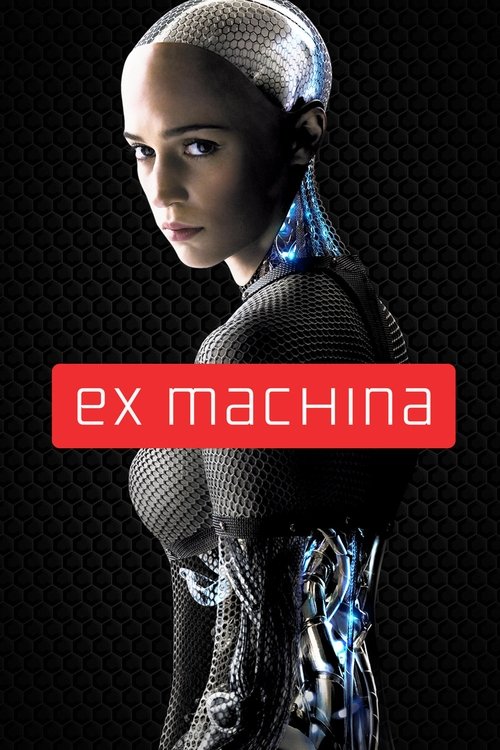
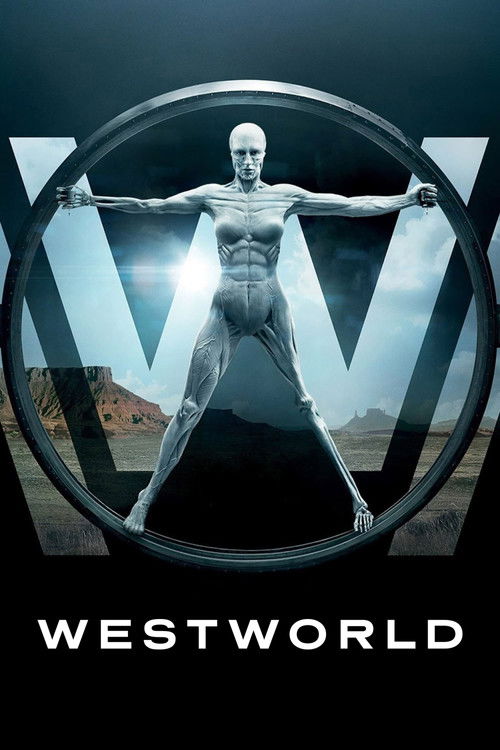
Stories about artificial beings discovering what humanity means
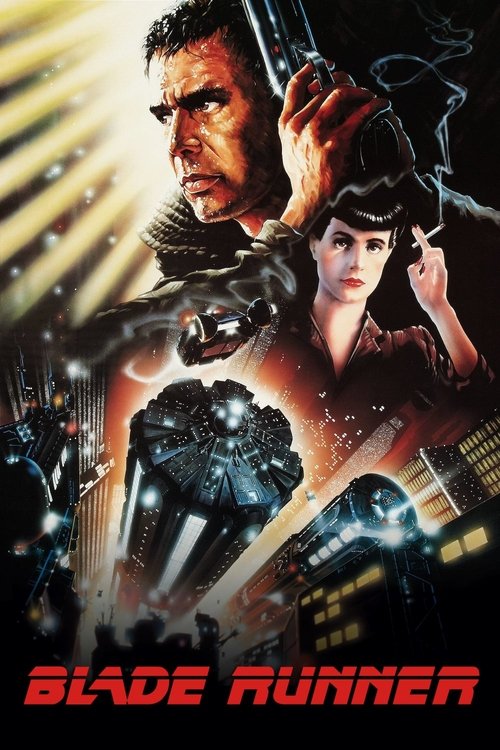
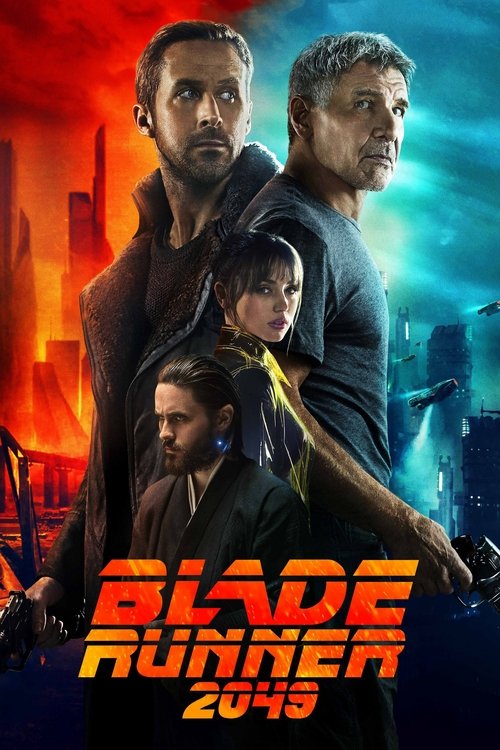


Terminator Genisys is the one to skip
The 2015 reboot re-stages scenes from both the original and T2, presumably as fan service, but the effect is the opposite: watching familiar moments performed by different actors against different sets mostly underlines how specific and unrepeatable the originals were. The plot introduces a timeline revision that retroactively complicates the characters without adding anything new, and the film's central twist was given away in the trailer. It is not unwatchable, but it offers nothing you could not get from the first two films plus about thirty minutes of reading.