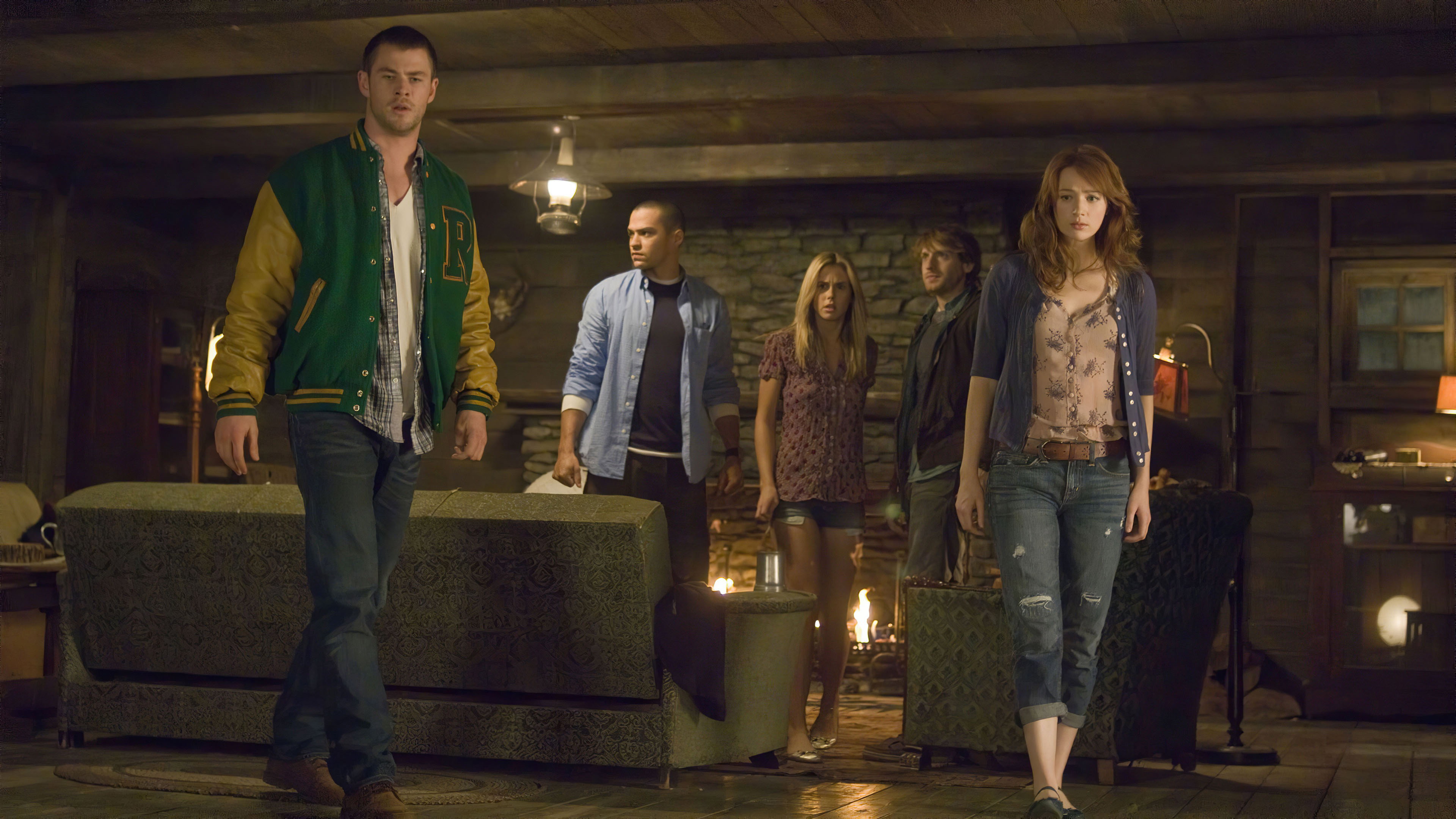

The Cabin in the Woods (2012, directed by Drew Goddard, written with Joss Whedon) does something almost no horror film had done before: it loves the genre enough to dissect it alive. Five college archetypes drive to an isolated cabin, and everything terrible that follows is engineered on purpose, from below, by bureaucrats in a control room. The film is a creature feature, a comedy, a meta-commentary, and a genuine nightmare all at once. What fans chase is that dual-level dread: you feel the scares and you understand the machinery producing them at the same time. The back half earns its chaos because the first half earns your investment. If that combination, smart horror that never sacrifices the actual horror, is what hooks you, everything below is built for you.
Essential Cabin in the Woods
The film's own world, and Drew Goddard's hand in it
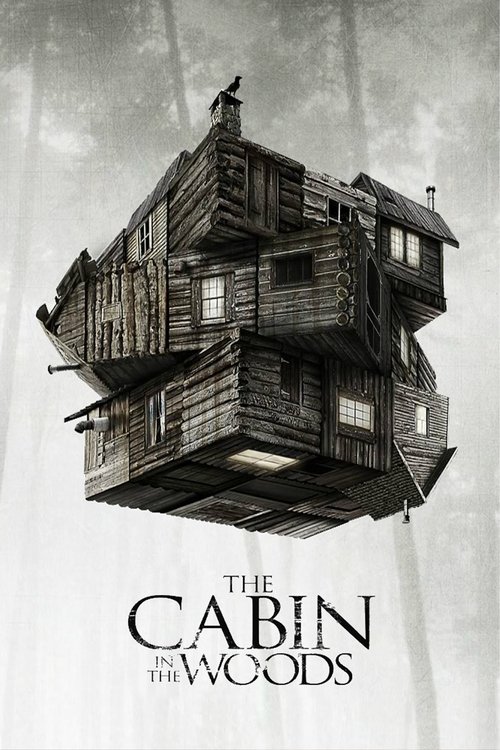
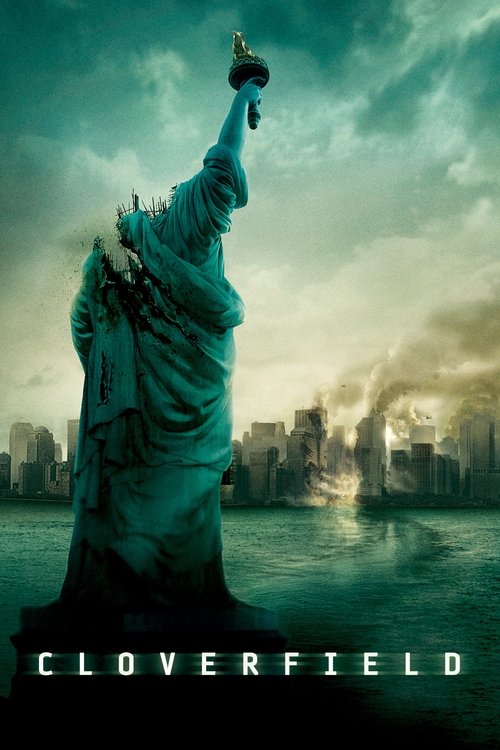
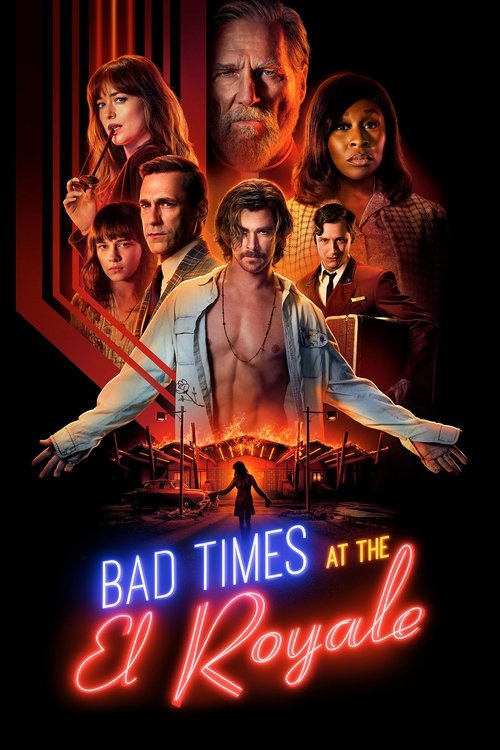
Horror That Knows the Rules
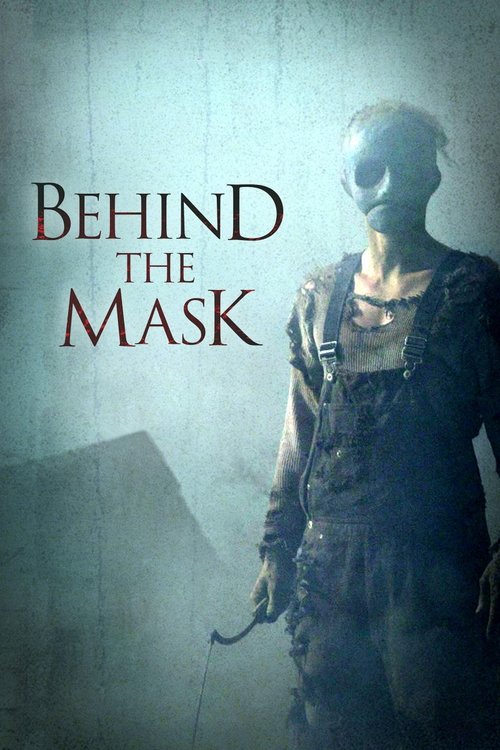
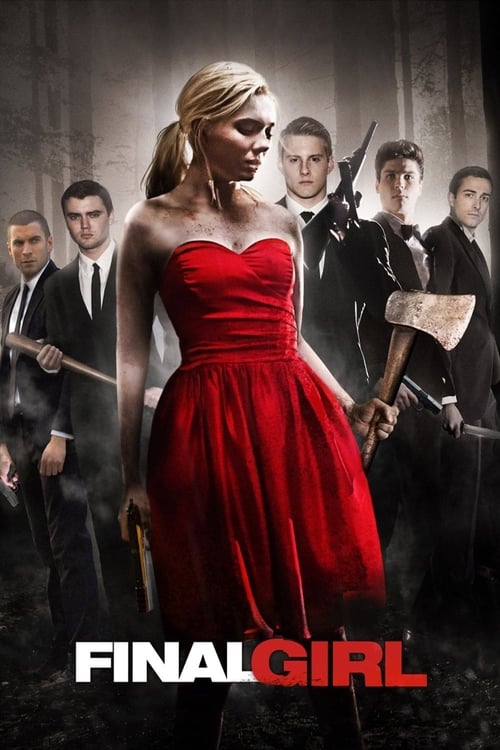
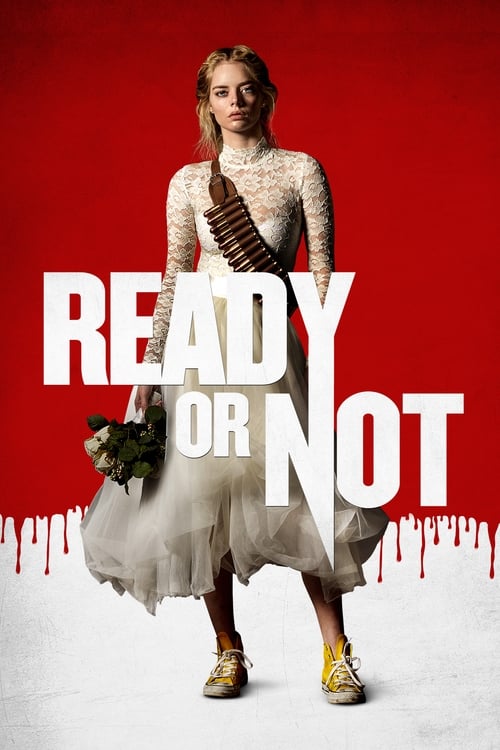
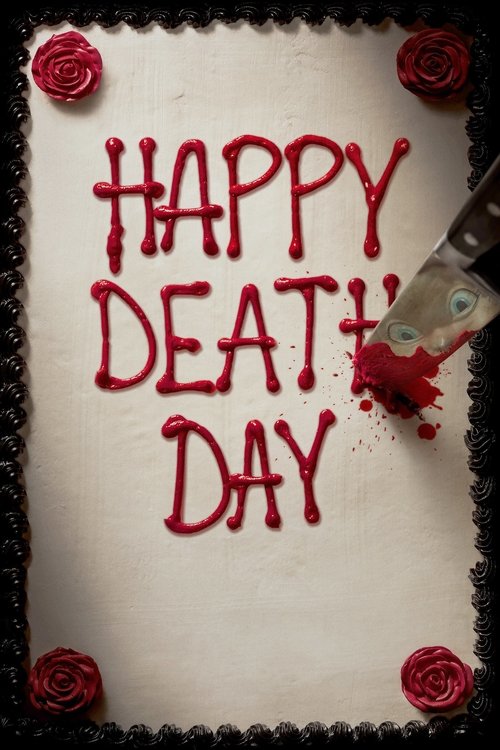
Films that deconstruct, subvert, or weaponize genre conventions
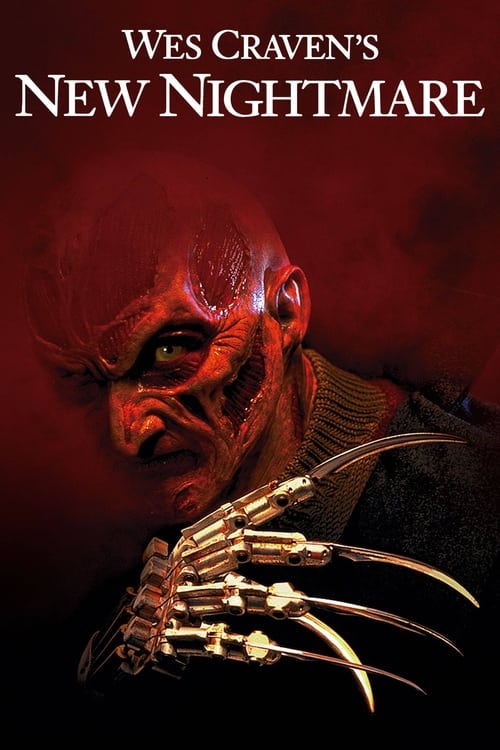
Controlled Horror: Series That Pull the Strings
TV that builds systems, conspiracies, or institutions around the terror
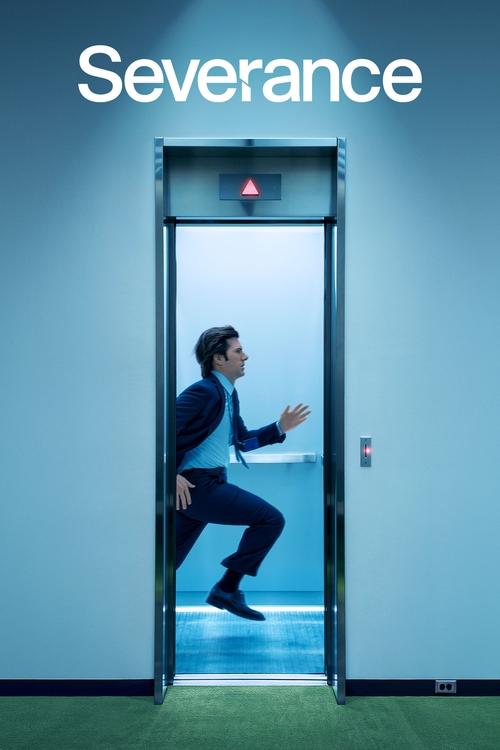

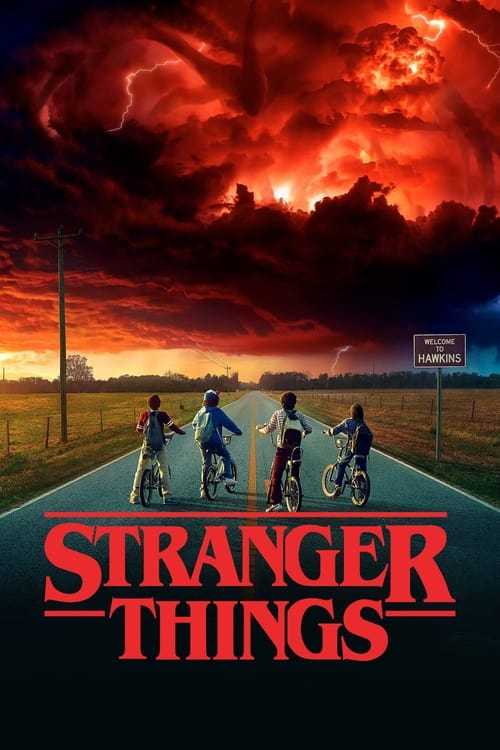
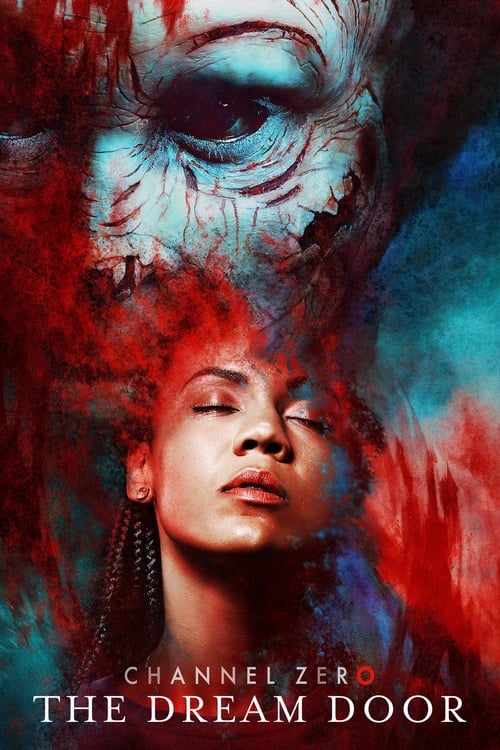

Books That Play by Their Own Rules
Novels where horror is engineered, framed, or knowingly constructed


Games That Turn Horror Into a System
Games where you dissect the monster, manage the dread, or are inside the experiment

The Score and the Screams
Soundtracks and albums that capture unsettling dread under a surface calm
The Monster Closet Is a Job Description
What separates The Cabin in the Woods from other horror-comedies is that the comedy never softens the horror. The technicians routing a wolf to cabin B-7 are funny precisely because they are completely mundane about it. The film trusts you to hold two reactions at once: laugh at the absurdity, fear the result. Very few genre films thread that needle. Until Dawn (the game) comes closest in a different medium, offering the same: character archetypes on a mountain, a script that knows exactly what it is, and real stakes anyway.
The Ruins Does the Same Work in Prose
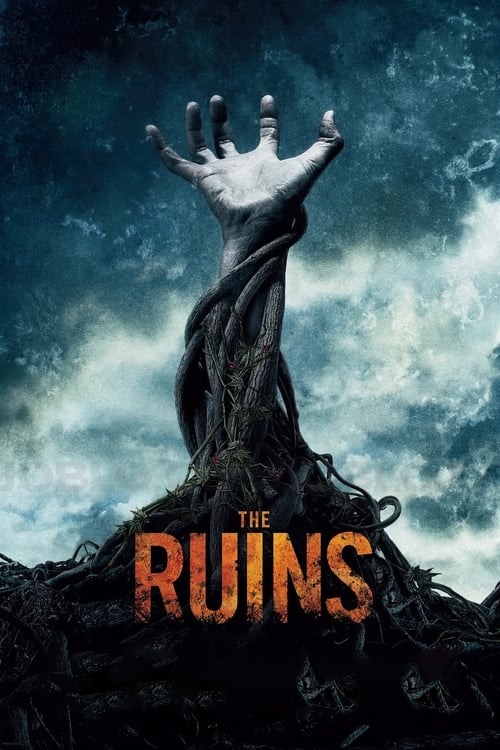
Scott Smith's novel The Ruins is the rare horror book that traps characters with pure inescapability and makes the trap the point, not a setup for a final twist. Like Cabin, it is not interested in whether the protagonists escape so much as why the situation exists and what it does to everyone inside it. Smith gives no explanation or mythology. The horror is structural. Fans of Goddard's control-room logic will recognize the same move made from the opposite direction: one film over-explains the mechanism, one refuses to name it at all. Both are correct.
Meta Needs a Foundation
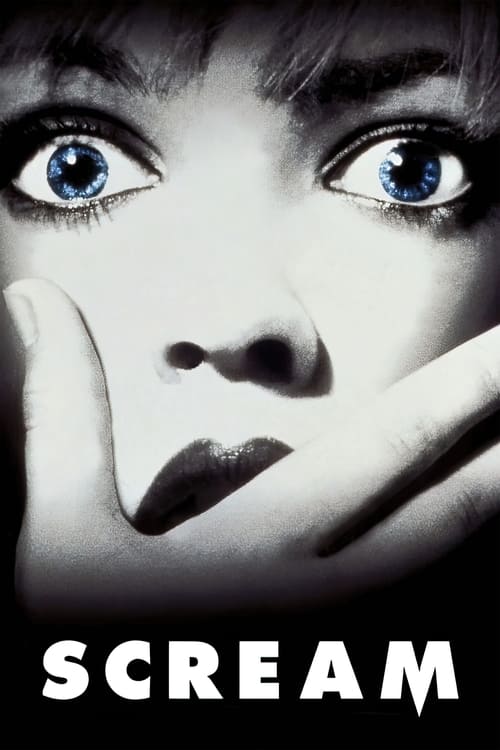
The weak version of Cabin's trick is a horror film that winks at the audience and does nothing else. Scream works because it cares about Sidney Prescott. Happy Death Day works because it cares about Tree. Cabin works because in the first twenty minutes, before the conspiracy is revealed, you genuinely like the five leads. Meta horror fails when deconstruction becomes the only content. Goddard and Whedon understood that the genre commentary only lands if the genre beats actually land first.
A Short History of Horror That Knows What It Is
- 1984A Nightmare on Elm Street invents a killer who understands he is a movie monster A Nightmare on Elm Street
- 1990Misery puts genre mechanics under a microscope via an author held captive by his biggest fan Misery
- 1996Scream codifies meta-horror for a generation Scream
- 2000House of Leaves arrives in print and redefines unreliable horror architecture House of Leaves
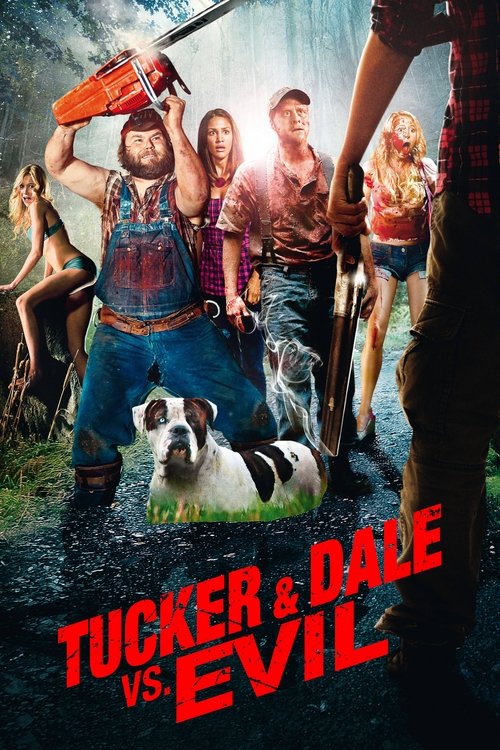
- 2010Tucker and Dale vs Evil shows the cabin-in-the-woods premise from the wrong perspective Tucker and Dale vs. Evil
- 2012The Cabin in the Woods names and dismantles the formula from inside a working example The Cabin in the Woods
- 2015Until Dawn delivers the interactive cabin horror with full genre self-awareness
- 2019Control builds an entire game around institutionalized supernatural dread
Horror that knows the rules
For Fans of Scream
Explore the For Fans of Scream guide →The scariest thing in the film is not the monsters. It is the people who scheduled them.On The Cabin in the Woods