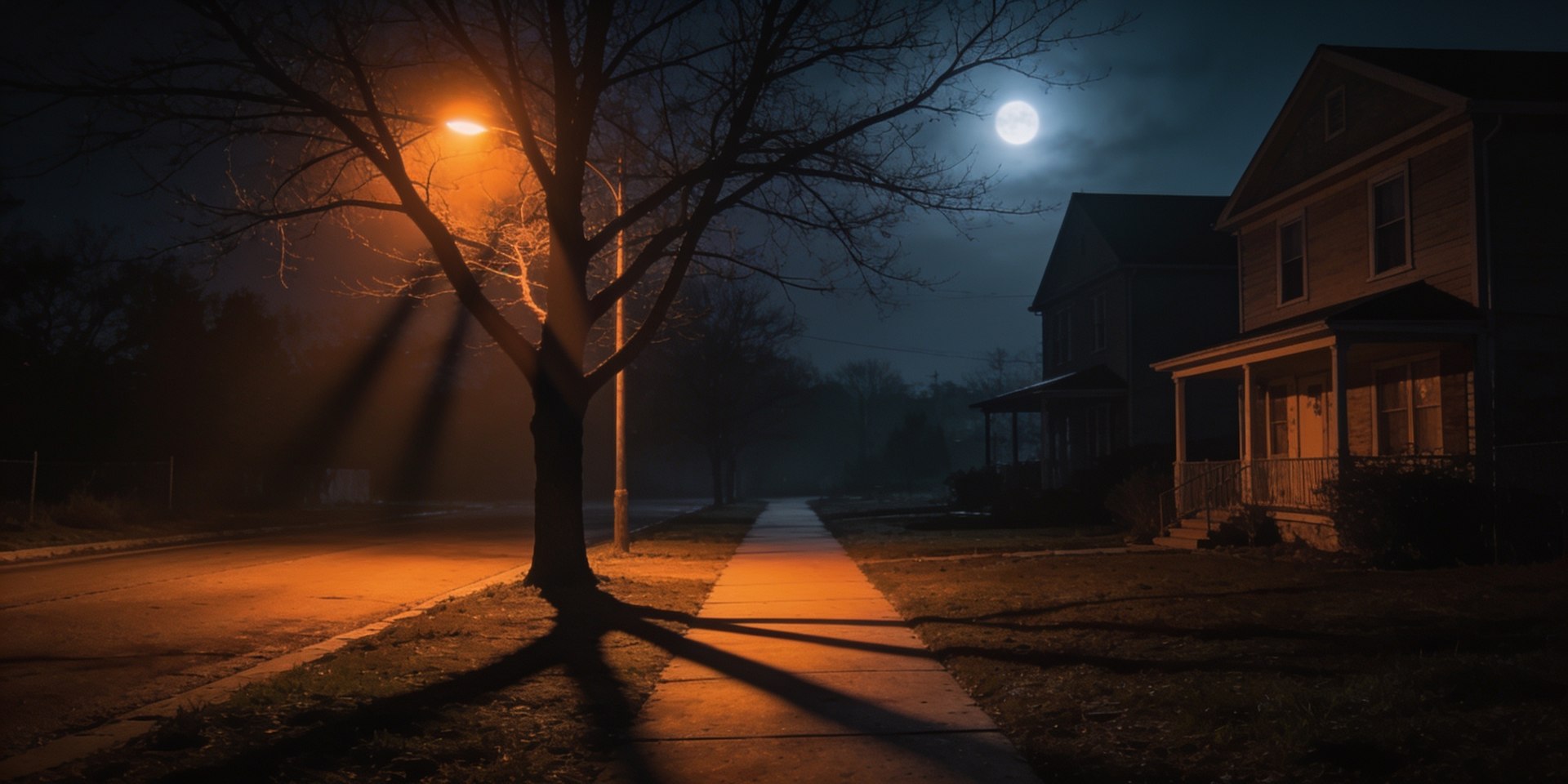

The slasher is the most honest transaction in horror. You know the killer is coming. The characters know something is wrong. The only question is who makes it out. It is the genre stripped to the skeleton: a setting that feels safe (a summer camp, a suburb, a dormitory on a quiet street), a threat that cannot be reasoned with, and one person who refuses to stop running.
The slasher is also, despite everything said against it, a genre with a genuine grammar. The rules were written by accident in the 1970s and codified deliberately by the 1990s. John Carpenter set the template with a shape in a white mask moving through ordinary American darkness. Wes Craven weaponised the dream state. Kevin Williamson made the genre argue with itself. And in games and books, the slasher moved off the screen entirely, putting the audience inside the trap.
Essential slashers
The canon, across every screen and page
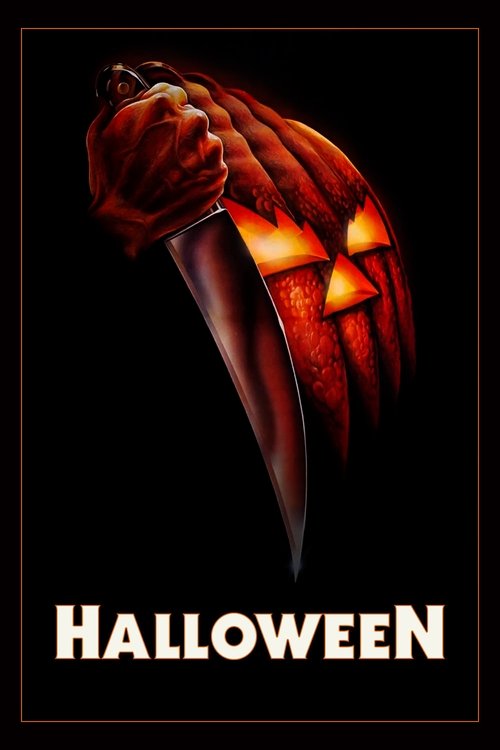
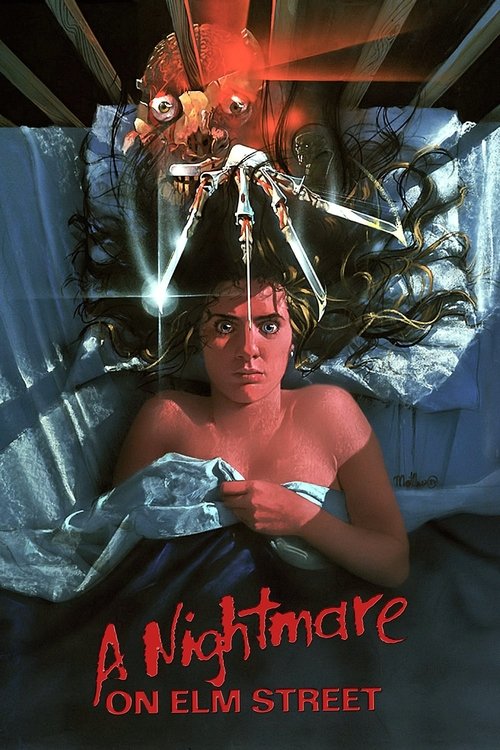
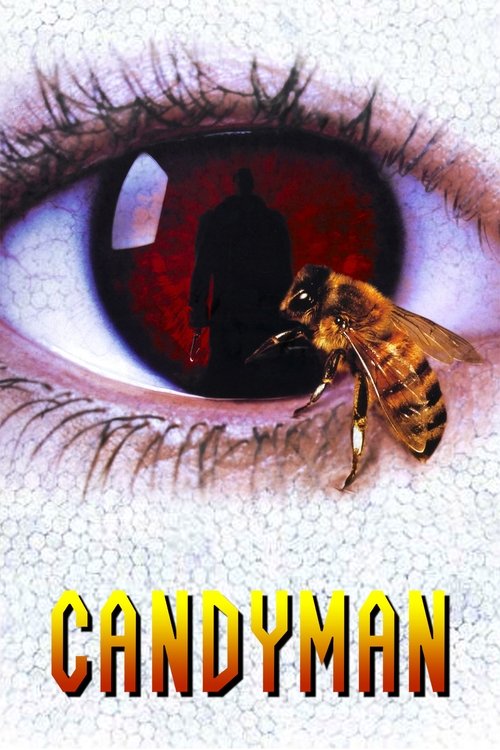
Halloween is the one that invented the rules
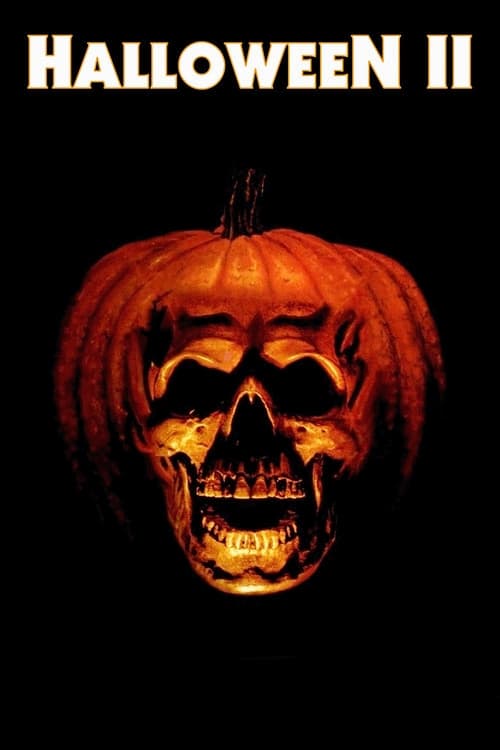
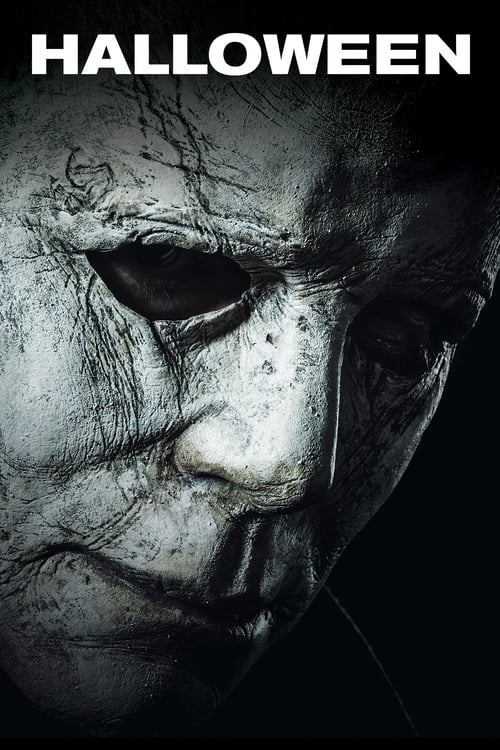
Before Halloween, horror movies had monsters. After it, horror movies had Michael Myers, and the distinction matters. Myers is not supernatural in the first film. He is a man in a mask who watched a neighbourhood from behind a hedge and waited. Carpenter understood that what terrifies people is not the creature but the patient, unhurried approach. The Shape, as the credits list him, moves at a walk. The tension is not in the speed but in the certainty. Every slasher film made since has borrowed that image, even when it forgot where the image came from.
The founding films
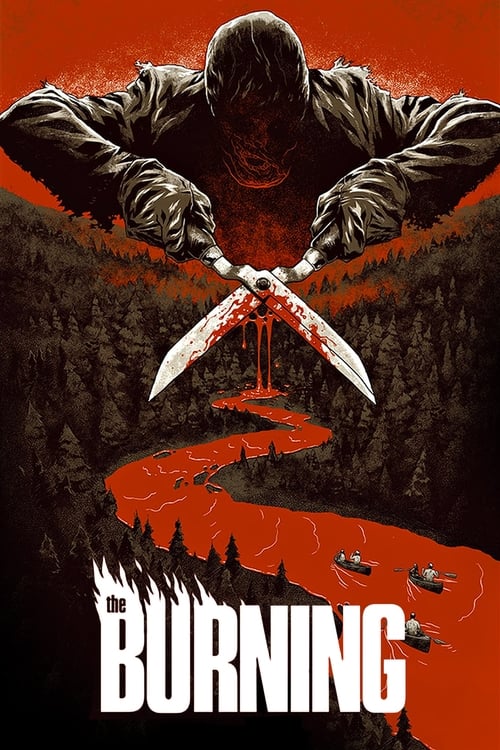
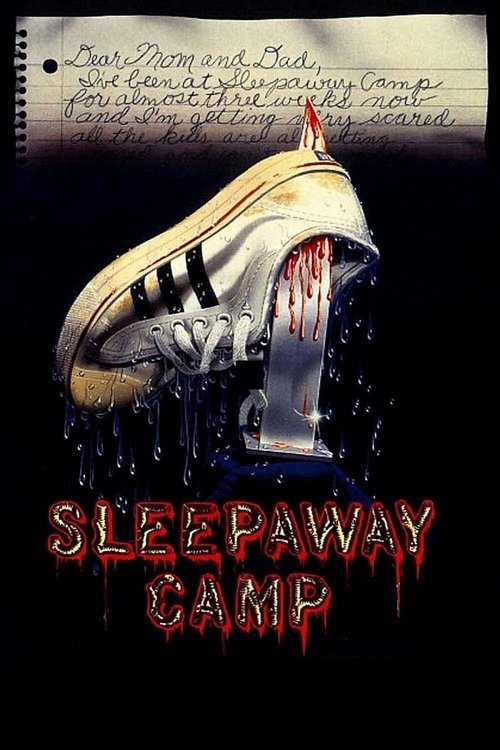
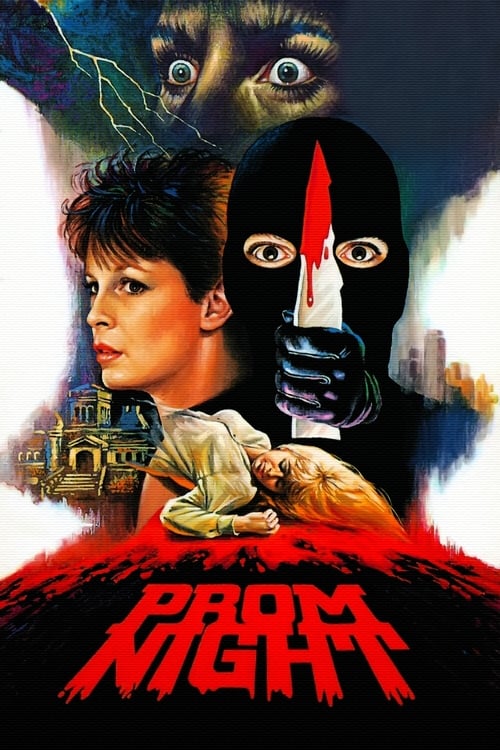
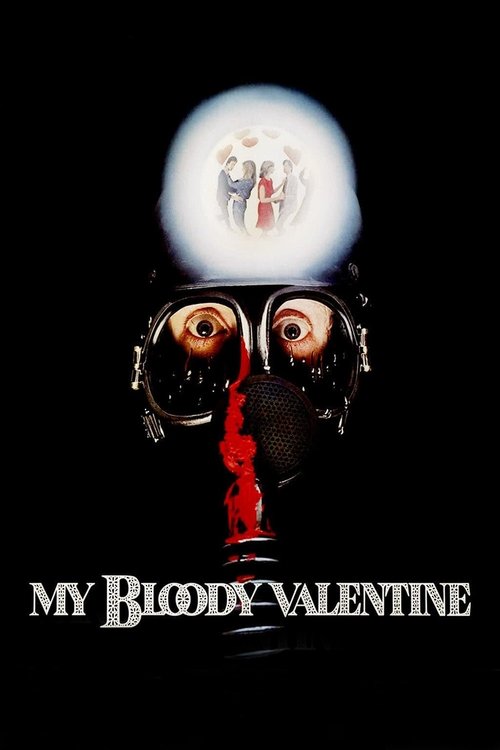
The 1970s and 1980s originals that set the template


What makes a slasher a slasher
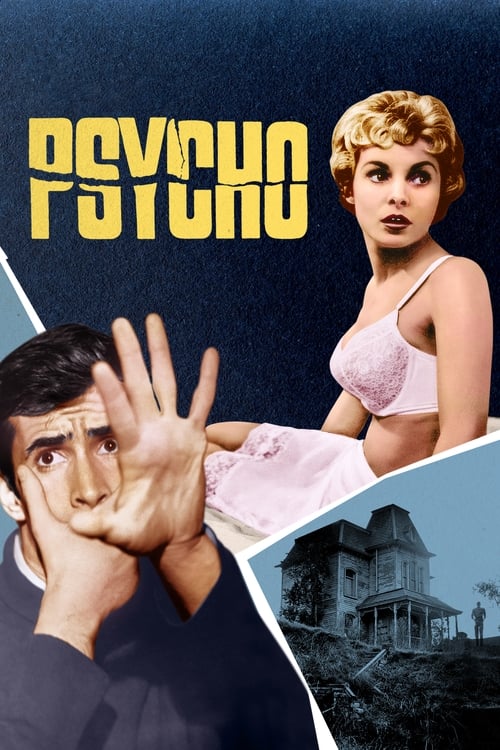
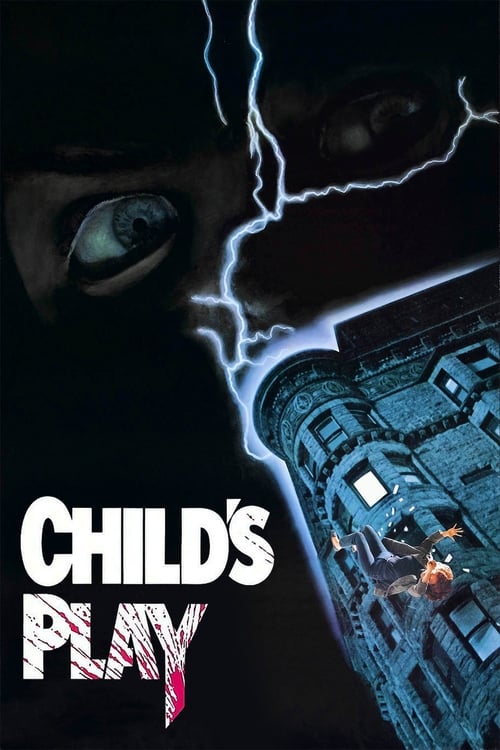
The genre has specific architecture. A slasher is not simply a horror film where someone gets killed: it needs a killer with a fixed visual identity (the mask, the weapon, the silhouette), a setting of enforced isolation, and at least one survivor who outsmarts rather than outpowers. The final girl is not a damsel: she is the only character in the film paying close enough attention to understand the threat. Laurie Strode, Nancy Thompson, Sidney Prescott. They do not win by luck. They win by refusing to stop thinking when everyone else stopped.
The Scream generation
When the genre turned the camera on itself
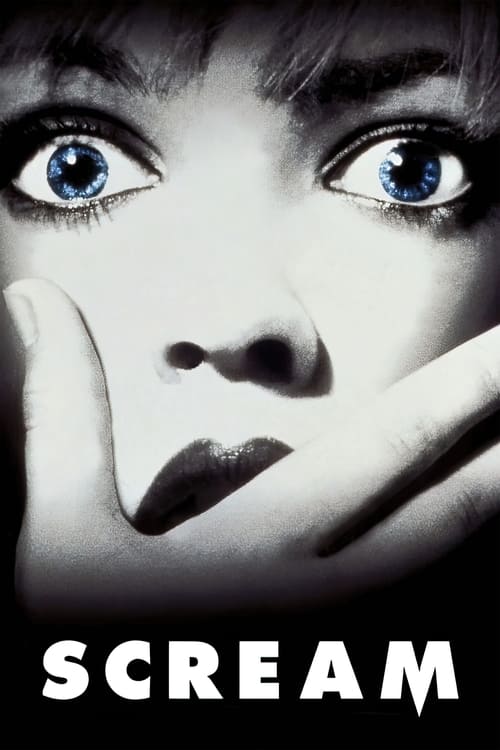
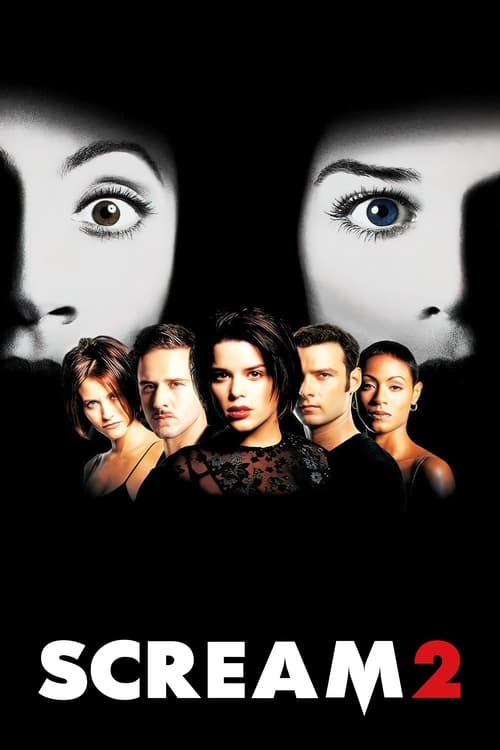
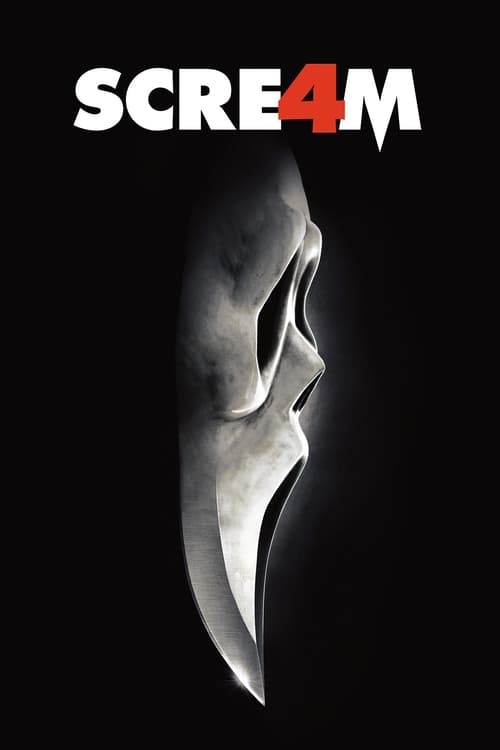
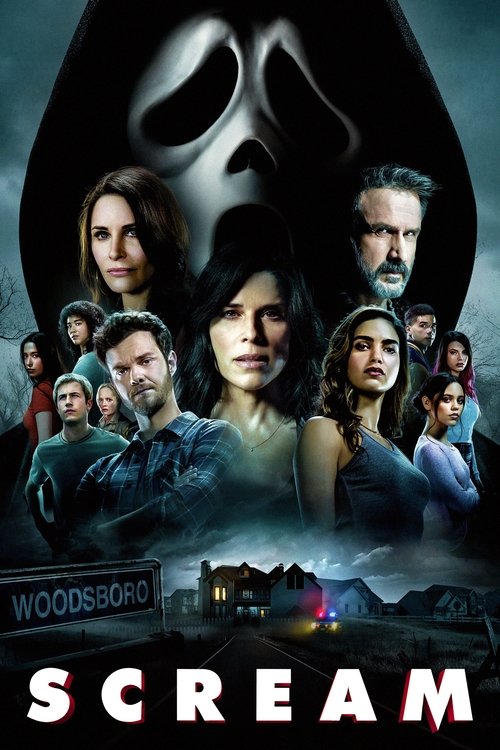
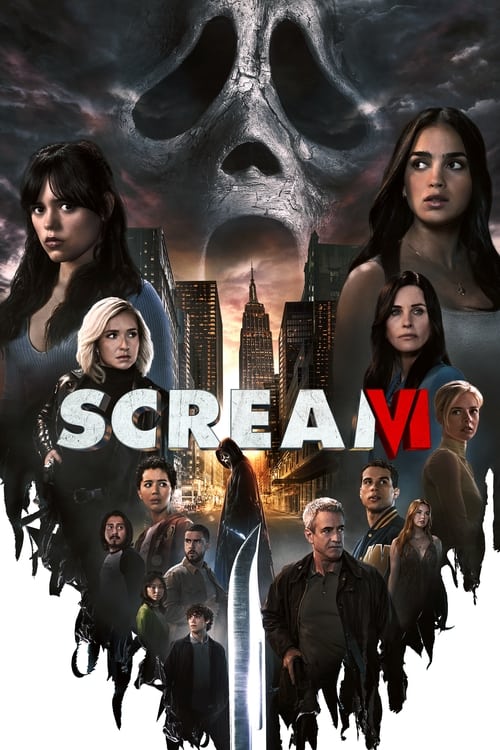
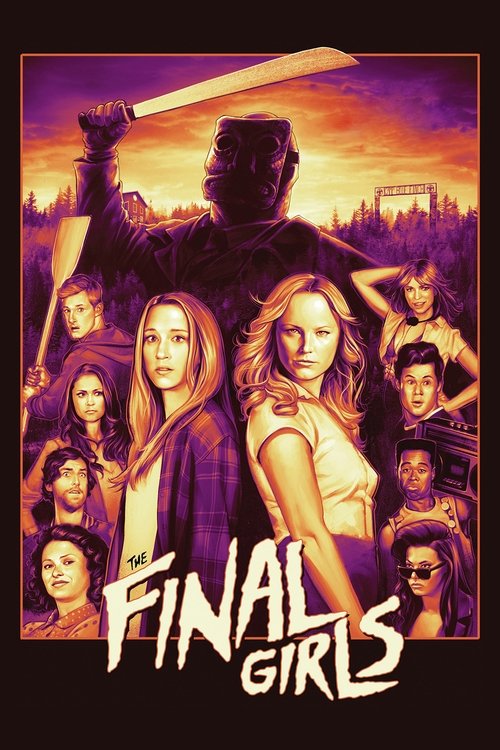
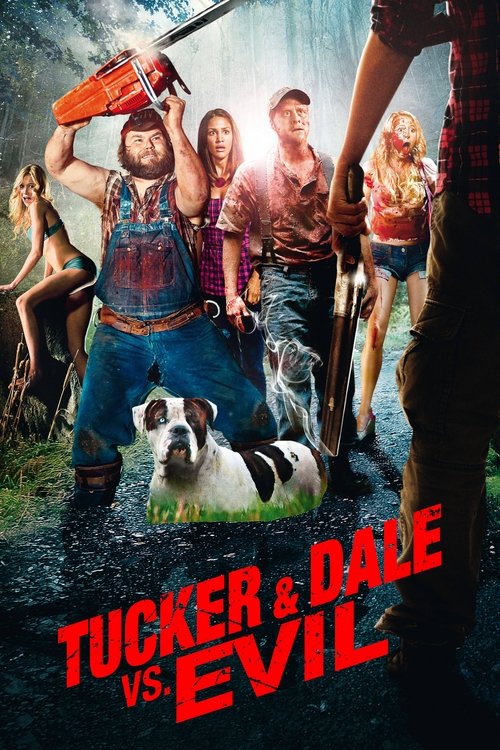

Scream did something nobody expected: it saved the genre by mocking it
By 1996 the slasher was dead. The sequels had run out of ideas and the parodies had run out of targets. Then Kevin Williamson wrote a script where the characters had watched every slasher film you had watched and knew exactly how they worked. Scream should not have worked: horror movies where people cite the rules of horror movies are usually insufferable. But Wes Craven made it genuinely scary anyway, because knowing the rules and surviving them are completely different things. The phone call in the opening scene is still one of the best horror sequences made in the decade.
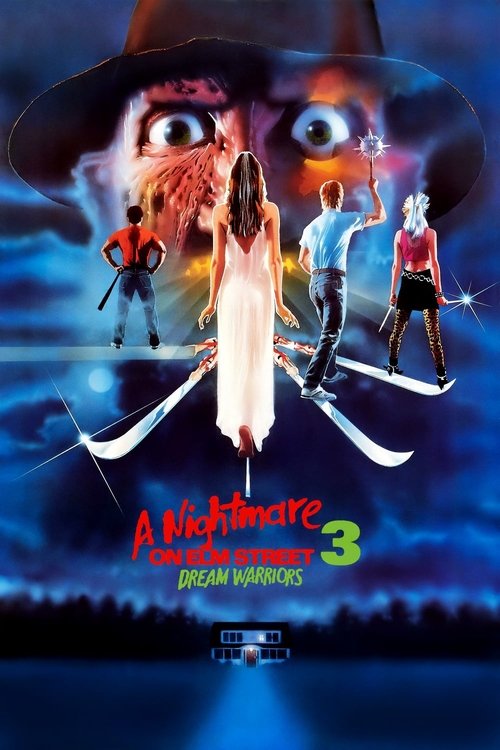
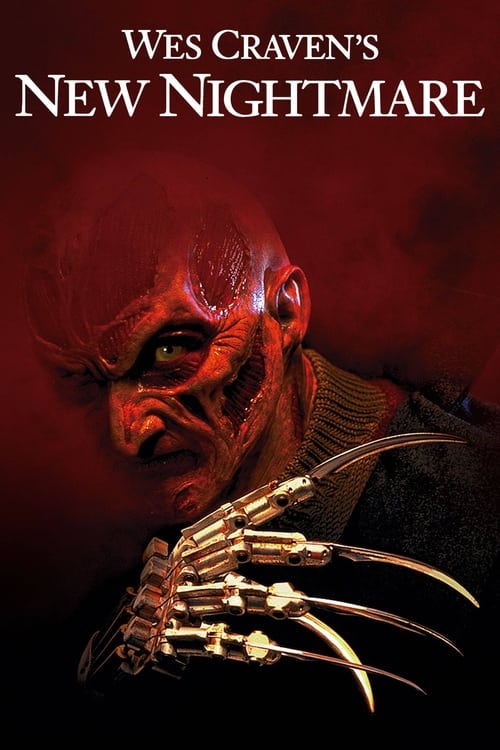
Nightmare logic: Freddy and the dream killers
When the slasher moved inside your head
Dead by Daylight understood the slasher as sport
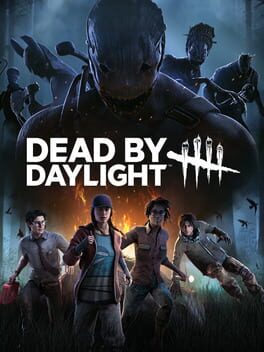
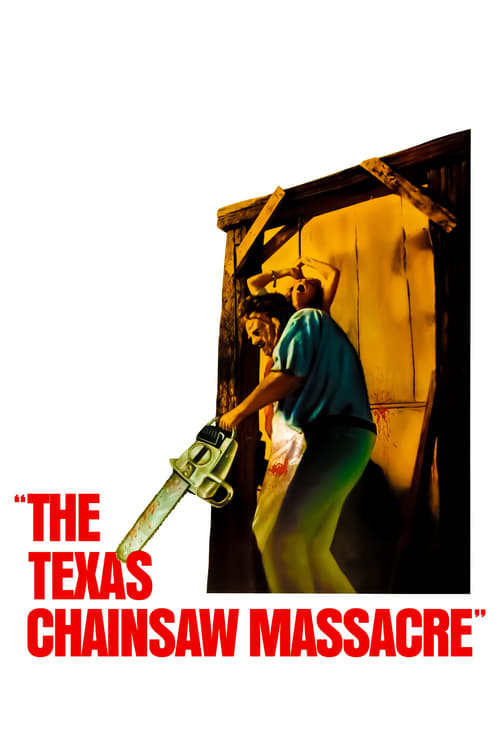
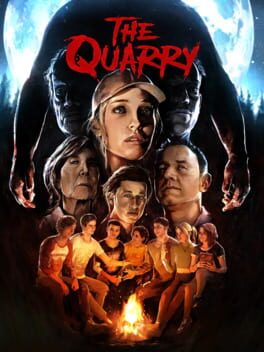
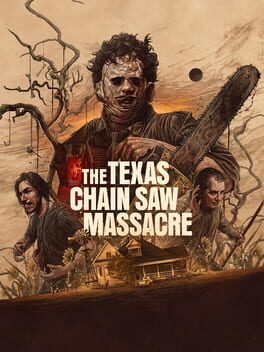
The slasher film runs on a logic that feels almost like a game: one killer, multiple targets, a space with rules. Dead by Daylight made that game literal and it turned out to be a perfect fit. Four survivors against one killer, asymmetric roles, tension built from sound design and the horror of not knowing which direction the threat is coming from. The game hosts the actual licensed killers (Myers, Freddy, Leatherface, Ghost Face) and it works as a kind of fan-made finale for every slasher you ever watched, now with you at the controls. Until Dawn and The Quarry take the opposite approach: put you in the director's chair of a slasher film and ask whether you can make better decisions than the characters you watched get killed.
Slashers to play
The genre in your hands
Slashers on the small screen
When the genre moved to television
The Fear Street problem
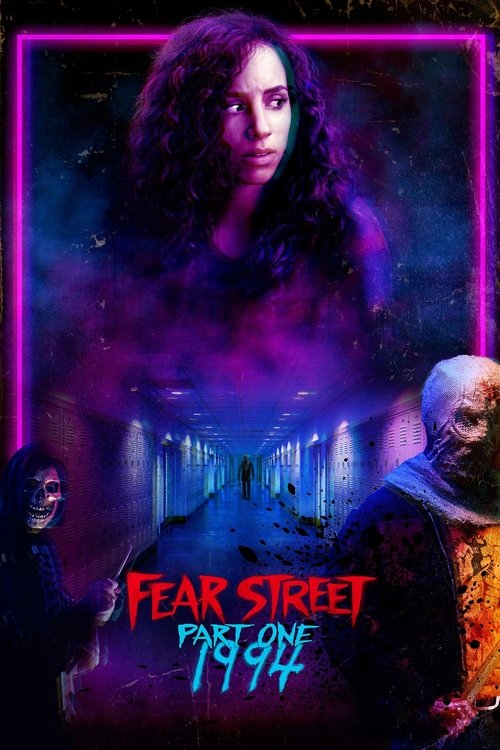
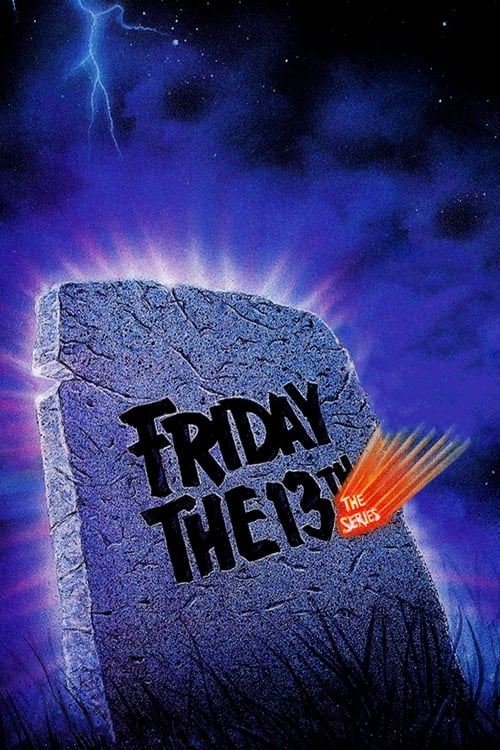
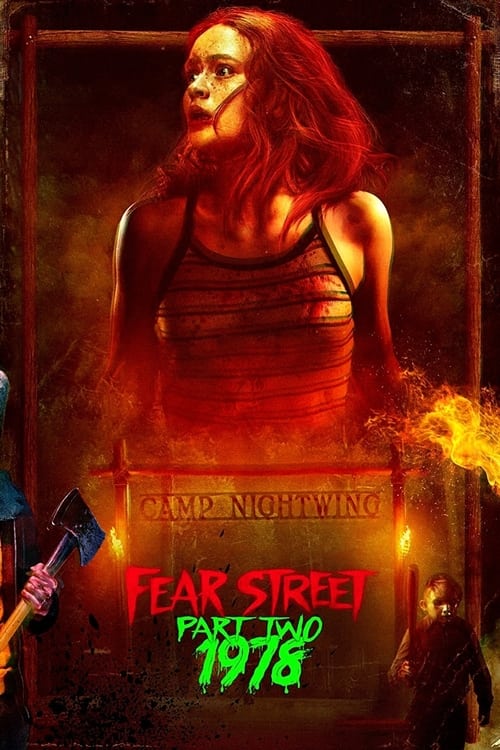
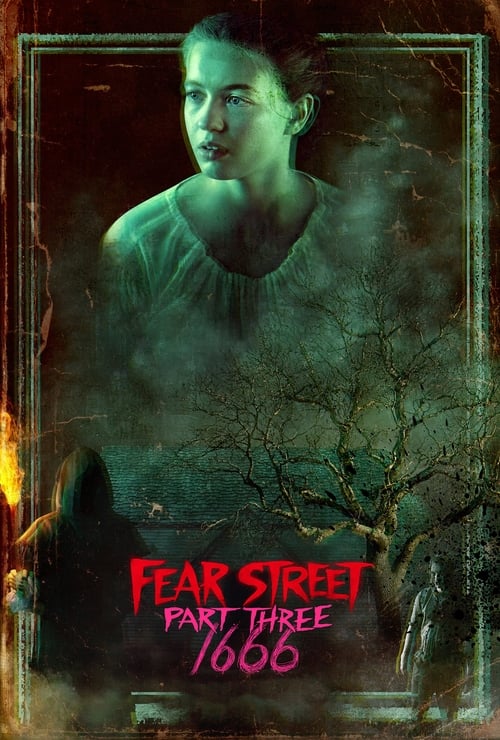
R.L. Stine's Fear Street series has an odd relationship to the slasher genre: it was born alongside the 1980s slasher boom, absorbed its DNA entirely, and then spent thirty years existing in a publishing category (YA horror paperbacks) that kept it separate from the films it resembled. The Netflix trilogy closed that gap by filming the books as explicit slasher films, set in 1994, 1978 and 1666, each one modelled on a different era of the genre's history. The 1978 instalment, set at a summer camp, is the most direct: it is a Friday the 13th film in everything but the licence.
Fear Street and the page
The slasher's roots in YA horror fiction


The slasher film does not ask you to sympathise with the killer. It asks you to understand the survivor. That distinction is why the genre keeps producing final girls worth rooting for, fifty years after the first one ran.On why the slasher never really died
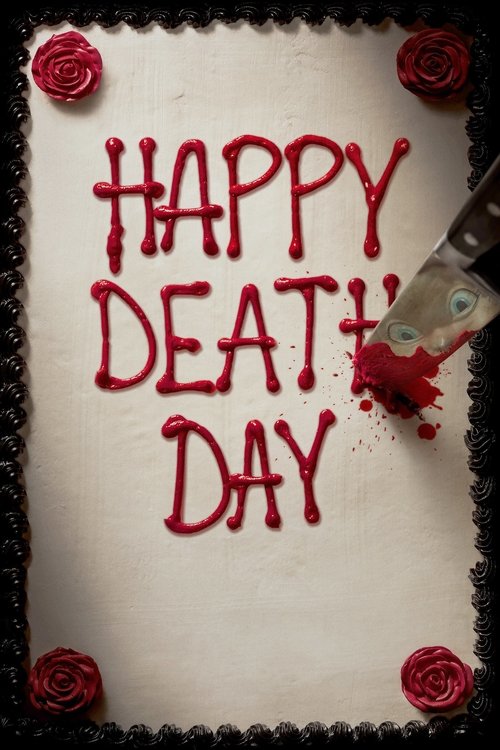
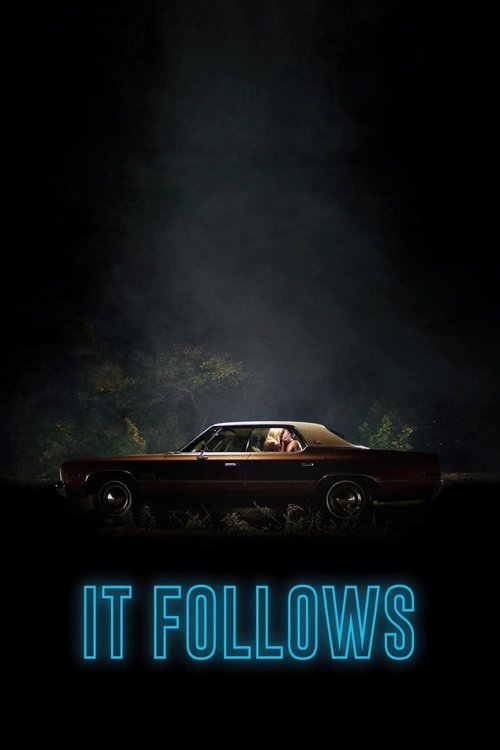
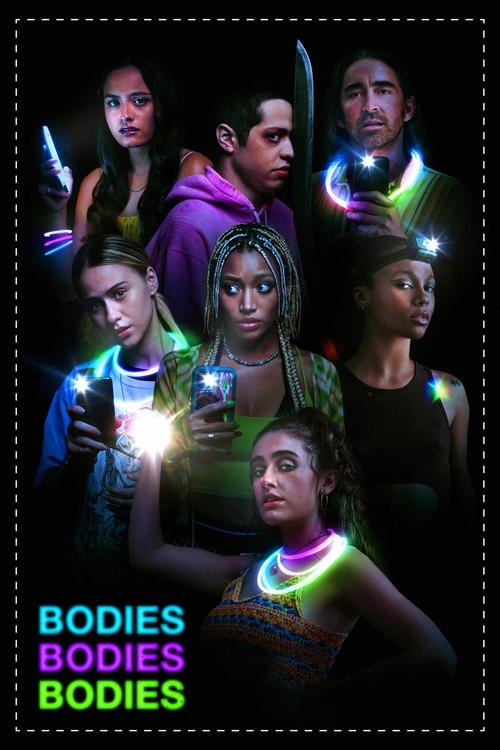
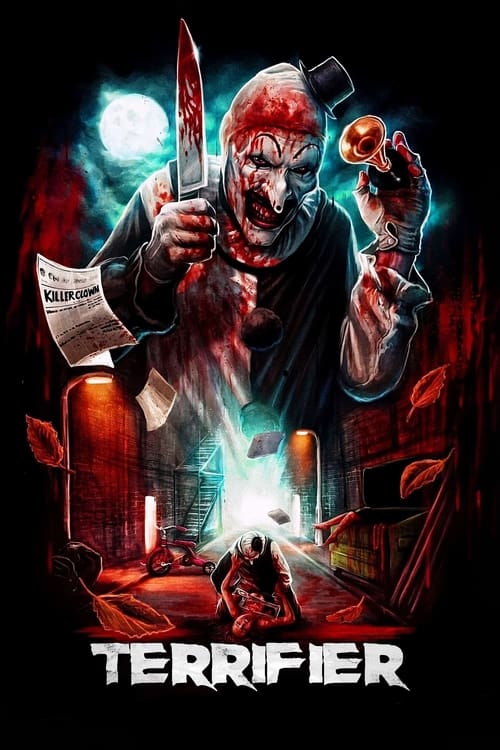
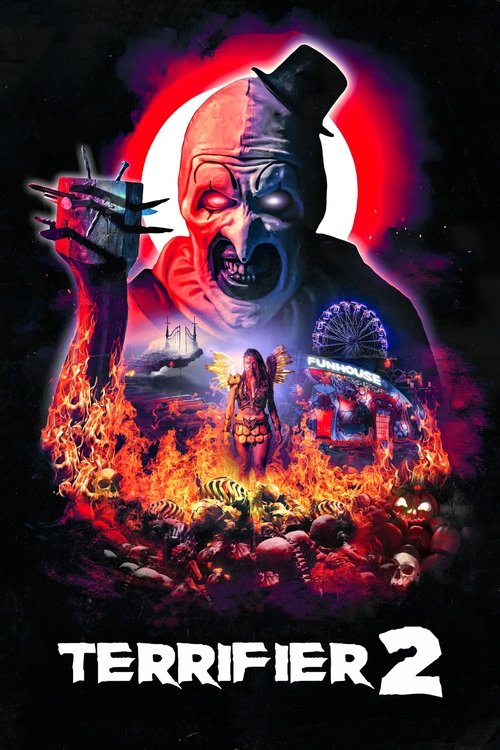
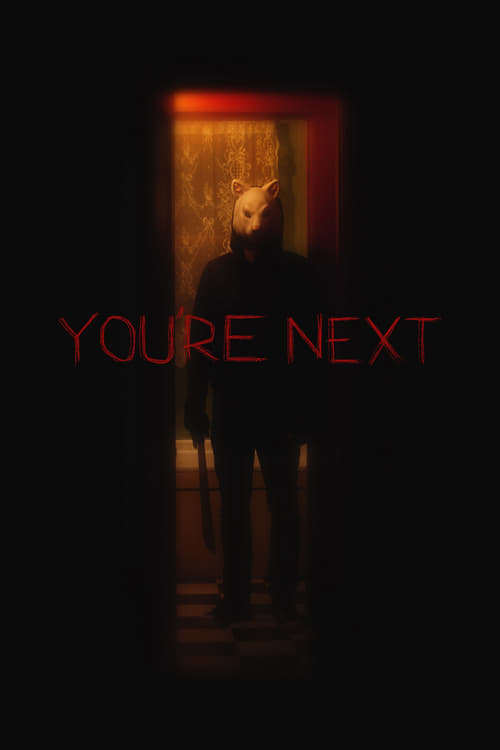
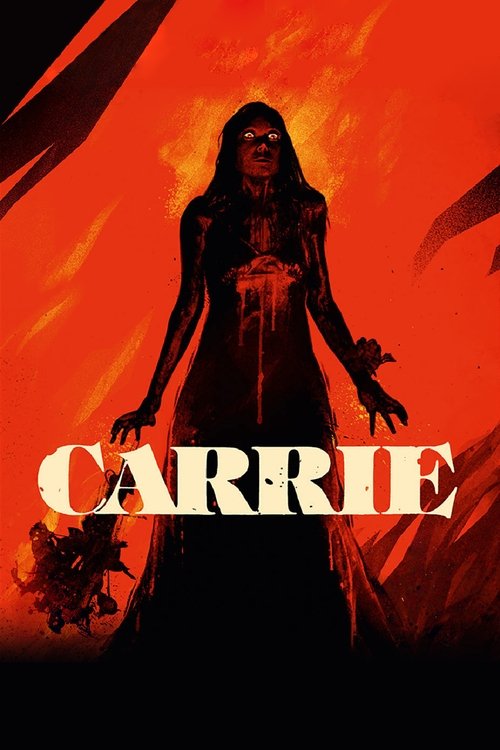
Modern slashers
The genre reinvented for a new generation
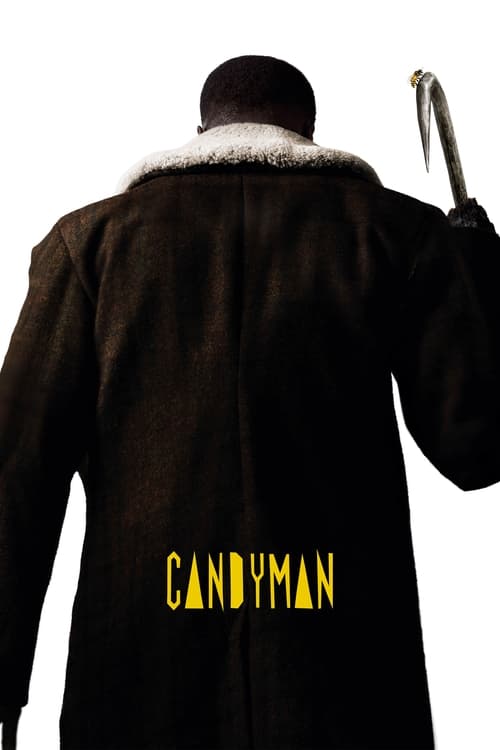
The music that made you afraid of the dark
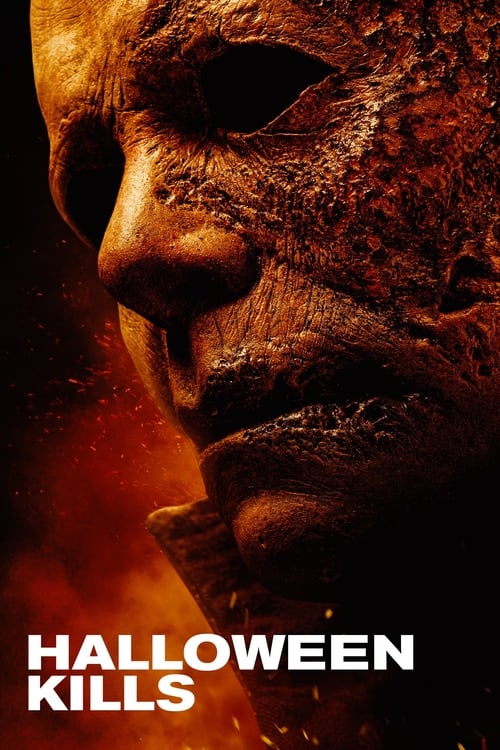
John Carpenter composed the Halloween theme himself: five notes in 5/4 time, built from a pattern his father taught him on the bongos. It cost almost nothing and has become one of the most recognisable pieces of music in cinema. The lesson it taught composers after it was that a slasher score should feel wrong rather than just frightening. Charles Bernstein's Elm Street music is dissonant in a way that suggests a mind coming apart. The genre's signature sound is not strings and jump stings; it is something that sounds almost normal but lands in the wrong place every time.